








Hadzabe Culture: Discovering One of Earth’s Oldest Living Traditions
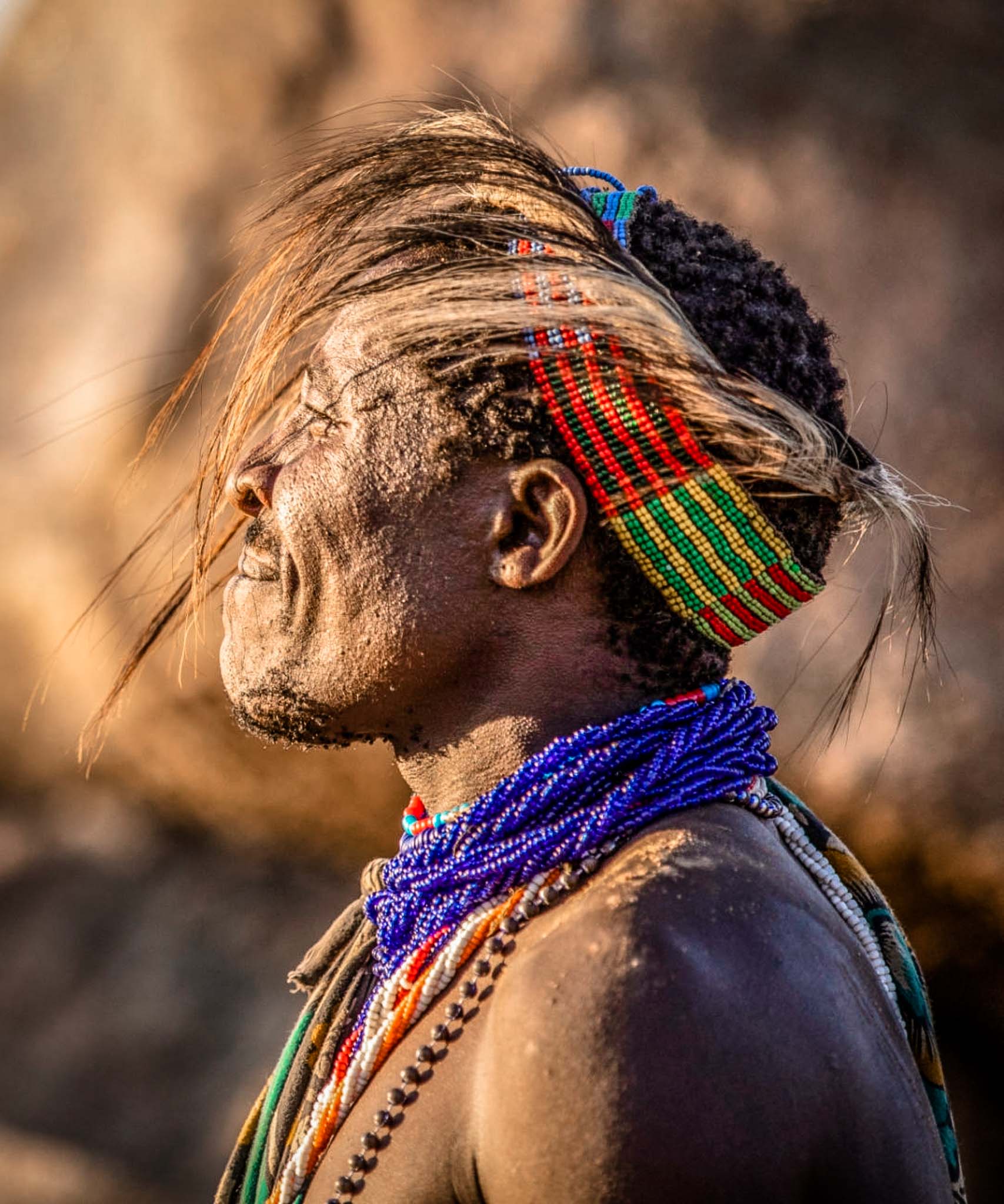
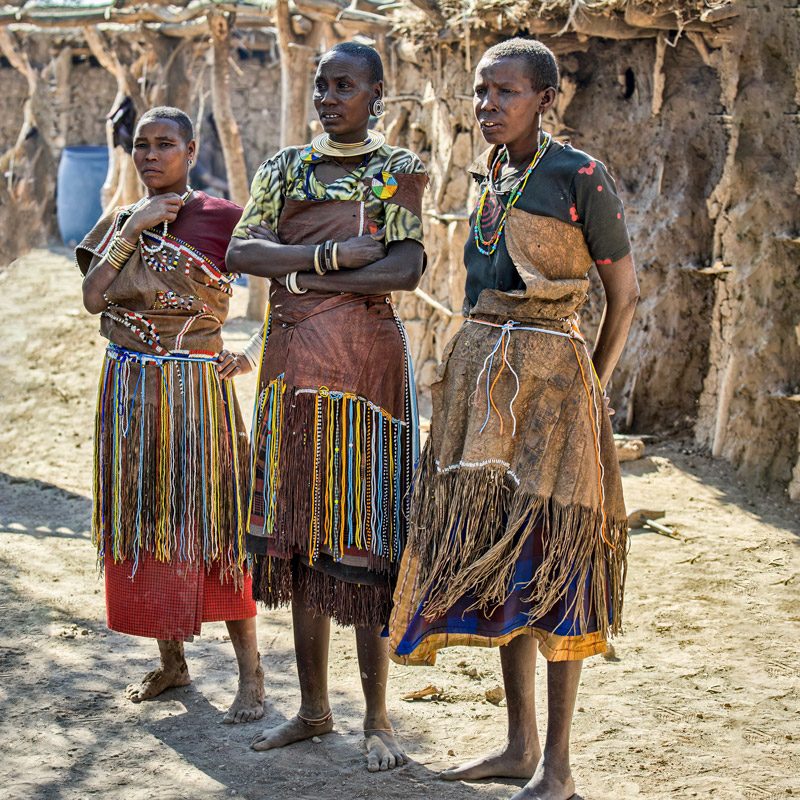
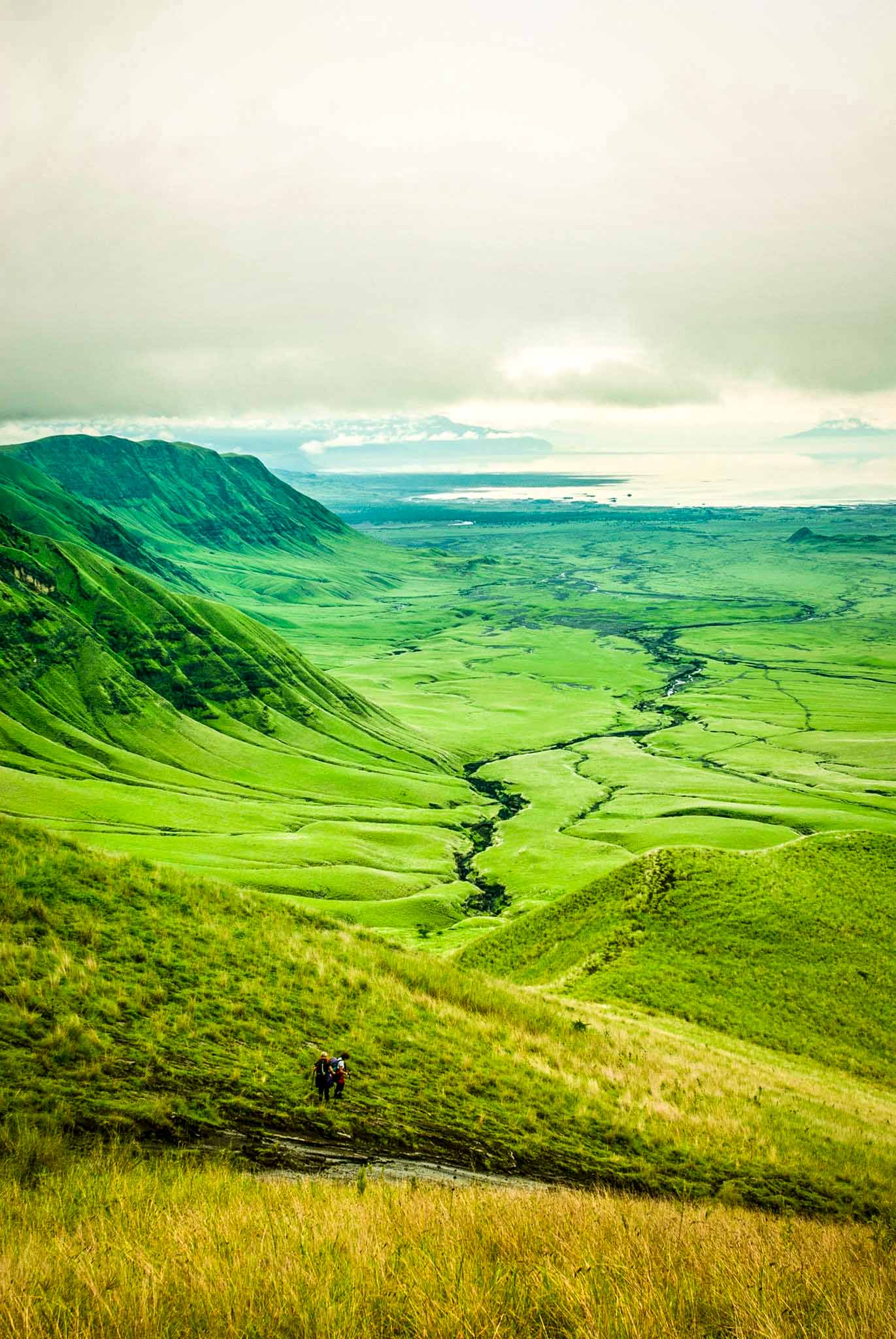
Deep in the bushland surrounding Lake Eyasi in northern Tanzania lives one of the most extraordinary communities remaining on the planet, the Hadzabe. Numbering only a few hundred individuals today, the Hadzabe are believed to be one of the last true hunter gatherer societies on Earth, with genetic and cultural roots that may stretch back tens of thousands of years. For travelers seeking a genuine and unfiltered connection to humanity’s ancient past, exploring Hadzabe culture offers an experience unlike any other found in Tanzania.
Unlike the vast majority of modern societies, the Hadzabe continue to live largely as their ancestors did, surviving entirely through hunting wild game and foraging for food across the surrounding savanna. They have no formal agriculture, no domesticated livestock, and no permanent settlements, instead moving periodically between temporary camps in response to the availability of food and water. This way of life, largely unchanged for millennia, offers a rare and remarkable window into how early humans may have lived across much of Africa before the rise of farming and settled civilization.
A Language Unlike Any Other
One of the most fascinating aspects of Hadzabe culture is their language, which features distinctive click consonants, a linguistic trait shared by only a small handful of languages found anywhere in the world. Researchers and linguists have long been captivated by the Hadzabe language, as it appears to be a linguistic isolate, meaning it is not closely related to any other known language family, including neighboring Bantu and Nilotic languages spoken throughout East Africa.
This unique linguistic heritage adds another compelling layer to any cultural encounter with the Hadzabe, offering visitors a rare opportunity to hear a language pattern found almost nowhere else on the planet.
Traditional Hunting Practices
Hunting remains at the very core of Hadzabe daily life, with men typically heading out in small groups each morning armed with handmade bows and poison tipped arrows crafted from local materials. Travelers who join a guided hunting excursion often witness firsthand the remarkable skill, patience, and deep environmental knowledge required to track and pursue game across the dry bushland.
Unlike modern hunting methods, the Hadzabe rely entirely on traditional techniques passed down through countless generations, using an intimate understanding of animal behavior, tracks, and seasonal patterns to locate prey. Small birds, hyrax, and occasionally larger game such as antelope form part of their diet, supplemented by honey, considered a prized delicacy and often gathered using smoke to calm wild bees before harvesting.
Foraging and Gathering Traditions
While hunting is primarily undertaken by men, gathering plays an equally vital role in Hadzabe survival, traditionally carried out by women and children. Wild fruits, roots, tubers, and berries make up a significant portion of the Hadzabe diet, gathered using deep knowledge of which plants are edible, medicinal, or seasonally available across the surrounding landscape.
This intimate botanical knowledge, developed and refined over countless generations, reflects an extraordinary relationship between the Hadzabe and their environment, one built on necessity, observation, and deep respect for the natural world around them.
Fire Making and Traditional Skills
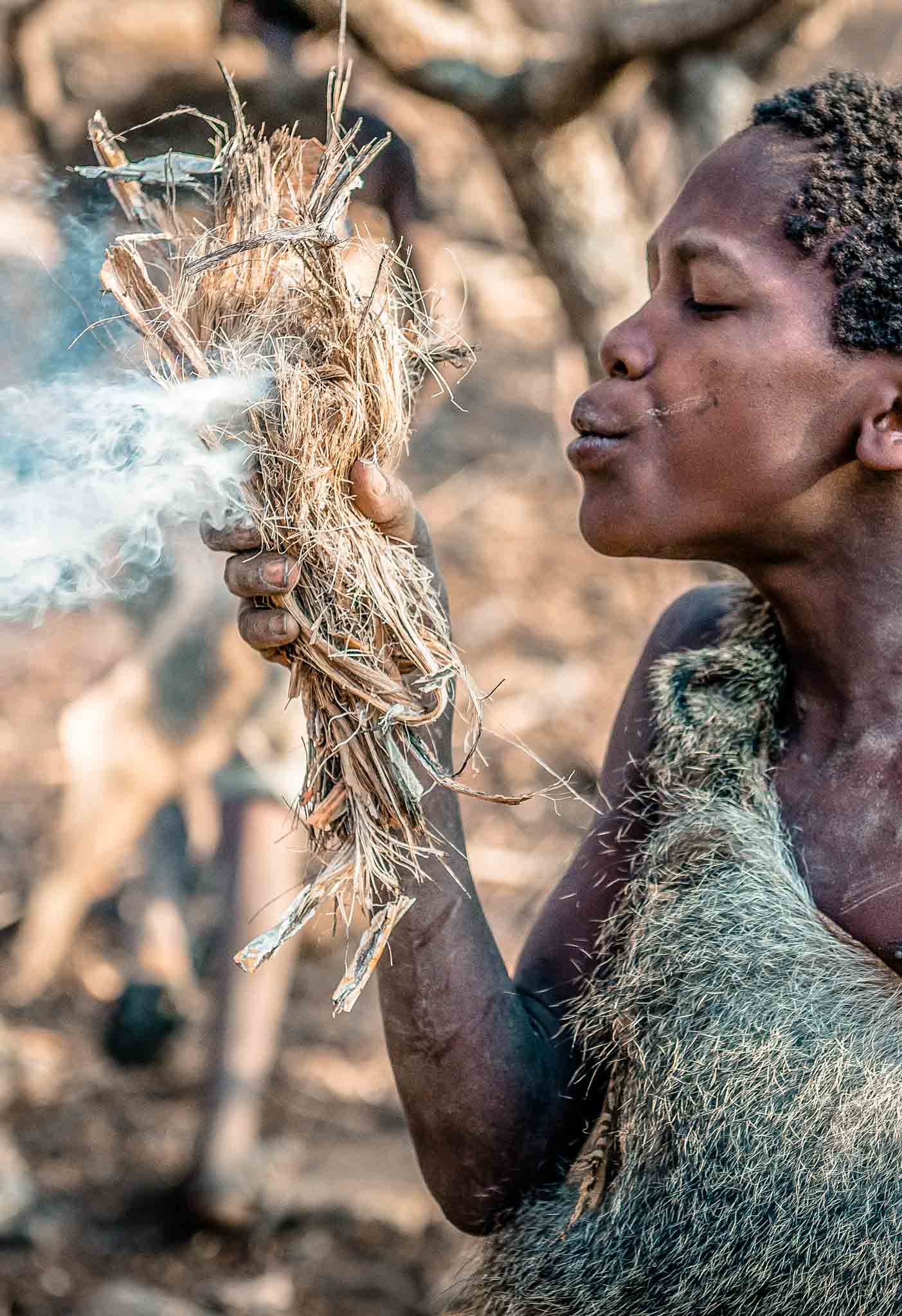
A visit to a Hadzabe community often includes demonstrations of traditional fire making, using nothing more than two sticks and rapid friction to generate enough heat to ignite dry tinder. This ancient skill, once essential for survival across early human history, remains a proud and practiced tradition within Hadzabe daily life, offering visitors a hands on glimpse into skills that have largely disappeared from the modern world.
Beyond fire making, travelers may also observe traditional tool crafting, including the careful construction of bows, arrows, and simple household items made entirely from natural materials found within their immediate environment.
A Deep Connection to the Land
Central to Hadzabe identity is an extraordinarily deep and intimate connection to the land they inhabit. Unlike agricultural or pastoral societies, the Hadzabe do not seek to alter or control their environment, instead living in careful balance with the natural rhythms of the bush. This philosophy of coexistence rather than domination offers a thought provoking contrast to modern approaches to land use and resource management.
This relationship with the land also shapes Hadzabe spiritual beliefs, which remain closely tied to nature, ancestral connection, and the rhythms of the surrounding wilderness, rather than organized religious structures found in many other cultures.
Experiencing Hadzabe Culture Respectfully
Given the profound uniqueness of Hadzabe culture, responsible and respectful engagement remains essential for any visiting traveler. Reputable guides work directly with Hadzabe communities to ensure visits are conducted with genuine respect, fair compensation, and minimal disruption to daily life, allowing travelers to observe and participate without turning ancient traditions into mere spectacle.
Visitors are encouraged to approach each interaction with curiosity, humility, and openness, recognizing that they are witnessing a living, evolving culture rather than a staged performance or museum exhibit frozen in time.
Best Time to Experience Hadzabe Culture
Hadzabe cultural visits can be arranged throughout the year, as their hunting and gathering lifestyle continues regardless of season. However, early morning visits, typically arranged around sunrise, offer the best opportunity to witness genuine hunting activity, as this is when Hadzabe hunters are most active in tracking game across the cooler morning bushland.
Getting to the Hadzabe Community
Hadzabe communities are typically visited as part of a broader excursion to Lake Eyasi, located a few hours from Karatu or the Ngorongoro Conservation Area. Most travelers combine a Hadzabe cultural visit with other northern circuit destinations, creating a well rounded itinerary that blends wildlife safari experiences with meaningful cultural discovery.
Why Hadzabe Culture Deserves a Place on Your Tanzania Itinerary
Experiencing Hadzabe culture offers travelers a rare and profound opportunity to witness one of the last remaining hunter gatherer societies on Earth, providing genuine insight into a way of life that predates agriculture, permanent settlement, and much of recorded human history. Whether joining a traditional hunting excursion, learning ancient fire making techniques, or simply listening to the distinctive click language spoken for countless generations, a visit to the Hadzabe leaves travelers with a deeply humbling appreciation for humanity’s ancient roots.
For travelers seeking a truly authentic and meaningful cultural experience, the Hadzabe of Lake Eyasi stand as one of Tanzania’s most remarkable and unforgettable encounters.