


Mahale National Park Tanzania
Mahale National Park Tanzania is one of the most remote, beautiful and extraordinary safari destinations in Africa. Located on the eastern shores of Lake Tanganyika in western Tanzania, Mahale Mountains National Park combines tropical forests, dramatic mountains, sandy beaches, crystal clear lake waters and some of the most fascinating chimpanzee experiences in Africa.
Unlike the famous savannah parks of northern Tanzania, Mahale offers a completely different type of safari. There are no busy roads crossing the park and no large crowds of safari vehicles. Much of the park is explored on foot or by boat, creating an intimate connection with nature.
The greatest attraction is the opportunity to encounter habituated chimpanzees in their natural forest environment. However, chimpanzee trekking in Mahale is only one part of the experience. Visitors can also hike through beautiful forests, climb Mount Nkungwe, explore Lake Tanganyika by boat, kayak along the shoreline, swim in clear waters, enjoy birdwatching and relax on secluded beaches.
The official Tanzania National Parks Authority describes Mahale as a place where rainforest peaks meet one of Africa’s great inland lakes, creating a unique combination of forest, mountains and freshwater ecosystems.
Why Visit Mahale Mountains National Park?
A visit to Mahale Mountains National Park Tanzania is ideal for travelers who want something beyond a traditional game drive safari. The park is remote, peaceful and naturally beautiful, making it particularly attractive to wildlife photographers, nature lovers, adventure travelers and visitors interested in primates.
The mountains rise dramatically behind the shoreline while the forests provide habitat for chimpanzees and several other primate species. Below the forested slopes lies Lake Tanganyika, one of Africa’s great freshwater lakes.
This combination makes Mahale safari Tanzania unique. In one day, travelers can walk through rainforest looking for chimpanzees, hike along mountain trails and later relax on a beautiful beach overlooking Lake Tanganyika.
The park protects more than 1,600 square kilometers of wilderness and includes extensive forest, mountain and lakeshore habitats.
Chimpanzee Trekking in Mahale National Park
The main reason many travelers visit Mahale National Park is to experience chimpanzee trekking in Tanzania.
Mahale is famous for its habituated chimpanzee communities, allowing visitors to observe these intelligent primates in their natural environment. Rather than seeing chimpanzees in an enclosure, travelers walk through the forest with trained guides and rangers to find them where they naturally live.
The trek itself is part of the adventure. You follow forest trails beneath tall trees, through vegetation and across uneven terrain while listening for chimpanzee calls. Once the chimpanzees are located, visitors can observe their natural behavior as they feed, communicate, climb trees, rest and interact with one another.
The experience can be surprisingly emotional because chimpanzees display many behaviors that remind us of our own social nature. They form family relationships, communicate through different sounds and gestures, care for young ones and establish complex social relationships.
TANAPA emphasizes responsible chimpanzee encounters, with visitors required to follow ranger instructions and maintain appropriate distances from the animals.
What Makes Mahale Chimpanzee Trekking Special?
Mahale chimpanzee trekking is different from many wildlife experiences because the forest itself becomes part of the safari.
You do not simply drive toward an animal. You walk through its environment and search for signs of its presence. Your guide may identify footprints, feeding remains, calls or movement in the trees before the chimpanzees eventually appear.
The trek can be physically demanding because the forest trails can be steep, humid and uneven. However, this makes the experience more adventurous and rewarding.
Visitors should wear comfortable walking shoes, carry drinking water and follow all instructions from their guides and rangers. Anyone experiencing cold or flu symptoms should avoid chimpanzee trekking to reduce the risk of transmitting illness to the animals.
Mahale Mountains and Mount Nkungwe
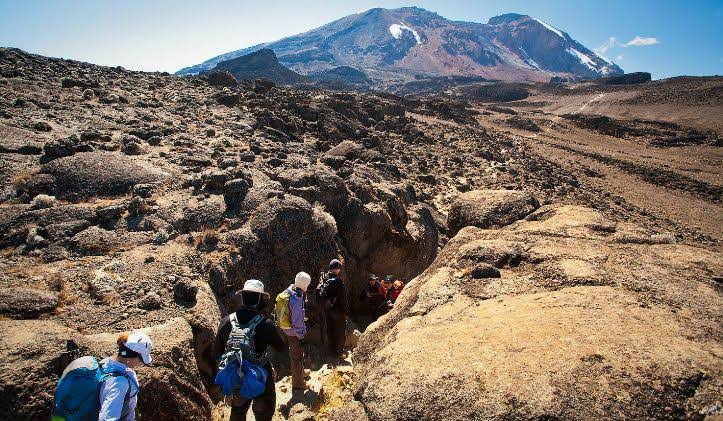
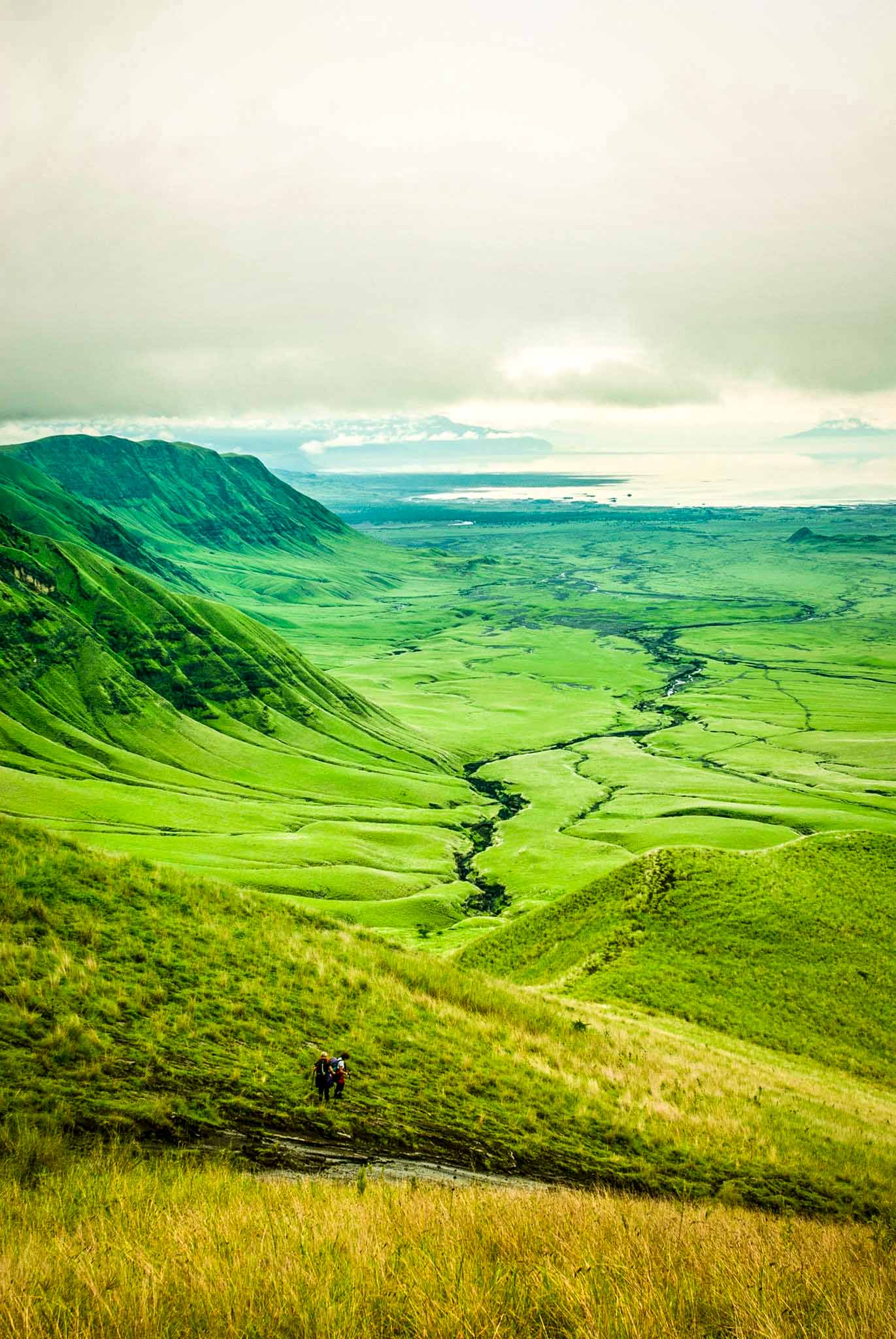
The Mahale Mountains form the dramatic backdrop of the national park. These forest covered mountains rise directly from the shores of Lake Tanganyika, creating one of the most beautiful landscapes in western Tanzania.
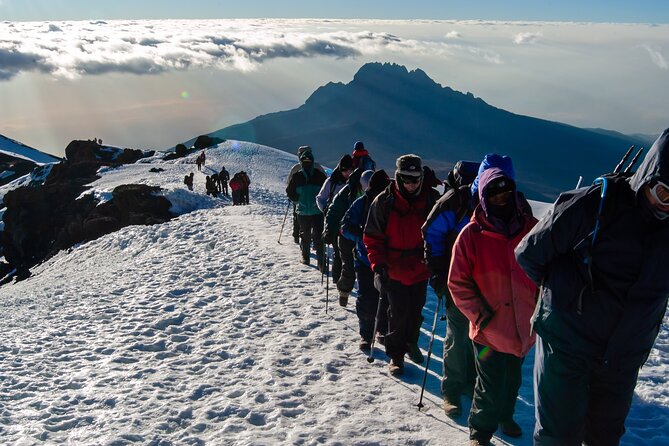
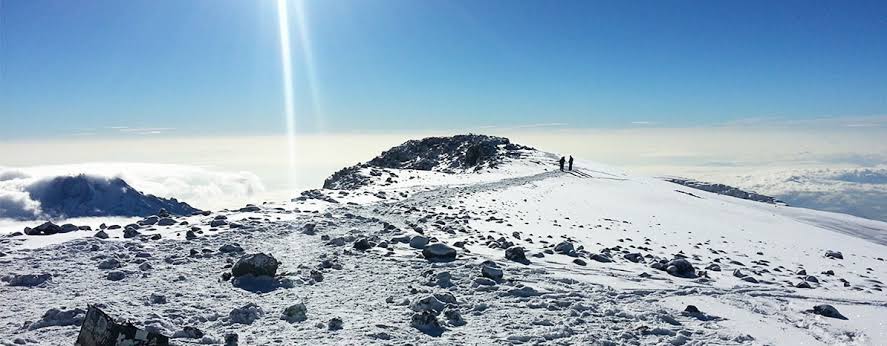
The highest peak is Mount Nkungwe, which rises to approximately 2,460 meters above sea level. The mountain provides an excellent challenge for travelers interested in hiking and adventure.
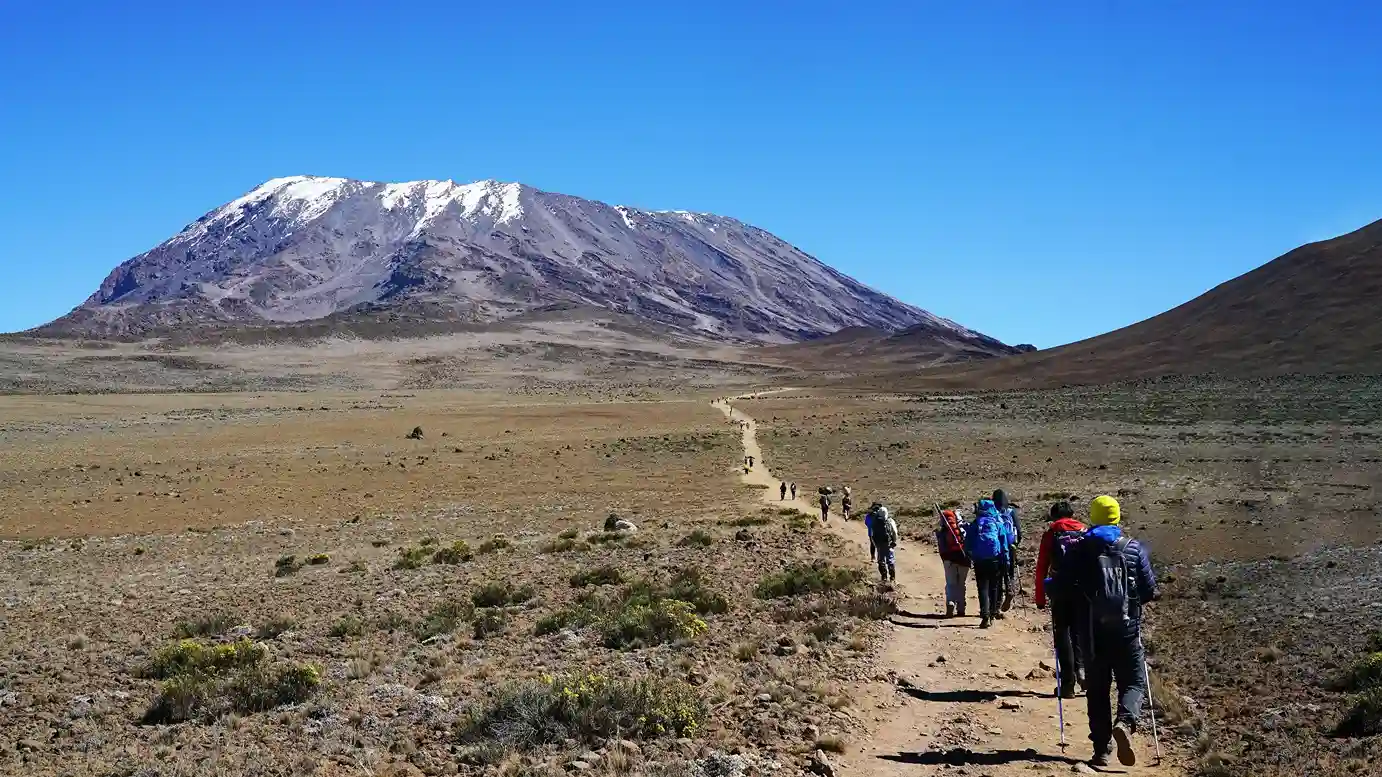
A Mount Nkungwe hike takes visitors through different vegetation zones and offers impressive views across the surrounding wilderness. The higher you climb, the more spectacular the landscape becomes, with forested slopes below and Lake Tanganyika stretching into the distance.
The mountain is also culturally important to local communities, adding another dimension to the hiking experience.
For experienced hikers, climbing Mount Nkungwe can be one of the most rewarding activities in Mahale National Park Tanzania. TANAPA identifies the mountain and its peak ascent as one of the park’s major attractions.
Lake Tanganyika in Mahale National Park
Another major attraction of Mahale National Park Tanzania is Lake Tanganyika.
The lake forms a spectacular natural boundary along the park and provides a beautiful contrast to the surrounding forests and mountains. Its clear freshwater, sandy beaches and rocky coves create excellent opportunities for relaxation and water based activities.
After a morning of chimpanzee trekking, travelers can return to the lakeshore, enjoy a refreshing swim or simply relax while looking across the water.
The lake also provides opportunities for boat trips, kayaking and snorkeling. These activities allow visitors to explore the park from a completely different perspective.
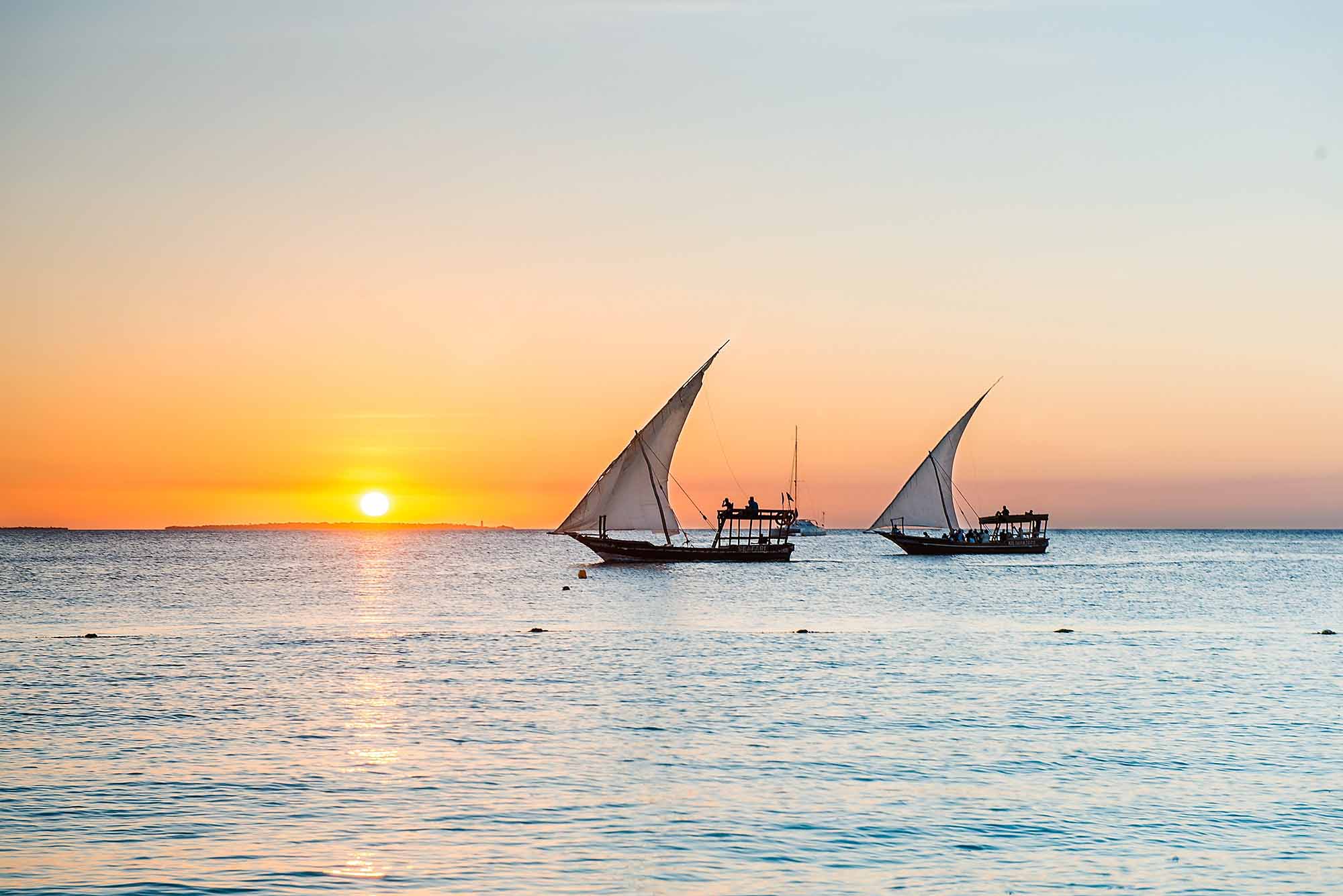
A Lake Tanganyika safari in Mahale is especially beautiful during the early morning and late afternoon when the changing light creates spectacular views across the water.
Mahale National Park Beaches
The beaches of Mahale National Park are among its most attractive features.
Soft sandy shores meet clear freshwater while forested mountains rise behind them. The result is a peaceful environment that feels very different from the typical African safari landscape.
Travelers can enjoy quiet walks along the shoreline, swimming in designated areas, relaxing after chimpanzee trekking or watching the sunset over Lake Tanganyika.
The combination of a tropical forest, mountain scenery and a beautiful freshwater beach is one of the reasons Mahale safari Tanzania is often considered one of the country’s most unique wilderness experiences.
Forest Hiking in Mahale National Park
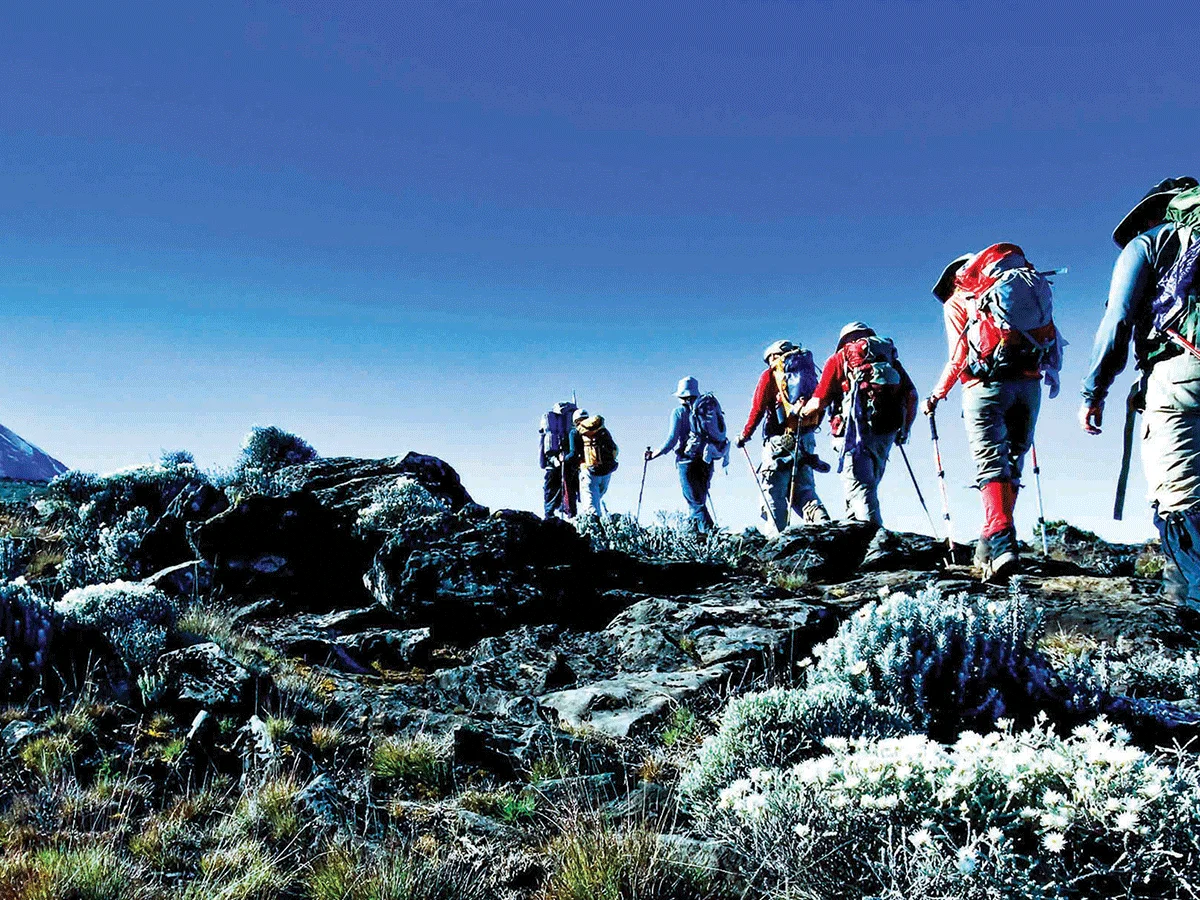
For travelers who enjoy walking, forest hiking in Mahale National Park provides an excellent opportunity to explore the park beyond chimpanzee trekking.
The forest contains tall trees, vines, bamboo, streams and thick vegetation. Walking through this environment gives visitors an opportunity to discover insects, butterflies, birds, monkeys and other wildlife that might not be noticed from a vehicle.
Guided forest walks can also lead toward scenic viewpoints, streams, waterfalls and mountain areas.
The official park information highlights montane forest trails, waterfalls, springs and granite viewpoints among the natural attractions visitors can explore.
Wildlife in Mahale National Park
Although chimpanzees are the main attraction, Mahale National Park wildlife is much more diverse.
The forests are home to several primate species including blue monkeys, red tailed monkeys, red colobus monkeys, Angolan colobus monkeys, vervet monkeys and yellow baboons.
Other animals recorded in the park include bushbuck, duikers, bush pigs and other forest species. Leopards also occur in the park, although sightings are much less predictable than in Tanzania’s open savannah parks.
The park’s different habitats support an impressive variety of wildlife, making every forest walk an opportunity for discovery.
According to TANAPA information, Mahale’s wildlife includes around six species of monkeys in addition to its chimpanzee population.
Birdwatching in Mahale National Park
Birdwatching in Mahale National Park is another rewarding activity for nature lovers.
The combination of forest, mountains, streams and Lake Tanganyika creates several habitats for birds. Visitors may encounter fish eagles, kingfishers, cormorants and other water associated species along the lake and shoreline.
Forest habitats also support a variety of smaller birds, making early morning walks particularly rewarding for birdwatchers and photographers.
TANAPA highlights birdlife as one of the important attractions of Mahale, including species associated with both the forest and Lake Tanganyika.
Boat Safari in Mahale National Park
A boat safari in Mahale National Park offers a peaceful way to explore the shoreline and surrounding waters of Lake Tanganyika.
Boat trips can be used for sightseeing, photography, exploring secluded coves and reaching areas of the shoreline that are difficult to access on foot.
The lake provides a spectacular setting for photography, especially when the mountains are reflected in the water.
Visitors can also combine boat excursions with kayaking, snorkeling and swimming in appropriate areas while following local safety guidance.
TANAPA lists boat trips, kayaking, snorkeling and lakeside activities among the experiences available in Mahale.
Kayaking and Snorkeling in Mahale
For travelers who want an active adventure, kayaking in Mahale National Park provides a unique opportunity to experience Lake Tanganyika from the water.
Paddling close to the shoreline allows you to enjoy the peaceful environment while viewing the forested mountains from a different angle.
Snorkeling in Lake Tanganyika can also be included in a Mahale safari depending on local conditions and the arrangements offered by your camp or lodge.
The combination of chimpanzee trekking in the morning and lake activities in the afternoon makes Mahale particularly attractive to travelers who want a safari with both wildlife and adventure.
Waterfalls and Forest Streams
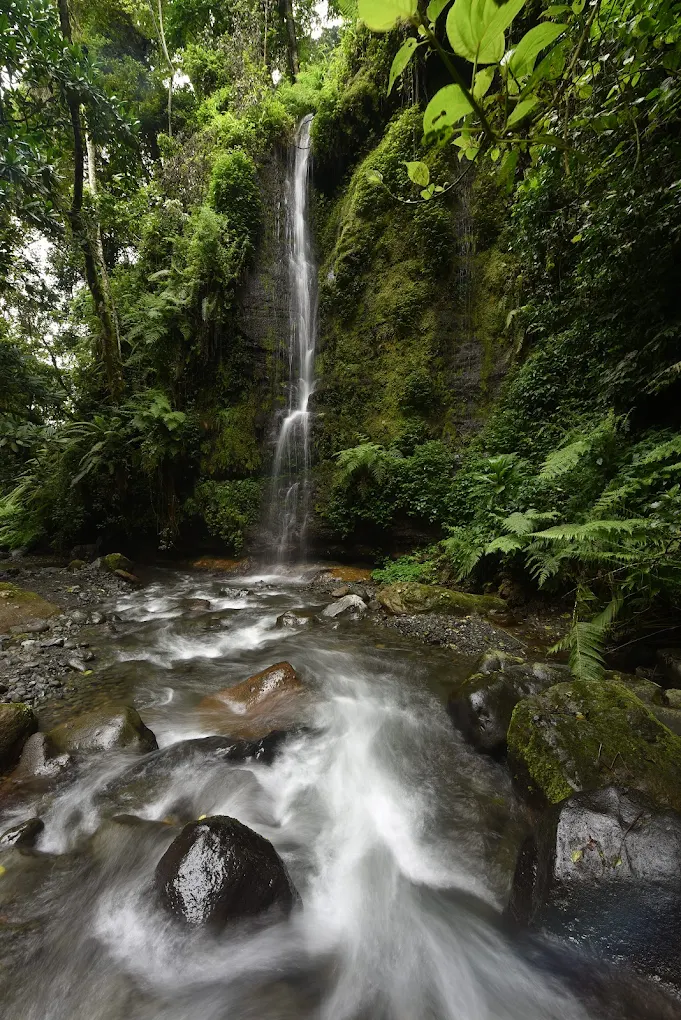
The mountains of Mahale National Park contain streams and seasonal waterfalls that flow through the forest toward Lake Tanganyika.
These areas provide beautiful locations for guided walks and photography. The sound of flowing water, thick forest vegetation and cool mountain surroundings create a peaceful atmosphere away from the lakeshore.
Some trails can be physically challenging, particularly after rain, so visitors should always follow the advice of their guides.
Granite Rocks and Scenic Viewpoints
The Mahale Mountains also contain impressive granite formations and rocky viewpoints.
These elevated locations provide opportunities to appreciate the unusual geography of the park. From certain viewpoints, travelers can see how the mountains descend toward the lake, creating a dramatic meeting point between forest and freshwater.
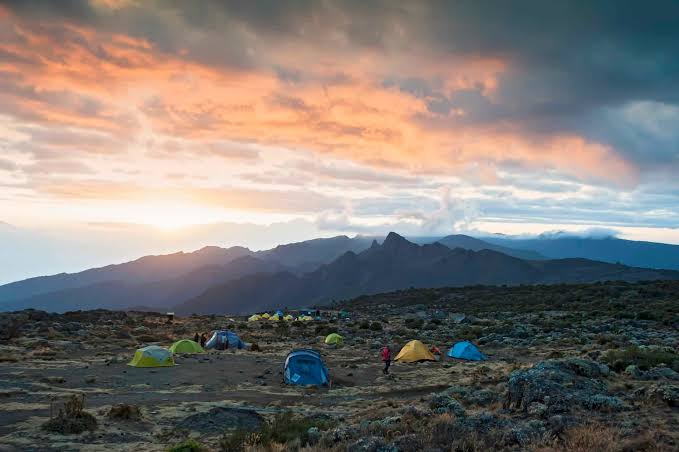
For photographers, these landscapes provide excellent opportunities for wide scenic photographs, especially around sunrise and sunset.
Local Fishing Communities Near Mahale
The region surrounding Mahale National Park is also connected to communities whose lives have traditionally been influenced by Lake Tanganyika.
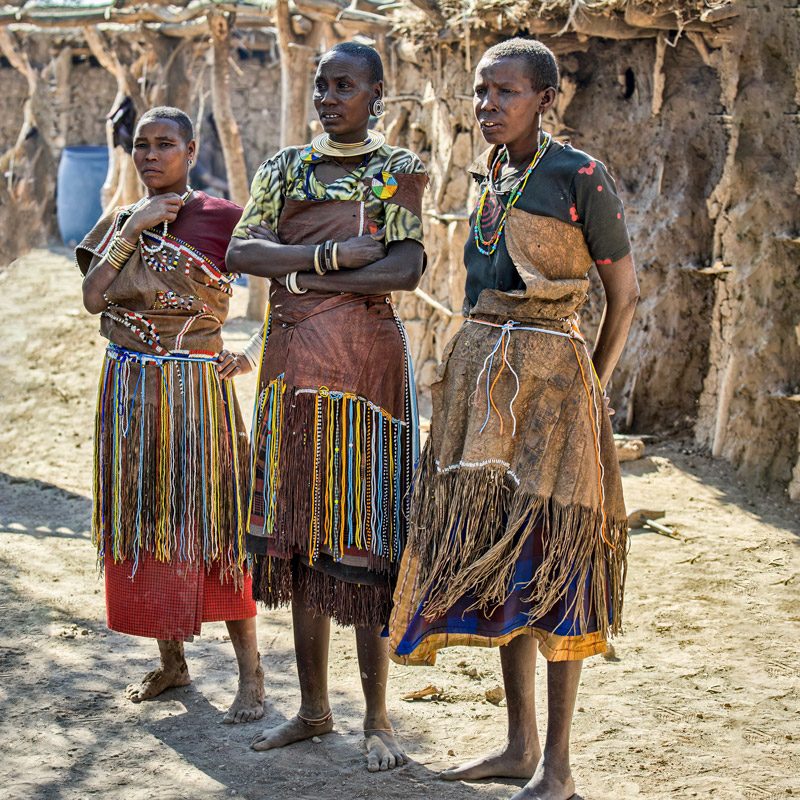
Local fishing communities provide an important cultural dimension to a journey through western Tanzania. Depending on the safari itinerary and responsible tourism arrangements, visitors may have opportunities to learn about traditional fishing, local lifestyles and the importance of Lake Tanganyika to communities living along its shores.
Responsible tourism can help support conservation and community development while allowing visitors to understand the region beyond its wildlife.
Best Way to Get to Mahale National Park
One of the most important things to understand when planning a Mahale National Park safari is that the park is remote.
Mahale is located on the eastern shore of Lake Tanganyika in western Tanzania, and access normally involves a flight followed by a boat transfer.
There are two main ways to reach Mahale Mountains National Park.
Flying Directly to Mahale
For most safari travelers, the easiest and most convenient option is to fly by light aircraft toward the Mahale area.
Flights can be arranged from Arusha and other safari destinations depending on the season and operator. Some safari itineraries also connect Mahale with other western or northern Tanzania destinations.
After landing at the local airstrip, travelers continue by boat along Lake Tanganyika to their accommodation.
This combination of flight and boat transfer to Mahale is part of what makes arriving at the park such an exciting experience. Instead of driving through developed areas, you approach the wilderness across the lake.
TANAPA confirms that visitors can access Mahale by scheduled or charter flights to the Mahale area, followed by a boat transfer.
Flying to Kigoma and Taking a Boat to Mahale
Another popular option is to fly to Kigoma and then continue to Mahale by boat.
Kigoma is an important gateway to western Tanzania and is connected by domestic flights from other parts of the country.
From Kigoma, visitors can arrange a boat transfer across Lake Tanganyika toward Mahale. Depending on the type of boat, weather and lake conditions, the journey can take several hours.
This route can be attractive for travelers who want to experience more of western Tanzania and enjoy a scenic journey across Lake Tanganyika.
TANAPA’s visitor information confirms that access can be made through Kigoma followed by lake transport, while road access is limited and generally requires a suitable four wheel drive vehicle during appropriate conditions.
Which Route Is Best for Mahale?
For travelers looking for convenience, flying directly to Mahale followed by a boat transfer is generally the most comfortable option.
For travelers with more time and a desire to experience western Tanzania, flying to Kigoma and continuing by boat can be a memorable alternative.
The best choice depends on your safari itinerary, budget, travel dates and where you are coming from.
Because Mahale is remote, it is strongly recommended to organize flights, boat transfers and accommodation together rather than arranging each part independently.
Best Time to Visit Mahale National Park
The best time to visit Mahale National Park is generally during the dry season from June to October. This period is popular for chimpanzee trekking, hiking and lake activities because conditions are generally more favorable.
June through October is also an excellent period for travelers who want a combination of wildlife, forest trekking and beach relaxation.
The green season brings lush vegetation and fewer visitors. However, rainfall can make forest trails more challenging and travel arrangements may be affected.
Travelers should always check current flight schedules and camp operating dates before booking because access to this remote destination can vary by season. TANAPA states that the park is open year round, while its visitor guidance identifies June through October as a prime period for trekking and beach activities.
How Many Days Do You Need in Mahale?
To properly experience Mahale National Park Tanzania, it is better to spend several nights rather than rushing through the destination.
A three or four night stay can allow travelers to enjoy chimpanzee trekking, forest walks, lake activities and relaxation on the beach.
Travelers who want to climb Mount Nkungwe or combine Mahale with another western Tanzania destination may benefit from a longer stay.
Because reaching Mahale involves air and boat transfers, staying longer also makes the journey more worthwhile.
Mahale National Park Safari Experience
A typical Mahale safari Tanzania can begin with a flight into western Tanzania, followed by a scenic boat journey across Lake Tanganyika.
After arriving at your lakeside camp, you can spend the following morning trekking through the forest in search of chimpanzees.
The afternoon might be spent swimming, kayaking or relaxing beside the lake. Another day could include hiking, birdwatching, a boat excursion or simply enjoying the peaceful surroundings.
This flexibility is what makes Mahale so special.
It is not simply a destination for ticking animals off a list. It is a destination for slowing down, exploring nature and experiencing one of Tanzania’s most untouched environments.
Why Mahale National Park Should Be on Your Tanzania Safari Itinerary
Mahale National Park Tanzania is one of the country’s most extraordinary destinations for travelers who want adventure, wildlife and nature in a truly remote setting.
Its greatest attraction is undoubtedly chimpanzee trekking, but the experience becomes even more special because of everything surrounding it.
You have the forest, the Mahale Mountains, Mount Nkungwe, Lake Tanganyika, sandy beaches, waterfalls, birds, monkeys, boat trips, kayaking and spectacular sunsets.
The park offers something very different from a traditional Serengeti safari. Instead of endless plains and vehicle based game drives, Mahale gives travelers the opportunity to walk through tropical forests, observe chimpanzees at close range under strict conservation guidelines and experience the beauty of one of Africa’s great lakes.
For travelers searching for a unique Tanzania safari, Mahale Mountains National Park deserves a place high on the list.
Come to Mahale for the chimpanzees, stay for the mountains, the forest and Lake Tanganyika, and leave with memories of one of the wildest and most beautiful corners of Tanzania.