


Descending Kilimanjaro: The Journey Back Down the Mountain
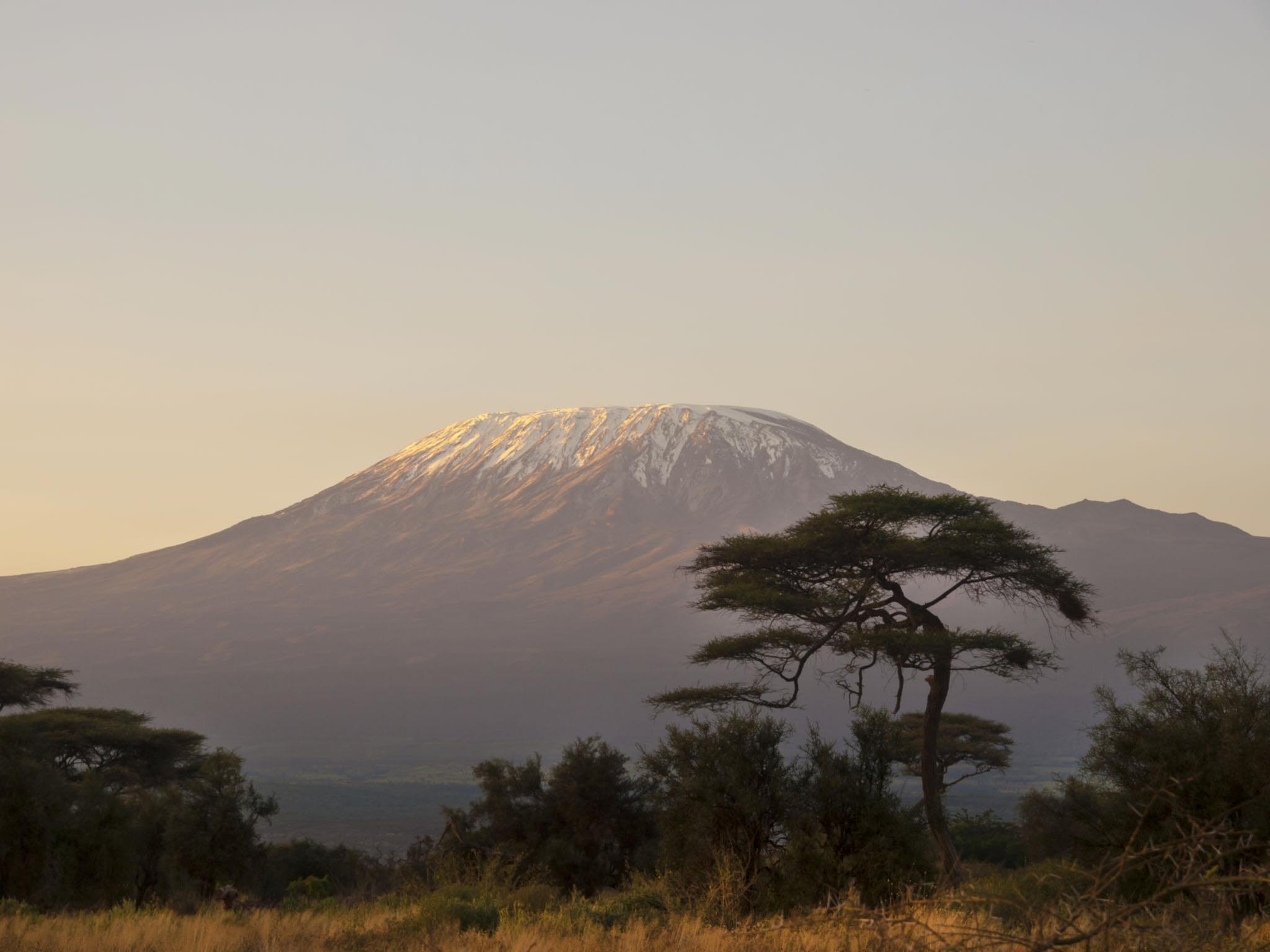
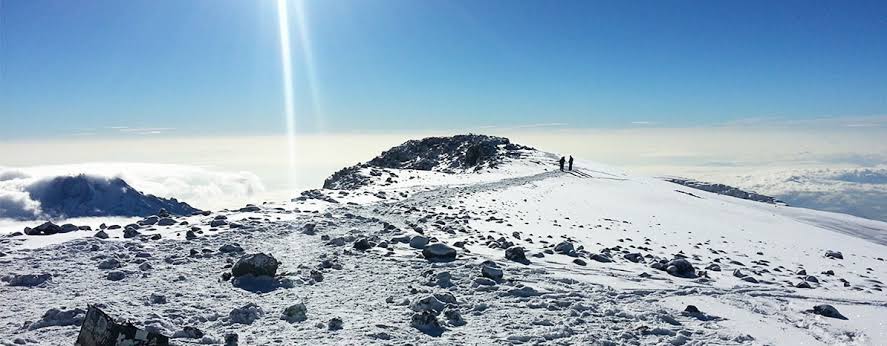
While much attention is understandably focused on the ascent to Uhuru Peak, descending Mount Kilimanjaro represents an equally important, and often surprisingly demanding, part of the overall trekking experience. Following the emotional high of reaching the summit, climbers must still navigate a long and physically tiring journey back down the mountain, typically using one of two primary descent paths, the Mweka Route or, less commonly, a return via the Marangu Route.
The Mweka Route: Kilimanjaro’s Primary Descent Path
For the majority of climbers who ascend via the southern circuit routes, including Machame, Lemosho, Shira, and Umbwe, the Mweka Route serves as the standard path back down the mountain. Rather than retracing the same trail used during the ascent, Mweka offers a completely separate, dedicated descent route, primarily designed to reduce congestion on the mountain’s narrower ascending trails.
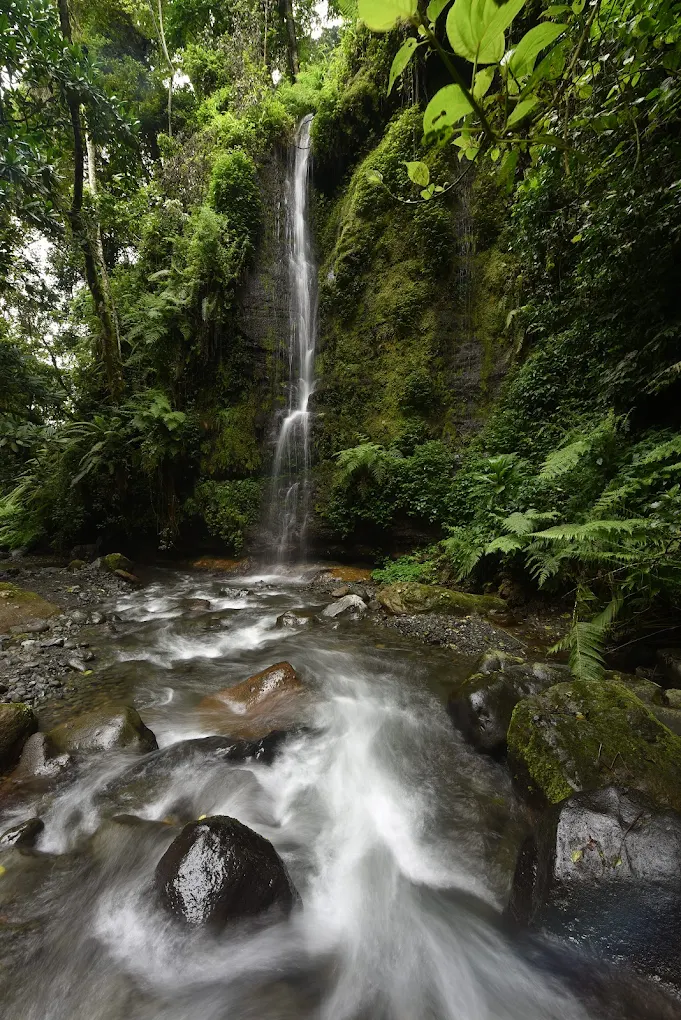
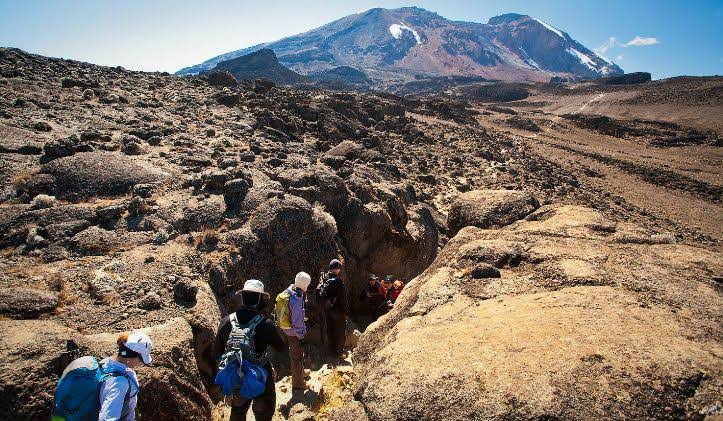
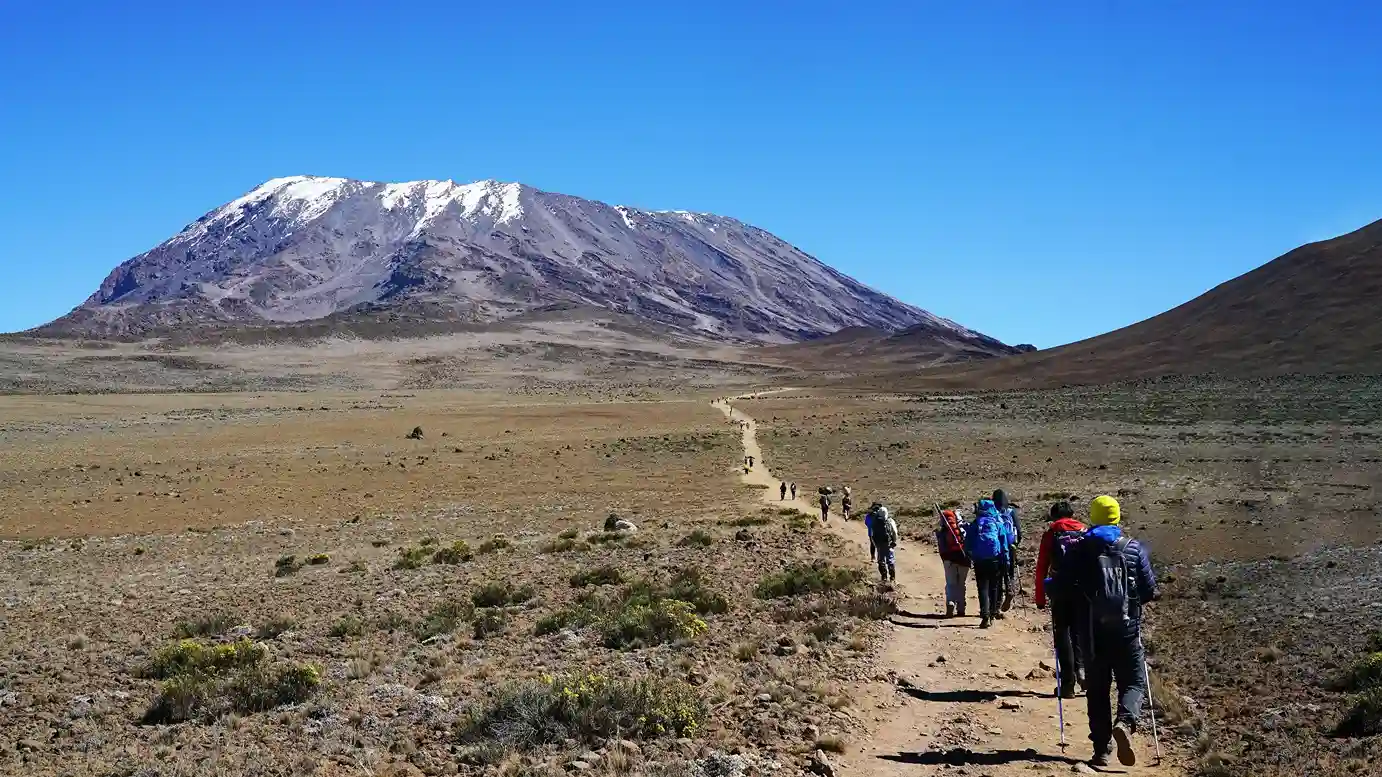
The Mweka Route begins near Barafu Camp, following a steep, direct path down through alpine desert before gradually entering dense rainforest during the lower stages of the descent. This forest section, often shrouded in mist, offers a lush, dramatic contrast to the stark volcanic terrain found near the summit, providing a scenic and memorable final stretch before reaching Mweka Gate at the base of the mountain.
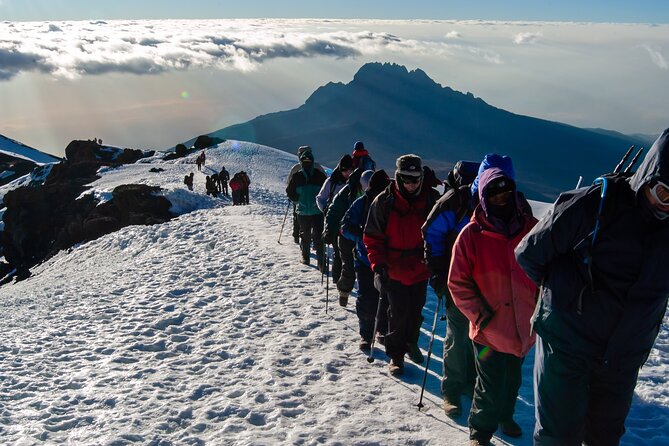
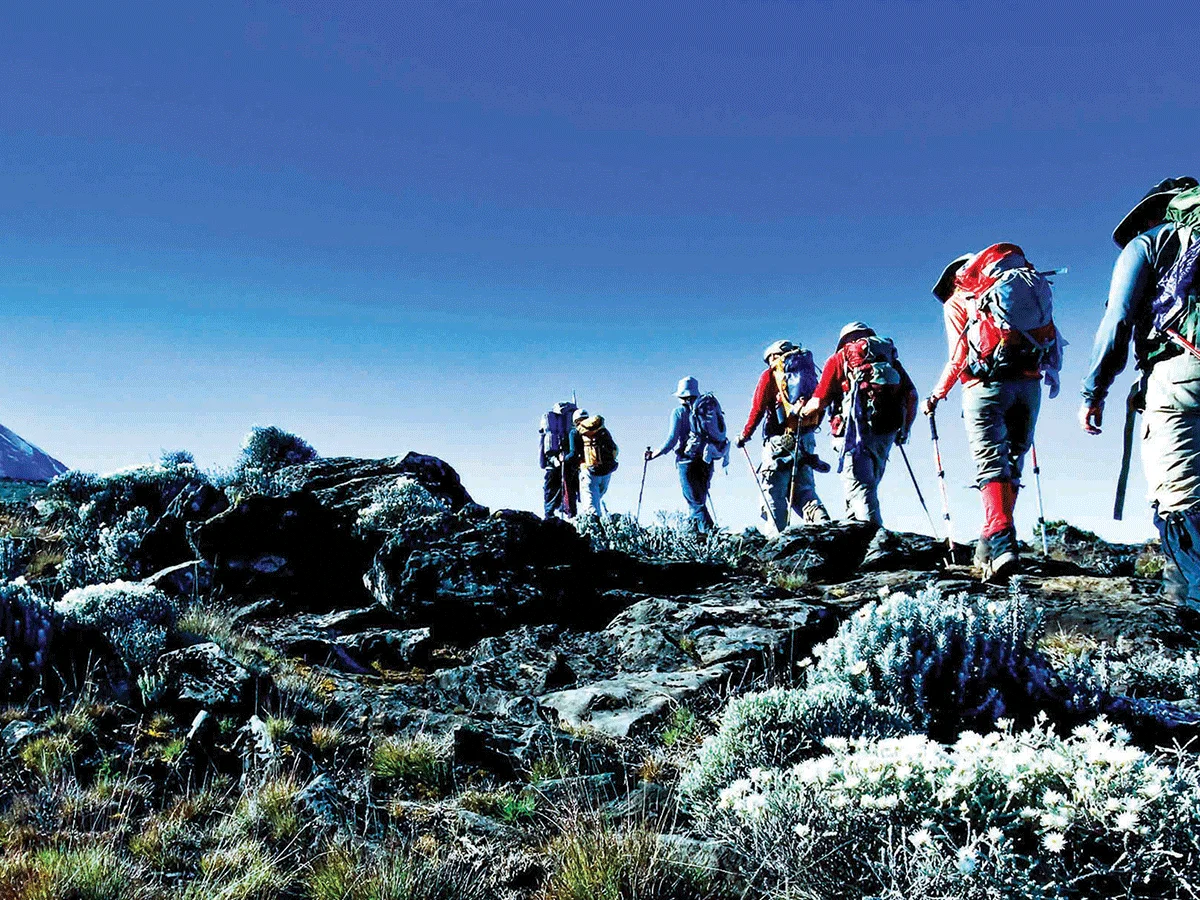
Given the physically demanding nature of a summit night followed almost immediately by a long descent, many climbers find the journey down surprisingly challenging, particularly due to the steep, often slippery terrain and the cumulative fatigue from the previous night’s summit push. Trekking poles are strongly recommended throughout the descent, helping to reduce strain on tired knees and improve overall stability on the steeper sections of trail.
Descending via Marangu
Climbers who ascend via the Marangu Route, or those using the Rongai Route, which merges with Marangu near the summit, typically descend using this same established path rather than the Mweka Route. Unlike the southern circuit descent, Marangu offers the added comfort of returning to the same hut accommodations used during the ascent, allowing climbers to rest in familiar surroundings during their final night on the mountain.
This shared ascent and descent path makes Marangu somewhat unique among Kilimanjaro routes, offering a more predictable and structured overall experience compared to the separate descent trails used by other paths.
Physical Demands of the Descent
Regardless of which specific path is used, descending Kilimanjaro places significant strain on the legs, particularly the knees, due to the steep, sustained downhill terrain combined with the physical exhaustion already accumulated from the overnight summit push. Many climbers report that the descent, while less technically demanding than the ascent, presents its own unique physical challenges, requiring continued focus and careful footing even as adrenaline from reaching the summit begins to fade.
Proper footwear, trekking poles, and a steady, controlled pace all play an important role in ensuring a safe and comfortable descent, helping to minimize the risk of slips or excessive strain during this final demanding stretch of the journey.
Celebrating the Achievement
Despite its physical demands, the descent also carries a genuine sense of celebration and accomplishment, as climbers reflect on the incredible journey they have just completed. Many trekking crews mark the successful summit and safe descent with songs, congratulations, and a festive atmosphere at the final gate, creating a joyful and memorable conclusion to what is often one of the most challenging and rewarding experiences of a climber’s life.
Why Understanding the Descent Matters
While most attention naturally centers on reaching the summit, understanding what to expect during the descent remains an important part of proper Kilimanjaro preparation. Recognizing the physical demands involved, packing appropriate gear such as trekking poles, and mentally preparing for a long, tiring journey back down the mountain all contribute to a safer, smoother, and ultimately more rewarding overall Kilimanjaro experience, from the very first steps of the ascent to the final triumphant arrival at the mountain’s base.