Mkomazi and Saadani National Parks with Kilimanjaro Climbing
A journey combining Mkomazi National Park, Saadani National Park and Mount Kilimanjaro climbing offers a remarkably diverse Tanzania adventure. Instead of experiencing only one type of landscape, travelers can move from the slopes of Africa’s highest mountain to the dry wilderness of northeastern Tanzania and finally to the beautiful Indian Ocean coastline.
This combination brings together Kilimanjaro trekking, wildlife safari, endangered black rhino conservation, African wild dogs, coastal wildlife, boat safari and beach experiences in one carefully designed Tanzania itinerary.
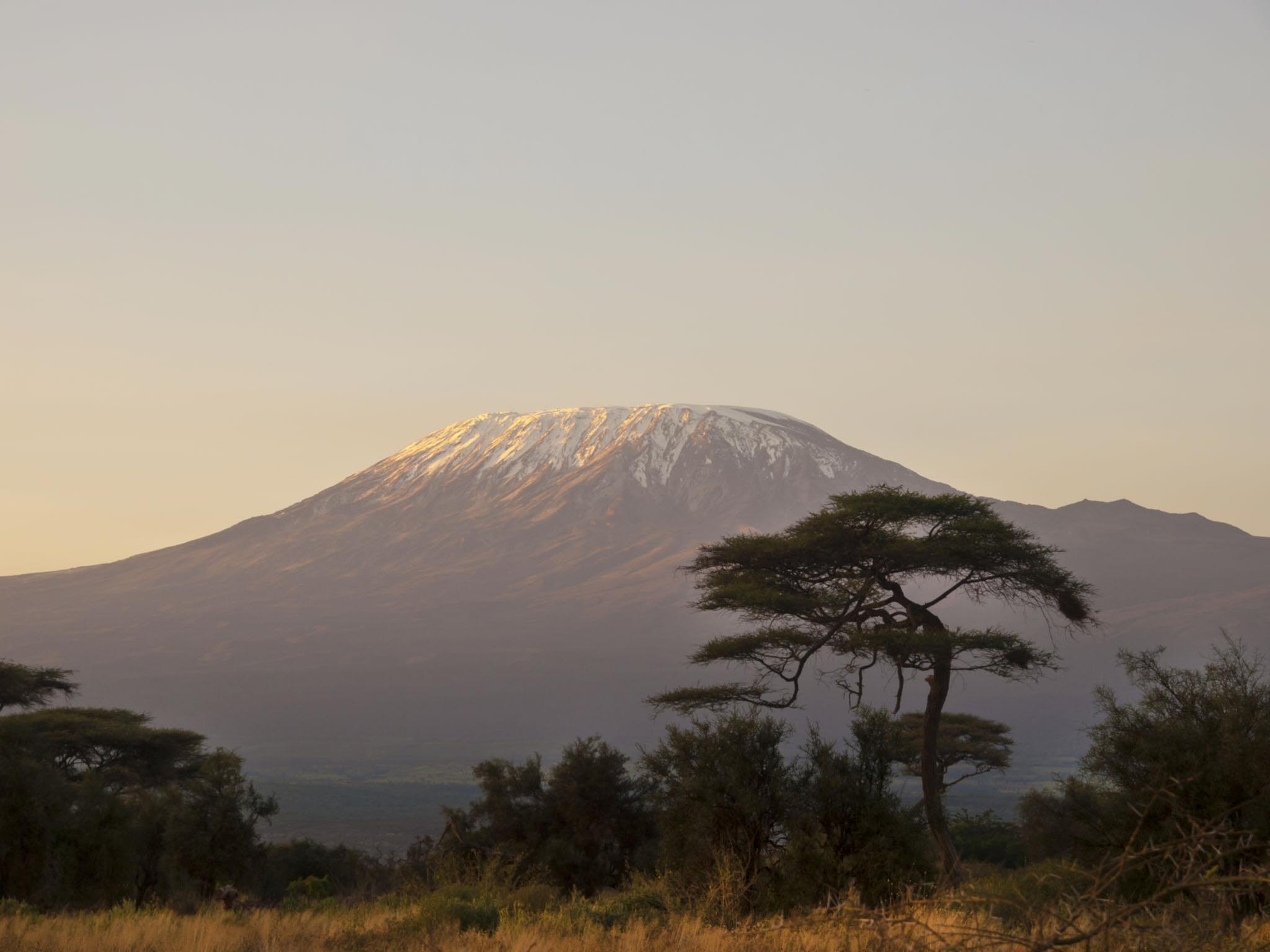
Mount Kilimanjaro rises to 5,895 meters and is Africa’s highest mountain. Mkomazi lies in northeastern Tanzania close to the Kenyan border and is known for its dry savannah landscapes, black rhinos, African wild dogs and spectacular views toward Mount Kilimanjaro. Saadani National Park is where the bush meets the beach, combining savannah, mangroves, the Wami River and the Indian Ocean.
For travelers who want a Tanzania holiday that combines adventure, wildlife and relaxation, this itinerary provides a fascinating alternative to the traditional northern safari circuit.
Why Combine Kilimanjaro, Mkomazi and Saadani?
A Kilimanjaro Mkomazi Saadani safari is attractive because each destination offers a completely different experience.
Kilimanjaro is about physical adventure, high altitude landscapes and reaching Uhuru Peak.
Mkomazi National Park introduces travelers to a quieter side of Tanzania, with dry country scenery, unusual antelope species, elephants, predators, black rhinos and African wild dogs.
Saadani National Park changes the atmosphere completely. Here, wildlife and the Indian Ocean exist together. A morning game drive can be followed by a boat safari on the Wami River or time on the beach.
TANAPA describes Saadani as Tanzania’s coastal national park where savannah and mangroves meet the Indian Ocean.
This means travelers can experience mountains, savannah, forests, rivers and ocean within one extended Tanzania adventure.
Mount Kilimanjaro Climbing Tanzania
The Roof of Africa
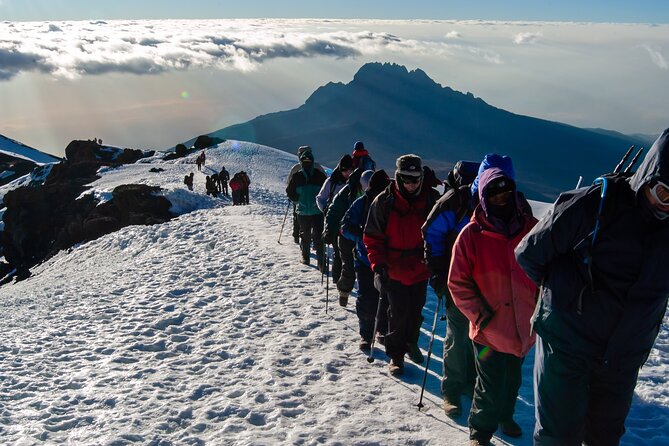
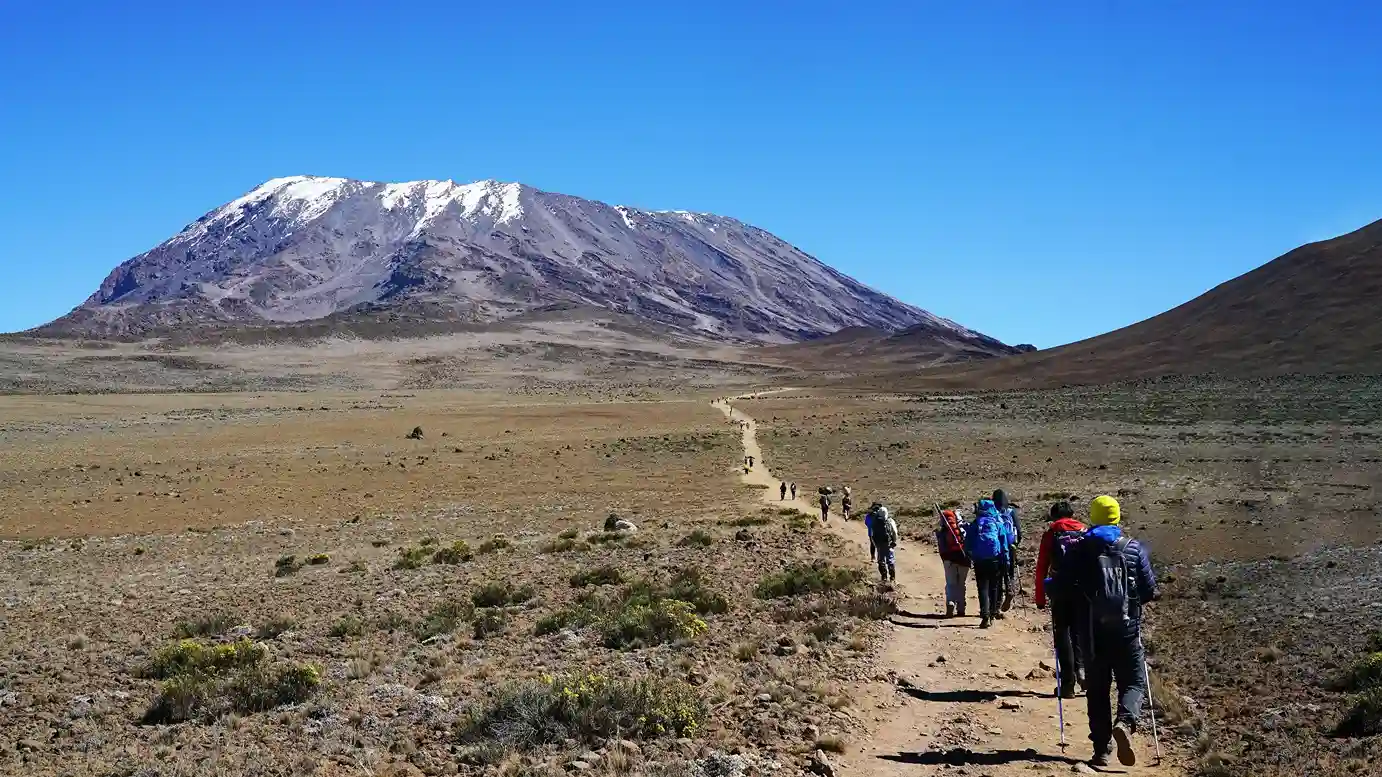
Mount Kilimanjaro climbing Tanzania is one of Africa’s most famous adventure experiences. The mountain reaches 5,895 meters above sea level and consists of three major volcanic features known as Kibo, Mawenzi and Shira.
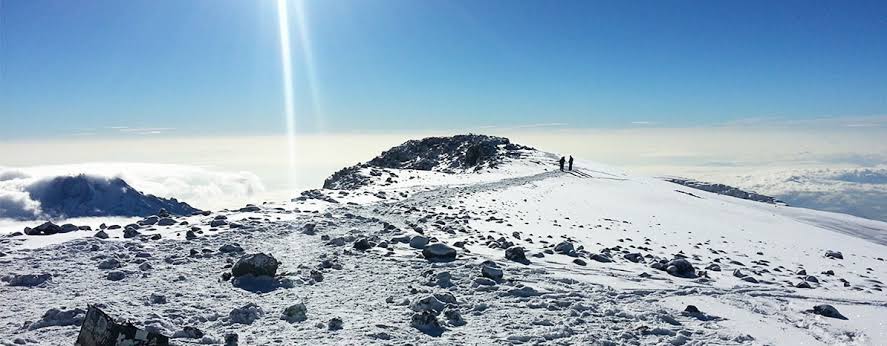
Uhuru Peak is the highest point of Kibo and the highest point in Africa.
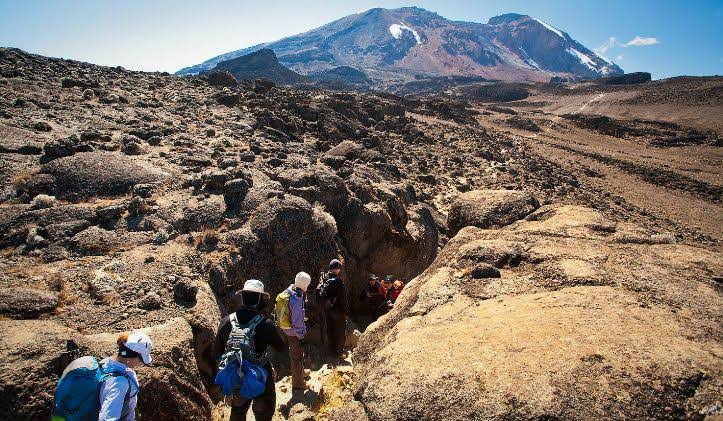
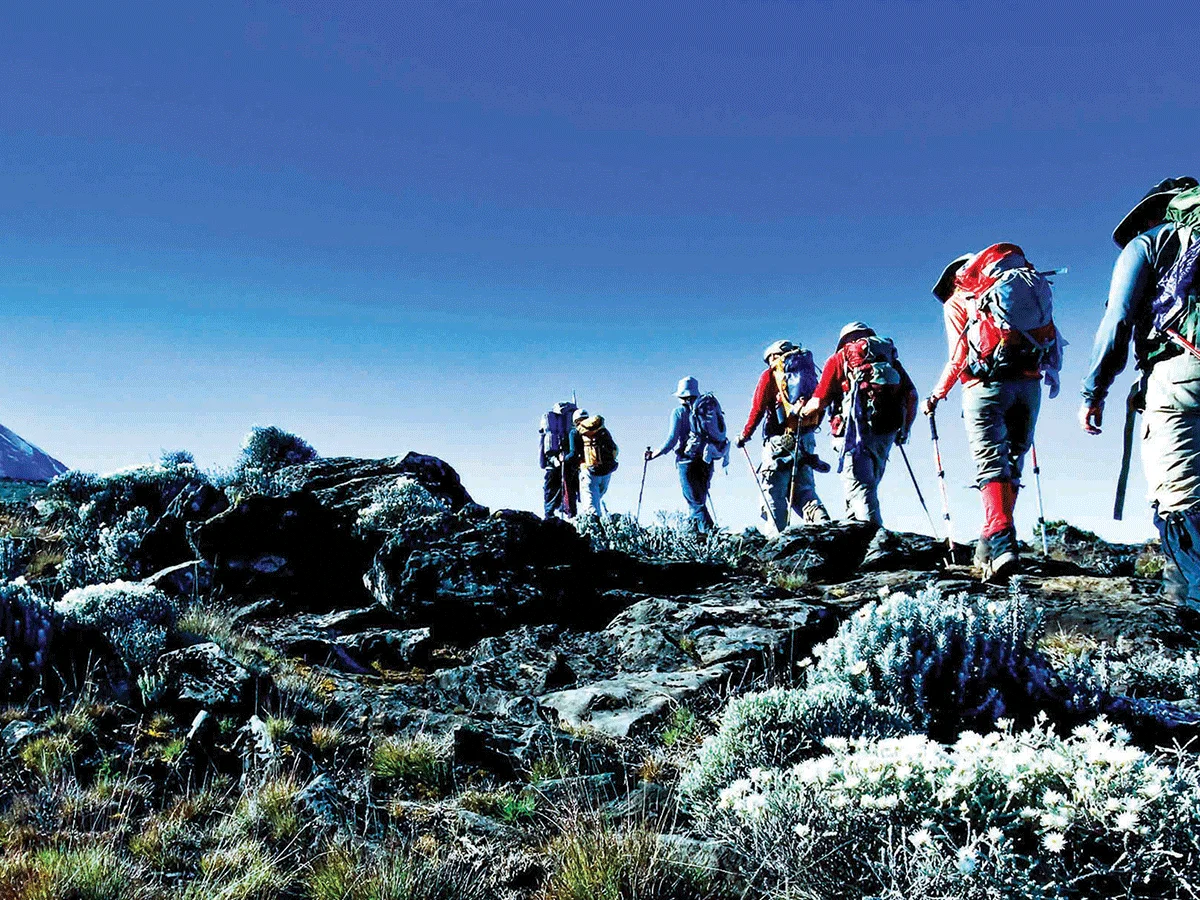
One of the most fascinating characteristics of Kilimanjaro trekking is the dramatic change in environment as you climb. Lower elevations contain cultivated land and rainforest, followed by heath and moorland, alpine desert and finally the high summit environment.
TANAPA identifies several major attractions on the mountain, including Uhuru Peak, Shira Plateau, Kibo crater, Mawenzi, glaciers and the distinctive high altitude landscapes.
Different Kilimanjaro Routes and Number of Days
Choosing the right Kilimanjaro climbing route is one of the most important decisions when planning your adventure. The established routes differ in scenery, accommodation, duration and acclimatization profile.
TANAPA notes that climbing Kibo generally takes between five and eight days depending on the route, while current route information also includes longer Northern Circuit itineraries.
Machame Route: 6 or 7 Days
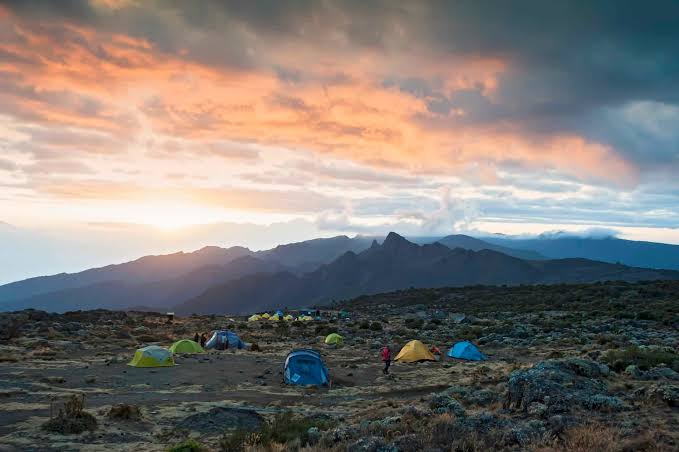
The Machame Route is one of the most popular approaches to Mount Kilimanjaro. It is a camping route with dramatic scenery and a varied landscape.
The commonly used seven day itinerary allows more time for acclimatization than the shorter version.
A typical seven day Machame climb includes:
Day 1: Machame Gate to Machame Camp
Day 2: Machame Camp to Shira Camp
Day 3: Shira to Lava Tower and then Barranco Camp
Day 4: Barranco to Karanga
Day 5: Karanga to Barafu
Day 6: Summit attempt at Uhuru Peak followed by descent
Day 7: Mweka Camp to Mweka Gate
The Lava Tower section provides an important opportunity to climb to a higher elevation before descending to sleep at a lower camp. This type of profile helps with acclimatization.
Lemosho Route: 7 or 8 Days
The Lemosho Route approaches Kilimanjaro from the western side and is known for its beautiful scenery and gradual approach.
The eight day version gives climbers additional time on the mountain and allows a more gradual acclimatization schedule.
The route begins in the rainforest before progressing through heath and moorland toward the Shira Plateau. It eventually joins the southern circuit before the summit attempt.
For travelers who want a combination of scenery and a longer acclimatization period, an 8 day Lemosho Kilimanjaro climb provides a comprehensive mountain experience.
Marangu Route: 5 or 6 Days
The Marangu Route is historically one of the best known Kilimanjaro routes and is the only standard route that uses mountain huts rather than camping throughout the climb.
The six day itinerary provides more time than the five day version and includes an additional acclimatization day.
Marangu is sometimes called the Coca Cola Route, while Machame is commonly known as the Whiskey Route.
The major difference is accommodation. Marangu uses huts at Mandara, Horombo and Kibo, while most other routes use tents. TANAPA confirms that Marangu is the hut based route.
Rongai Route: 6 or 7 Days
The Rongai Route approaches Kilimanjaro from the northern side near the Kenyan border.
It provides a different perspective of the mountain and can be quieter than some southern approaches.
A six or seven day Rongai itinerary can be suitable for travelers who want a northern approach and a different landscape.
The route eventually connects with the mountain’s eastern and southern sections before the summit attempt.
Northern Circuit Route: 8 or 9 Days
The Northern Circuit Route is the longest standard route and travels around a large portion of Kilimanjaro.
The longer itinerary gives climbers substantial time for acclimatization and allows them to experience the northern side of the mountain.
For travelers who have sufficient time and want a longer mountain experience, the Northern Circuit can be incorporated into an extended Tanzania adventure.
Umbwe Route: 6 or 7 Days
The Umbwe Route is a direct and steep approach to Kilimanjaro.
Because of its rapid altitude gain and challenging terrain, it is generally more appropriate for experienced trekkers who are comfortable with steep mountain walking.
For most travelers planning a combined Kilimanjaro safari Tanzania itinerary, the longer Machame or Lemosho options provide more time to acclimatize.
Mkomazi National Park Tanzania
After the mountain adventure, Mkomazi National Park Tanzania offers a completely different experience.
Mkomazi covers approximately 3,230 square kilometers and lies in northeastern Tanzania near the Kenyan border. The park forms part of a wider ecosystem connected to Kenya’s Tsavo National Park.
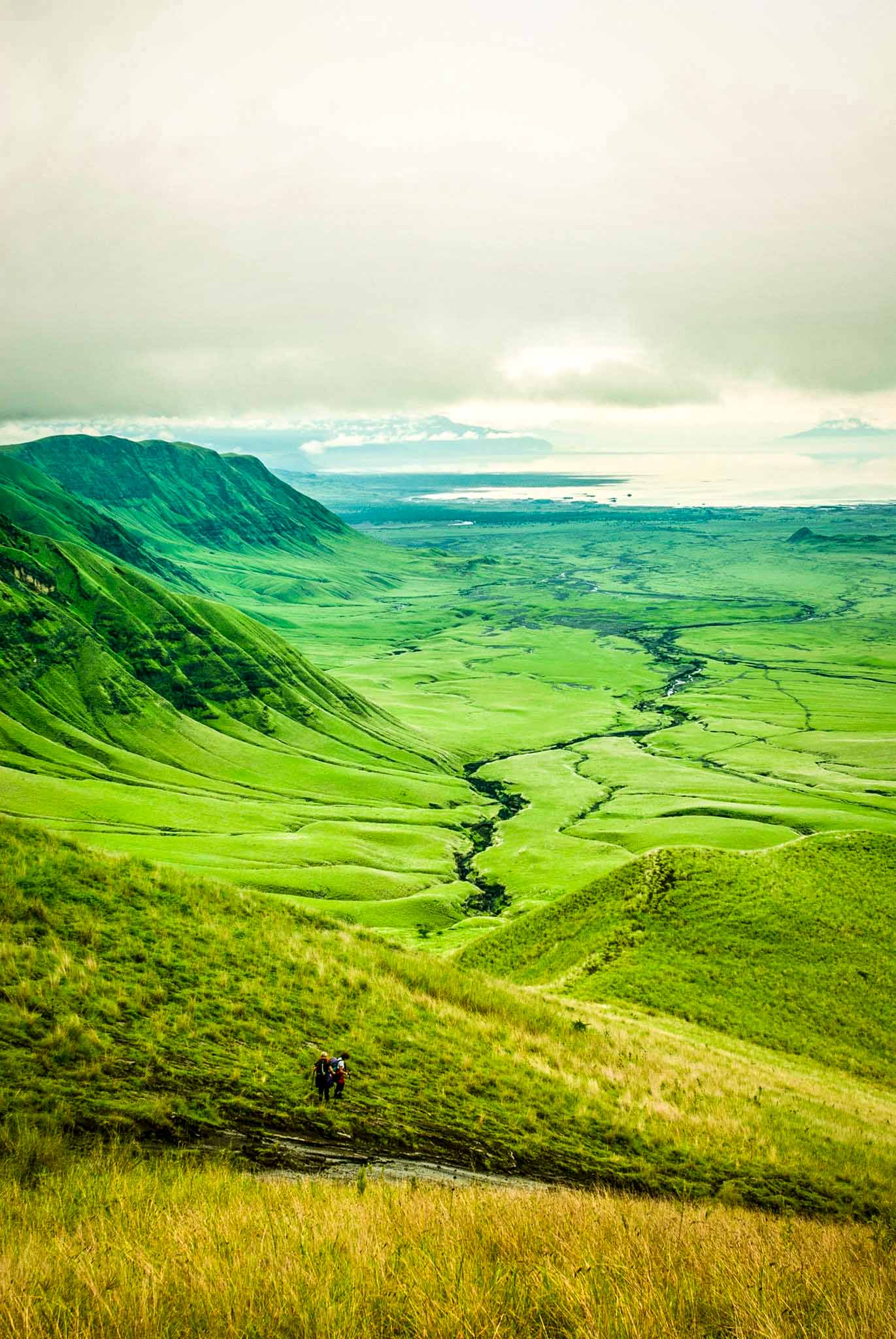
The landscape is characterized by dry savannah, thorn bush, open plains, rocky areas and impressive baobab trees.
The Pare and Usambara Mountains create a dramatic backdrop, while Mount Kilimanjaro can also be visible depending on weather conditions.
This makes Mkomazi safari Tanzania particularly interesting for photographers and travelers who enjoy landscapes as much as wildlife.
Black Rhino in Mkomazi National Park
One of the most important attractions of Mkomazi National Park is its conservation work involving the eastern black rhinoceros.
Mkomazi is recognized as an important refuge for the endangered black rhino. TANAPA identifies the black rhino sanctuary as one of the park’s major attractions.
A visit to the rhino sanctuary provides travelers with an opportunity to learn about rhino conservation, protection and the challenges involved in safeguarding one of Africa’s most endangered large mammals.
This gives a Mkomazi safari an educational dimension that goes beyond traditional wildlife viewing.
African Wild Dogs in Mkomazi
Another major attraction is the African wild dog.
African wild dogs are highly social predators and are among the most fascinating carnivores in Africa. Mkomazi has played an important role in their conservation and reintroduction.
Seeing wild dogs in the wild is never guaranteed because they travel widely and can be difficult to locate. However, their presence adds considerable value to the wildlife experience.
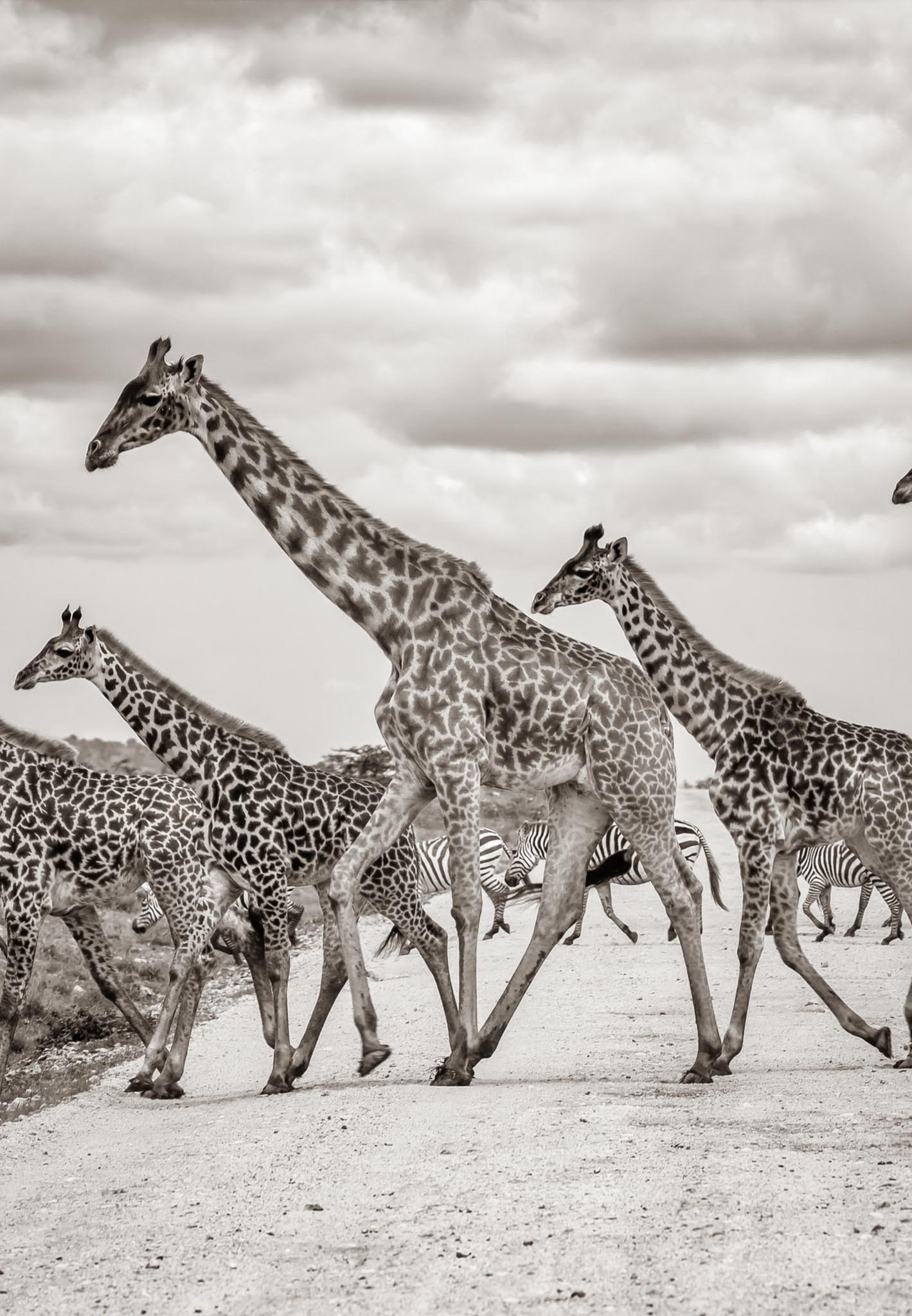
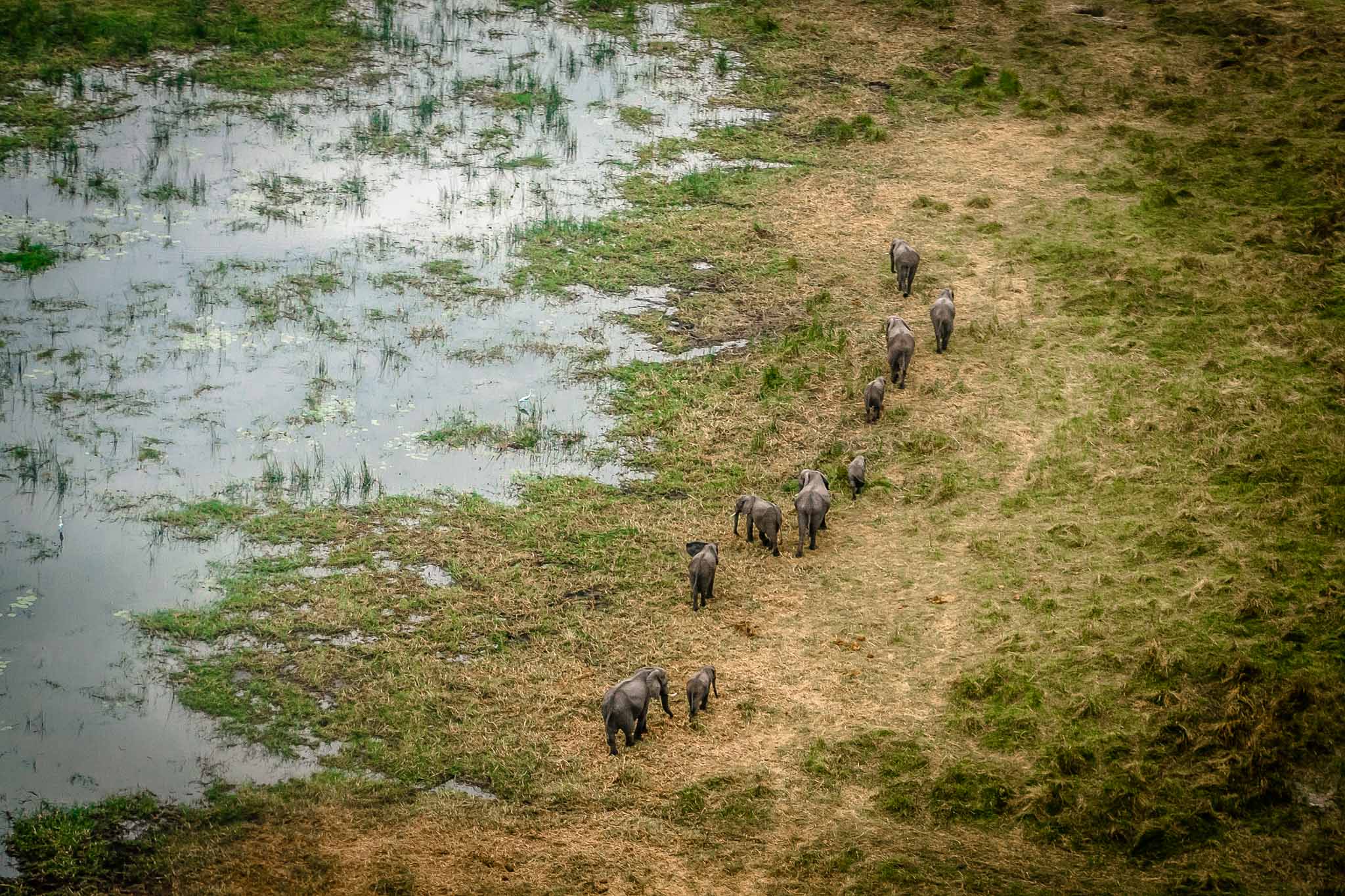
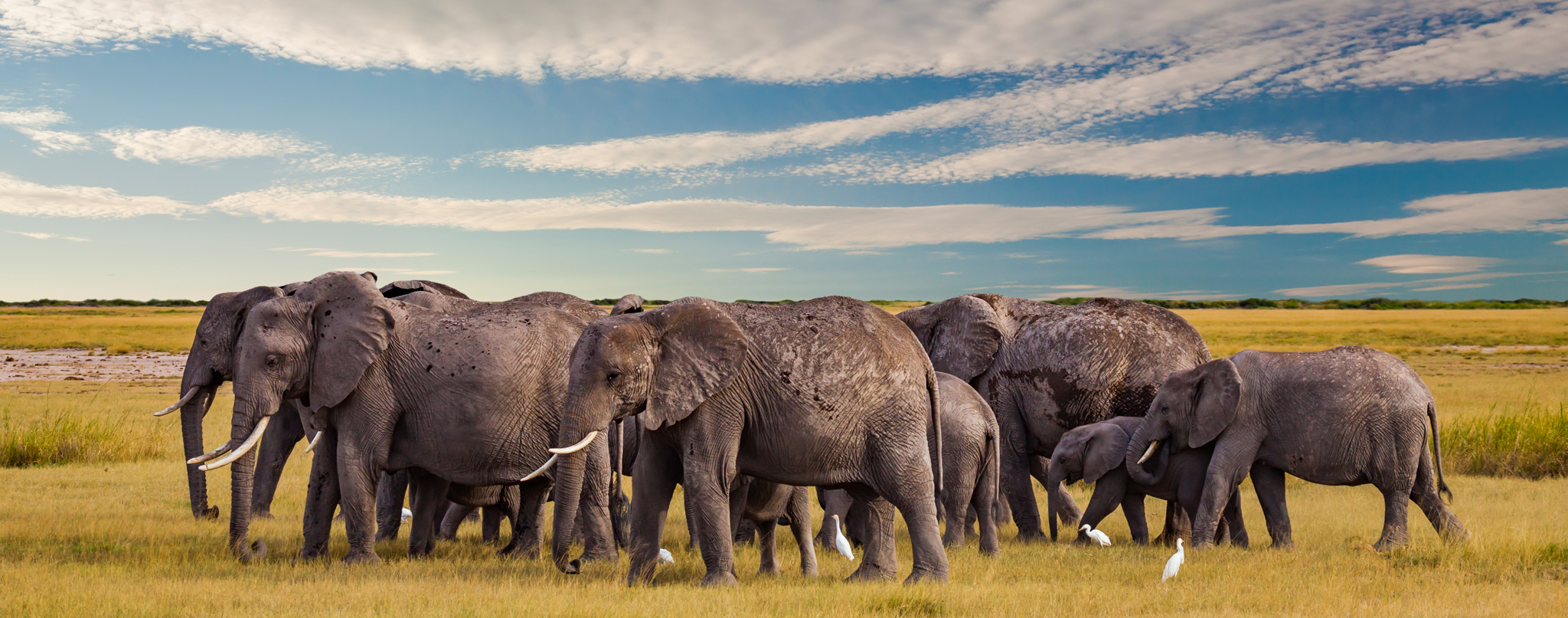
Mkomazi is also home to elephants, buffaloes, giraffes, lions, leopards and a range of antelope species.
Unique Wildlife of Mkomazi National Park
The wildlife of Mkomazi National Park includes several species that give the park a distinctive character.
Among the interesting animals are:
Fringe eared oryx
Gerenuk
Lesser kudu
Eland
Giraffe
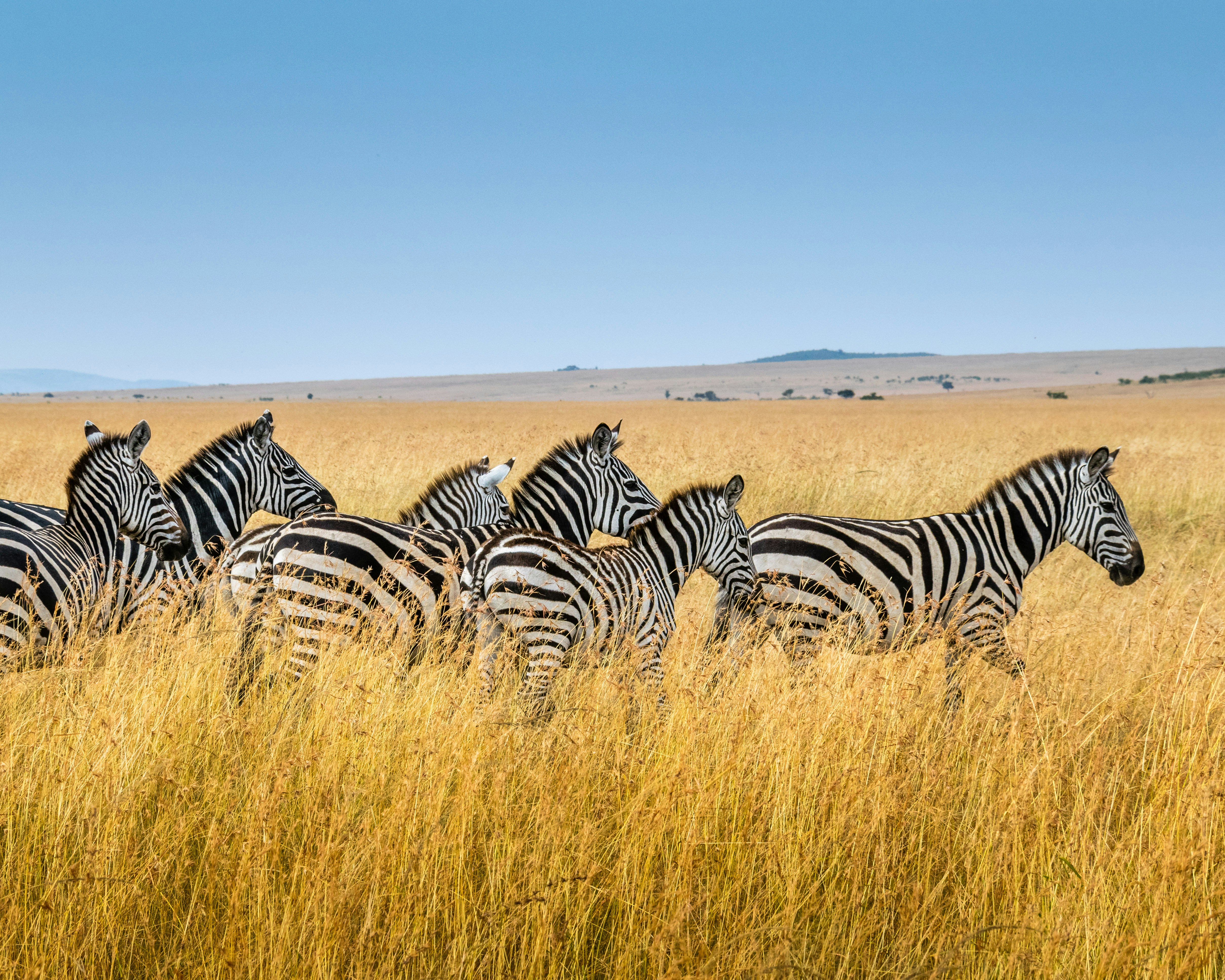
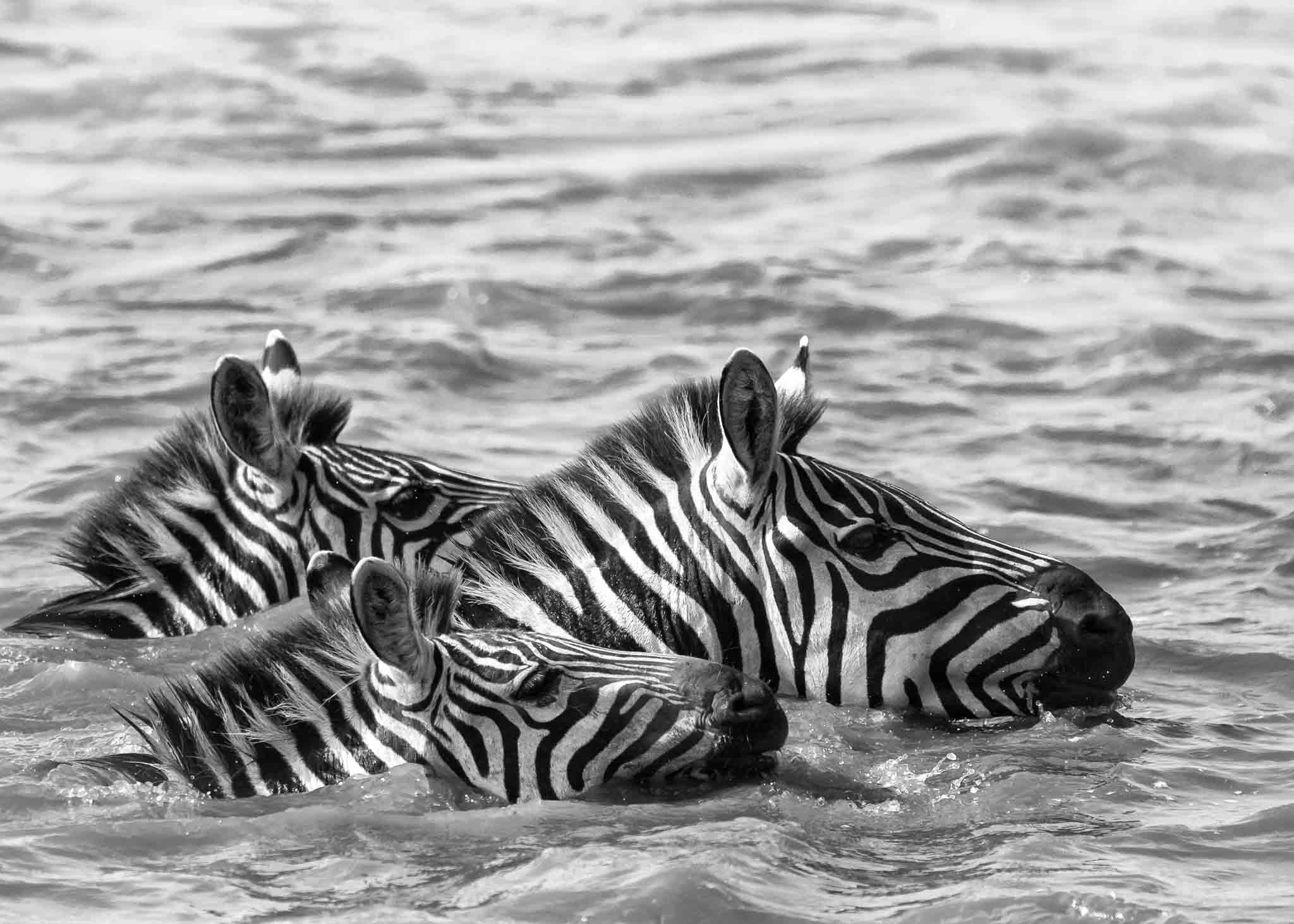
Zebra
Elephant
Buffalo
Lion
Leopard
African wild dog
Black rhino
The gerenuk is particularly fascinating because its long neck allows it to browse on vegetation above the reach of many other antelope. Mkomazi is also known for its dry country species such as oryx and lesser kudu.
Walking Safari and Hiking in Mkomazi
A walking safari in Mkomazi National Park provides another way to experience the environment.
Instead of viewing the landscape entirely from a safari vehicle, walking allows visitors to pay attention to smaller details such as animal tracks, plants, insects, birds and different types of vegetation.
Mkomazi also offers opportunities for hill hiking, providing views across the surrounding landscape.
TANAPA lists game viewing, walking safaris and hill hiking among the activities available in Mkomazi.
Birdwatching in Mkomazi
For bird lovers, Mkomazi National Park birdwatching adds another dimension to the safari.
The park has recorded hundreds of bird species, with both resident and seasonal species contributing to its biodiversity.
The dry savannah environment supports birds adapted to woodland and semi arid habitats, while the surrounding mountains create additional ecological variety.
A slower safari with an experienced guide can reveal many species that visitors might miss when focusing only on large mammals.
Saadani National Park Tanzania
After the mountains and dry savannah of Mkomazi, the landscape changes dramatically at Saadani National Park Tanzania.
Saadani is unique because it combines wildlife habitat with the Indian Ocean coastline.
The park is located on Tanzania’s coast and contains savannah, coastal forest, mangroves, beaches, river habitats and ocean environments.
This combination has given Saadani its famous identity as the place where the bush meets the beach.
Wildlife Safari in Saadani National Park
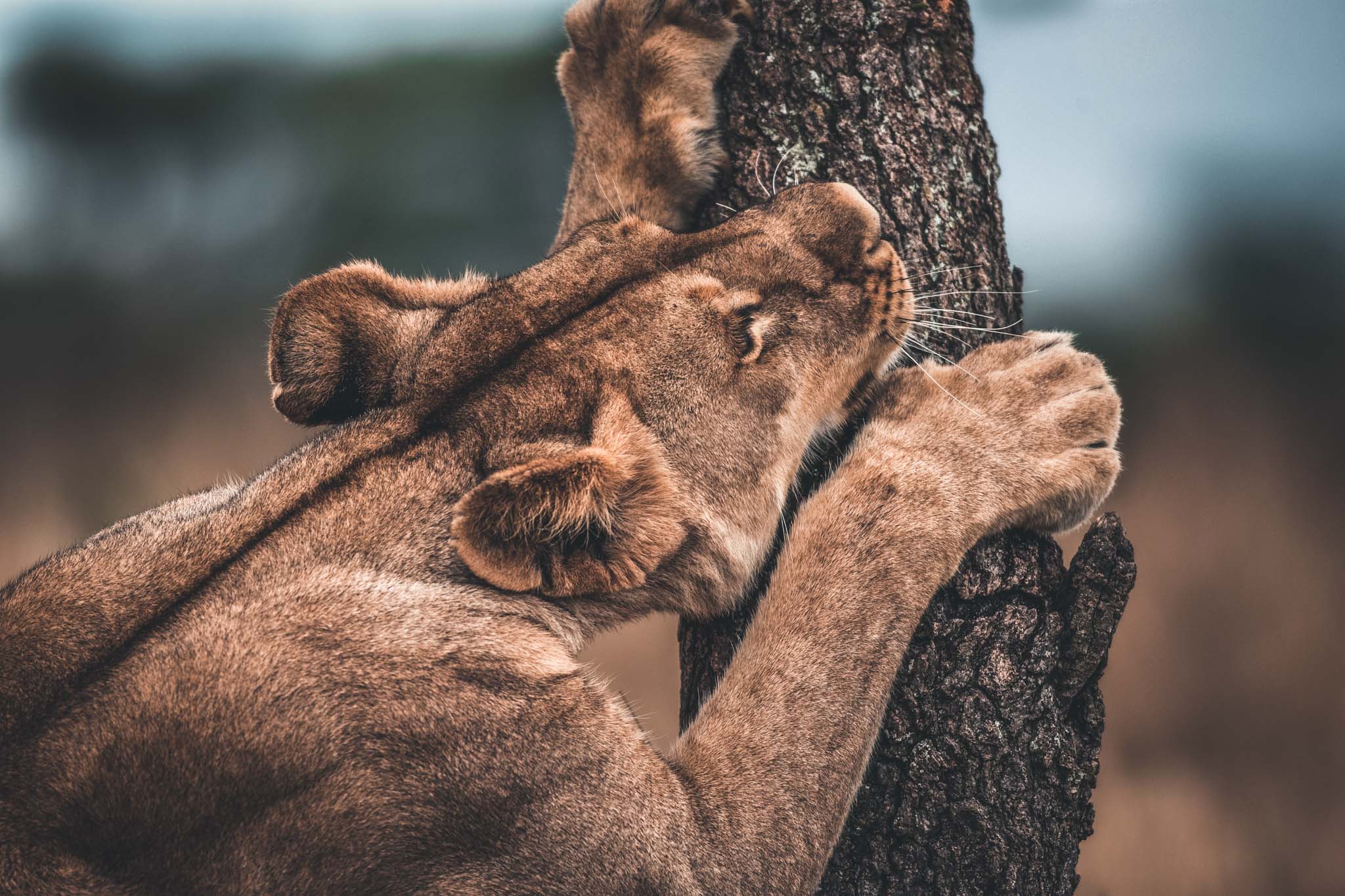
A Saadani National Park safari offers opportunities to see animals such as elephants, giraffes, zebras, reedbuck, buffalo and other coastal wildlife.
The environment is different from the Serengeti. Instead of enormous open plains, visitors experience palm dotted savannah, coastal vegetation and wildlife near the Indian Ocean.
The park’s proximity to the coast makes the experience particularly attractive for travelers who want to combine safari and beach time.
Wami River Boat Safari
One of the major attractions of Saadani National Park is the Wami River.
A Wami River boat safari offers a different perspective from a traditional game drive.
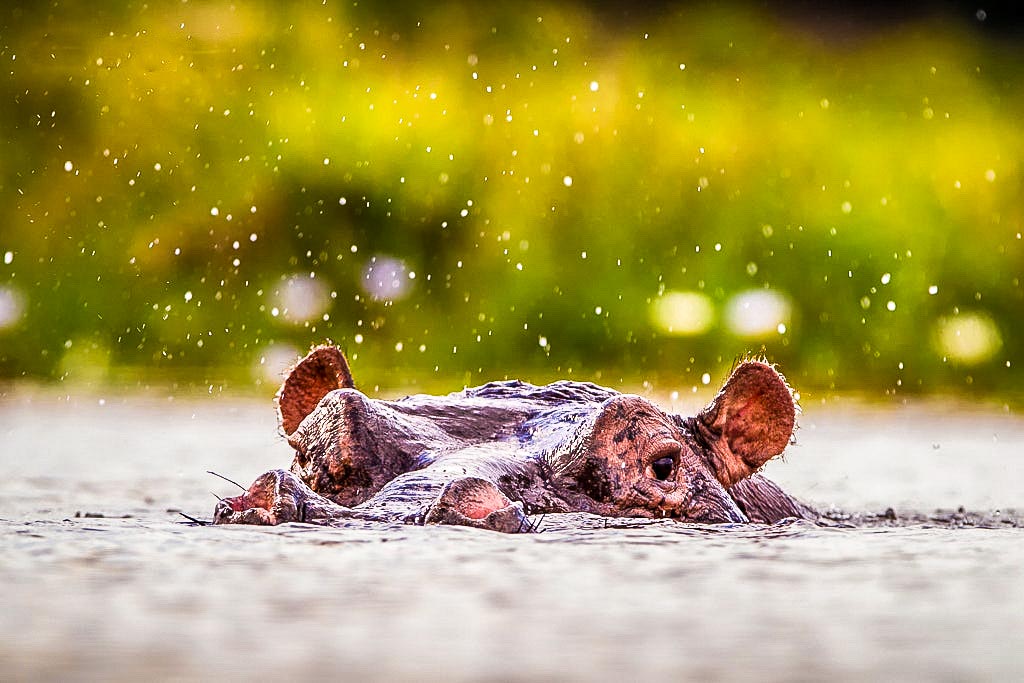
The river and its surrounding mangrove environment support hippos, crocodiles and abundant birdlife.
Travelers can move quietly along the water while observing animals on the riverbanks and birds around the mangroves and sandbanks.
TANAPA identifies boat safari on the Wami River as one of Saadani’s signature experiences.
Saadani Beach and Indian Ocean
The Saadani National Park beach is one of the most unusual safari environments in Tanzania.
Here, the Indian Ocean forms the backdrop to a protected wildlife area.
After a game drive or boat safari, travelers can enjoy the coastal environment and the sound of the ocean.
Seasonal guided beach walks may also provide opportunities to see signs of green turtle nesting, with visitors required to follow conservation guidance and avoid disturbing nesting areas.
Mangroves and Coastal Ecosystem
The Saadani National Park mangroves are an important part of the coastal ecosystem.
Mangroves provide habitat for fish, birds and other wildlife while helping protect the coastline.
The meeting of mangrove channels, river systems, beaches and savannah creates an unusual combination of habitats within one protected area.
For travelers interested in ecology and conservation, Saadani provides an excellent opportunity to understand how terrestrial and coastal ecosystems interact.
Birdwatching in Saadani
Birdwatching in Saadani National Park is particularly rewarding around the Wami River, mangroves, coastal forests and open savannah.
Birds associated with wetlands and coastal environments can be seen alongside woodland species.
TANAPA highlights kingfishers, fish eagles, terns, hornbills and bee eaters among the birdlife associated with the park.
A 6 Day Kilimanjaro and Safari Combination
For travelers with limited time, a 6 day Tanzania Kilimanjaro and safari itinerary can combine a shorter mountain climb with Mkomazi or Saadani.
However, a six day total trip is not realistic if the traveler wants a full Kilimanjaro summit climb plus both national parks.
A better interpretation is a 6 day Kilimanjaro climb, followed by additional safari days.
For example:
Day 1: Kilimanjaro climbing begins
Day 2: Continue trekking
Day 3: Continue toward higher altitude
Day 4: High altitude trekking and preparation for summit
Day 5: Uhuru Peak summit and descent
Day 6: Final descent and transfer
This structure can work with selected routes, but longer climbs provide additional acclimatization time. TANAPA specifically notes that more days on Kilimanjaro generally improve the opportunity to acclimatize and reach the summit.
A 7 Day Kilimanjaro and Safari Combination
A 7 day Kilimanjaro climb provides more flexibility.
A typical seven day Machame itinerary can be followed by safari extensions to Mkomazi and Saadani.
A possible structure would be:
Day 1: Machame Gate to Machame Camp
Day 2: Machame Camp to Shira
Day 3: Shira to Lava Tower and Barranco
Day 4: Barranco to Karanga
Day 5: Karanga to Barafu
Day 6: Uhuru Peak and descent toward Mweka
Day 7: Mweka Camp to Mweka Gate
After the climb, travelers can continue toward Mkomazi National Park for wildlife and conservation experiences before continuing toward the coast and Saadani National Park.
Suggested Combined Tanzania Itinerary
Day 1: Arrival in Tanzania
Arrive at Kilimanjaro International Airport and transfer to your hotel in Arusha or Moshi.
Rest and prepare for the mountain adventure.
Day 2: Kilimanjaro Climb
Begin your chosen Kilimanjaro route.
The exact route and camp depend on whether you choose Machame, Lemosho, Marangu, Rongai or another approach.
Day 3 to Day 7: Kilimanjaro Trekking
Continue through the different ecological zones of Mount Kilimanjaro.
The summit day takes you toward Uhuru Peak at 5,895 meters, followed by descent to lower altitude.
Following Kilimanjaro: Mkomazi National Park
After completing the climb, travel toward Mkomazi National Park.
Enjoy a game drive through the dry savannah landscape and search for elephants, giraffes, zebra, antelope and predators.
Depending on park arrangements, add a visit to the rhino sanctuary and learn about endangered species conservation.
Mkomazi to Saadani National Park
Continue toward Tanzania’s coast.
The journey changes dramatically as the landscape moves from dry inland savannah toward the Indian Ocean.
Saadani National Park
Enjoy a game drive followed by a boat safari on the Wami River.
Look for hippos, crocodiles and birds along the river and mangrove channels.
Beach and Departure
Finish the journey with time beside the Indian Ocean before continuing to your next destination or airport.
Best Time for Kilimanjaro, Mkomazi and Saadani
The ideal travel period depends on which part of the journey is most important.
For Kilimanjaro climbing Tanzania, many travelers prefer the drier periods when trekking conditions are generally more favorable.
Mkomazi can be visited throughout the year, with wildlife viewing conditions varying with rainfall and vegetation.
Saadani is also accessible year round, although coastal weather and seasonal rainfall should be considered when planning boat trips and beach activities.
A professional safari company can coordinate the mountain, safari and coastal portions so that transport and accommodation connect smoothly.
Responsible Tourism on Kilimanjaro and Safari
A responsible Kilimanjaro safari Tanzania should protect both the environment and the people who make the experience possible.
On Kilimanjaro, travelers should use licensed guides, follow marked routes, avoid littering and respect the mountain environment.
TANAPA states that Kilimanjaro climbs must be guided by licensed operators and emphasizes acclimatization, guide instructions and responsible trekking practices.
In Mkomazi, responsible tourism contributes to the conservation of endangered wildlife such as black rhinos and African wild dogs.
In Saadani, visitors should respect marine and coastal ecosystems, particularly turtle nesting areas and wildlife along the Wami River.
Why Choose a Kilimanjaro, Mkomazi and Saadani Adventure?
A Kilimanjaro Mkomazi Saadani safari is more than a conventional Tanzania holiday.
It is a journey through three dramatically different environments.
You begin among the forests and high altitude landscapes of Mount Kilimanjaro.
You then experience the dry wilderness and conservation story of Mkomazi National Park, where black rhinos, African wild dogs and unusual antelope species make the park particularly distinctive.
Finally, you reach Saadani National Park, where elephants, giraffes and other wildlife live close to mangroves, the Wami River and the Indian Ocean.
Few Tanzania itineraries can combine Africa’s highest mountain, endangered black rhinos, African wild dogs, a river boat safari and an Indian Ocean beach experience in one journey.
For travelers who want adventure, wildlife, conservation and relaxation rather than a conventional safari alone, this combination provides a memorable way to discover a broader side of Tanzania.
Climb Kilimanjaro, explore the wild landscapes of Mkomazi and finish your Tanzania adventure where the bush meets the beach in Saadani National Park.