


Serengeti National Park: Tanzania’s Crown Jewel of Safari Adventure
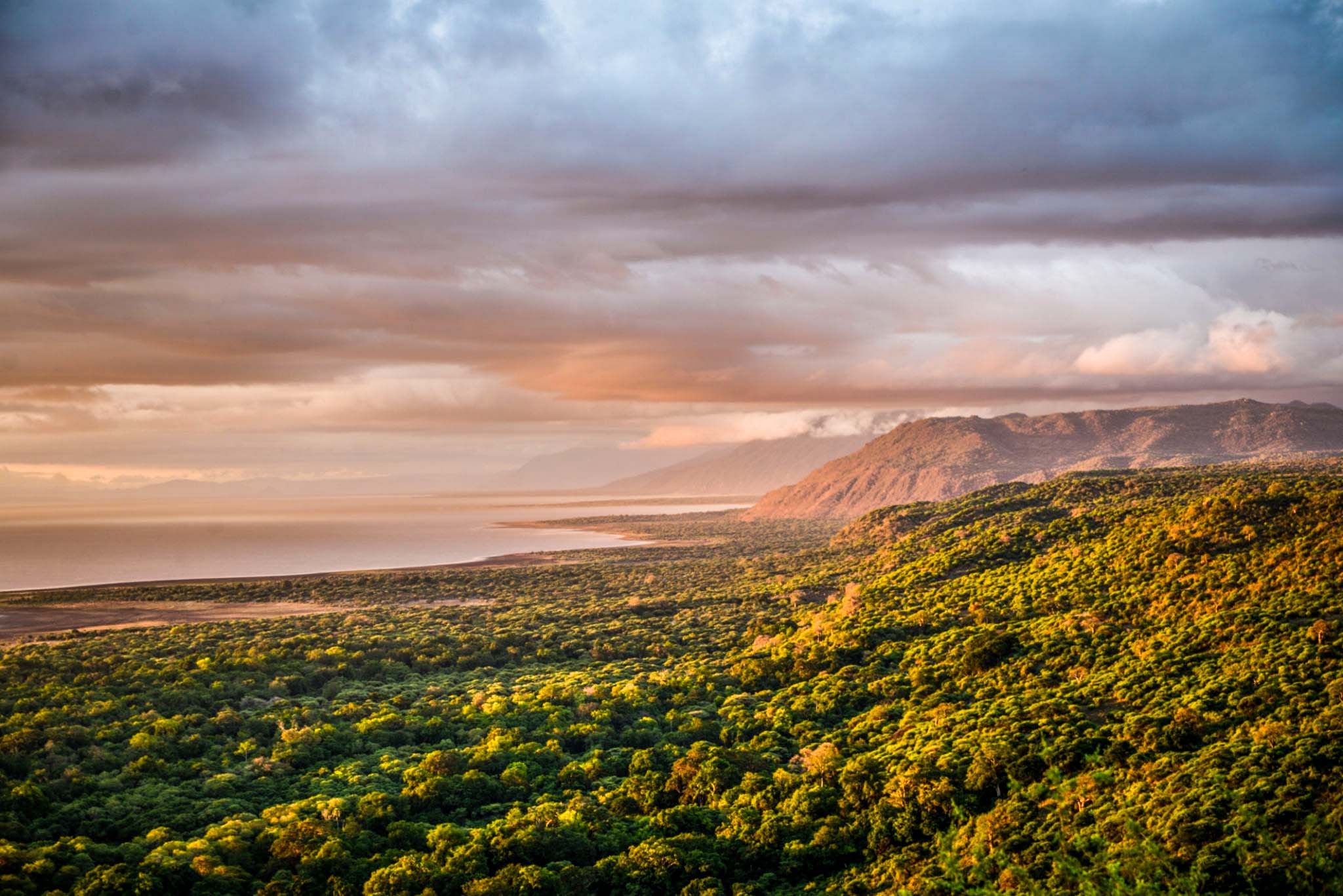
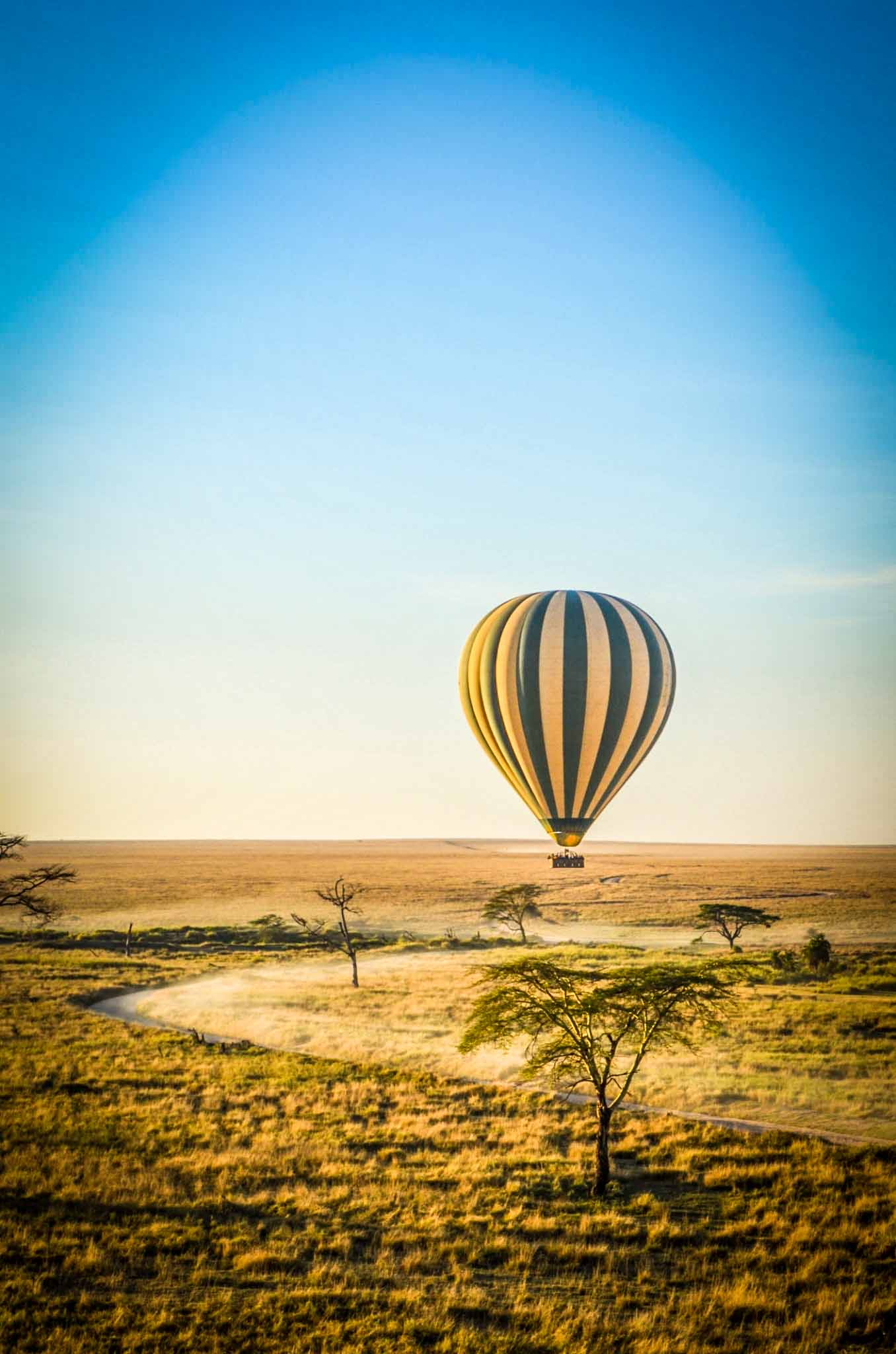
Few places on Earth capture the raw spirit of the African wilderness like Serengeti National Park. Sprawling across more than 14,750 square kilometers in northern Tanzania, the Serengeti is the beating heart of East African safari travel and a bucket list destination for wildlife lovers around the world. Its name, derived from the Maasai word “Siringet,” meaning endless plains, perfectly describes the vast golden grasslands that stretch as far as the eye can see, interrupted only by scattered acacia trees and dramatic granite outcrops known as kopjes.
For travelers planning a Tanzania safari, the Serengeti is often the centerpiece of the entire journey, and for good reason. This UNESCO World Heritage Site offers one of the highest concentrations of wildlife anywhere on the planet, making it an unmatched destination for photography, adventure, and unforgettable encounters with nature.
Home to the Great Wildebeest Migration
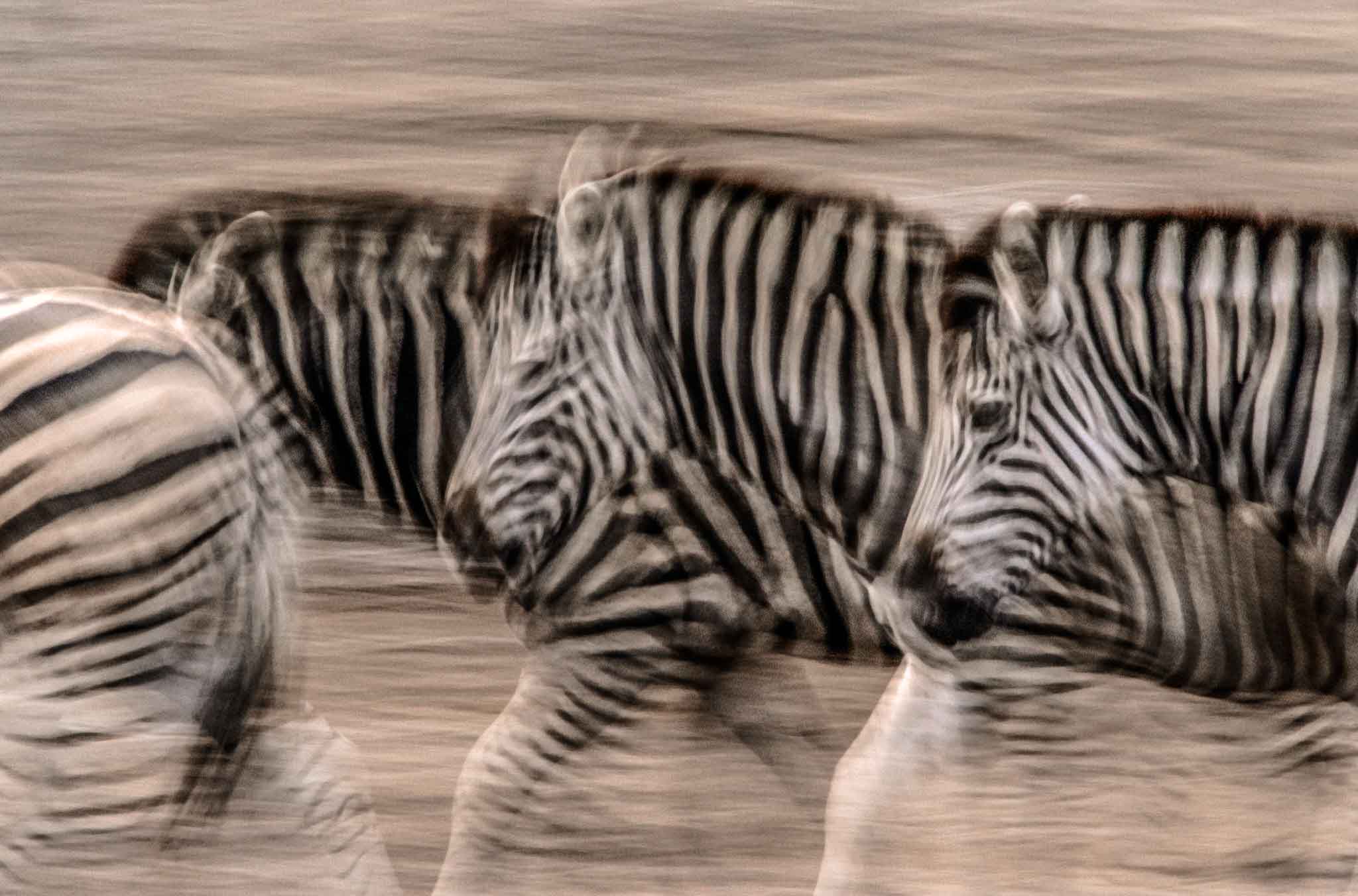
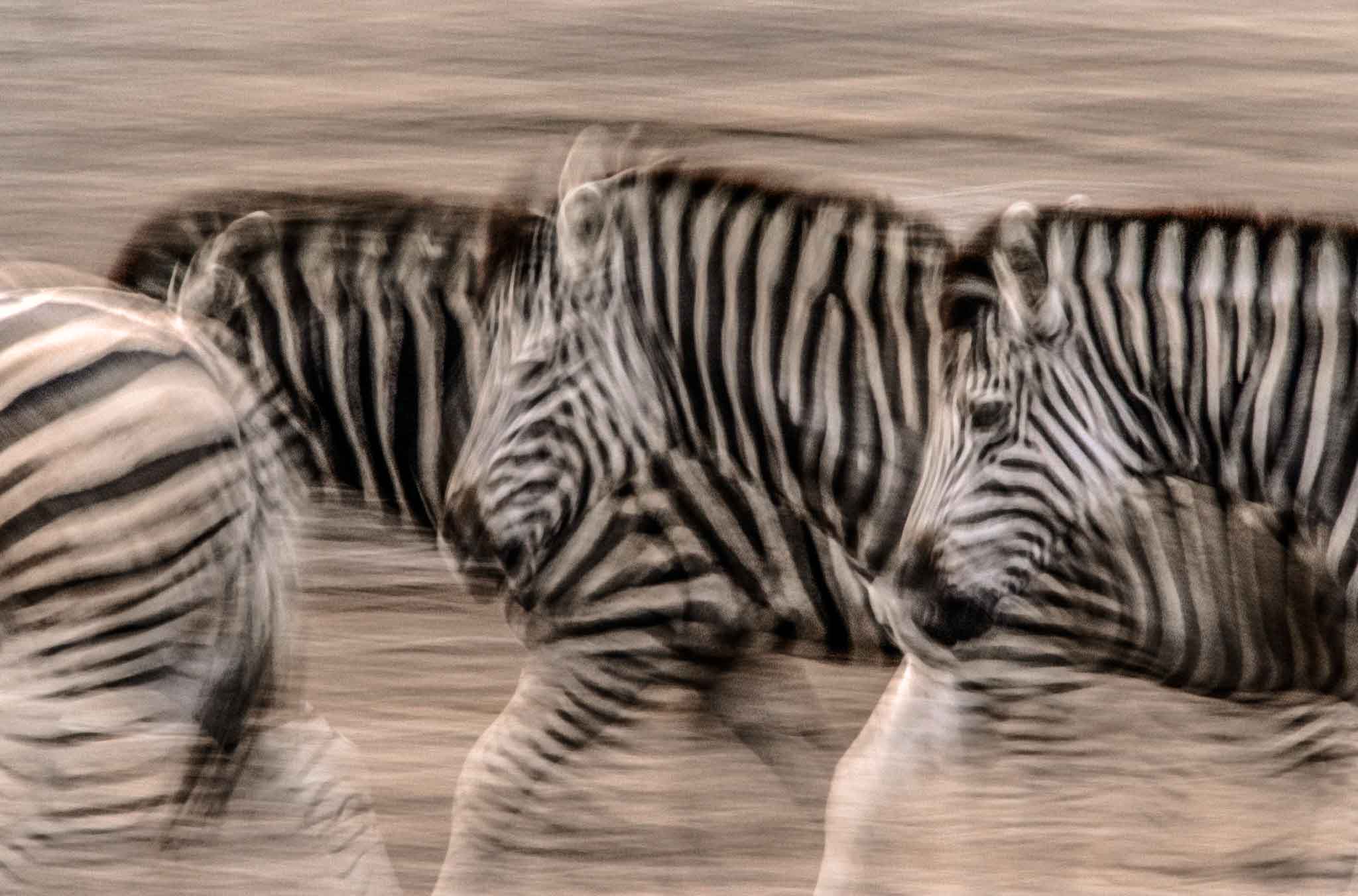
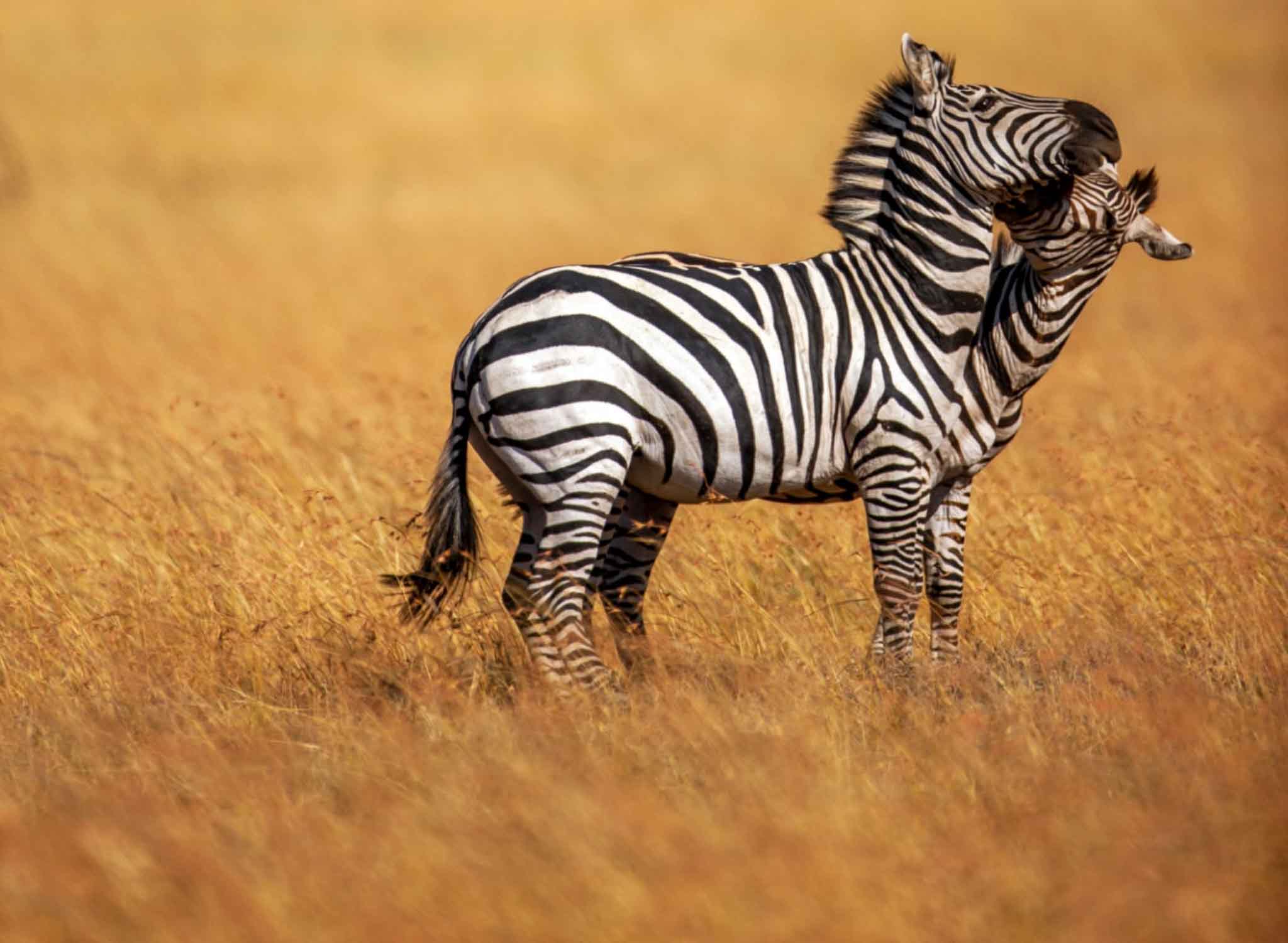
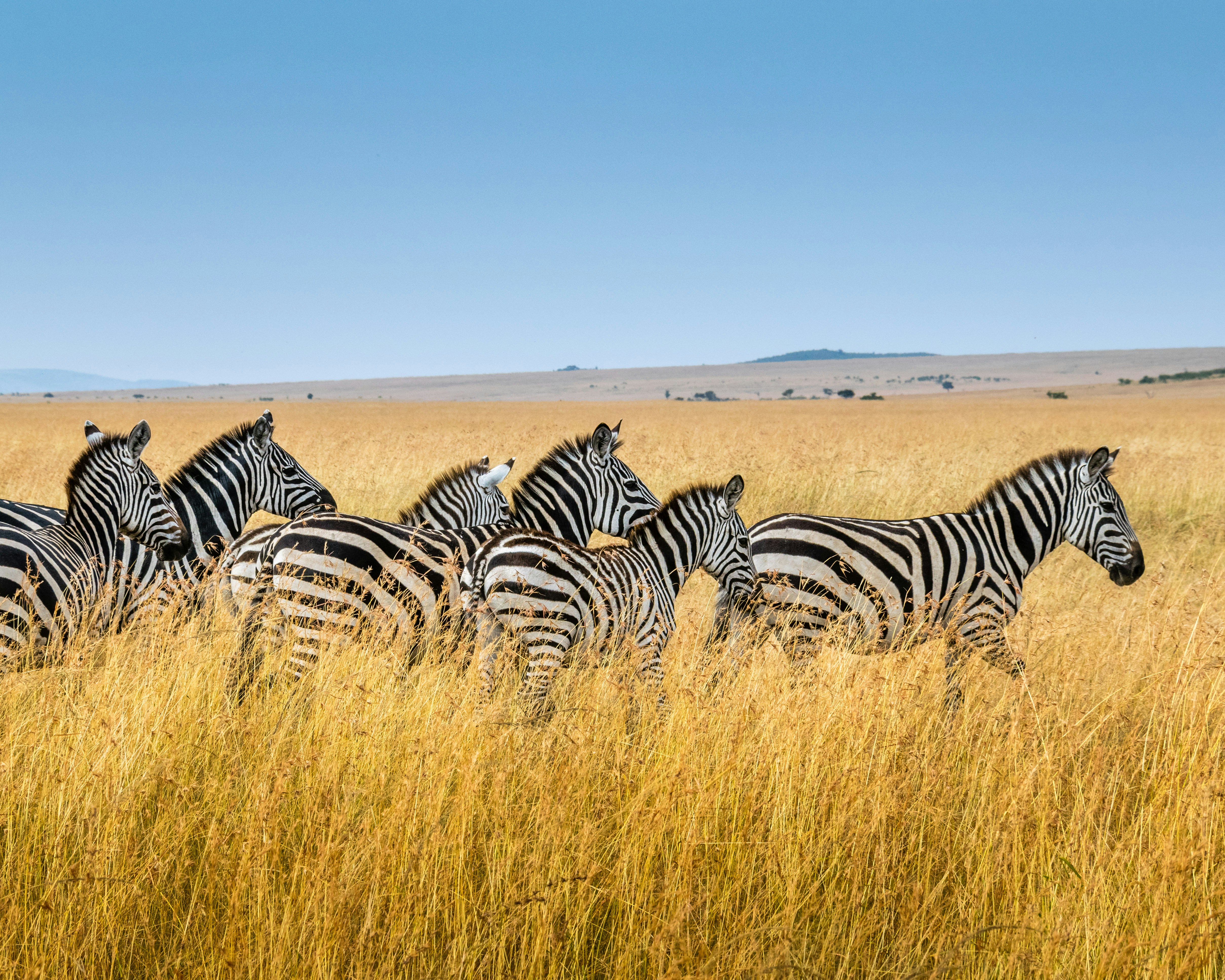
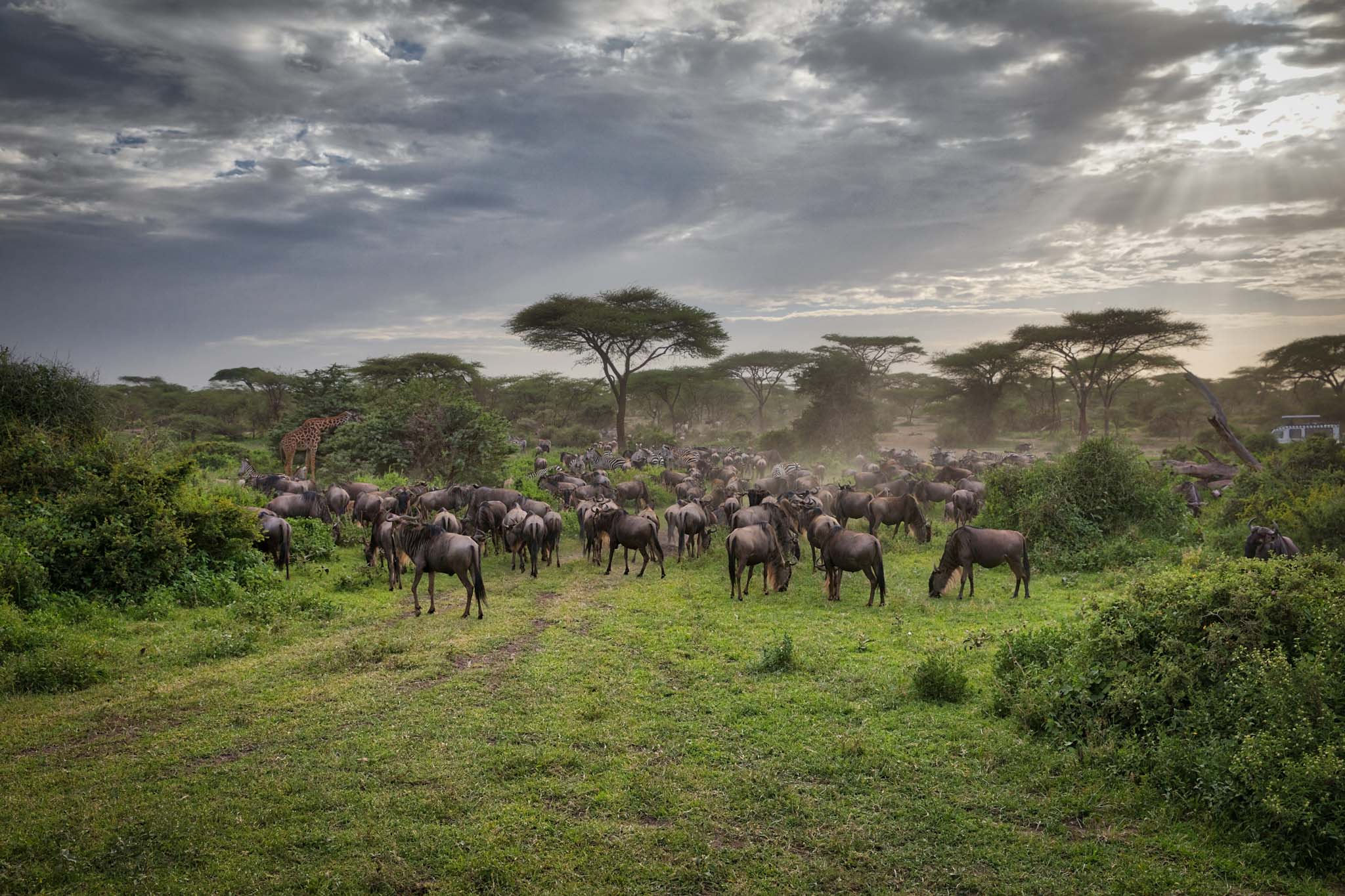
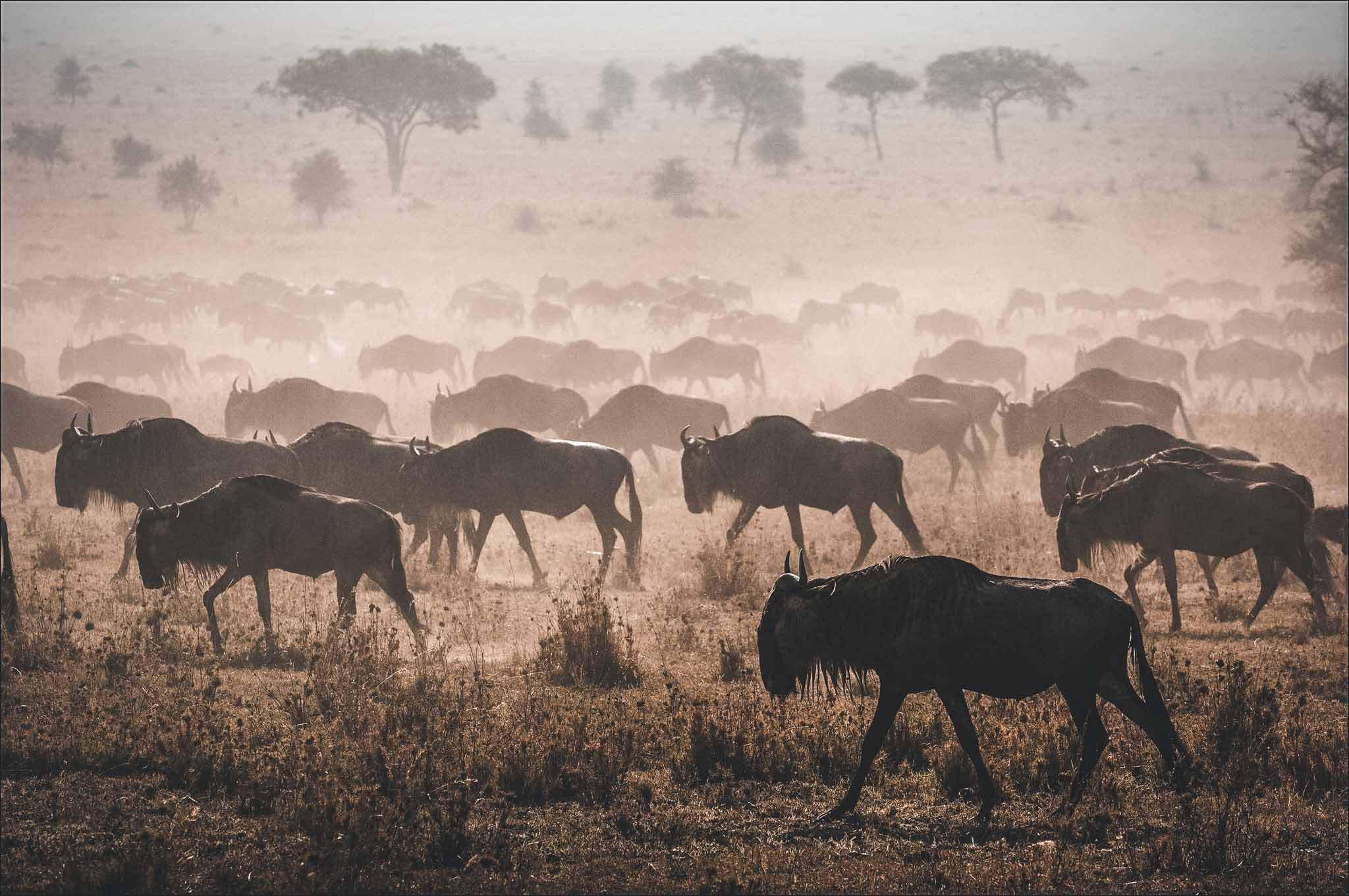
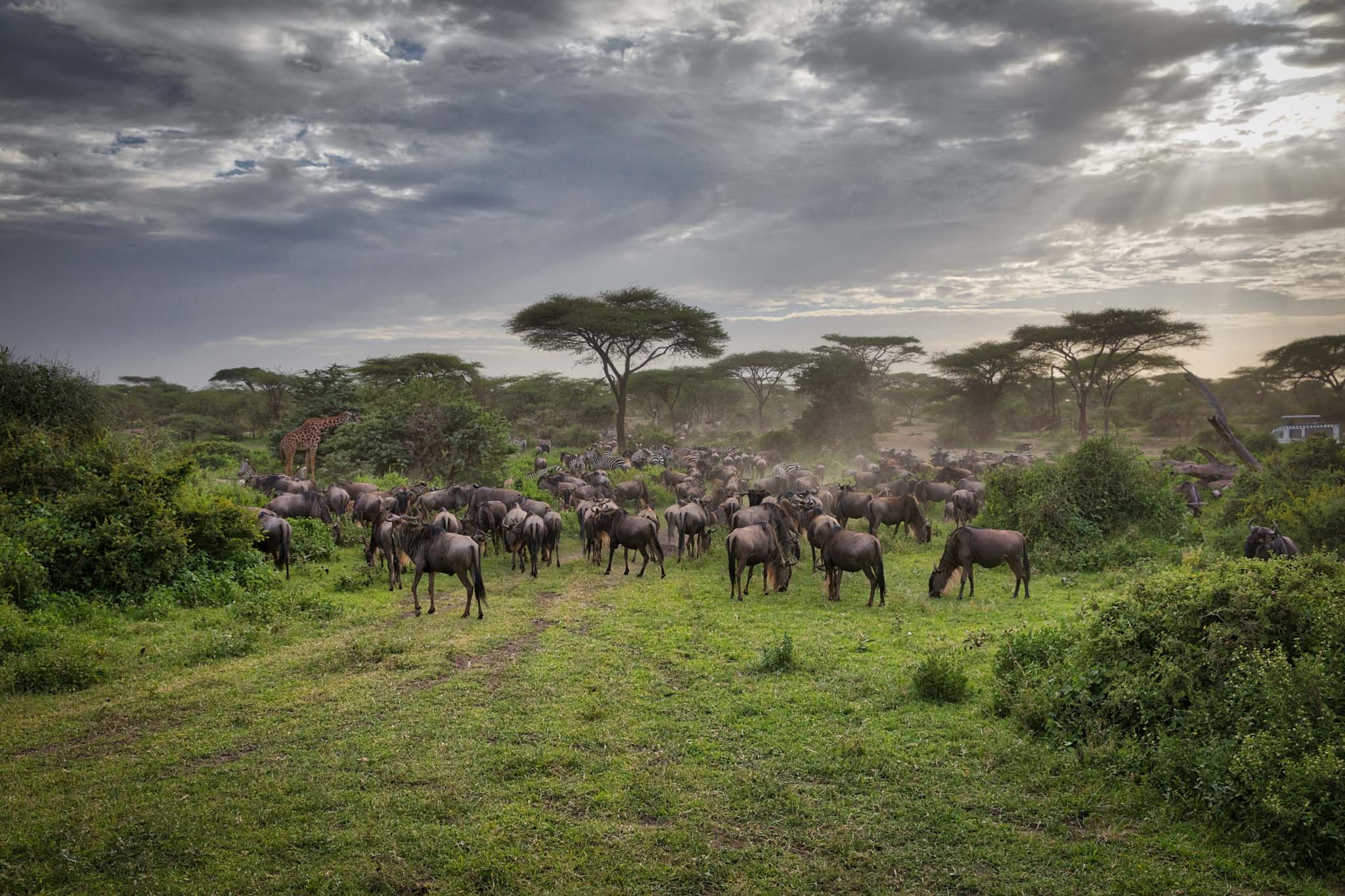
The Serengeti is world famous for hosting the Great Wildebeest Migration, widely regarded as one of the most spectacular natural events on Earth. Every year, over two million wildebeest, along with hundreds of thousands of zebras and gazelles, undertake a continuous circular journey across the Serengeti and into Kenya’s Maasai Mara in search of fresh grazing and water.
This migration is not a single event but a year round phenomenon, with different regions of the park offering prime viewing depending on the season. Between December and March, the southern plains come alive with calving season, when thousands of wildebeest calves are born within just a few weeks. From April to May, the herds begin moving northward through the central Serengeti. By June and July, dramatic river crossings become the highlight, as wildebeest brave crocodile infested waters at the Grumeti River. From August through October, the action shifts toward the northern Serengeti and the Mara River, where some of the most thrilling and heart pounding crossings take place.
Understanding this migration pattern is essential for anyone booking a Serengeti safari tour, as choosing the right time and location can make the difference between a good safari and a truly extraordinary one.
The Big Five and Beyond
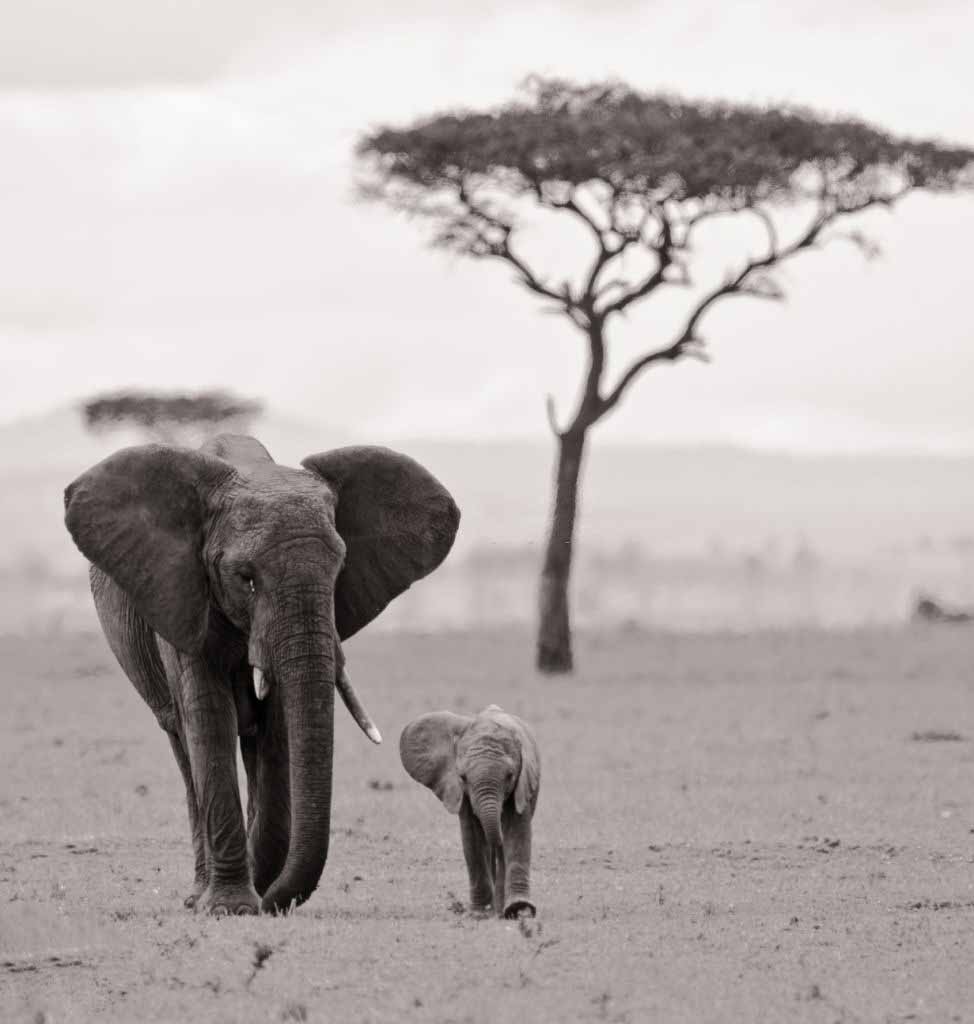
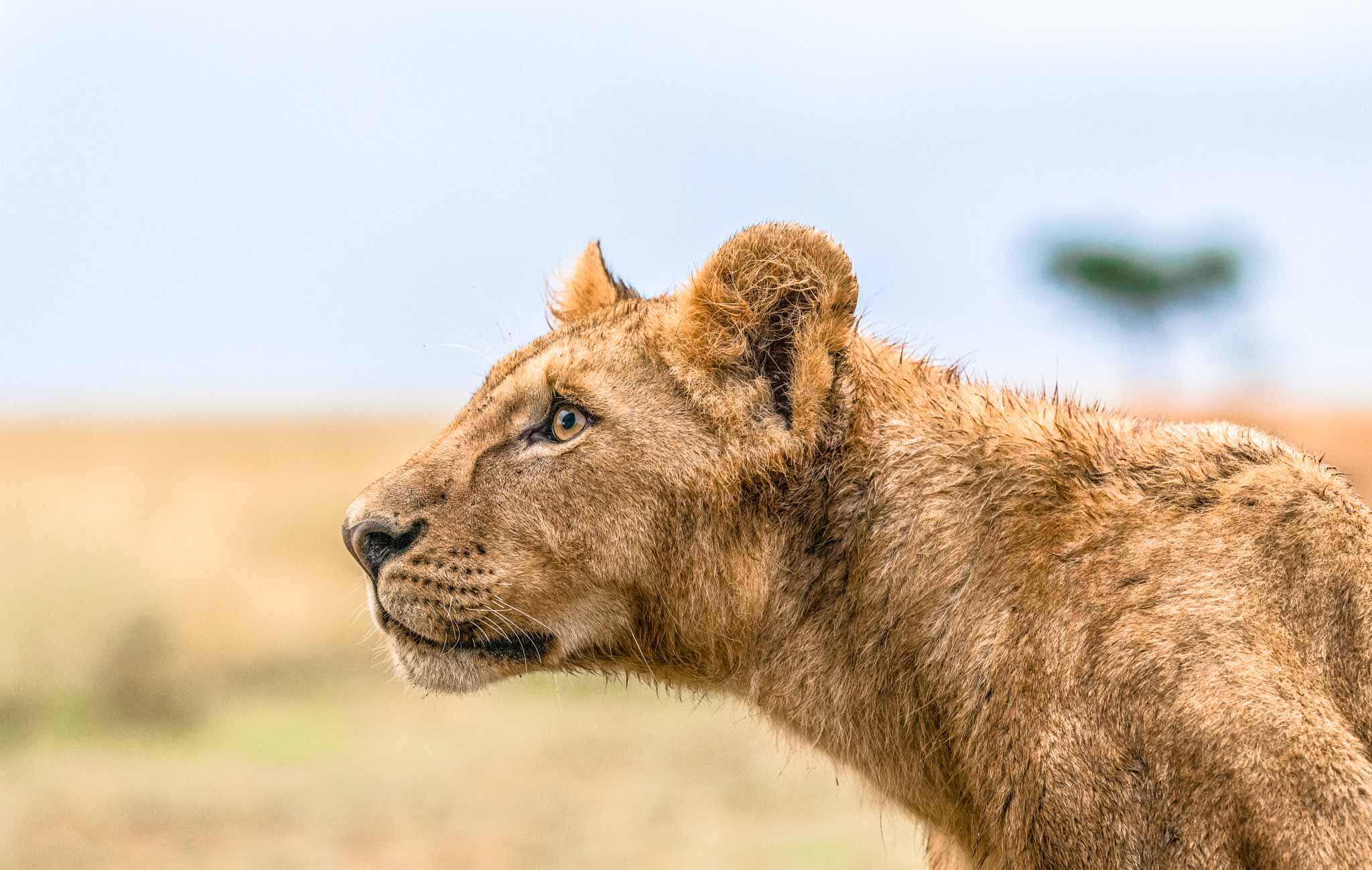
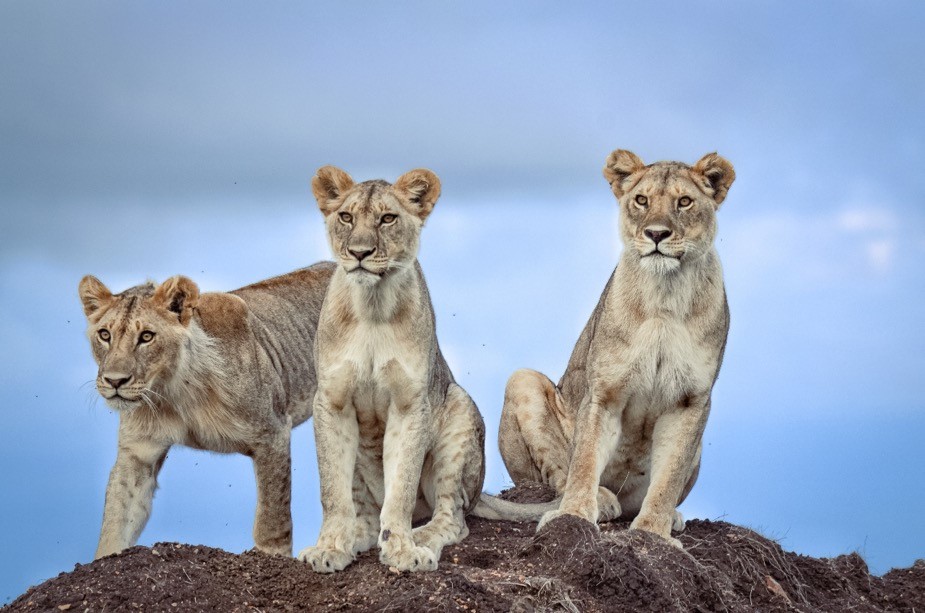
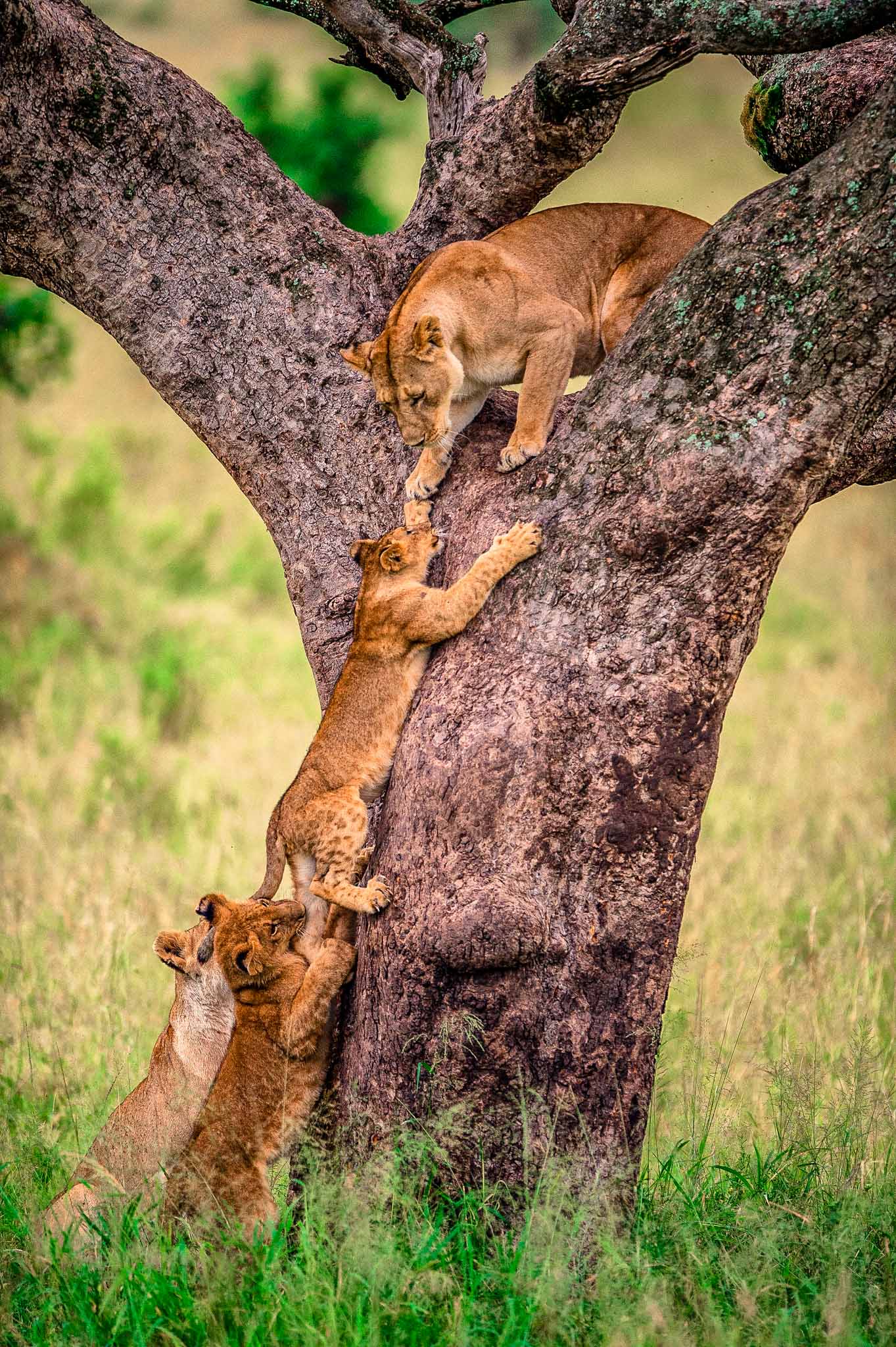
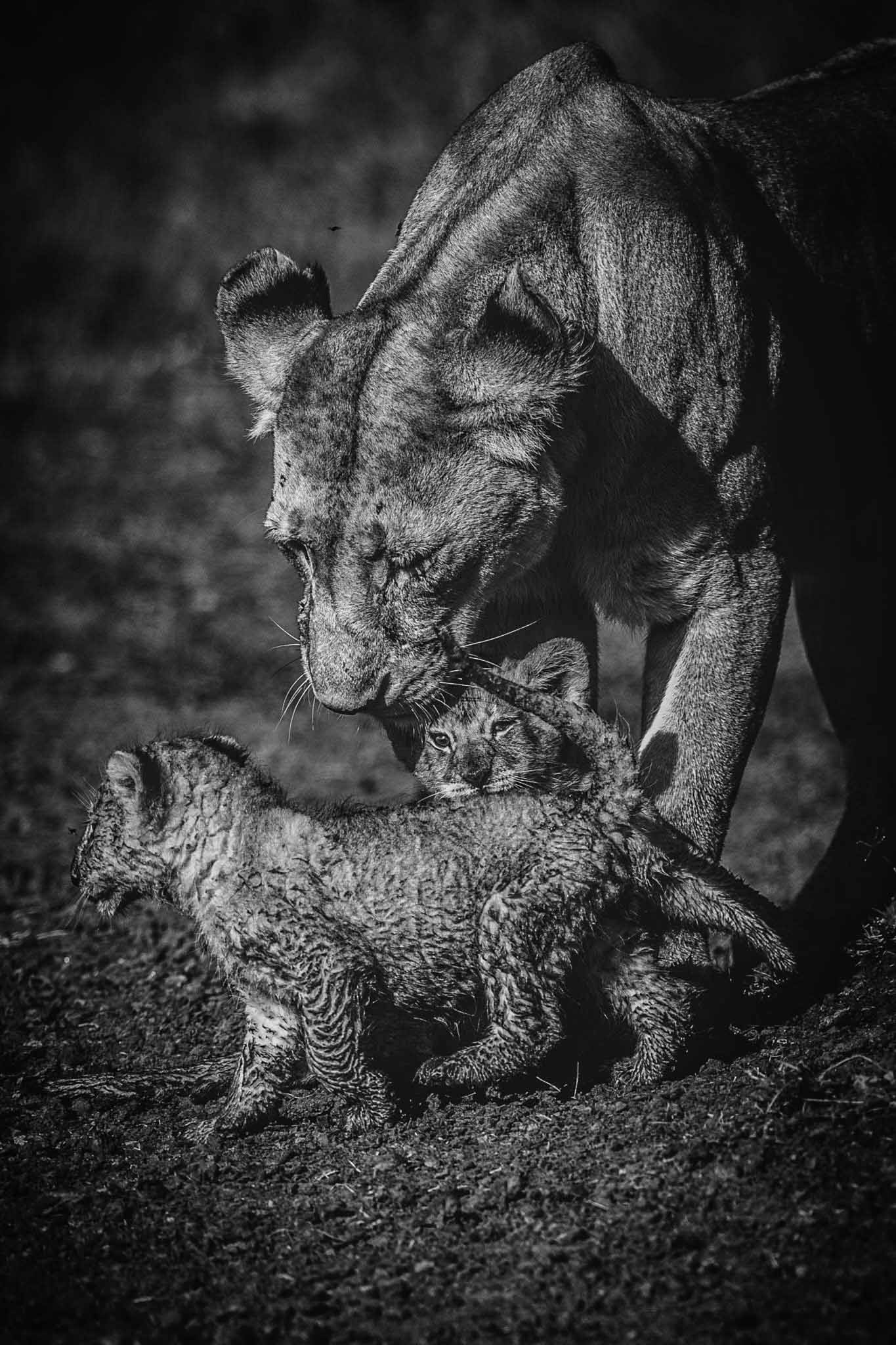
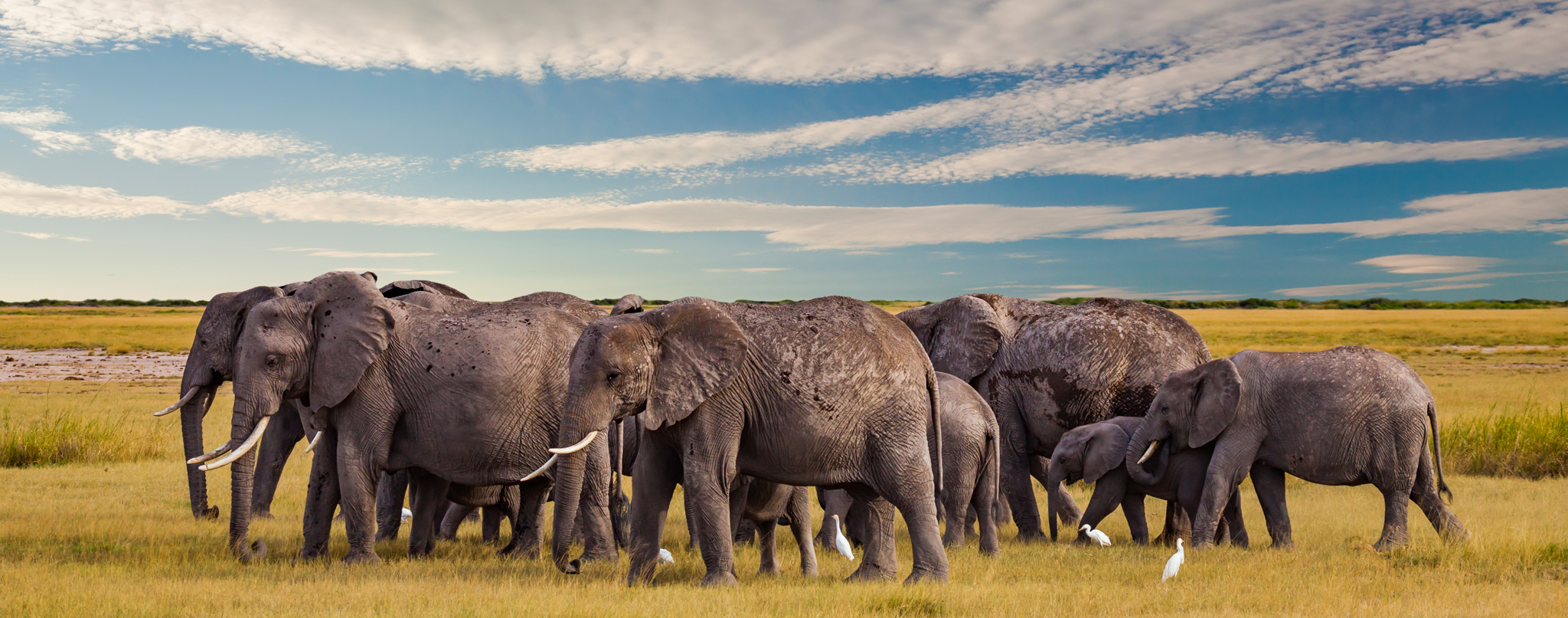
While the migration draws global attention, the Serengeti is equally celebrated for its resident wildlife population. This is one of the best places in Africa to spot the Big Five, which includes lion, leopard, elephant, buffalo, and the increasingly rare black rhino. The park boasts one of the densest lion populations in Africa, and it is common to see prides lounging on kopjes or stalking prey across the open plains.
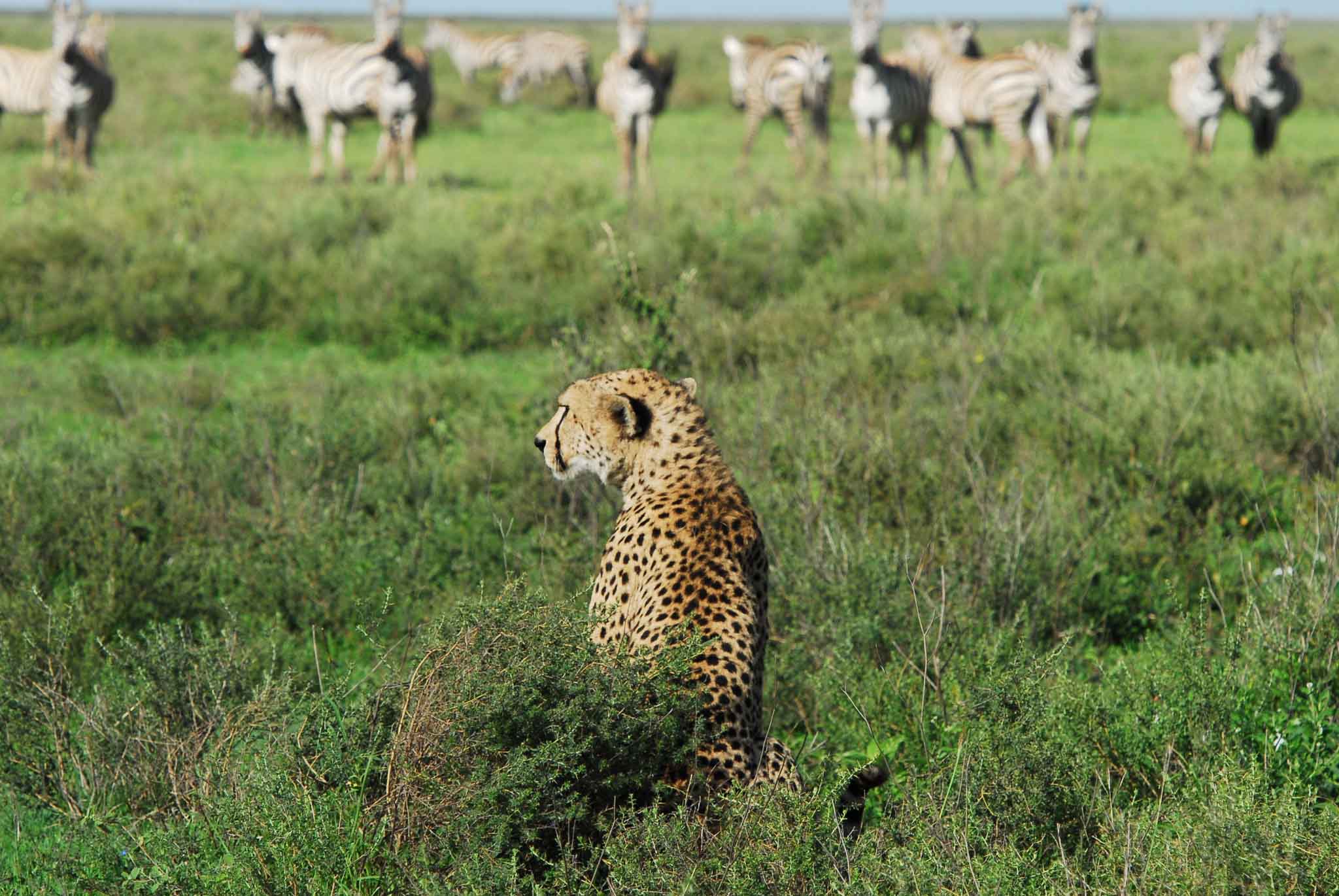
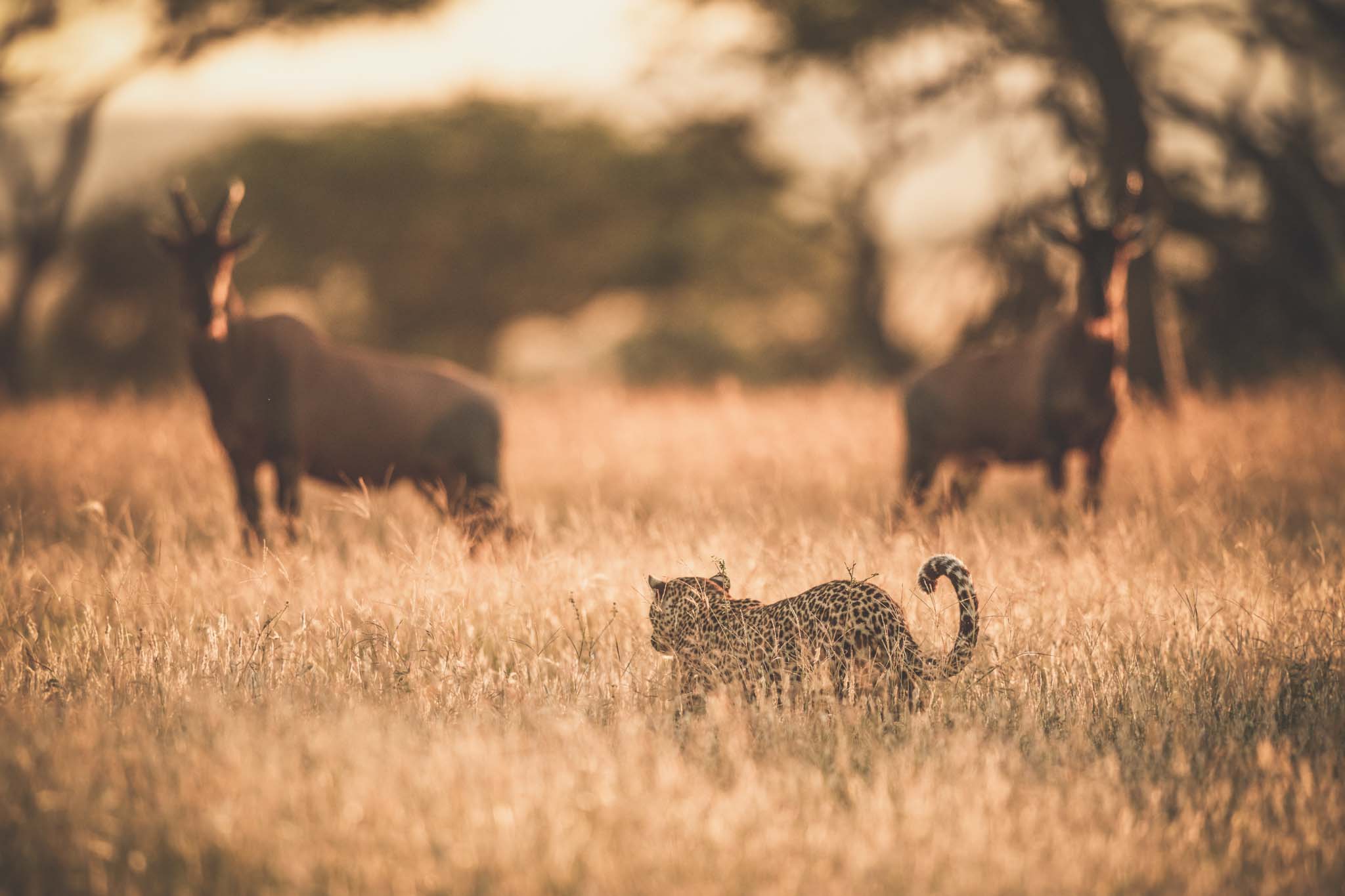
Cheetahs are another highlight, often seen using termite mounds as vantage points to scan for prey in the central and eastern Serengeti. Leopards, more elusive by nature, are frequently spotted resting in the branches of sausage trees along the Seronera River Valley, one of the richest wildlife areas within the park.
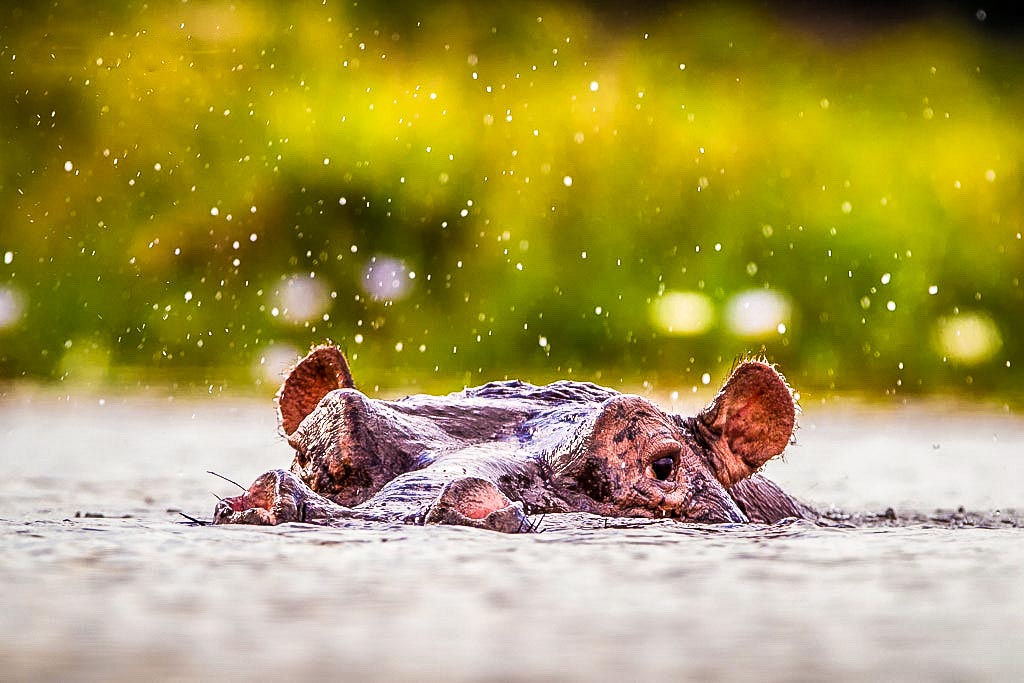
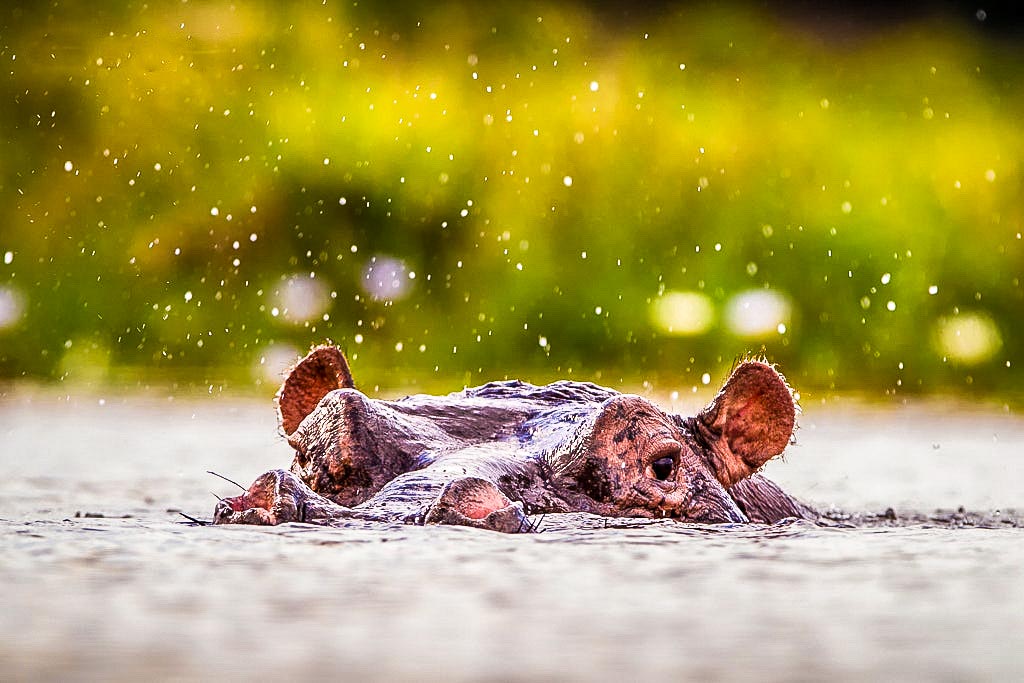
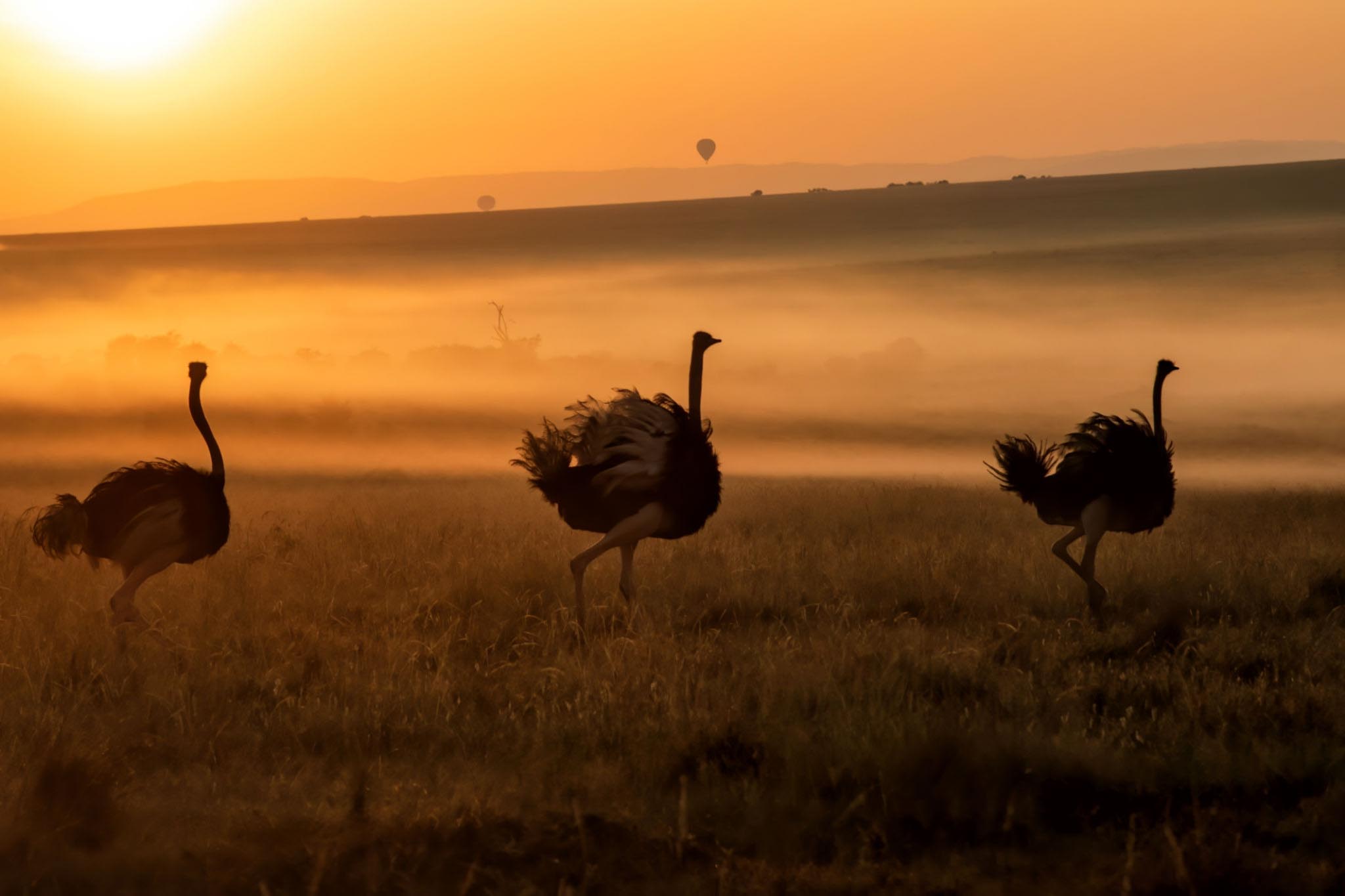
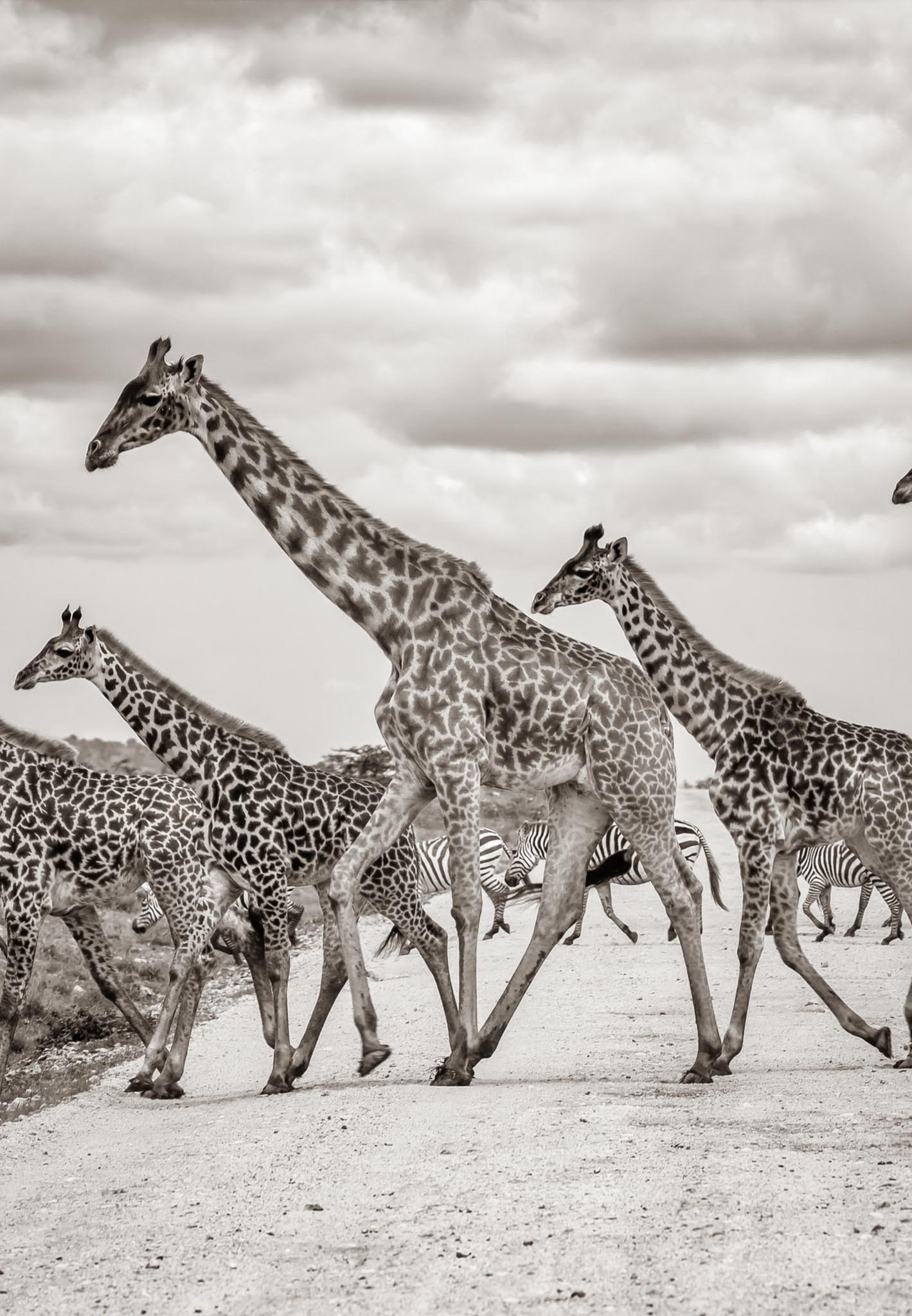
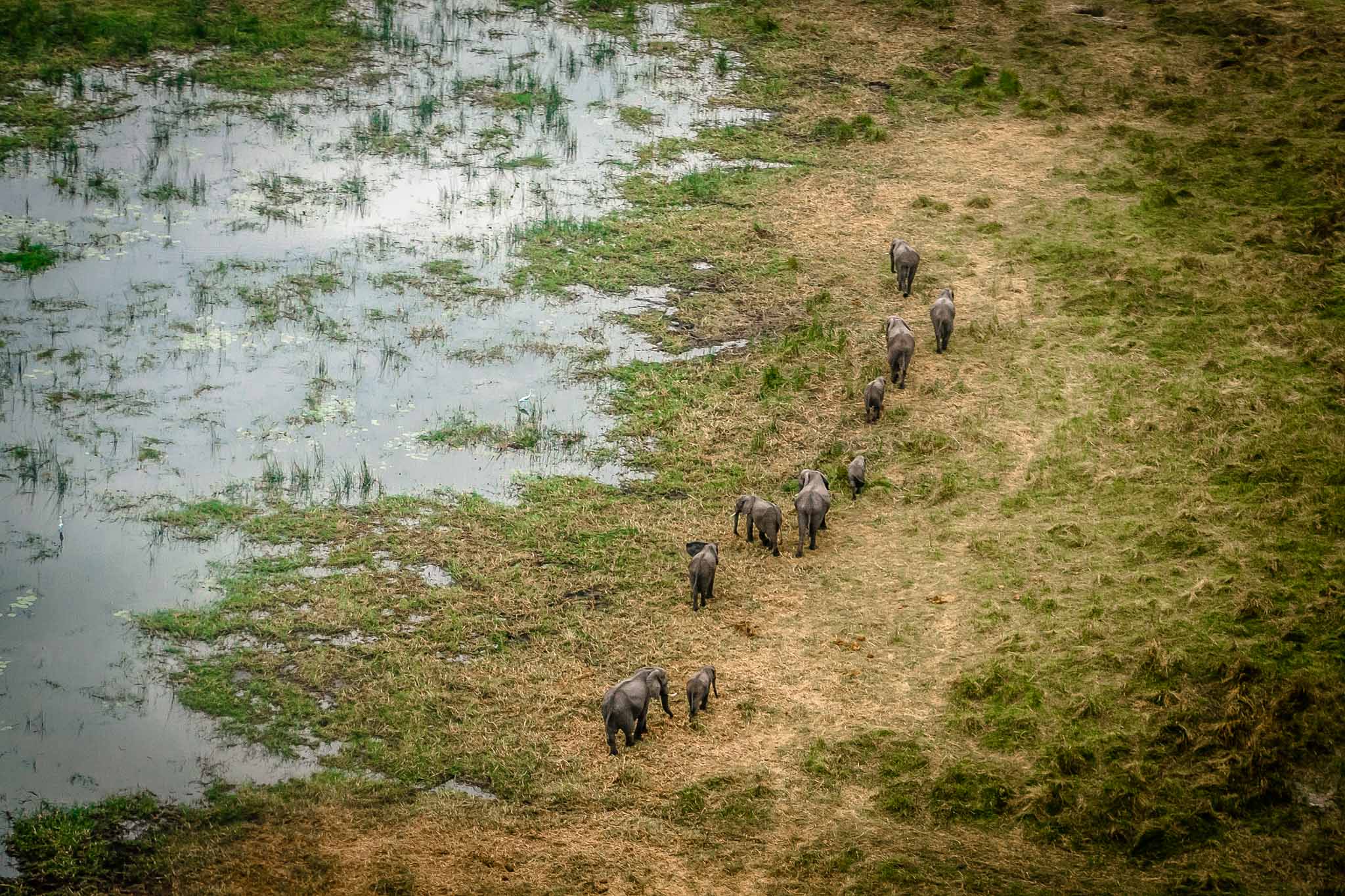
Beyond the headline species, the Serengeti supports an incredible diversity of animals, including giraffes, hippos, hyenas, elands, topi, and more than 500 recorded bird species. Birdwatchers will find the Serengeti particularly rewarding, with vibrant species such as lilac breasted rollers, secretary birds, and various raptors regularly sighted throughout the park.
Best Time to Visit Serengeti National Park
The Serengeti offers rewarding wildlife viewing throughout the year, though the ideal time to visit depends on individual travel goals. The dry season, running from June to October, is generally considered the best time for game viewing, as animals gather around limited water sources and vegetation is thinner, making sightings easier. This period also aligns with the dramatic river crossings in the north.
The green season, from November to May, brings lush landscapes, fewer crowds, and excellent birdwatching opportunities. It is also the best time to witness the wildebeest calving season in the southern plains, offering a unique and intimate wildlife experience away from peak tourist traffic.
Where to Stay in the Serengeti
Accommodation options within and around Serengeti National Park cater to every style of traveler. Luxury lodges and tented camps offer premium comfort with unobstructed views of the plains, often positioned strategically to follow the migration seasonally. Mid range lodges provide excellent value while still delivering authentic safari experiences, and mobile tented camps allow travelers to follow the herds closely throughout the year for the most immersive migration experience possible.
Many camps and lodges are thoughtfully located near key wildlife corridors, river crossing points, or the Seronera Valley, allowing guests to maximize their chances of witnessing extraordinary wildlife moments right from their doorstep.
Getting to Serengeti National Park
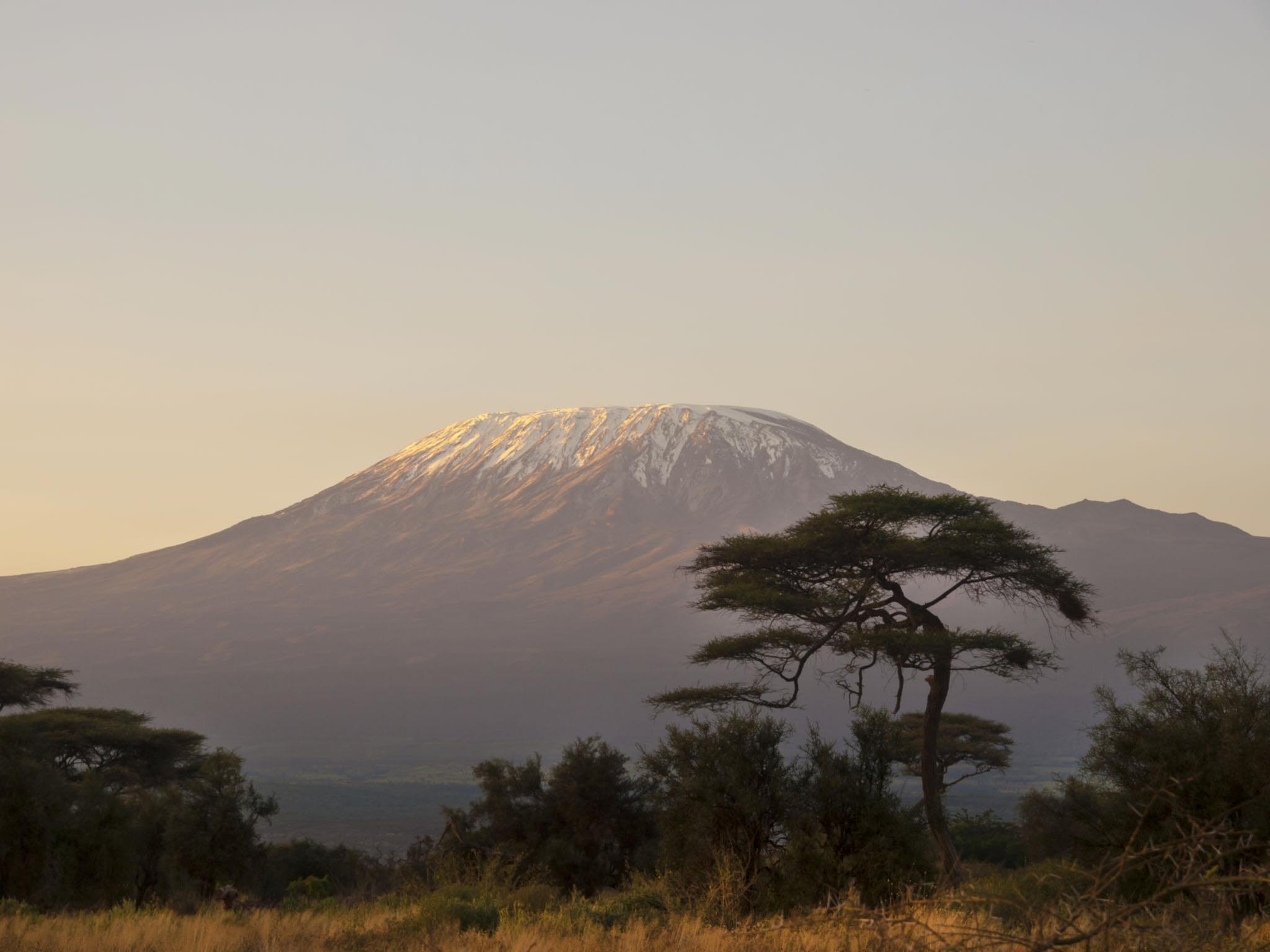
The Serengeti is accessible by both road and air. Most international travelers fly into Kilimanjaro International Airport or Julius Nyerere International Airport before connecting to smaller regional flights that land directly within the park at various airstrips. Road transfers from Arusha are also popular, often combined with visits to nearby destinations such as Ngorongoro Crater, offering a seamless multi day safari itinerary across northern Tanzania.
Why the Serengeti Should Be on Every Safari Itinerary
A visit to Serengeti National Park is more than just a wildlife safari. It is an immersive journey into one of the last truly wild landscapes on Earth, where ancient migratory rhythms continue undisturbed by modern life. Whether you are drawn by the promise of witnessing the wildebeest migration, the thrill of tracking big cats, or simply the beauty of endless golden plains beneath an African sky, the Serengeti delivers an experience that stays with travelers long after they return home.
For anyone planning a Tanzania safari, Serengeti National Park remains the ultimate destination, combining unmatched biodiversity, breathtaking scenery, and some of the most iconic wildlife encounters found anywhere in the world.