



Major Lakes in Tanzania:
Tourism, Wildlife and Economic Importance
Tanzania is one of Africa’s most beautiful travel destinations, famous for Mount Kilimanjaro, Serengeti National Park, and the Ngorongoro Crater. However, the country’s lakes are equally important natural attractions, offering spectacular scenery, diverse wildlife, cultural experiences, and opportunities for adventure.
The major lakes in Tanzania range from enormous freshwater lakes to volcanic crater lakes and shallow alkaline wetlands. They attract visitors interested in birdwatching, fishing, photography, boating, cultural tourism, and peaceful lakeside holidays. Beyond tourism, these lakes support fisheries, employment, transportation, food security, and the livelihoods of communities across the country.
This guide explores the major lakes in Tanzania, their tourism attractions, their contribution to the national economy, and how travellers can include them in their itineraries.
1. Lake Victoria: Africa’s Largest Lake by Surface Area
Lake Victoria is the largest lake in Africa by surface area and one of Tanzania’s most important freshwater resources. It is shared by Tanzania, Uganda, and Kenya, with major Tanzanian lakeside centres including Mwanza, Bukoba, and communities in the Mara region.
Tourism attractions
Lake Victoria offers scenic boat trips, fishing experiences, birdwatching, and opportunities to explore lakeside towns and islands. Mwanza is a popular base for visitors interested in local markets, lakeside scenery, and cultural experiences.
The lake provides a different travel experience from Tanzania’s traditional wildlife safaris, allowing visitors to discover fishing communities, local food, and everyday life around the water.
Economic importance
Lake Victoria supports major freshwater fisheries, fish processing, transport, and regional trade. Nile perch and other fish provide income for fishers, traders, processors, and exporters. Boat operators, food vendors, and accommodation providers also benefit from activity around the lake.
Best for: Lakeside sightseeing, fishing experiences, local culture, and exploring northwestern Tanzania.
2. Lake Tanganyika: Deep Waters and Chimpanzee Tourism
Lake Tanganyika lies in western Tanzania, with Kigoma serving as an important gateway. It is shared by Tanzania, the Democratic Republic of the Congo, Burundi, and Zambia. It is one of the world’s deepest and oldest freshwater lakes and contains remarkable aquatic biodiversity.
Tourism attractions
Lake Tanganyika attracts travellers seeking clear-water scenery, boat excursions, swimming where safe and permitted, and peaceful lakeside experiences.
One of its greatest advantages is its proximity to Gombe Stream National Park and Mahale Mountains National Park, which are famous for chimpanzee trekking. Visitors can combine lake scenery with guided forest walks and wildlife observation.
Economic importance
The lake supports fisheries, particularly dagaa and other freshwater species. Fishing, fish trading, transport, and tourism provide employment for local communities. Visitor spending also supports guides, boat operators, camps, lodges, and restaurants.
Best for: Chimpanzee trekking, nature photography, freshwater scenery, and quieter wildlife holidays.
3. Lake Nyasa (Lake Malawi): Beaches and Mountain Scenery
Lake Nyasa, also known internationally as Lake Malawi, lies in southern Tanzania and is shared with Malawi and Mozambique. Its Tanzanian shoreline offers attractive beaches and beautiful views of surrounding mountains.
Tourism attractions
The Matema area is known for its lakeside setting and opportunities for relaxation. Depending on local conditions and available facilities, visitors can enjoy boating, fishing excursions, photography, and cultural experiences.
Lake Nyasa is a good choice for travellers who want to combine natural scenery with a slower-paced holiday away from busy safari routes.
Economic importance
The lake supports fishing, fish markets, transport, accommodation, and small businesses. Tourism creates additional opportunities for guides, restaurants, and local service providers.
Sustainable fishing and responsible shoreline development are essential to protecting aquatic habitats and the long-term livelihoods of communities.
Best for: Lakeside relaxation, scenic photography, and exploring southern Tanzania.
4. Lake Natron: Flamingos and Volcanic Landscapes
Lake Natron is one of Tanzania’s most distinctive natural attractions. Located in the Great Rift Valley near the Kenyan border, it is known for its highly alkaline waters, striking landscapes, and importance as a breeding site for lesser flamingos.
Tourism attractions
Lake Natron attracts birdwatchers, photographers, hikers, and adventure travellers. Visitors can enjoy guided birdwatching, views of Ol Doinyo Lengai volcano, walks to nearby natural features, and cultural experiences arranged with local guides.
The region is remote and can be very hot, so travellers should plan transport, drinking water, accommodation, and guiding carefully.
Economic importance
Tourism supports local guides, drivers, campsites, accommodation providers, and community businesses. Responsible tourism can also encourage conservation of the lake’s sensitive habitats.
Because the environment is fragile, visitors should follow local guidance and avoid disturbing flamingos or breeding areas.
Best for: Flamingo watching, dramatic landscapes, photography, and adventure travel.
5. Lake Manyara: Wildlife and Northern Tanzania Safaris
Lake Manyara lies in northern Tanzania beneath the Great Rift Valley escarpment. Its surrounding landscape forms part of a well-established safari region, and Lake Manyara National Park is a popular destination on the northern safari circuit.
Tourism attractions
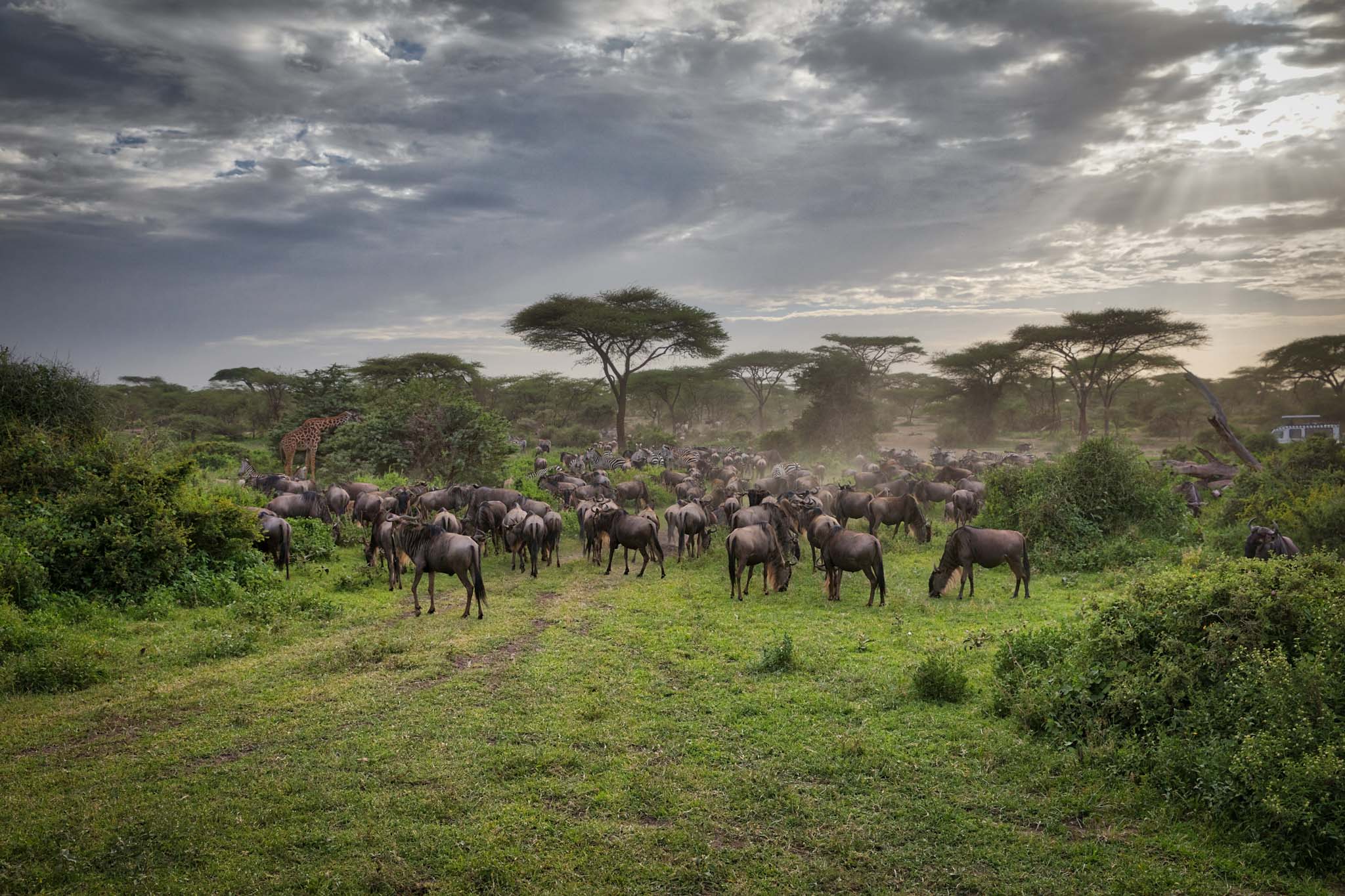
Visitors can enjoy wildlife drives, birdwatching, photography, and scenic views. The park is known for its diverse birdlife, elephants, and other wildlife, although sightings vary by season and location.
Lake Manyara can be combined with visits to Tarangire National Park, the Ngorongoro Conservation Area, and the Serengeti, making it a convenient stop on a multi-day safari.
Economic importance
Safari tourism supports tour operators, guides, drivers, accommodation providers, restaurants, and local suppliers. Park-related tourism also contributes to conservation and government revenue through applicable fees and arrangements.
Best for: Wildlife safaris, birdwatching, photography, and northern Tanzania itineraries.
6. Lake Eyasi: Cultural Tourism and Rural Landscapes
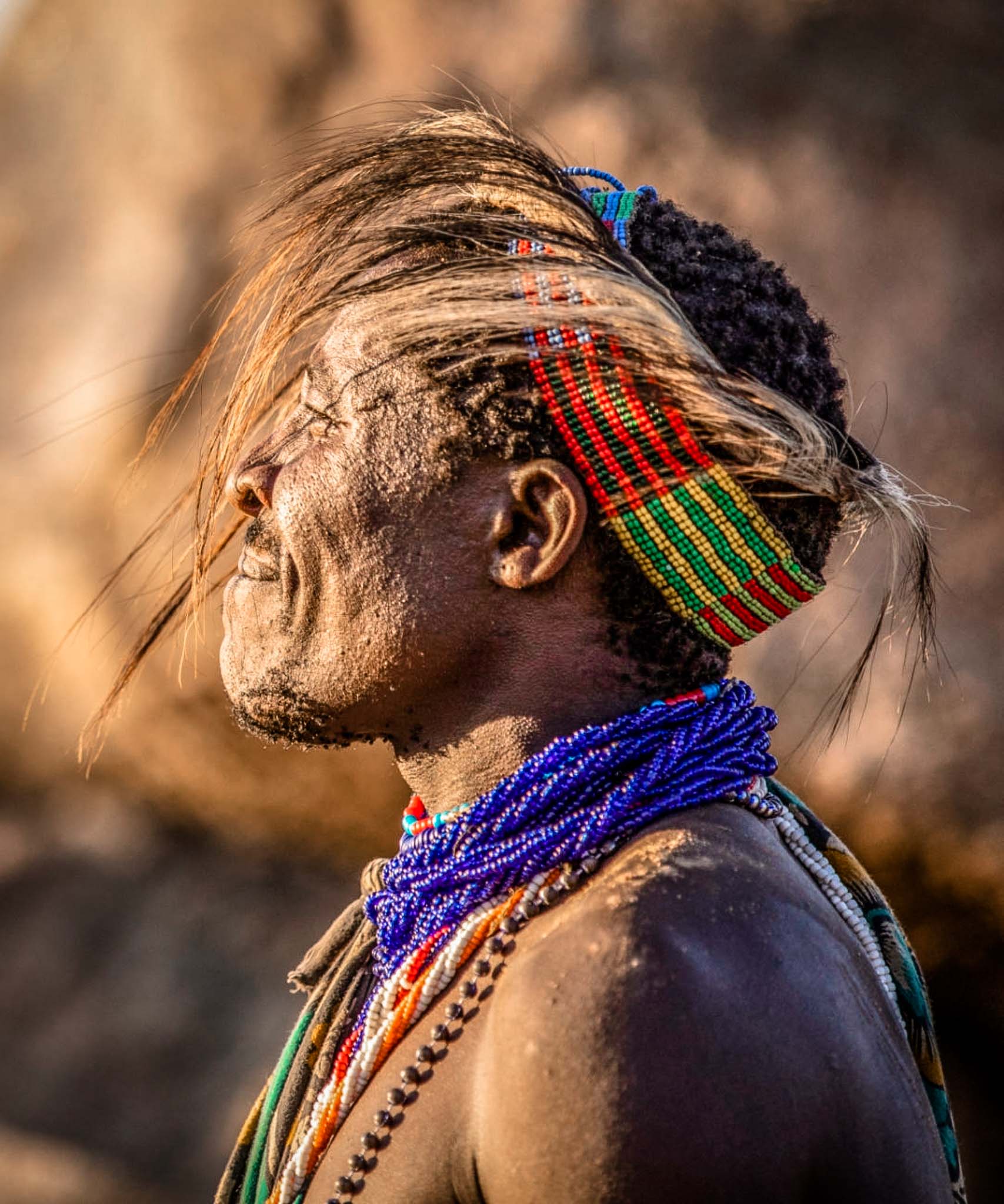
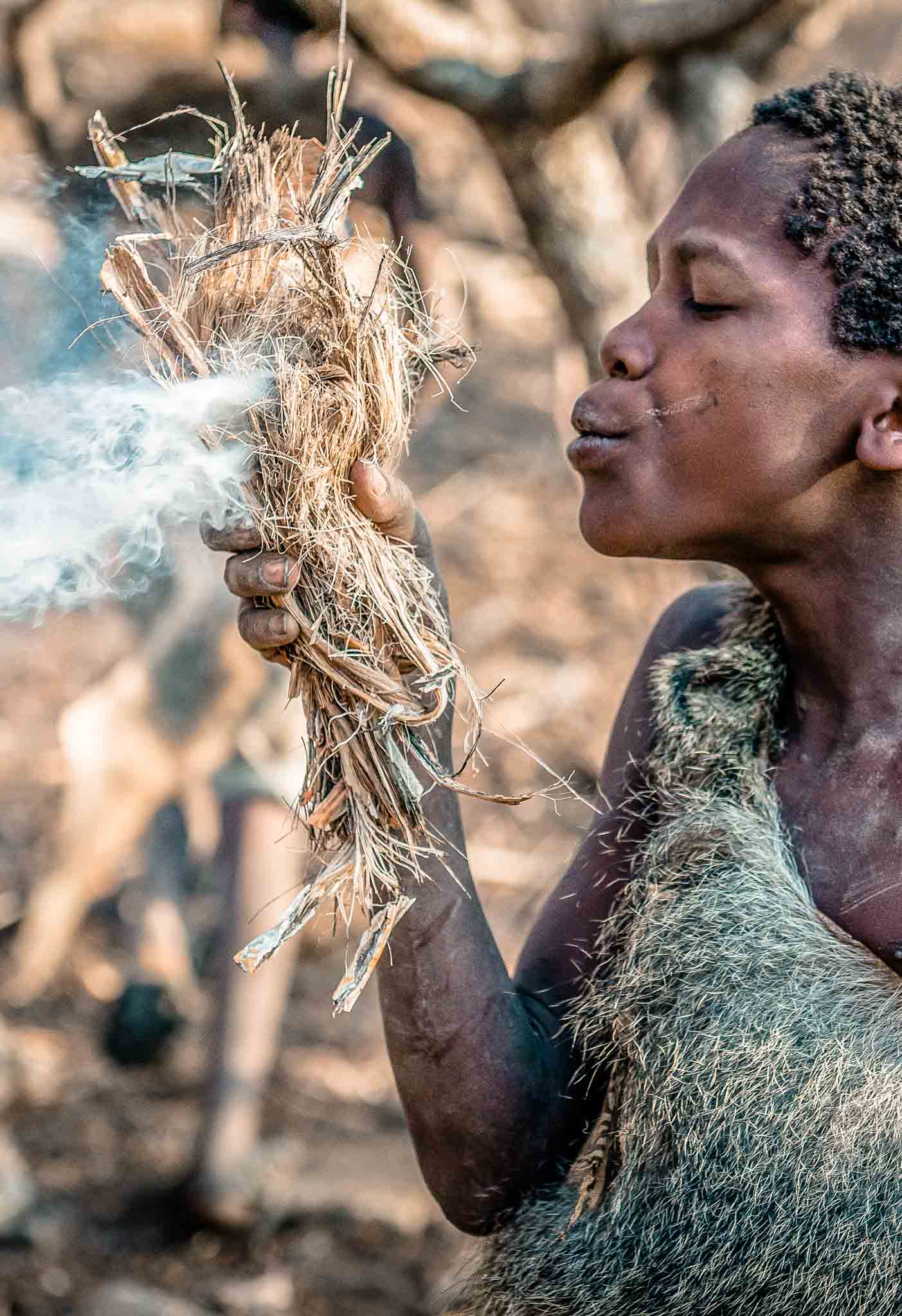
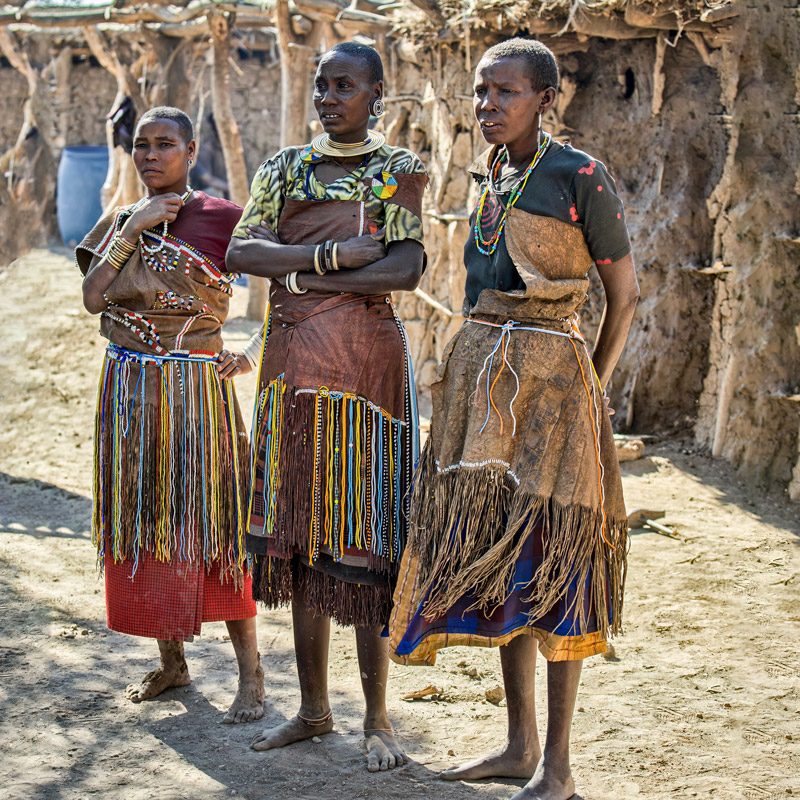
Lake Eyasi is a shallow, saline lake southwest of the Ngorongoro area. The surrounding region is associated with Hadzabe and Datoga communities, offering a different experience from conventional wildlife safaris.
Tourism attractions
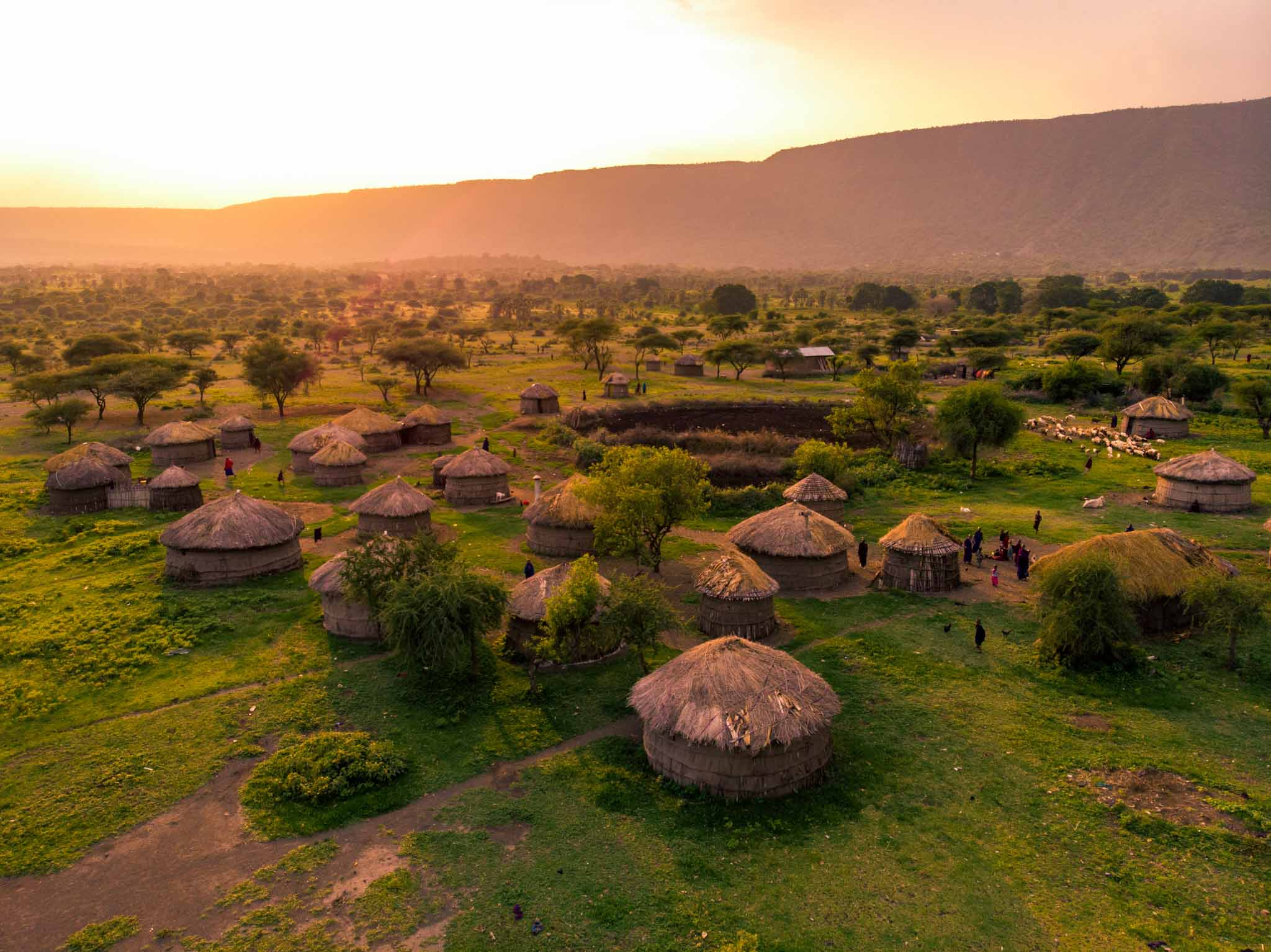
Travellers may arrange locally guided cultural visits, nature excursions, and photography experiences. Visits should be organised respectfully, with community consent and appropriate compensation.
The region’s landscapes and traditional livelihoods provide opportunities to learn about local history and ways of life.
Economic importance
Community-based tourism can generate income for local guides, cultural tourism providers, accommodation businesses, and craft sellers. Tourism is most beneficial when communities have meaningful control over how visits are organised and how income is shared.
Best for: Cultural experiences, community-led tourism, and rural landscapes.
7. Lake Rukwa: Wetlands and Remote Nature
Lake Rukwa lies in southwestern Tanzania. Its size and water levels can change significantly with seasonal rainfall.
Tourism attractions
The lake basin offers opportunities for birdwatching, photography, and exploring less-visited natural landscapes. Because tourism facilities may be limited, visitors should confirm access, transport, and accommodation before travelling.
Economic importance
Local fisheries and other natural resources support surrounding communities. The wetlands also provide wildlife habitats and ecological benefits that help sustain local livelihoods.
With appropriate conservation and infrastructure, Lake Rukwa could offer further opportunities for low-impact tourism.
Best for: Remote scenery, birdwatching, and nature enthusiasts.
8. Lake Jipe: A Quiet Wetland Destination
Lake Jipe is a shallow lake shared by Tanzania and Kenya, near the Kilimanjaro region. It provides an attractive setting for visitors interested in wetlands and quieter natural destinations.
Tourism attractions
Activities may include birdwatching, photography, and locally organised nature excursions. The surrounding plains and nearby mountain scenery add to the lake’s appeal.
Travellers should confirm local access conditions and available facilities before visiting.
Economic importance
Lake Jipe supports small-scale fisheries and fish trading. Carefully managed tourism can create opportunities for local guides, boat operators, and small businesses while encouraging wetland conservation.
Best for: Birdwatching, peaceful nature experiences, and exploring northeastern Tanzania.
9. Lake Chala: A Beautiful Volcanic Crater Lake
Lake Chala is a crater lake near the Tanzania–Kenya border, southeast of Mount Kilimanjaro. Its steep crater walls and blue-green water create one of the region’s most striking landscapes.
Tourism attractions
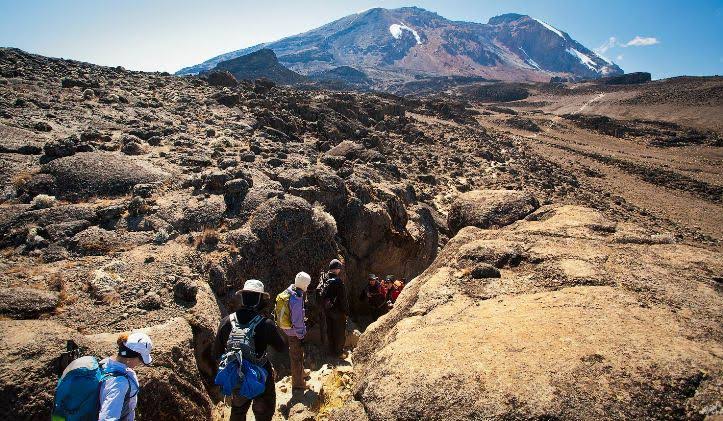
Visitors are attracted by hiking, scenic viewpoints, photography, and nature excursions. The lake can complement a trip to Moshi or a Mount Kilimanjaro itinerary.
The crater terrain can be steep, so visitors should follow local safety advice. Swimming should only be considered where permitted and confirmed safe by local operators.
Economic importance
Tourism provides business opportunities for guides, camps, accommodation providers, transport operators, and local suppliers. Responsible tourism also encourages protection of the crater environment.
Best for: Scenic photography, hiking, and nature trips near Kilimanjaro.
10. Lake Babati: Local Scenery and Freshwater Fisheries
Lake Babati is situated near Babati town in Manyara Region. Surrounded by hills and rural settlements, it is an important local resource and a potential attraction for regional visitors.
Tourism attractions
Visitors can enjoy local sightseeing, birdwatching, photography, and opportunities to learn about the surrounding communities. Its tourism appeal is more regional than that of Tanzania’s best-known safari destinations.
Economic importance
Fishing and fish sales support local livelihoods, while tourism can benefit guides, food vendors, transport providers, and small businesses.
Best for: Local excursions, freshwater scenery, and exploring Manyara beyond its major safari attractions.
How Do Tanzania’s Lakes Contribute to Tourism?
Tanzania’s lakes strengthen the country’s tourism industry in several ways.
Wildlife and birdwatching: Lake Natron is important for lesser flamingos, while Lake Manyara attracts visitors interested in birds and wildlife. Other lakes and wetlands provide habitats for diverse species.
Adventure activities: Depending on the destination, visitors can enjoy boating, fishing excursions, hiking, photography, and other outdoor experiences.
Cultural tourism: Lakeside communities offer opportunities for locally guided cultural experiences, traditional crafts, and learning about regional livelihoods.
Accommodation and business growth: Tourists spend money on hotels, lodges, meals, transport, guiding, and excursions. This spending supports employment and business opportunities.
Longer itineraries: Lakes can encourage visitors to spend additional days in Tanzania by combining traditional safaris with beaches, wetlands, cultural experiences, and less-visited landscapes.
The Economic Importance of Lakes in Tanzania
The contribution of lakes extends beyond tourism.
Fisheries and food security
Lake Victoria, Lake Tanganyika, and Lake Nyasa support important freshwater fisheries. Fish provides food and income while creating work in processing, packaging, distribution, and trade.
Employment and livelihoods
Lakes support fishers, traders, guides, drivers, boat operators, hospitality workers, and small businesses. These activities are especially important for communities with limited alternative employment.
Transport and regional trade
Lake Victoria and Lake Tanganyika support transport and trade between lakeside communities and neighbouring countries. These connections help link markets and support commerce.
Government revenue and investment
Tourism and fisheries generate economic activity through applicable taxes, licences, park fees, and other charges. Investment in transport, accommodation, and visitor facilities can further support regional development.
Water resources and agriculture
Lakes and their catchments can support domestic water needs, livestock, agriculture, and wetland ecosystems. Their benefits depend on water availability, infrastructure, environmental quality, and sustainable management.
Challenges Facing Tanzania’s Lakes
Despite their importance, Tanzania’s lakes face several challenges:
- Water pollution: Wastewater, plastics, and agricultural runoff can harm aquatic habitats.
- Unsustainable fishing: Excessive fishing pressure and destructive practices threaten fish stocks and livelihoods.
- Climate variability: Changes in rainfall, temperature, and evaporation affect lake levels and ecosystems.
- Habitat degradation: Wetland destruction and inappropriate shoreline development can reduce biodiversity.
- Limited infrastructure: Poor access, inadequate visitor facilities, and insufficient marketing can restrict tourism development.
Protecting these environments is essential for maintaining fisheries, biodiversity, and long-term tourism opportunities.
How to Plan a Trip to Tanzania’s Lakes
Choose destinations based on your interests and overall itinerary.
- Wildlife safari: Consider Lake Manyara as part of a northern Tanzania safari.
- Flamingos and volcanoes: Visit Lake Natron with appropriate transport and local guiding.
- Chimpanzee trekking: Explore Lake Tanganyika and the nearby national parks around Kigoma.
- Beaches and relaxation: Consider the Tanzanian shore of Lake Nyasa, including the Matema area.
- Cultural experiences: Arrange respectful, community-led visits around Lake Eyasi.
- Kilimanjaro-region scenery: Consider Lake Chala for hiking and photography.
Travel conditions, road access, accommodation, and seasonal wildlife viewing can vary. Confirm local information before booking.
Frequently Asked Questions
What is the largest lake in Tanzania?
Lake Victoria is the largest lake by surface area in Tanzania and Africa overall. It is shared by Tanzania, Uganda, and Kenya.
Which lake is best for tourism in Tanzania?
Lake Manyara is a strong choice for combining lake scenery with wildlife safaris. Lake Natron is known for flamingos and volcanic landscapes, while Lake Tanganyika offers lake experiences and access to chimpanzee trekking.
Can tourists swim in Tanzania’s lakes?
Swimming depends on the lake, location, water conditions, and local restrictions. Visitors should follow local guidance and only swim where it is permitted and considered safe.
How do lakes contribute to Tanzania’s economy?
Lakes support fishing, food production, transport, tourism, employment, regional trade, and other local economic activities.
When is the best time to visit Tanzania’s lakes?
The best time depends on the destination and planned activities. Wildlife viewing, road accessibility, rainfall, and water levels can vary seasonally, so check current conditions before travelling.
Conclusion: Discover Tanzania Beyond the Traditional Safari
The major lakes in Tanzania are important natural attractions and valuable contributors to the national economy. From Lake Victoria’s freshwater fisheries to Lake Tanganyika’s chimpanzee country, Lake Natron’s flamingos, and Lake Manyara’s wildlife, each destination offers a different experience.
For international visitors, these lakes provide opportunities to explore Tanzania beyond traditional safari routes. For local communities, they support employment, food security, transport, and business development.
Protecting these environments while promoting responsible tourism and sustainable fishing will help preserve their natural beauty and economic value for future generations.
Planning a Tanzania holiday? Explore our Tanzania safari tours or contact our team to discuss a personalised itinerary based on your interests, travel dates, and budget.