
Mkomazi National Park: Tanzania’s Remote Sanctuary for Endangered Wildlife
Located in northeastern Tanzania, bordering Kenya’s Tsavo National Park, Mkomazi National Park remains one of the country’s most underexplored yet ecologically significant safari destinations. Covering approximately 3,245 square kilometers of semi arid savanna, rugged hills, and scattered acacia woodland, Mkomazi offers a rugged, authentic wilderness experience combined with a globally important conservation story centered on some of Africa’s most endangered species.
Though smaller and less visited than Tanzania’s famous northern circuit parks, Mkomazi holds a special place in the country’s conservation landscape, serving as a critical sanctuary for the black rhino and African wild dog, two species that have faced severe population declines across much of the continent.
A Pioneering Black Rhino Sanctuary
Mkomazi National Park is home to a dedicated black rhino sanctuary, established as part of a long term breeding and reintroduction program aimed at restoring populations of this critically endangered species. Protected within a secure, fenced area of the park, these rhinos are carefully monitored, offering visitors a rare and meaningful opportunity to see black rhino in a relatively natural setting, a sighting that has become increasingly difficult to find elsewhere in East Africa.
This sanctuary represents one of Tanzania’s most important conservation success stories, reflecting decades of dedicated effort to protect a species that once faced near extinction across much of its historic range.
A Refuge for African Wild Dogs
In addition to its rhino sanctuary, Mkomazi has also played a significant role in the conservation of the African wild dog, one of the continent’s most endangered carnivores. Breeding and rehabilitation programs within the park have contributed to wider conservation efforts aimed at stabilizing wild dog populations across Tanzania, making Mkomazi an important destination for travelers interested in wildlife conservation alongside traditional safari experiences.
Dramatic Scenery and Mountain Views
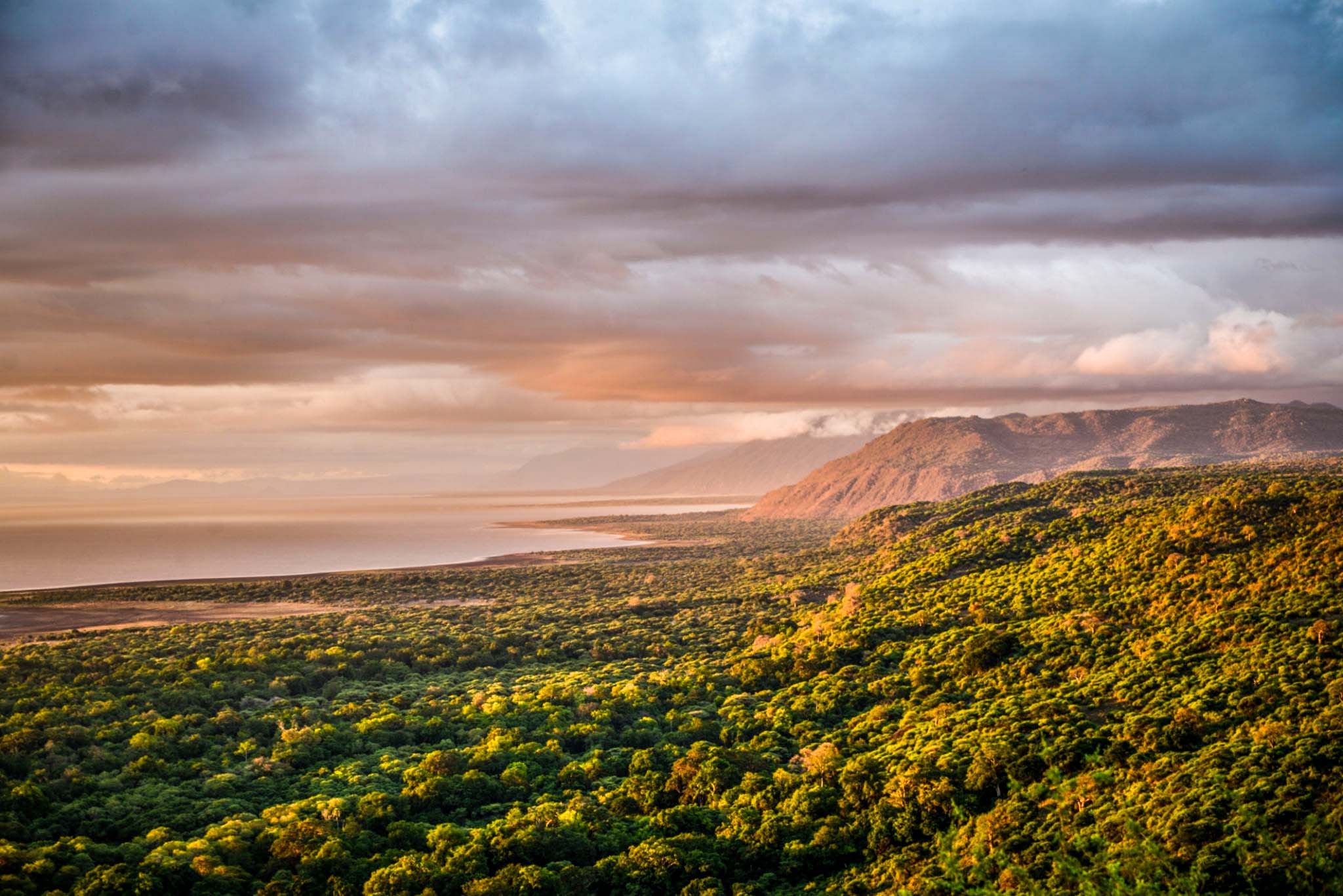
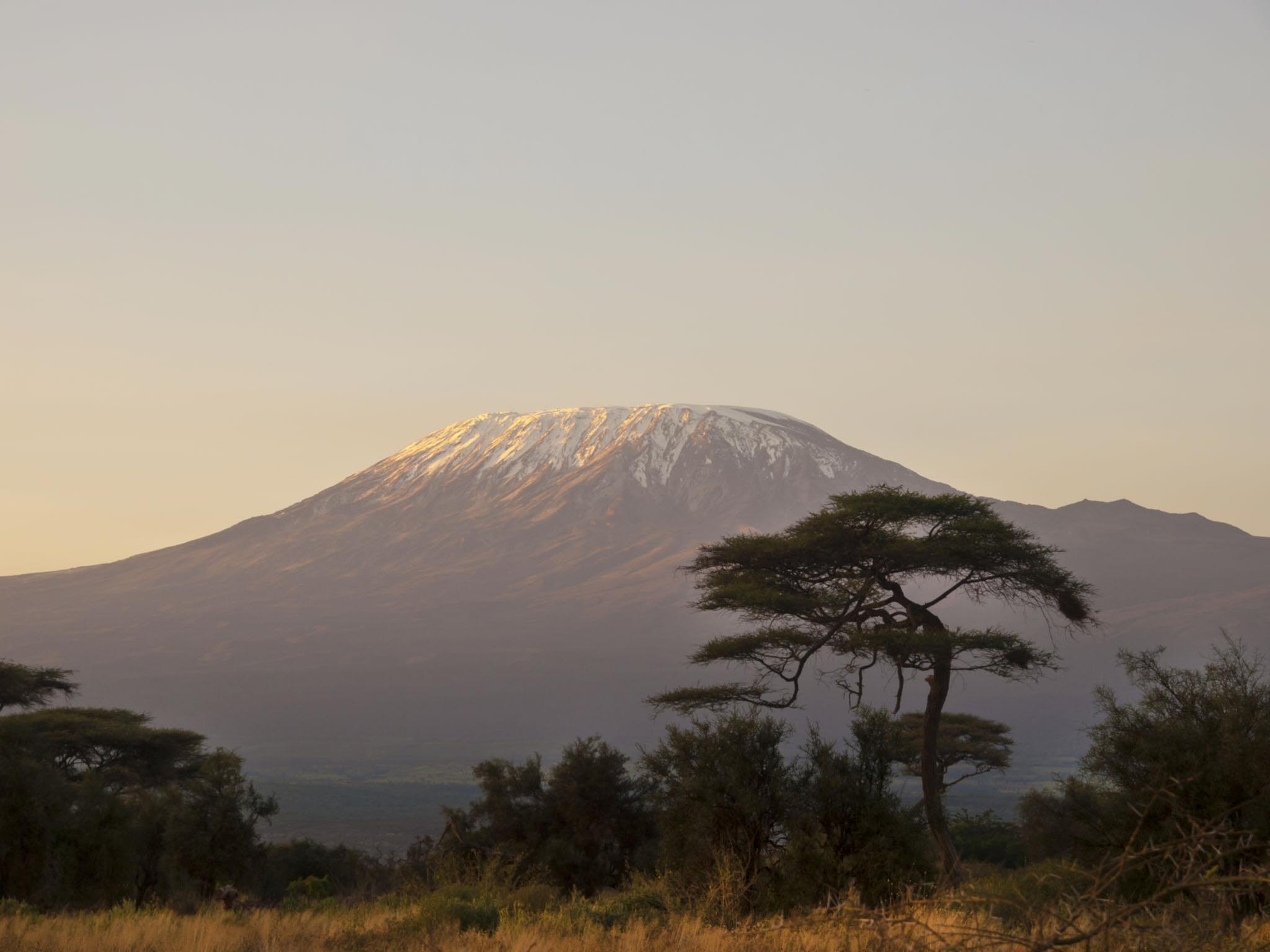
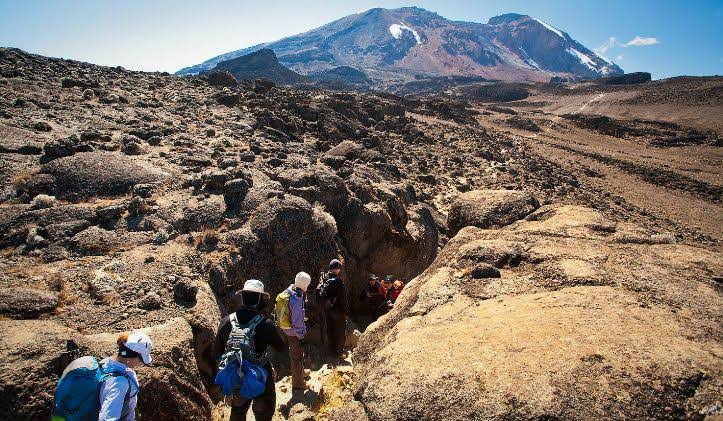
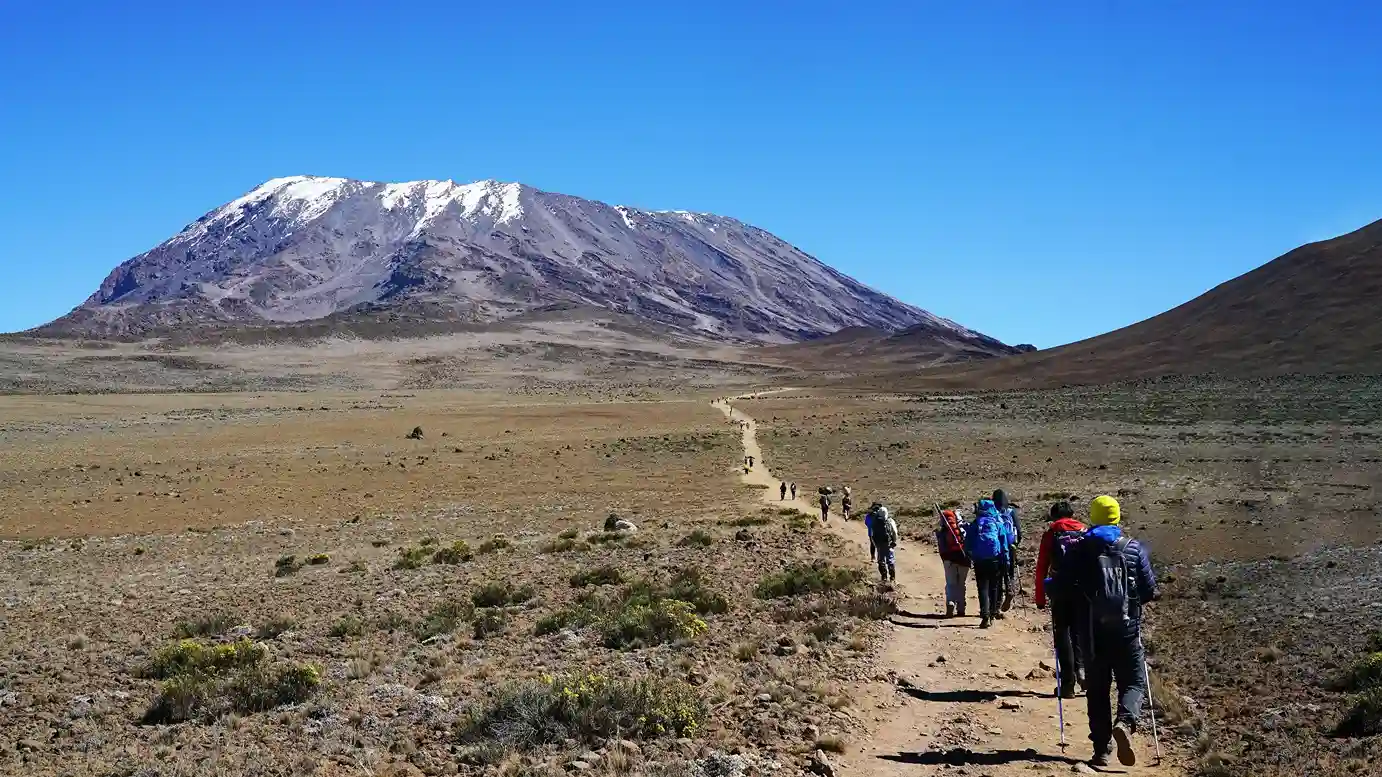
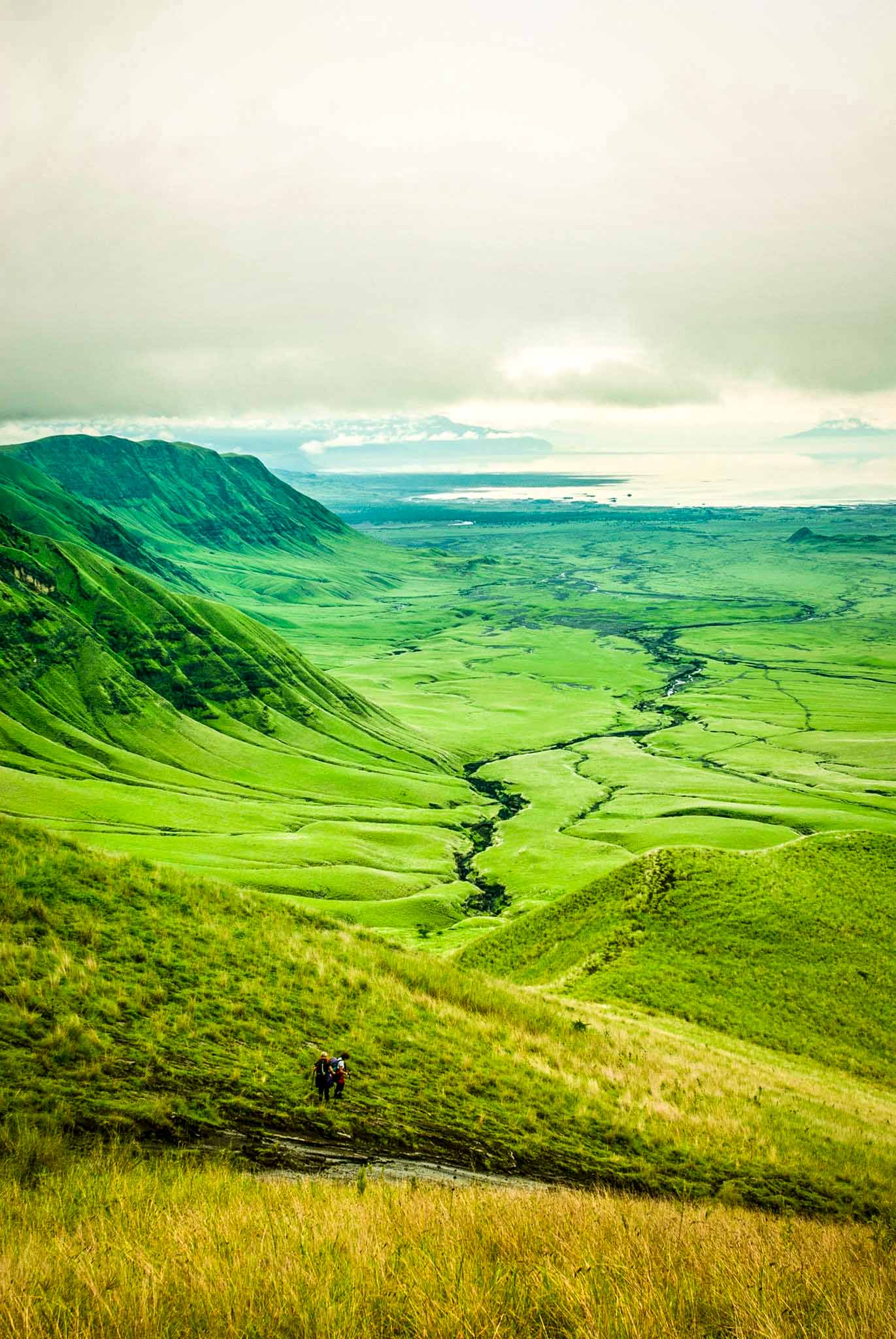
Mkomazi’s landscape is defined by its rugged beauty, featuring rolling savanna, rocky outcrops, and seasonal rivers, all set against a backdrop of dramatic mountain ranges. On clear days, visitors are treated to stunning views of Mount Kilimanjaro to the north and the Pare and Usambara Mountains to the south, creating a striking and often overlooked scenic backdrop rarely associated with Tanzania safari travel.
This combination of dry savanna wilderness and distant mountain views gives Mkomazi a distinct character, setting it apart from the lusher landscapes found in many of Tanzania’s other national parks.
Diverse Wildlife in a Rugged Setting
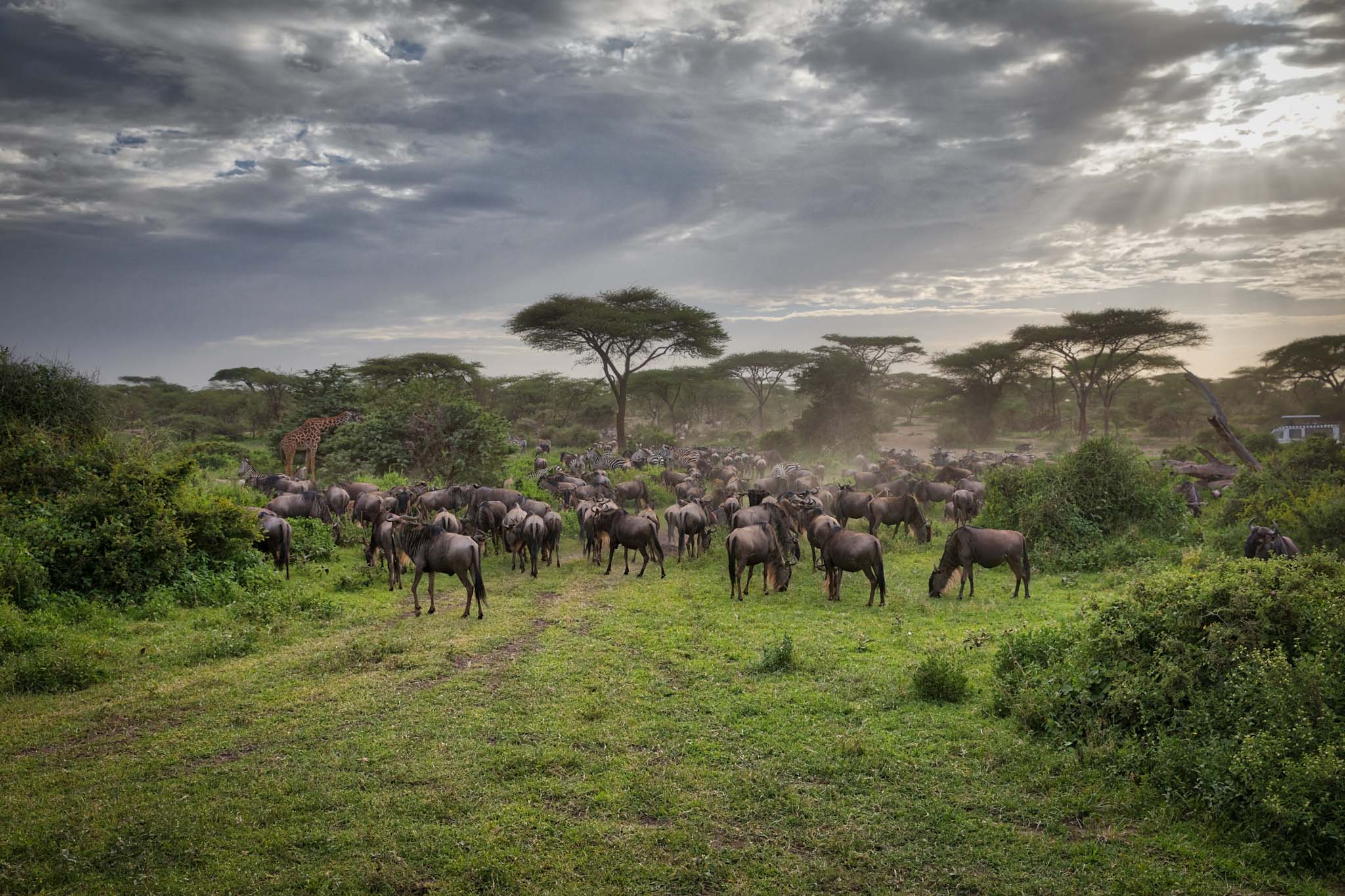
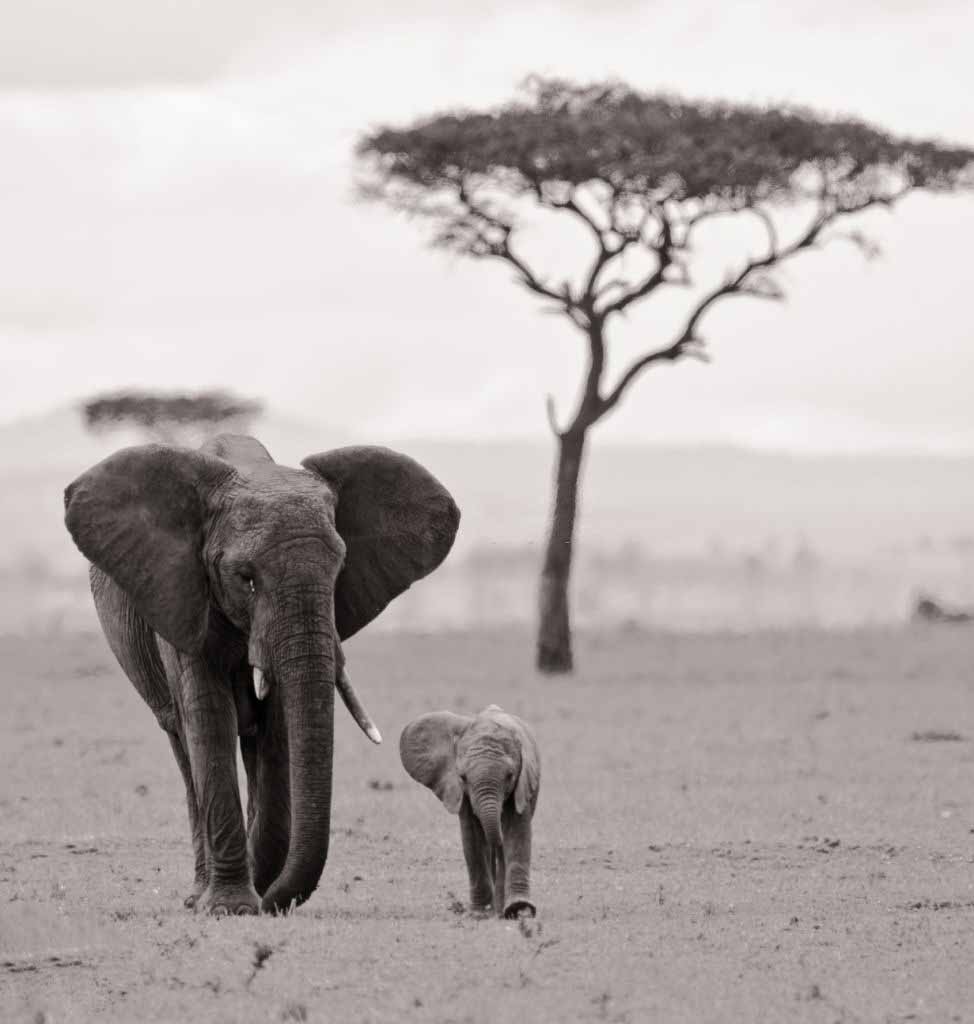
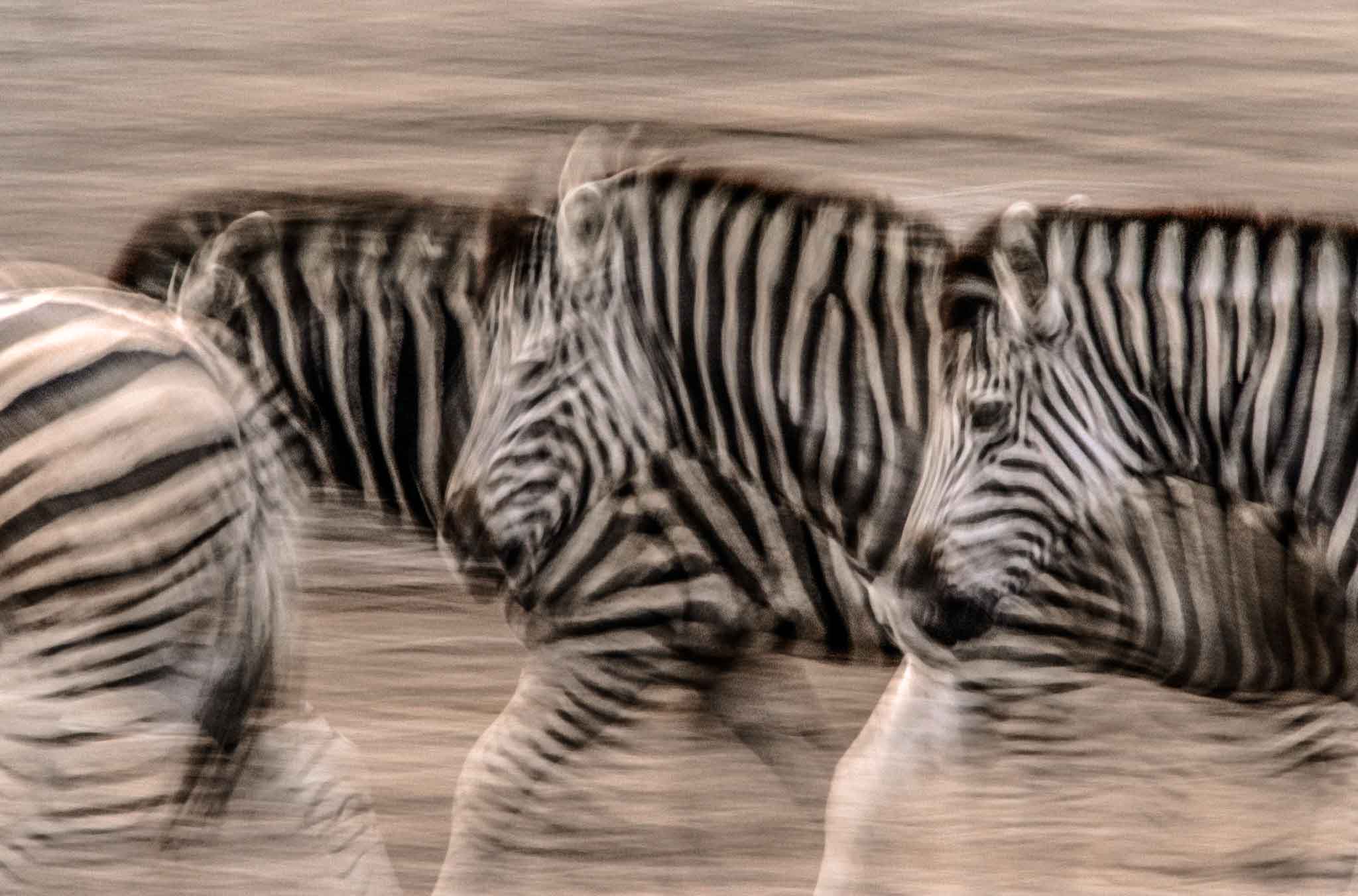
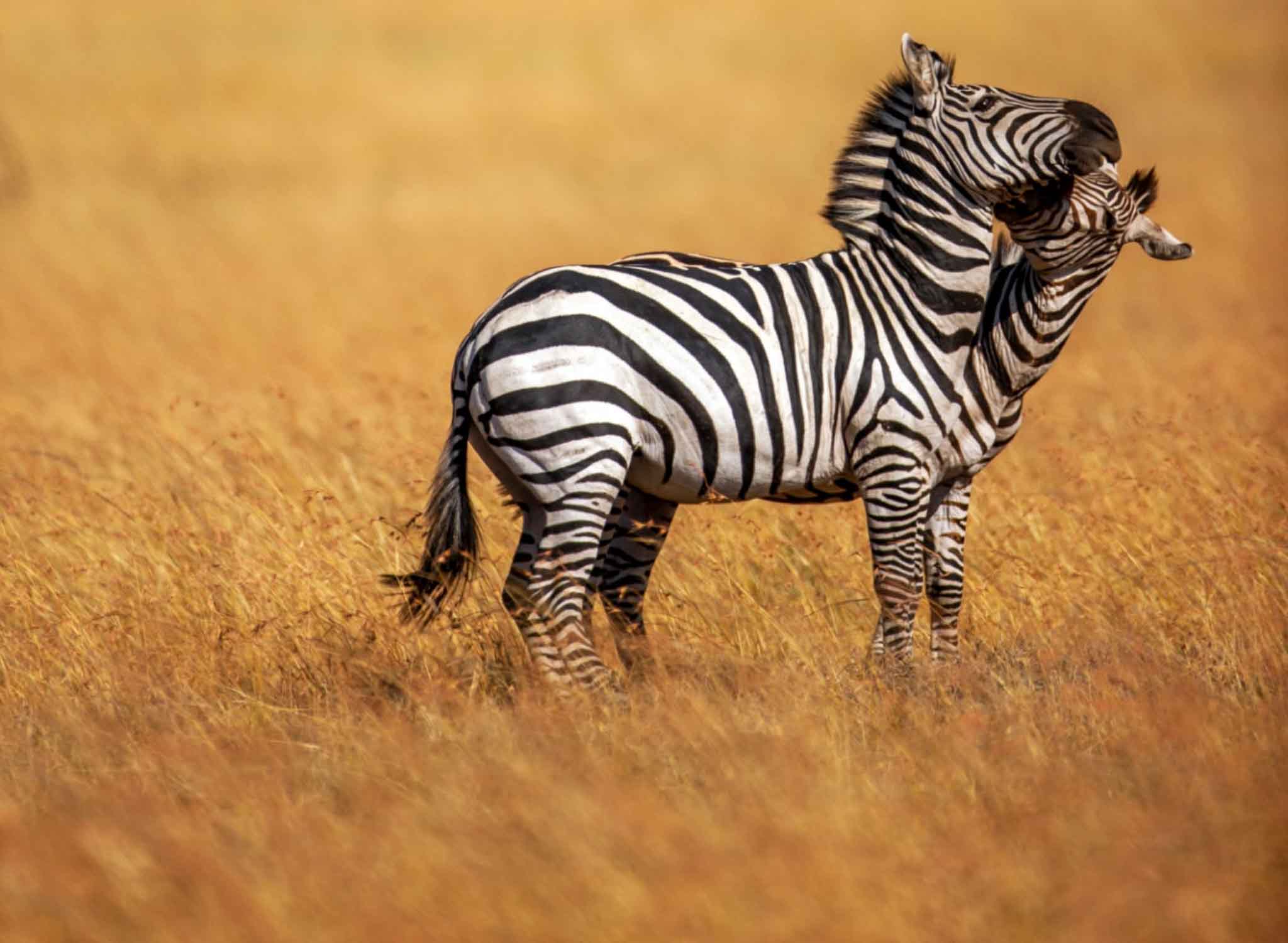
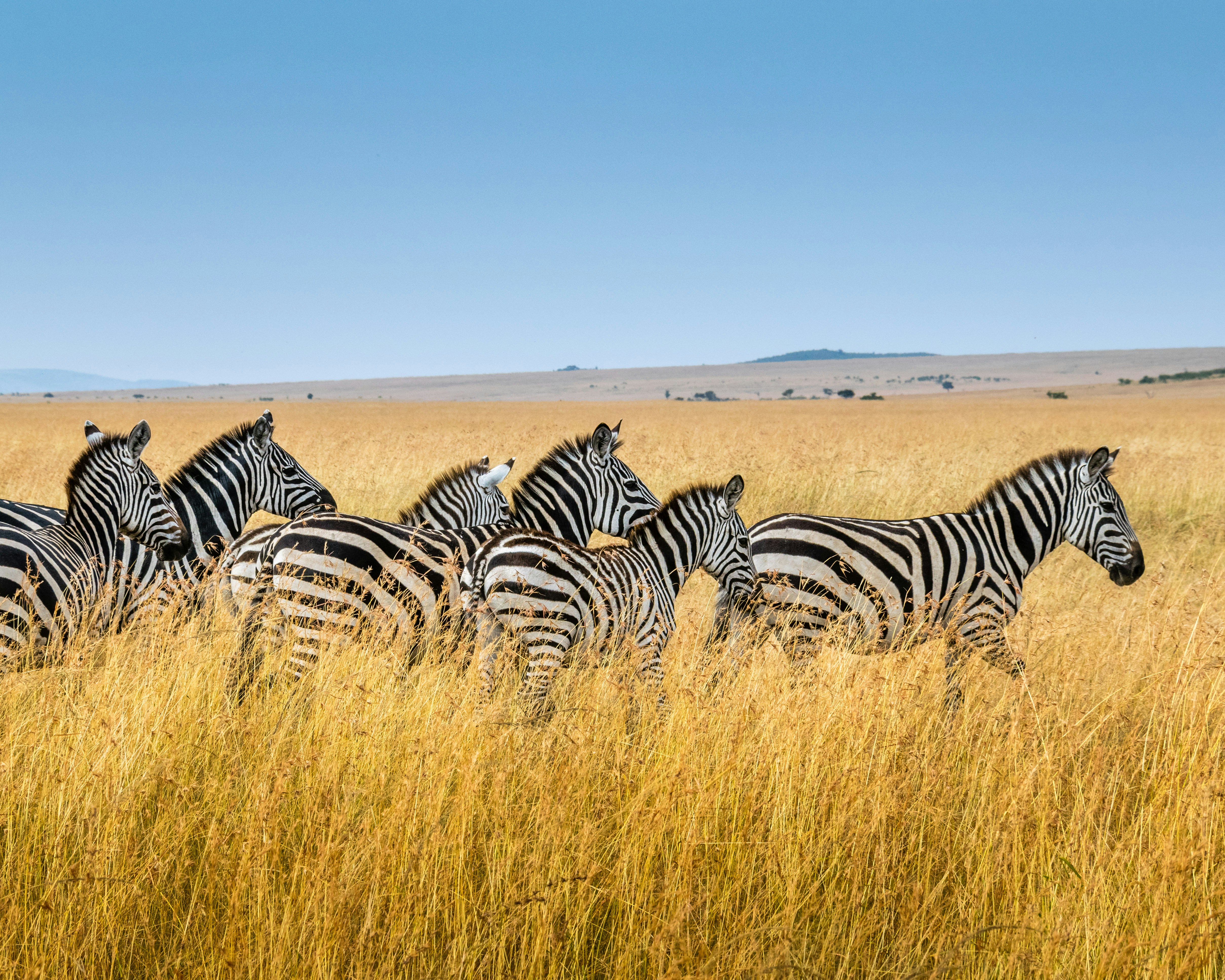
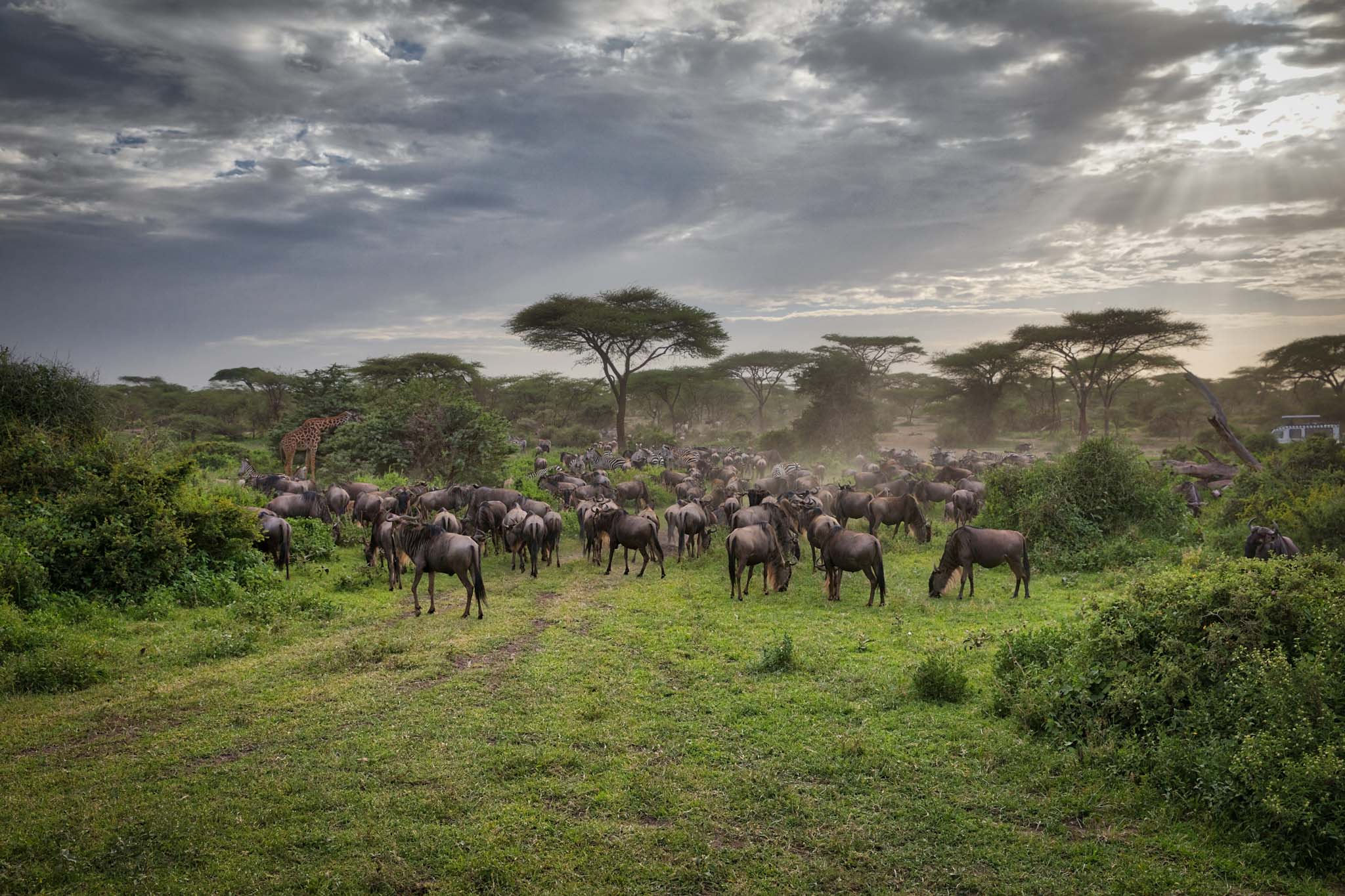
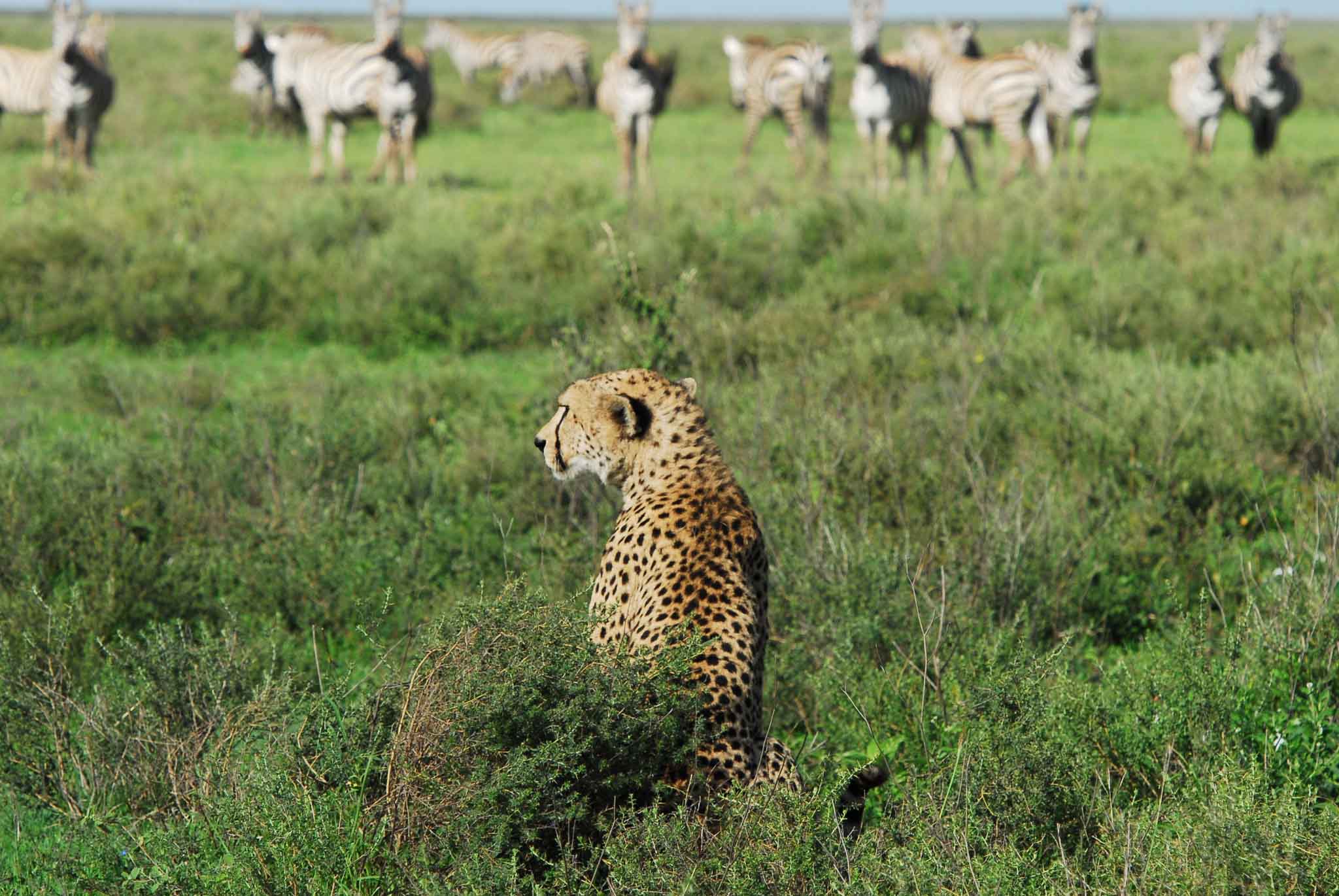
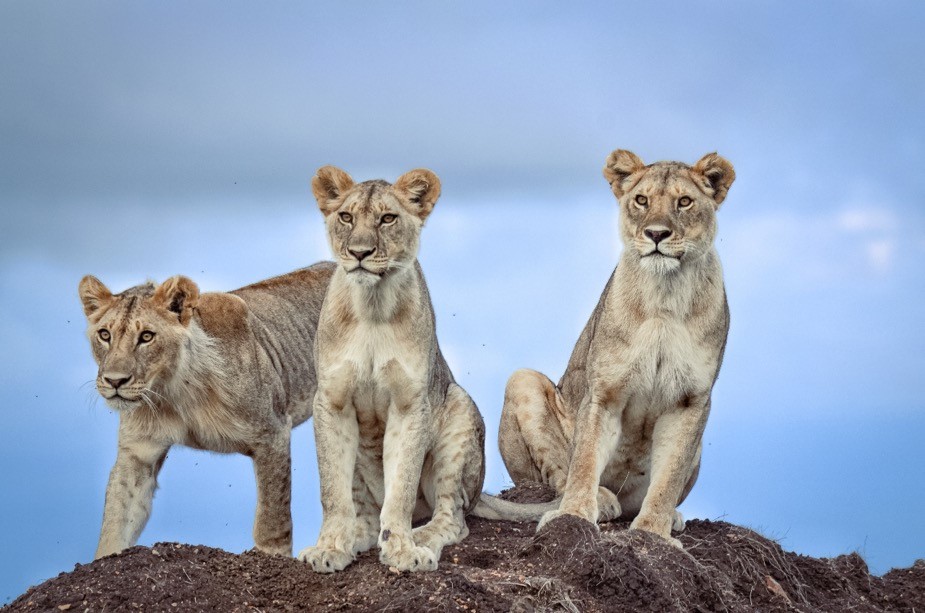
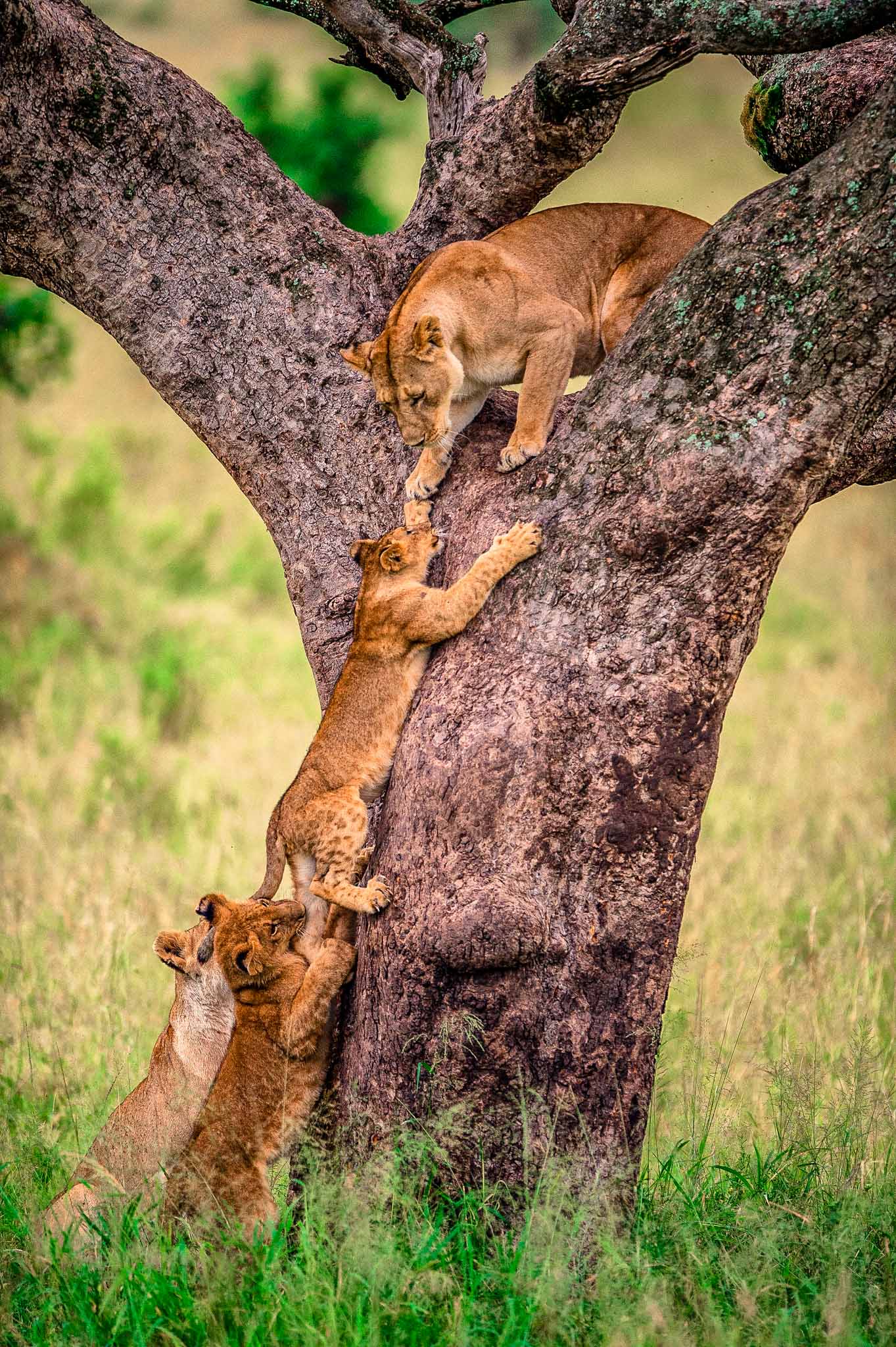
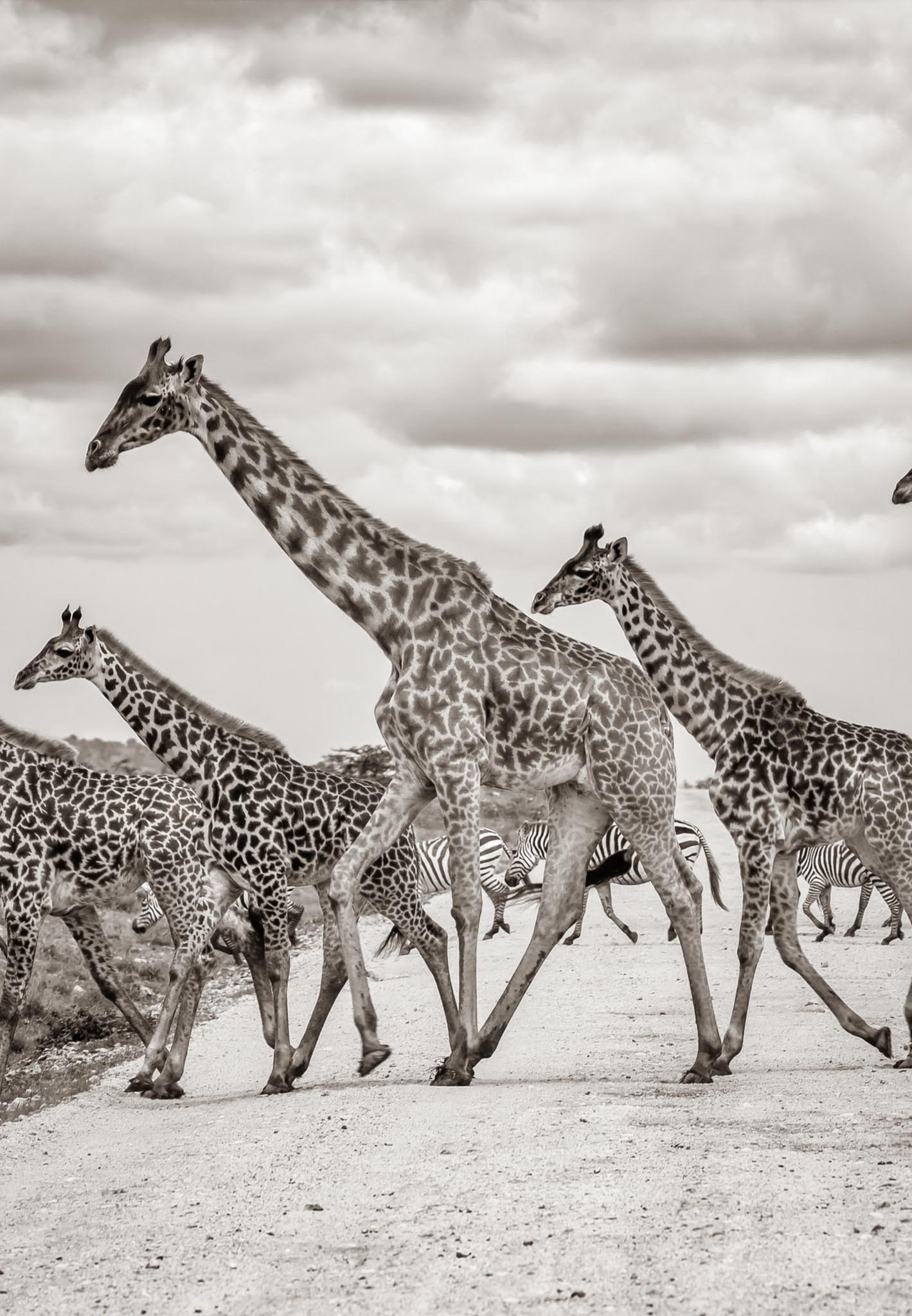
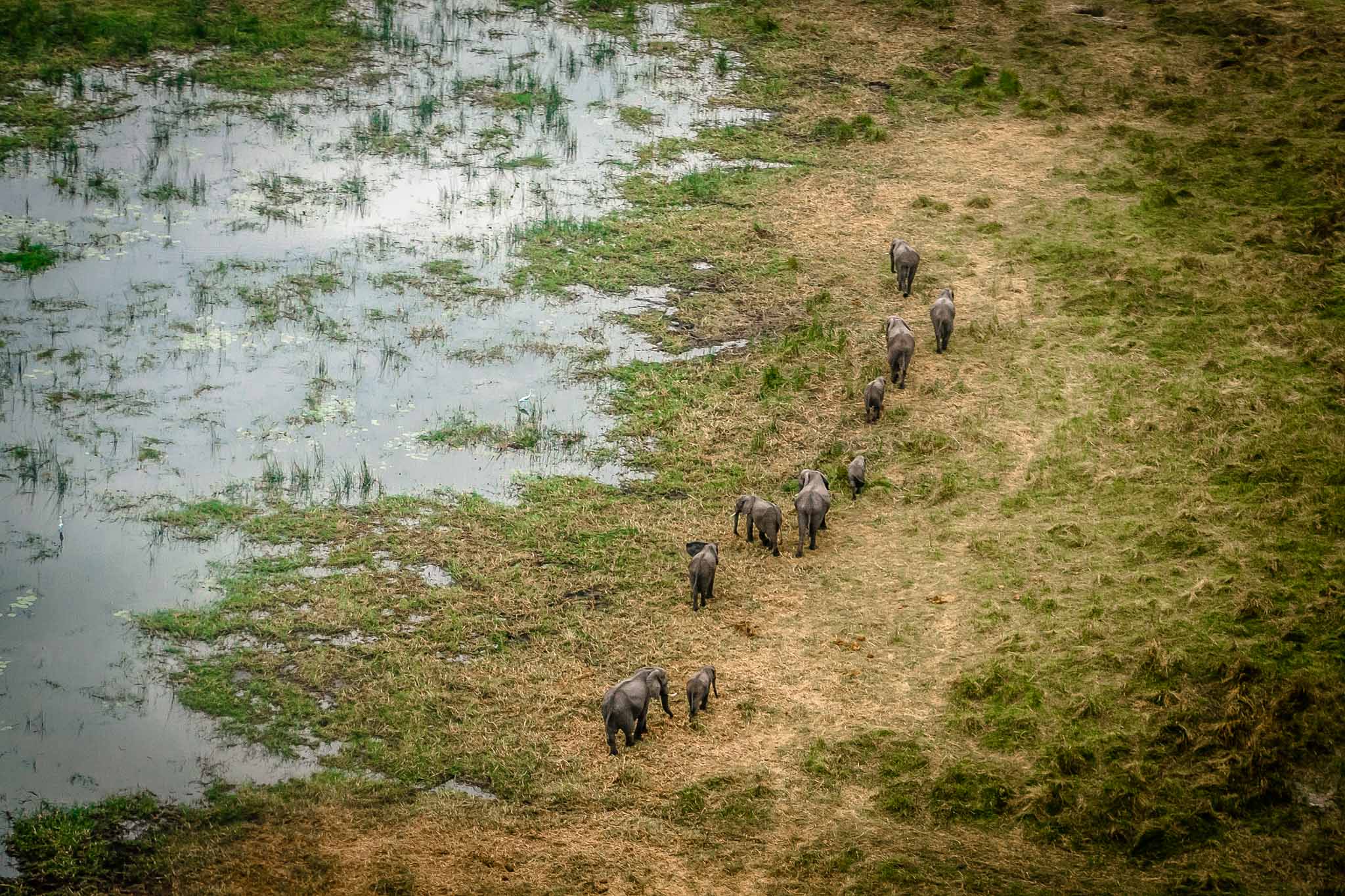
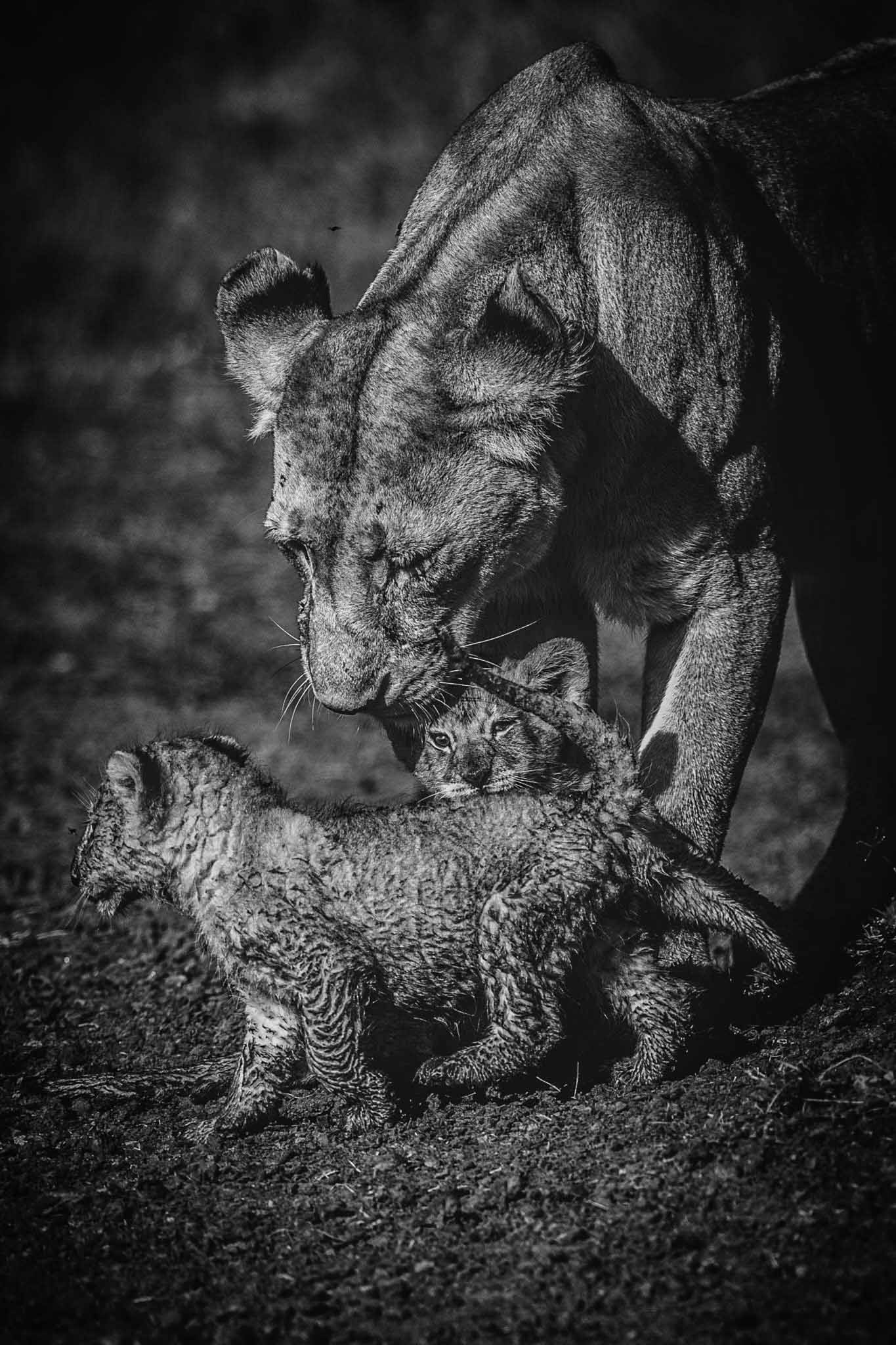
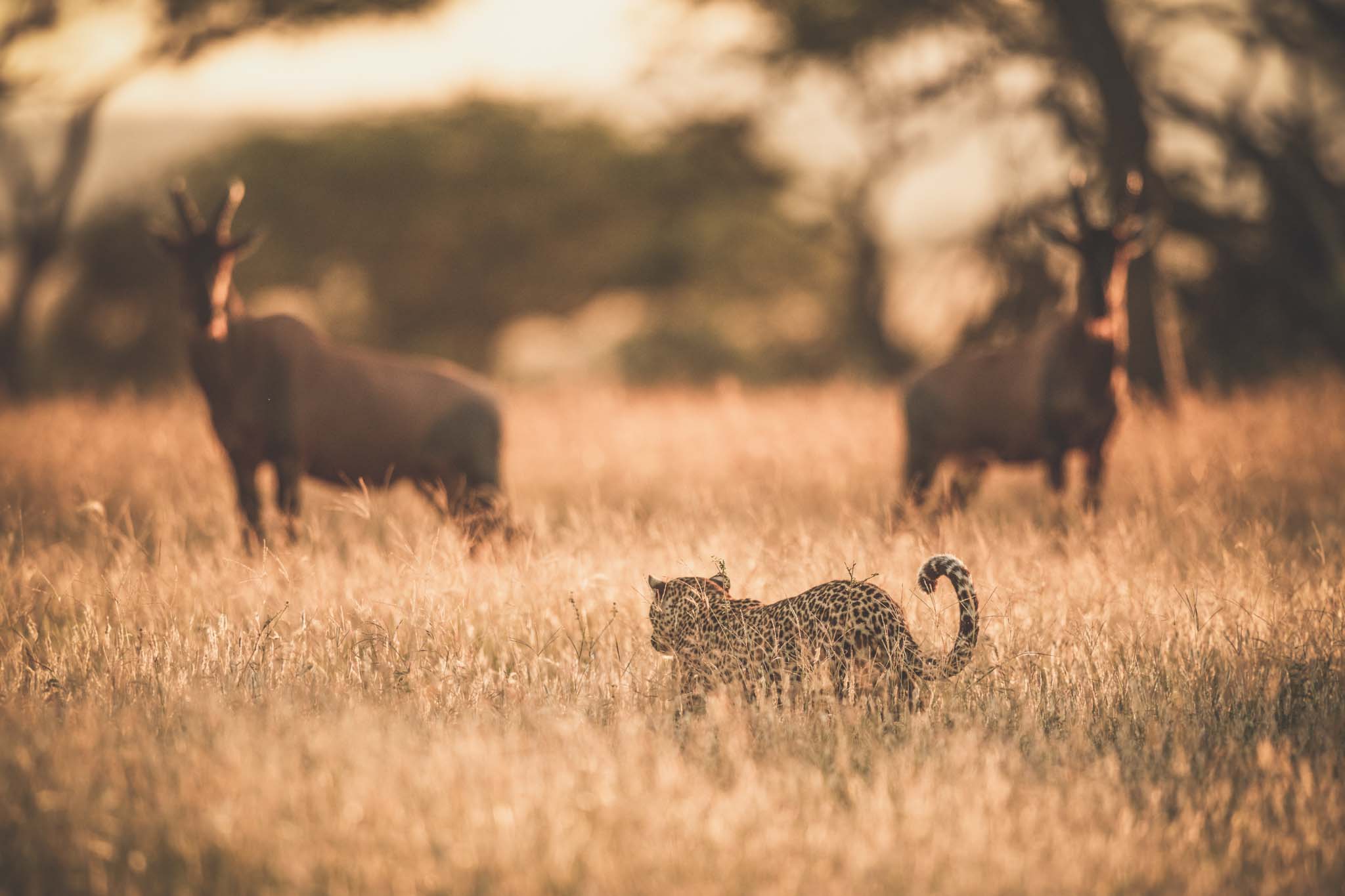
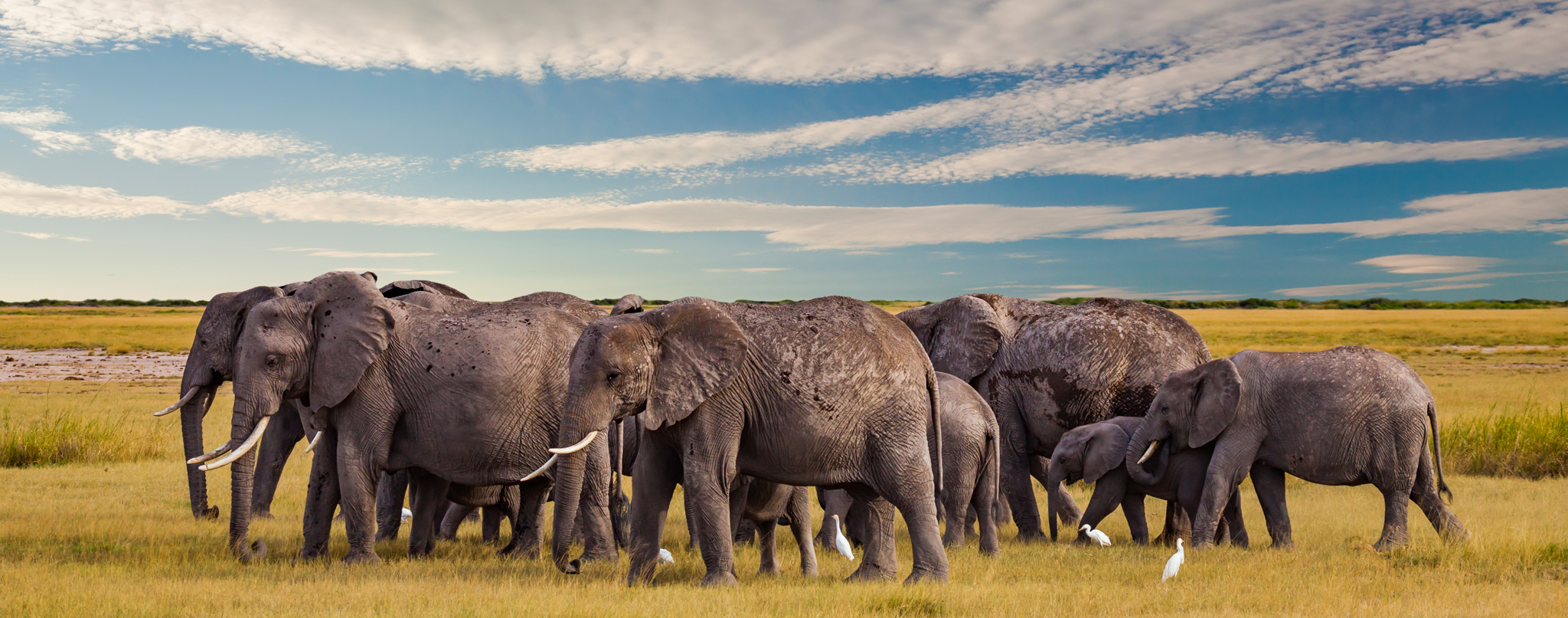
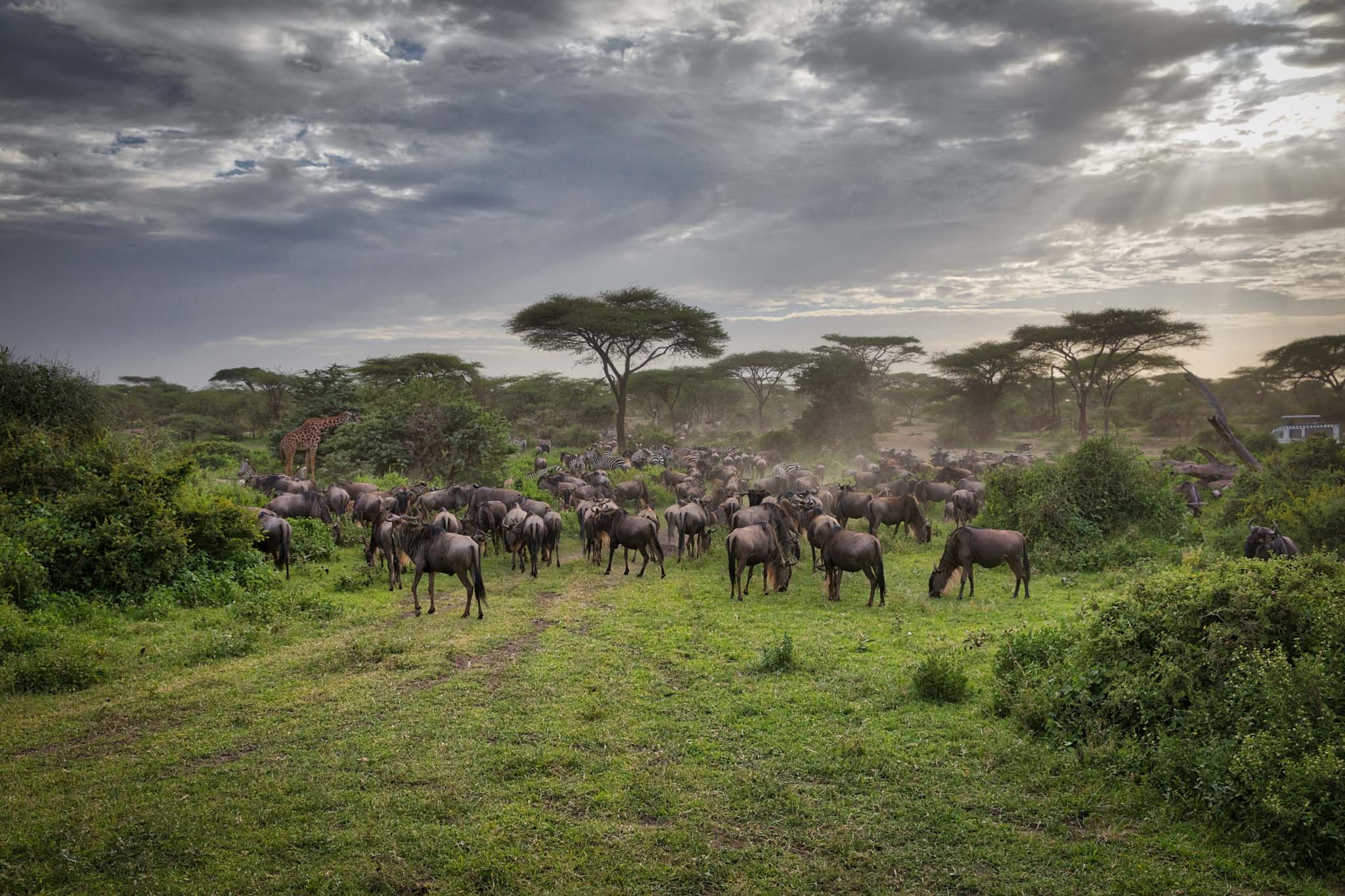
Beyond its rhino and wild dog populations, Mkomazi supports a variety of wildlife adapted to its semi arid environment, including elephant, giraffe, oryx, gerenuk, and lesser kudu, species often associated more closely with neighboring Kenya than Tanzania. Predators such as lion, leopard, and cheetah are also present, though sightings tend to require patience given the park’s dense vegetation and lower overall wildlife density compared to more famous parks.
Birdlife is similarly rewarding, with dry country species such as hornbills, weavers, and various raptors commonly spotted throughout the park, appealing to travelers with a particular interest in ornithology.
An Authentic, Uncrowded Safari Experience
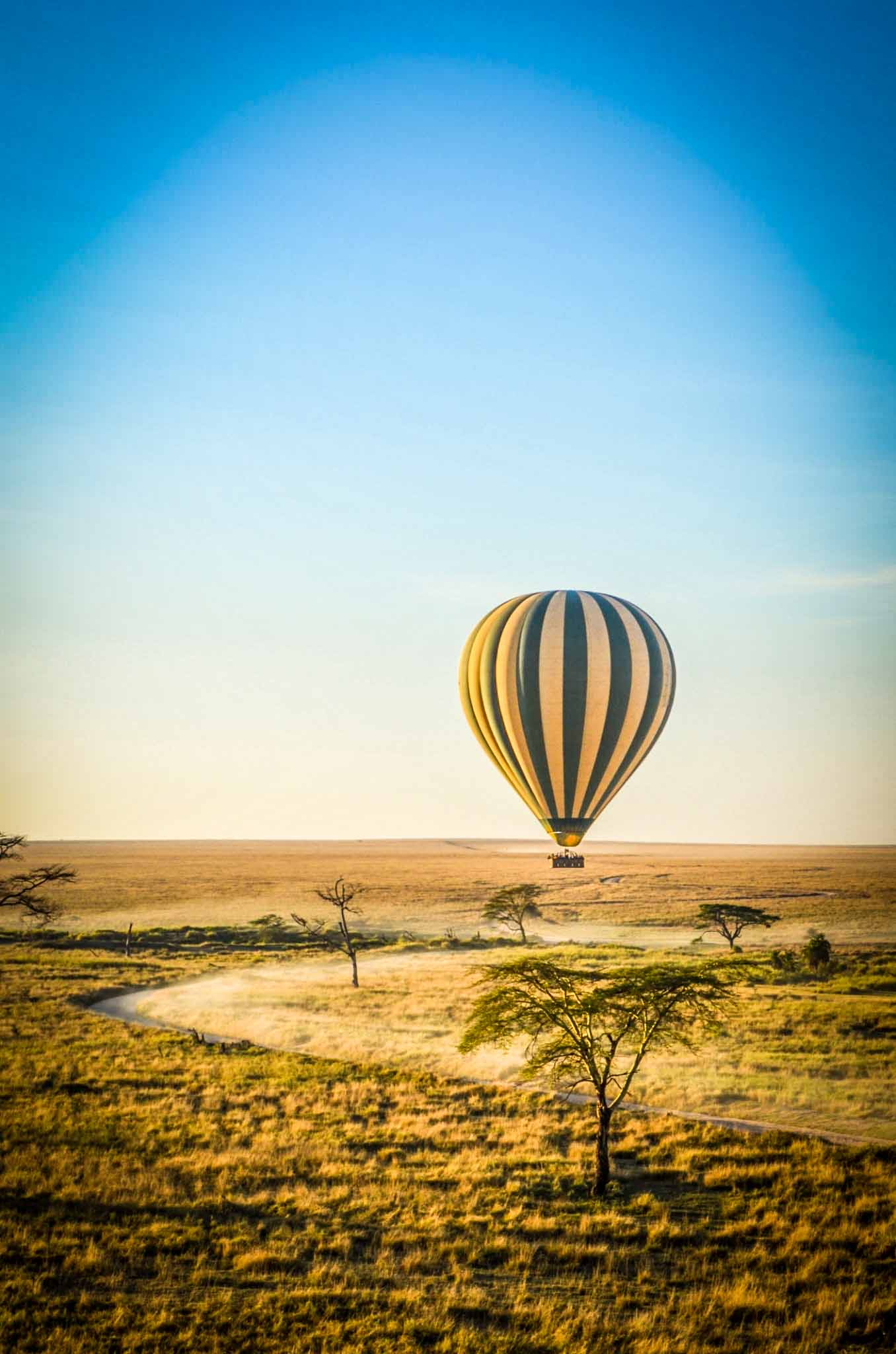
Given its relatively remote location and limited tourism infrastructure, Mkomazi National Park offers a genuinely uncrowded safari experience, appealing to travelers seeking authenticity over convenience. Visitors often have vast areas of the park entirely to themselves, creating an intimate and undisturbed connection with the landscape rarely found in more heavily visited destinations.
Best Time to Visit Mkomazi National Park
The dry season, from June to October, offers the best wildlife viewing conditions in Mkomazi, as vegetation thins out and animals concentrate around the park’s limited water sources. This period also typically provides the clearest views of Mount Kilimanjaro and the surrounding mountain ranges.
The wetter months, from November to May, bring greener scenery and improved conditions for birdwatching, though wildlife may be more dispersed across the wider landscape during this time
Where to Stay Near Mkomazi National Park
Accommodation options within and around Mkomazi remain limited, typically consisting of small tented camps and lodges that emphasize an intimate, low impact safari experience. This limited infrastructure reinforces the park’s reputation as a genuinely off the beaten path destination, ideal for travelers seeking solitude and authenticity.
Getting to Mkomazi National Park
Mkomazi National Park is accessible by road from both Arusha and the Kilimanjaro region, with the journey typically taking several hours depending on the specific entry point used. Its location along the Kenya Tanzania border also makes it a potential addition for travelers combining visits to both countries as part of a broader East African safari itinerary.
Why Mkomazi Deserves a Place on Your Safari Itinerary
Mkomazi National Park offers a rare combination of critical conservation significance, rugged scenic beauty, and genuine wilderness solitude, making it a compelling addition for travelers seeking a deeper, more meaningful Tanzania safari experience. Whether drawn by the opportunity to witness a black rhino in the wild, admire sweeping views of Mount Kilimanjaro, or simply escape the crowds of more popular parks, Mkomazi delivers a rewarding and distinctly authentic journey into one of Tanzania’s most important conservation landscapes.