


















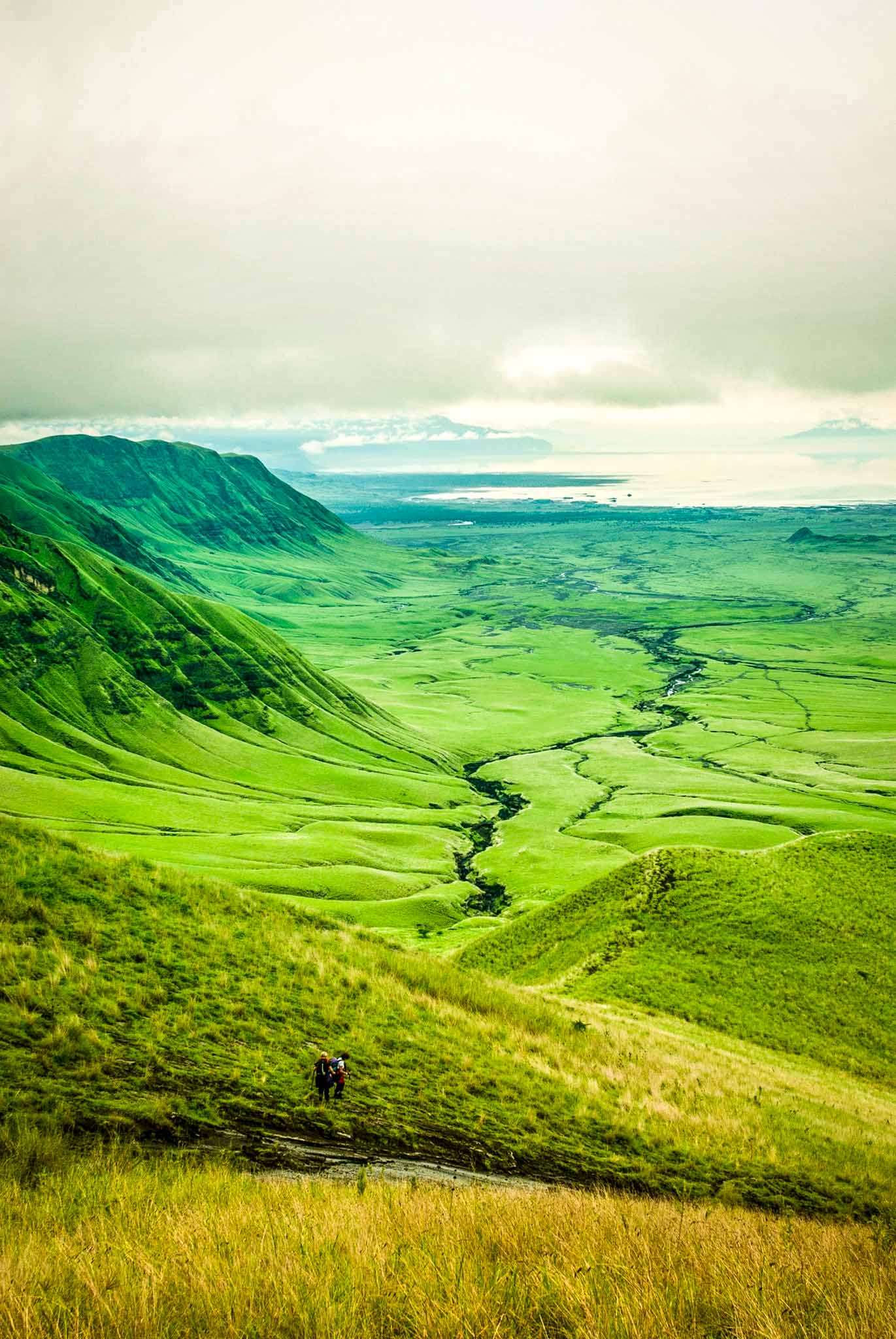


Discover Tanzania’s Hidden Mineral Treasures: Tanzanite, Ruby, Spinel, Gold and Geological Wonders
Explore Tanzania beyond the safari — discover rare gemstones, extraordinary minerals, ancient geological formations, and natural treasures that make our country a remarkable destination for education, adventure, and discovery.
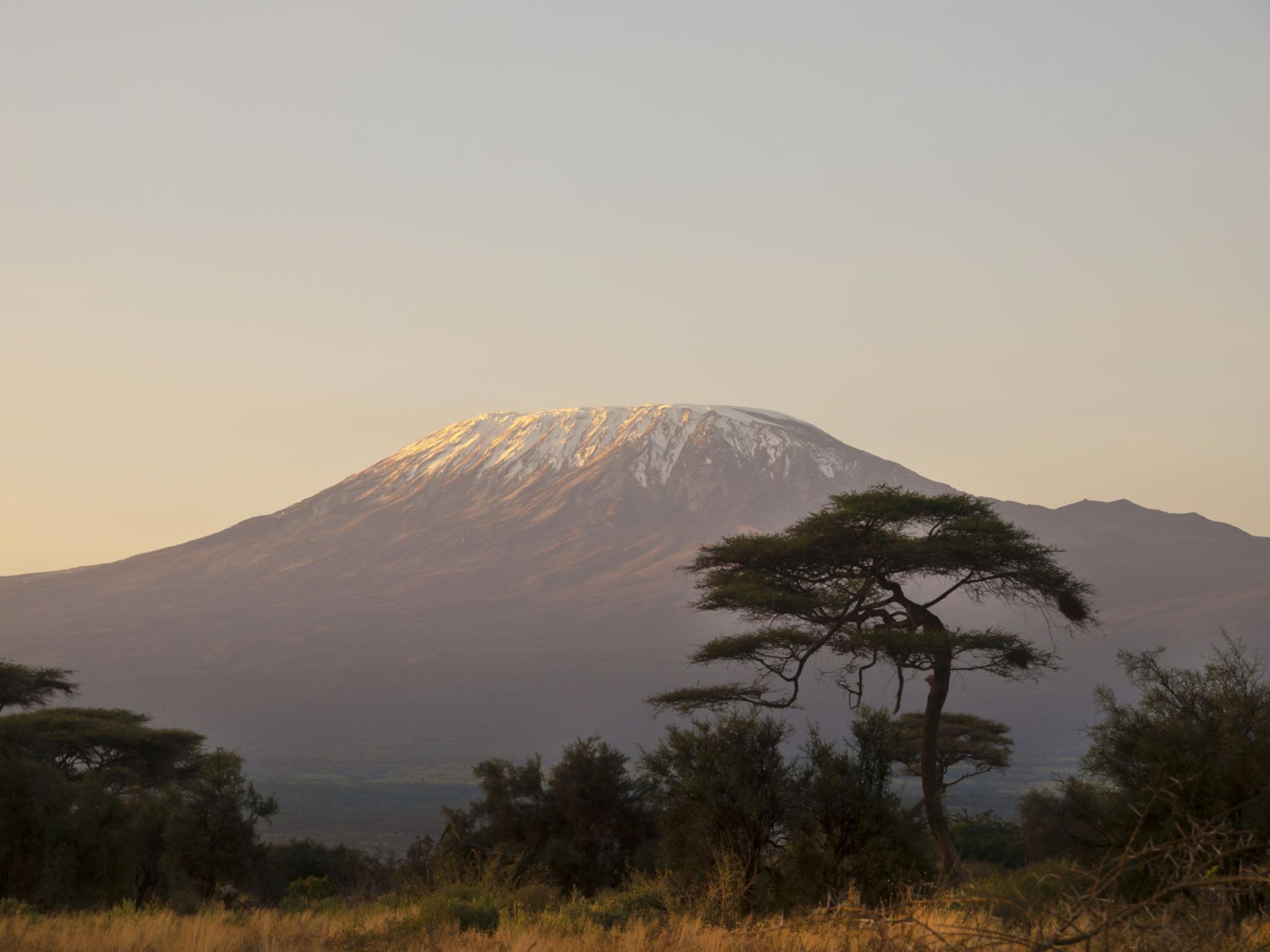
Tanzania is famous for its magnificent wildlife, Mount Kilimanjaro, the Serengeti National Park, the Ngorongoro Crater, and the tropical beaches of Zanzibar. Yet another extraordinary world exists beneath its surface: a rich geological landscape containing precious gemstones, valuable metals, industrial minerals, and unusual volcanic formations.
From the legendary blue-violet tanzanite of Mirerani to the vivid red ruby deposits of Winza and Longido, and the beautiful coloured spinels of Mahenge, Tanzania has an exceptional story to tell.
These minerals are more than natural treasures. They reveal the history of the Earth, support livelihoods, contribute to economic development, and offer opportunities for educational tourism. They also connect Tanzania to international jewellery markets, scientific research, modern technology, and sustainable tourism.
For visitors, students, researchers, and gemstone enthusiasts, exploring Tanzania’s mineral heritage provides a new perspective on the country’s natural beauty.
1. Tanzanite: The Rare Blue Gemstone Found in Tanzania
Tanzanite is one of Tanzania’s most distinctive mineral treasures. This blue-to-violet variety of the mineral zoisite is commercially associated with the Mirerani, or Merelani, mining area in northern Tanzania.
First brought to international attention in 1967, tanzanite became famous for its attractive colour, rarity, and remarkable optical properties. Its pleochroism allows different colours to appear when the gemstone is viewed from different directions.
Why is tanzanite important?
Tanzanite contributes to Tanzania’s gemstone industry through mining, trading, cutting, polishing, jewellery manufacturing, and exports. The industry creates opportunities for miners, gemstone dealers, artisans, jewellers, and businesses providing supporting services.
Local cutting and polishing can increase the value of gemstones before they reach international markets.
What attracts tourists?
Visitors can learn about tanzanite’s geological origins, examine gemstone specimens, observe authorised cutting and polishing demonstrations, and explore reputable gemstone exhibitions and trading establishments.
Travellers exploring Arusha, Moshi, or the northern safari circuit may find tanzanite an interesting addition to their itinerary.
Discover Tanzania’s signature gemstone and learn how geological processes create one of the world’s most recognisable blue-violet gems.
2. Ruby: Tanzania’s Extraordinary Red Gemstone
Ruby is one of the world’s most treasured coloured gemstones, admired for its intense red colour, durability, and long association with beauty and luxury.
Scientifically, ruby is the red variety of corundum, a mineral composed primarily of aluminium oxide. Trace amounts of chromium are responsible for its characteristic red colour. Corundum in other colours is generally classified as sapphire.
Tanzania has several notable ruby-bearing areas, including Longido in northern Tanzania, Winza in central Tanzania, and the wider Mahenge region in Morogoro.
Longido: Ruby and the Remarkable Anyolite Rock
Longido, near the Kenyan border in northern Tanzania, is known for ruby-bearing rocks and a distinctive decorative stone called anyolite.
Anyolite is a natural rock consisting principally of green zoisite with ruby and dark amphibole minerals. Its contrasting green, red, and dark colours make it attractive for ornamental objects and jewellery.
This unusual combination provides an excellent educational example of how different minerals can occur together within a single rock.
For tourists, the Longido area offers opportunities to explore the relationship between geology, local livelihoods, gemstone traditions, and the landscapes of northern Tanzania. Visits to mining areas must be arranged with appropriate authorisation and safety precautions.
Winza: A Recognised Source of Tanzanian Rubies
Winza, in central Tanzania, attracted international gemological attention following the discovery of ruby and sapphire deposits in 2007.
Research published in Gems & Gemology documented distinctive characteristics of Winza’s corundum, including its colour patterns, crystal forms, and mineral inclusions.
These features help gemologists investigate a gemstone’s geological origin and distinguish natural stones from other materials.
Why are rubies valuable?
Rubies are used in fine jewellery, gemstone collections, and selected precision applications. Their value depends on factors including colour, clarity, size, cut, treatment history, and the confidence of the buyer in their identification and origin.
Ruby mining and processing can support employment, trading, gemstone cutting, jewellery production, and related local enterprises.
Why should tourists learn about Tanzanian rubies?
Ruby provides a fascinating introduction to mineral science and the international gemstone industry. Visitors can learn how natural crystals form, how gemstones are evaluated, and why two stones of similar appearance can have different market values.
Travel highlight: Discover the geology behind Tanzania’s red gemstones and explore the stories of Longido, Winza, and the communities connected to ruby mining.
3. Spinel: The Colourful Gemstone Deserving More Recognition
Spinel is one of the most fascinating gemstones found in Tanzania. Although it has historically been confused with ruby in some jewellery traditions, spinel is a distinct mineral with its own chemical composition and geological characteristics.
Natural spinel consists mainly of magnesium aluminium oxide. Trace elements influence its colour, which may range from red, pink, and orange to purple, violet, and blue.
Tanzania is particularly recognised in the international gemstone trade for spinel from the Mahenge area in the Morogoro Region.
Mahenge: A Remarkable Spinel Locality
The Mahenge region gained international attention following important spinel discoveries, including a notable large crystal find near Ipanko in 2007.
The area is associated with a diverse range of coloured spinels, including attractive pink-to-red material and other colours. Cobalt-bearing blue spinels have also attracted interest from gemologists and gemstone traders.
These discoveries demonstrate Tanzania’s importance as a source of coloured gemstones beyond its famous tanzanite deposits. <a href=”https://www.gem.org.au/ag-article/new-finds-of-cobalt-bearing-spinel-near-mahenge-tazania/”>Learn more about spinel discoveries near Mahenge.</a>
Why is spinel important?
Spinel is valued for its colour, durability, and suitability for jewellery. Fine natural specimens also interest collectors, gemologists, and mineral researchers.
The gemstone industry can create opportunities through mining, sorting, cutting, polishing, jewellery design, and sales. As with other gemstones, the final value depends on colour, clarity, size, cut, treatment status, and market demand.
What makes spinel attractive to tourists?
Spinel offers an educational opportunity to understand the diversity of Tanzania’s gemstone resources.
Visitors can learn why spinel and ruby are different minerals, how mineral chemistry influences colour, and how gemologists use specialised instruments to identify gemstones.
An educational mineral experience in the Mahenge region, where authorised access is available, could complement cultural and nature-based tourism in the wider Morogoro area.
Travel highlight: Explore the story of Mahenge spinel and discover a colourful gemstone that deserves a place alongside Tanzania’s better-known mineral treasures.
4. Gold: A Major Contributor to Tanzania’s Economy
Gold is one of Tanzania’s most important mineral resources. It is valued for its beauty, durability, resistance to corrosion, and applications in jewellery, investment, electronics, and specialised industries.
Important gold-producing areas include Geita and the Mara Region, which form part of the wider Lake Victoria Goldfields.
Gold mining supports employment, export earnings, government revenue, and businesses providing transport, engineering, equipment, accommodation, and other services.
However, responsible mining is essential to protect water resources, minimise environmental damage, and improve working conditions.
Gold as an educational attraction
Gold-related educational experiences can introduce visitors to geological exploration, gold-bearing rocks, ore processing, and the history of mining communities.
Authorised exhibitions and suitable educational programmes can help travellers understand how geological resources contribute to Tanzania’s economy.
Travel highlight: Discover the connection between Tanzania’s geological wealth, industrial development, and local livelihoods.
5. Diamonds: Nature’s Remarkable Crystals
Diamonds are naturally occurring crystals of carbon formed under high-pressure conditions deep within the Earth.
Tanzania has a long history of diamond mining, particularly around Mwadui in the Shinyanga Region, associated with the Williamson diamond mine.
Diamonds are valued for their brilliance, hardness, and durability. Beyond jewellery, industrial diamonds are used in cutting, drilling, grinding, and precision manufacturing.
For visitors, diamonds provide an opportunity to learn about crystal formation, mineral identification, gemstone grading, and the transformation of raw materials into finished products.
Educational exhibitions and reputable gemstone establishments can provide insights into these processes. Access to operating mines is restricted and must be confirmed before any visit.
6. Graphite, Nickel and Critical Minerals: Tanzania’s Role in Modern Technology
Tanzania’s mineral resources also include materials that are increasingly important to modern industry and energy technologies.
Graphite is used in battery components, lubricants, and industrial applications. Nickel is important in stainless steel and selected battery chemistries. Cobalt is used in some rechargeable batteries, while rare earth elements are essential to many advanced magnets and electronic systems.
These minerals create opportunities for investment, employment, industrial processing, and participation in international supply chains.
For educational travellers, they offer a chance to understand how natural resources connect Tanzania to electric vehicles, energy storage, manufacturing, and modern electronics.
7. Iron Ore, Copper and Industrial Minerals
Tanzania also possesses mineral resources that contribute to construction, agriculture, manufacturing, and infrastructure.
Iron ore is a primary raw material for steel production, while copper is widely used in electrical wiring, power systems, telecommunications, and machinery.
Other important industrial minerals include limestone, gypsum, phosphate rock, kaolin, and salt.
Limestone supports cement manufacturing, gypsum is used in construction materials, and phosphate rock provides raw material for fertilisers.
These minerals demonstrate that geological wealth is not limited to precious stones. Many resources found beneath the Earth contribute directly to everyday life.
Educational mineral exhibitions can help visitors understand how rocks are identified, extracted, processed, and transformed into essential products.
8. Tanzania’s Geological Wonders: Nature’s Outdoor Classroom
Tanzania’s geological attractions allow visitors to explore the processes that have shaped the Earth’s surface over millions of years.
Ngorongoro-Lengai UNESCO Global Geopark
The Ngorongoro-Lengai UNESCO Global Geopark showcases volcanic landscapes, geological formations, and evidence of powerful natural processes associated with the East African Rift System.
The region provides opportunities to learn about geology, archaeology, biodiversity, and human settlement.
Ol Doinyo Lengai: The Mountain of God
Ol Doinyo Lengai is an active volcano in northern Tanzania, famous for its unusual natrocarbonatite lava, which is rich in sodium and carbonate minerals.
Its distinctive chemistry makes it particularly interesting to geologists and volcanologists.
Visitors should seek current local safety guidance before planning any ascent because volcanic conditions can change.
The Shifting Sands of Ngorongoro
The Shifting Sands are a distinctive dark dune containing volcanic material rich in iron-bearing minerals, including magnetite.
Wind gradually transports the sand across the landscape, creating an unusual geological phenomenon that illustrates the relationship between mineral composition, weather, and natural processes.
Together, these attractions make northern Tanzania an outstanding destination for travellers interested in the scientific story behind its landscapes.
9. How Mineral Tourism Can Benefit Tanzania
Mineral tourism can complement wildlife safaris, mountain climbing, cultural experiences, and beach holidays by introducing visitors to another dimension of the country’s natural heritage.
Its potential benefits include:
- Employment and enterprise: Supporting guides, gemstone artisans, transport providers, accommodation businesses, and local traders.
- Education: Helping visitors understand mineral formation, geology, mining, and gemstone identification.
- Community participation: Creating opportunities for locally owned businesses and community-led experiences.
- Economic diversification: Broadening Tanzania’s tourism products beyond conventional safari activities.
- Value addition: Supporting gemstone cutting, polishing, jewellery design, and the sale of authentic locally produced products.
- Scientific awareness: Encouraging interest in earth sciences, geology, mineralogy, and environmental responsibility.
Sustainable mineral tourism must prioritise environmental protection, worker safety, fair community participation, accurate information, and authorised access to mining areas.
10. Plan Your Mineral Discovery Tour in Tanzania
Whether you are a tourist, student, researcher, gemstone collector, or adventure enthusiast, Tanzania offers opportunities to explore the relationship between minerals, landscapes, and human development.
A northern Tanzania itinerary could include an authorised tanzanite education experience around Mirerani, geological exploration in the Ngorongoro-Lengai Geopark, and wildlife viewing in the Ngorongoro Conservation Area.
Travellers interested in ruby, spinel, or mining heritage can investigate authorised educational experiences, mineral exhibitions, and reputable gemstone establishments in the relevant regions.
Before travelling, confirm availability, access permissions, transport, safety requirements, and any restrictions on photography or mine entry.
Choosing reputable local operators can make the experience more informative while supporting responsible tourism.
Conclusion: Discover Tanzania Beyond the Safari
Tanzania is a land of extraordinary natural diversity. Its underground treasures include the rare blue-violet tanzanite, the red brilliance of ruby, the colourful beauty of spinel, and economically important minerals such as gold, diamonds, graphite, and iron ore.
Each mineral tells a different story about the Earth’s formation, scientific discovery, economic development, and the people whose livelihoods are connected to natural resources.
From the gemstone areas of northern and central Tanzania to the remarkable geological landscapes of Ngorongoro and Ol Doinyo Lengai, these resources offer educational and tourism opportunities that deserve greater recognition.
Discover the minerals of Tanzania. Explore their origins, understand their importance, and experience the geological wonders that make our country truly exceptional.
Explore Tanzania beyond the ordinary — where gemstones, geology, culture, and adventure come together.