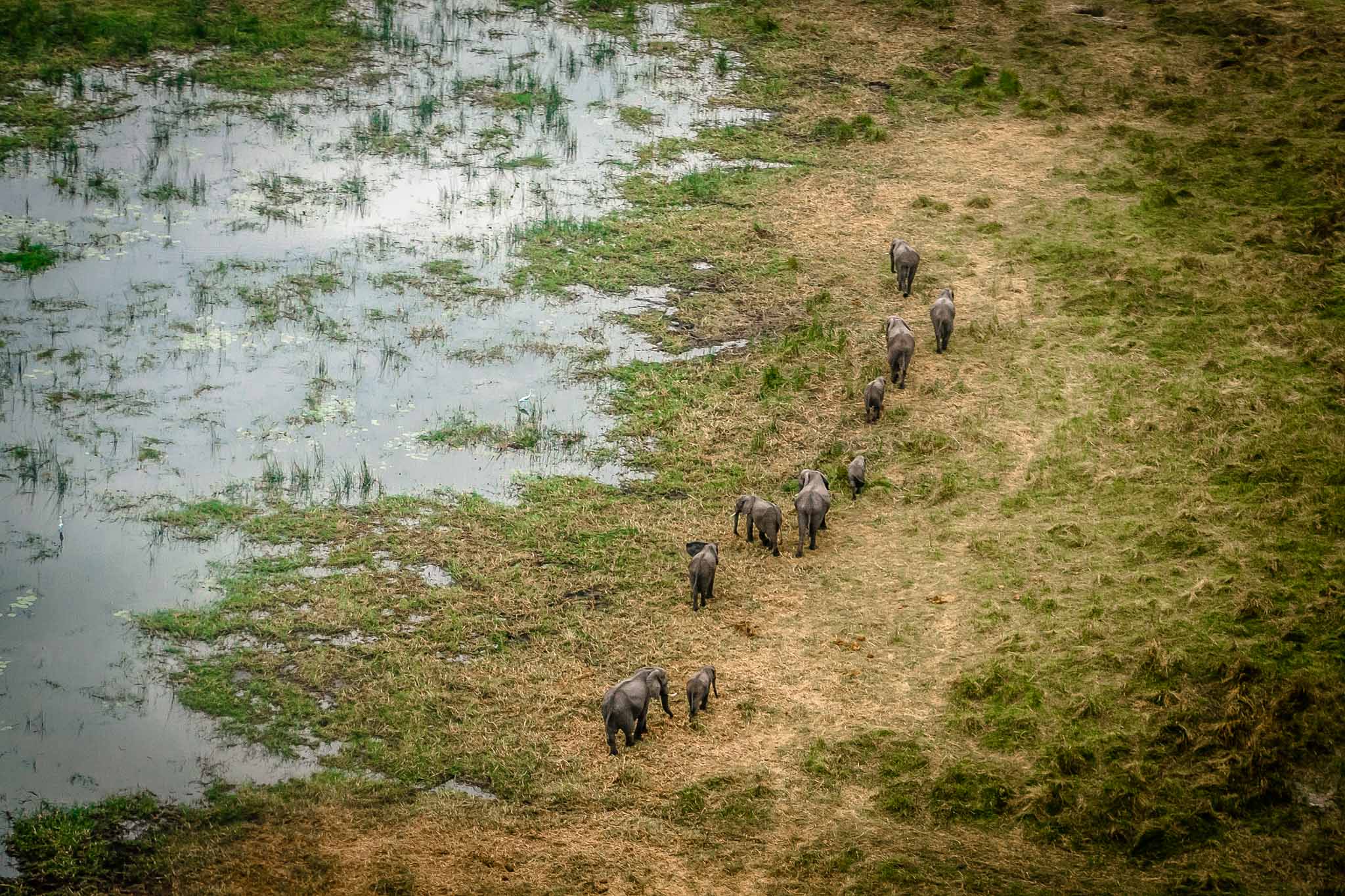

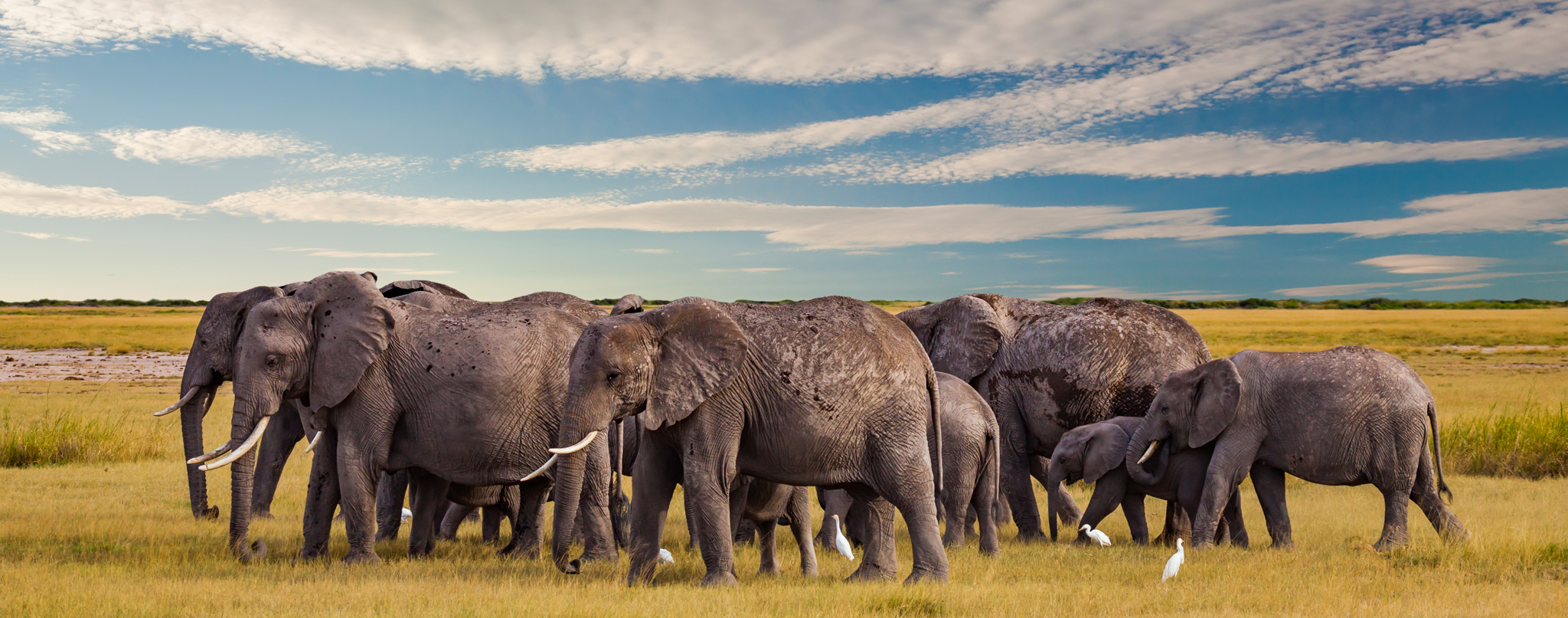

The Serengeti Mara Ecosystem is one of the most remarkable natural systems on Earth. Stretching across northern Tanzania and southwestern Kenya, it is a vast landscape of grasslands, woodlands, rivers, wetlands and seasonal habitats that support extraordinary concentrations of wildlife.
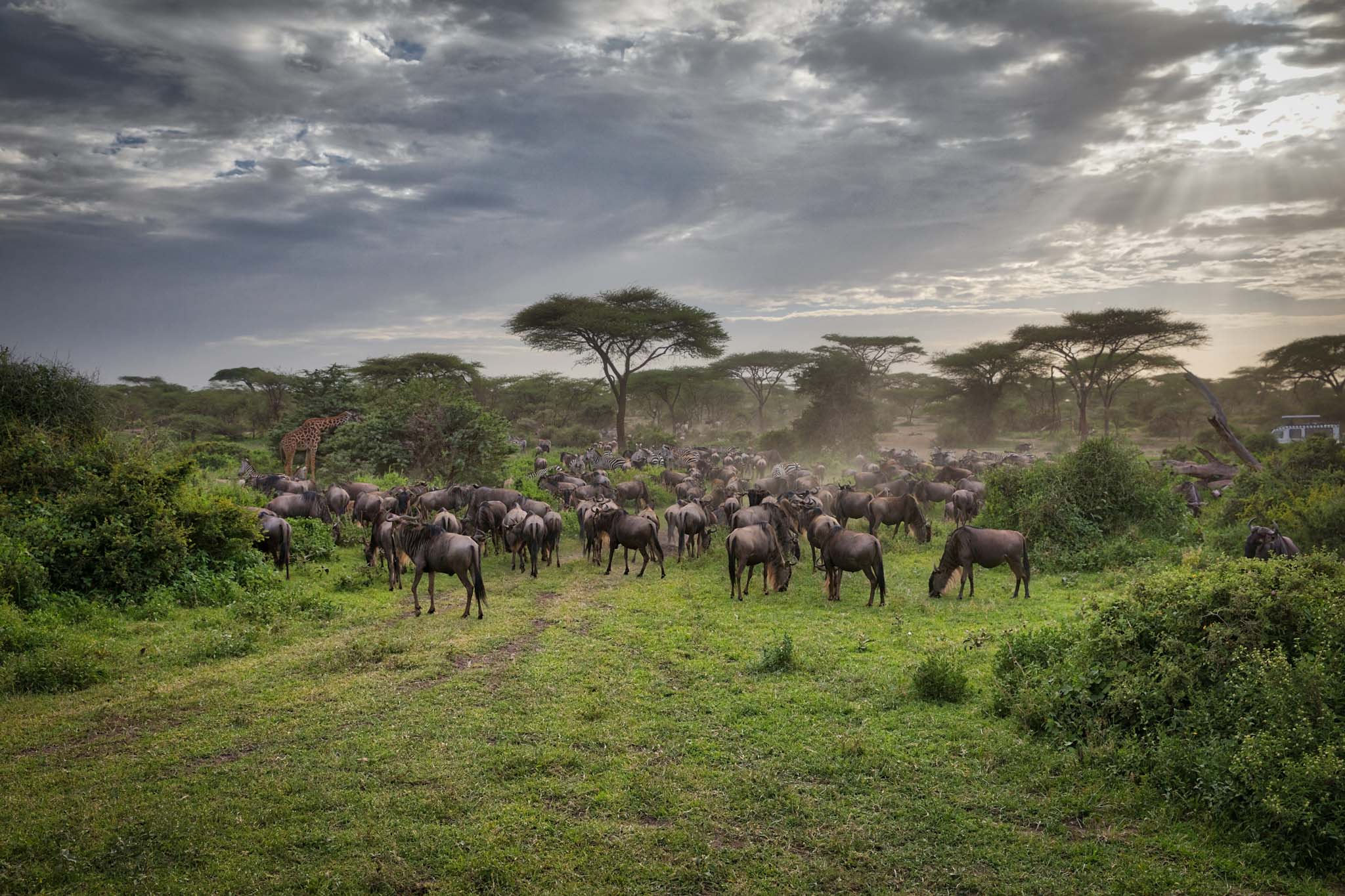
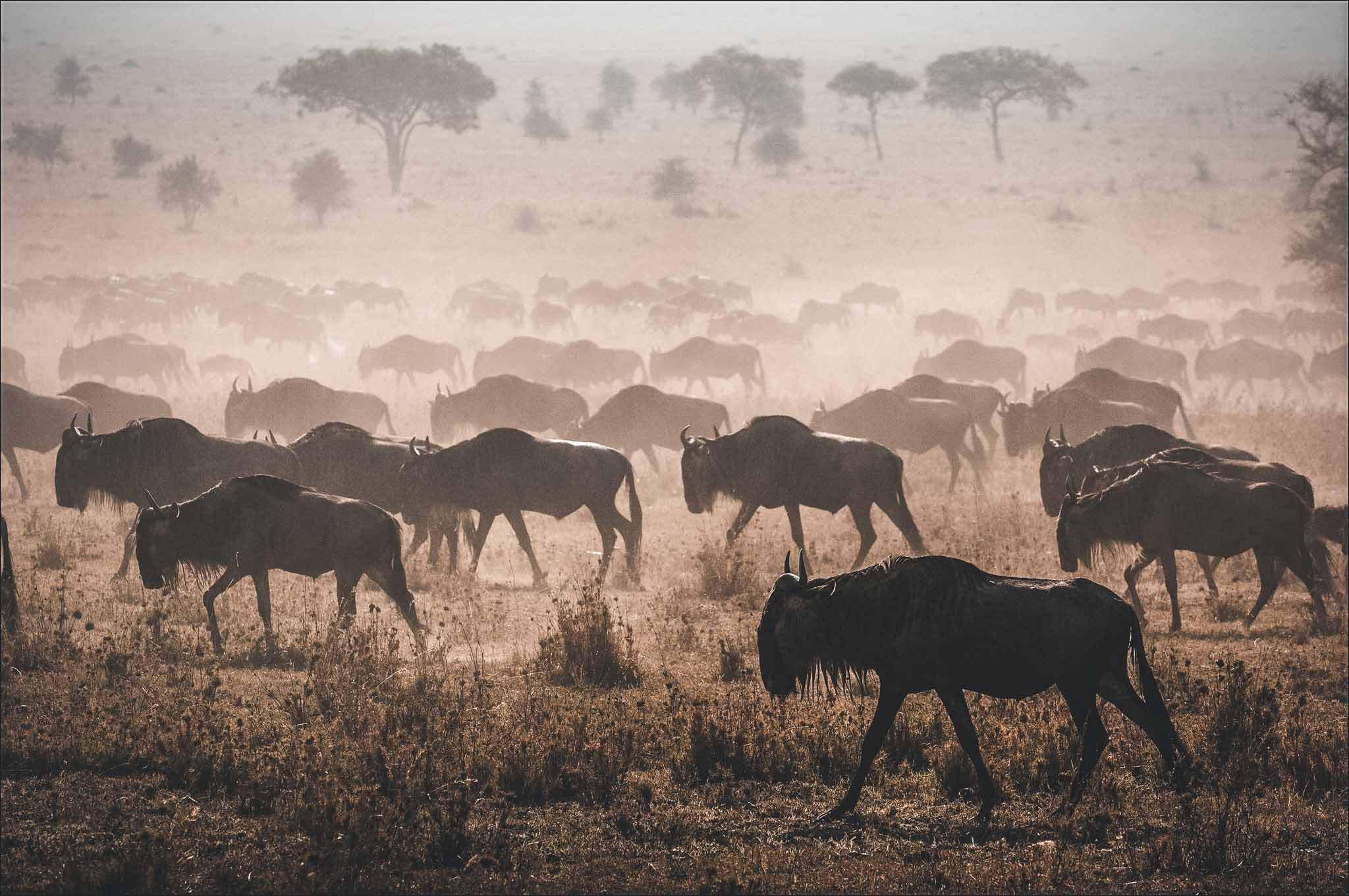
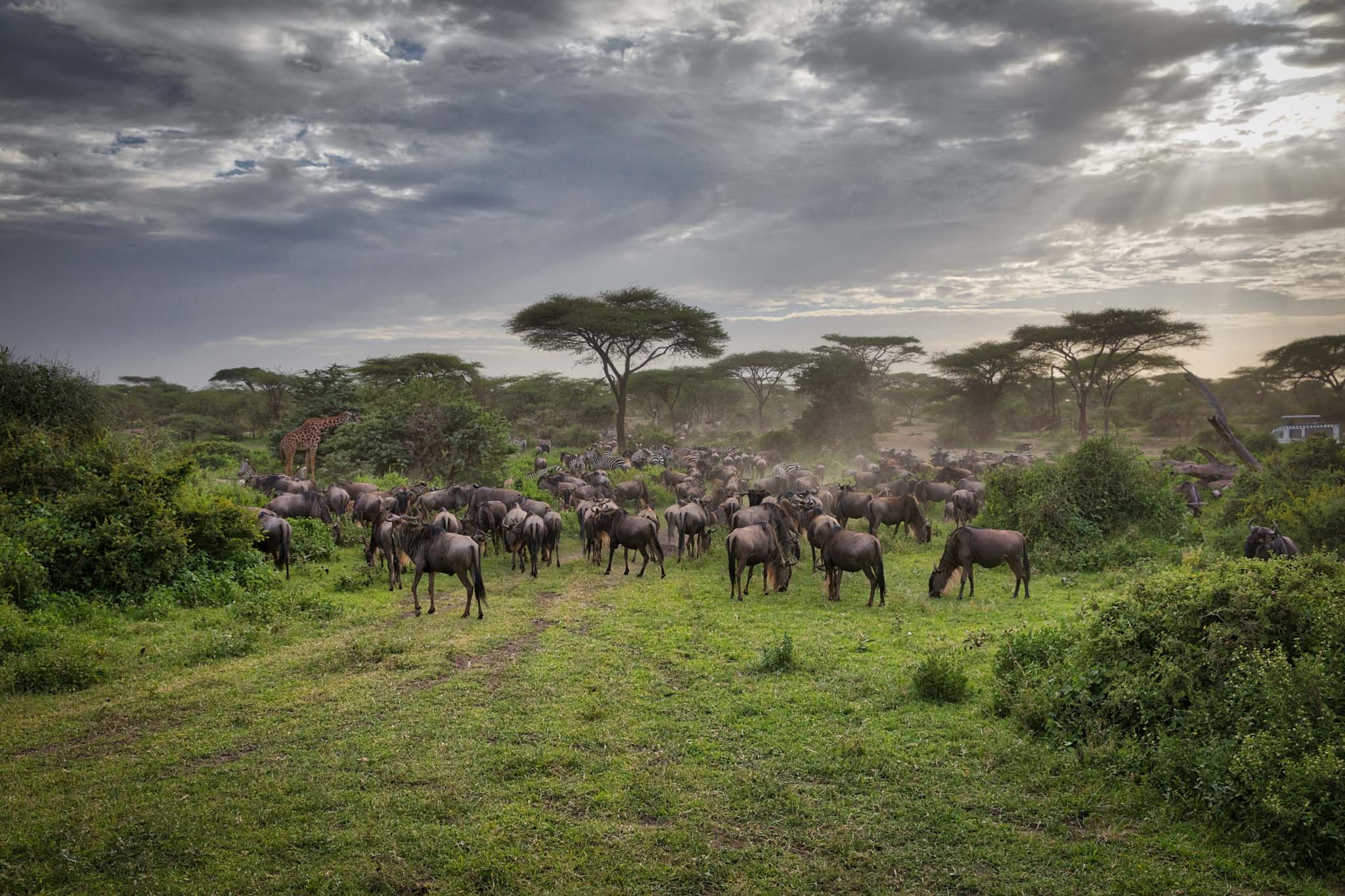
The ecosystem is best known for the Great Wildebeest Migration, when more than a million wildebeest, together with large numbers of zebra and gazelles, move across the landscape in response to rainfall, fresh grass and water. But the migration is only one part of a much larger ecological story.
The Serengeti Mara is a functioning ecosystem in which rainfall, soil, vegetation, herbivores, predators, rivers, fire and seasonal movement are closely connected. When one part changes, other parts can also be affected.
Understanding this relationship helps explain why the Serengeti is far more than a destination for seeing wildlife. It is a living ecological system that demonstrates how nature can operate across national borders and over enormous distances.
What Is the Serengeti Mara Ecosystem?
The Serengeti Mara Ecosystem is not the same thing as Serengeti National Park.
Serengeti National Park is a protected area in Tanzania covering approximately 1.48 million hectares. The wider ecosystem extends beyond the park into surrounding protected areas and across the international border into Kenya, including the Maasai Mara landscape. UNESCO describes the Serengeti National Park as being at the heart of the larger Serengeti ecosystem, which is defined in large part by the area used by migrating wildlife.
The wider ecosystem includes different landscapes and conservation areas, including the Serengeti plains, western corridor, northern Serengeti, Maasai Mara and other connected areas.
This connectivity is extremely important.
A wildebeest does not recognize an international boundary.
It follows grass, water, rainfall and ecological conditions.
The same is true for many other animals.
For this reason, protecting only one national park is not enough to protect the entire ecological system.
Why Is the Serengeti Mara Ecosystem So Special?
The Serengeti Mara is exceptional because it still contains large scale ecological processes that have disappeared or become severely reduced in many parts of the world.
One of the most important is large mammal migration.
The annual movement of wildebeest, zebra and gazelles is closely linked to seasonal rainfall and vegetation. UNESCO identifies the Serengeti as supporting one of the world’s most significant remaining large mammal migrations.
The ecosystem also contains an extraordinary diversity of predators and herbivores.
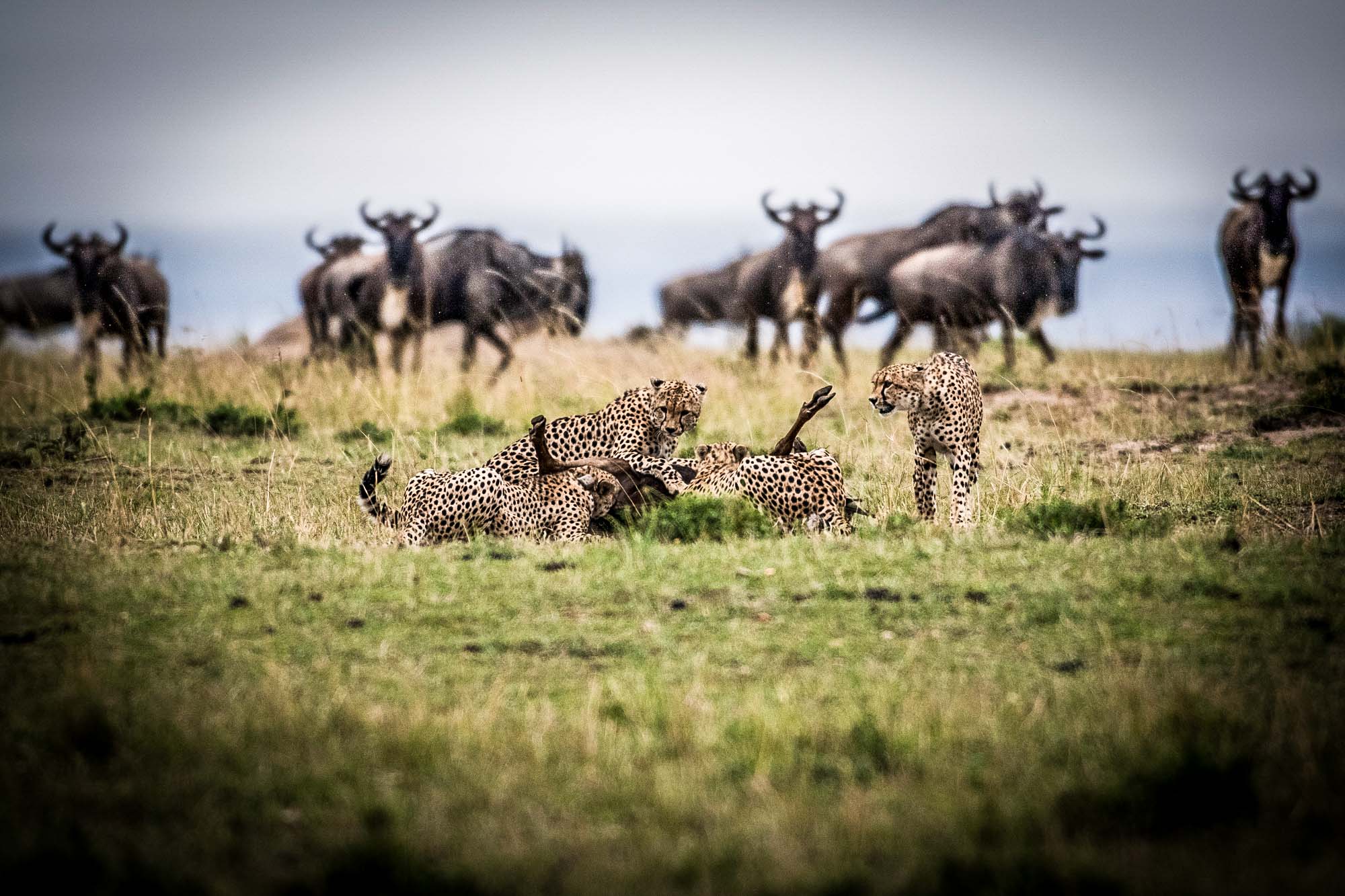
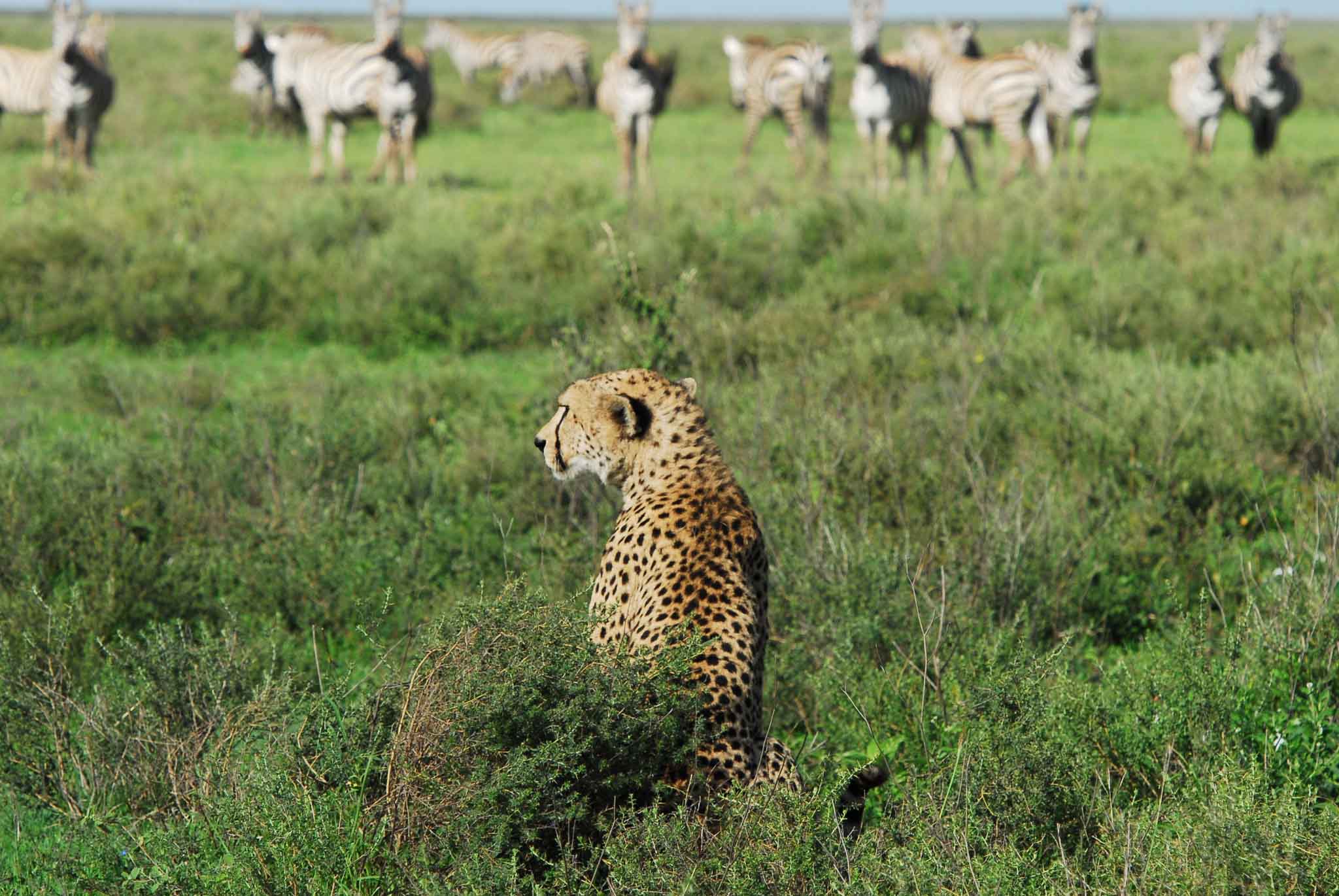
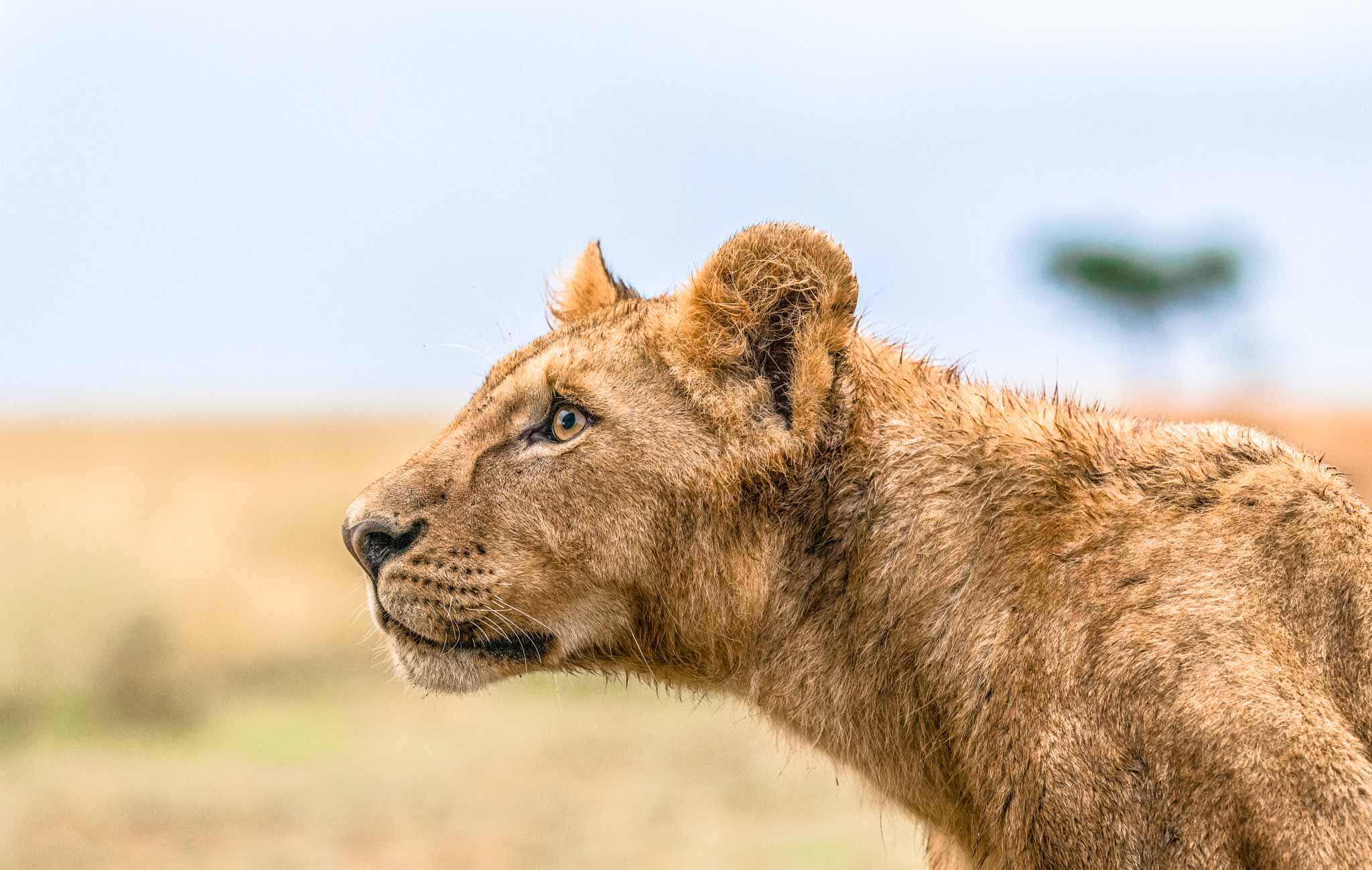
Lions, leopards, cheetahs, spotted hyenas, African wild dogs and other predators interact with large populations of herbivores.
This creates a complex food web rather than a simple relationship between individual species.
The grass feeds herbivores.
Herbivores influence vegetation.
Predators regulate prey populations and remove vulnerable animals.
Scavengers recycle nutrients.
Decomposers return nutrients to the soil.
Rainfall drives plant growth.
And the migration continually moves enormous amounts of animal biomass across the landscape.
This is what makes an ecosystem function.
The Role of Rainfall
Rainfall is one of the most important forces controlling life in the Serengeti Mara.
The ecosystem is seasonal rather than uniformly wet.
Different areas receive different amounts of rainfall, and the timing of rainfall can be just as important as the total amount.
When rain arrives, dormant grasses respond quickly.
New green vegetation provides highly nutritious food for herbivores.
As the vegetation dries, animals move toward areas where food and water remain available.
Scientific research has shown that Serengeti migratory grazers respond not simply to the presence of water but to seasonal changes in vegetation and nutrient availability.
This helps explain an important point about the Great Migration:
The animals are not simply searching for water. They are following a changing landscape of food.
The Serengeti Grasslands
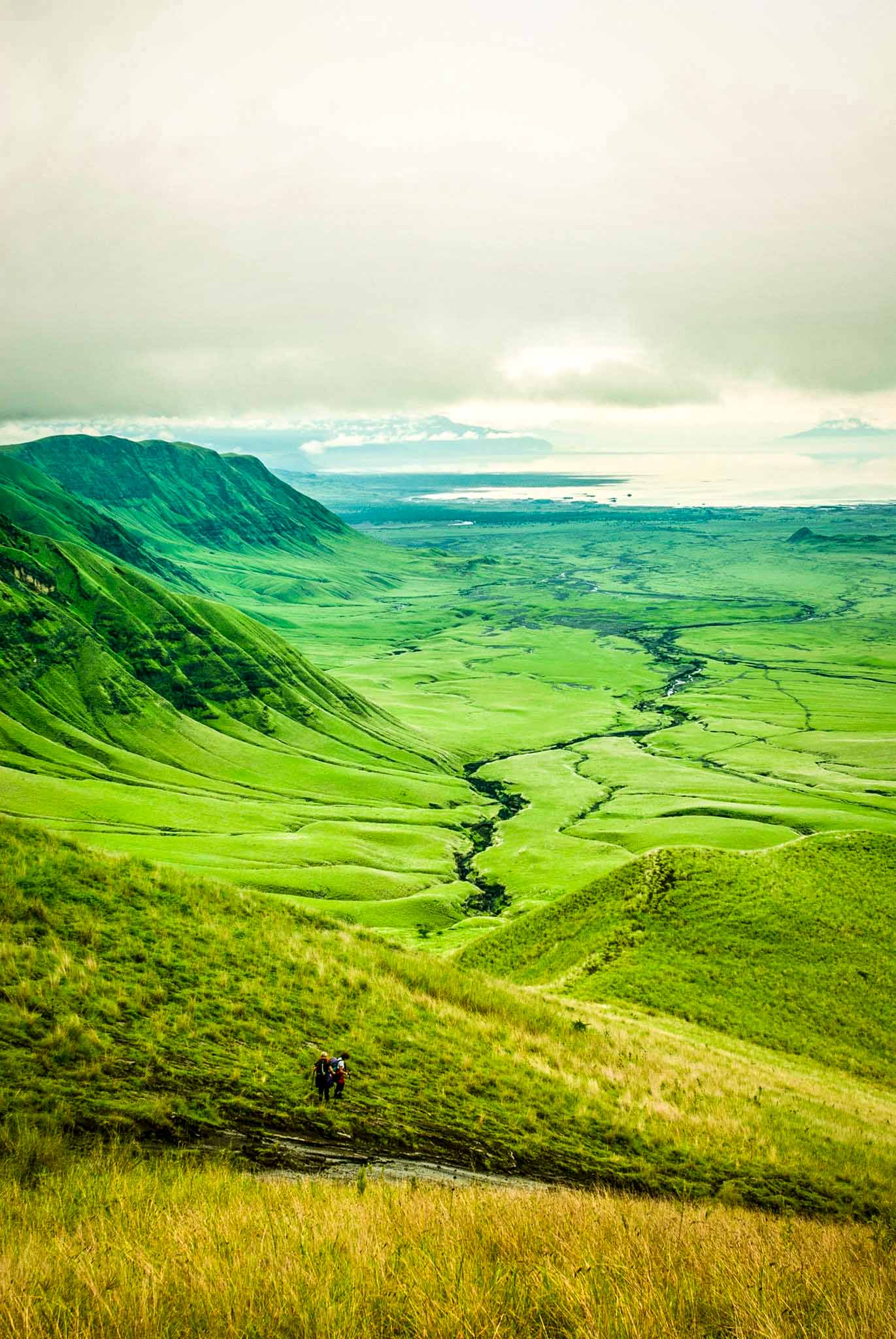
Grasslands form the foundation of much of the Serengeti Mara ecosystem.
Grass may appear simple, but grasslands are highly productive and complex biological systems.
Different grasses grow in different soils and under different rainfall conditions.
Some areas support short grasses, while others have taller grasses or become woodland and shrubland.
The famous short grass plains of the southern Serengeti are particularly important during the calving season.
The Tanzania National Parks Authority explains that volcanic ash deposited thousands of years ago contributed to highly nutritious soils in these plains. The grasses contain important minerals that support pregnant and lactating wildebeest.
This relationship between geology, soil, grass and wildlife is one reason the Serengeti can support such enormous concentrations of herbivores.
The Great Wildebeest Migration
The Great Wildebeest Migration is one of the defining ecological processes of the Serengeti Mara ecosystem.
Every year, huge herds of wildebeest move through different parts of the ecosystem, accompanied by large numbers of zebra and gazelles.
The movement is circular rather than a simple journey from one destination to another.
Animals respond to rainfall, grass growth and water availability.
The exact timing and location can vary from year to year because weather conditions are not identical every year.
This is why it is more accurate to understand the migration as a dynamic ecological process rather than a fixed calendar event.
The migration can extend across approximately 1,000 kilometres of seasonal habitat. UNESCO describes it as a circular movement across Tanzania and Kenya.
Why Do Wildebeest Migrate?
The central reason is food.
Wildebeest are grazers and depend heavily on grasses.
After rainfall, fresh vegetation appears in different parts of the ecosystem.
The animals move toward these areas because fresh grass provides energy and nutrients.
As the grass is consumed and dries, the herds continue moving.
This creates a remarkable relationship between rainfall and animal movement.
Rainfall influences vegetation.
Vegetation influences herbivore movement.
Herbivore movement influences predators.
And the movement of herbivores influences the vegetation itself.
The entire system is interconnected.
Wildebeest as Ecosystem Engineers
Wildebeest are not simply passengers moving through the Serengeti.
They actively influence the ecosystem.
The Tanzania National Parks Authority describes wildebeest as a keystone species because their grazing affects grassland structure and creates opportunities for other herbivores. The authority estimates that migrating animals consume enormous quantities of grass annually.
As wildebeest graze, they alter vegetation.
They also trample vegetation, transport nutrients and return nutrients to the soil through dung.
Their movement therefore contributes to nutrient cycling across the ecosystem.
Other grazers can benefit from the changes created by the migration.
This is one reason scientists consider the migration an important ecological process rather than simply a spectacular wildlife event.
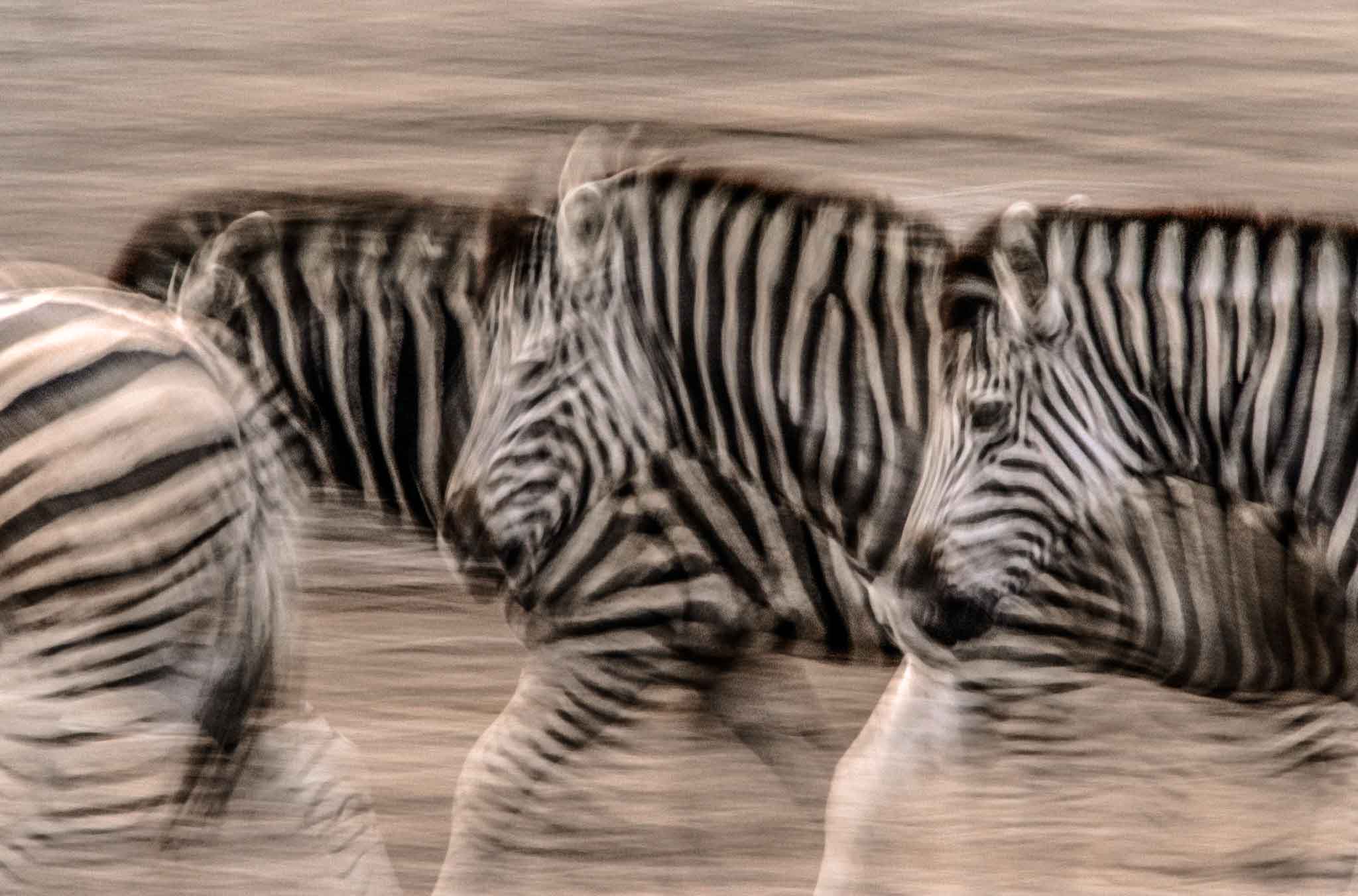
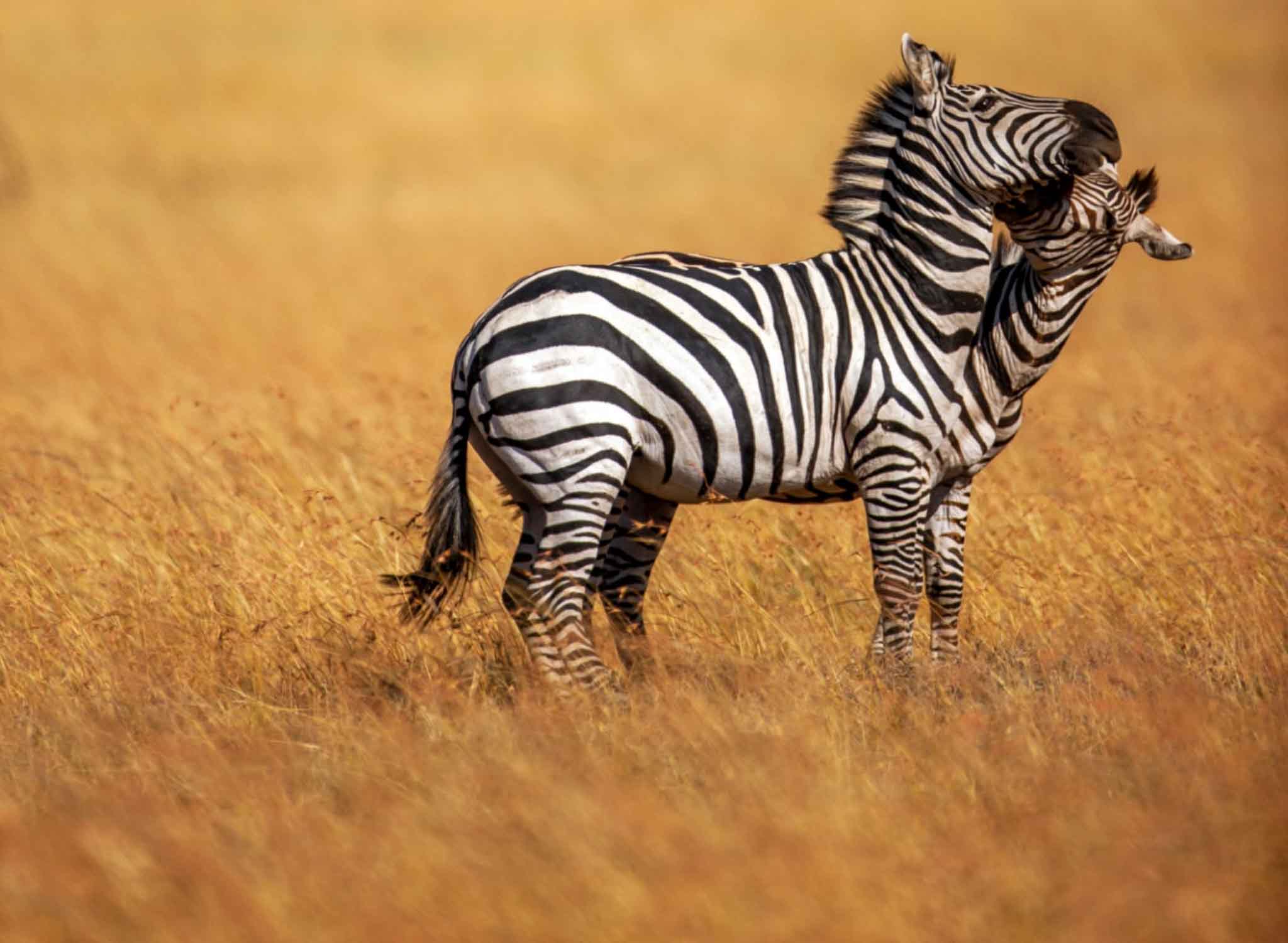
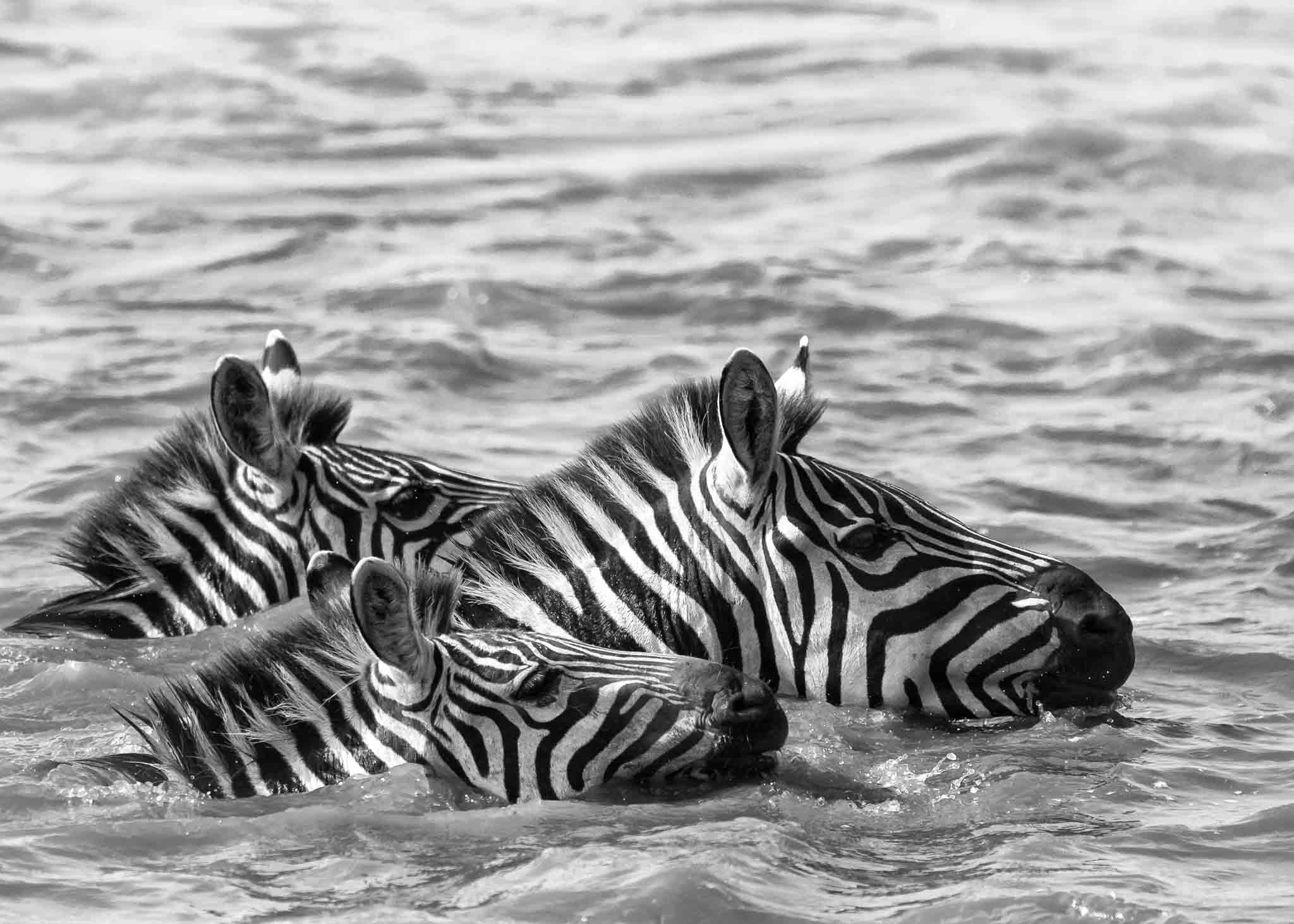
Zebra and Gazelles
Wildebeest are the most famous migrants, but they do not migrate alone.
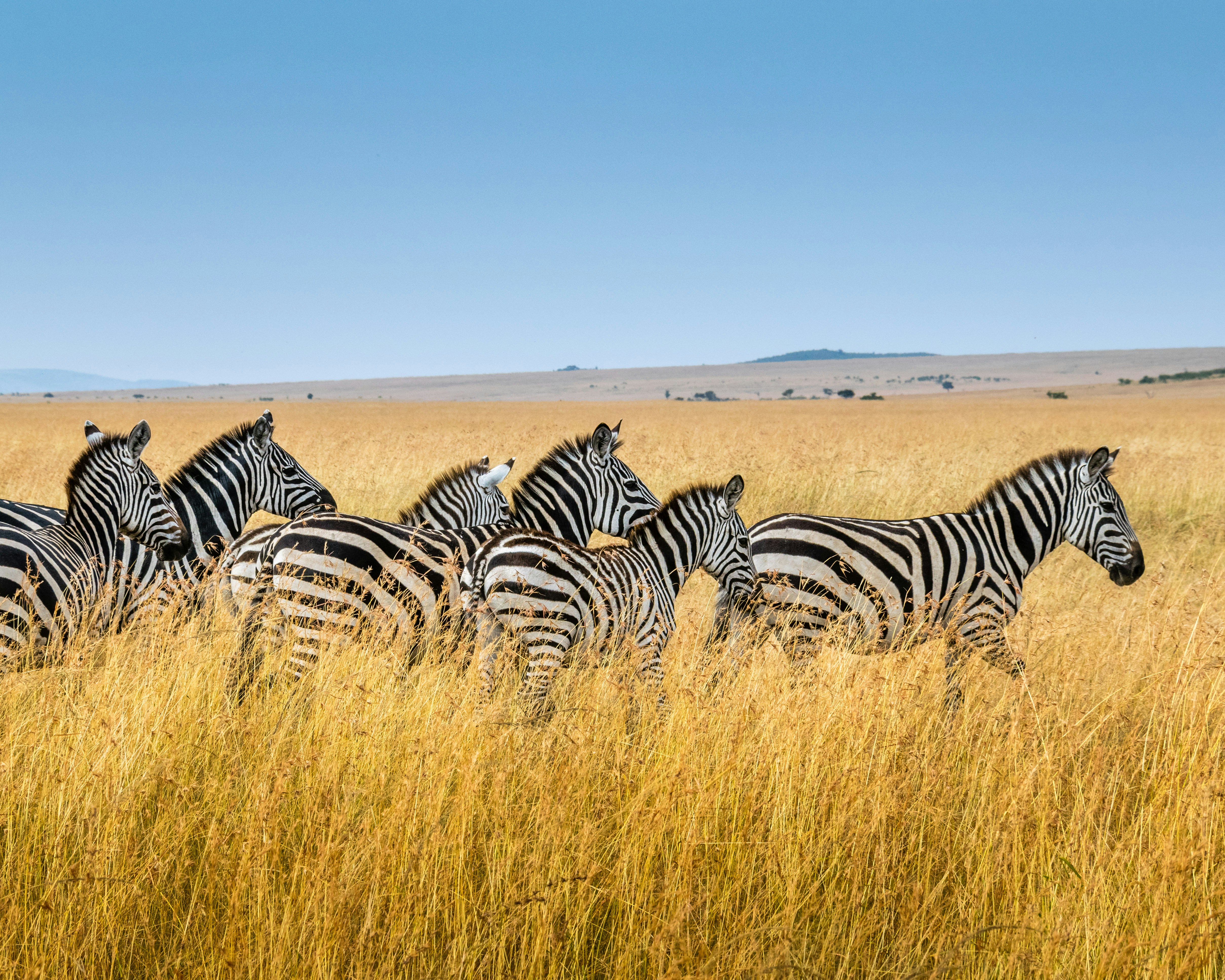
Large numbers of zebra and gazelles also participate in seasonal movements.
Different species have different feeding strategies.
Zebra are able to consume taller and coarser grasses.
Wildebeest often prefer shorter, more nutritious vegetation.
Gazelles can select different plant material.
These differences reduce direct competition for exactly the same food.
Together, the animals create a complex grazing system.
The migration therefore involves multiple species interacting with vegetation in different ways.
Predators of the Serengeti Mara
The large concentrations of herbivores support one of Africa’s most impressive predator communities.
The Serengeti supports lions, leopards, cheetahs, spotted hyenas and African wild dogs, among other carnivores. UNESCO identifies the Serengeti as having one of the world’s major large predator prey systems.
Predators are closely connected to the migration.
When large herds move into an area, they provide abundant opportunities for predators and scavengers.
Predation is particularly important around vulnerable individuals such as young, old or injured animals.
However, predators do not simply control wildlife numbers.
They are part of a much broader food web involving competition, scavenging, disease, reproduction and resource availability.
Lions, Leopards and Cheetahs
Each major predator occupies a somewhat different ecological niche.
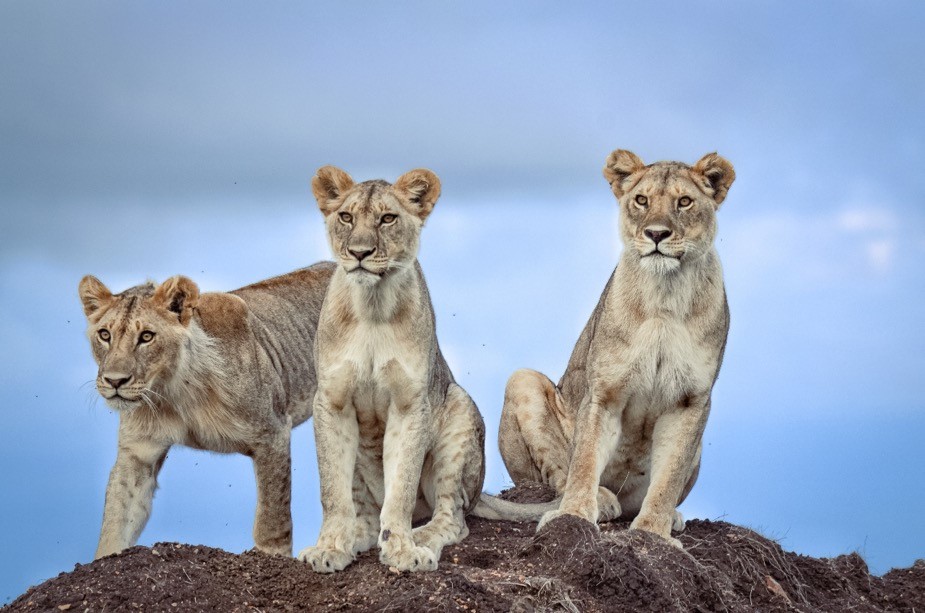
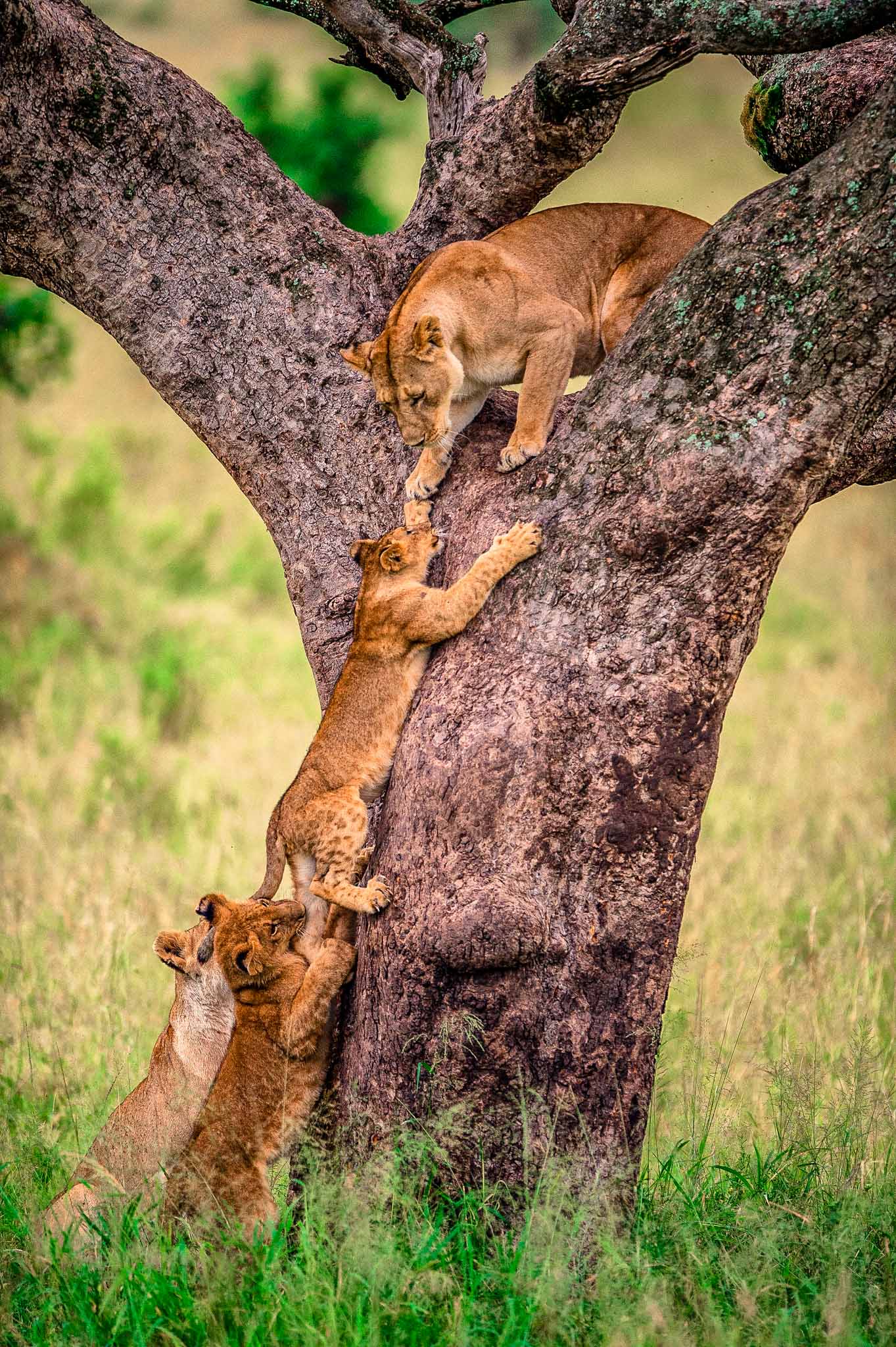
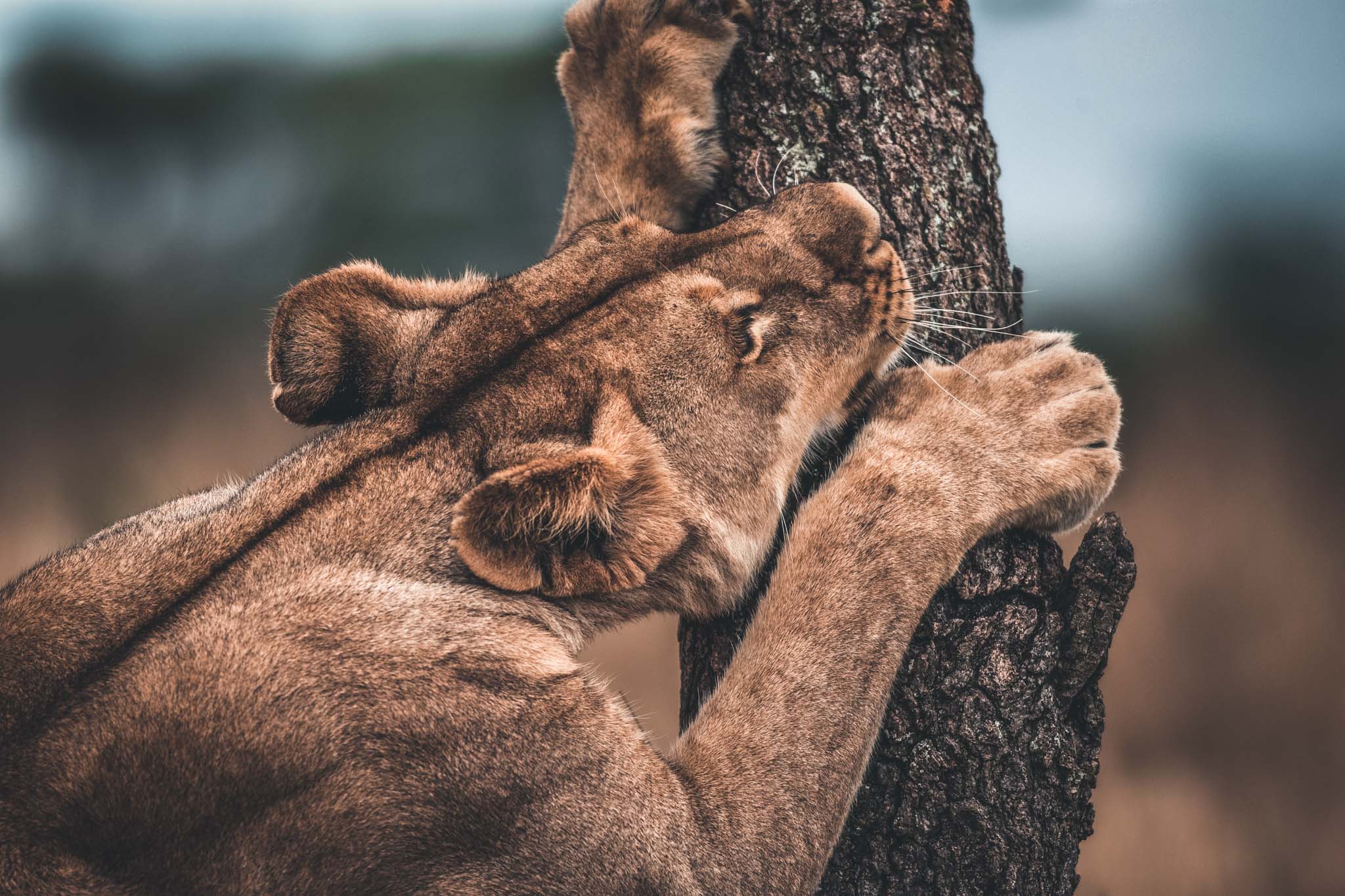
Lions are highly social predators that often hunt cooperatively, particularly when targeting larger prey.
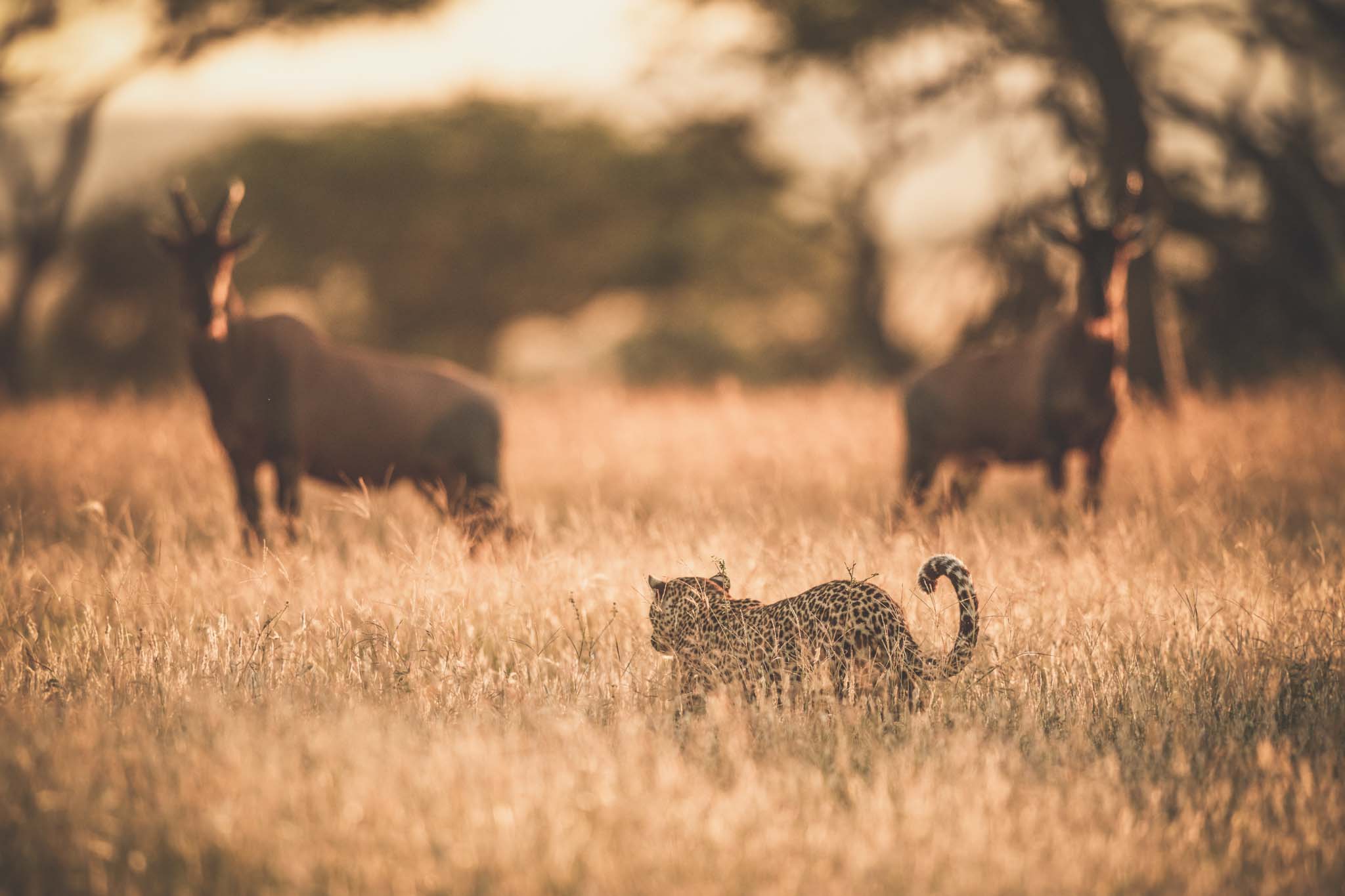
Leopards are more solitary and adaptable. They often use vegetation and trees to remain concealed and may drag kills into trees.
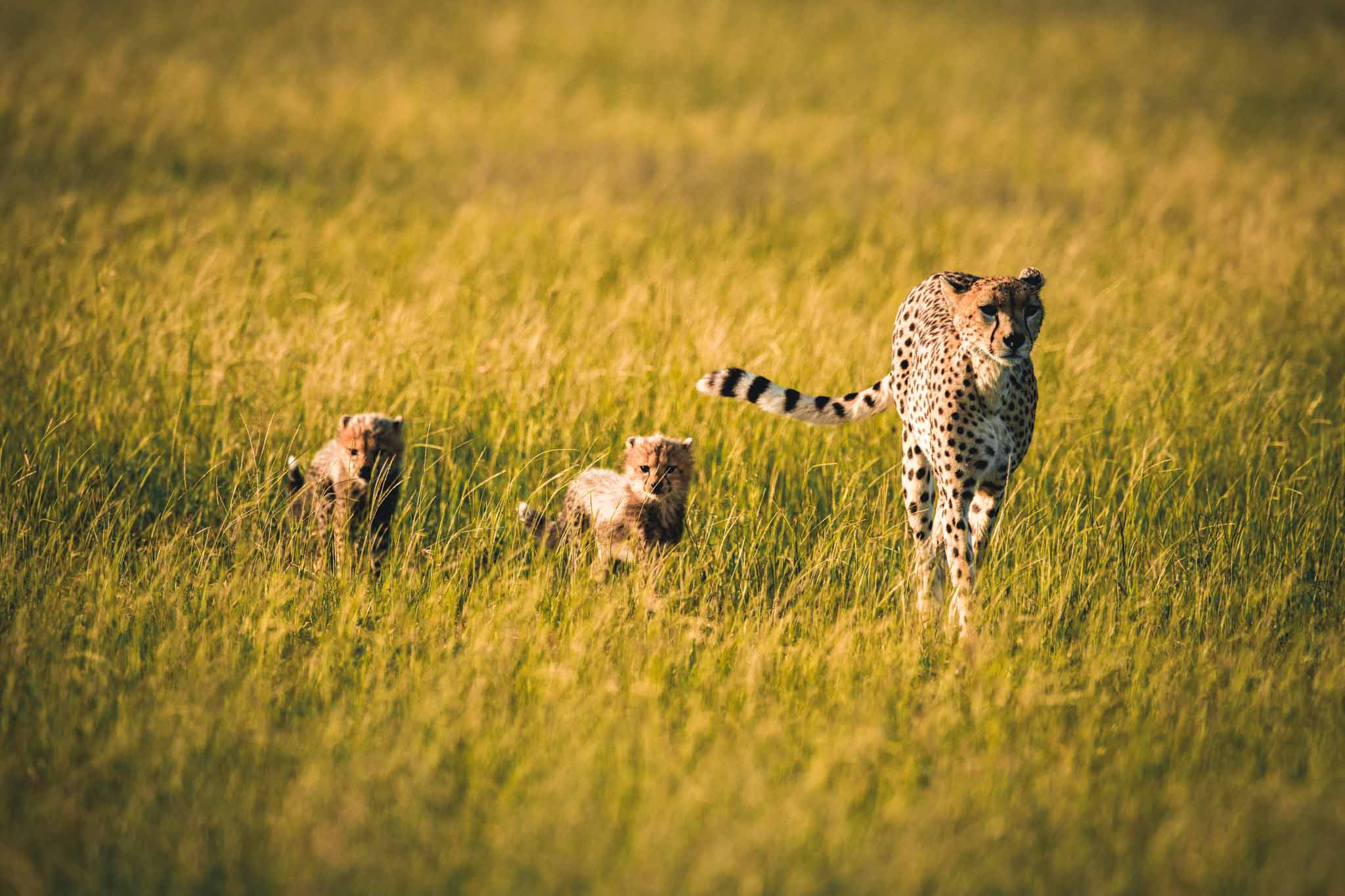
Cheetahs are specialized for speed and often target smaller or medium sized prey.
These differences allow several large carnivores to coexist within the same ecosystem.
Their relationships with prey also change according to habitat, season and prey availability.
Spotted Hyenas and Scavengers
Spotted hyenas are among the most important carnivores in the Serengeti.
They are skilled hunters as well as scavengers.
This distinction is important because hyenas are sometimes incorrectly described only as animals that feed on leftovers.
In reality, spotted hyenas can hunt successfully and are powerful social predators.
Other scavengers, including vultures and jackals, also contribute to the ecosystem by consuming remains.
This reduces waste and helps return nutrients to the environment.
The Mara River
The Mara River is one of the most important water systems associated with the northern Serengeti and Maasai Mara.
It becomes especially famous during the annual migration because large herds may gather near river crossings.
However, the river is important far beyond the dramatic crossings seen by tourists.
It provides water and supports wildlife during periods when seasonal water sources become less reliable.
UNESCO identifies water availability as an important management issue for the Serengeti because the Mara is one of the major perennial rivers associated with the ecosystem.
This is why protecting rivers and their catchments is essential to the long term health of the ecosystem.
Understanding the Mara River Crossing
The Mara River crossing is one of the most famous wildlife spectacles in Africa.
But it is important to understand that crossings do not happen at one specific date or location every year.
Wildebeest may gather at a riverbank for hours or days before crossing.
Sometimes they begin crossing quickly.
At other times, they approach the river and retreat.
The animals respond to conditions and herd behavior.
This unpredictability is part of the natural process.
Visitors should also understand that a river crossing is potentially dangerous for the animals. Strong currents, steep banks, crocodiles, panic and crowding can create serious risks.
For this reason, responsible wildlife viewing is essential.
The Serengeti National Park management guidelines require vehicles to remain in designated areas and prohibit approaching animals during crossings.
Crocodiles and the River Food Web
The Mara River also supports large Nile crocodiles.
During migration periods, crocodiles may prey upon animals attempting to cross.
This is not an abnormal event or a failure of the ecosystem.
Predation is part of natural ecological processes.
At the same time, not every crossing results in dramatic predation.
The popular image of every wildebeest crossing being filled with crocodile attacks is misleading.
Nature is unpredictable.
Sometimes hundreds of animals cross safely.
Sometimes individuals are lost.
Both outcomes are part of the ecological system.
Fire in the Serengeti Ecosystem
Fire is another important ecological force.
Savanna ecosystems have evolved with periodic burning caused by lightning and, in some circumstances, human activity.
Fire can remove old vegetation and influence the structure of grasslands and woody vegetation.
After rainfall, fresh vegetation can grow again.
The relationship between fire, rainfall, grazing and vegetation is complex.
Too little fire and too much fire can have different consequences depending on location, timing and intensity.
For this reason, fire management is an important part of conservation.
Trees, Woodlands and Kopjes
The Serengeti is not simply an endless grassland.
The ecosystem contains woodland, shrubland, riverine vegetation and rocky outcrops known as kopjes.
Kopjes are ancient rock formations rising above the surrounding plains.
They provide important habitat for wildlife.
Lions may rest on rocky surfaces.
Leopards can use rocky areas and surrounding vegetation.
Small animals find shelter among rocks.
Kopjes also provide elevated viewpoints across the plains.
The combination of grassland, woodland, rivers and rocky habitats creates a mosaic of ecological niches.
Birds of the Serengeti Mara
Birdlife is another important part of the ecosystem.
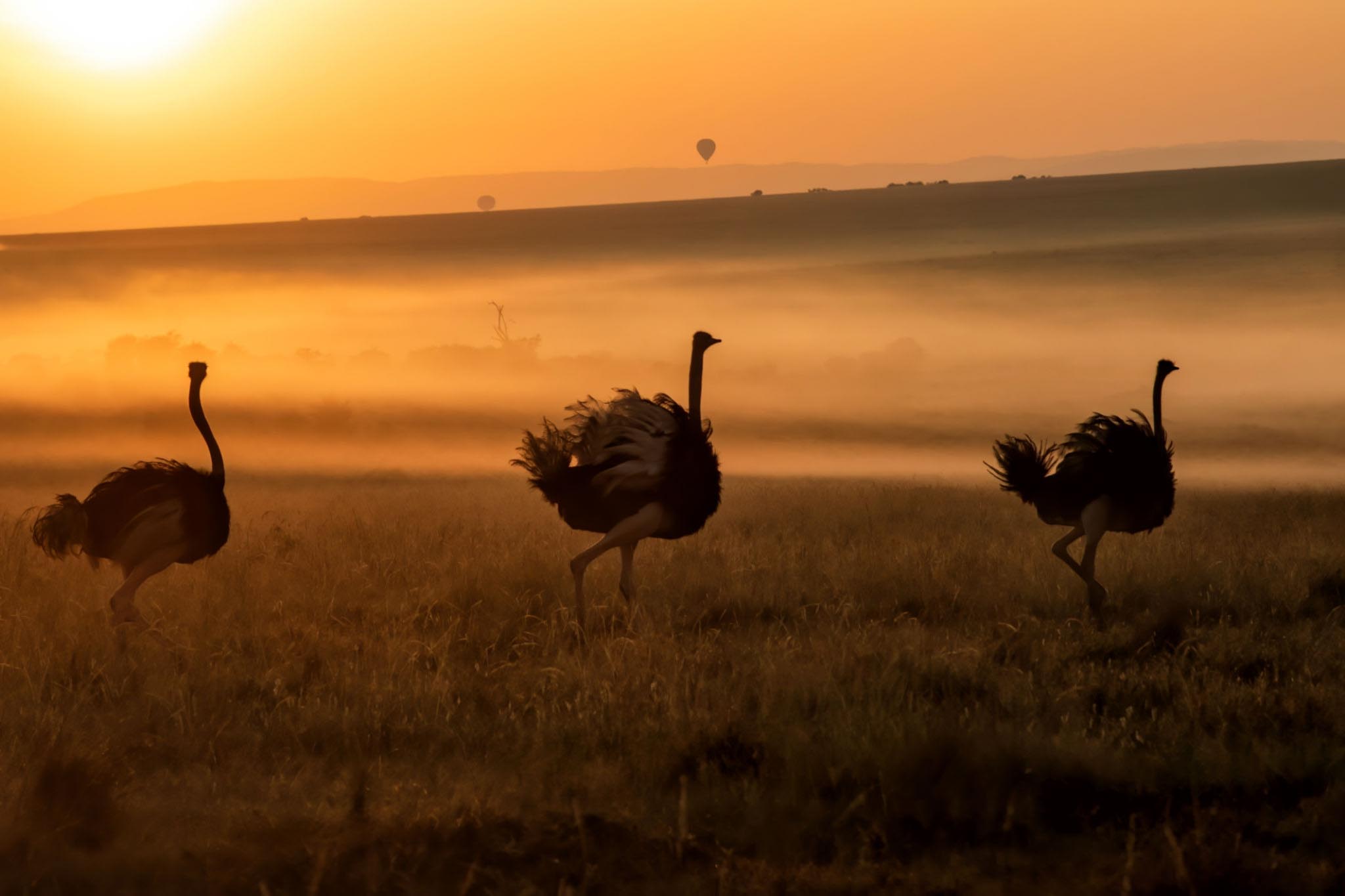
UNESCO records more than 500 bird species occurring in the Serengeti National Park either permanently or seasonally.
Birds occupy many ecological roles.
Some are predators.
Others consume seeds, fruits or insects.
Vultures are important scavengers.
Birds of prey help regulate populations of smaller animals.
Migratory birds also connect the Serengeti with ecosystems far beyond East Africa.
This reminds us that ecological connectivity can operate across continents as well as across national borders.
Soil and Nutrient Cycling
A healthy ecosystem depends on nutrient cycling.
Plants absorb nutrients from the soil.
Herbivores consume plants.
Animals move across the landscape and eventually return nutrients through dung and urine.
When animals die, scavengers consume them.
Microorganisms and decomposers break down organic matter.
Nutrients then return to the soil.
The migration therefore transports biological material across large areas.
This process contributes to the productivity of the Serengeti grasslands.
The spectacular herds are therefore not separate from the ecosystem’s productivity.
They are part of what makes the system productive.
Why the Serengeti Mara Is Larger Than National Parks
One of the most important conservation lessons from the Serengeti Mara is that wildlife conservation cannot always stop at park boundaries.
Migrating animals require space.
They need access to seasonal grazing areas, water sources and migration corridors.
UNESCO’s documentation emphasizes that the ecological integrity of the Serengeti depends on maintaining the larger ecosystem rather than protecting the national park in isolation.
This creates a challenge because landscapes outside strictly protected areas can have different forms of land use.
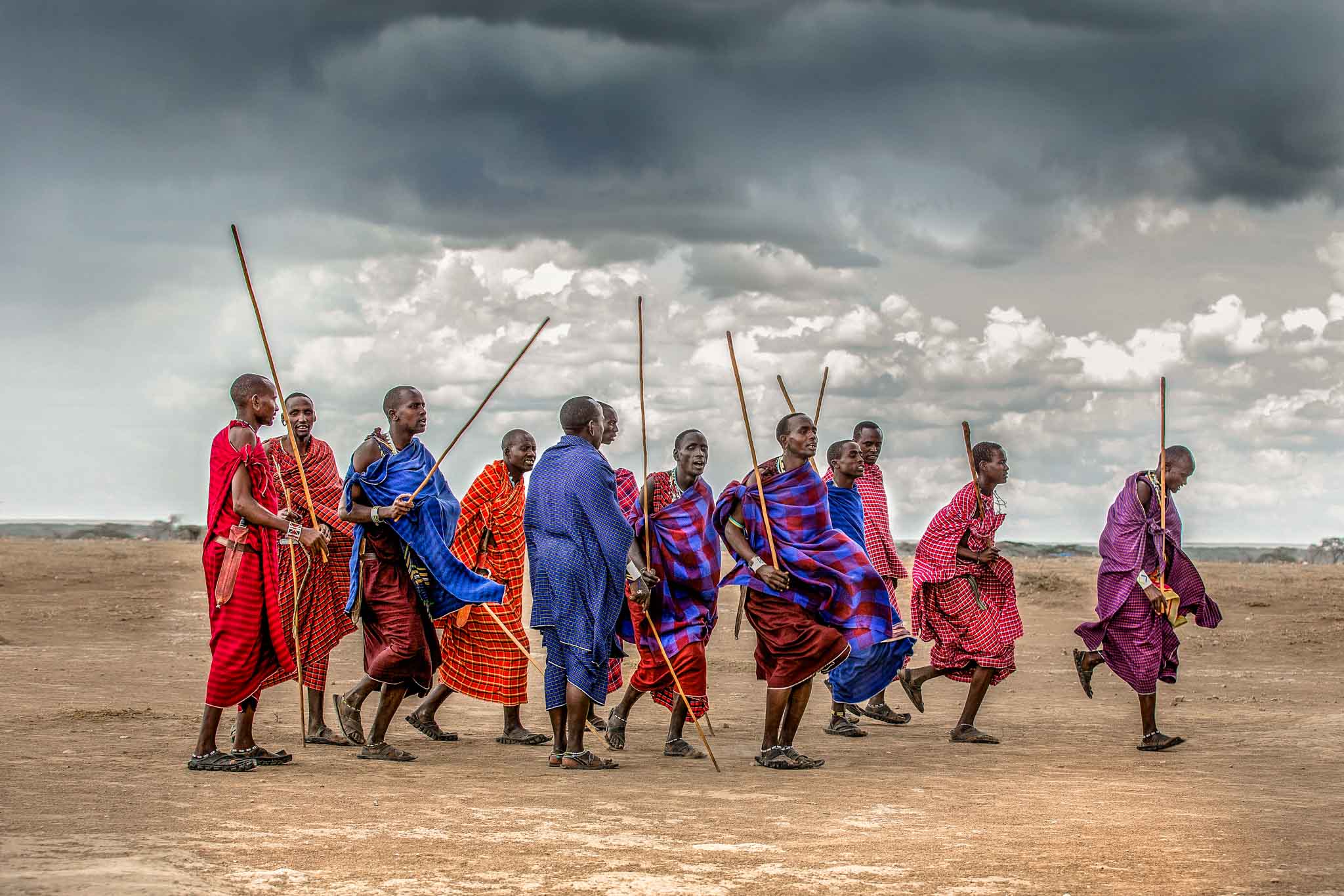
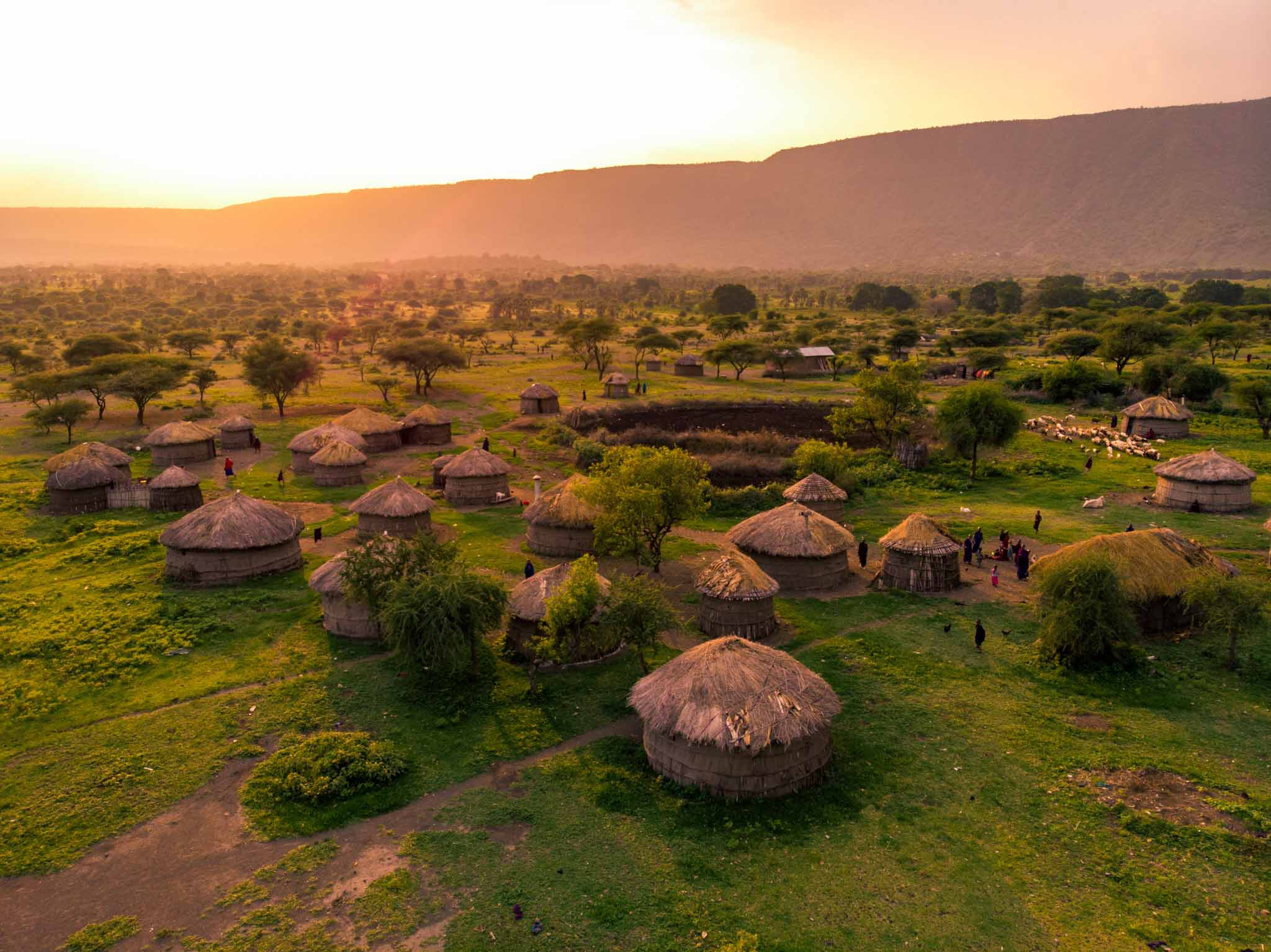
Communities, livestock, agriculture, tourism and wildlife may all depend on the same broader landscape.
Long term conservation therefore requires cooperation among governments, conservation organizations, communities, researchers and tourism operators.
Threats to the Serengeti Mara Ecosystem
The Serengeti Mara remains remarkably intact, but it is not isolated from global and regional pressures.
Important conservation concerns include:
Habitat fragmentation
Roads, fences, settlements and other infrastructure can interfere with wildlife movement.
Climate variability
Changes in rainfall and drought patterns can influence grass growth, water availability and animal movements.
Human population growth
As surrounding populations increase, demand for land and natural resources can increase.
Unsustainable tourism
Large concentrations of vehicles can disturb wildlife and place pressure on sensitive areas.
Poaching and illegal wildlife use
Illegal killing of wildlife can undermine conservation efforts.
Water pressures
The Mara River and other water systems are essential to wildlife, particularly during dry periods.
UNESCO identifies tourism pressure, poaching, wildfire management, water availability and resource monitoring among management concerns associated with the Serengeti.
The Importance of Responsible Tourism
Tourism can play an important role in supporting conservation.
Park fees, tourism employment, guiding, accommodation and related businesses contribute to the economic value of wildlife.
But tourism must be managed carefully.
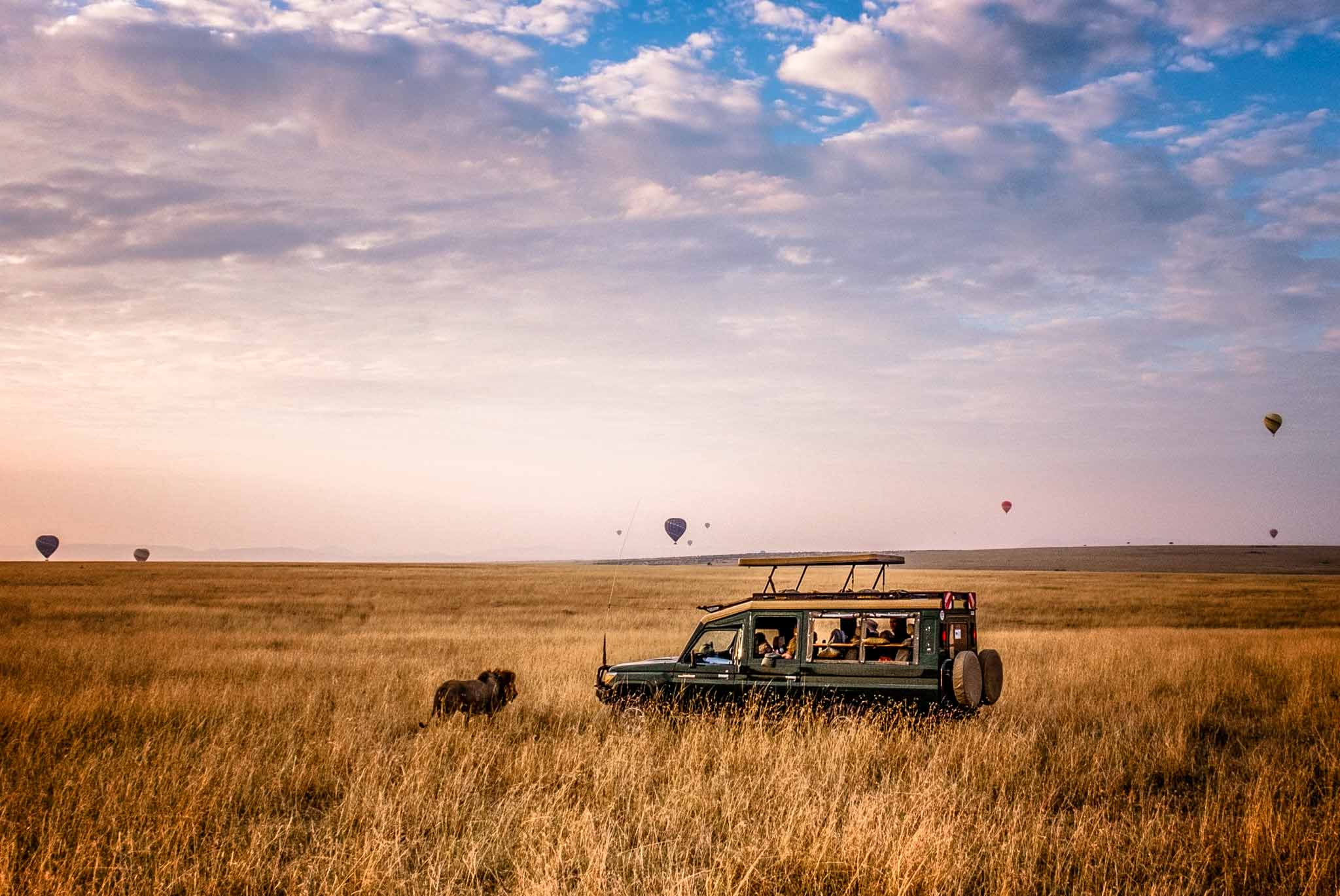
A responsible safari means respecting park regulations, maintaining appropriate distances from wildlife, avoiding off road driving where prohibited and reducing unnecessary disturbance.
The Mara River crossing is a particularly important example.
When too many vehicles approach a crossing point or move aggressively toward animals, the natural behavior of wildlife can be disturbed.
Following official guidelines protects both animals and the quality of the experience.
Serengeti Mara Ecosystem and the Future
The future of the Serengeti Mara depends on maintaining ecological connectivity.
The migration needs functioning landscapes.
Rivers need protection.
Grasslands need to remain productive.
Wildlife corridors need to remain open.
Communities surrounding the ecosystem need opportunities to benefit from conservation and tourism.
International cooperation is also essential because the ecosystem crosses the Tanzania Kenya border.
The Serengeti Mara demonstrates that nature does not follow political boundaries.
A wildebeest moving from Tanzania into Kenya is still part of the same ecological system.
Why Visit the Serengeti?
For travelers, visiting the Serengeti offers much more than the possibility of seeing the Big Five.
It provides an opportunity to witness ecological processes taking place on a massive scale.
You can observe predator prey relationships.
You can see seasonal grasslands.
You can study animal behavior.
You can watch birds and scavengers participating in the food web.
You can experience the changing landscapes of the ecosystem.
And during the migration season, you may witness millions of animals moving according to ancient ecological rhythms.
The most important lesson is that wildlife should not be viewed as isolated attractions.
A lion, a wildebeest, a vulture, a grassland, a river and a rainfall pattern are all connected.
Serengeti Mara Ecosystem: A Living Natural System
The Serengeti Mara Ecosystem is one of the world’s great examples of ecological connectivity.
Its importance comes not only from the number of animals living there but from the relationships between those animals and their environment.
Rain produces grass.
Grass supports herbivores.
Herbivores support predators.
Predators and scavengers recycle biological energy.
Migration moves animals between seasonal resources.
Rivers provide water.
Soils support vegetation.
Fire shapes grasslands.
And conservation protects the conditions that allow all these processes to continue.
The Great Migration is therefore not simply a spectacular event that happens once a year.
It is an expression of a much larger ecological system.
Experience the Serengeti With Understanding
A Tanzania safari becomes even more meaningful when travelers understand what they are seeing.
When you watch a wildebeest herd moving across the plains, you are seeing the result of rainfall, grass growth, soil fertility, animal behavior and thousands of years of ecological adaptation.
When you see lions following the herds, you are witnessing a predator responding to seasonal prey availability.
When you see vultures around a carcass, you are observing nutrient recycling.
When you see the Mara River, you are looking at one of the water systems that helps sustain the northern part of this extraordinary ecosystem.
The Serengeti Mara is therefore not simply a place to visit.
It is a living classroom for understanding ecology, wildlife behavior, conservation and the relationship between humans and nature.
For travelers planning a Tanzania safari, exploring the Serengeti with an experienced local safari guide can transform a game drive from simply seeing animals into understanding the ecological story behind them.
Discover the Serengeti. Follow the migration. Understand the ecosystem. Experience Tanzania.