

Introduction:
Discover the Best of Tanzania in One Unforgettable Journey
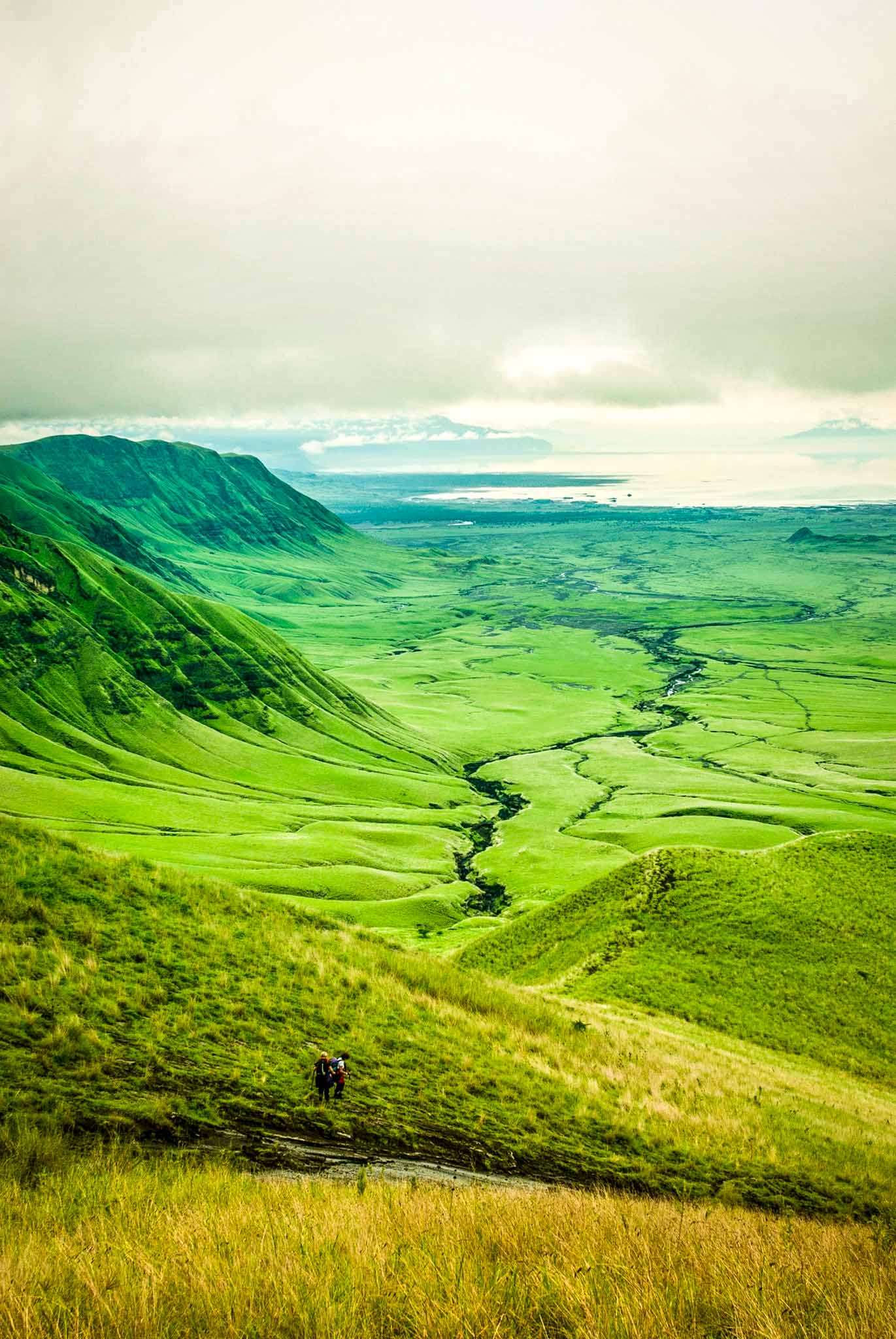
Tanzania is one of Africa’s most rewarding travel destinations, offering an extraordinary combination of wildlife safaris, dramatic mountain landscapes, rich cultural heritage and beautiful tropical beaches. From the vast plains of Serengeti National Park to the snow capped summit of Mount Kilimanjaro and the white sandy shores of Zanzibar, Tanzania offers travelers the opportunity to experience several remarkable adventures within one holiday.
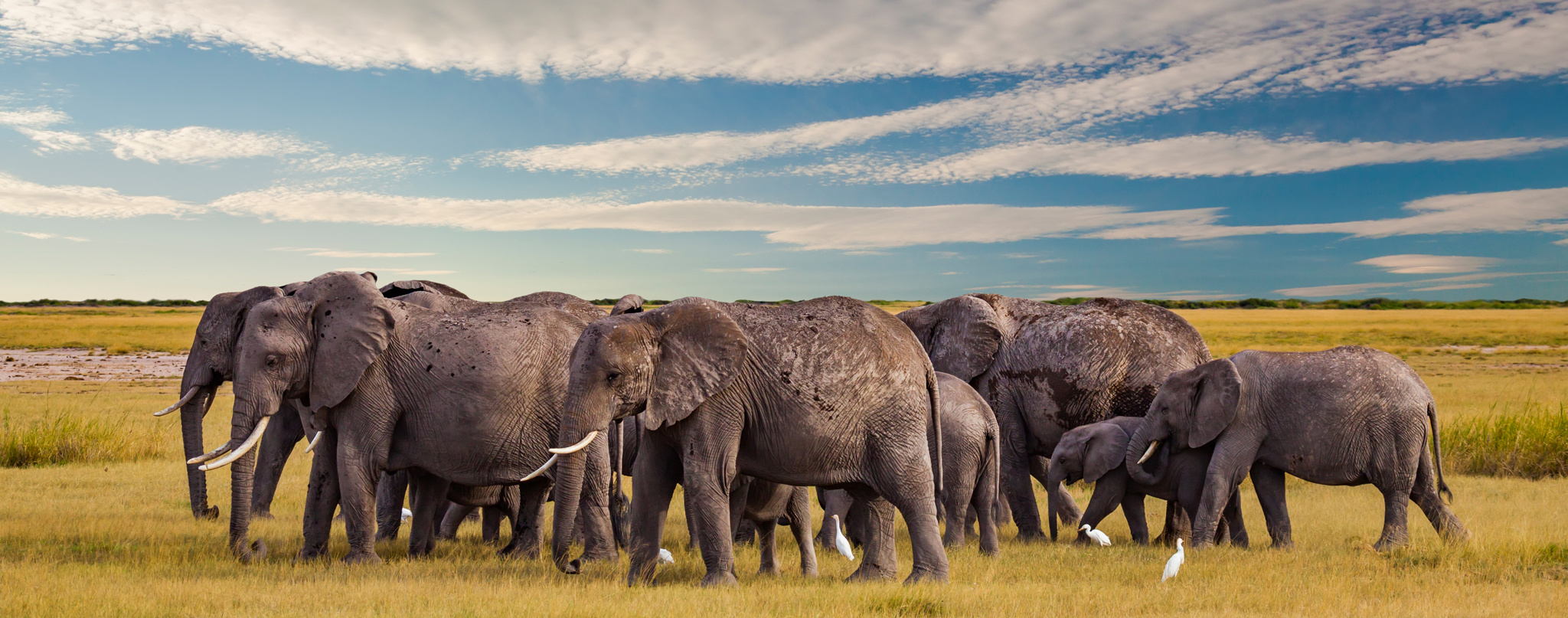
A Tanzania safari and Zanzibar beach holiday is ideal for couples, families, honeymooners, photographers, nature lovers and adventure travelers seeking a diverse African experience. Visitors can observe elephants, lions, giraffes and zebras in their natural habitats, witness the Great Wildebeest Migration, climb Africa’s highest mountain, explore traditional communities and finish their journey beside the warm waters of the Indian Ocean.
Hadzabe Safari Adventure Ltd invites travelers to discover these experiences through carefully planned Tanzania safari packages, Mount Kilimanjaro climbing expeditions and Zanzibar beach holidays. By combining the mainland’s national parks with mountain adventures and island relaxation, visitors can experience the natural beauty, wildlife and cultural diversity that make Tanzania unique.
Whether you are planning a seven day safari and beach escape or a three week adventure combining wildlife, mountain climbing and island exploration, Tanzania offers flexible opportunities for an unforgettable journey.
Why Combine a Tanzania Mainland Safari with Zanzibar?
Combining a Tanzania mainland safari with Zanzibar allows travelers to experience two different sides of the country in one trip. The mainland is famous for its national parks, wildlife conservation areas, mountains and traditional cultures, while Zanzibar is renowned for its historic Stone Town, spice plantations, turquoise waters and tropical beaches.
Instead of choosing between a wildlife safari and a beach holiday, visitors can enjoy both.
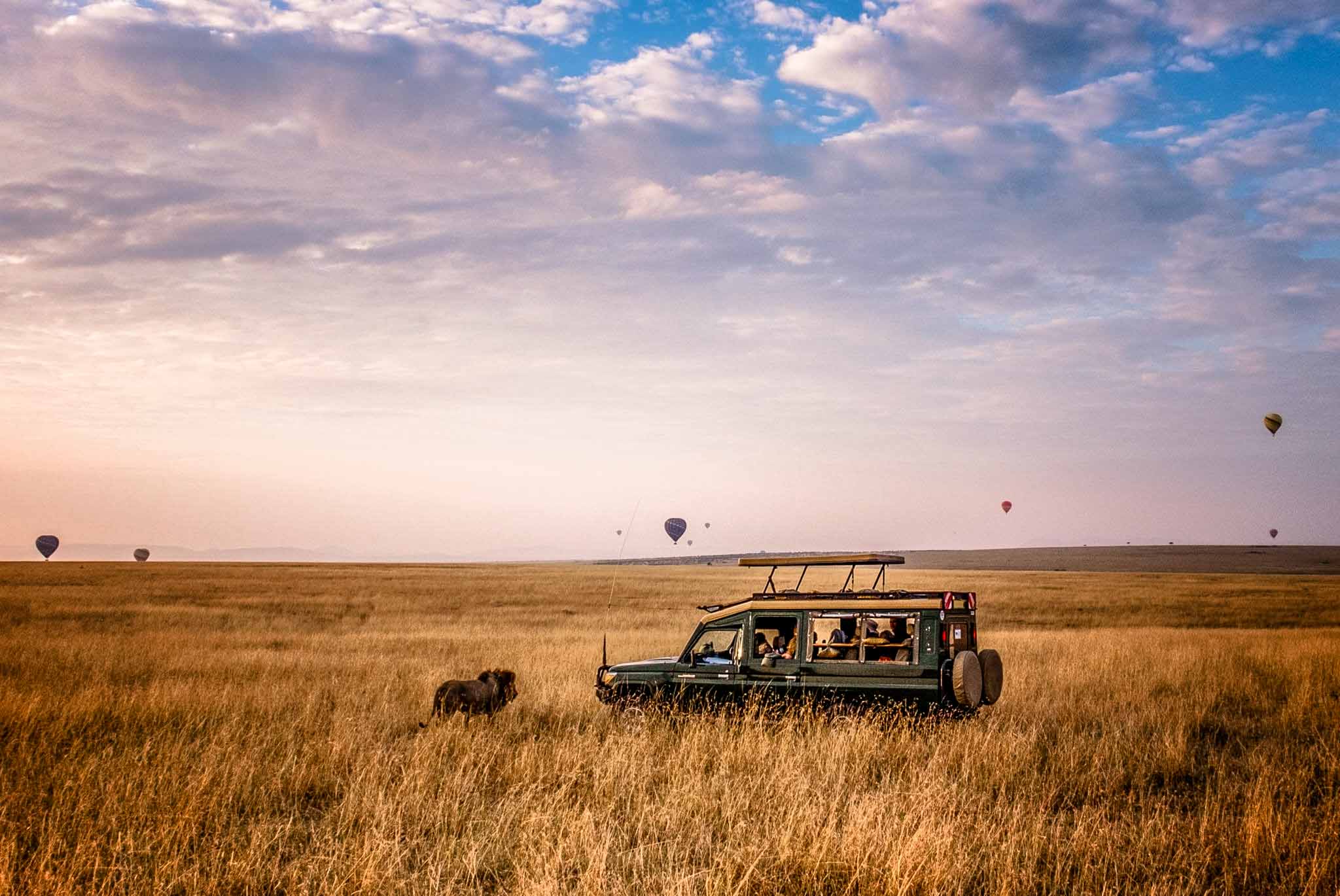
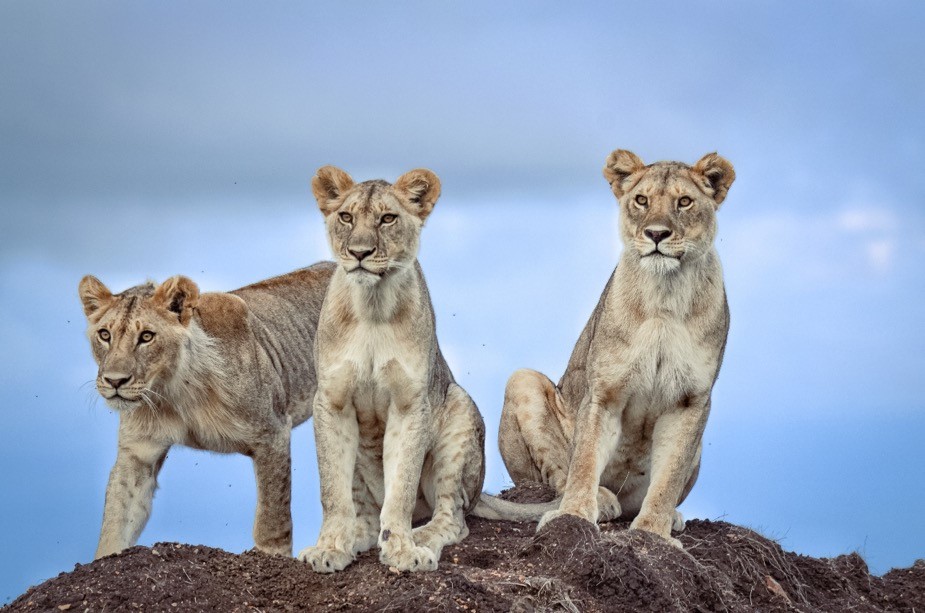
The mainland safari introduces travelers to Africa’s remarkable wildlife. In Serengeti National Park, visitors can search for lions, cheetahs, leopards, elephants and large herds of wildebeest. Ngorongoro Crater offers an extraordinary landscape where wildlife can be observed within a dramatic volcanic caldera. Tarangire National Park is known for its elephants, ancient baobab trees and seasonal concentrations of wildlife.
After several days of exciting game drives, Zanzibar offers a relaxing change of pace. Travelers can explore historic streets, learn about Swahili culture, visit spice farms, swim in the ocean where conditions permit, enjoy boat excursions and relax on sandy beaches.
The combination also offers an excellent balance of adventure and comfort. Travelers can choose luxury lodges, mid range safari camps, private guiding, mountain trekking and beachfront accommodation according to their interests and budget.
Tanzania Safari Holidays: Explore the Country’s Most Famous National Parks
Serengeti National Park: The Heart of African Wildlife Safaris
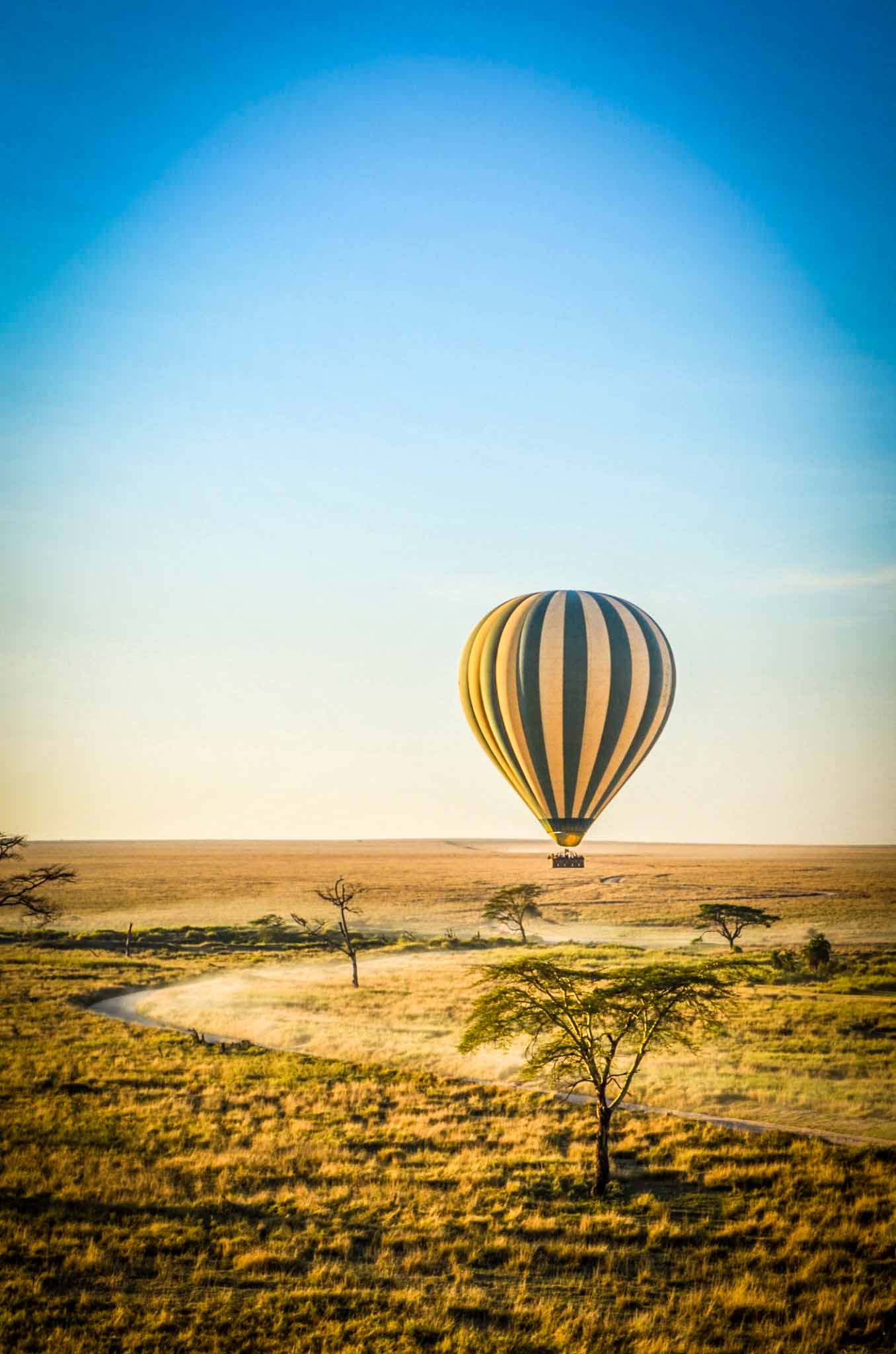
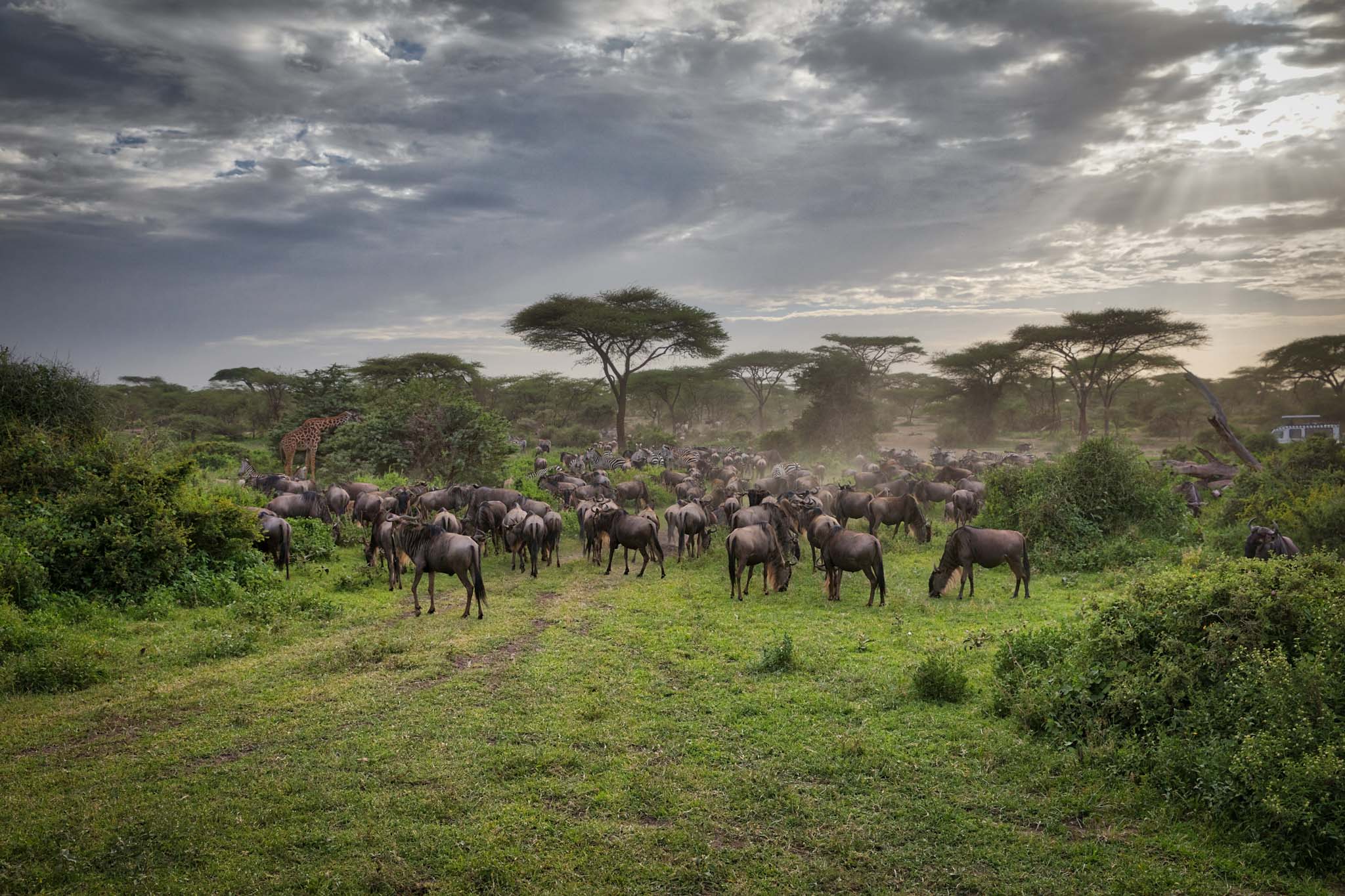
Serengeti National Park is one of the most celebrated wildlife destinations in the world. Its vast grasslands, open plains, river systems and woodland habitats support remarkable populations of wildlife, making it a major highlight of Tanzania safari holidays.
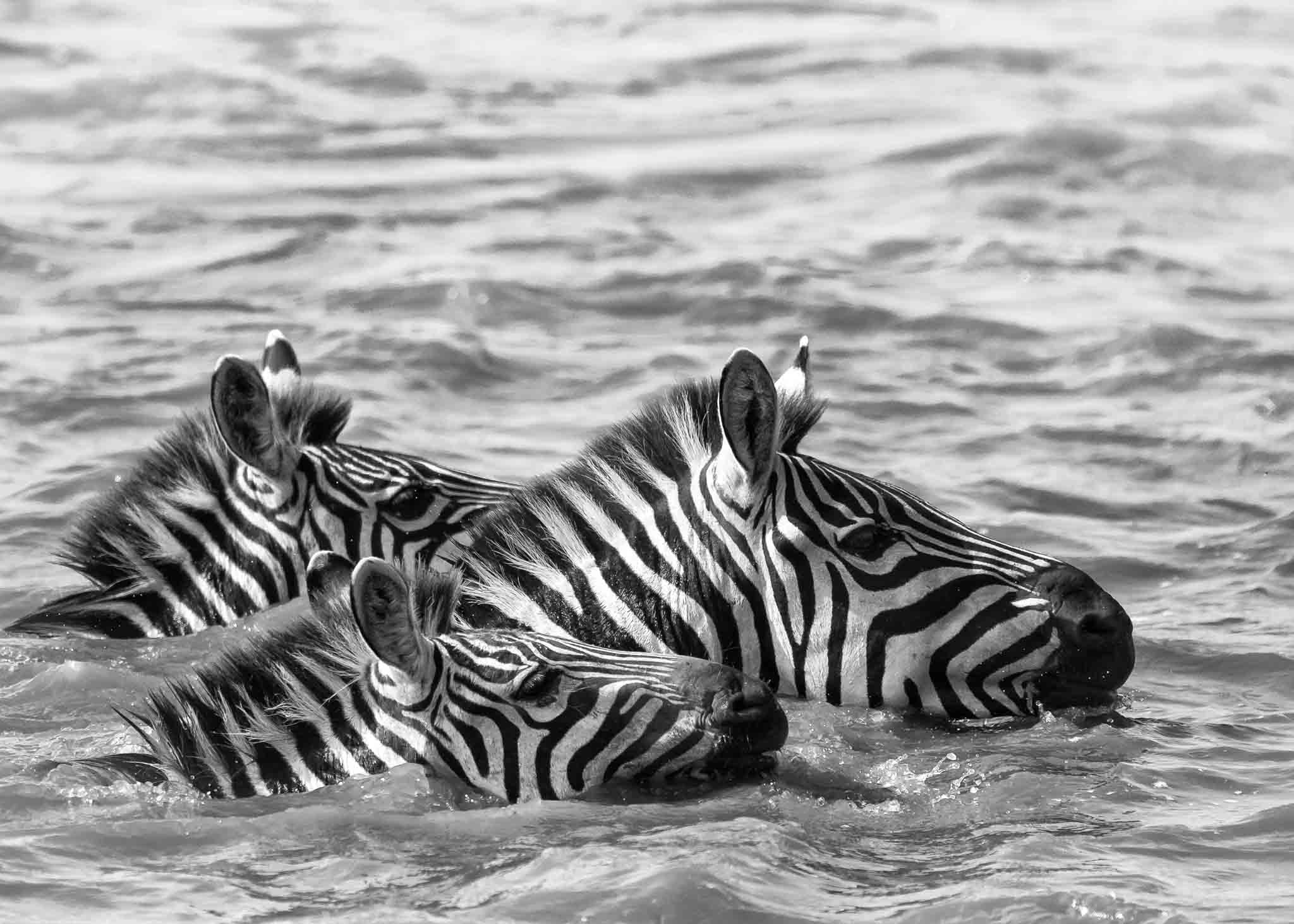
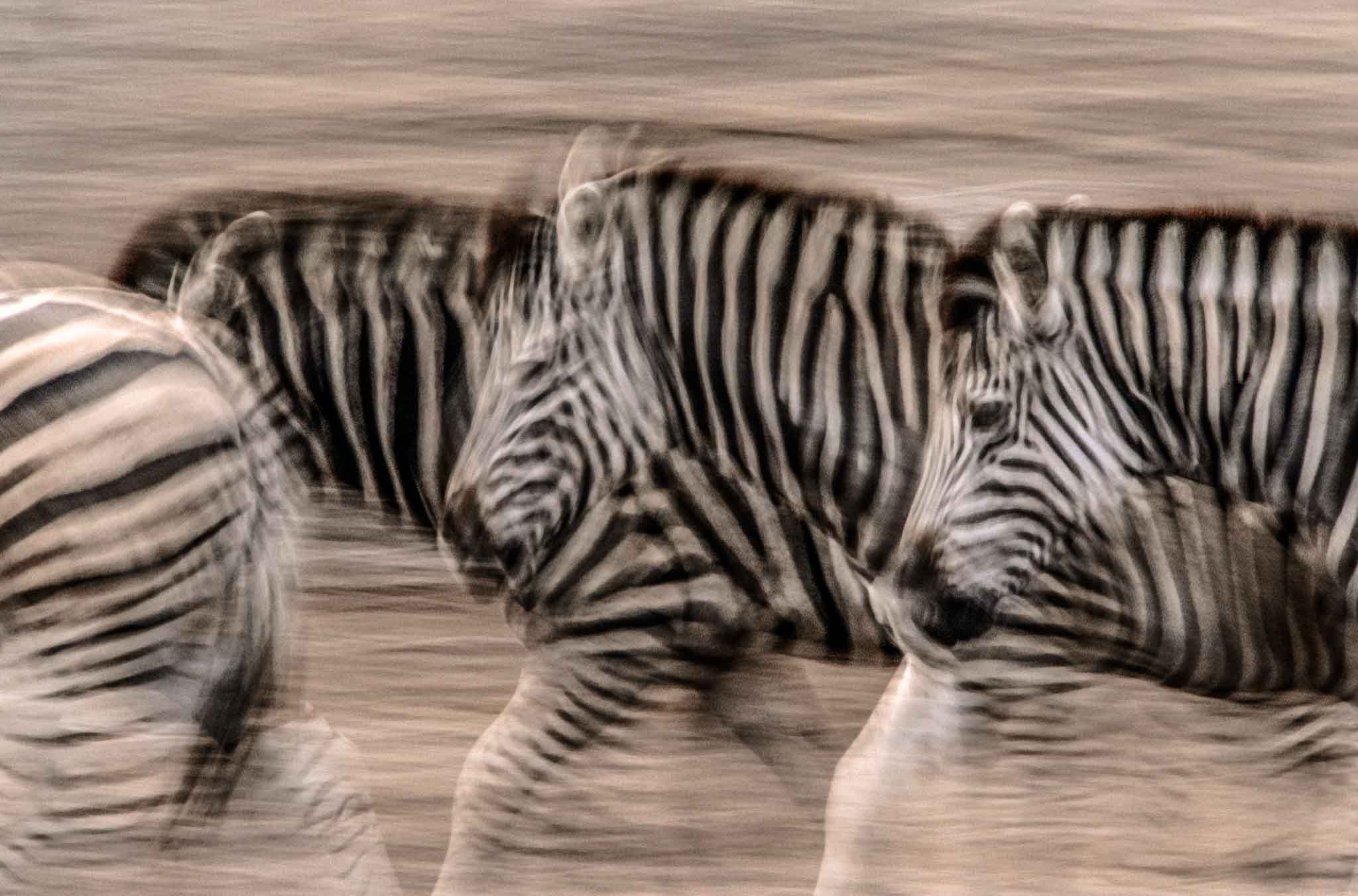
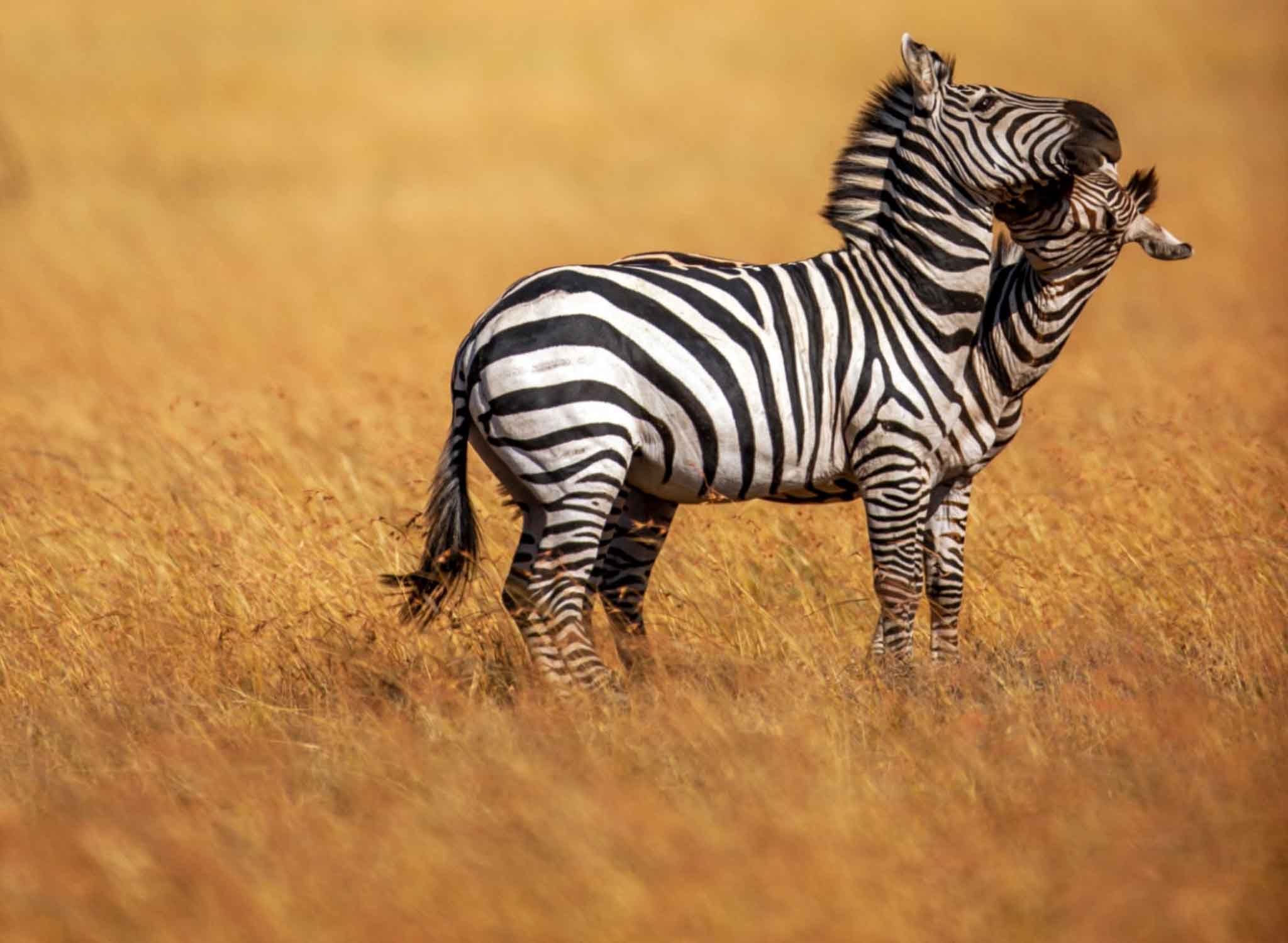
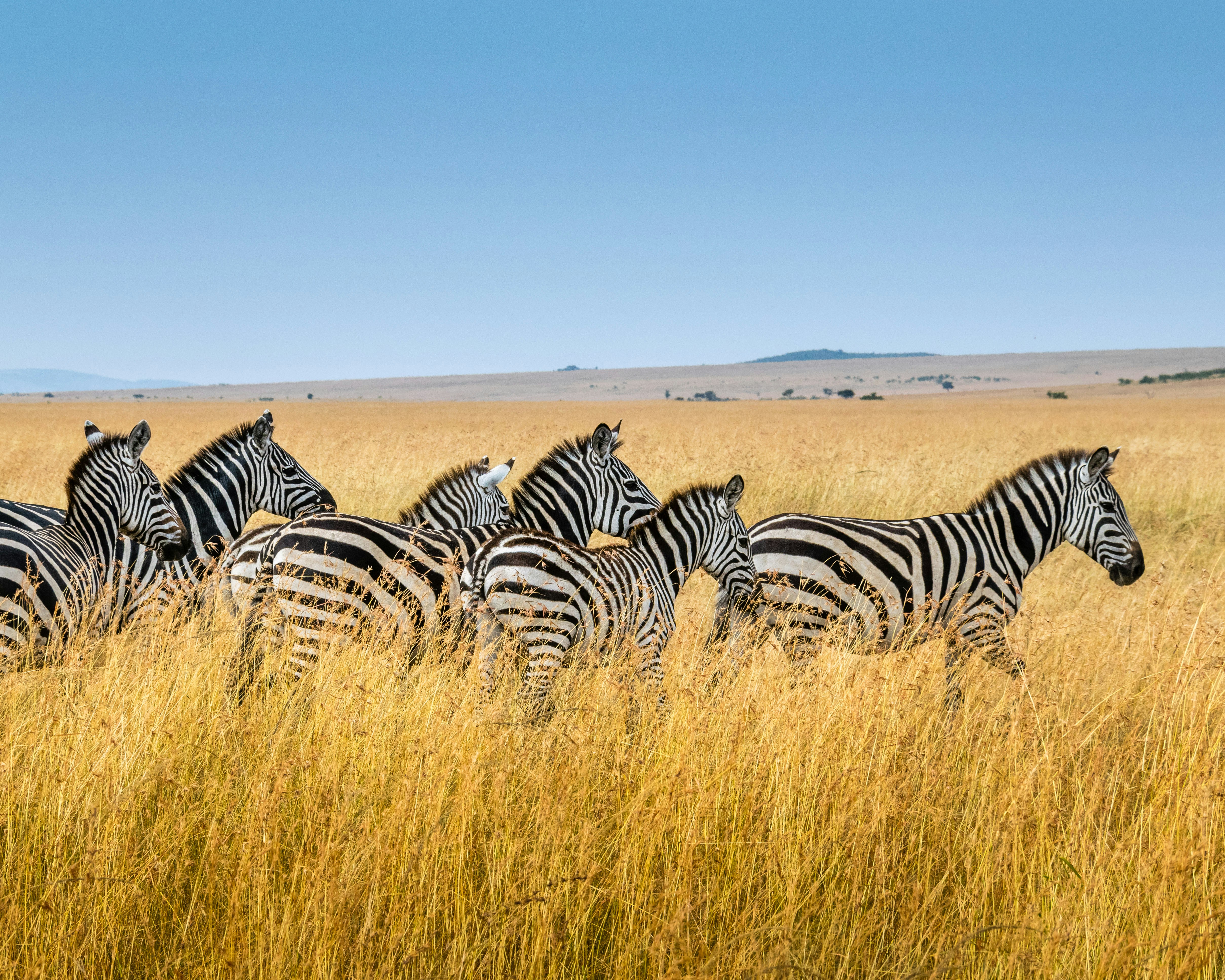
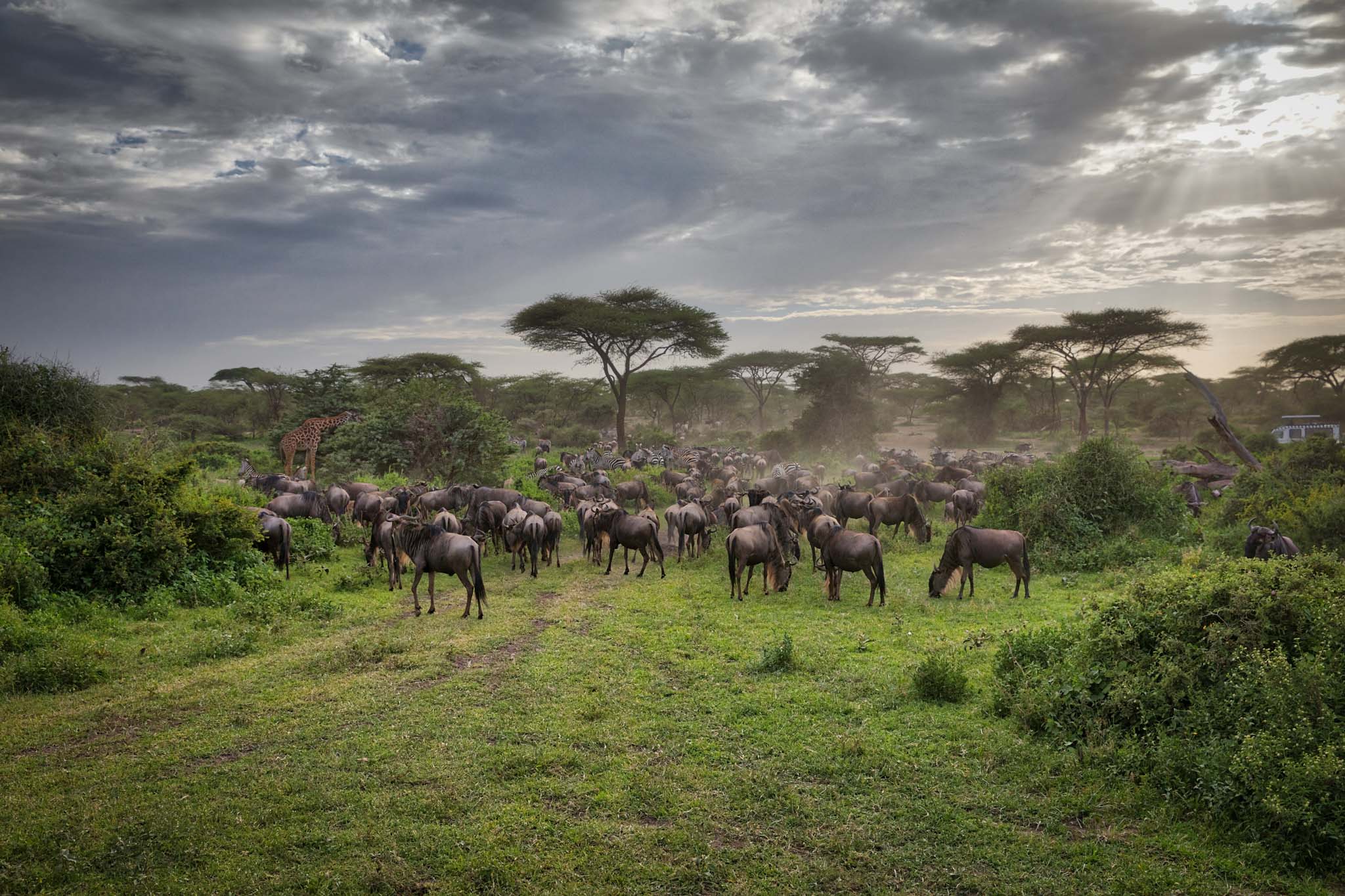
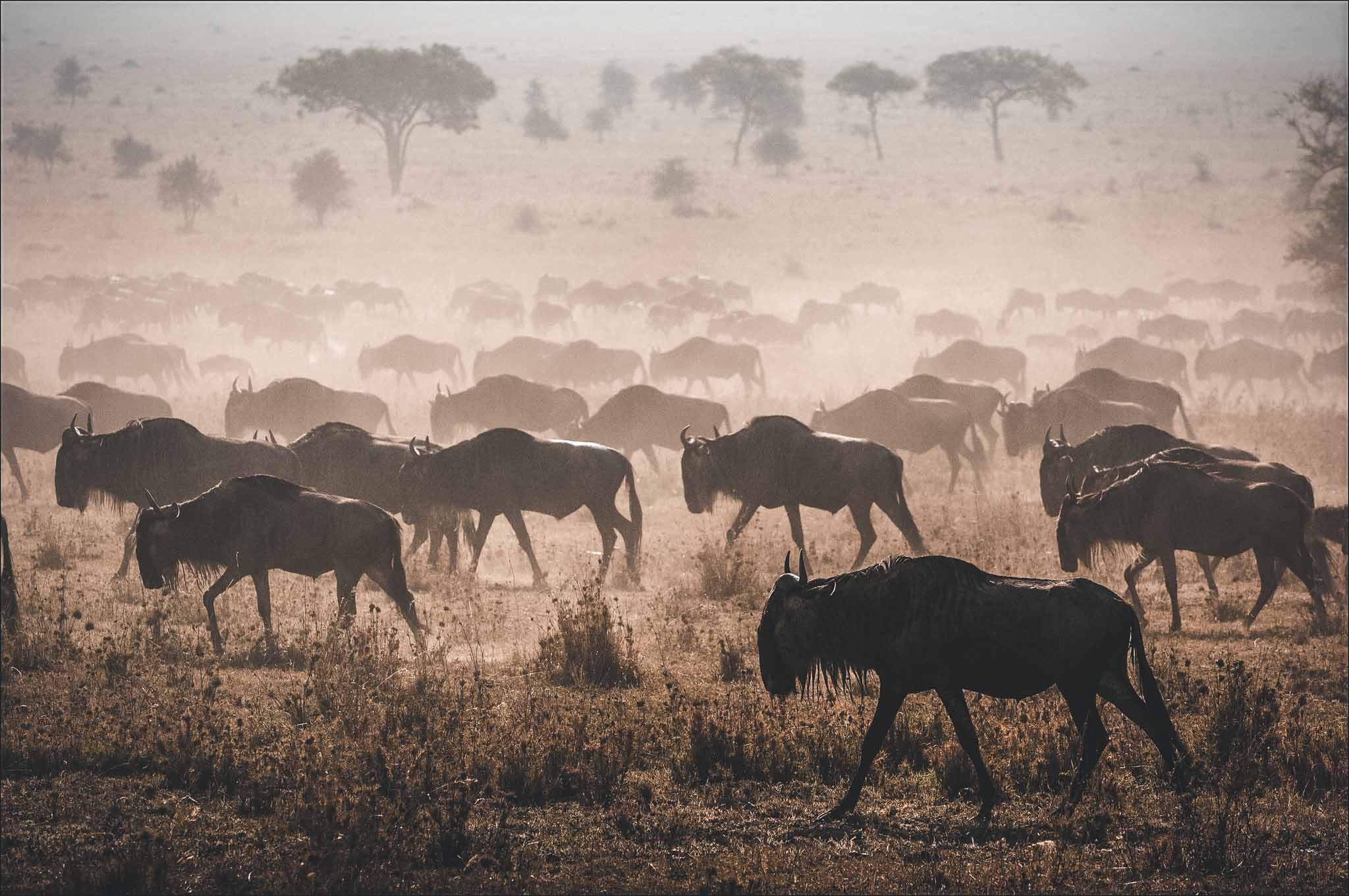
The park is particularly famous for the Great Wildebeest Migration, an annual movement involving wildebeest, zebras and other grazing animals across the Serengeti ecosystem and into Kenya’s Maasai Mara. The timing and location of the herds vary according to rainfall, grazing conditions and seasonal movements.
Visitors may witness calving season in the southern plains, large migrating herds in different parts of the ecosystem, or dramatic river crossings when conditions are suitable. River crossings are unpredictable, so no responsible safari operator can guarantee that travelers will see one.
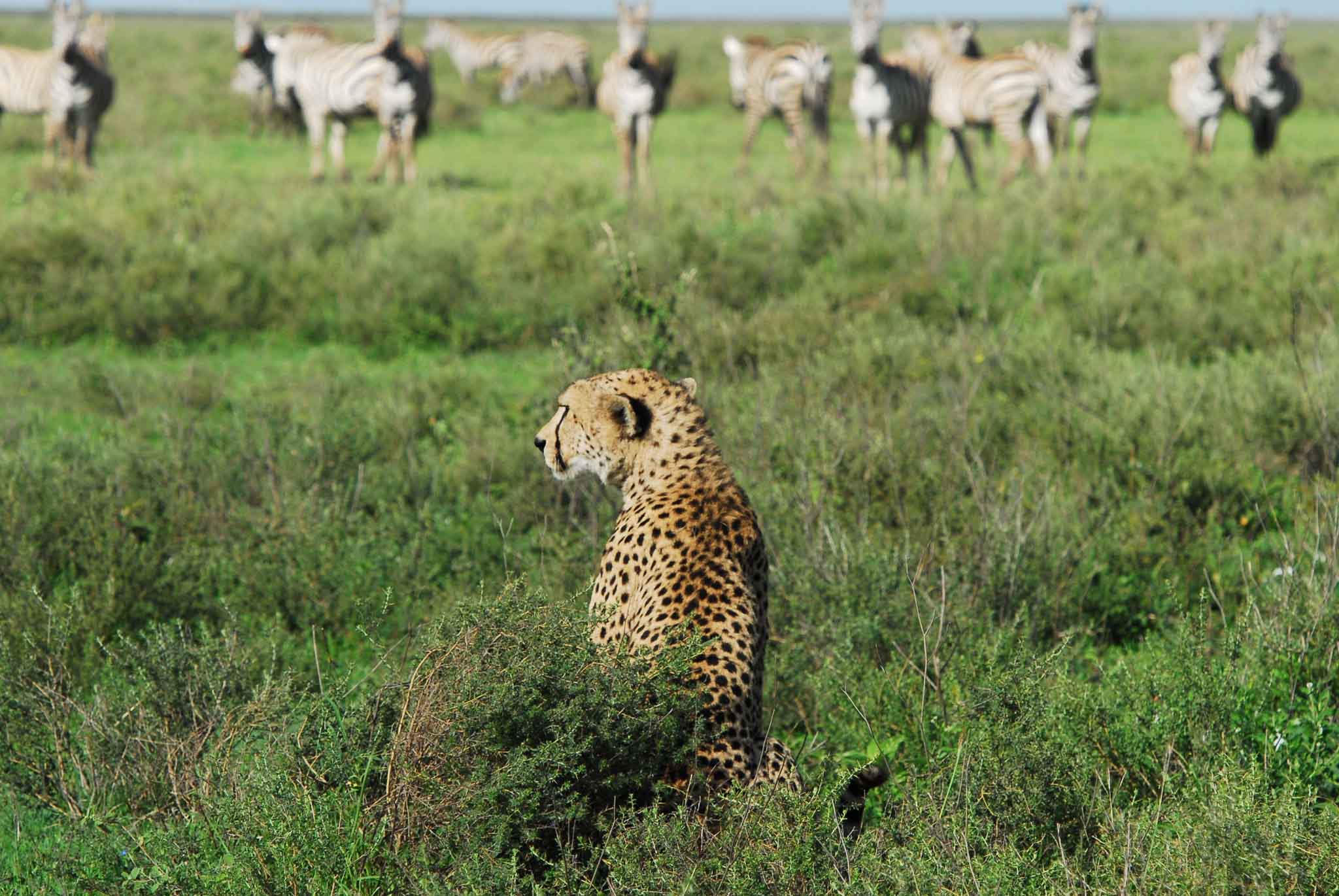
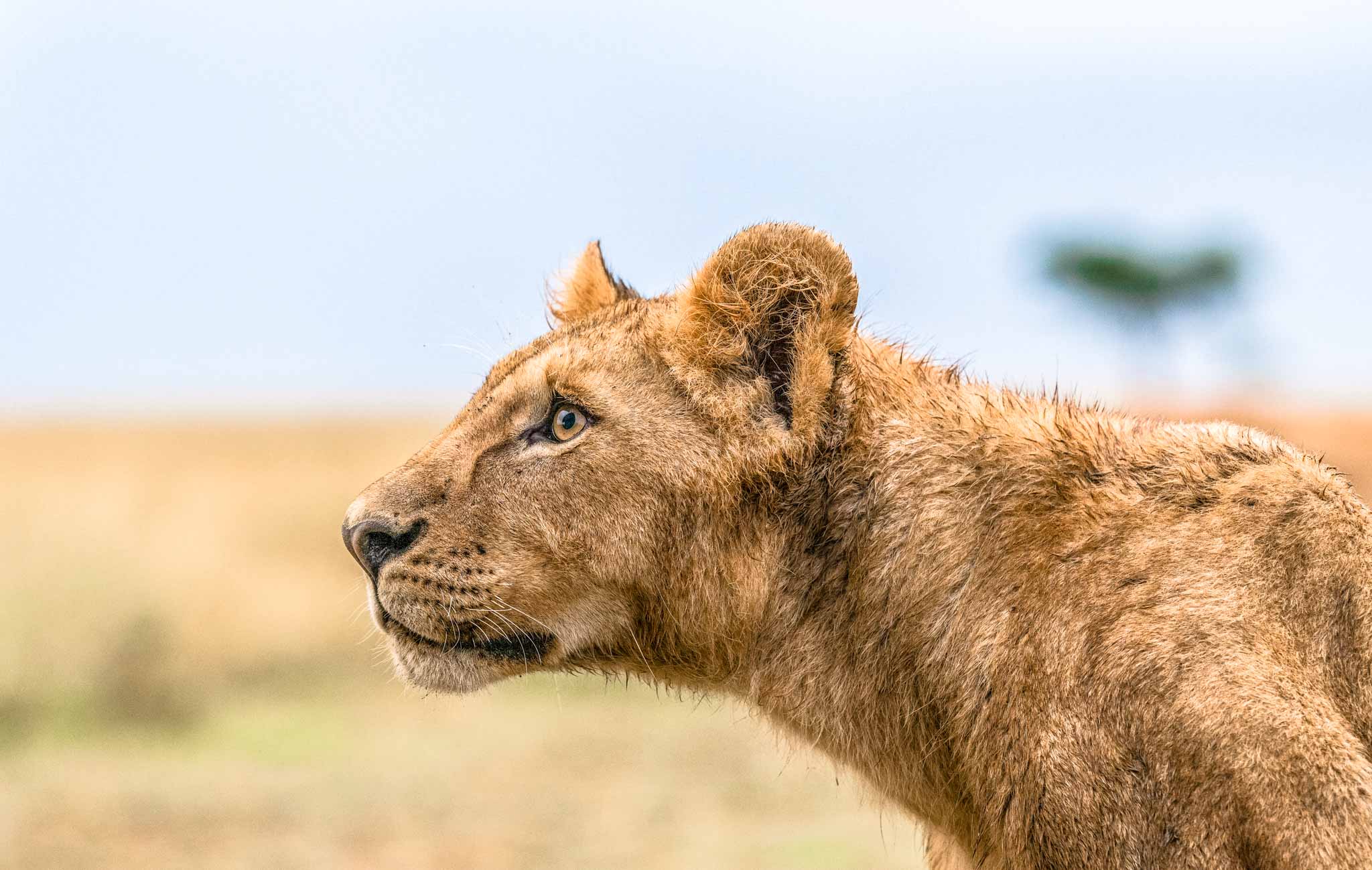
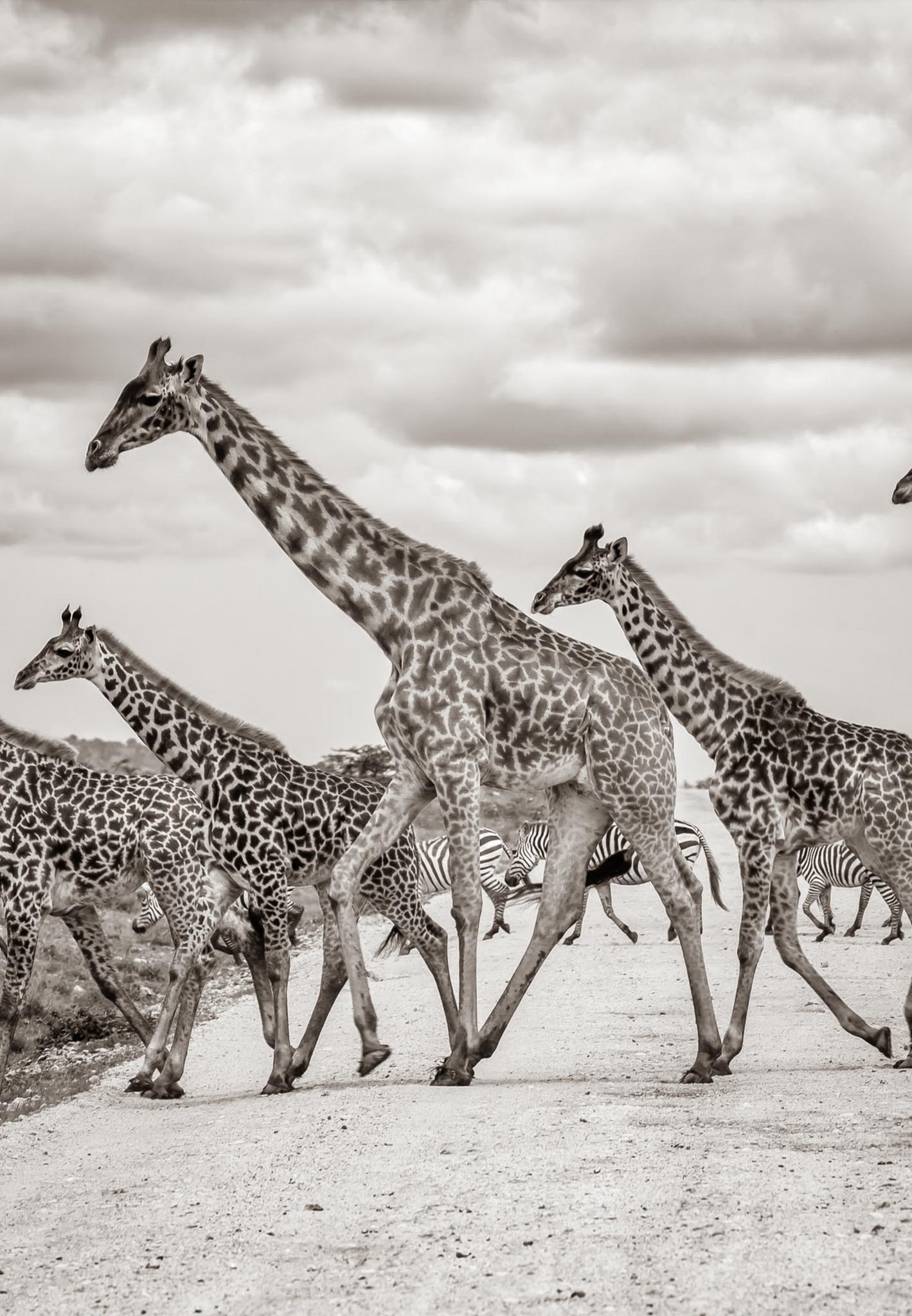
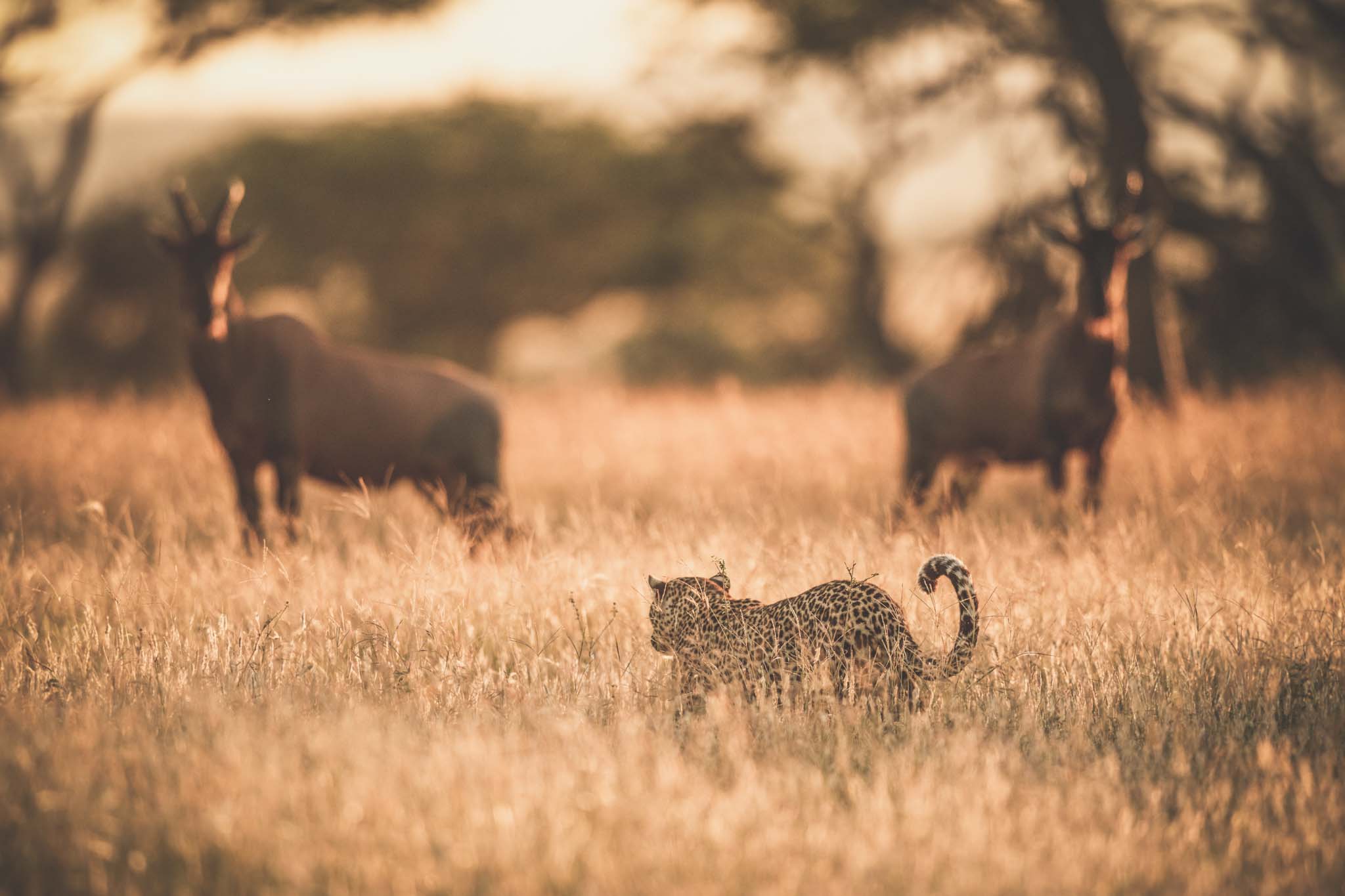
Serengeti also offers excellent opportunities to search for the Big Five: lions, leopards, elephants, buffaloes and rhinoceroses. Sightings vary by location and season, but the park’s diverse habitats provide opportunities for memorable game drives and wildlife photography.
For travelers combining Tanzania safari and Zanzibar, Serengeti is an excellent choice for a wildlife focused itinerary before flying to the island for a beach holiday.
Ngorongoro Crater: A Remarkable Wildlife and Geological Destination
The Ngorongoro Conservation Area is one of Tanzania’s most distinctive destinations. Its centerpiece, Ngorongoro Crater, is a vast volcanic caldera containing grasslands, wetlands, woodland and a seasonal lake.
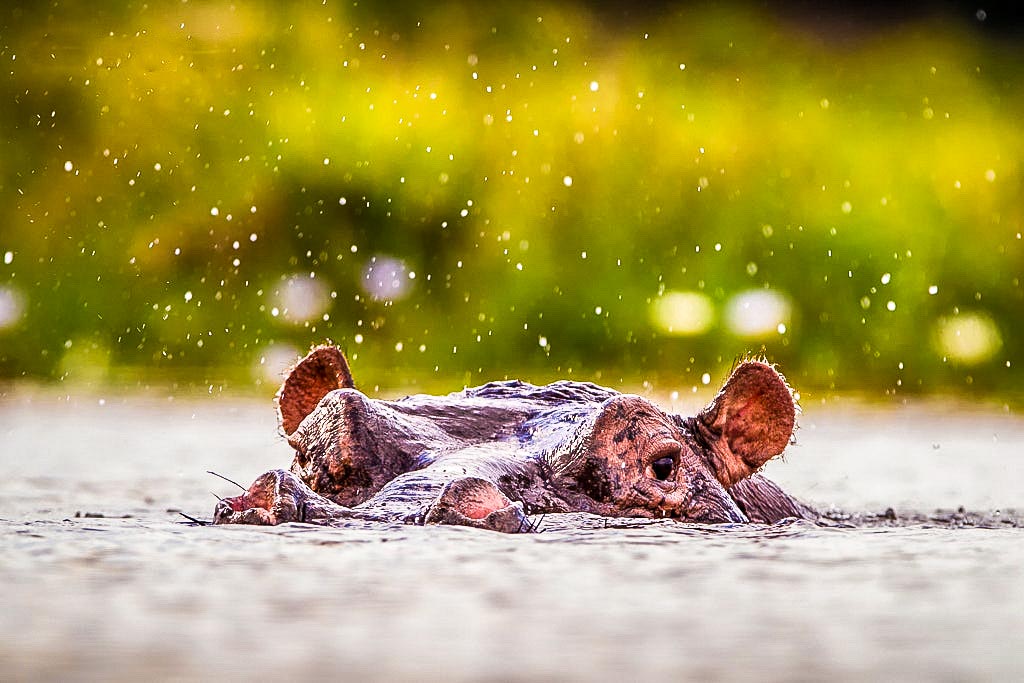
The crater supports a high concentration of wildlife within a relatively compact area. Visitors may encounter lions, elephants, buffaloes, zebras, wildebeest, hippos and numerous bird species during a game drive. It is also an important location for observing endangered black rhinoceroses, although sightings are never guaranteed.
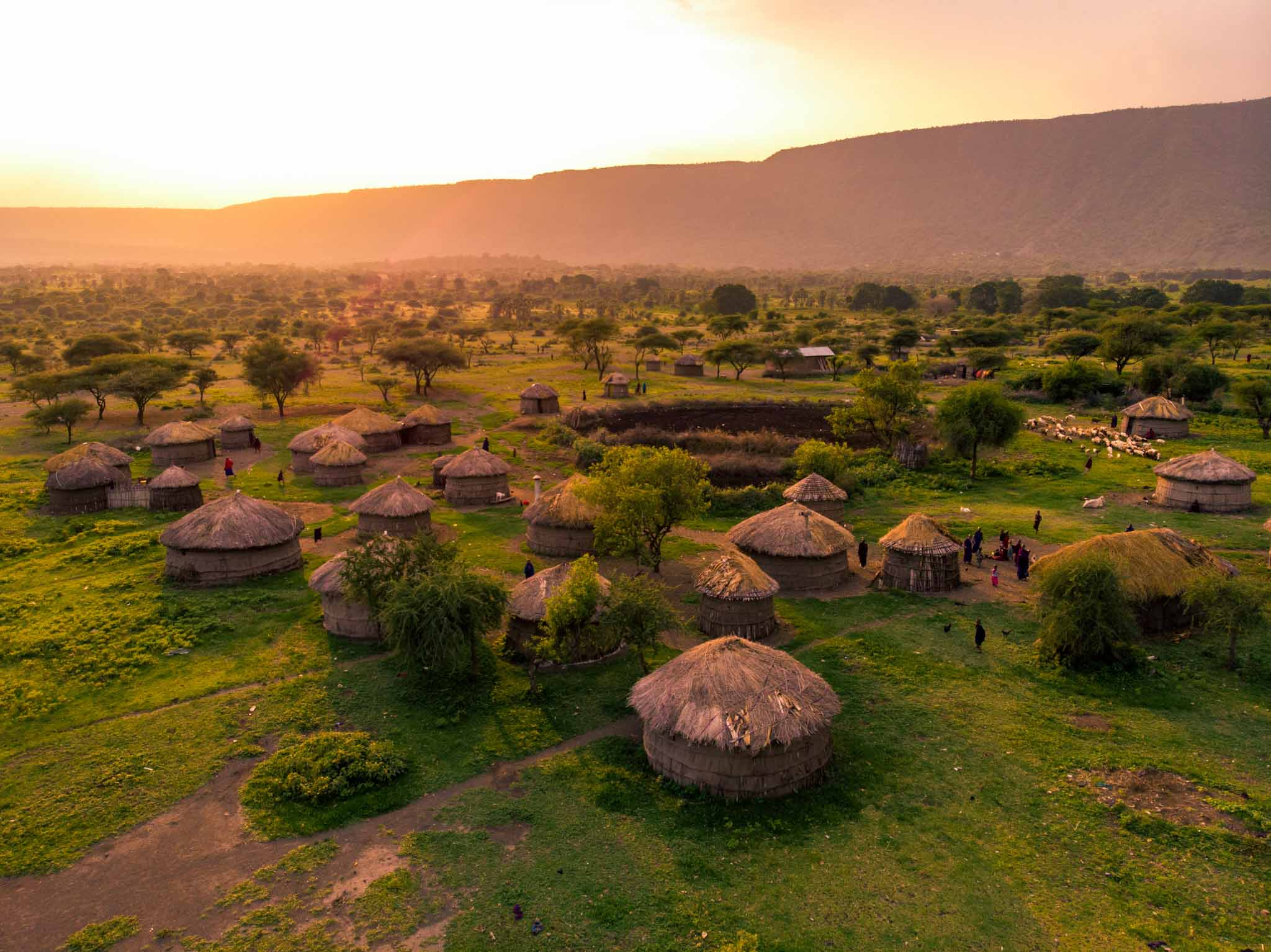
Beyond wildlife, the wider conservation area contains important archaeological and cultural landscapes. It is part of the homeland of Maasai communities whose pastoral traditions remain an important element of the region.
A visit to Ngorongoro is particularly suitable for travelers who want to understand the relationship between wildlife conservation, geology, tourism and human communities.
Tarangire National Park: Elephants, Baobab Trees and Seasonal Wildlife
Tarangire National Park is an excellent addition to a northern Tanzania safari. Its scenery features ancient baobab trees, open savannah, riverine vegetation and the Tarangire River, which attracts wildlife during drier periods.
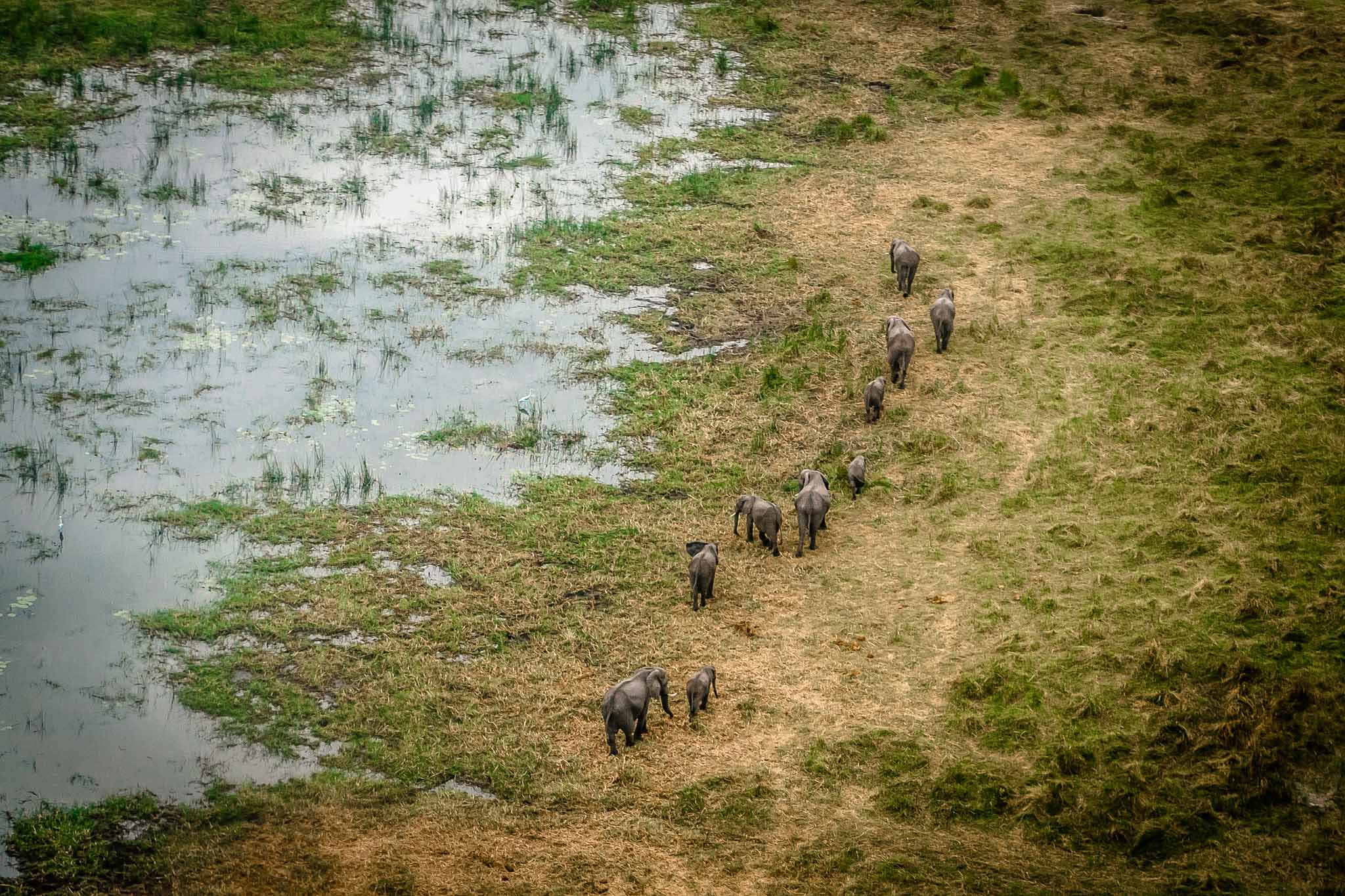
The park is particularly known for its elephants, as well as giraffes, zebras, wildebeest, buffaloes and numerous antelope species. Lions and leopards may also be seen, depending on location and conditions.
Birdwatching is another attraction, with a wide variety of resident and seasonal bird species. Photographers appreciate Tarangire for its distinctive landscapes and opportunities to observe wildlife against the backdrop of enormous baobab trees.
Tarangire combines well with Lake Manyara, Ngorongoro Crater and Serengeti National Park to create a rewarding northern Tanzania safari circuit.
Lake Manyara National Park: Forests, Flamingos and Diverse Birdlife
Lake Manyara National Park offers a different landscape from the open plains of Serengeti. Its habitats include groundwater forests, woodland, open grassland and lakeshore environments beneath the Great Rift Valley escarpment.
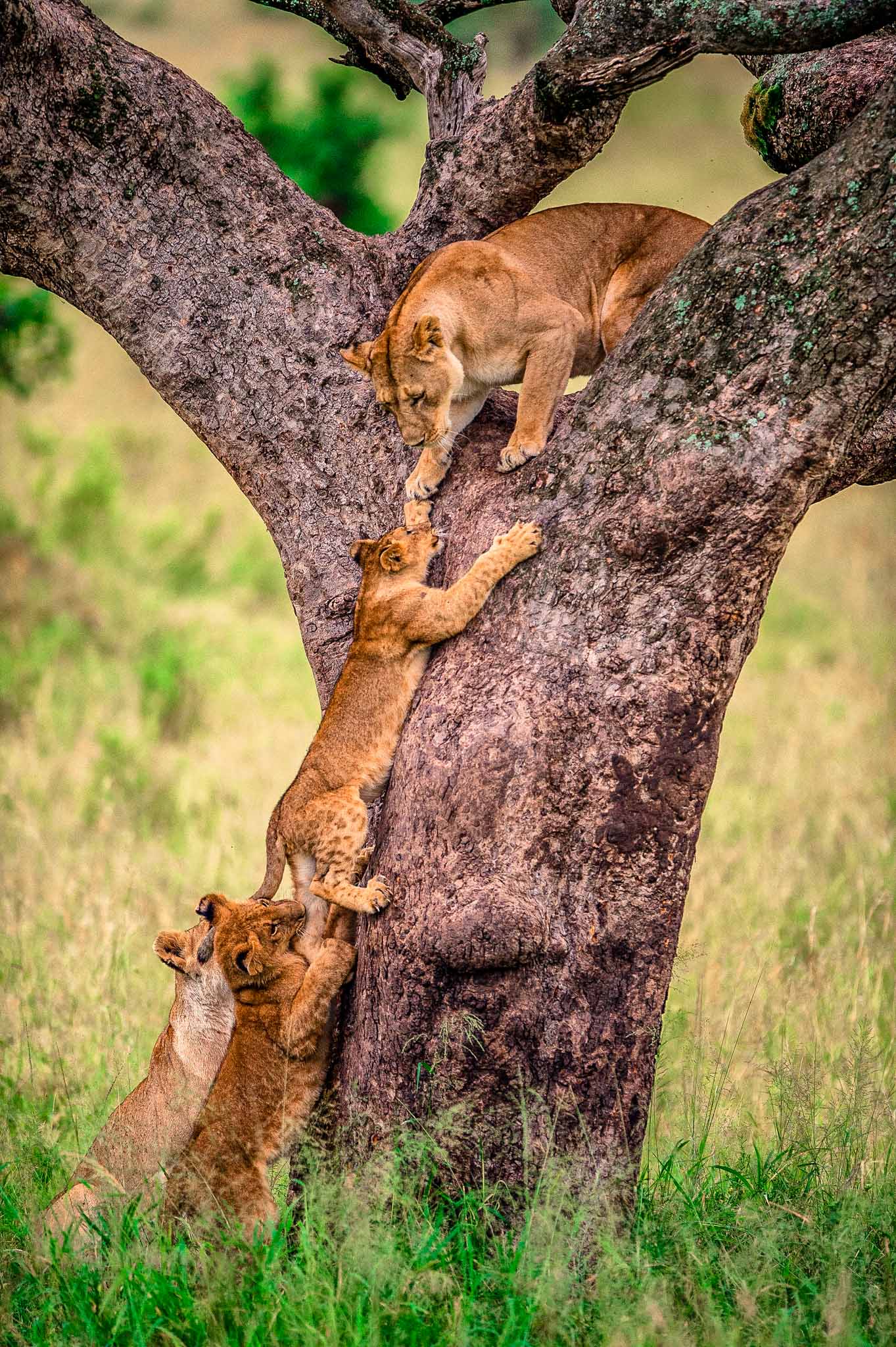
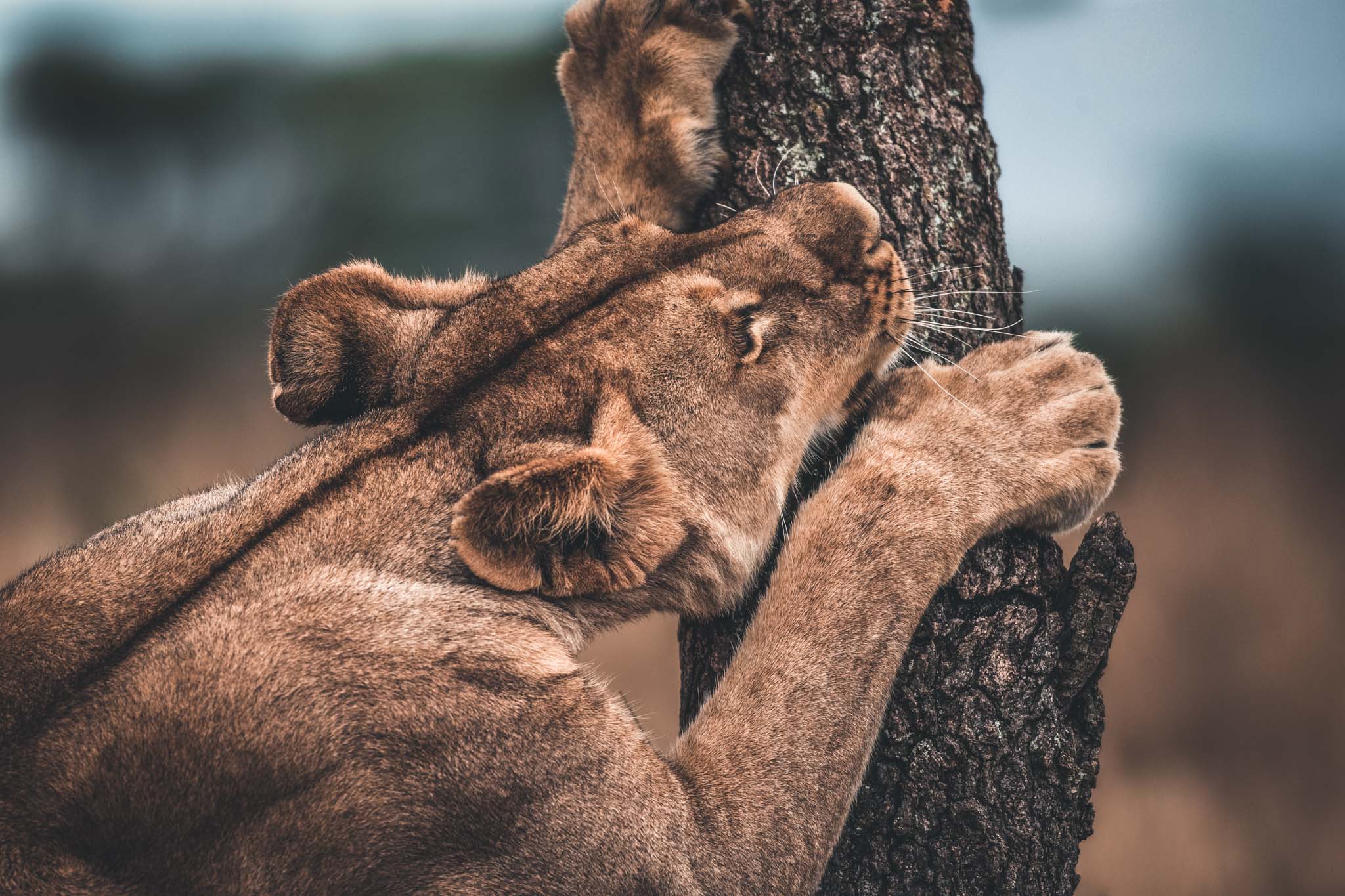
The park is known for diverse birdlife and its reputation for tree climbing lions. Visitors may also encounter elephants, giraffes, baboons, hippos and other wildlife.
Birdwatchers can enjoy searching for waterbirds and other species around the lake, although the number and types of birds present vary with seasonal conditions.
Lake Manyara is an attractive destination for travelers seeking a shorter wildlife experience or a varied itinerary combining several national parks.
Other Tanzania Safari Destinations Worth Exploring
Travelers with more time can consider additional destinations according to their interests.
Ruaha National Park offers remote wilderness landscapes and rewarding wildlife viewing in southern Tanzania. Nyerere National Park is known for its expansive wilderness, river environments and opportunities for guided boat safaris in designated areas. Mahale Mountains National Park, beside Lake Tanganyika, is particularly famous for chimpanzee trekking in a forested mountain setting.
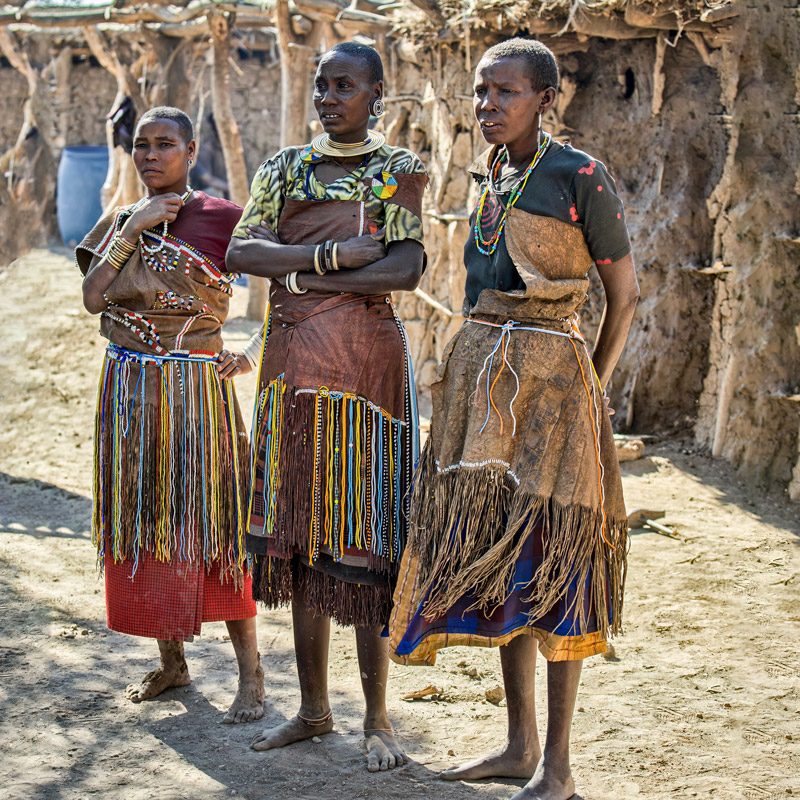
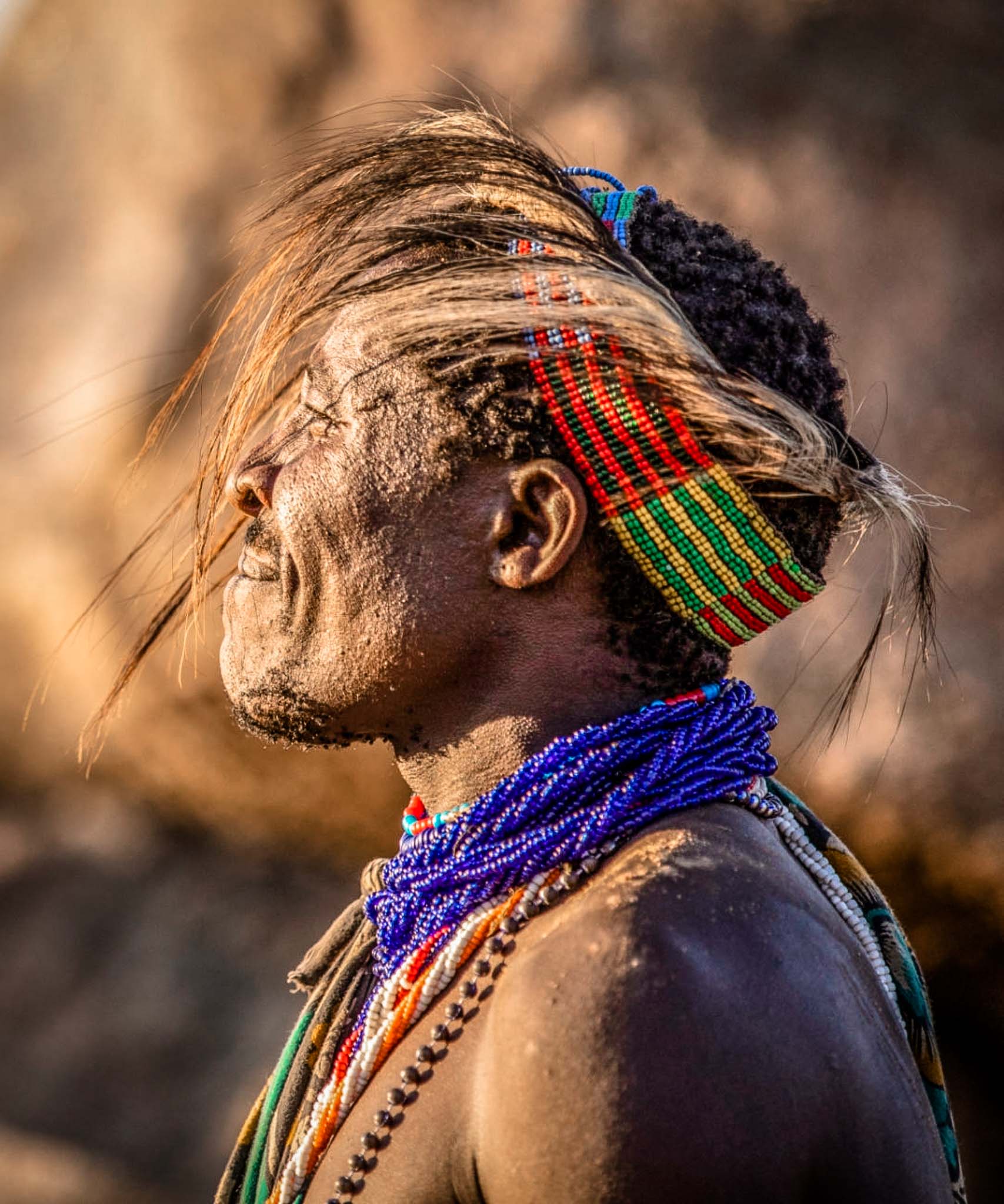
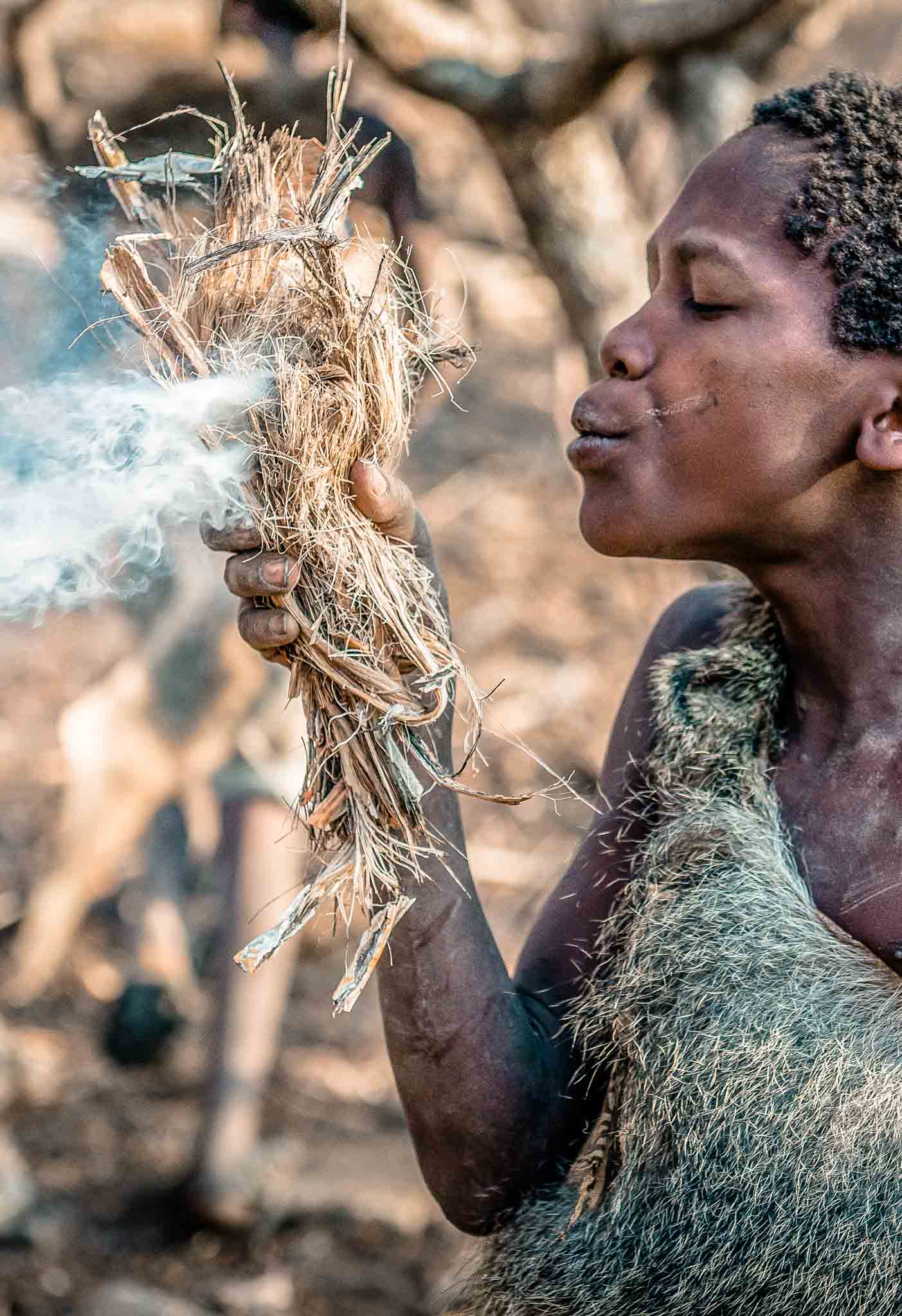
Lake Eyasi provides opportunities to learn about Hadzabe and Datoga cultural traditions through appropriately arranged community visits. Lake Natron offers striking volcanic scenery, birdlife and opportunities to learn about the region’s ecological and cultural importance.
Hadzabe Safari Adventure Ltd can help travelers select destinations according to the time available, preferred accommodation, wildlife interests and travel budget.
Mount Kilimanjaro Climbing: Reach the Roof of Africa
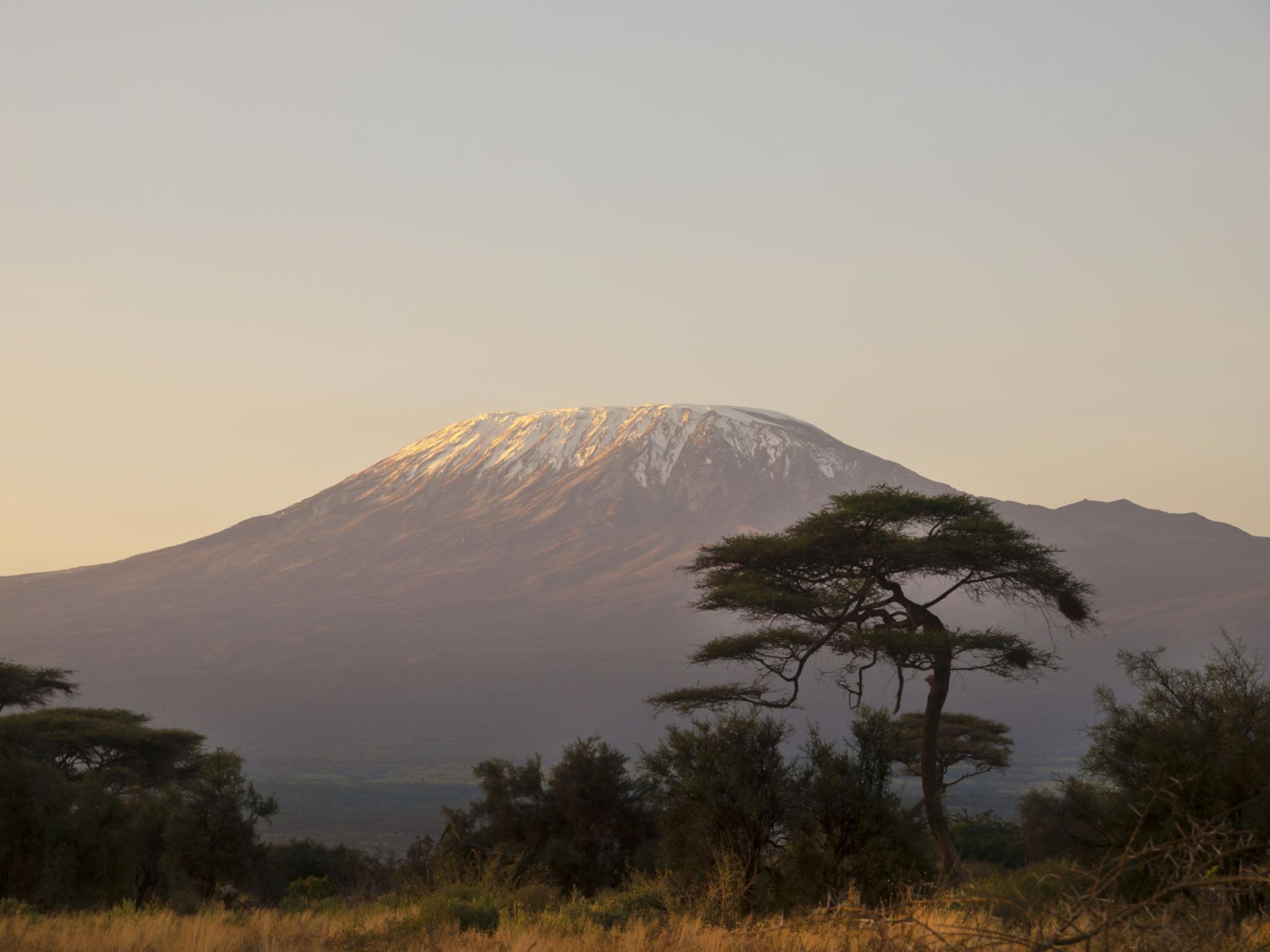
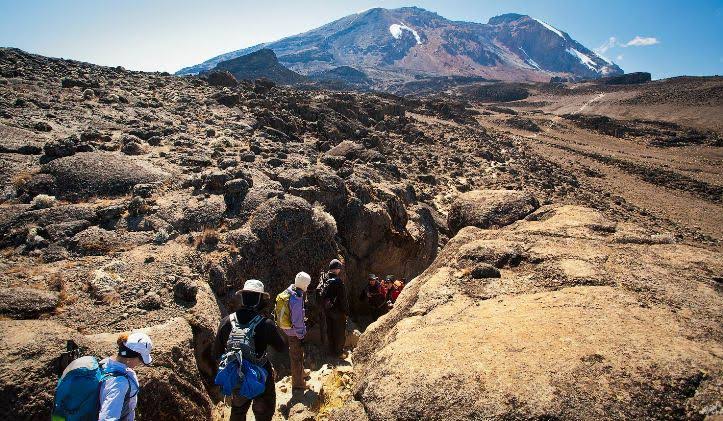
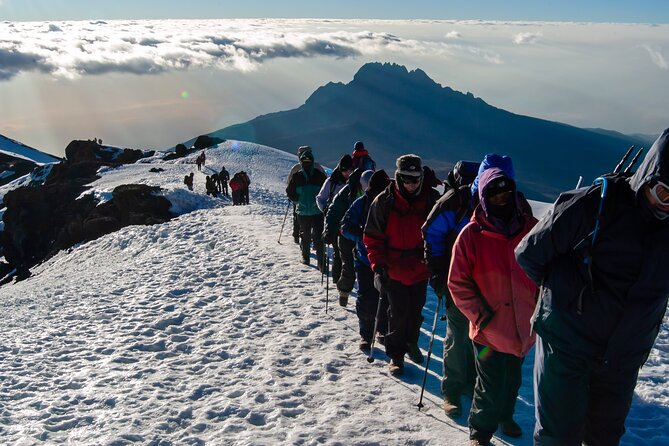
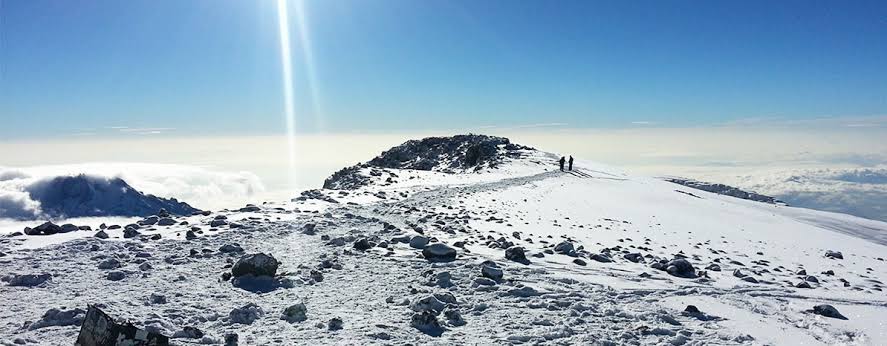
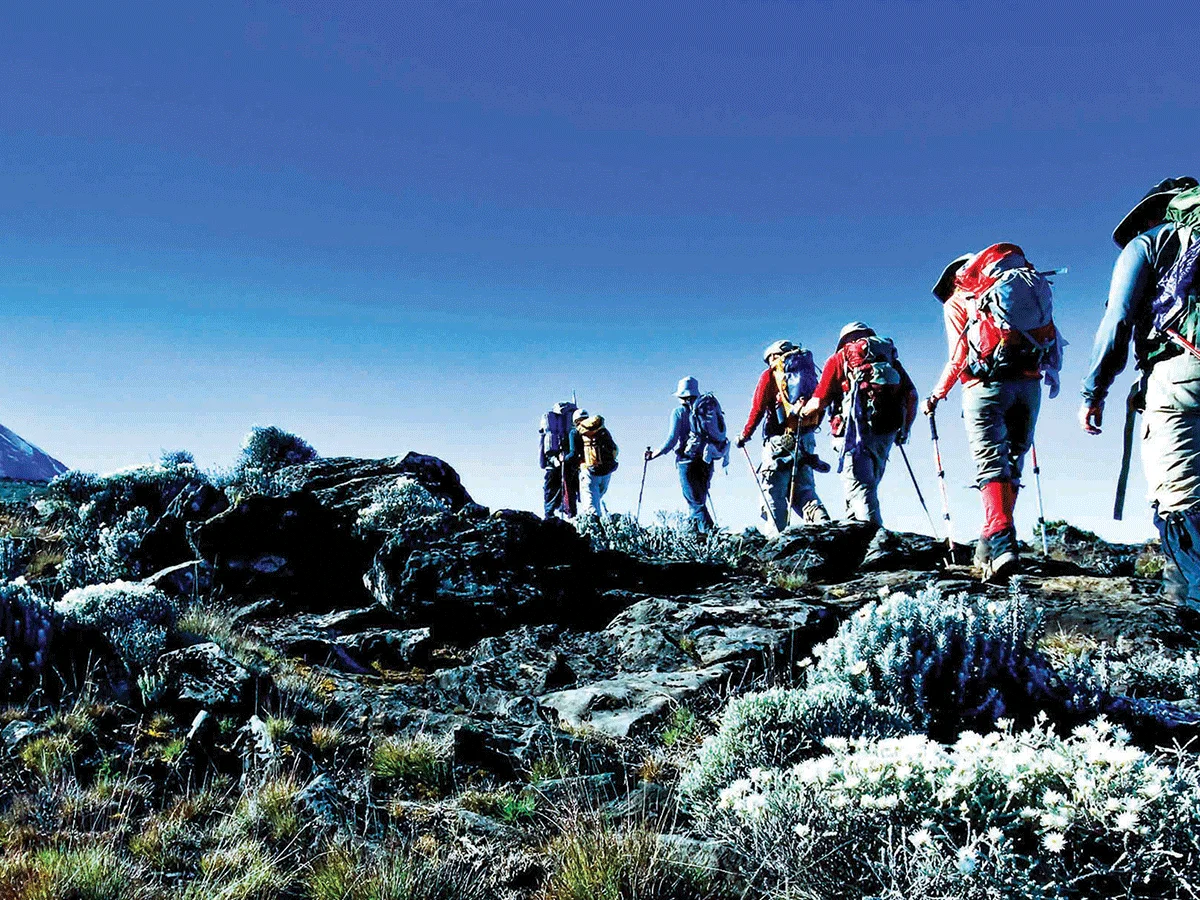
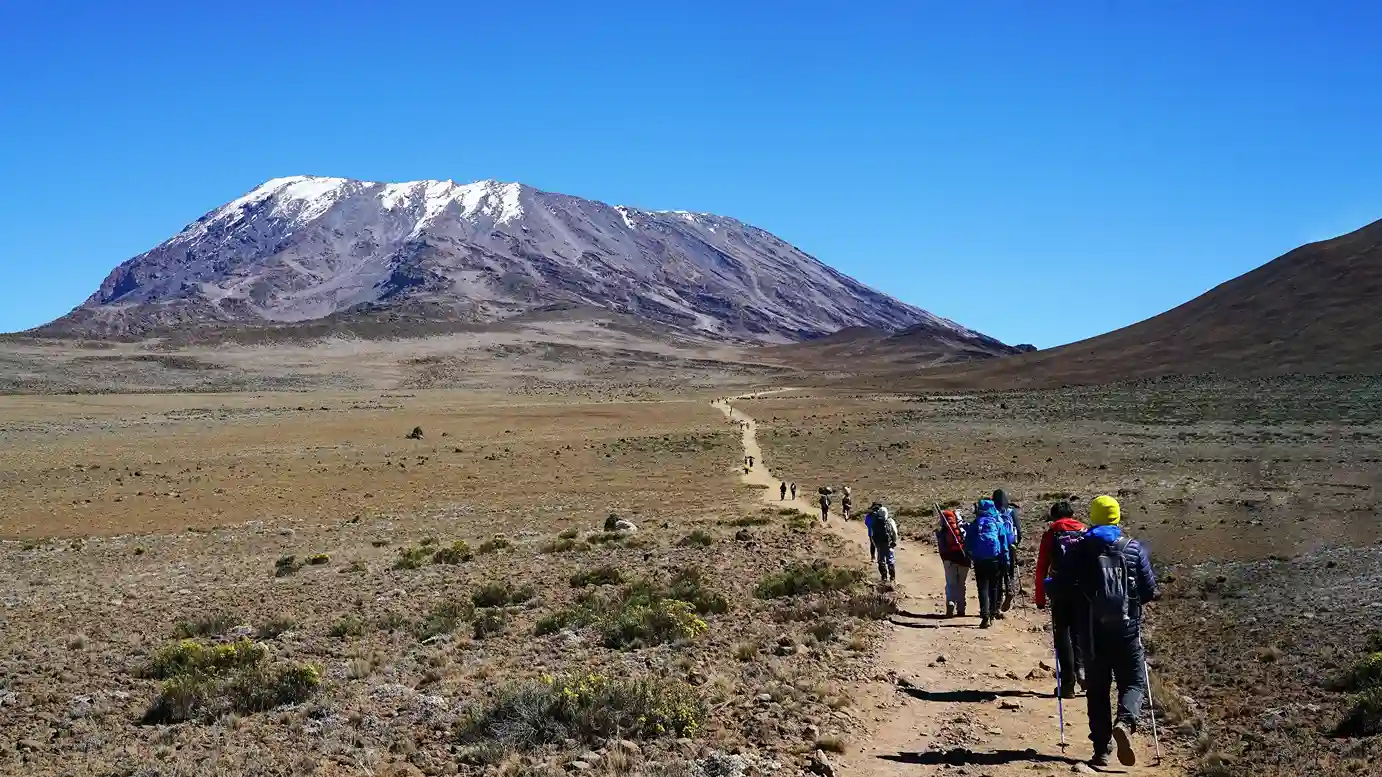
Mount Kilimanjaro is one of Tanzania’s most iconic natural landmarks. Rising to 5,895 metres above sea level, it is Africa’s highest mountain and the world’s highest free standing mountain. <strong>Climbing Mount Kilimanjaro</strong> is a challenging and rewarding adventure that attracts trekkers from around the world.
Unlike technical mountaineering expeditions requiring ropes for routine summit trekking, Kilimanjaro is generally climbed by trekking established routes with professional guides and support teams. However, its high altitude presents serious risks, and good physical preparation alone does not eliminate the possibility of altitude sickness.
Choosing the Best Kilimanjaro Climbing Route
Machame Route
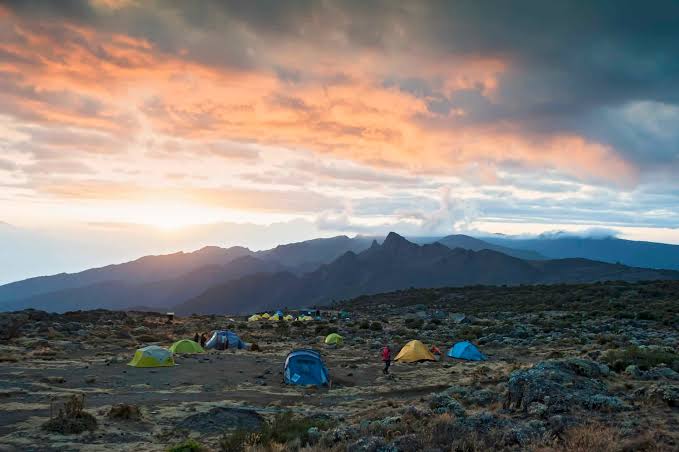
The Machame Route is popular with trekkers who appreciate scenic landscapes, camping and opportunities for gradual acclimatization when the itinerary is appropriately designed. It usually takes six or seven days on the mountain, with additional time recommended for arrival and recovery.
Marangu Route
The Marangu Route is known for its hut accommodation and established trekking infrastructure. It is often offered over five or six days, although a longer itinerary is preferable for many climbers because it allows more time for acclimatization.
Lemosho Route
The Lemosho Route offers a scenic approach through the western side of the mountain and is commonly planned over seven or eight days. Its longer itineraries can provide valuable acclimatization opportunities and are attractive to trekkers seeking a more gradual ascent.
Rongai Route
The Rongai Route approaches Kilimanjaro from the northern side near the Kenyan border. It offers different scenery from the southern approaches and is often planned over six or seven days.
The best route depends on fitness, available time, budget, experience and acclimatization needs. In general, allowing more time on the mountain improves the opportunity to adjust to altitude, although success is never guaranteed.
How to Combine Kilimanjaro Climbing with a Tanzania Safari and Zanzibar
For most travelers, the most practical sequence is to climb Mount Kilimanjaro first, rest in the Moshi or Arusha area, enjoy a mainland wildlife safari and then fly to Zanzibar.
A summit attempt can be physically demanding, so the itinerary should include adequate recovery time before intensive game drives. A safari before climbing can also work, particularly if travelers prefer to begin with wildlife viewing, but the order should account for fitness, arrival schedules and available time.
After the mountain and safari, Zanzibar offers a relaxing environment for swimming where conditions permit, sightseeing, dining and beach relaxation.
A combined itinerary of approximately 12 to 16 days can accommodate a seven or eight day Kilimanjaro climb, a three or four day safari and several nights in Zanzibar. Travelers who have more time can choose a longer safari or additional days on the island.
Zanzibar Beach Holidays: Discover Tanzania’s Tropical Paradise
Zanzibar is a tropical archipelago in the Indian Ocean, forming part of the United Republic of Tanzania. Its main tourist island, Unguja, is commonly referred to as Zanzibar Island. The archipelago combines white sandy beaches, coral reef environments, historic architecture, spice growing traditions and distinctive Swahili culture.
The Zanzibar Commission for Tourism highlights the islands’ beaches, marine diversity, nature and cultural experiences as major attractions. <strong>Zanzibar beach holidays</strong> are particularly popular among honeymooners, couples, families and travelers seeking relaxation after a mainland safari or mountain climb.
Stone Town: History, Architecture and Swahili Culture
Stone Town is Zanzibar’s historic urban centre and a UNESCO World Heritage Site. Its narrow streets, carved wooden doors, historic buildings and bustling markets reflect centuries of interaction between African, Arab, Indian and European cultures. <strong>Stone Town</strong> is a valuable destination for learning about the history of Swahili coastal trading towns.
Visitors can explore historic streets with a knowledgeable guide, learn about Zanzibar’s trading history, visit cultural landmarks and sample local dishes. The experience provides an important historical dimension to a holiday that might otherwise focus only on beaches and wildlife.
A guided Stone Town walking tour is an excellent way to begin a Zanzibar visit, especially for travelers interested in history, architecture, food and local traditions.
Zanzibar Spice Tours: Discover the Island’s Agricultural Heritage
Zanzibar is widely associated with spices, including cloves, cinnamon, cardamom and other aromatic plants. A guided spice farm visit introduces travelers to the plants, cultivation methods and traditional uses that contribute to the island’s agricultural identity.
Visitors may see how spices grow, smell fresh leaves and bark, learn about local food traditions and understand the role of spice production in Zanzibar’s history.
A spice tour can be combined with Stone Town sightseeing or arranged as part of a transfer between accommodation areas, depending on the schedule and location.
Nungwi and Kendwa: Northern Zanzibar Beach Experiences
Nungwi and Kendwa, on the northern coast of Zanzibar Island, are popular destinations for travelers seeking sandy beaches, ocean views and a variety of accommodation options.
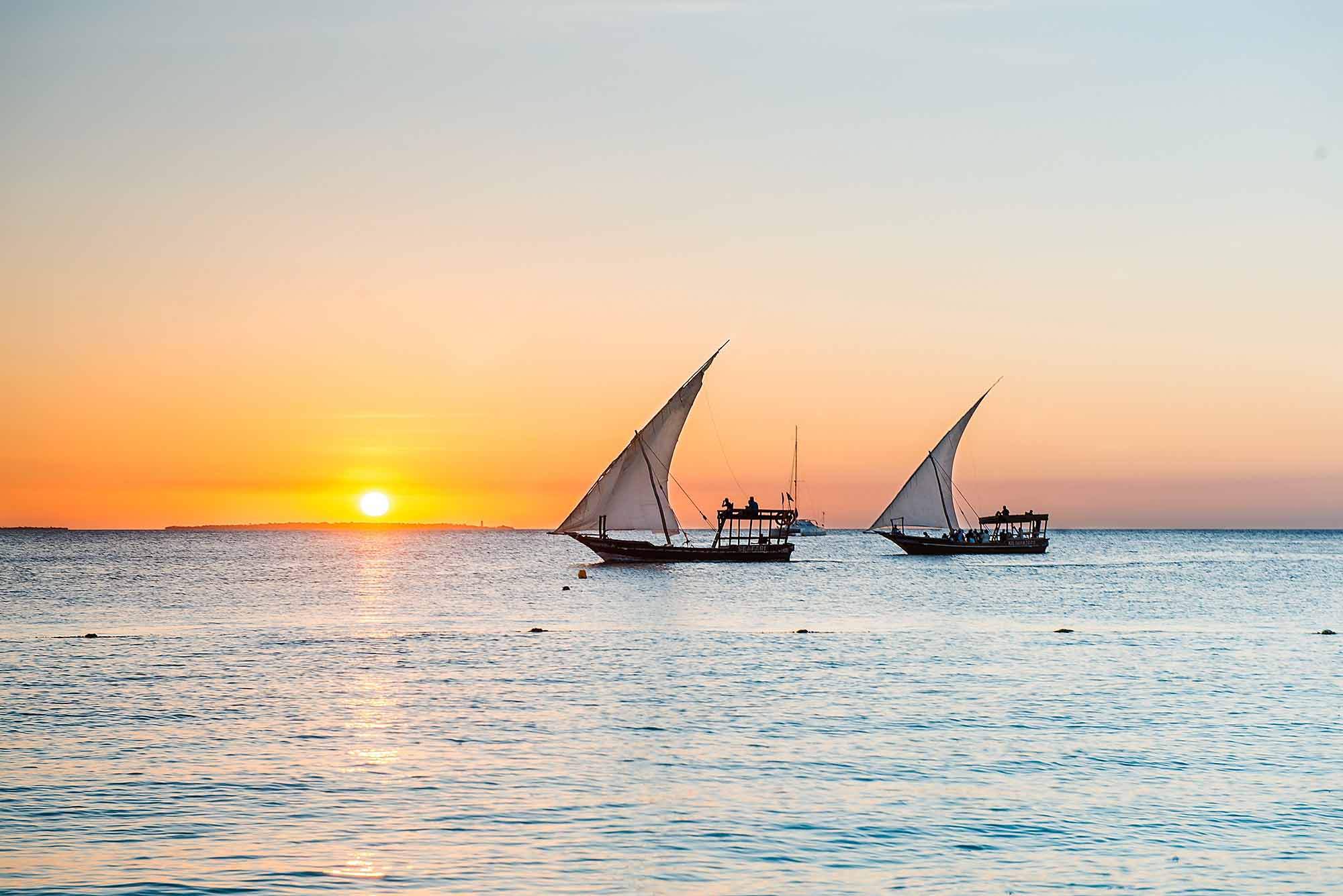
Visitors can enjoy beach relaxation, sunset boat trips, selected water activities and restaurants serving local and international cuisine. Swimming conditions vary with weather and tides, so travelers should follow local guidance.
The northern coast is often attractive to travelers who prefer easier access to swimming beaches throughout more of the tidal cycle. Conditions are not identical at every beach, and individual locations should be selected according to the season and intended activities.
Paje and Jambiani: Beaches, Kitesurfing and Coastal Culture
The southeastern coast, including Paje and Jambiani, is known for broad sandy beaches, coastal villages and opportunities for wind dependent activities such as kitesurfing.
At low tide, extensive tidal flats can reveal seagrass beds and shallow lagoons. These landscapes provide opportunities to learn about coastal ecology and the importance of marine environments to local livelihoods.
Visitors should respect local communities, use responsible activity providers and avoid damaging coral, seagrass or other marine habitats.
Mnemba Area, Snorkeling and Marine Adventures
Zanzibar offers snorkeling, diving and boat excursions in selected marine areas. The waters around the Mnemba area are well known for marine activities, subject to access rules, weather, sea conditions and conservation regulations.
Marine excursions can introduce visitors to tropical fish, coral reef environments and the ecological importance of the Indian Ocean. Wildlife sightings vary, and responsible operators should not promise encounters with dolphins or other marine animals.
Travelers should select licensed or reputable providers, use appropriate flotation equipment where necessary and follow marine conservation guidance.
Jozani Forest and Zanzibar’s Red Colobus Monkeys
Jozani Chwaka Bay National Park is an important destination for travelers interested in Zanzibar’s natural heritage. The forest is known for the Zanzibar red colobus monkey, a primate native to the island.
Guided visits can introduce travelers to forest ecology, local conservation efforts and the relationship between wildlife habitats and surrounding communities.
A visit to Jozani can be combined with a spice tour, cultural sightseeing or travel between beach accommodation areas.
The Safest Way to Combine Tanzania Safari, Kilimanjaro Climbing and Zanzibar
A well organized itinerary is essential when combining several destinations. Travelers should consider flight schedules, mountain recovery time, accommodation changes, road journeys, luggage arrangements and local travel conditions.
The following itinerary offers a practical example for travelers seeking wildlife, adventure and beach relaxation.
Suggested 14 Day Tanzania Safari, Kilimanjaro and Zanzibar Itinerary
Days 1 and 2: Arrival and preparation
Arrive at Kilimanjaro International Airport and transfer to accommodation in Moshi or Arusha. Allow time to rest, check climbing equipment, meet the mountain team and receive a briefing.
Days 3 to 9: Mount Kilimanjaro climb
Begin a suitable seven day trekking itinerary, such as a seven day Machame itinerary or another route of appropriate duration. The precise route schedule should be agreed with the licensed operator. Summit success cannot be guaranteed, and guides must prioritize climbers’ health.
Day 10: Recovery in Moshi or Arusha
Rest after the climb, enjoy a relaxed meal and prepare for the safari. A recovery day is particularly valuable after a demanding summit attempt.
Days 11 to 13: Tanzania mainland safari
Enjoy a three day safari selected according to the preferred parks and available time. Tarangire and Ngorongoro are possible options for a shorter northern circuit itinerary. Travelers wishing to include Serengeti should generally allow additional time to avoid an excessively rushed schedule.
Day 14: Travel to Zanzibar
Take a suitable scheduled or charter flight from an appropriate mainland airport to Zanzibar, subject to availability, and begin the beach holiday.
This 14 day example includes only a short Zanzibar stay. For a more balanced experience, a 16 to 20 day holiday is preferable for many travelers, allowing three or four nights in Zanzibar after the climb and safari.
A Better 18 Day Combination for Travelers with More Time
An 18 day itinerary could include:
- Days 1 and 2: Arrival, preparation and rest.
- Days 3 to 9: Seven day Mount Kilimanjaro climb.
- Day 10: Recovery in Moshi or Arusha.
- Days 11 to 14: Four day mainland safari, including selected northern circuit parks.
- Days 15 to 18: Zanzibar sightseeing and beach relaxation.
This option allows a more satisfying balance between the physical challenge of Kilimanjaro, the wildlife experience and the slower pace of an island holiday.
Travelers who prefer a longer Serengeti safari may need 19 to 22 days or more, depending on the mountain route, flight schedules and number of nights on Zanzibar.
Safe Travel Planning: Important Advice for International Visitors
Safety should be part of every Tanzania travel plan. Tanzania offers many established tourism experiences, but travelers should remain aware of crime risks, health considerations, road conditions, weather and local regulations.
Choose a Reputable and Properly Registered Tour Operator
Book your safari and mountain climb through an established operator that can explain the itinerary, accommodation, park fees, transport arrangements, guide qualifications and emergency procedures.
For Kilimanjaro, confirm that the operator uses trained mountain guides, suitable safety equipment, altitude monitoring procedures and a clear plan for descending or evacuating a climber who becomes unwell.
For wildlife safaris, follow the guide’s instructions, remain inside the vehicle unless the guide confirms that leaving it is permitted and never approach or feed wild animals.
Prepare for Altitude and Mountain Conditions
Mount Kilimanjaro presents a serious risk of altitude related illness. Choose a route with adequate acclimatization time, ascend at a sensible pace and inform your guide immediately about symptoms such as persistent headache, nausea, unusual fatigue or dizziness.
Severe breathlessness at rest, confusion, difficulty walking straight or other signs of serious illness require urgent assessment and descent under professional guidance. Travel insurance should specifically cover high altitude trekking up to the intended elevation and emergency evacuation.
Protect Your Belongings and Plan Transfers Carefully
Use prearranged airport transfers or reputable transport providers, especially after dark. Keep valuables out of sight, secure passports and important documents, avoid displaying large amounts of cash and be cautious around crowded transport areas.
In Zanzibar, dress respectfully when visiting Stone Town and local villages, particularly in areas away from beach resorts. Use reliable guides and avoid isolated walks at night.
Review Current Travel, Health and Insurance Requirements
Travel advice can change. As of October 2026, several foreign government travel advisories recommend increased caution in Tanzania because of crime, security concerns and possible civil unrest. Travelers should check their own government’s current advice before departure and avoid demonstrations or restricted areas. <strong>Official guidance should take priority over general promotional travel information.</strong>
International visitors should also verify the current entry requirements, visa rules, health recommendations and insurance requirements for both mainland Tanzania and Zanzibar. As of October 2026, official guidance indicates mandatory inbound travel insurance arrangements apply, with requirements depending on entry arrangements. Travelers visiting both mainland Tanzania and Zanzibar should confirm the current rules and coverage before travel.
Use comprehensive travel insurance that covers medical treatment, emergency evacuation, trip cancellation and the activities planned, including mountain climbing where relevant. Follow professional advice about malaria prevention, vaccinations, food and drinking water.
Choose Responsible Wildlife and Marine Activities
Responsible tourism supports wildlife conservation and local communities. Maintain a respectful distance from wildlife, avoid littering, follow park regulations and select ethical cultural experiences.
In Zanzibar, avoid touching coral, standing on reefs, disturbing marine wildlife or buying products made from protected species. Follow local advice about tides, currents, boat safety and swimming conditions.
Best Time to Visit Tanzania for Safari, Kilimanjaro and Zanzibar
The best time to visit depends on the experiences travelers prioritize.
Tanzania wildlife safaris: The drier months, generally June through October, often provide good wildlife viewing conditions in many northern parks. The Great Wildebeest Migration moves throughout the year, so the best location depends on the month and recent rainfall.
Mount Kilimanjaro climbing: January through early March and June through October are commonly chosen trekking periods because conditions are often more favourable. Weather varies significantly with altitude, and cold temperatures or precipitation can occur at any time.
Zanzibar beach holidays: June through October is a popular period for relatively dry weather. January and February can also offer warm beach conditions. The long rains commonly occur around March through May, while shorter rains often occur later in the year, although seasonal patterns vary.
Travelers combining all three experiences should choose dates according to their main priorities, then plan the route and flights around them. Booking early is recommended during popular travel periods.
Why Book with Hadzabe Safari Adventure Ltd?
Hadzabe Safari Adventure Ltd offers travelers the opportunity to explore Tanzania through wildlife safaris, mountain adventures and cultural experiences. Founded in 2017, the company aims to help visitors discover Tanzania’s remarkable landscapes and heritage while supporting awareness of the Hadzabe people and their traditional knowledge.
Our approach is to help travelers choose an itinerary that matches their available time, interests, preferred accommodation and budget. Whether you want a private safari through Serengeti and Ngorongoro, a guided Kilimanjaro expedition, an educational cultural visit around Lake Eyasi or a relaxing Zanzibar beach extension, your itinerary can be planned around your travel goals.
We understand that every traveler is different. Couples may prefer a romantic combination of wildlife lodges and beachfront accommodation. Families may want a comfortable safari with suitable driving distances. Adventure travelers may prioritize Kilimanjaro, while photographers may prefer more time in Serengeti to follow wildlife movements.
A carefully planned combination allows travelers to experience Tanzania at a comfortable pace while making the most of their holiday.
Frequently Asked Questions About Tanzania Safari and Zanzibar Holidays
Can I combine a Tanzania safari with Zanzibar?
Yes. Many travelers combine a mainland safari with Zanzibar by taking a scheduled or charter flight between suitable airports. A typical itinerary includes several days in national parks followed by a beach stay.
How many days do I need for Tanzania safari, Kilimanjaro and Zanzibar?
Approximately 16 to 20 days provides a useful starting point for combining a seven or eight day Kilimanjaro climb, a three or four day safari and several nights in Zanzibar. Longer trips allow more time for Serengeti and island activities.
Is it better to visit Zanzibar before or after a safari?
Both options are possible. Many travelers choose the safari first and Zanzibar afterward for relaxation. If climbing Kilimanjaro is included, allow sufficient recovery time and plan the order according to your flights, fitness and preferences.
Is Tanzania safe for tourists?
Safety depends on location, current conditions and personal precautions. Travelers should review official travel advice, use reputable operators, plan transfers carefully, follow local guidance and maintain appropriate health and travel insurance.
What are the main attractions in Zanzibar?
Popular attractions include Stone Town, spice farms, northern and eastern beaches, Jozani Forest, marine excursions and opportunities to learn about Swahili culture and history.
Can beginners climb Mount Kilimanjaro?
Many first time trekkers attempt Kilimanjaro, but the climb is physically demanding and carries serious altitude risks. Choose a suitable route, allow enough acclimatization time, prepare properly and climb with an experienced professional team.
How much does a combined Tanzania safari and Zanzibar holiday cost?
The price depends on the number of travelers, travel season, safari parks, accommodation category, Kilimanjaro route, flights and number of nights in Zanzibar. A personalized quotation is the best way to compare options accurately.
Plan Your Tanzania Safari, Kilimanjaro Climb and Zanzibar Beach Holiday
Discover the best of Tanzania in one remarkable journey, from the wildlife filled plains of Serengeti and the spectacular Ngorongoro Crater to the summit trails of Mount Kilimanjaro and the beautiful beaches of Zanzibar.
With thoughtful planning, professional guides and a carefully selected itinerary, you can experience wildlife, mountain scenery, cultural heritage and tropical island relaxation in one unforgettable African holiday.
Contact Hadzabe Safari Adventure Ltd to plan your personalized Tanzania safari and Zanzibar package. Tell us your preferred travel dates, number of travelers, accommodation style and whether you wish to include a Kilimanjaro climb. We can help you develop an itinerary suited to your interests, time and budget.