

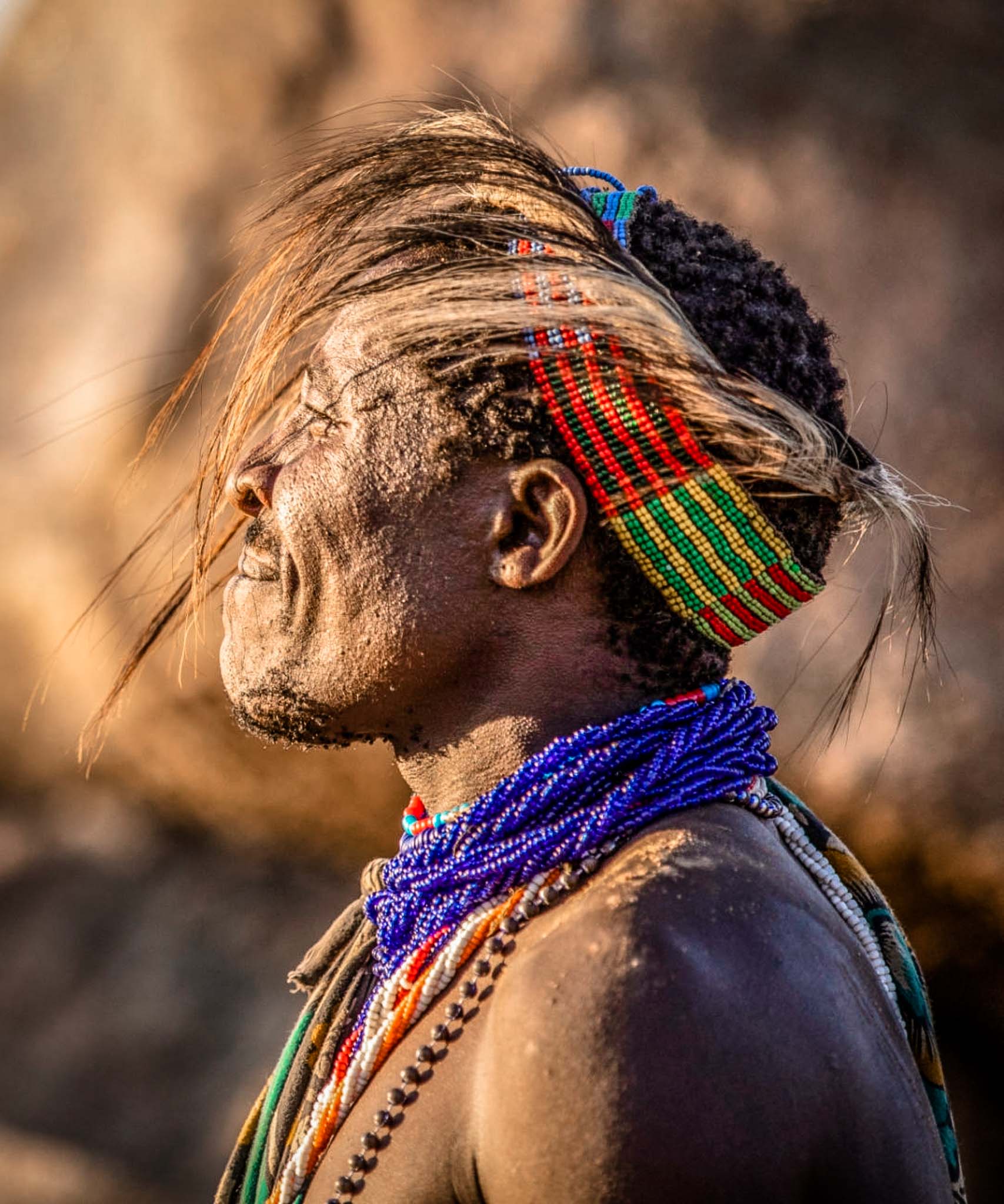
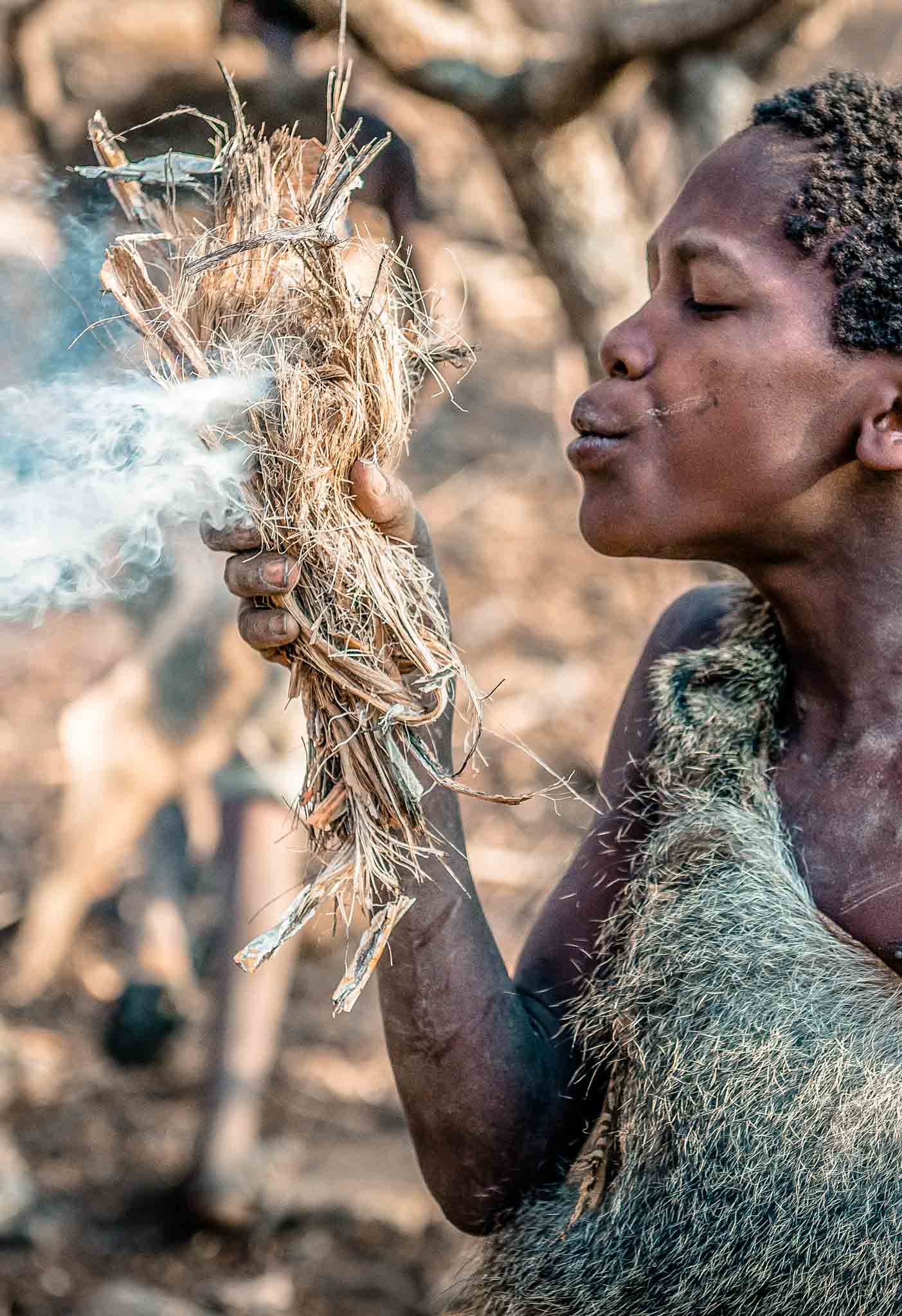

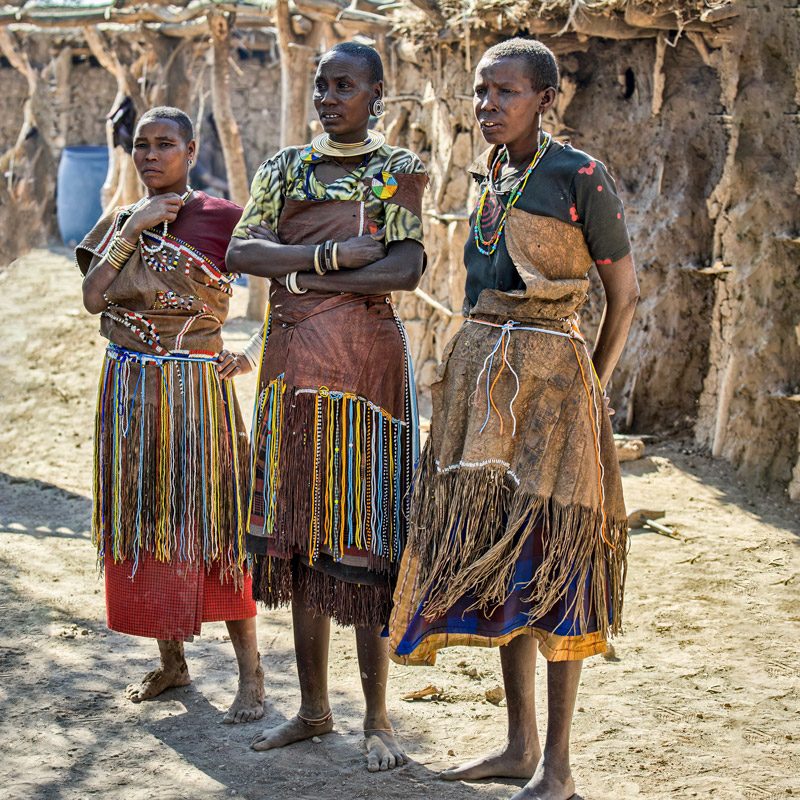


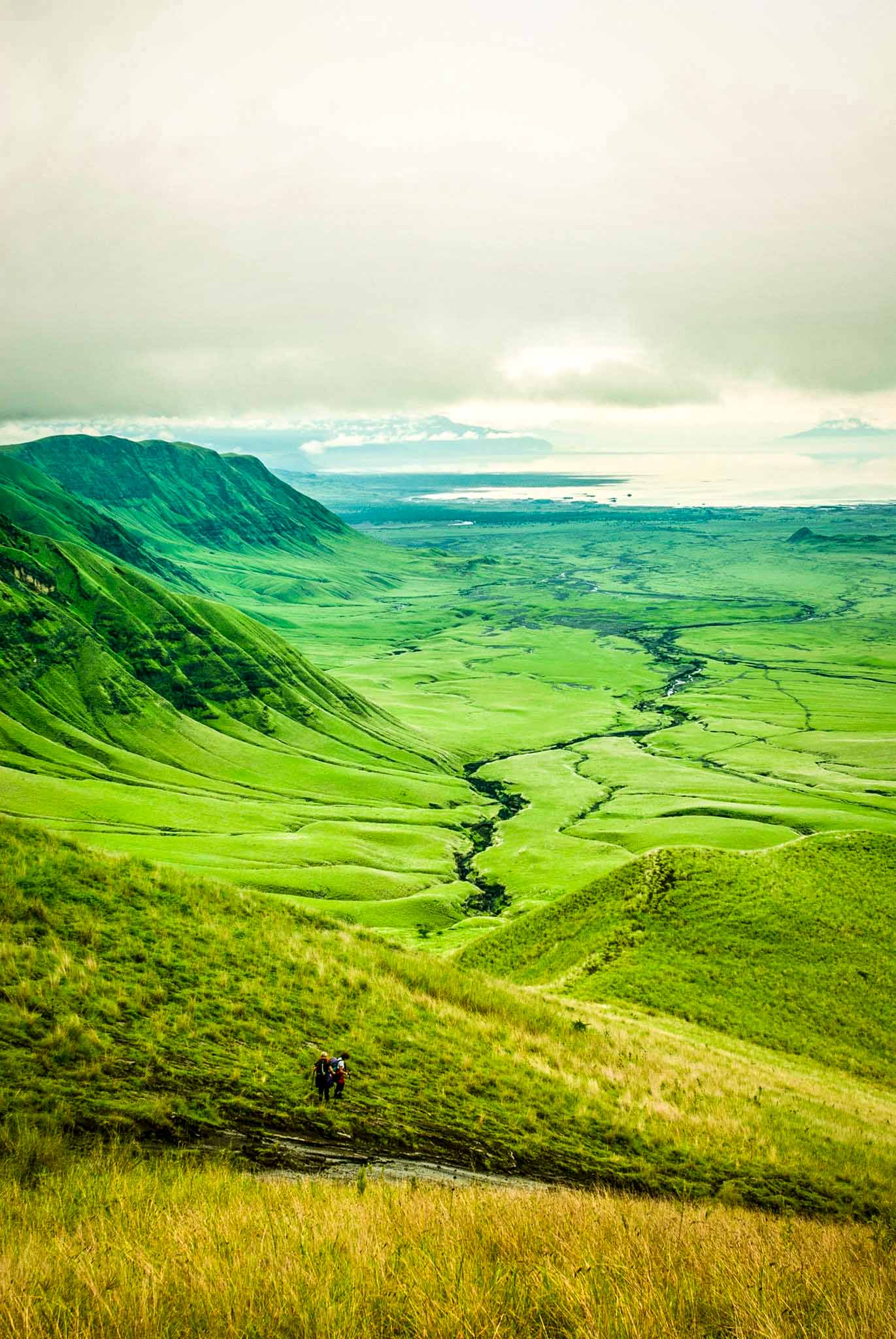

The Hadzabe tribe of Tanzania is one of East Africa’s most distinctive Indigenous communities. Living mainly around Lake Eyasi, Yaeda Valley and surrounding areas of northern Tanzania, the Hadzabe are internationally known for their traditional hunter gatherer way of life, deep knowledge of nature, unique Hadzane language, and close relationship with the land.
For travelers visiting Tanzania, meeting the Hadzabe can offer something very different from a conventional wildlife safari. Instead of simply observing animals from a safari vehicle, visitors have the opportunity to learn about a living culture and discover how people have developed extraordinary knowledge of plants, wildlife, tracking, seasons and the natural environment.
However, the Hadzabe should not be viewed as a people frozen in the past. Like every living community, they are adapting to social, economic and environmental changes. Their culture continues to evolve, while efforts are being made to strengthen language, traditional knowledge and intergenerational learning. UNESCO has recently supported initiatives involving Hadzabe elders, youth, language revitalization, traditional knowledge and wildlife tracking.
Who Are the Hadzabe?
The Hadzabe, also known as the Hadza, are an Indigenous community of northern Tanzania whose traditional livelihood is based on hunting and gathering.
Historically, Hadzabe communities moved through the landscape according to the availability of water, wild foods, honey and game. Rather than depending primarily on agriculture or livestock, their traditional economy developed around detailed knowledge of the natural environment.
Traditional Hadzabe social groups have often been relatively small and flexible. Food is commonly shared within the community, and decisions can be discussed collectively rather than being controlled by a formal central leader. Anthropological research describes Hadzabe society as strongly egalitarian, with cooperation and sharing playing an important role in community life.
Today, not every Hadzabe person lives entirely through traditional hunting and gathering. Many combine traditional activities with farming, wage work, trade, education and other modern economic activities.
This distinction is important because the Hadzabe culture is living and changing, not a museum display.
Where Do the Hadzabe Live?
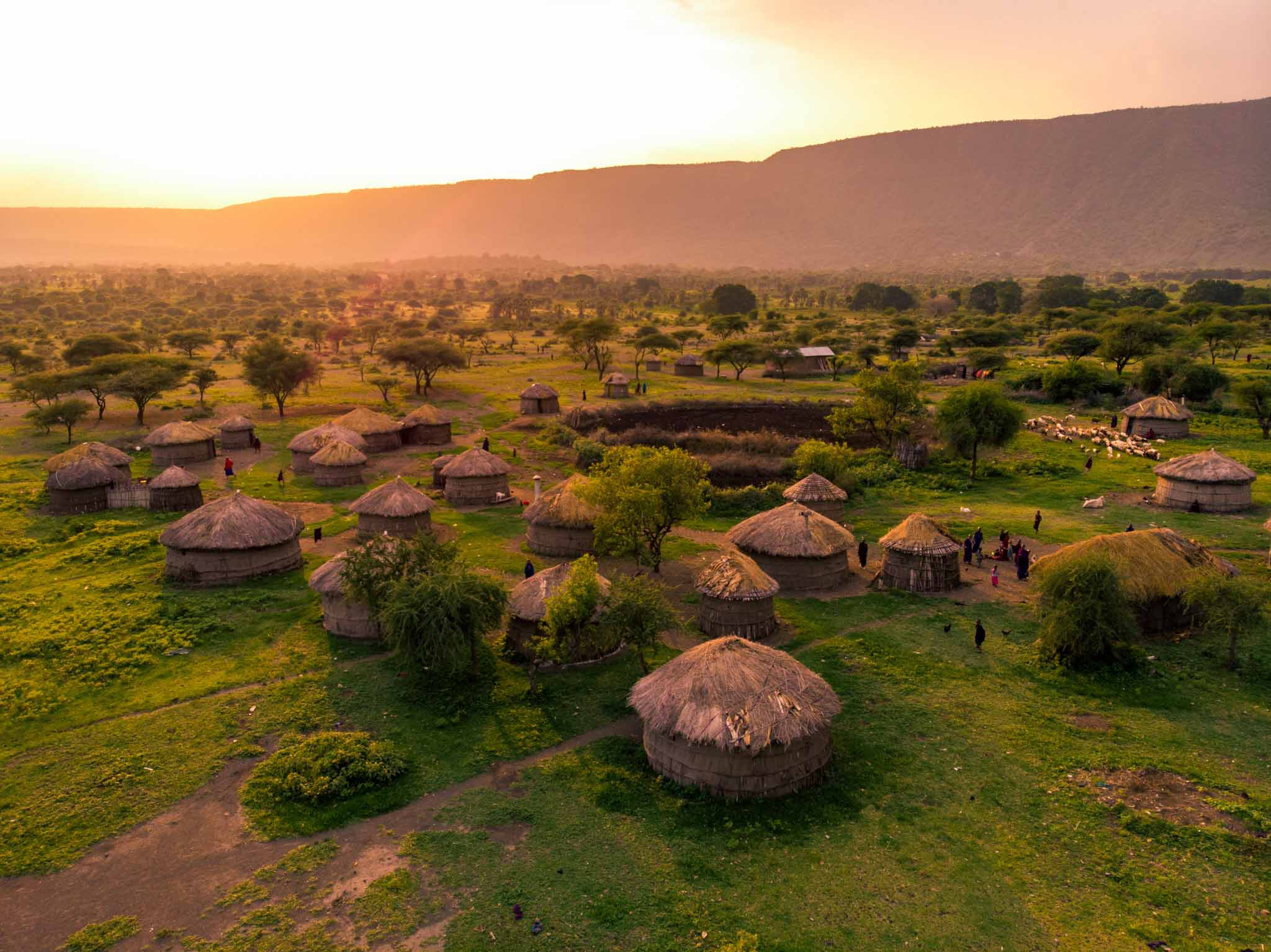
The traditional Hadzabe homeland is concentrated around Lake Eyasi and the surrounding areas of northern Tanzania, including the Yaeda Valley.
This landscape is important not only because it provides food and water but also because it contains knowledge accumulated over generations. Hadzabe knowledge includes understanding animal tracks, edible plants, medicinal plants, seasonal changes, water sources and the behavior of wildlife.
The environment is therefore more than simply a physical home. It is closely connected with Hadzabe identity, language, culture and traditional knowledge.
The wider Ngorongoro Lengai landscape is also home to several Indigenous communities, including the Hadzabe, each with different traditions and relationships with the environment. UNESCO describes the Hadzabe as one of the region’s hunter gatherer communities with particularly extensive ecological knowledge.
The Traditional Hadzabe Hunter Gatherer Lifestyle
One of the most fascinating aspects of the Hadzabe tribe of Tanzania is their traditional relationship with wild resources.
Hunting and gathering require an extraordinary understanding of the environment. People must know where food can be found, when particular fruits ripen, which plants are edible, where animals travel and how weather conditions affect resources.
Traditionally, Hadzabe men have often focused on hunting and honey collection, while women have traditionally played a major role in gathering roots, berries, fruits and other plant foods. However, these roles are flexible rather than absolute.
This way of life demonstrates how human communities can develop highly specialized knowledge of their surroundings without relying on modern technology.
Hadzabe Hunting and Tracking
Hunting is an important part of traditional Hadzabe culture.
Hadzabe hunters are particularly respected for their ability to read the landscape and interpret animal tracks. Traditional hunting may involve bows and arrows, tracking skills and detailed knowledge of animal behavior.
A skilled tracker can recognize footprints, broken vegetation, droppings and other signs that may be almost invisible to an inexperienced visitor.
This knowledge has attracted international interest. In 2025, UNESCO worked with Hadzabe community members on training involving CyberTracker technology, which allows Indigenous trackers to record animal tracks, wildlife signs and ecological information digitally. The initiative demonstrates how traditional ecological knowledge can work together with modern technology.
For visitors, learning about tracking is often one of the most memorable elements of a Hadzabe cultural experience in Tanzania.
Gathering Wild Foods
Gathering is another important part of traditional Hadzabe life.
Women traditionally gather roots, berries, fruits, greens and other wild foods. People need extensive knowledge to identify which plants are edible, which are available during different seasons and where they can be found.
This knowledge is especially valuable in an environment where resources vary according to rainfall, temperature and seasonal conditions.
Gathering is not simply collecting food. It is a sophisticated relationship with the ecosystem.
Through generations of observation, knowledge has been passed from elders to younger people about plants, animals, water and the changing landscape.
The Importance of Honey
Honey has an important place in traditional Hadzabe life.
Hadzabe honey collectors have developed remarkable knowledge of bees, trees and the behavior of honeyguide birds.
The honeyguide is famous for helping humans locate bee colonies. Hadzabe honey hunters can use calls to interact with the bird, which may lead them toward a hive. After harvesting honey, some wax is left behind for the bird.
For travelers, seeing or learning about this relationship provides a fascinating example of how traditional ecological knowledge can involve close observation of animal behavior.
The Hadzane Language
Language is one of the most important parts of Hadzabe identity.
The Hadzabe speak Hadzane, a distinctive language associated with their community and known for its click sounds.
Language carries much more than everyday communication. It can preserve traditional names for plants, animals, landscapes and cultural practices.
UNESCO has highlighted concerns about the transmission of Hadzane in some communities as younger generations increasingly use more dominant languages such as Swahili. Efforts are therefore underway to strengthen intergenerational transmission of Hadzabe language and knowledge.
Protecting a language means protecting an important part of cultural knowledge.
Hadzabe Community and Social Life
Traditional Hadzabe social life emphasizes cooperation, sharing and community relationships.
Research on Hadzabe society describes relatively egalitarian social structures in which resources are shared and important decisions can be discussed collectively. People with particular knowledge or experience may be respected for their expertise without necessarily holding formal political authority.
Community life has traditionally been closely connected with mobility and the availability of natural resources.
This social organization developed in response to the realities of a hunter gatherer lifestyle and the need to cooperate in an unpredictable environment.
Traditional Knowledge and the Natural Environment
Perhaps one of the greatest treasures of Hadzabe culture is traditional environmental knowledge.
Hadzabe trackers can interpret animal footprints and signs. Knowledge of plants can help identify food and other useful resources. Understanding seasonal patterns helps communities decide where and when to move or search for resources.
This knowledge has relevance beyond the Hadzabe community.
As the world faces challenges such as climate change, biodiversity loss and environmental degradation, Indigenous knowledge can provide valuable perspectives on ecosystems and sustainable relationships with nature.
UNESCO has specifically described Indigenous knowledge held by Hadzabe trackers as valuable for understanding biodiversity and the natural environment.
Challenges Facing the Hadzabe Today
The Hadzabe way of life faces significant changes.
Land use, agriculture, livestock keeping, population growth, environmental changes and changing economic opportunities can affect access to traditional resources.
Climate variability can also influence the availability of wild foods and water.
At the same time, education, modern healthcare, technology and economic opportunities are important parts of contemporary life. The challenge is not simply to prevent change but to ensure that Hadzabe people have the freedom and opportunity to determine how their culture develops.
Land and cultural rights are therefore closely connected.
If communities lose access to important landscapes, they can also lose opportunities to practice traditional knowledge, teach younger generations and maintain cultural traditions.
Why Hadzabe Culture Matters
The importance of the Hadzabe tribe of Tanzania goes beyond tourism.
Their culture provides an example of how human communities can develop detailed knowledge of ecosystems and survive through cooperation, mobility and resource sharing.
Their language preserves cultural knowledge.
Their tracking traditions demonstrate sophisticated understanding of wildlife.
Their knowledge of plants demonstrates generations of environmental observation.
Their relationship with the landscape demonstrates that cultural heritage and environmental conservation can be closely connected.
The Hadzabe therefore offer an important lesson for the modern world: understanding nature is not only about scientific instruments or modern technology. Knowledge can also be developed through generations of direct experience with the environment.
Visiting the Hadzabe in Tanzania
A Hadzabe cultural experience can be an excellent addition to a Tanzania safari.
Many travelers combine their visit with destinations such as Serengeti National Park, Ngorongoro, Tarangire National Park or Lake Manyara.
A visit to the Hadzabe can introduce travelers to a completely different dimension of Tanzania.
Instead of focusing only on wildlife, visitors can learn about:
• Traditional hunting and tracking
• Gathering wild foods
• Honey collection
• Hadzane language
• Traditional knowledge
• Community life
• Relationships with the natural environment
• Indigenous perspectives on wildlife and conservation
The experience should always be conducted respectfully and with sensitivity toward the community.
Responsible Hadzabe Cultural Tourism
Responsible tourism should benefit local communities while allowing visitors to learn without treating culture as entertainment.
When visiting the Hadzabe, travelers should respect photography preferences, listen to local guides, avoid inappropriate behavior and understand that the community is made up of individuals with different experiences and opinions.
A responsible cultural tour should create opportunities for genuine interaction and learning rather than presenting a simplified image of the Hadzabe.
The goal should be connection, education and respect.
Tourism can become one way of supporting local livelihoods and increasing awareness of the value of Indigenous cultural heritage, provided that communities are treated with dignity and have meaningful participation in tourism activities.
Hadzabe Safari Adventure
At Hadzabe Safari Adventure, our connection with the Hadzabe is an important part of our identity.
Our company was established in 2017 with a strong desire to create memorable Tanzania safari experiences while also increasing awareness of the Hadzabe people and their cultural heritage.
Our founder, Herman Kyara, developed his passion for Tanzania’s natural environment through years of personal experience.
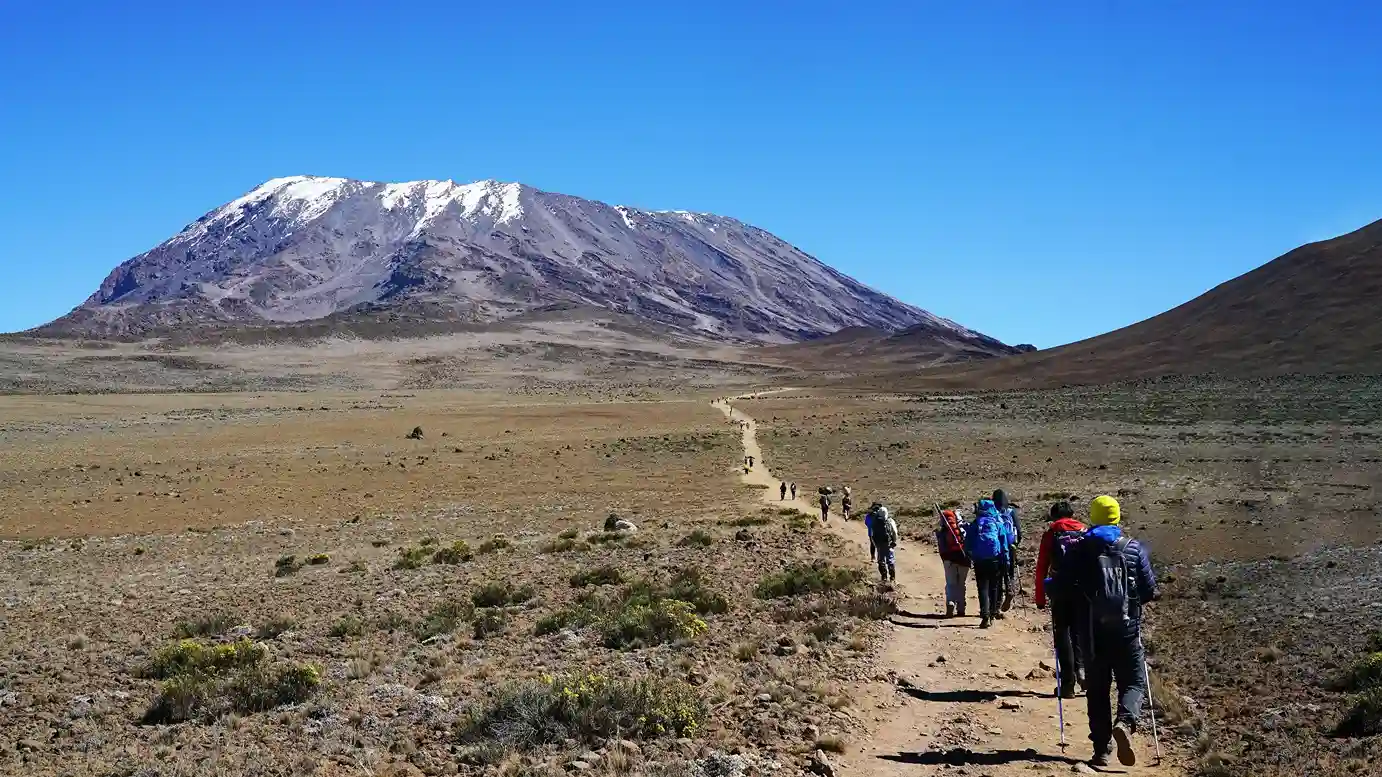
His safari journey began between 2003 and 2005, when he started climbing Mount Kilimanjaro and Mount Meru. In 2006, he joined Abercrombie & Kent as a company representative, working in meet and greet services.
Between 2009 and 2011, he progressed into safari guiding, where his passion for Tanzania’s wildlife developed further. From 2011 to 2016, he continued working in the safari industry before establishing Hadzabe Safari Adventure with his wife in 2017.
Today, Herman speaks Swahili, Chagga, English and German, allowing him to communicate with a wide range of international travelers and local communities.
This personal experience is important because we believe that a Tanzania safari should be more than simply ticking destinations off a list.
It should be an opportunity to understand Tanzania through its wildlife, landscapes and people.
Why Choose a Hadzabe Cultural Experience?
A Hadzabe cultural experience offers travelers an opportunity to discover another side of Tanzania.
You can learn how trackers read animal signs.
You can discover how wild foods are identified.
You can learn about traditional hunting techniques.
You can experience traditional songs and community interaction.
Most importantly, you can listen and learn from people whose knowledge of their environment has been developed over generations.
For travelers interested in culture, nature, anthropology, conservation and responsible tourism, visiting the Hadzabe can become one of the most meaningful experiences of a Tanzania journey.
Combine a Hadzabe Experience With a Tanzania Safari
The best way to experience Tanzania is often to combine wildlife and culture.
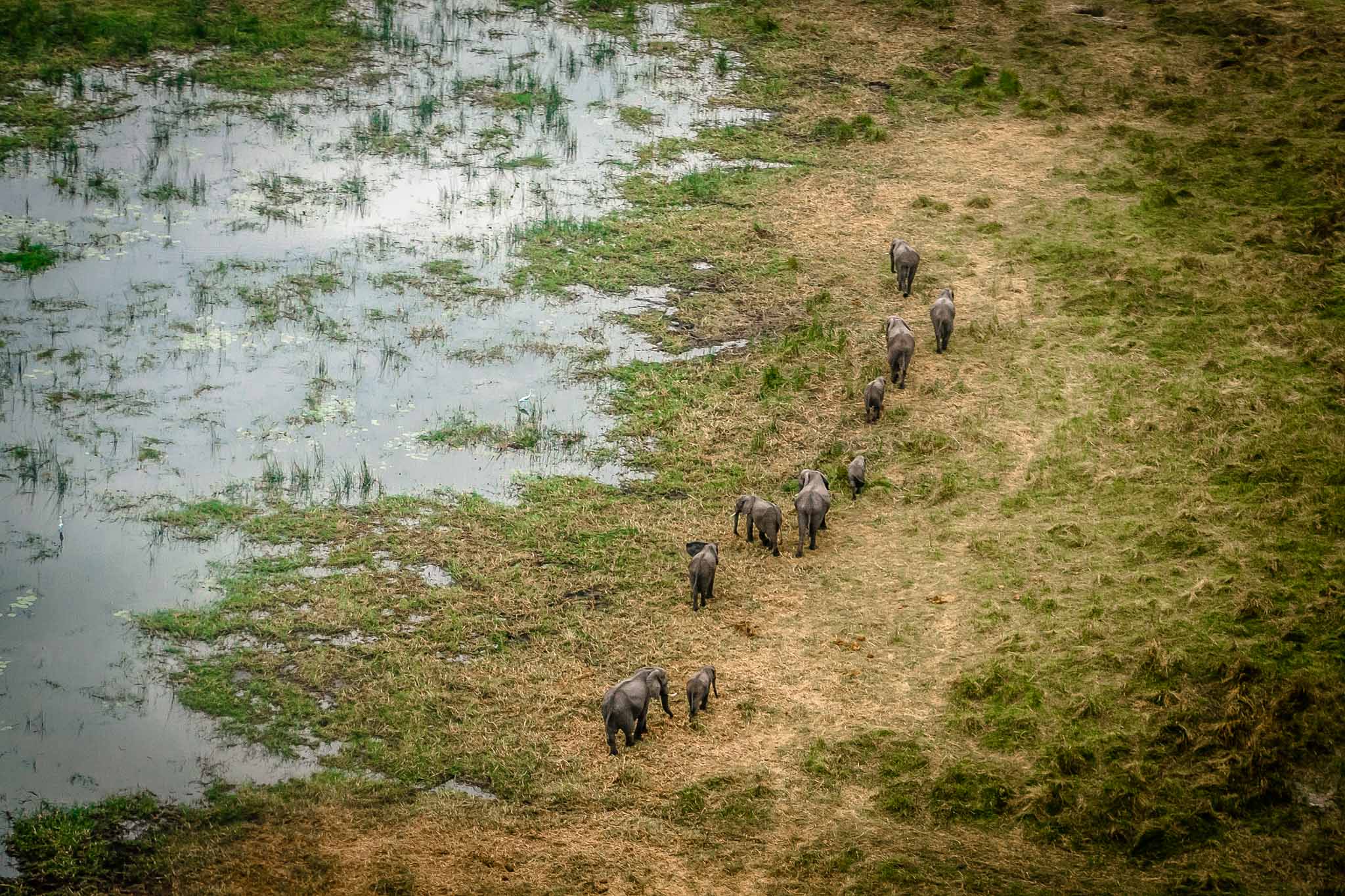
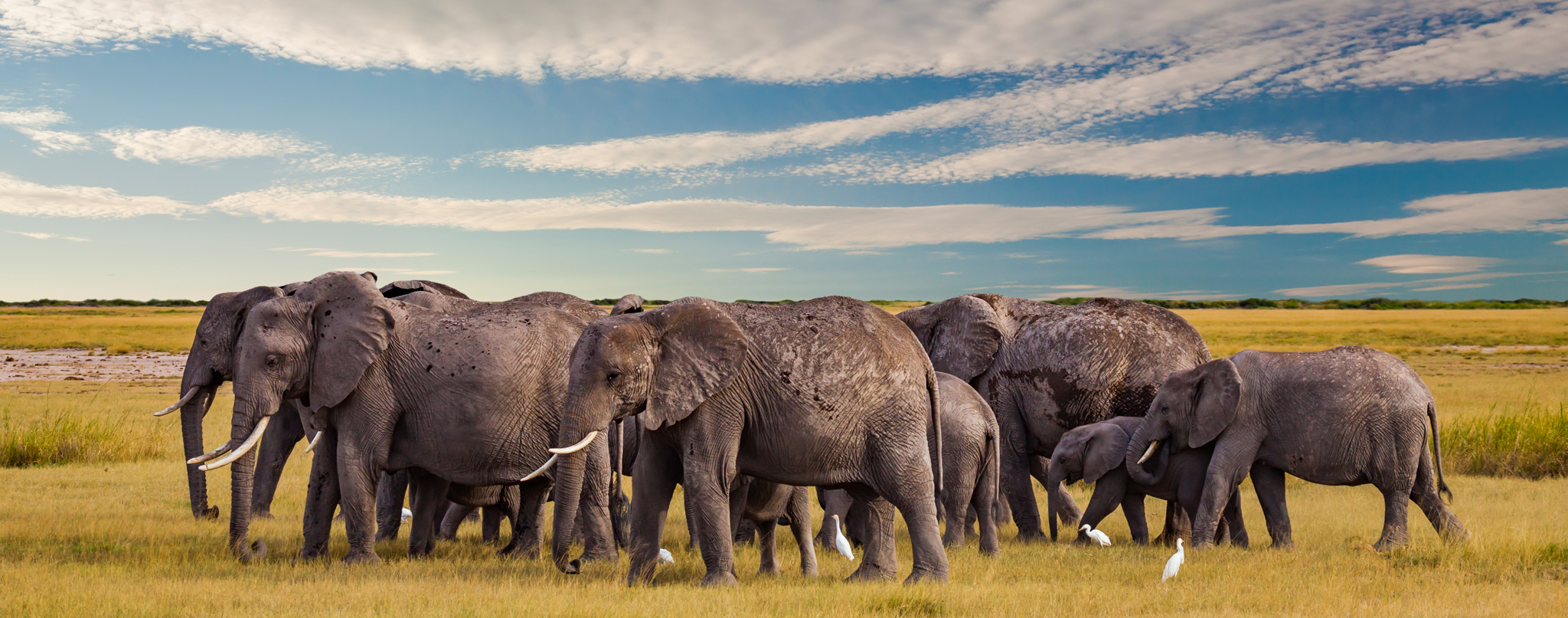
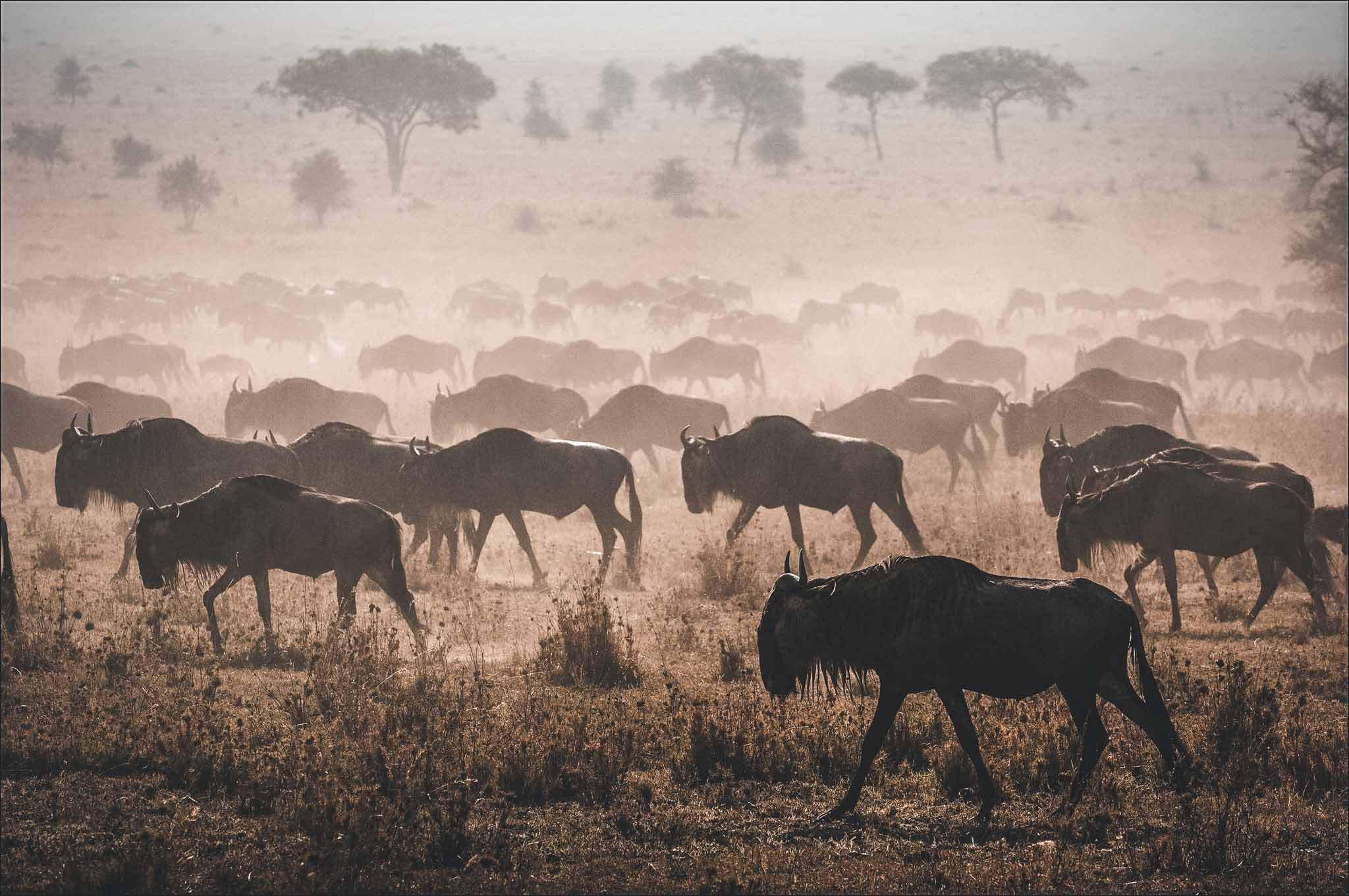
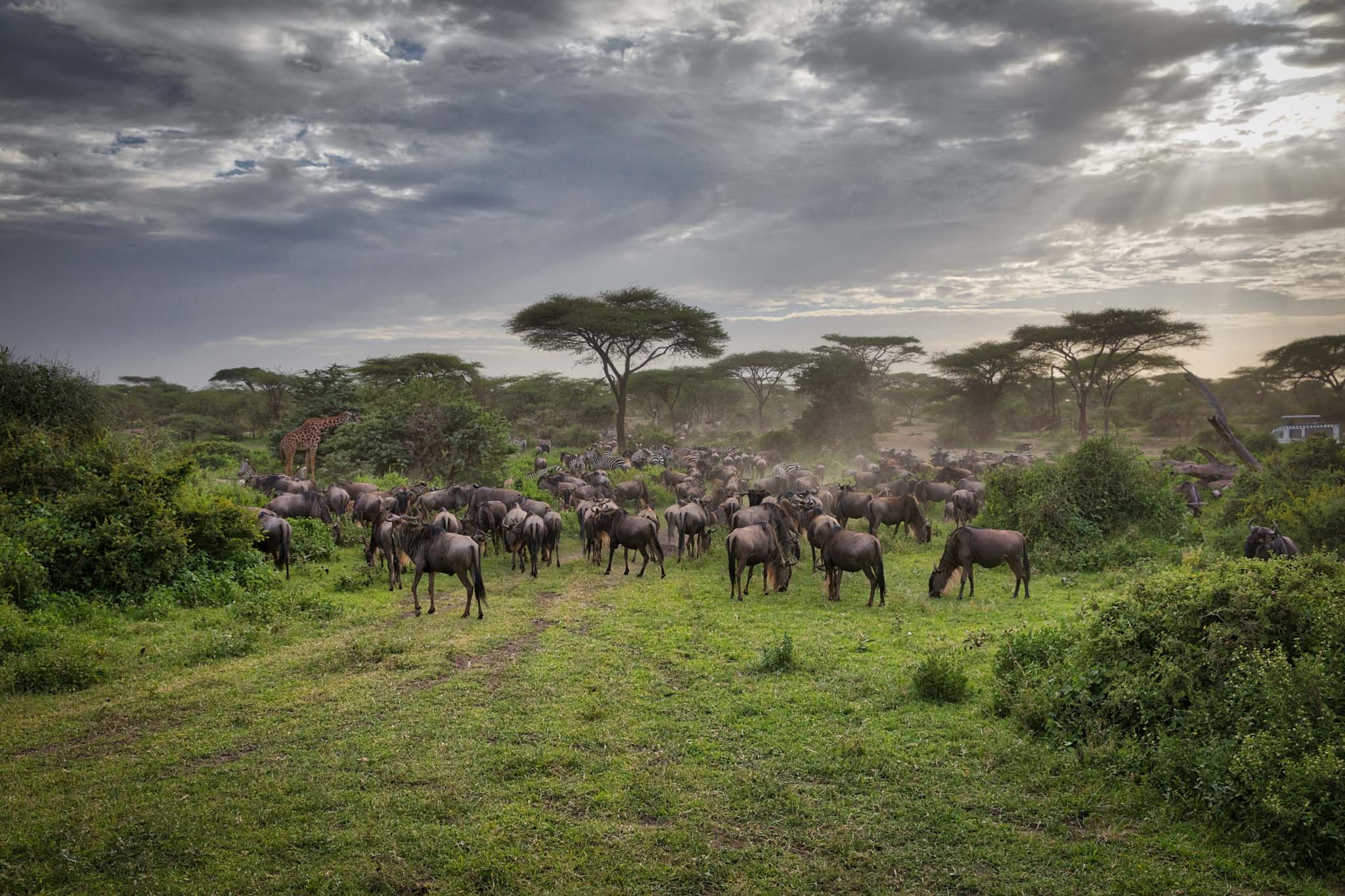
Imagine beginning your journey among the elephants of Tarangire, exploring the Ngorongoro landscape, watching the Great Migration in Serengeti and then traveling toward Lake Eyasi to learn about the Hadzabe.
The contrast is powerful.
The national parks reveal Tanzania’s extraordinary wildlife.
The Hadzabe experience reveals another dimension of Tanzania’s human and cultural heritage.
Together, they create a deeper understanding of the country.
The Future of Hadzabe Culture
The future of Hadzabe culture will depend greatly on the ability of younger generations to maintain connections with their language, knowledge, land and traditions while also accessing education and modern opportunities.
UNESCO’s recent work with Hadzabe communities demonstrates the importance of connecting elders and young people so that traditional knowledge can continue to be transmitted. Digital tools such as CyberTracker are also being explored as a way of documenting ecological knowledge and strengthening opportunities for Indigenous trackers.
The future does not have to mean choosing between tradition and modern life.
The Hadzabe community can continue to evolve while maintaining the cultural knowledge and identity that make it unique.
Experience Tanzania With Purpose
A Tanzania safari can be about wildlife, landscapes and adventure.
But it can also be about people.
The Hadzabe tribe of Tanzania offers visitors an opportunity to learn about a distinctive culture, a unique language and a remarkable relationship with the natural world.
A responsible visit is not about pretending to travel into the past. It is about meeting people in the present, listening to their stories and understanding the importance of cultural diversity.
At Hadzabe Safari Adventure, we believe travel should create memories while also encouraging respect for Tanzania’s wildlife, communities and cultural heritage.
If you are planning a Tanzania safari and would like to include a Hadzabe cultural experience near Lake Eyasi, we can help you create a private itinerary that combines wildlife, nature and authentic cultural experiences.
Come to Tanzania not only to see it, but to understand it.
Plan your Tanzania safari with Hadzabe Safari Adventure and discover the people, wildlife, landscapes and cultures that make Tanzania extraordinary.