

Tanzania Safari Packing List: What to Pack and What to Leave Behind
Packing for a Tanzania safari requires a slightly different approach than preparing for a typical vacation. Between early morning game drives, dusty roads, fluctuating temperatures, and strict luggage restrictions on small bush flights, knowing exactly what to bring, and what to leave at home, can make a significant difference in your overall comfort and enjoyment. Whether you are heading to the Serengeti, Ngorongoro Crater, or combining your trip with a beach stay in Zanzibar, this guide covers everything you need to pack smart for your African adventure.
Essential Clothing to Pack
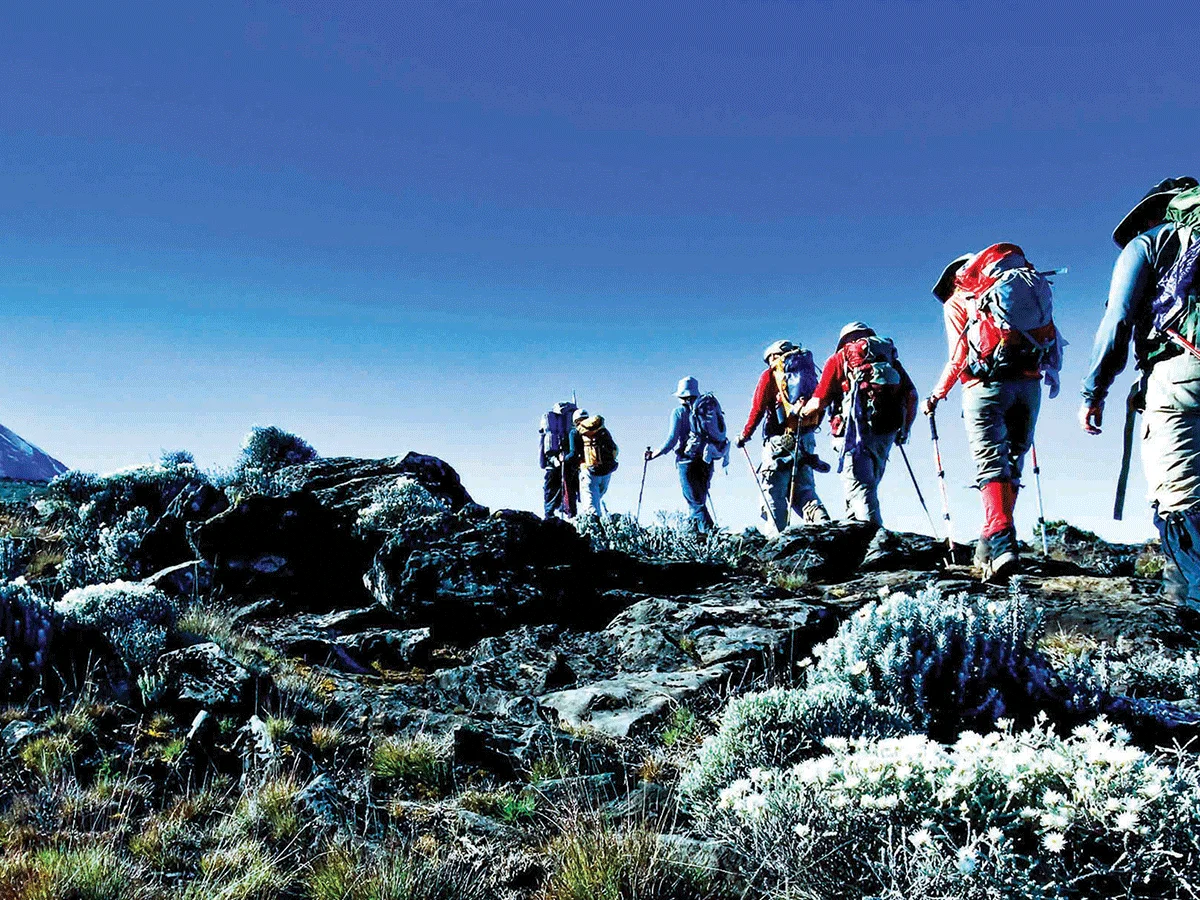
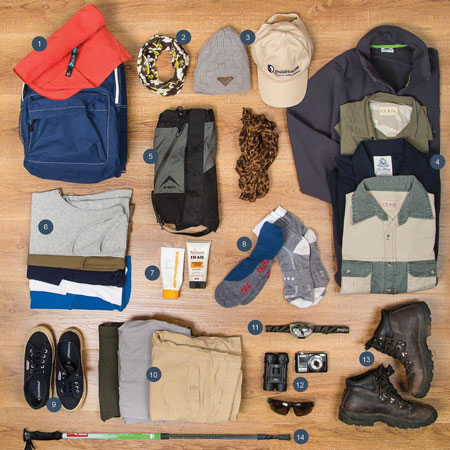
Clothing forms the foundation of any well planned safari packing list, and choosing the right pieces can make a real difference in comfort throughout your trip. Neutral colored clothing in shades of khaki, olive, beige, and brown is highly recommended, as these tones blend naturally with the bush environment and help avoid attracting insects, unlike brighter colors.
Lightweight, breathable layers are essential, since mornings and evenings on safari can be surprisingly cool, especially in higher altitude areas like Ngorongoro Crater, while midday temperatures often rise significantly. A good rule of thumb is to pack a mix of long sleeve shirts, comfortable trousers, a warm fleece or light jacket, and a few short sleeve options for warmer afternoons.
A wide brimmed hat offers essential protection from the strong equatorial sun, while a light scarf or buff can help keep dust away from your face during open vehicle game drives. Comfortable, closed toe walking shoes are important for camp walks and any walking safaris, while a pair of sandals works well for relaxing at the lodge in the evening.
If your itinerary includes a Zanzibar beach extension, be sure to pack swimwear, a cover up, and comfortable sandals suited for sandy beaches and warm coastal weather.
Practical Gear and Accessories
Beyond clothing, several practical items can significantly enhance your safari experience. A good pair of binoculars is one of the most valuable items you can bring, allowing you to spot distant wildlife and appreciate details that might otherwise be missed from the vehicle. A camera with a zoom lens is equally important for capturing memorable wildlife photography, along with extra batteries or a portable charger, since charging opportunities may be limited in remote camps.
A reusable water bottle helps you stay hydrated throughout long game drives while reducing plastic waste, and a small daypack is useful for carrying personal items during walking safaris or day excursions. Headlamps or small flashlights are also essential, particularly for camps without constant electricity, allowing you to move safely around your accommodation after dark.
Health and Sun Protection Essentials
Given Tanzania’s strong equatorial sun and the outdoor nature of safari activities, sun protection should be a top priority. High SPF sunscreen, lip balm with sun protection, and quality sunglasses are all essential for shielding yourself from prolonged sun exposure during long days spent outdoors.
Insect repellent containing DEET is strongly recommended, particularly in the evenings, to help protect against mosquito bites. It is also wise to pack a basic personal first aid kit, including any prescription medications, general pain relief, antihistamines, and rehydration salts, along with any specific medications recommended by your travel health provider, such as malaria prophylaxis.
Documents and Money Matters
Before departure, ensure you have all essential travel documents organized and easily accessible, including your passport with adequate validity, visa documentation if required, travel insurance details, and any necessary vaccination certificates. It is wise to keep photocopies or digital scans of important documents stored separately from the originals in case of loss.
Carrying a mix of cash, preferably in US dollars for certain fees and tips, along with a backup credit card, is generally recommended, as some remote camps and parks may have limited card payment facilities.What Not to Pack for Your Safari
Just as important as knowing what to bring is understanding what to leave behind. Bright colored clothing, particularly white, black, and blue, should generally be avoided, as these colors can either stand out unnecessarily to wildlife or attract biting insects such as tsetse flies, particularly in certain wooded areas.
Heavy, bulky suitcases are impractical for safari travel, especially if your itinerary includes small bush flights between parks, which typically enforce strict soft sided luggage requirements and weight limits, often around 15 kilograms per person. Hard shell suitcases generally do not fit the limited cargo space of small aircraft and should be avoided in favor of soft duffel style bags.
Excessive electronics and unnecessary valuables are best left at home, as remote camps often have limited security facilities and unreliable power sources. Similarly, heavy formal clothing has no real place on safari, as the atmosphere at most lodges and camps remains relaxed and casual throughout your stay.
Finally, avoid overpacking toiletries, as most quality lodges and camps provide basic amenities such as shampoo, soap, and sometimes insect repellent, allowing you to save valuable luggage space for other essentials.
Packing Tips for a Smooth Safari Experience
Packing light and smart remains the golden rule of safari travel. Opt for versatile clothing pieces that can be mixed, matched, and layered easily, reducing the overall volume of your luggage while still preparing you for varying temperatures throughout the day. Rolling clothes rather than folding them can help maximize space within your soft sided duffel bag, while packing cubes offer an efficient way to stay organized throughout your journey.
If your trip includes multiple destinations, such as combining a wildlife safari with a Zanzibar beach extension, consider packing a smaller separate bag for beach specific items, making transitions between destinations considerably smoother and more efficient.
Final Thoughts on Packing for Your Tanzania Safari
Packing thoughtfully for a Tanzania safari ensures you remain comfortable, prepared, and fully present for the incredible experiences awaiting you in the wild. By focusing on practical, neutral colored clothing, essential gear such as binoculars and sun protection, and lightweight, soft sided luggage, you set yourself up for a smooth and enjoyable journey from the very first game drive to your final sunset over the savanna.
With the right preparation, you can spend less time worrying about logistics and more time fully immersing yourself in the unforgettable landscapes, wildlife, and adventures that define a true Tanzania safari experience.