






Cultural Safari Tanzania: A Journey Into Living Heritage and Tradition
While Tanzania is world famous for its wildlife and dramatic landscapes, some of the country’s most profound and memorable travel experiences come from its people. A cultural safari offers travelers the opportunity to move beyond game drives and step directly into the daily lives of communities whose traditions, customs, and ways of life have endured for centuries, in many cases barely touched by the modern world. For those seeking a deeper, more meaningful connection to Africa, a Tanzania cultural safari delivers something that no wildlife encounter alone can provide, a genuine window into human history and heritage.
From the iconic red robed Maasai warriors of the northern plains to the ancient hunter gatherer traditions of the Hadzabe, Tanzania is home to an extraordinary diversity of ethnic groups, each with its own language, customs, and traditional practices. Combining cultural encounters with a traditional wildlife safari creates a far more complete and enriching picture of this remarkable country.
Visiting a Maasai Village
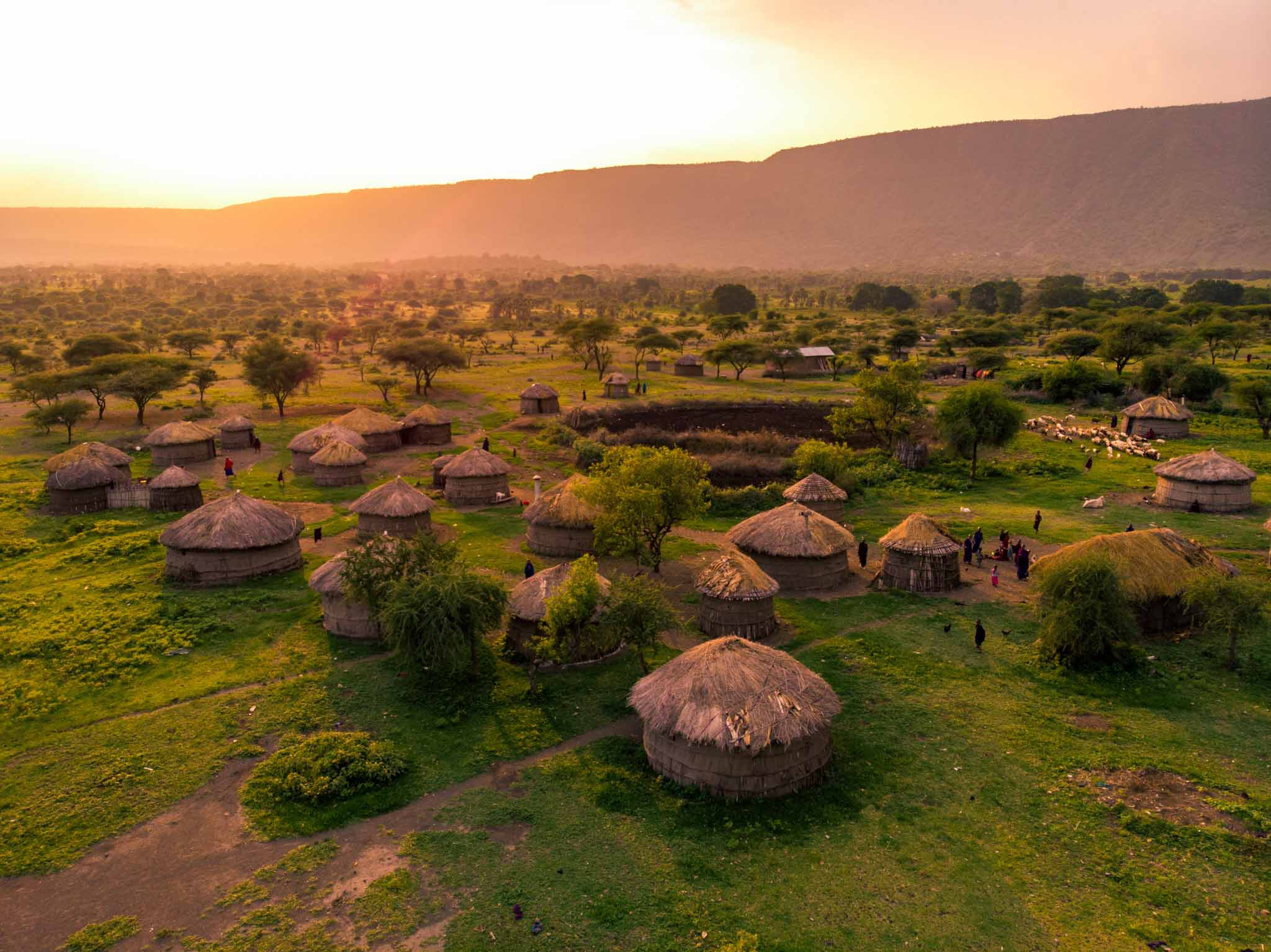
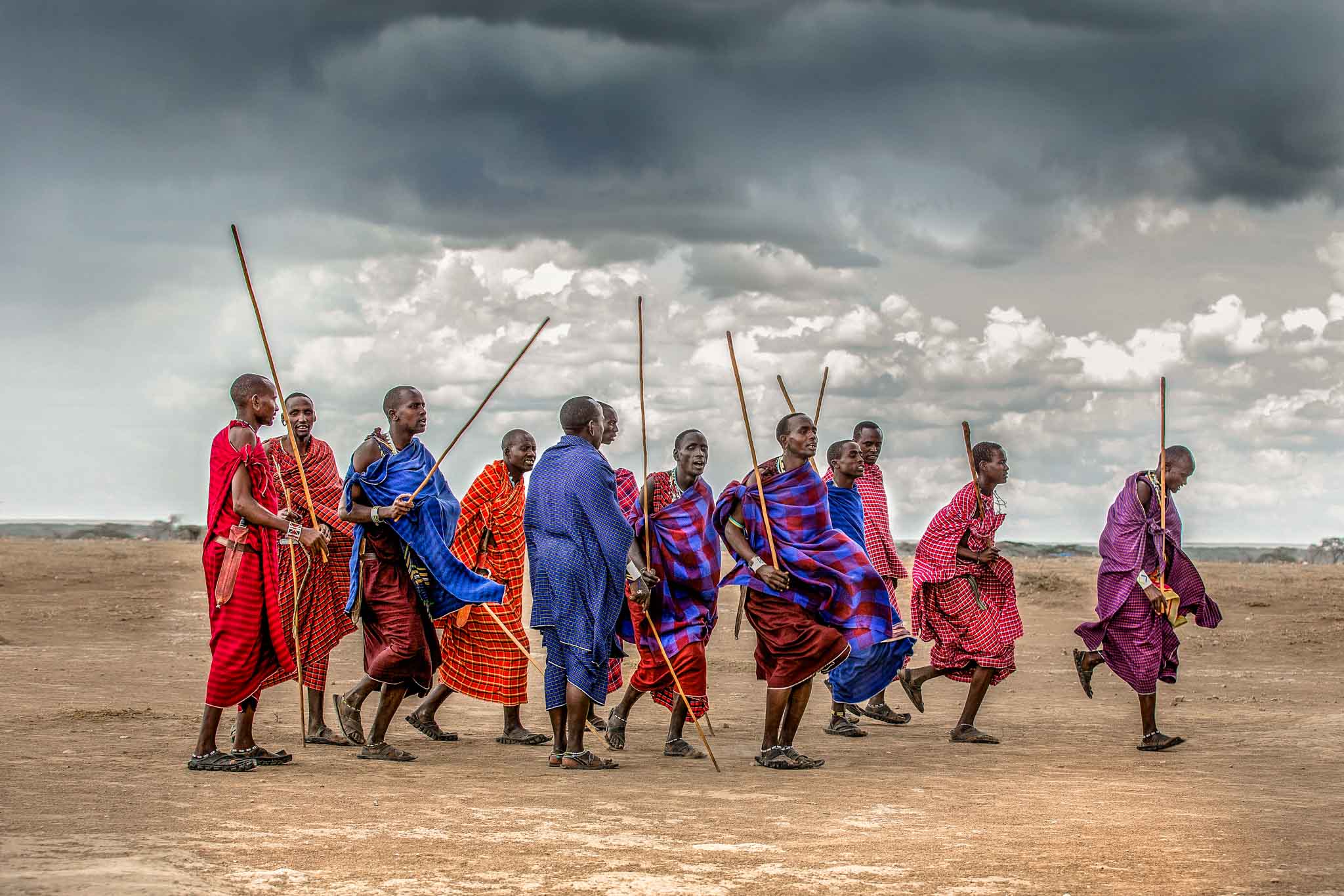
Perhaps the most iconic cultural experience in Tanzania is a visit to a traditional Maasai village, known locally as a boma. The Maasai people, easily recognized by their vivid red shuka garments and intricate beaded jewelry, have lived as semi nomadic pastoralists across northern Tanzania and southern Kenya for centuries, their lives closely tied to cattle herding and the surrounding land.
During a village visit, travelers are typically welcomed with traditional songs and the famous adumu, or jumping dance, performed by Maasai warriors as a display of strength and status. Guests are often invited into a traditional mud and dung constructed home, offering insight into daily domestic life, before learning about traditional practices such as fire making, beadwork, and livestock management that remain central to Maasai identity today.
Many village visits also support local schools or community projects directly, allowing travelers to engage in a form of tourism that meaningfully benefits the very communities being visited.
Hunting and Foraging With the Hadzabe
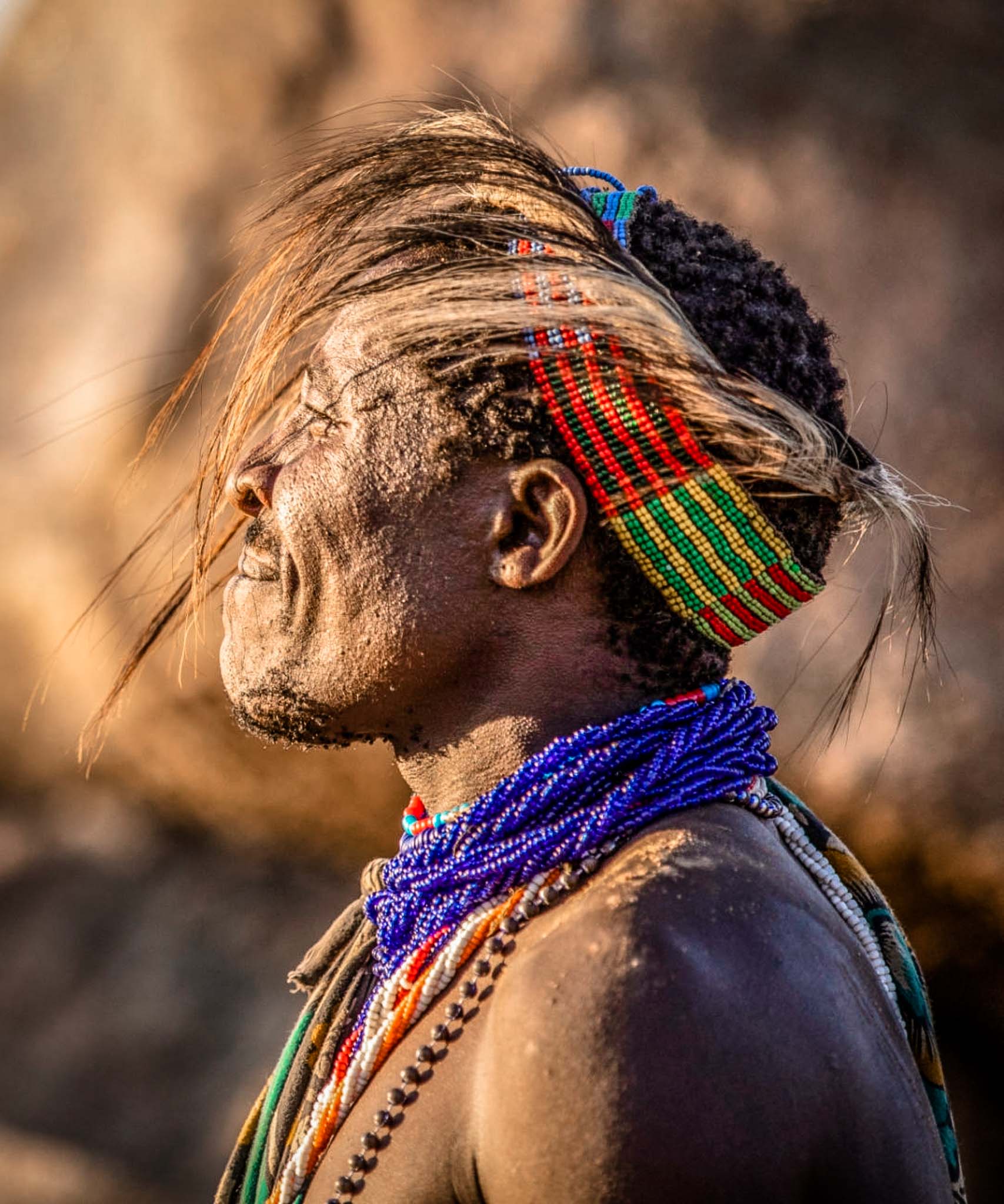
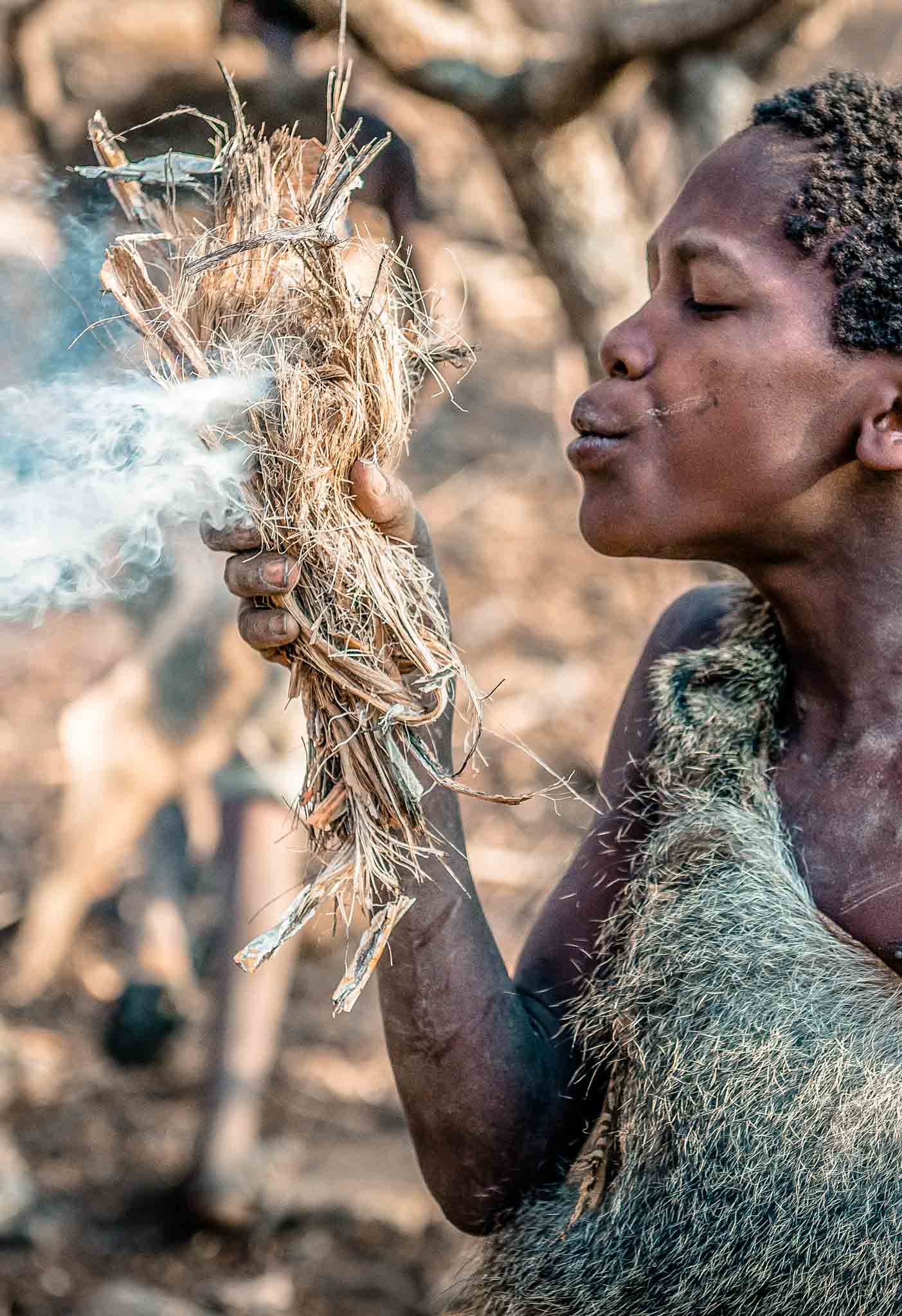
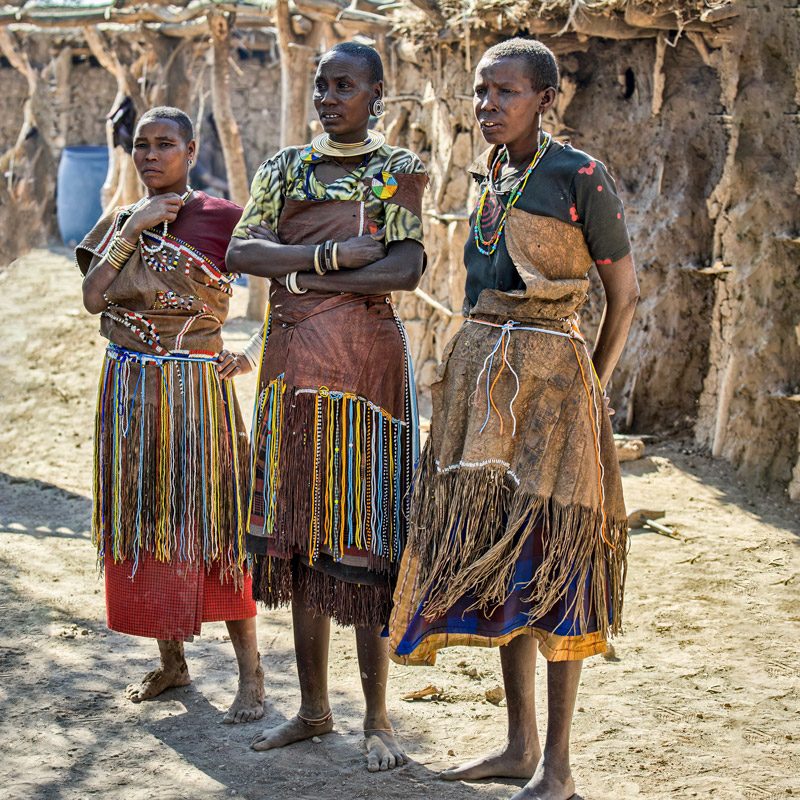
At Lake Eyasi, travelers can encounter one of the last true hunter gatherer societies remaining on Earth, the Hadzabe. Numbering only a few hundred individuals, the Hadzabe continue to live much as their ancestors did thousands of years ago, relying entirely on hunting and foraging rather than agriculture.
Guided cultural excursions allow visitors to accompany small hunting parties as they track game with traditional bows and arrows, demonstrate ancient fire starting techniques, and forage for wild fruits, tubers, and honey across the surrounding bushland. The Hadzabe language, distinguished by its rare click consonants, adds a fascinating linguistic dimension to an already remarkable cultural encounter, offering a rare and unfiltered glimpse into humanity’s ancient past.
Blacksmithing Traditions of the Datoga
Sharing the landscape around Lake Eyasi are the Datoga people, a semi nomadic pastoral community distinguished by their skilled blacksmithing traditions and elaborate beaded jewelry. A visit to a Datoga village often includes watching local craftsmen forge tools, weapons, and ornaments using techniques passed down through countless generations, shaping metal by hand using simple bellows and open fires.
This living craftsmanship offers travelers insight into a culture defined by resourcefulness and tradition, standing in fascinating contrast to the hunting based lifestyle of their Hadzabe neighbors just a short distance away.
Exploring Chagga Culture on Kilimanjaro’s Slopes
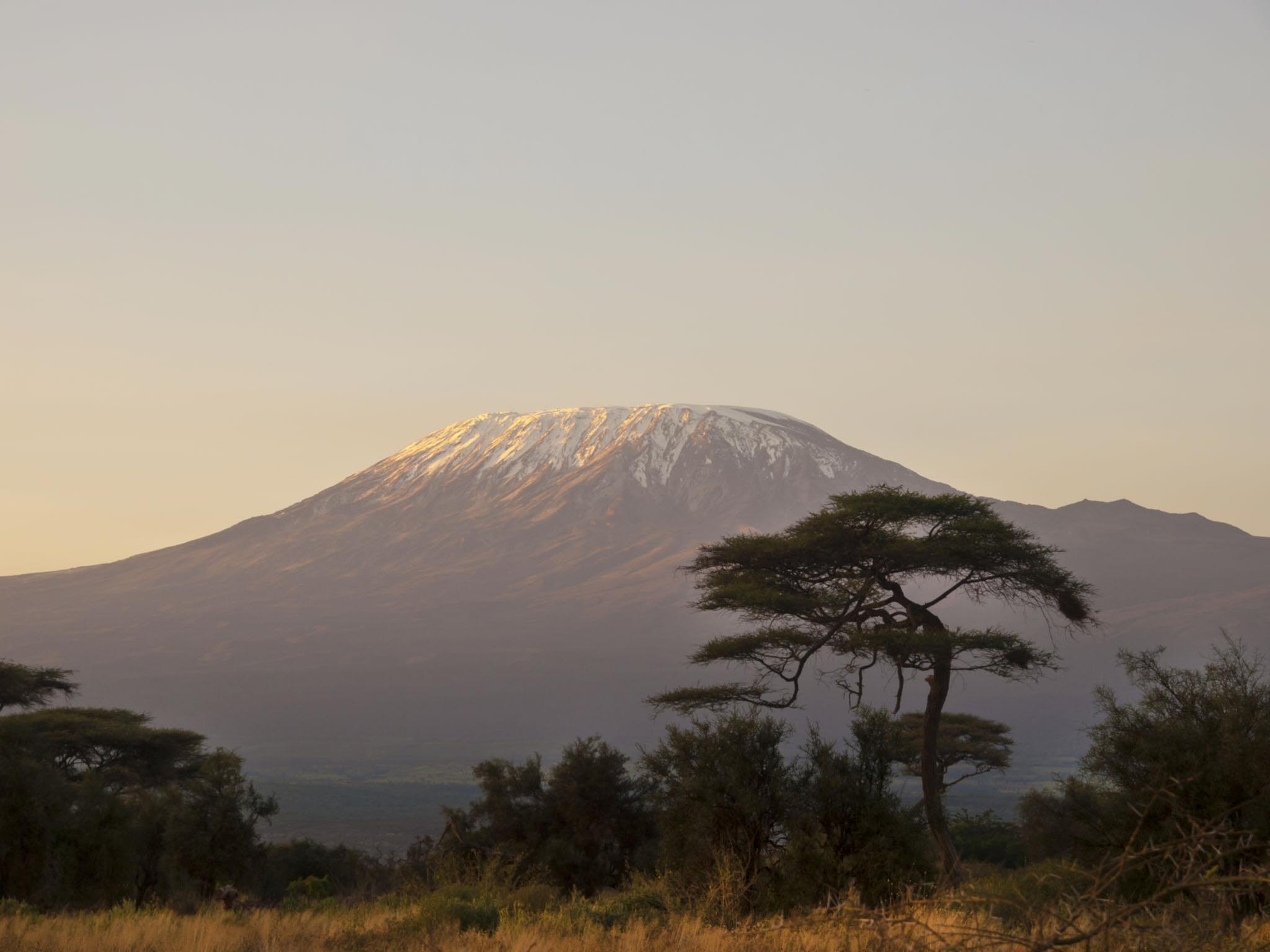
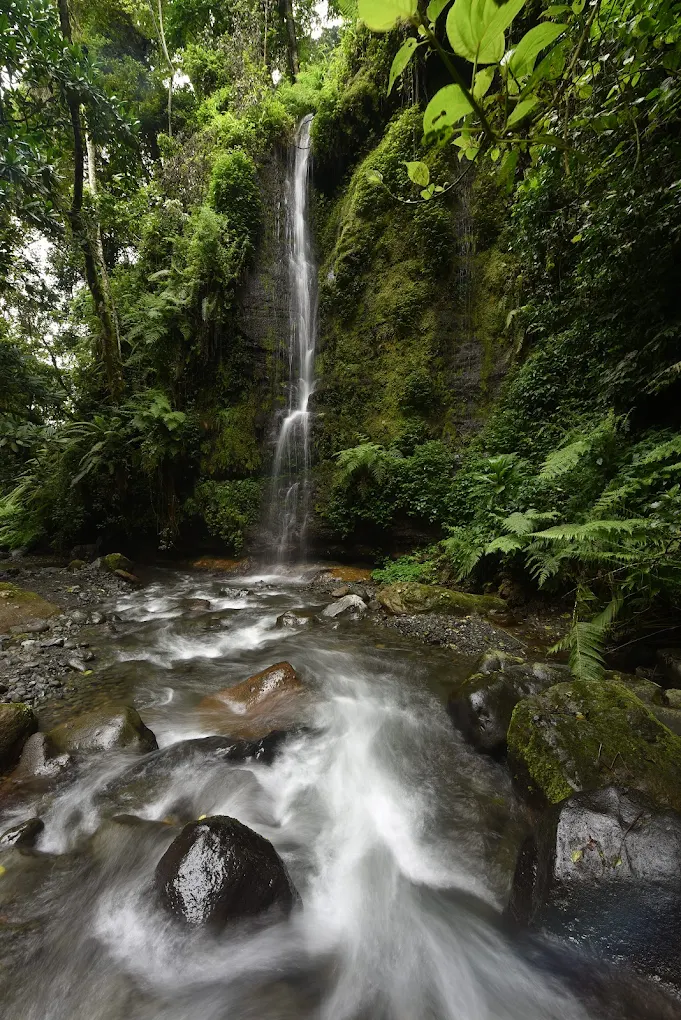
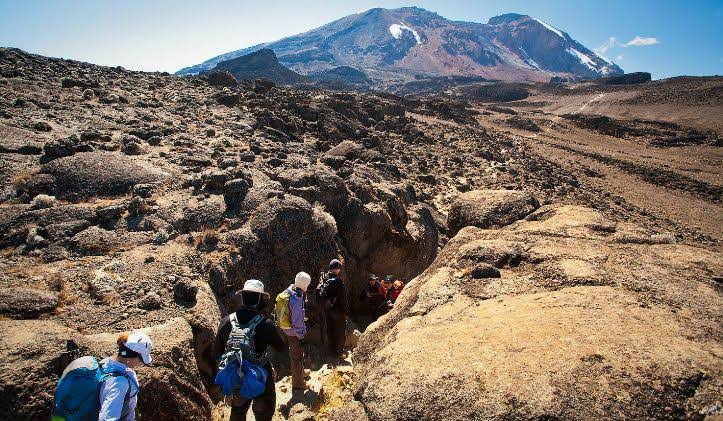
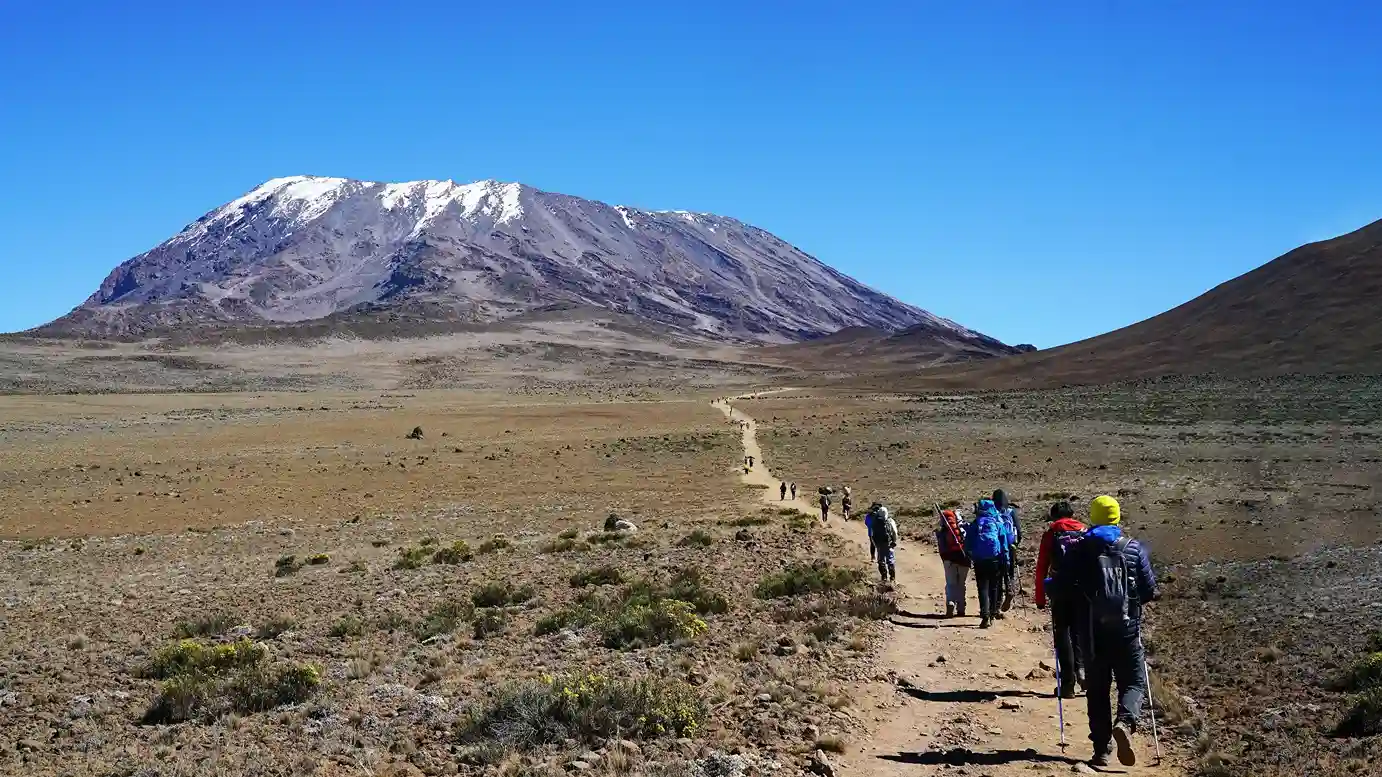
For travelers venturing to the lower slopes of Mount Kilimanjaro, cultural encounters with the Chagga people offer a rewarding addition to any Tanzania itinerary. Known for their agricultural expertise, particularly in coffee and banana cultivation, the Chagga have developed intricate farming systems adapted to the fertile volcanic soil surrounding the mountain.
Guided village walks often include visits to traditional underground caves once used as hiding places during tribal conflicts, along with demonstrations of local coffee production, from bean to cup, offering a rich blend of history, agriculture, and living tradition.
Swahili Culture Along the Coast
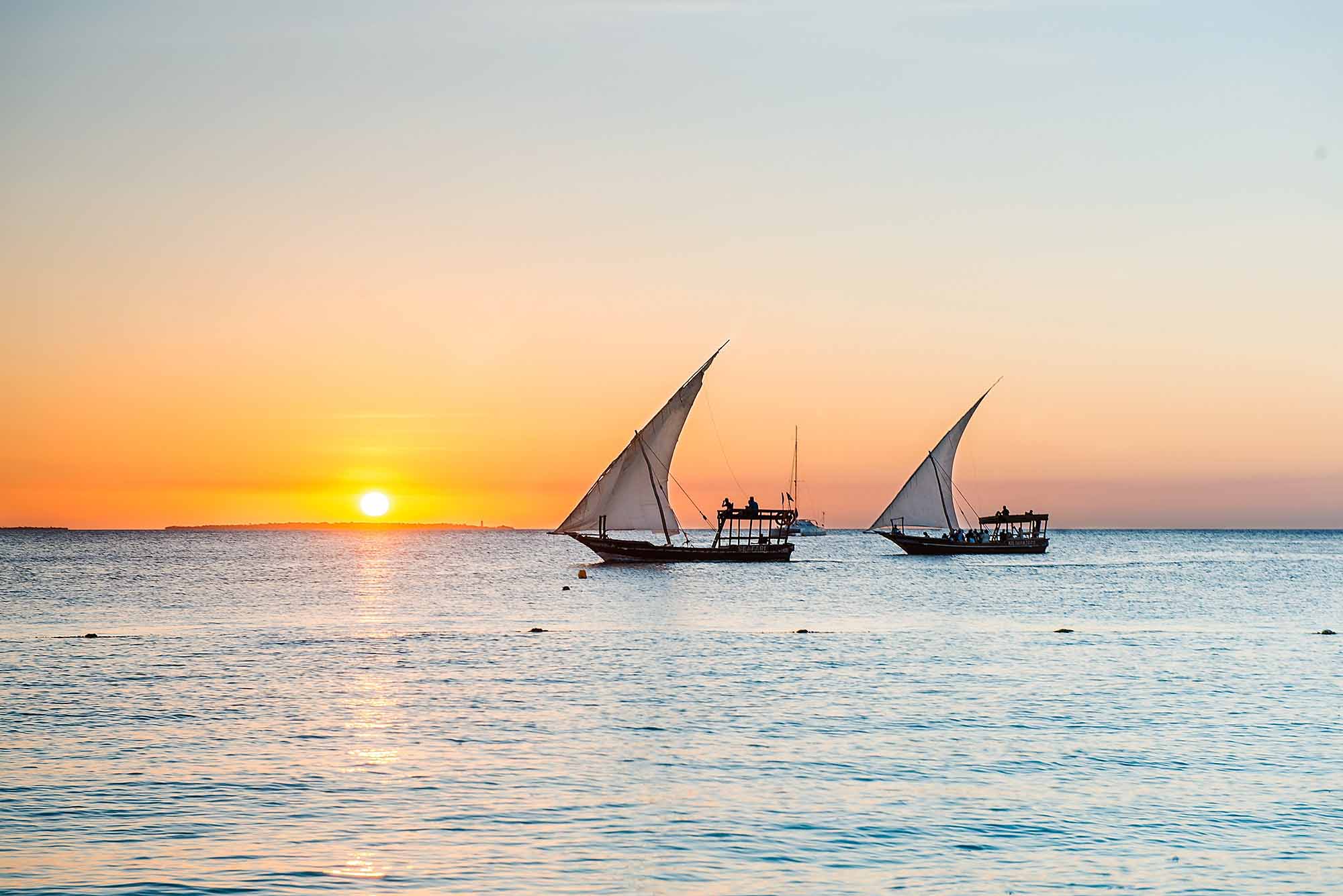
Along Tanzania’s coastline and throughout the islands of Zanzibar, travelers encounter an entirely different cultural landscape shaped by centuries of trade between Africa, Arabia, and India. Swahili culture, reflected in the architecture, cuisine, music, and daily rhythms of Stone Town, offers a compelling contrast to the pastoral and hunter gatherer traditions found further inland.
Exploring Stone Town’s narrow alleys, visiting spice plantations, and sampling traditional Swahili cuisine provide a rich, multi sensory cultural experience that beautifully complements the inland cultural encounters found on the mainland.
Responsible and Respectful Cultural Tourism
As interest in cultural safaris continues to grow, responsible and respectful engagement with local communities has become increasingly important. Reputable tour operators work directly with community leaders to ensure visits are conducted with genuine respect, fair compensation, and meaningful benefit to the communities being visited, rather than reducing centuries old traditions to mere spectacle.
Travelers are encouraged to ask questions, listen attentively, and approach each cultural encounter with curiosity and humility, recognizing that these are living communities with rich, evolving histories rather than static tourist attractions frozen in time.
Best Way to Combine Cultural and Wildlife Experiences
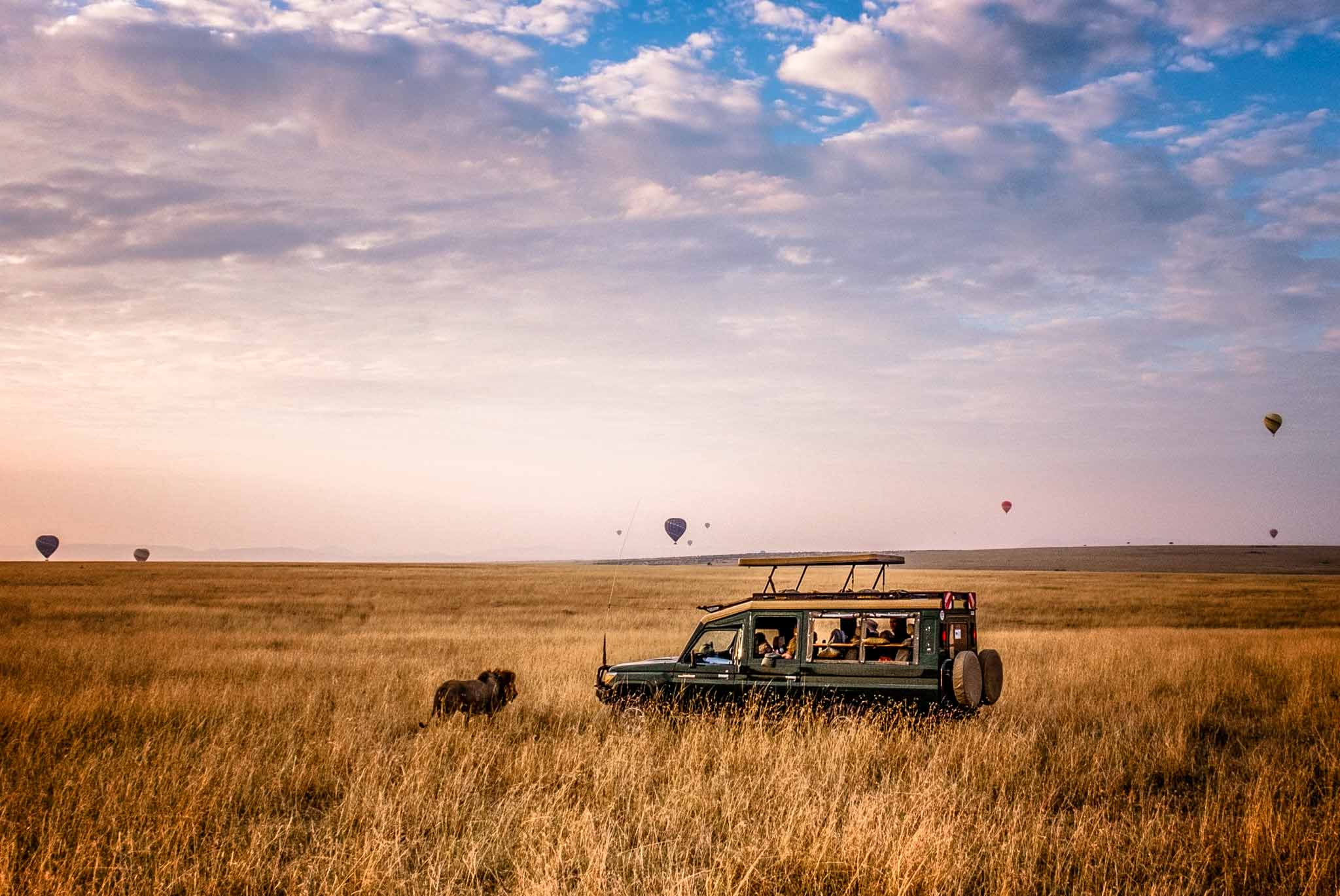
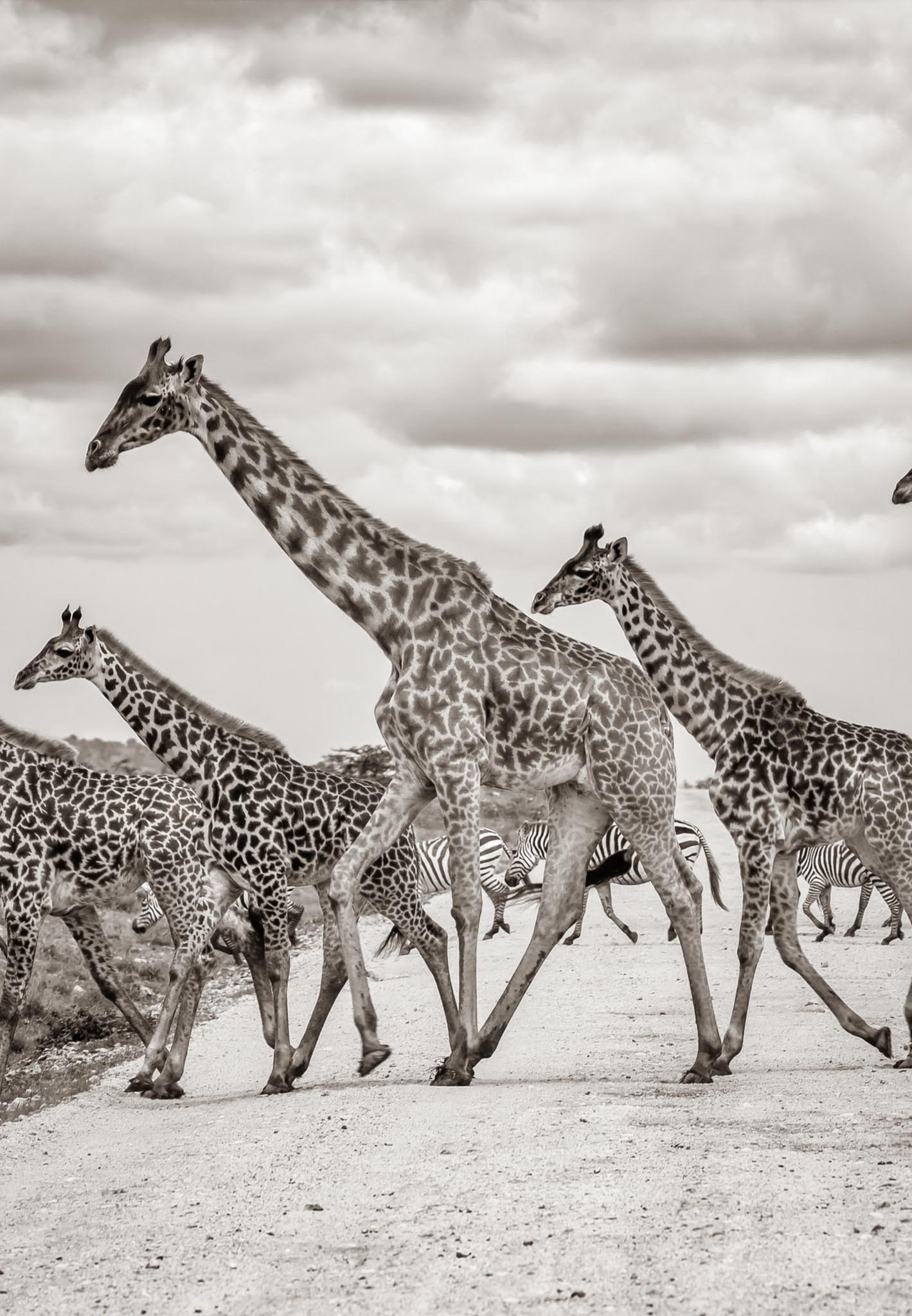
Most cultural safari experiences in Tanzania are easily combined with traditional wildlife viewing, given the close proximity of many communities to popular national parks. A typical itinerary might include a Maasai village visit near Ngorongoro Crater, a Hadzabe hunting excursion near Lake Eyasi, and a Chagga village walk on the slopes of Kilimanjaro, all woven seamlessly into a broader northern circuit safari itinerary.
This blend of wildlife and cultural experiences offers a far more complete understanding of Tanzania, revealing both its extraordinary natural heritage and the diverse human stories that have shaped the land for generations.
Why a Cultural Safari Deserves a Place on Your Tanzania Itinerary
A cultural safari offers something that wildlife alone cannot, a genuine connection to the people, traditions, and living history that define Tanzania as a nation. Whether witnessing a Maasai jumping dance, joining a Hadzabe hunting party at dawn, or exploring the historic streets of Stone Town, these encounters leave travelers with a far deeper appreciation for the incredible diversity found across this remarkable country.
For travelers seeking more than just wildlife, a Tanzania cultural safari transforms an ordinary trip into a profound and unforgettable journey into humanity’s rich and enduring heritage.