
Lake Eyasi: A Journey Into Tanzania’s Ancient Hunter Gatherer Culture
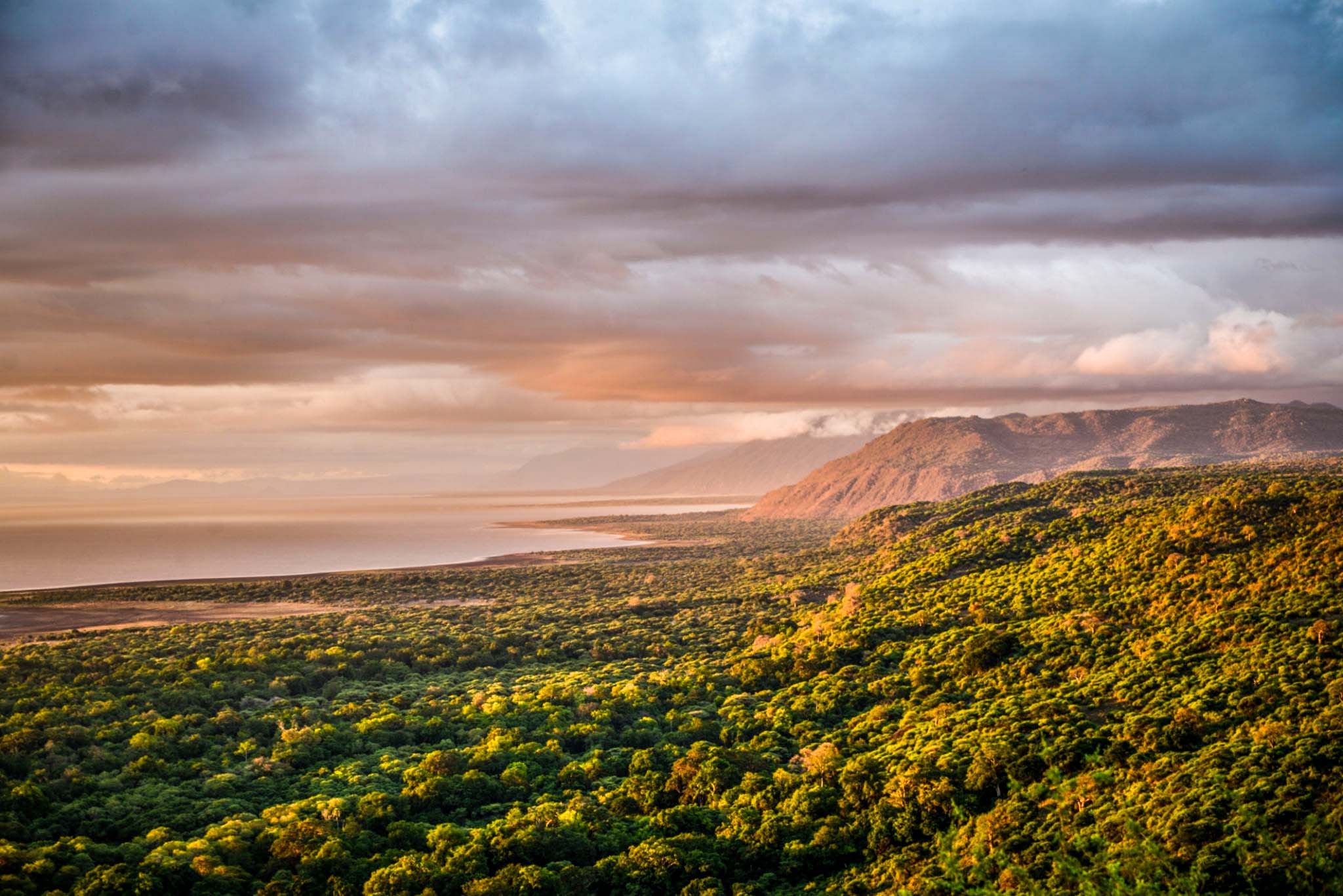
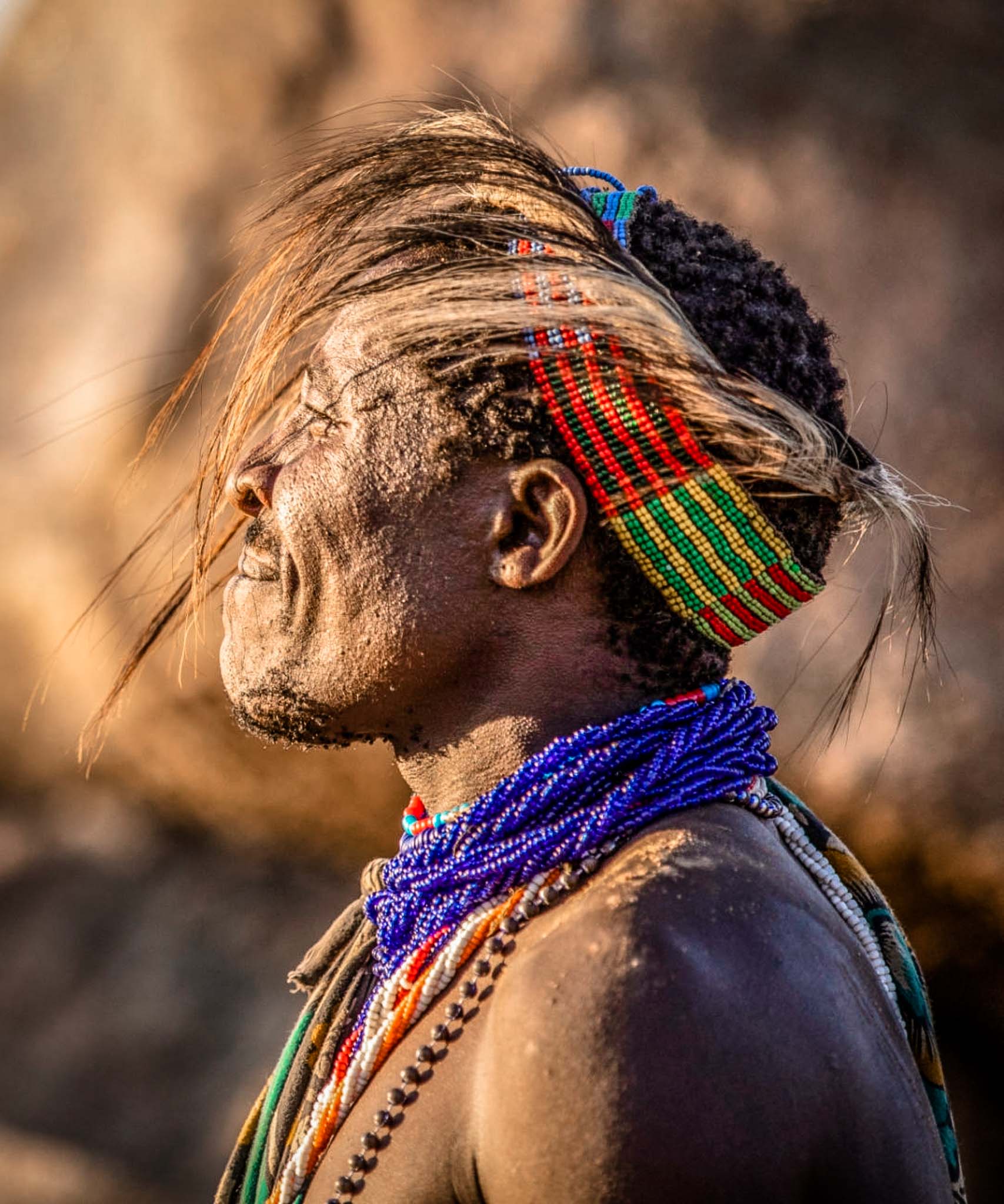
Tucked away at the base of the Great Rift Valley escarpment, south of the Ngorongoro Highlands, Lake Eyasi offers travelers something far removed from the traditional wildlife focused safari experience. While the shallow alkaline lake and surrounding savanna do host their own share of birdlife and scenery, it is the region’s remarkable human history that draws visitors from around the world. Lake Eyasi is home to the Hadzabe, one of the last remaining hunter gatherer tribes on Earth, along with the Datoga, a semi nomadic pastoral community, making it one of Tanzania’s most authentic and immersive cultural safari destinations.
For travelers seeking to go beyond game drives and experience the living heritage of East Africa, Lake Eyasi offers a rare and deeply meaningful opportunity to connect with communities whose way of life has remained largely unchanged for thousands of years.
Meeting the Hadzabe, One of the Last Hunter Gatherer Tribes
The Hadzabe people, numbering only a few hundred individuals today, are believed to be one of the oldest surviving ethnic groups in Africa, with genetic and cultural roots that may stretch back tens of thousands of years. Unlike most modern societies, the Hadzabe continue to live largely as their ancestors did, relying on hunting and foraging for their daily survival rather than agriculture or livestock.
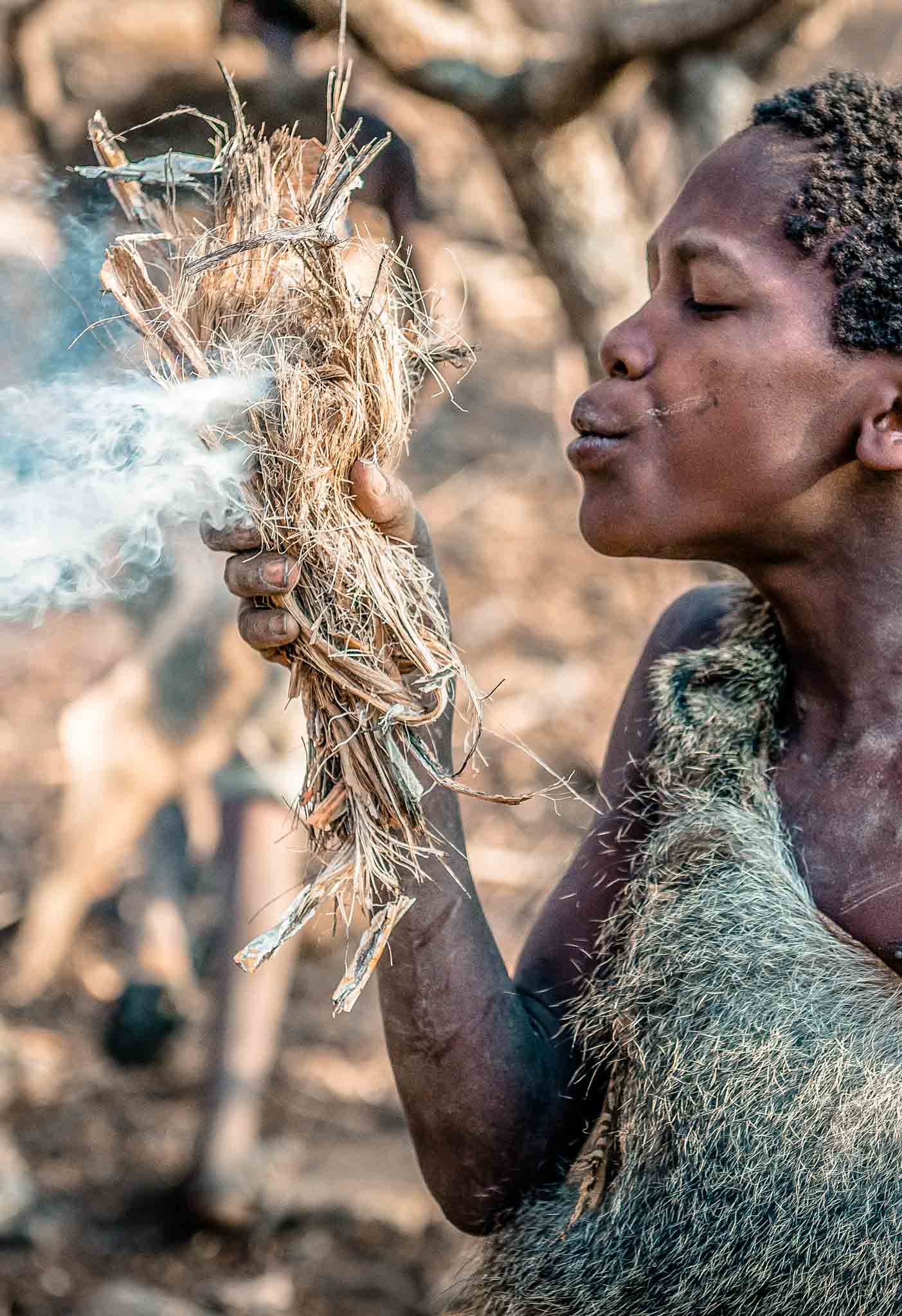
Visitors who join a guided Hadzabe cultural experience have the rare opportunity to accompany small hunting parties as they track game using traditional bows and arrows, demonstrate fire making techniques using only sticks and friction, and forage for wild fruits, tubers, and honey across the surrounding bushland. The Hadzabe language itself is notable for its distinctive click consonants, a linguistic feature shared by only a handful of languages worldwide, adding another fascinating layer to the cultural encounter.
These experiences are typically conducted early in the morning, when hunting activity is most active, offering travelers an authentic and unscripted glimpse into a lifestyle that has all but disappeared elsewhere on the planet.
The Datoga People and Traditional Blacksmithing
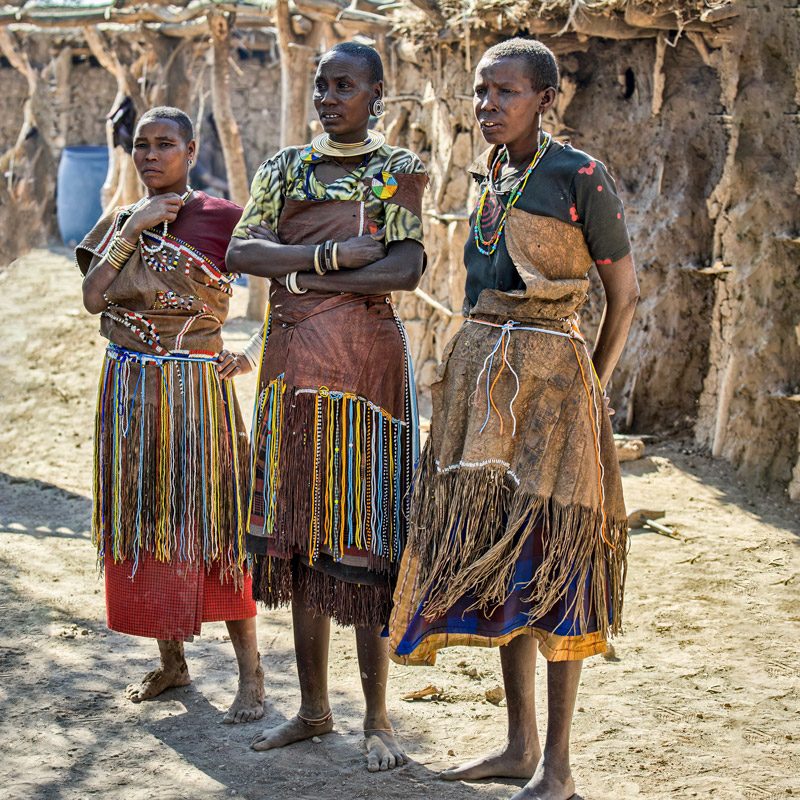
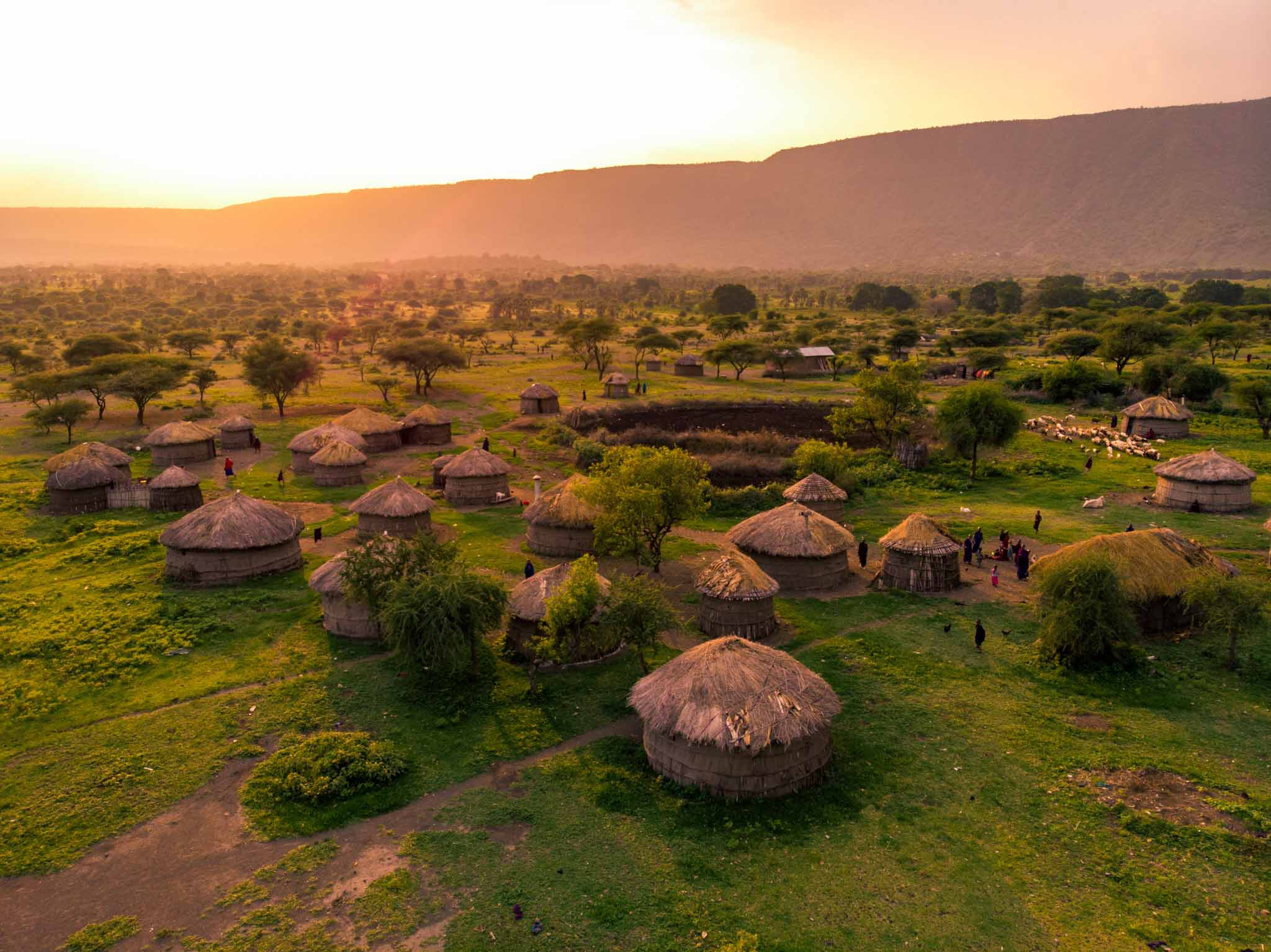
Sharing the region around Lake Eyasi are the Datoga, a semi nomadic pastoral community known for their distinctive beaded jewelry, traditional dress, and skilled blacksmithing traditions. Unlike the Hadzabe, the Datoga rely primarily on cattle herding, though many communities also practice small scale farming.
A visit to a Datoga village often includes the opportunity to watch local blacksmiths forge tools, jewelry, and weapons using traditional techniques passed down through generations, using simple bellows and open fires to shape metal by hand. This craftsmanship remains an important part of Datoga identity and offers travelers insight into yet another distinct culture coexisting within the Lake Eyasi region.
The Landscape of Lake Eyasi
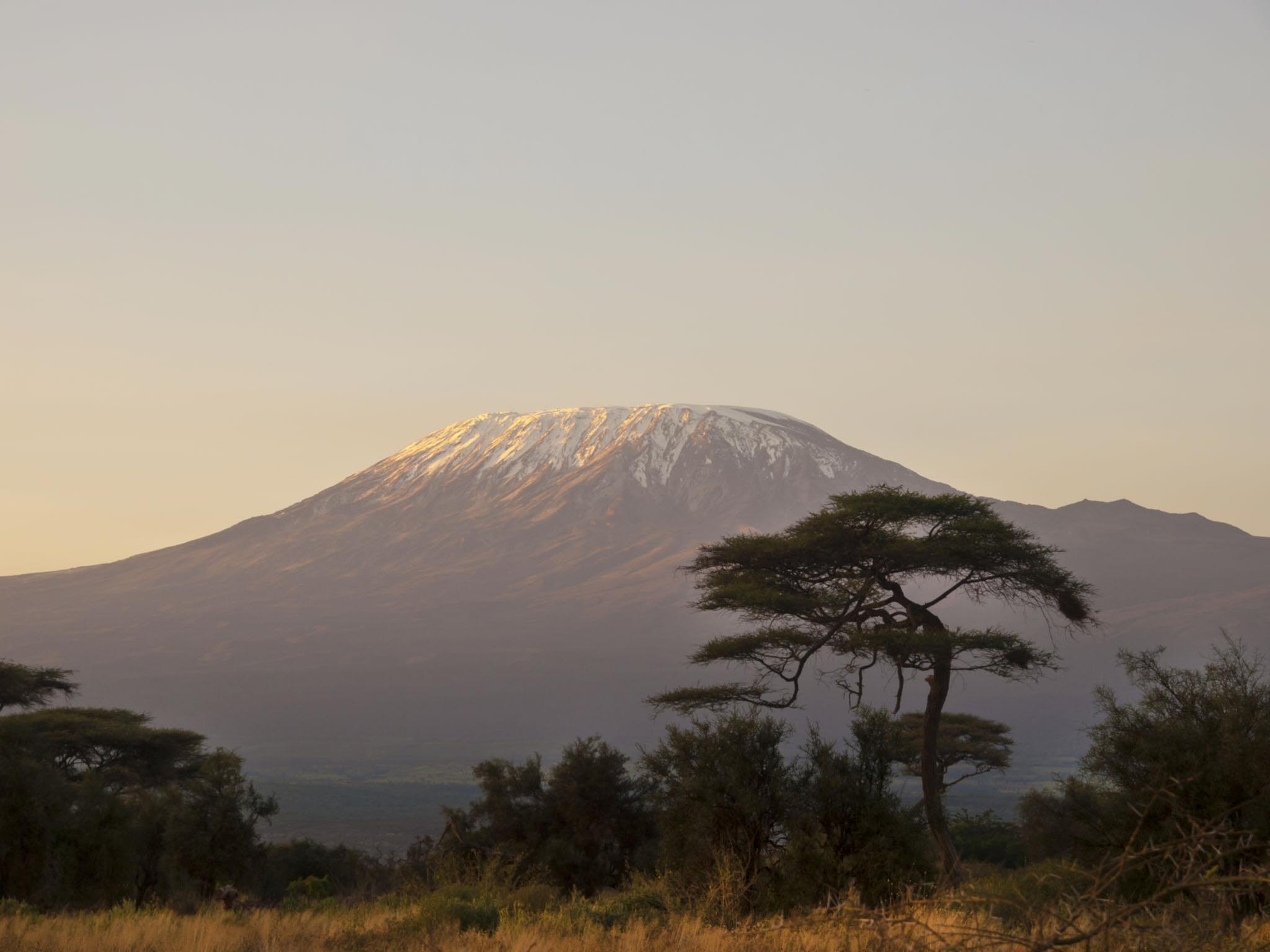
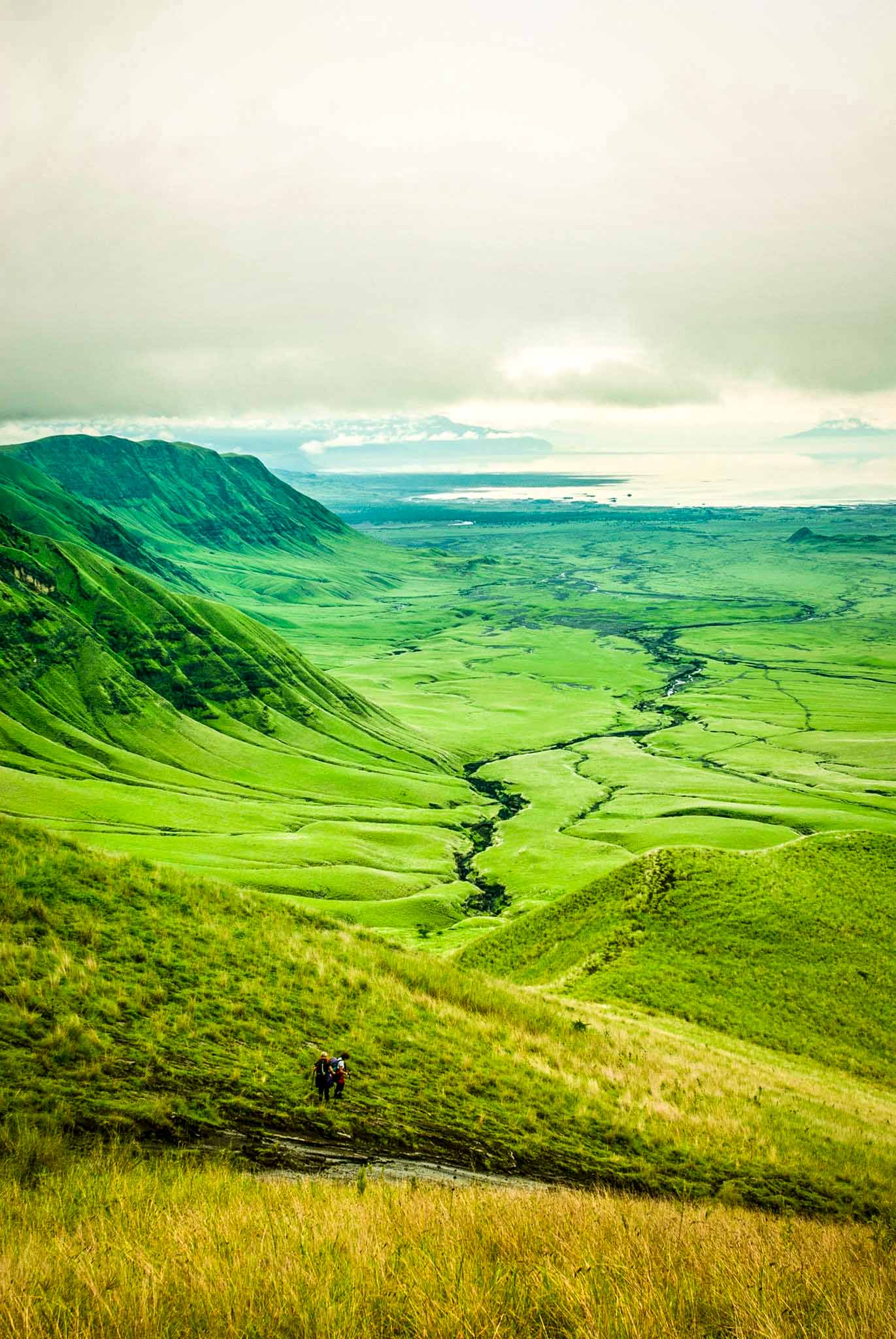
Lake Eyasi itself is a shallow, seasonal soda lake that expands significantly during the rainy season and can shrink dramatically or dry out almost entirely during periods of drought. Framed by the dramatic walls of the Great Rift Valley, the surrounding landscape features dry acacia woodland, open savanna, and rocky escarpments, creating a rugged and starkly beautiful setting quite different from the lush forests and grasslands found in Tanzania’s more famous national parks.
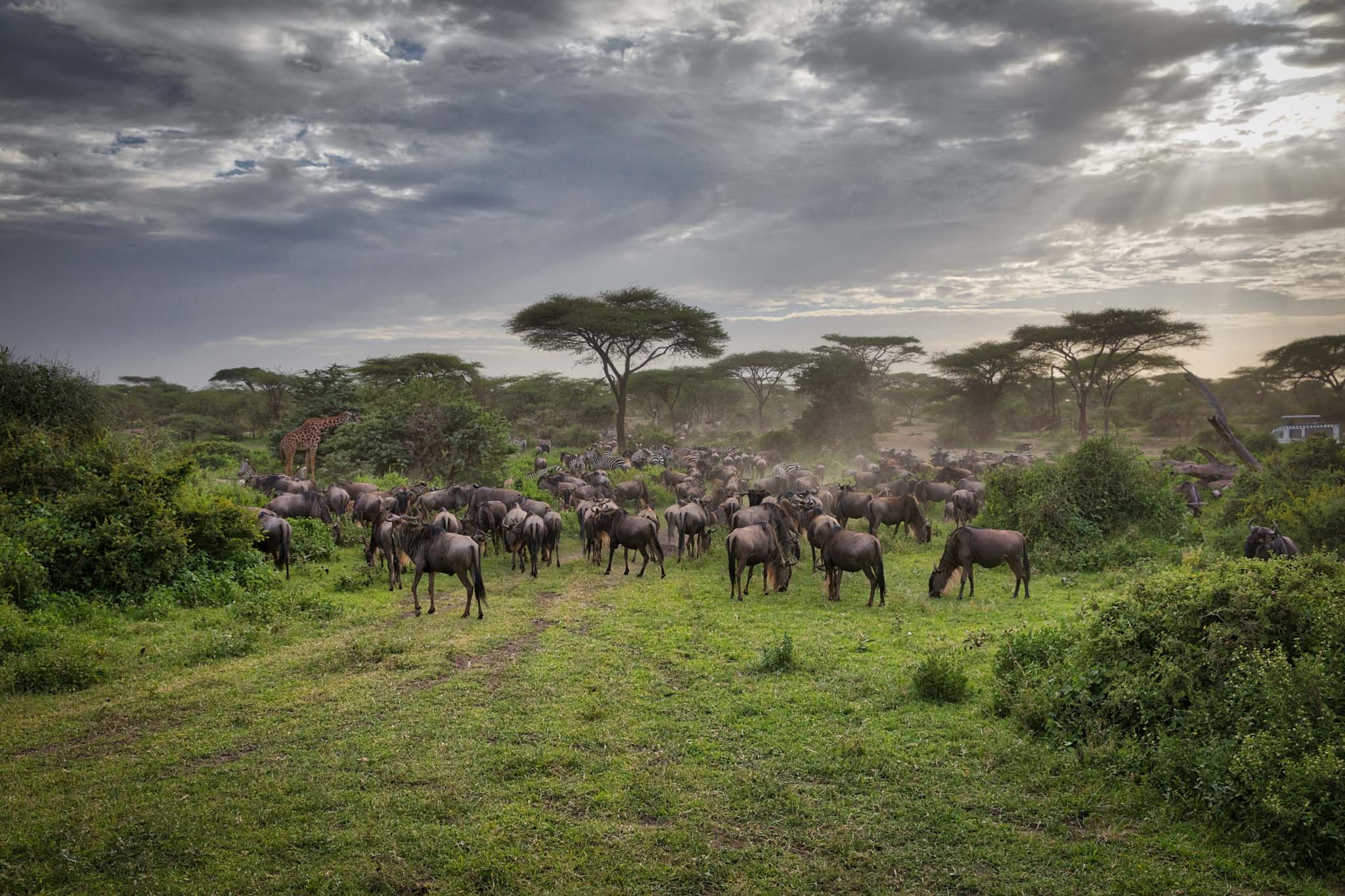
While wildlife viewing is not the primary draw of the region, the lake and surrounding bushland do support birdlife, including flamingos during wetter periods, along with smaller mammals adapted to the arid environment. For travelers interested in combining cultural encounters with light nature walks, the area offers a peaceful and scenic backdrop for exploration.
A More Intimate and Off the Beaten Path Experience
Unlike the heavily visited parks of the northern safari circuit, Lake Eyasi remains relatively untouched by mass tourism, offering a quieter and more intimate travel experience. Group sizes for cultural visits tend to be small, and interactions with the Hadzabe and Datoga communities are typically conducted through experienced local guides who help facilitate respectful and meaningful exchanges.
This off the beaten path quality makes Lake Eyasi particularly appealing to travelers who have already experienced traditional wildlife safaris and are seeking a deeper, more culturally immersive dimension to their Tanzania journey.
Best Time to Visit Lake Eyasi
Lake Eyasi can be visited throughout the year, as cultural experiences with the Hadzabe and Datoga communities are not dependent on wildlife migration patterns or seasonal water availability in the same way traditional safaris are. That said, the dry season, from June to October, tends to offer the most comfortable travel conditions, with easier road access and pleasant temperatures for early morning hunting excursions.
The wetter months, from November to May, bring lusher scenery and a fuller lake, though some remote roads may become more difficult to navigate during heavy rains.
Where to Stay Near Lake Eyasi
Accommodation options around Lake Eyasi are more limited than in Tanzania’s major parks, typically consisting of small tented camps and lodges that emphasize simplicity and proximity to local communities over luxury amenities. Many properties are family run and offer a genuinely warm, community focused atmosphere that complements the cultural nature of a Lake Eyasi visit.
Getting to Lake Eyasi
Lake Eyasi is typically reached by road from Karatu or the Ngorongoro Conservation Area, with the journey taking approximately two to three hours depending on road conditions. Its location makes it a natural addition to a broader northern circuit itinerary, often combined with visits to Ngorongoro Crater, Lake Manyara, or Serengeti National Park for travelers seeking a well rounded blend of wildlife and cultural experiences.
Why Lake Eyasi Deserves a Place on Your Tanzania Itinerary
Lake Eyasi offers a rare and profound opportunity to step outside the traditional safari experience and connect directly with two of Africa’s most fascinating living cultures. Whether you are joining a Hadzabe hunting excursion at dawn, watching Datoga blacksmiths at work, or simply taking in the raw beauty of the Rift Valley landscape, Lake Eyasi delivers an experience defined by authenticity, connection, and cultural discovery.
For travelers seeking more than wildlife alone, Lake Eyasi stands as an essential addition to any Tanzania itinerary, offering a rare window into human history and tradition found in few other places on Earth.