

Lake Manyara National Park: A Hidden Gem Beneath the Rift Valley
Nestled at the base of the dramatic Great Rift Valley escarpment, Lake Manyara National Park is one of Tanzania’s most scenic and biologically diverse safari destinations. Despite its relatively small size, covering just 330 square kilometers, this park packs an extraordinary variety of landscapes and wildlife into a compact area, making it a favorite stop along the northern safari circuit.
Named after the shallow soda lake that dominates much of its terrain, Lake Manyara National Park offers travelers a unique blend of dense groundwater forest, open grassland, and alkaline lake, all within a single, easily explored destination. This diversity of habitats supports an equally diverse range of wildlife, making Lake Manyara a rewarding addition to any Tanzania safari itinerary.
Famous for Tree Climbing Lions
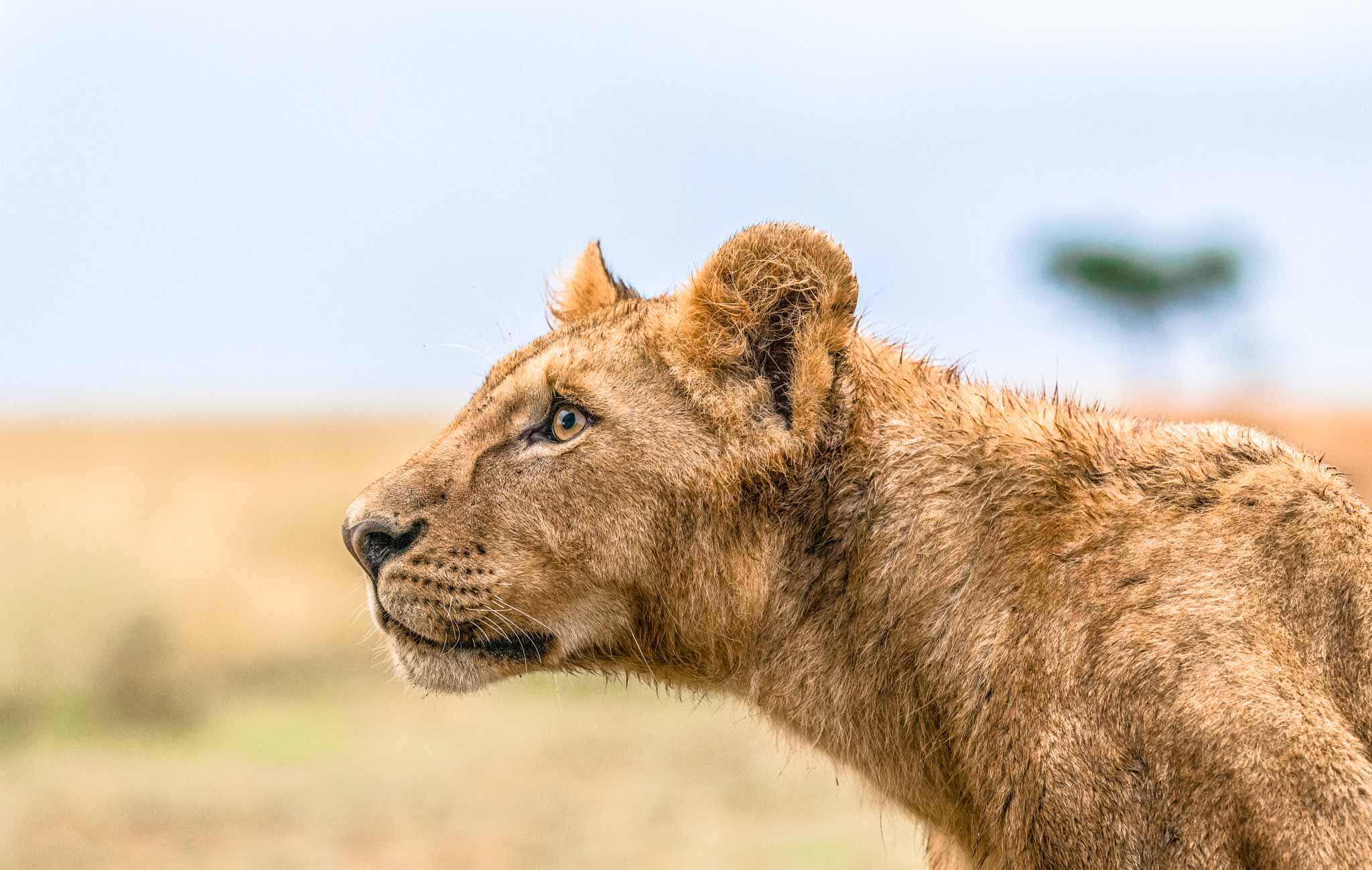
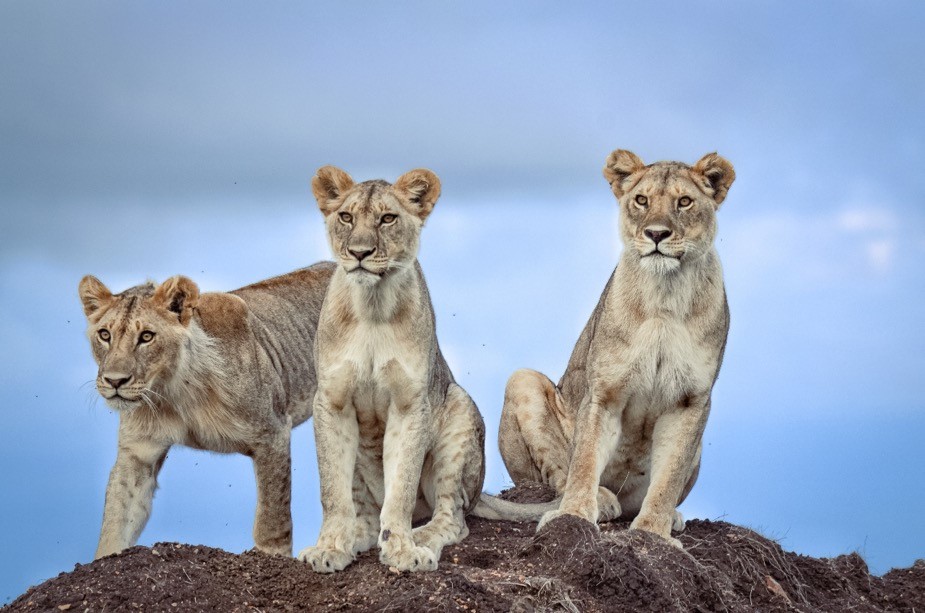
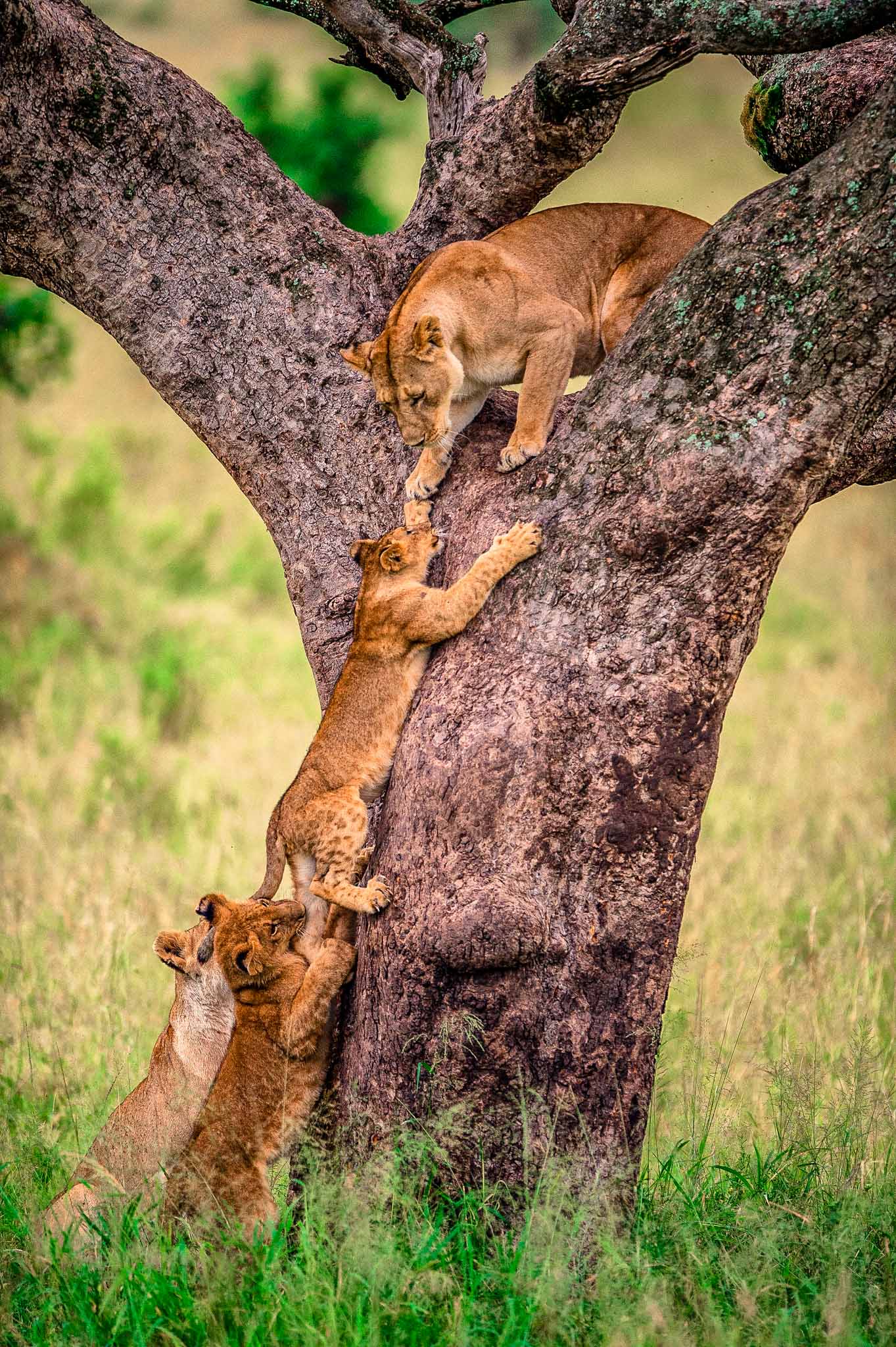
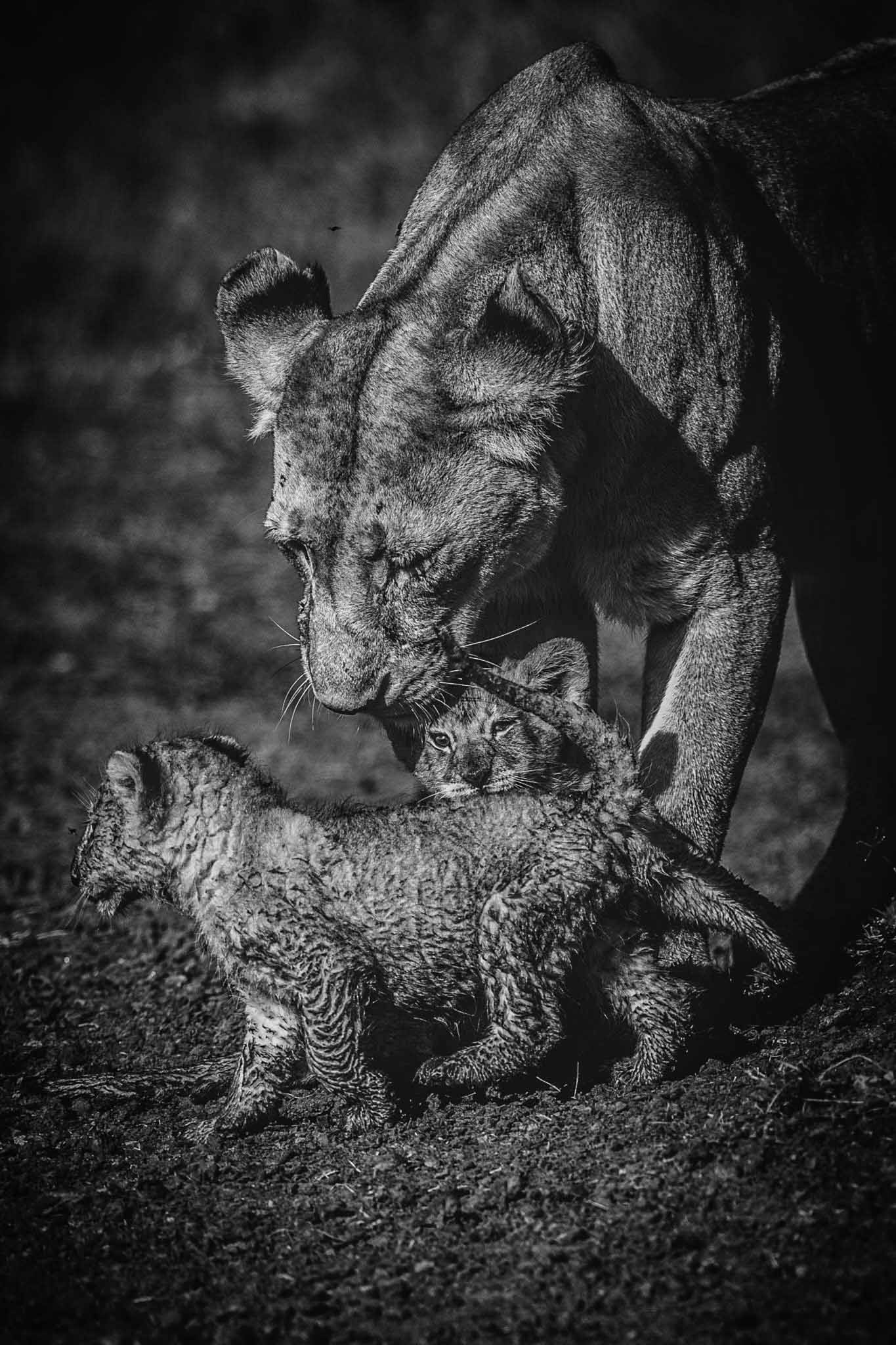
Lake Manyara National Park is perhaps best known for one of Africa’s most unusual wildlife behaviors, its population of tree climbing lions. While lions in most parts of Africa remain on the ground, the lions of Lake Manyara are famously known to climb into the branches of acacia and fig trees, often lounging on horizontal limbs during the heat of the day.
While researchers continue to study the exact reasons behind this behavior, popular theories suggest it may help lions escape biting insects, find cooler temperatures, or gain a better vantage point for spotting prey across the grasslands below. Spotting a lion draped lazily across a tree branch remains one of the most memorable and sought after wildlife sightings in all of Tanzania.
A Birdwatcher’s Paradise
Lake Manyara itself, a shallow alkaline lake that expands and contracts with the seasons, attracts an extraordinary concentration of birdlife, making the park one of the premier birdwatching destinations in East Africa. During the right season, thousands of flamingos gather along the shoreline, their vibrant pink plumage creating a striking contrast against the blue waters and distant escarpment.
In addition to flamingos, the park hosts over 400 recorded bird species, including pelicans, storks, herons, and a wide range of migratory species that pass through seasonally. For dedicated birdwatchers, Lake Manyara offers some of the most rewarding and accessible birding opportunities found anywhere in Tanzania.
Diverse Wildlife in a Compact Setting
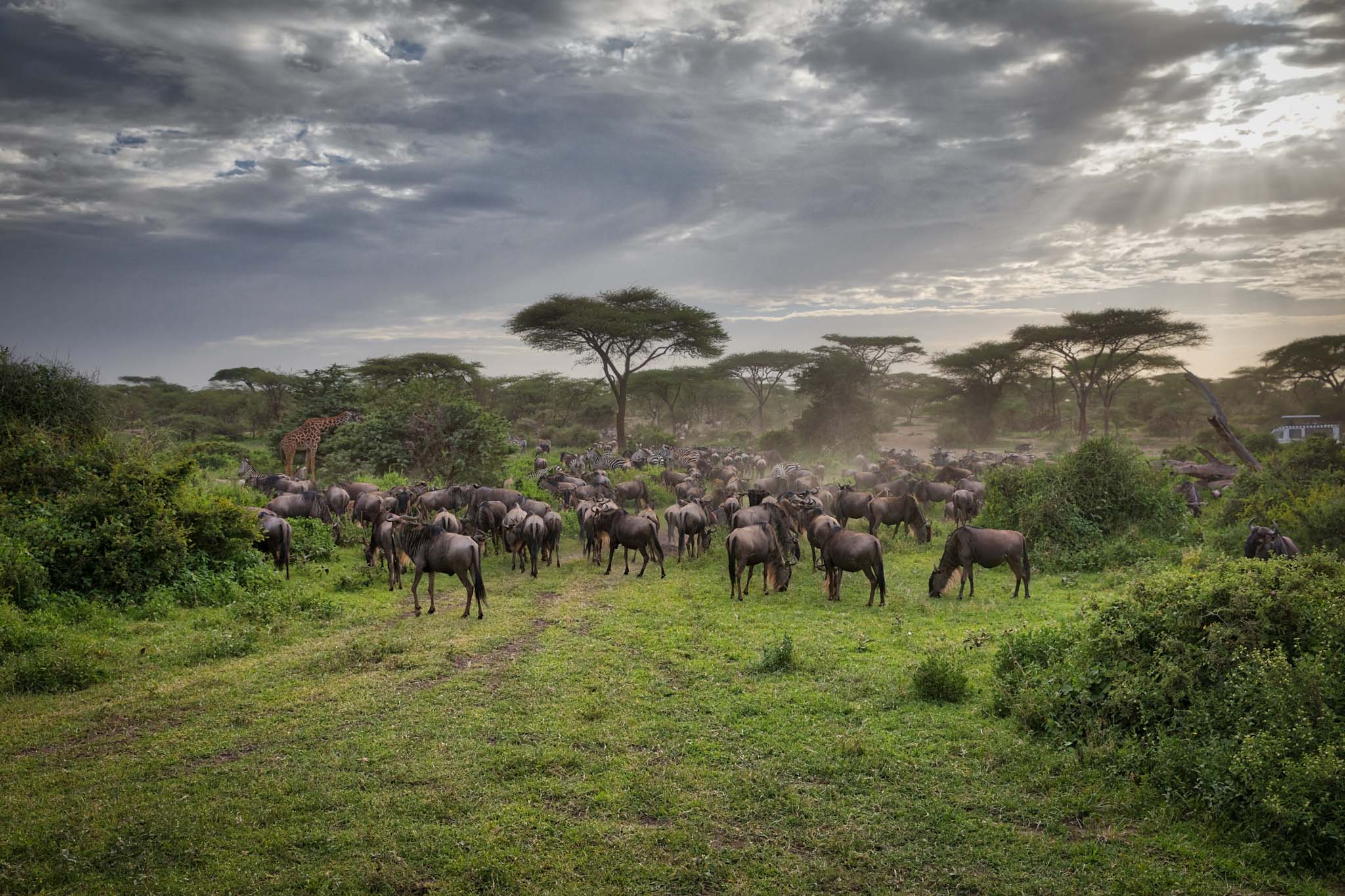
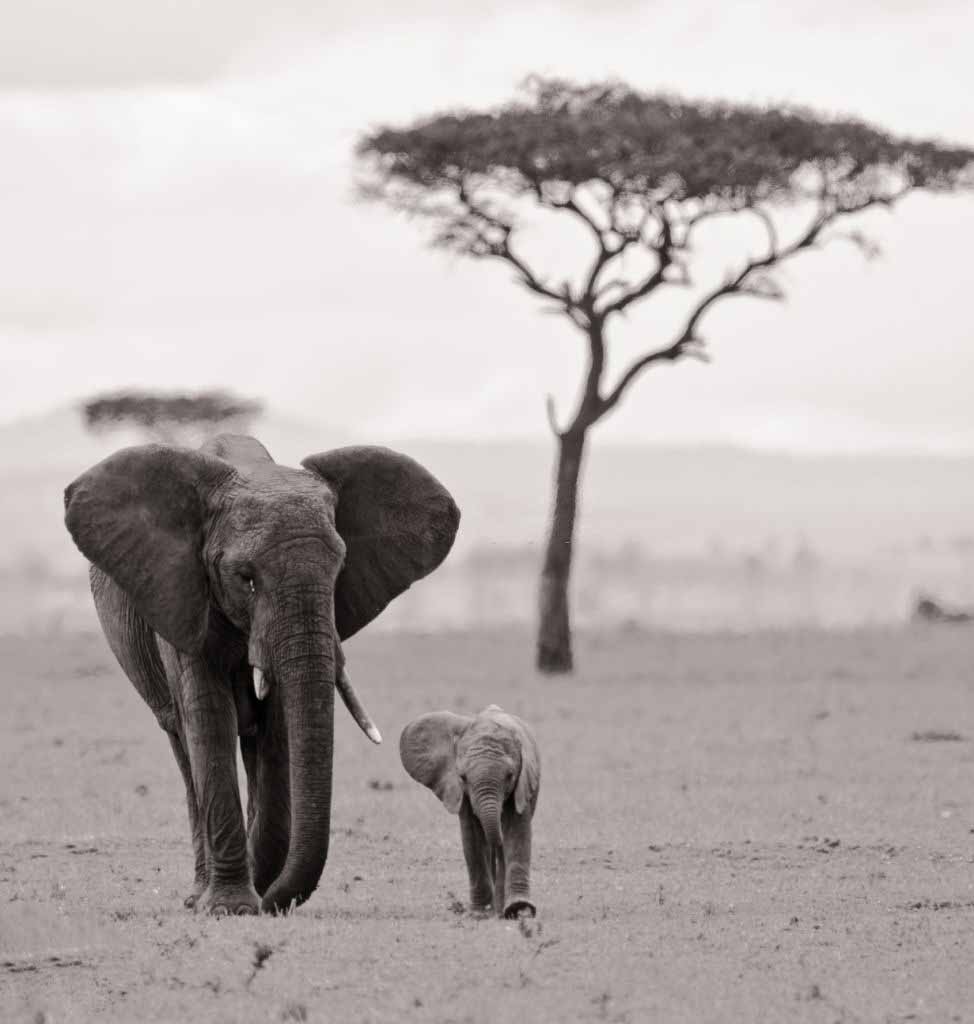
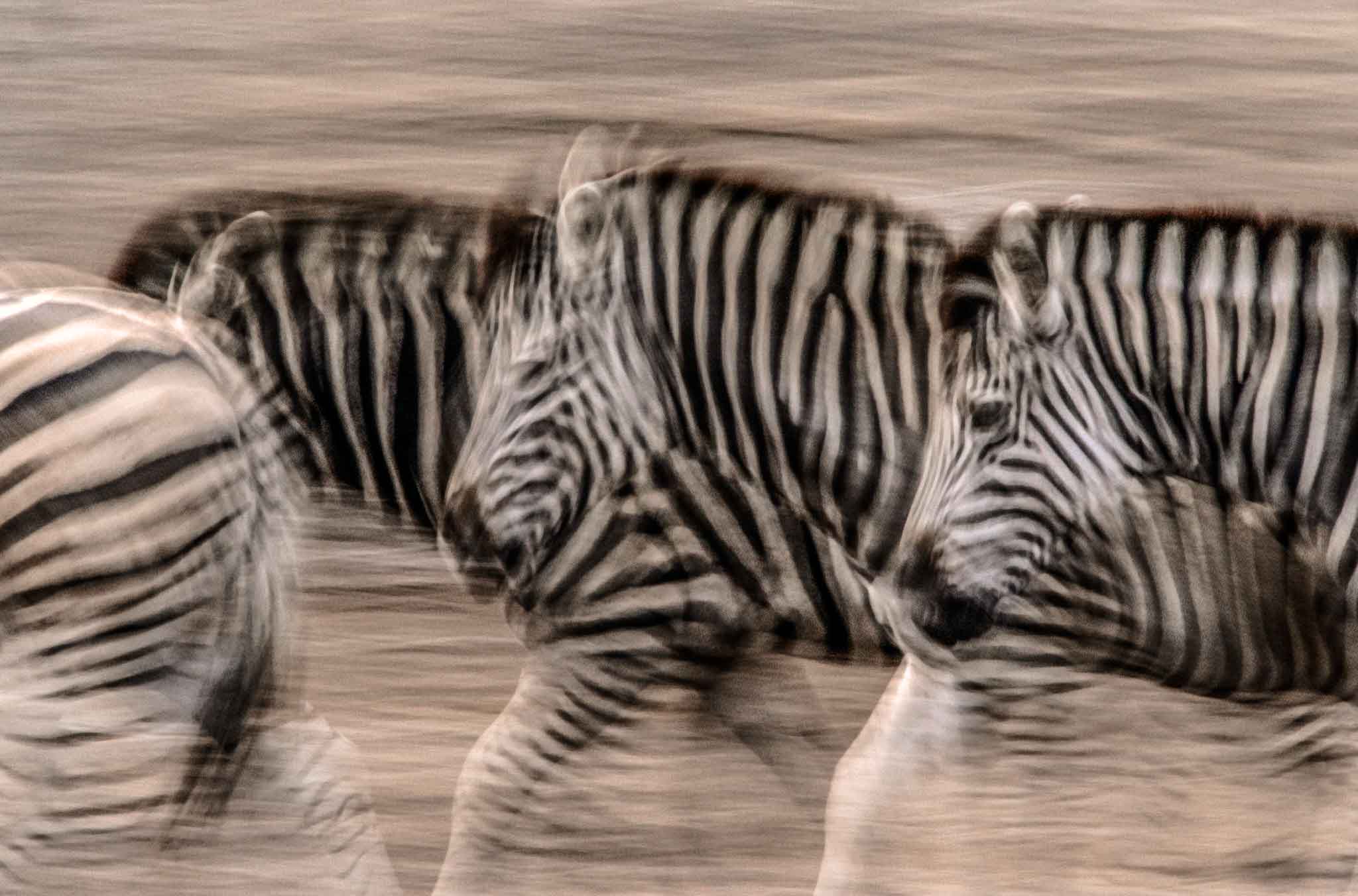
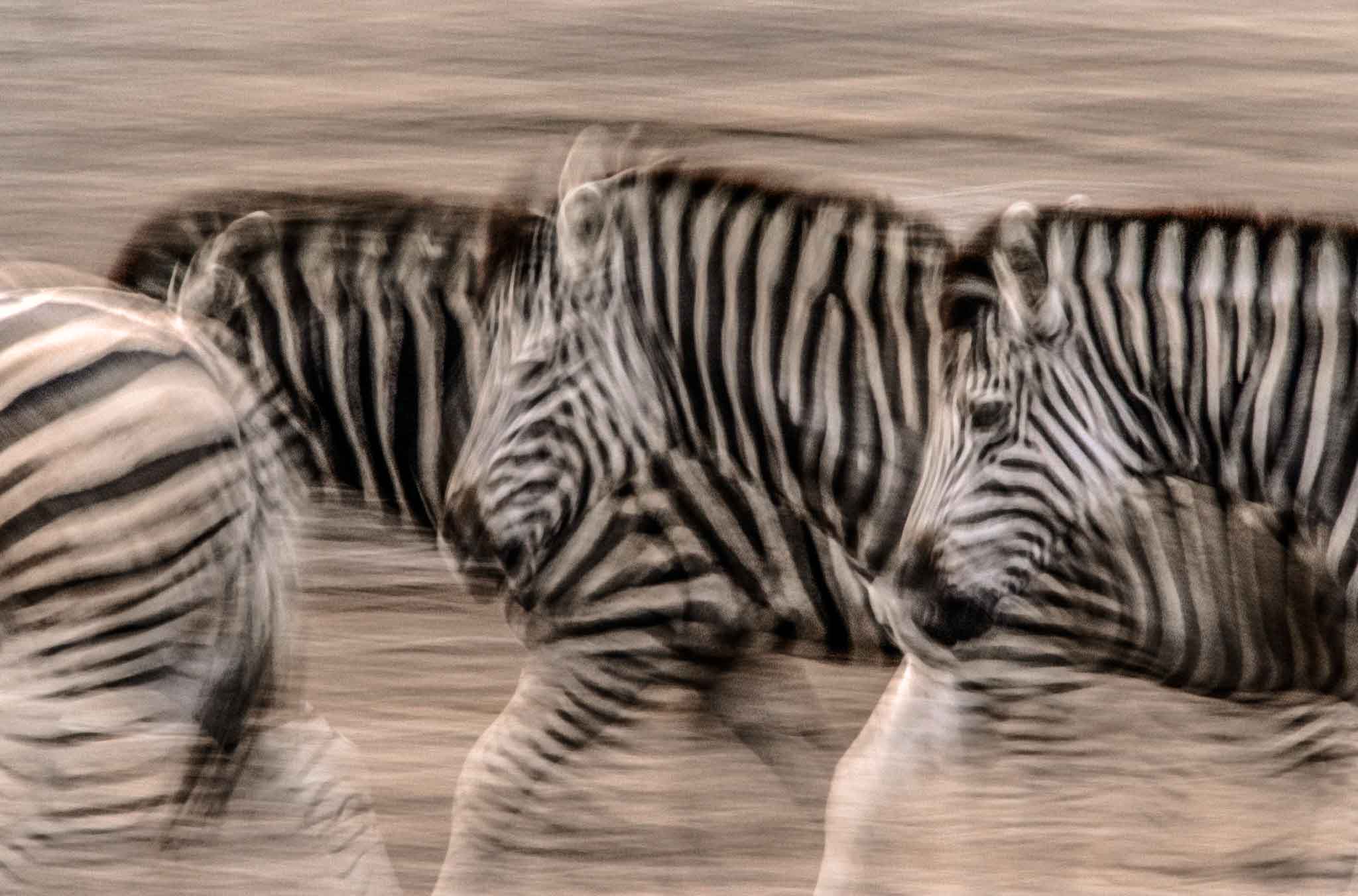
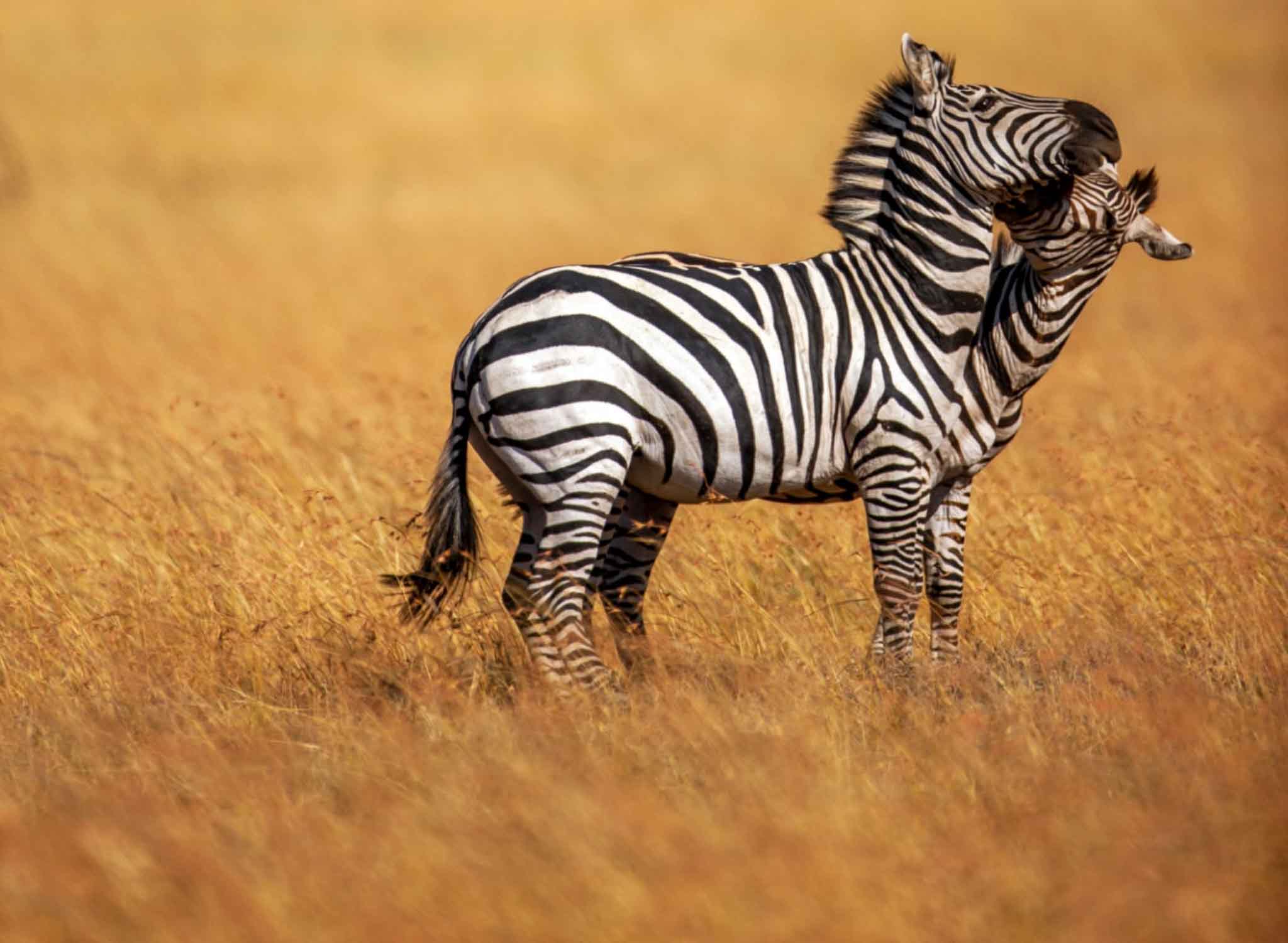
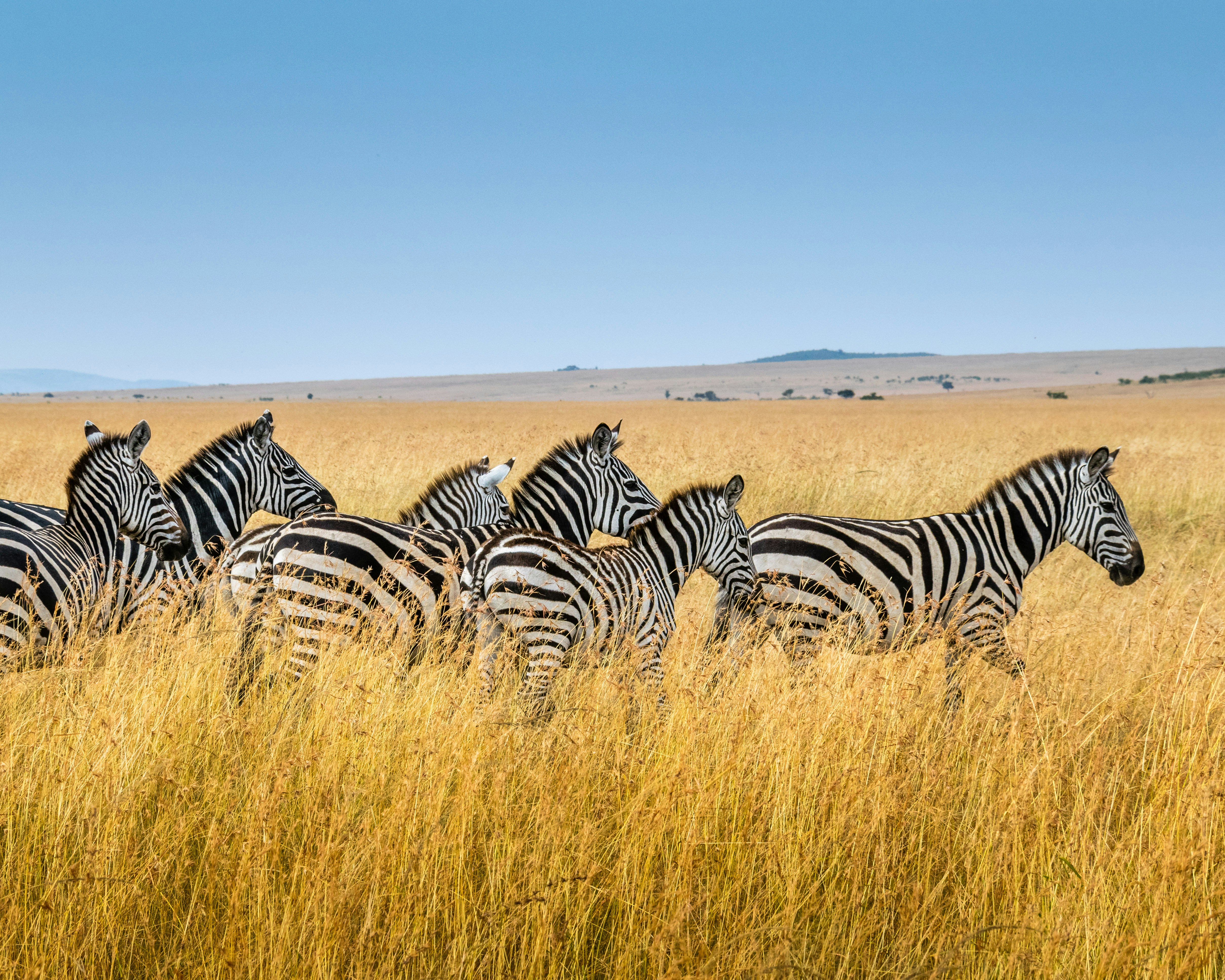
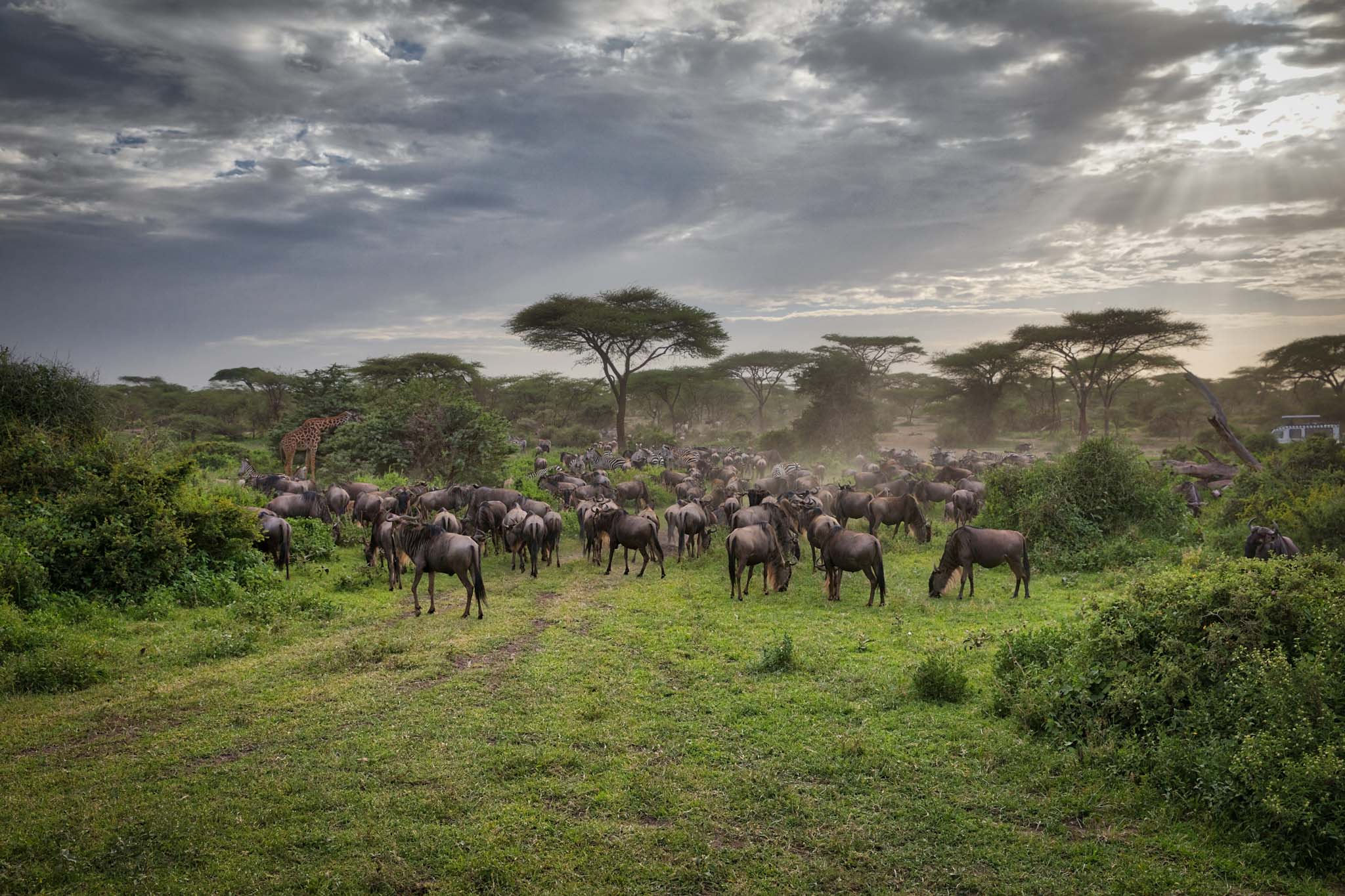
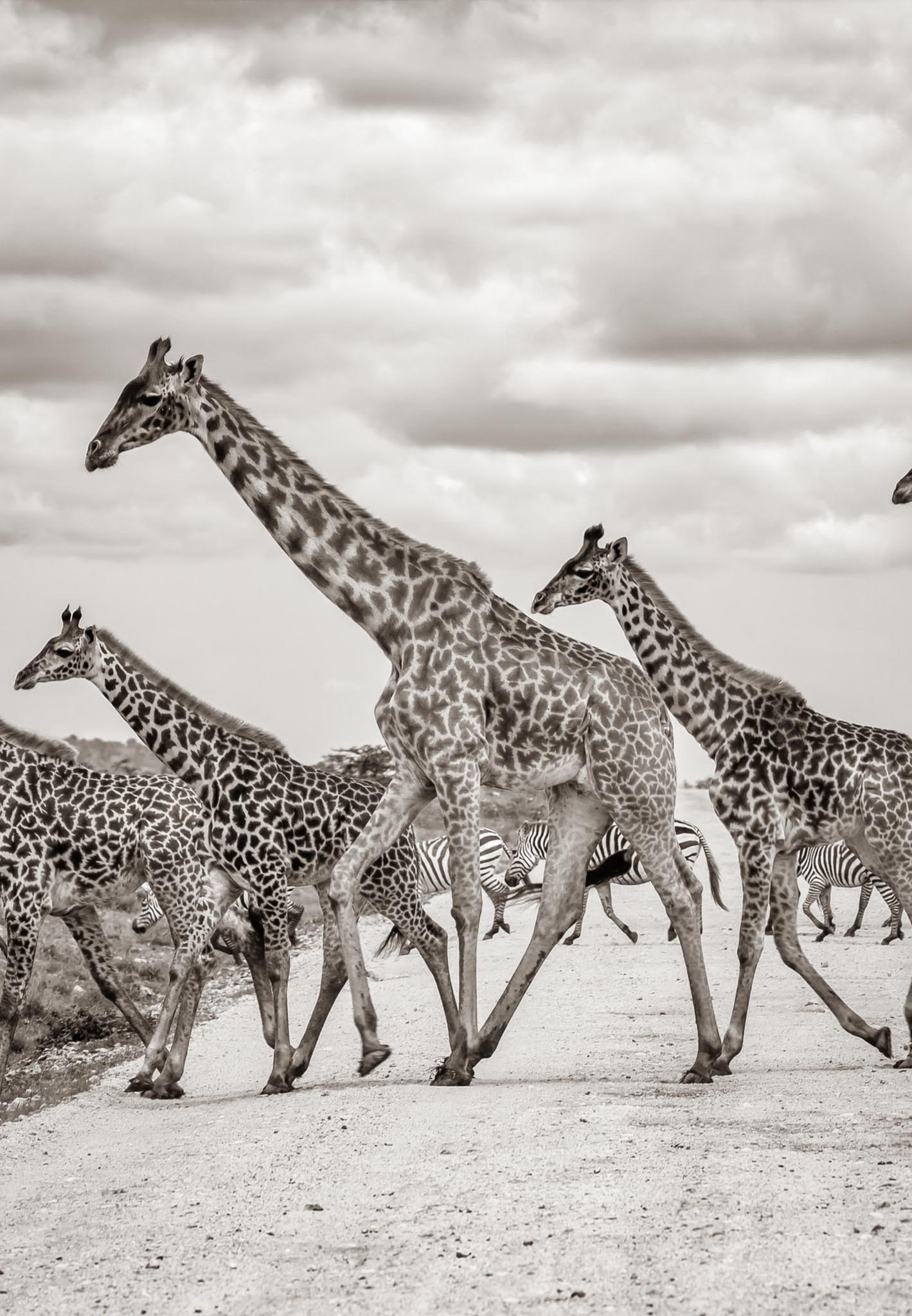
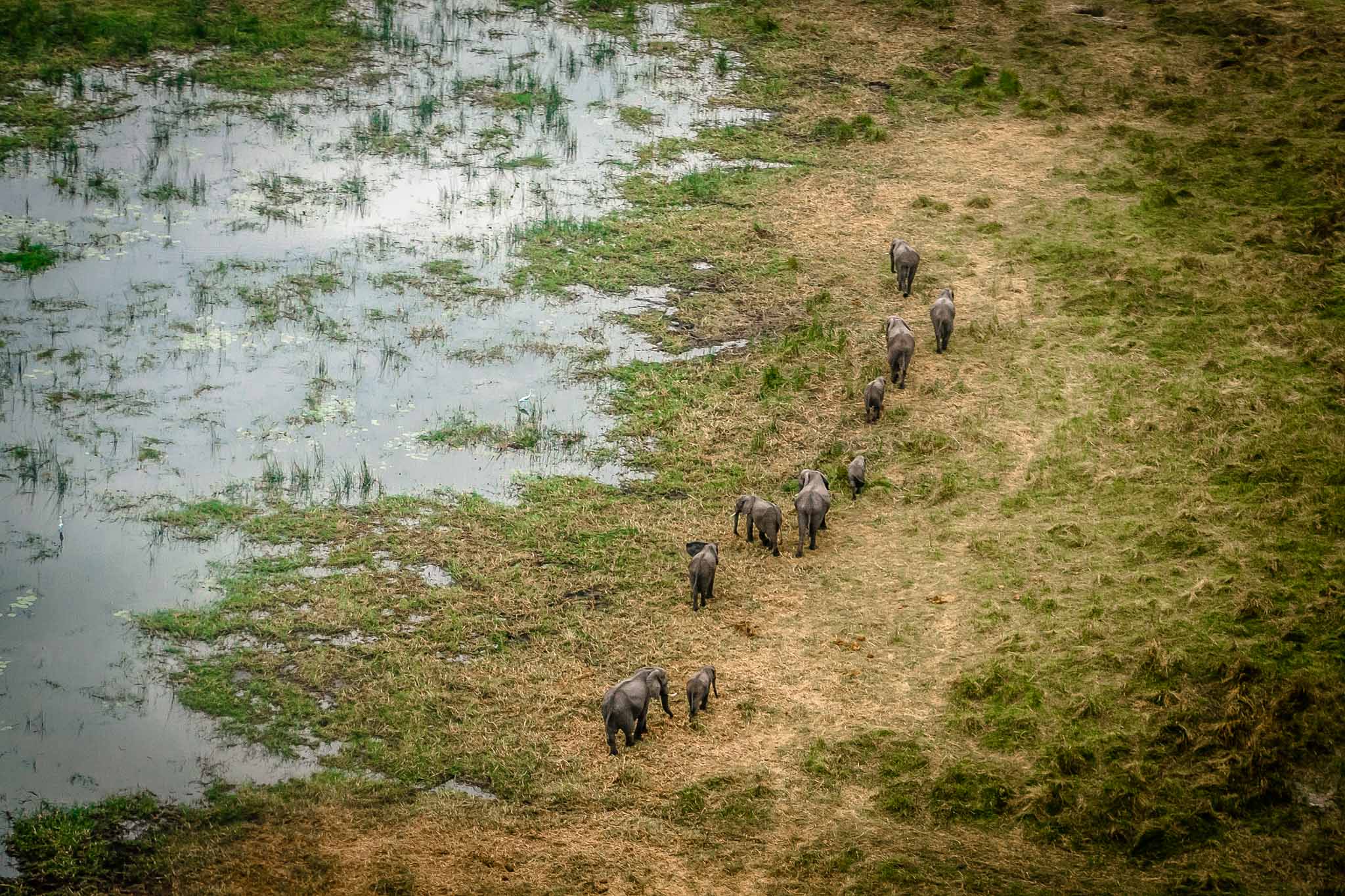
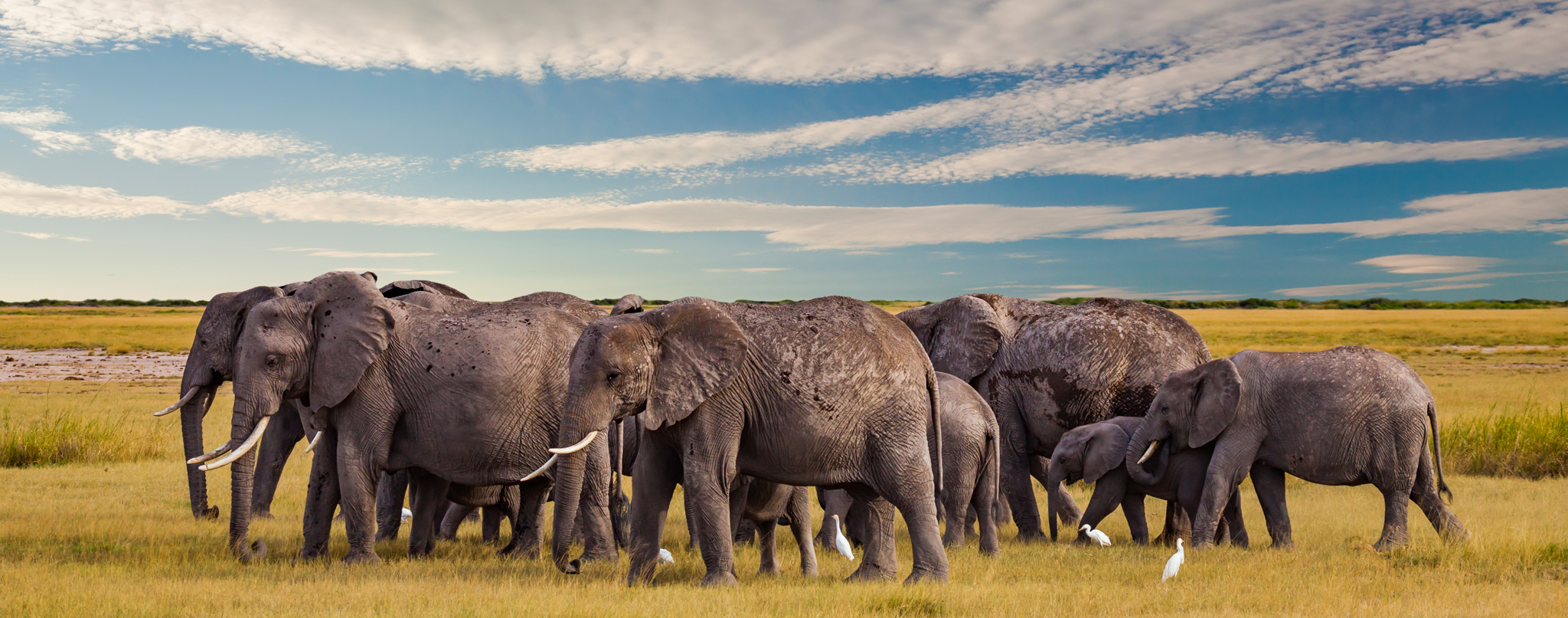
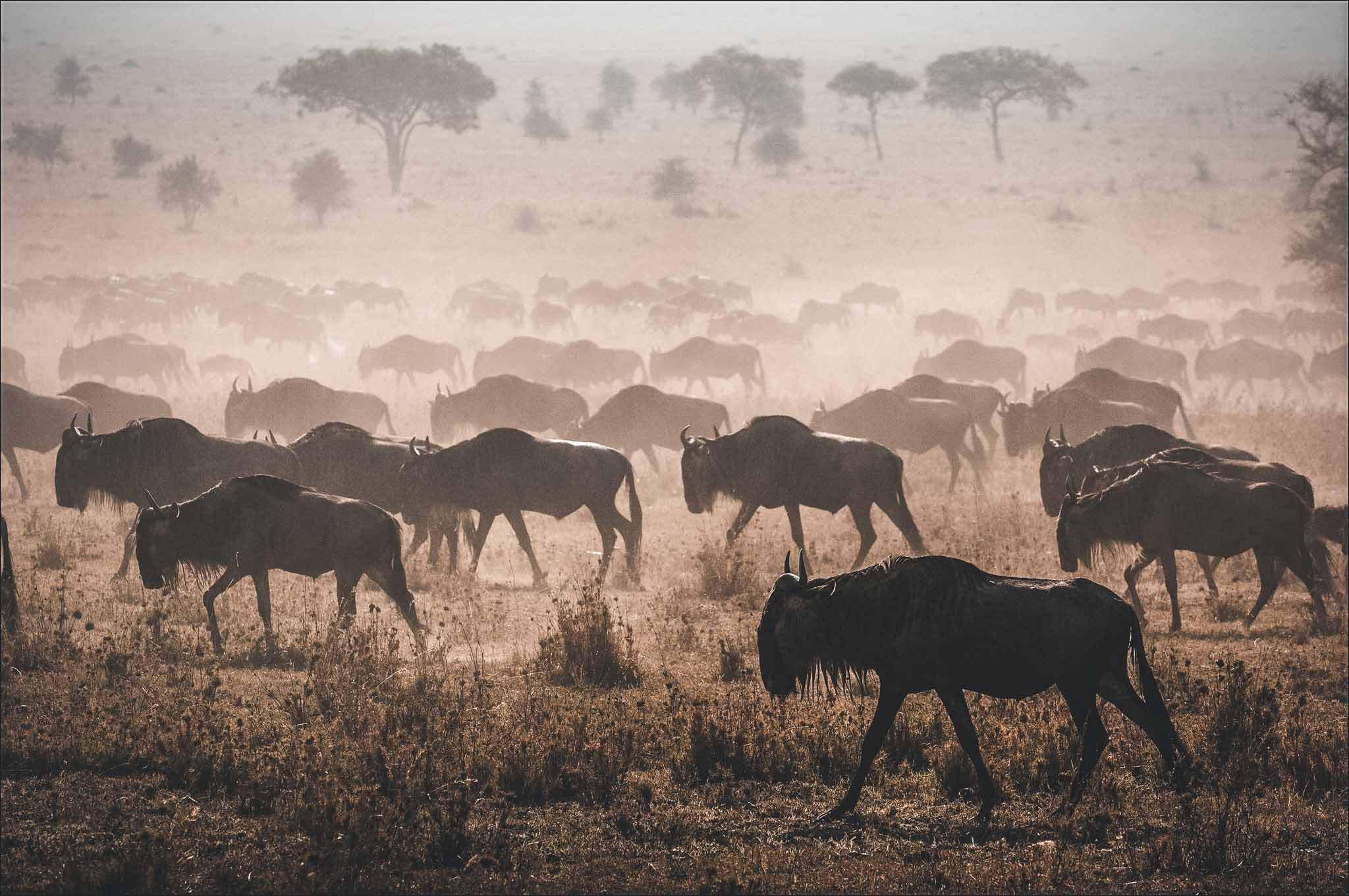
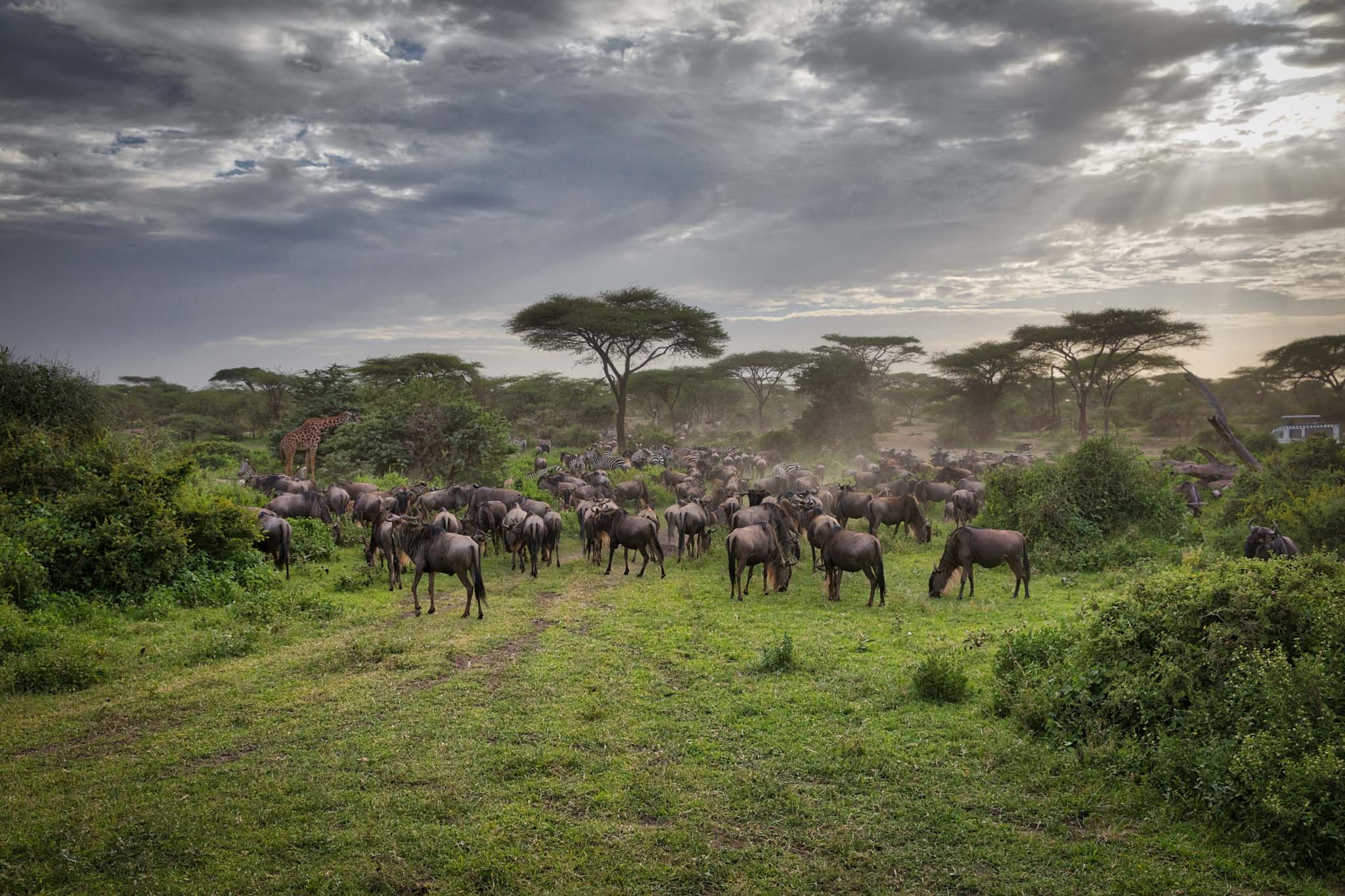
Despite its smaller size compared to parks like Serengeti or Tarangire, Lake Manyara supports a surprisingly rich variety of wildlife. Large herds of elephants roam through the groundwater forest, while buffalo, giraffe, zebra, and wildebeest graze across the open grasslands. The park is also home to one of the highest concentrations of baboons in Africa, along with blue monkeys that inhabit the dense forest canopy.
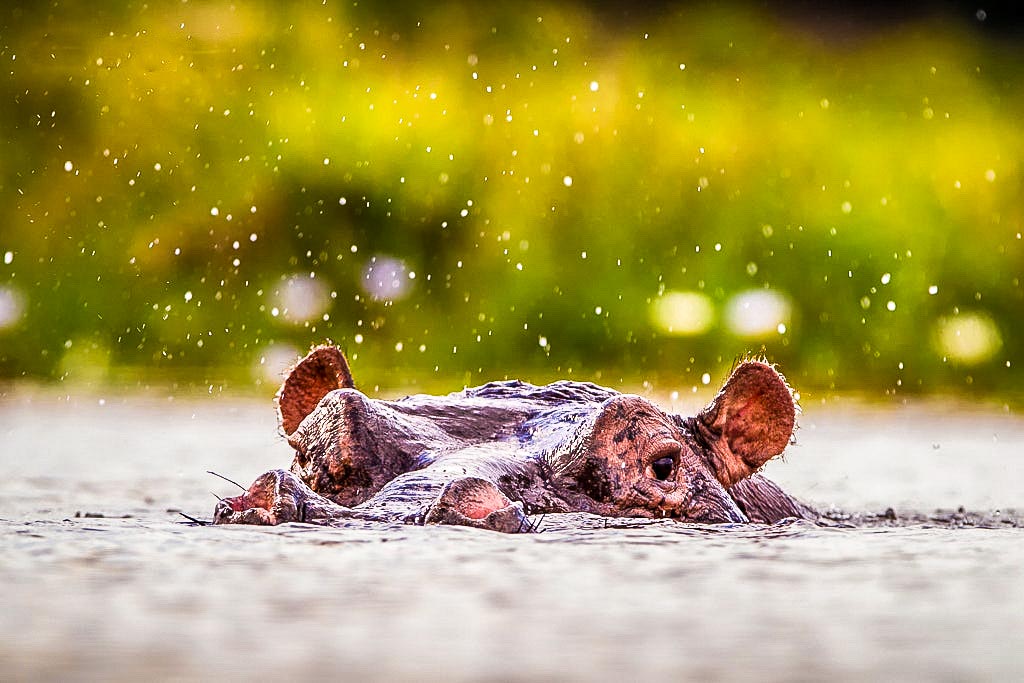
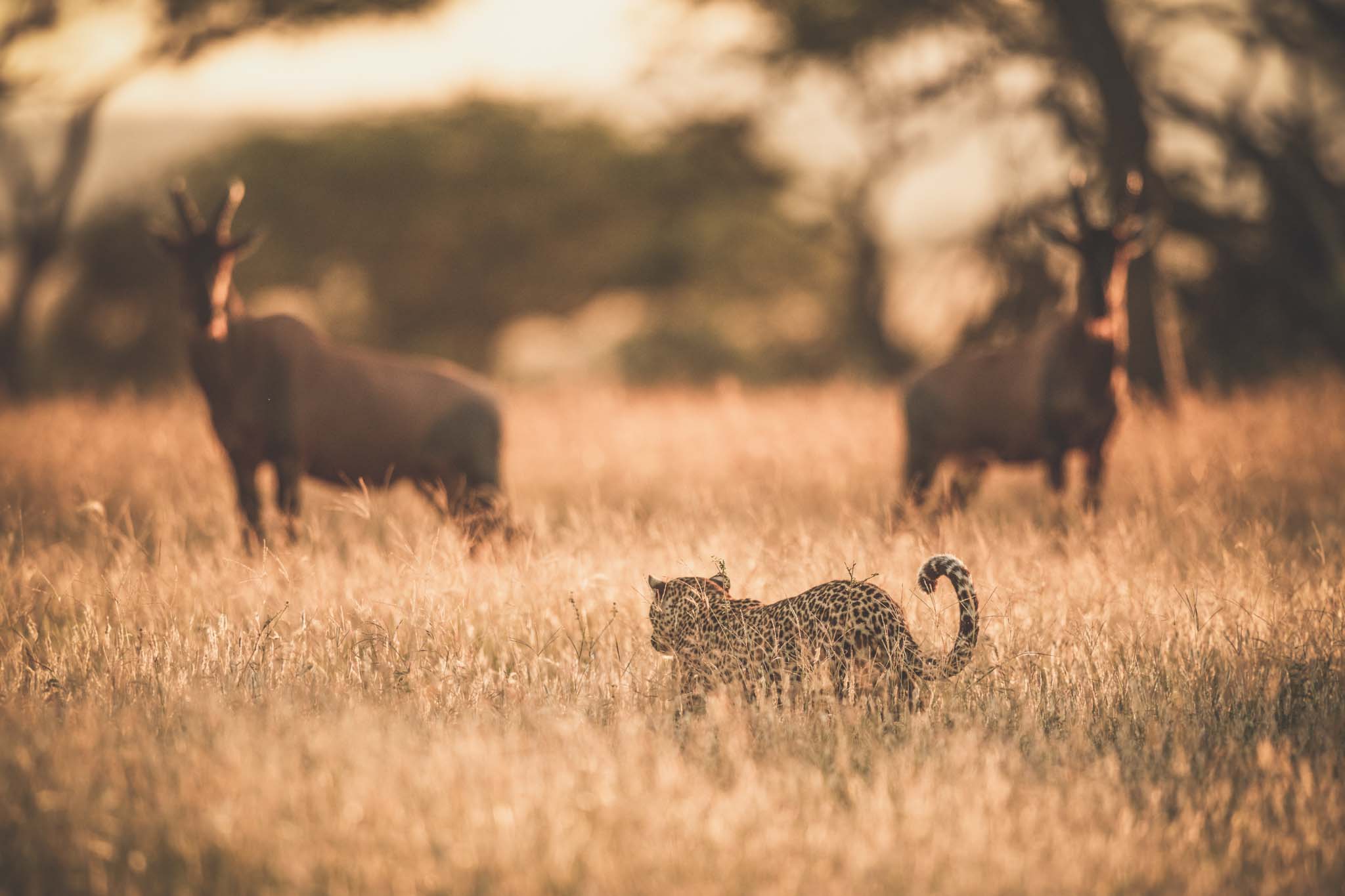
Hippos can often be seen wallowing in the lake’s shallow waters, while the surrounding forest provides shelter for leopards, though sightings remain relatively rare due to the dense vegetation. This combination of forest, grassland, and lake habitats allows visitors to experience a remarkable range of wildlife within just a few hours of exploration.
A Landscape Shaped by the Great Rift Valley
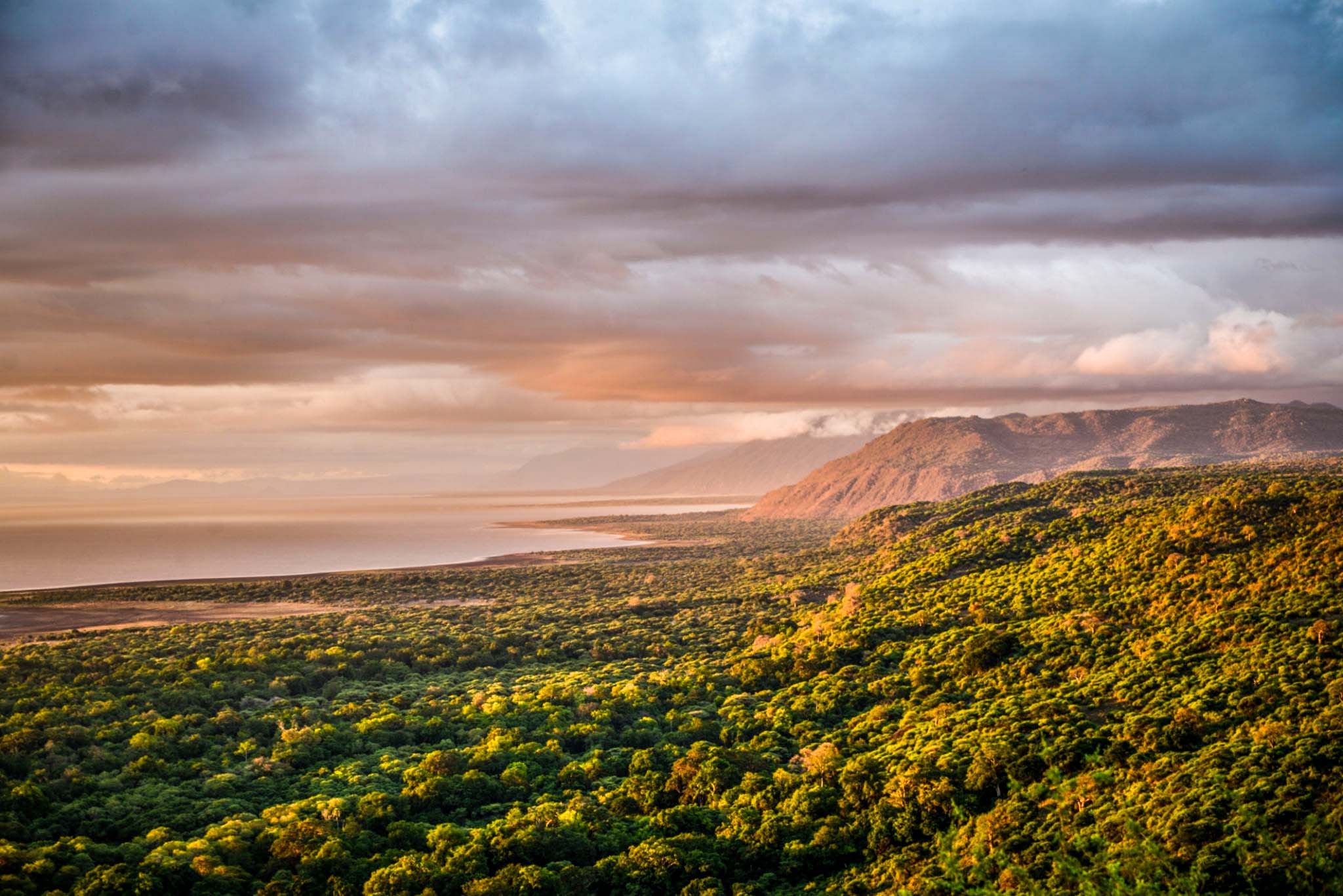
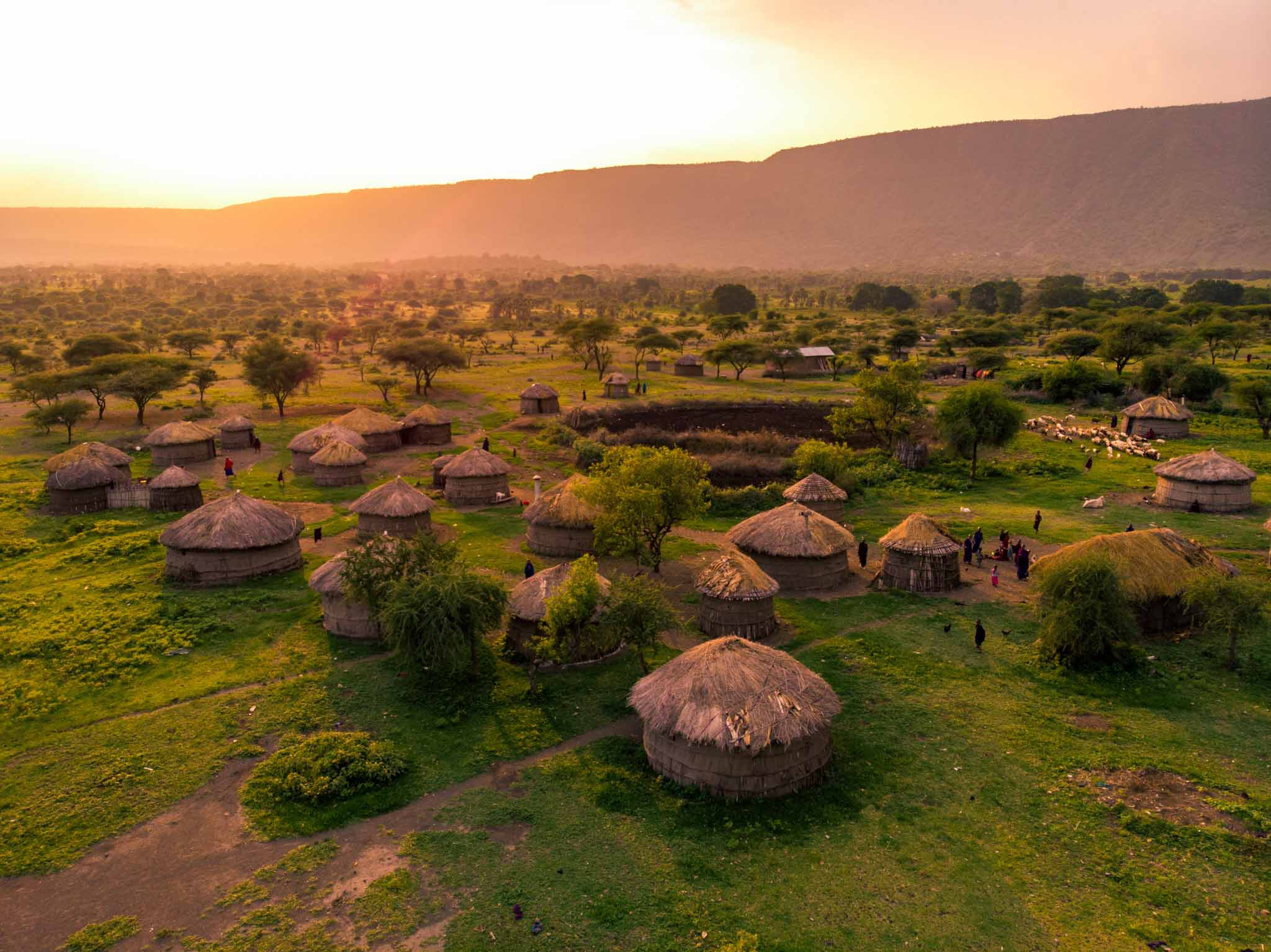
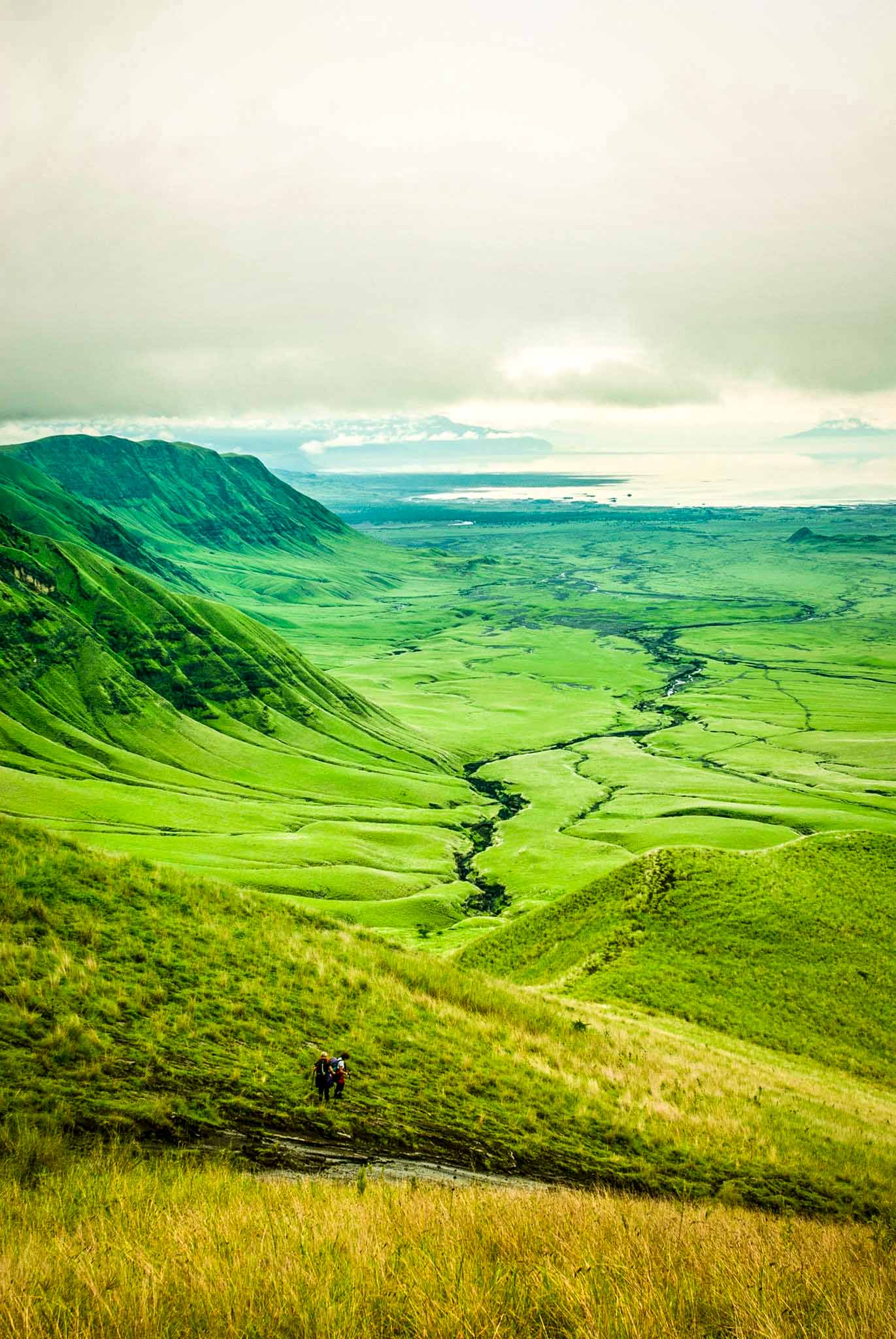
One of the most striking aspects of Lake Manyara National Park is its dramatic setting beneath the towering escarpment of the Great Rift Valley. This geological feature creates a stunning natural backdrop, with steep cliffs rising sharply above the lake and surrounding plains. The contrast between the lush groundwater forest, open savanna, and shimmering lake waters, all framed by the rift wall, makes Lake Manyara one of the most photogenic parks in Tanzania.
Beyond wildlife viewing, the park also offers opportunities for canoeing on the lake during certain seasons, as well as mountain biking and cultural walks in the surrounding area, providing a well rounded experience for travelers seeking more than just traditional game drives.
Best Time to Visit Lake Manyara National Park
Lake Manyara National Park is a rewarding destination throughout the year, though timing can influence specific wildlife and birding experiences. The dry season, from June to October, offers excellent game viewing as animals concentrate near the remaining water sources, and vegetation thins out, improving visibility throughout the forested sections of the park.
The green season, from November to May, brings lush scenery and exceptional birdwatching, particularly for those hoping to witness large flamingo gatherings along the lake shore. This period also coincides with fewer crowds, offering a more peaceful and intimate safari experience.
Where to Stay Near Lake Manyara
Accommodation options range from lodges perched along the rift valley escarpment, offering sweeping views over the lake and surrounding plains, to comfortable camps located closer to the park entrance. Many properties combine stunning scenery with proximity to other northern circuit destinations, making Lake Manyara a convenient and scenic base for multi park safari itineraries.
Getting to Lake Manyara National Park
Lake Manyara National Park is easily accessible by road from Arusha, with the journey taking approximately two hours. Its central location along the northern safari circuit makes it a natural stop between destinations such as Tarangire National Park, Ngorongoro Crater, and Serengeti National Park, allowing travelers to seamlessly incorporate it into a broader Tanzania safari itinerary.
Why Lake Manyara Deserves a Place on Your Safari Itinerary
Lake Manyara National Park offers a rare combination of dramatic scenery, unique wildlife behavior, and exceptional birdwatching, all within a compact and easily explored destination. Whether you are hoping to spot the famous tree climbing lions, witness thousands of flamingos along the lake shore, or simply enjoy the striking beauty of the Great Rift Valley, Lake Manyara delivers a safari experience filled with variety and wonder.