




Tarangire National Park: Tanzania’s Land of Giants and Ancient Baobabs
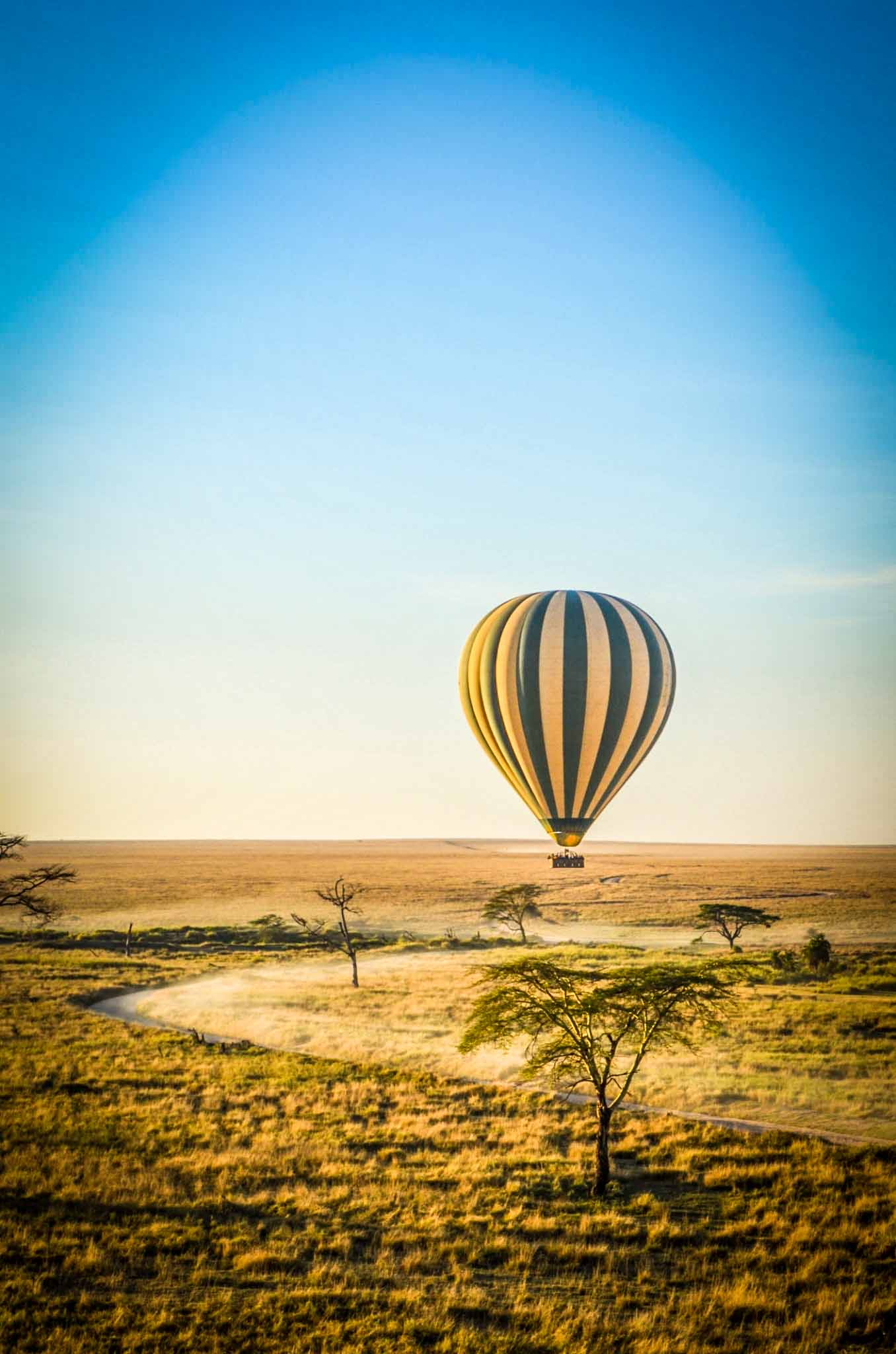
Often overshadowed by its more famous neighbors, Tarangire National Park quietly ranks among the most rewarding safari destinations in northern Tanzania. Located just a short drive from Arusha, this remarkable park is celebrated for its towering elephant herds, ancient baobab trees, and sweeping landscapes that shift dramatically with the seasons. For travelers seeking an authentic safari experience away from crowded tourist routes, Tarangire offers something increasingly rare, wide open wilderness where nature still sets the pace.
Covering approximately 2,850 square kilometers, Tarangire National Park takes its name from the Tarangire River, which winds through the park and serves as a vital lifeline for wildlife, particularly during the dry season. This dependable water source draws animals from across the surrounding ecosystem, creating some of the most concentrated and rewarding game viewing found anywhere in Tanzania.
Home to Tanzania’s Largest Elephant Herds
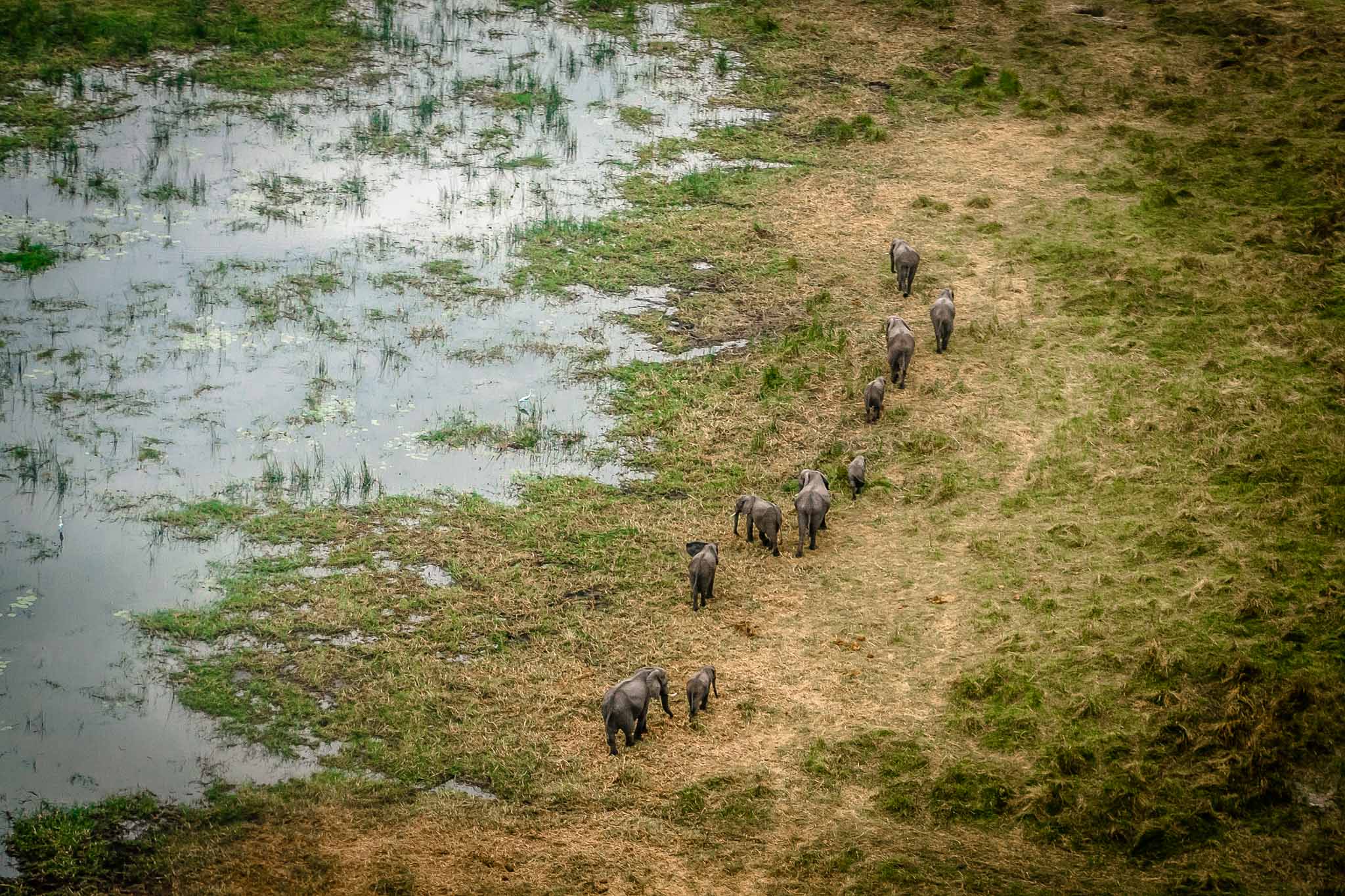
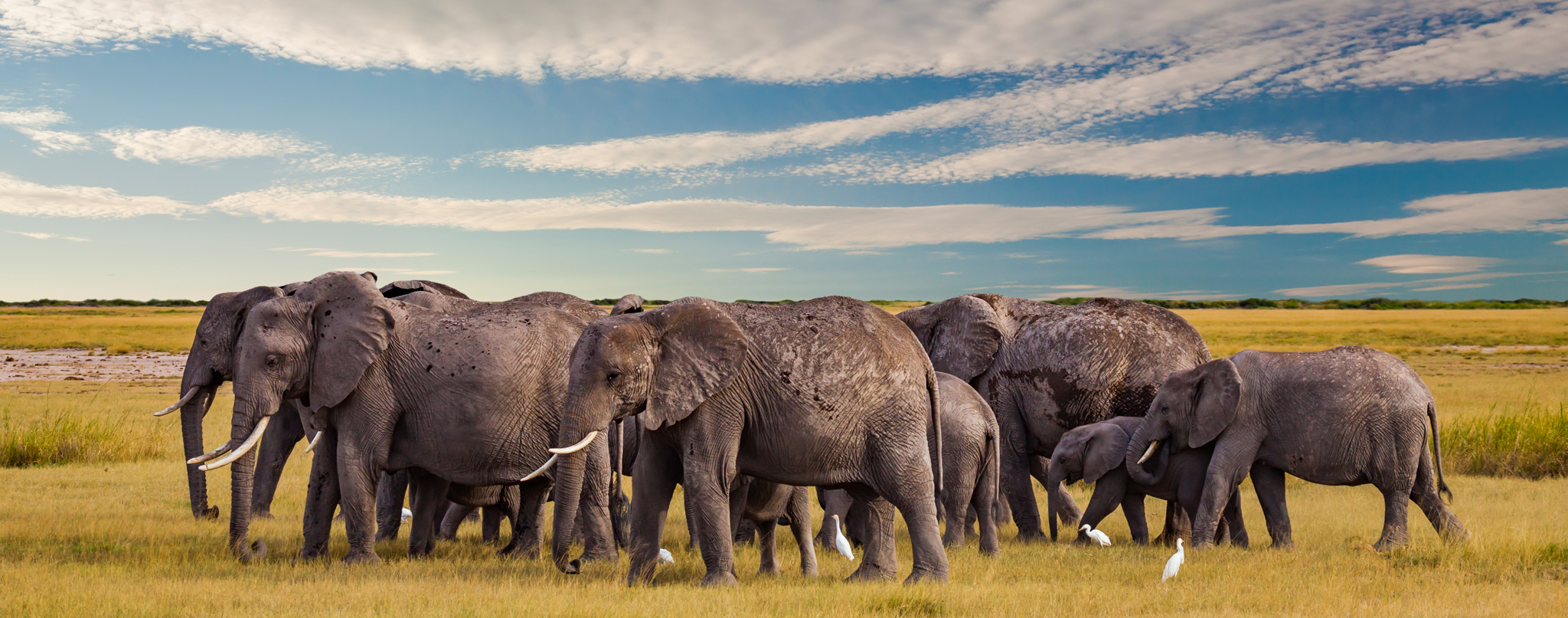
Tarangire is widely recognized as one of the best places in Africa to witness large elephant herds in their natural habitat. During the dry season, from June to October, elephant families gather along the Tarangire River in numbers that can reach several hundred individuals, offering visitors an unforgettable and deeply moving wildlife encounter.
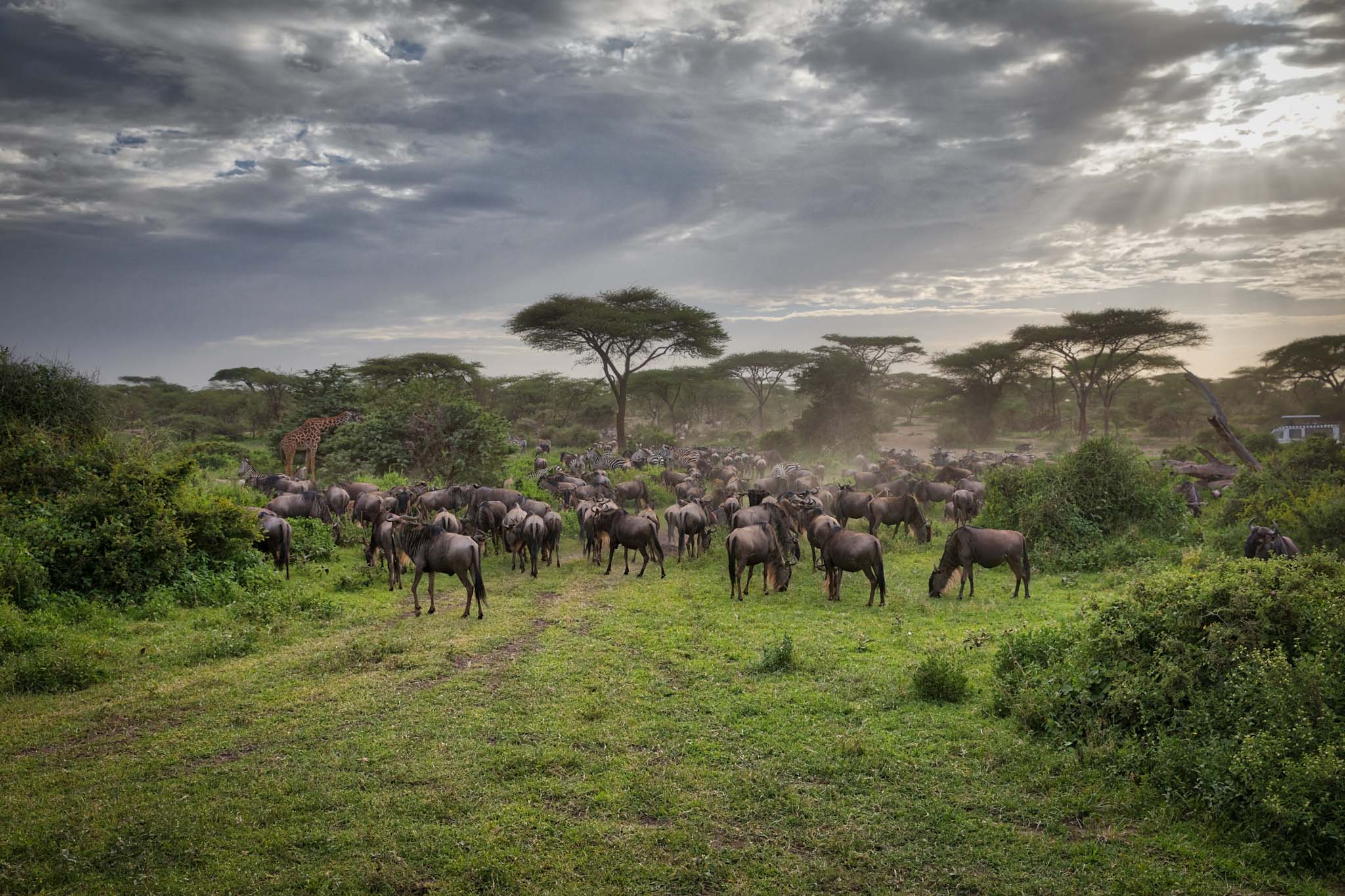
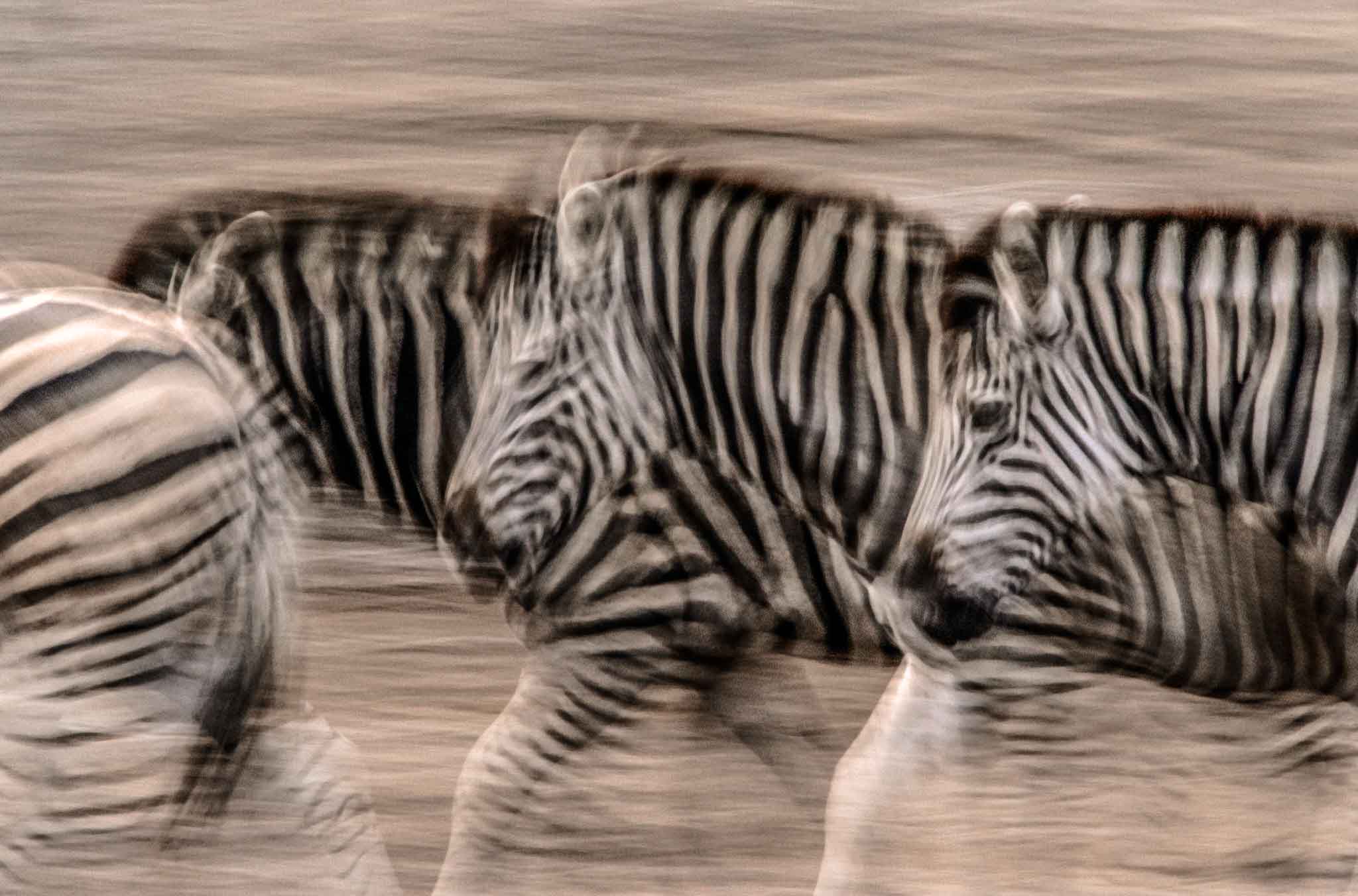
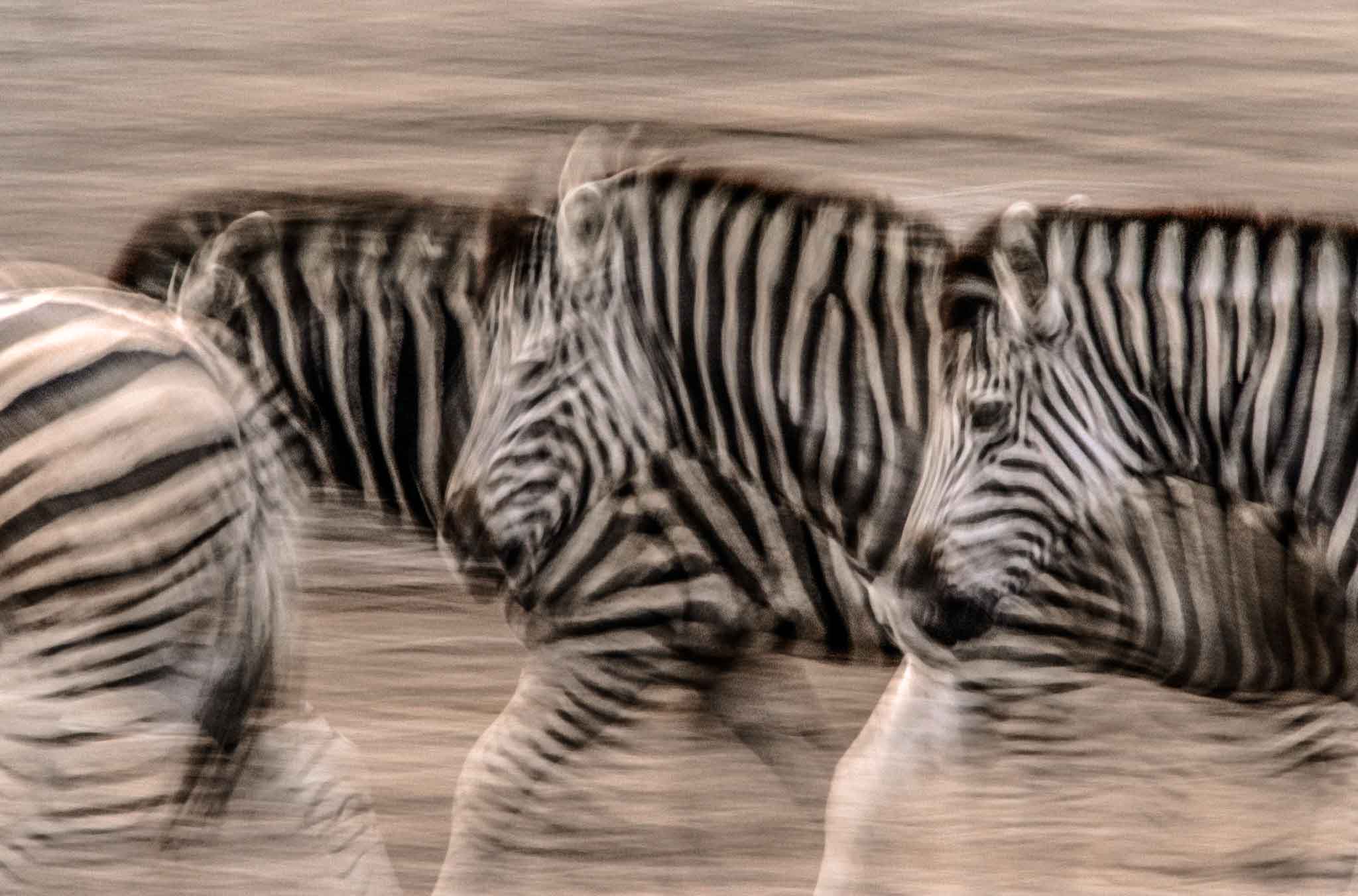
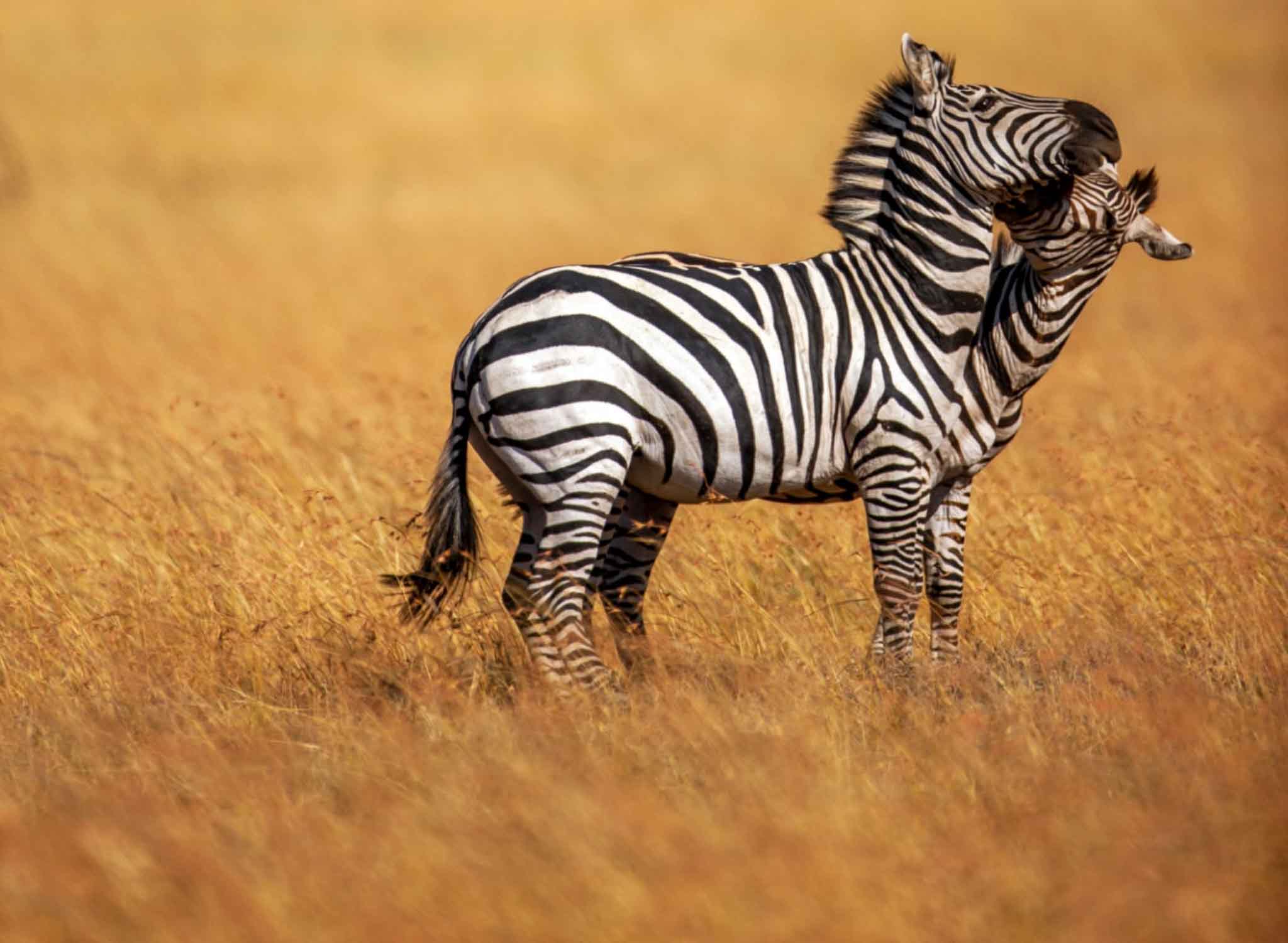
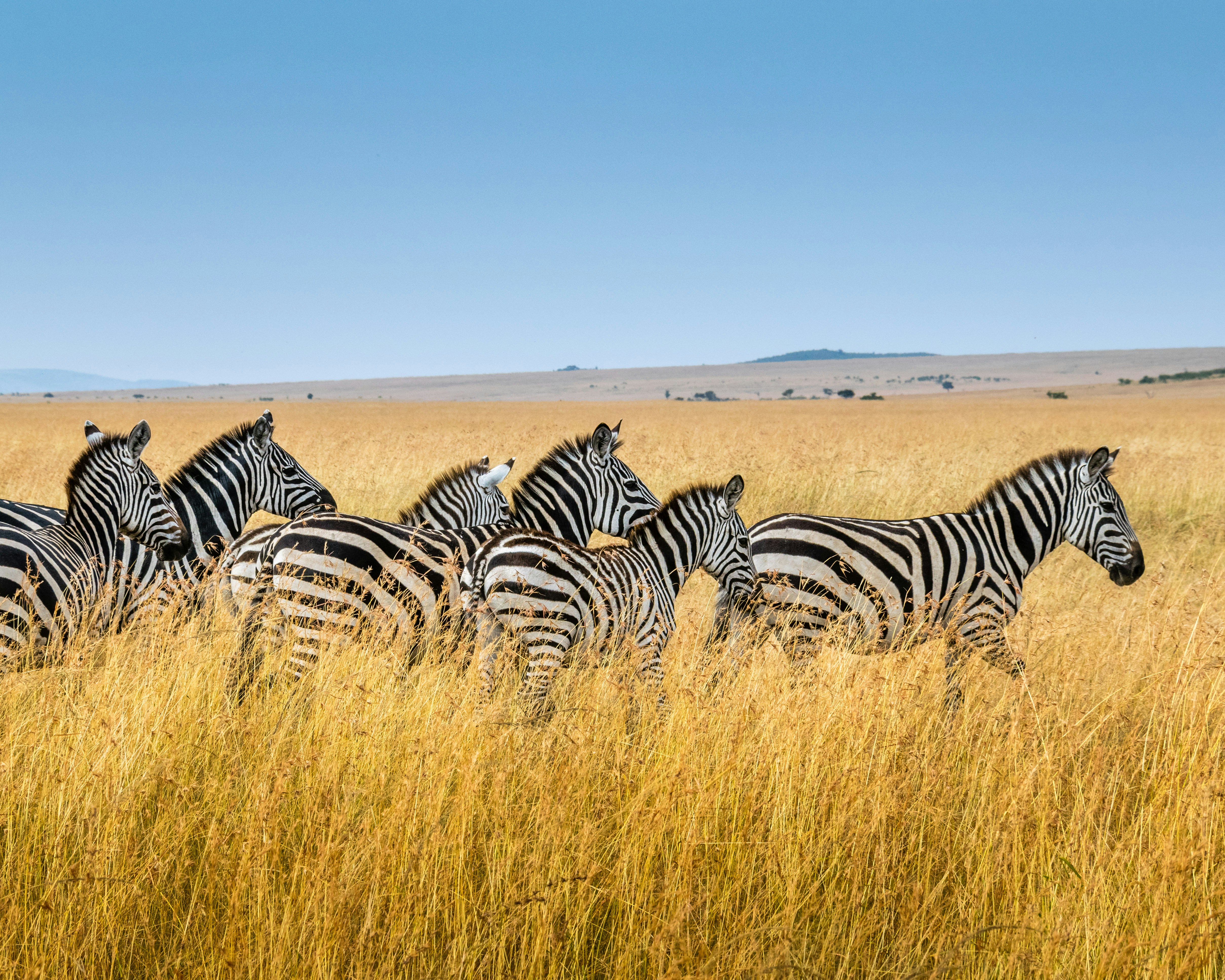
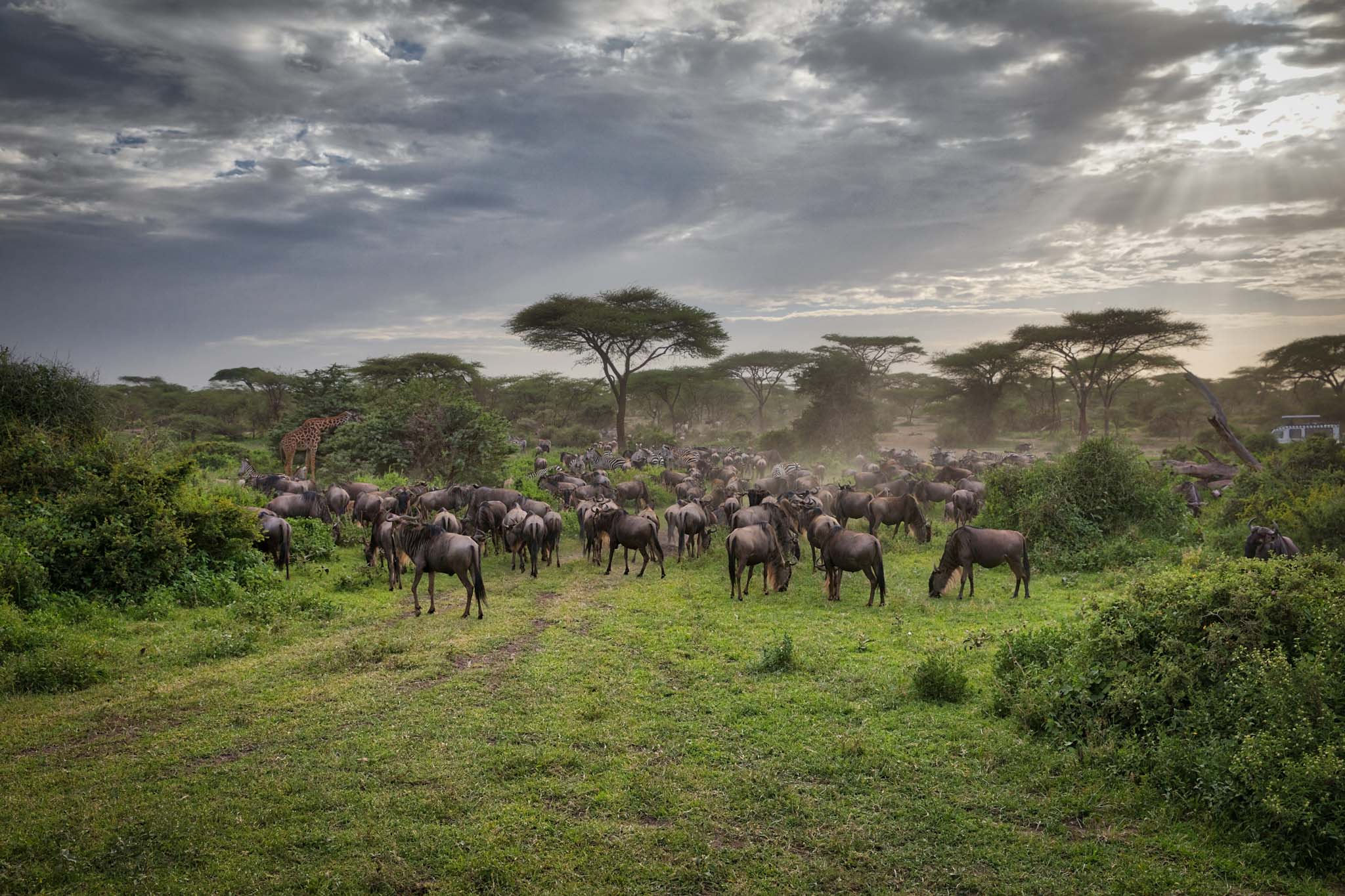
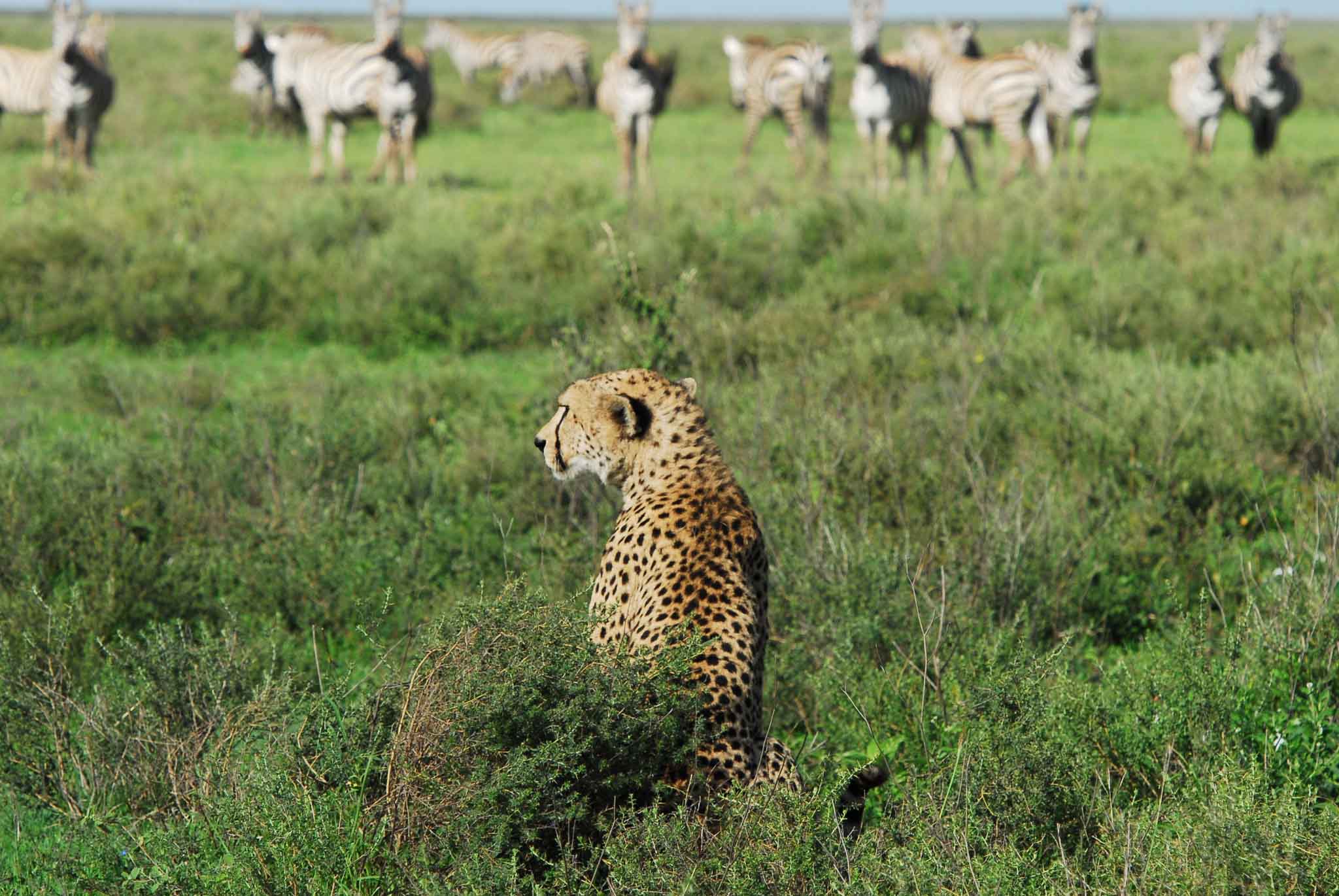
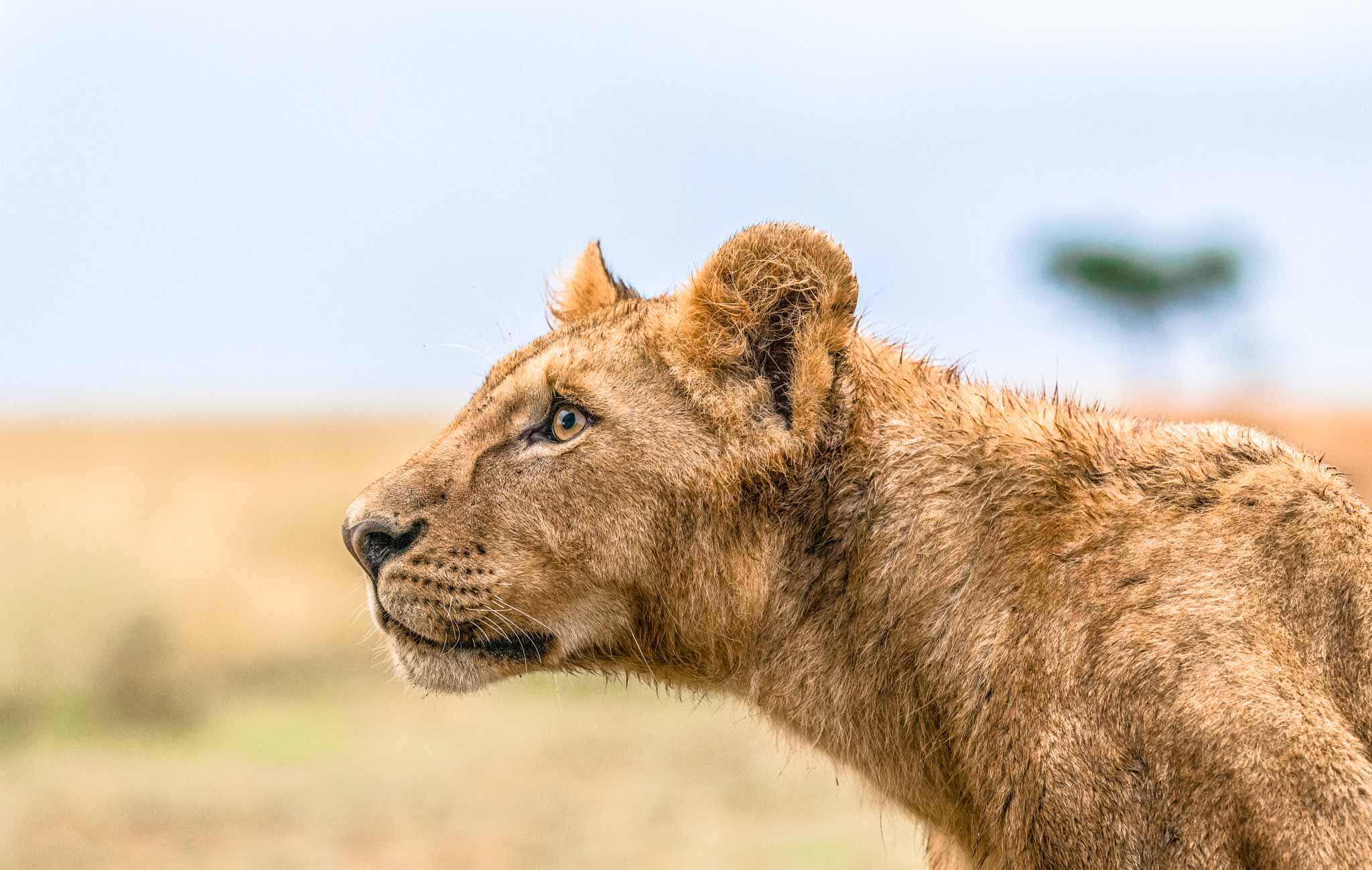
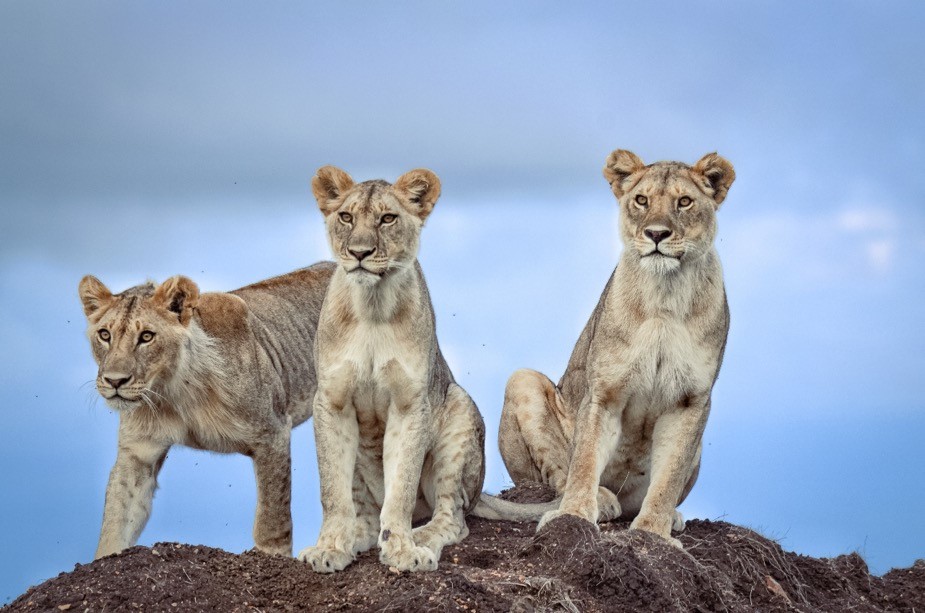
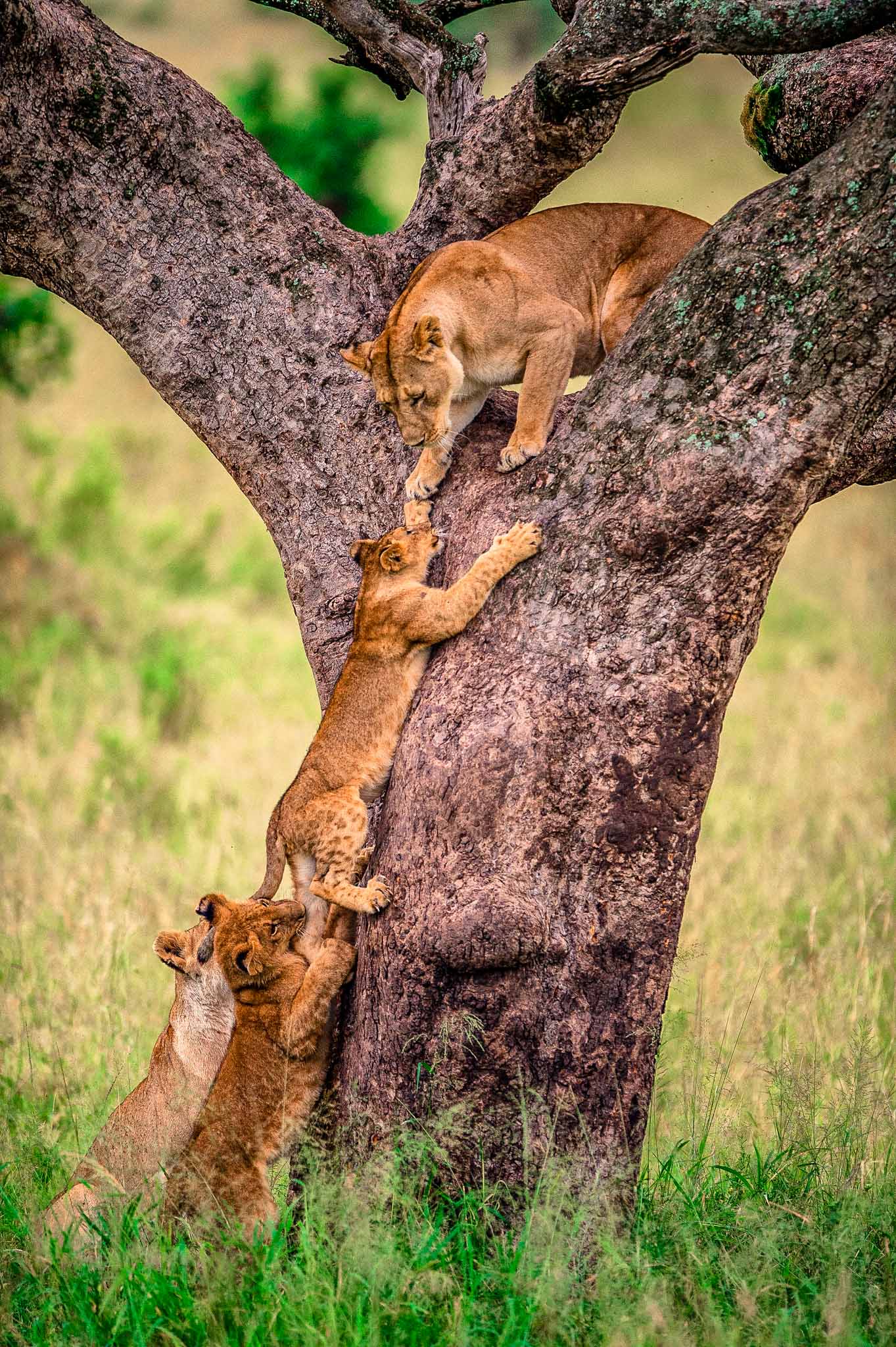
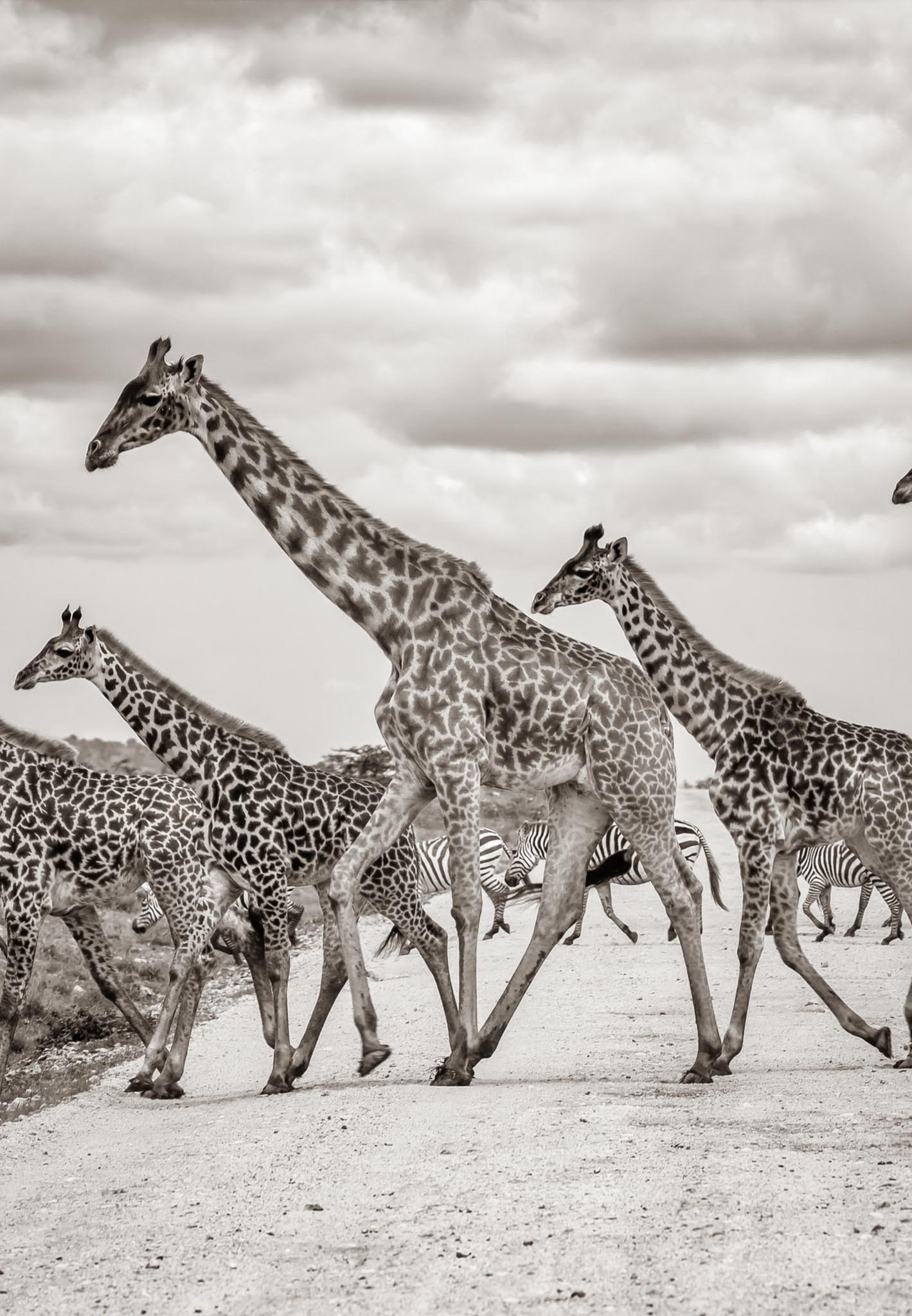
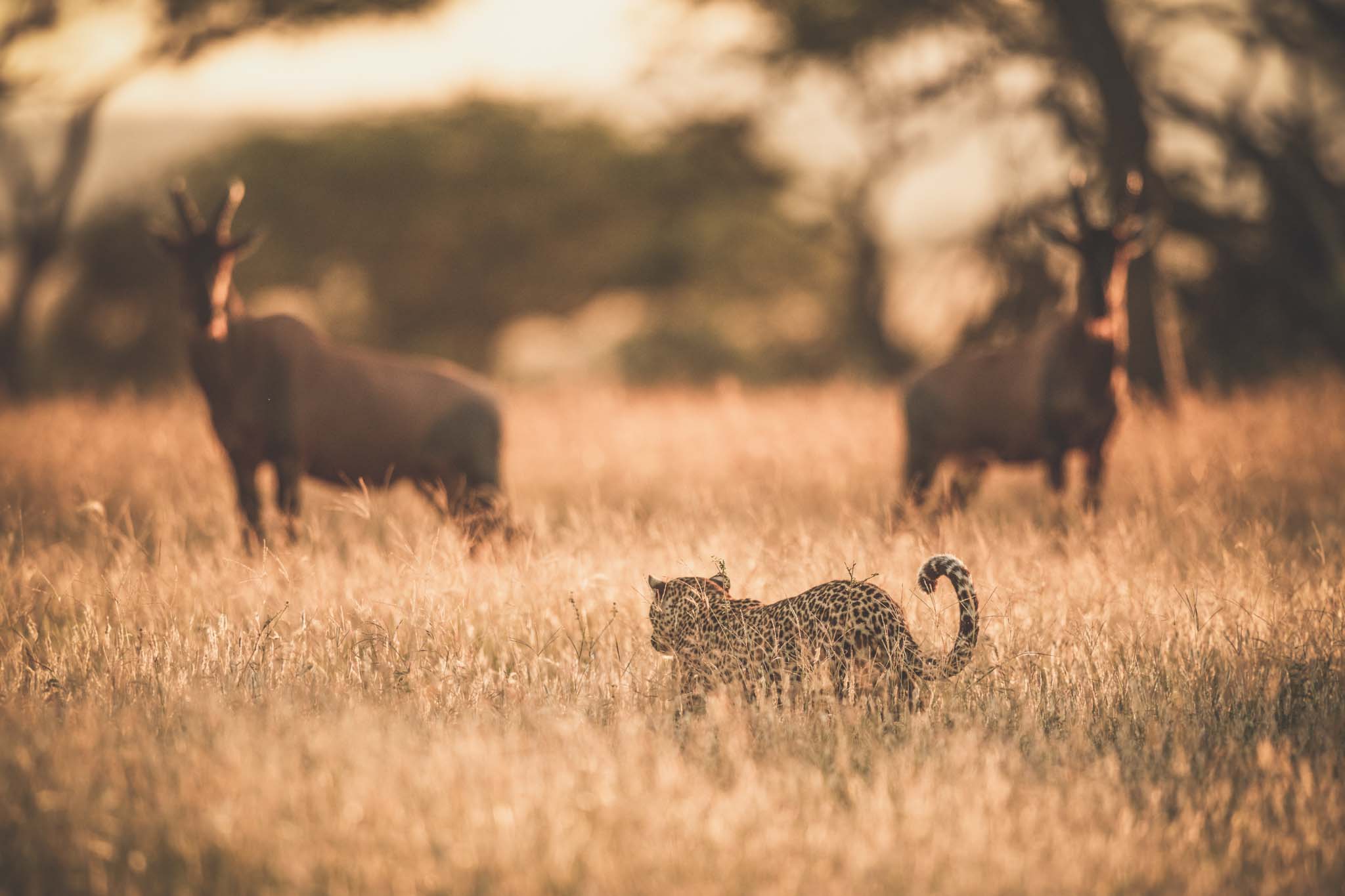
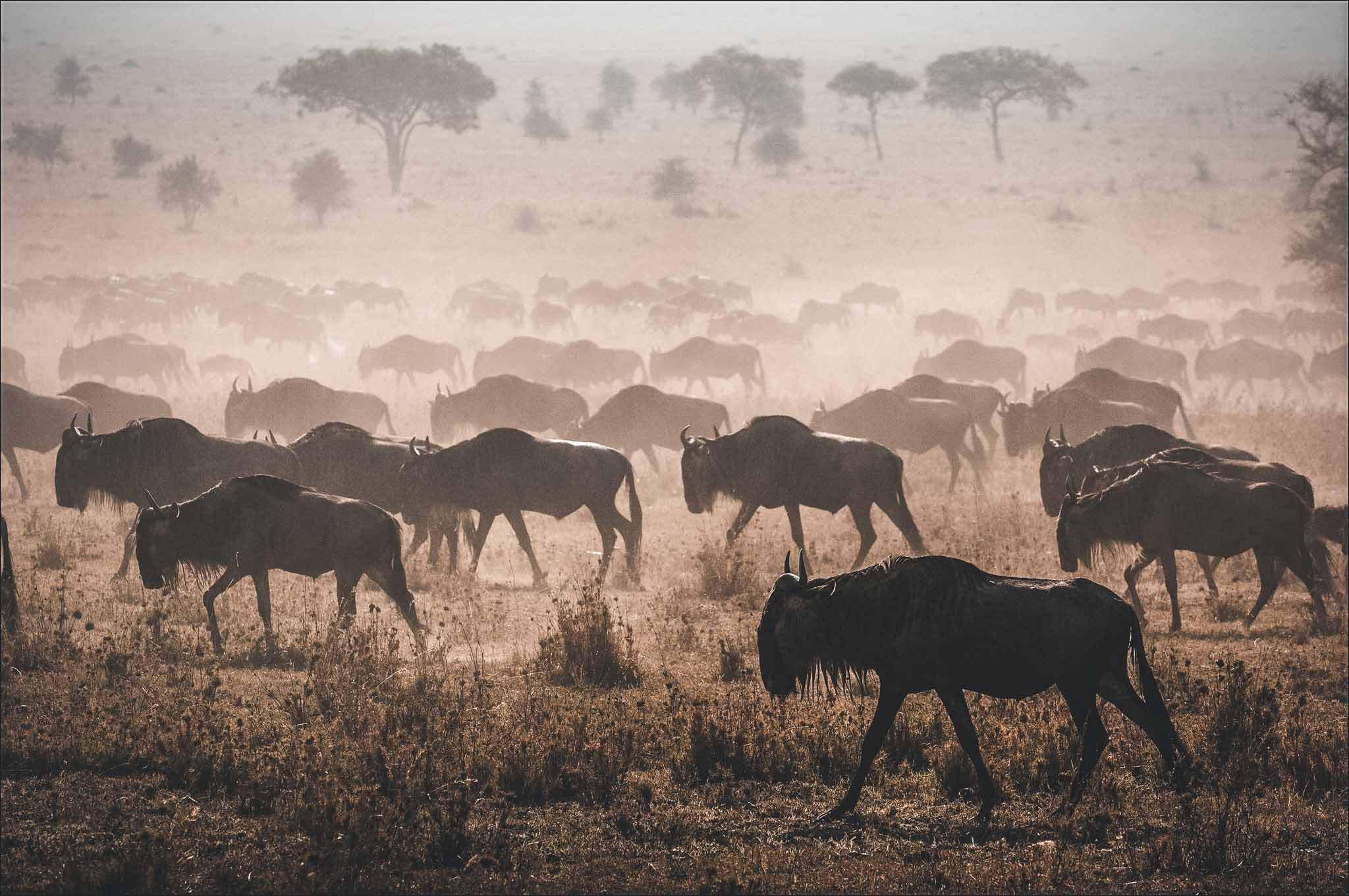
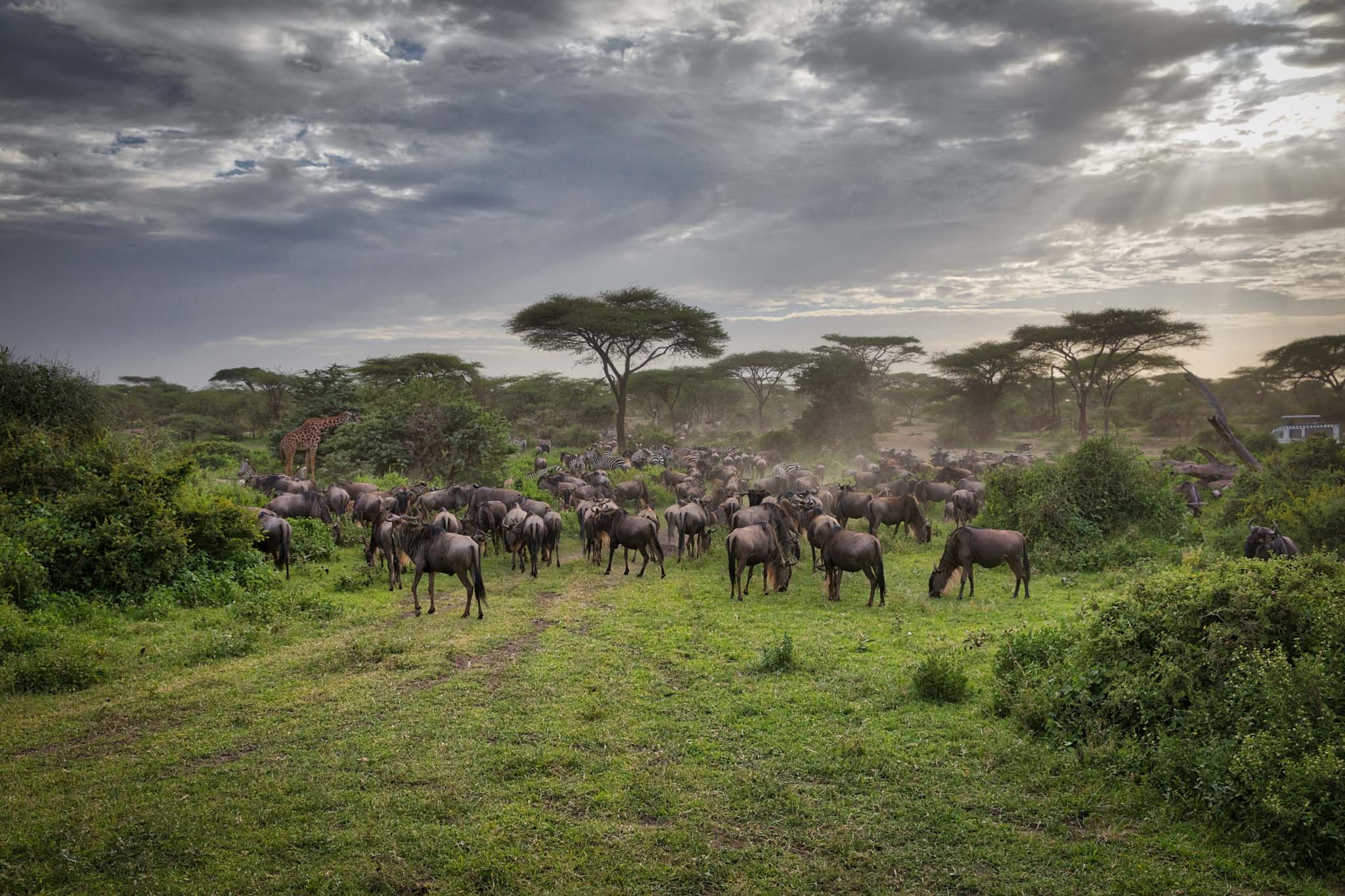
These gentle giants are often seen bathing, drinking, and interacting along the riverbanks, providing exceptional opportunities for photography and observation. Beyond elephants, Tarangire supports a rich diversity of wildlife, including lions, leopards, cheetahs, giraffes, zebras, wildebeest, and the striking fringe eared oryx, a species rarely seen elsewhere in Tanzania.
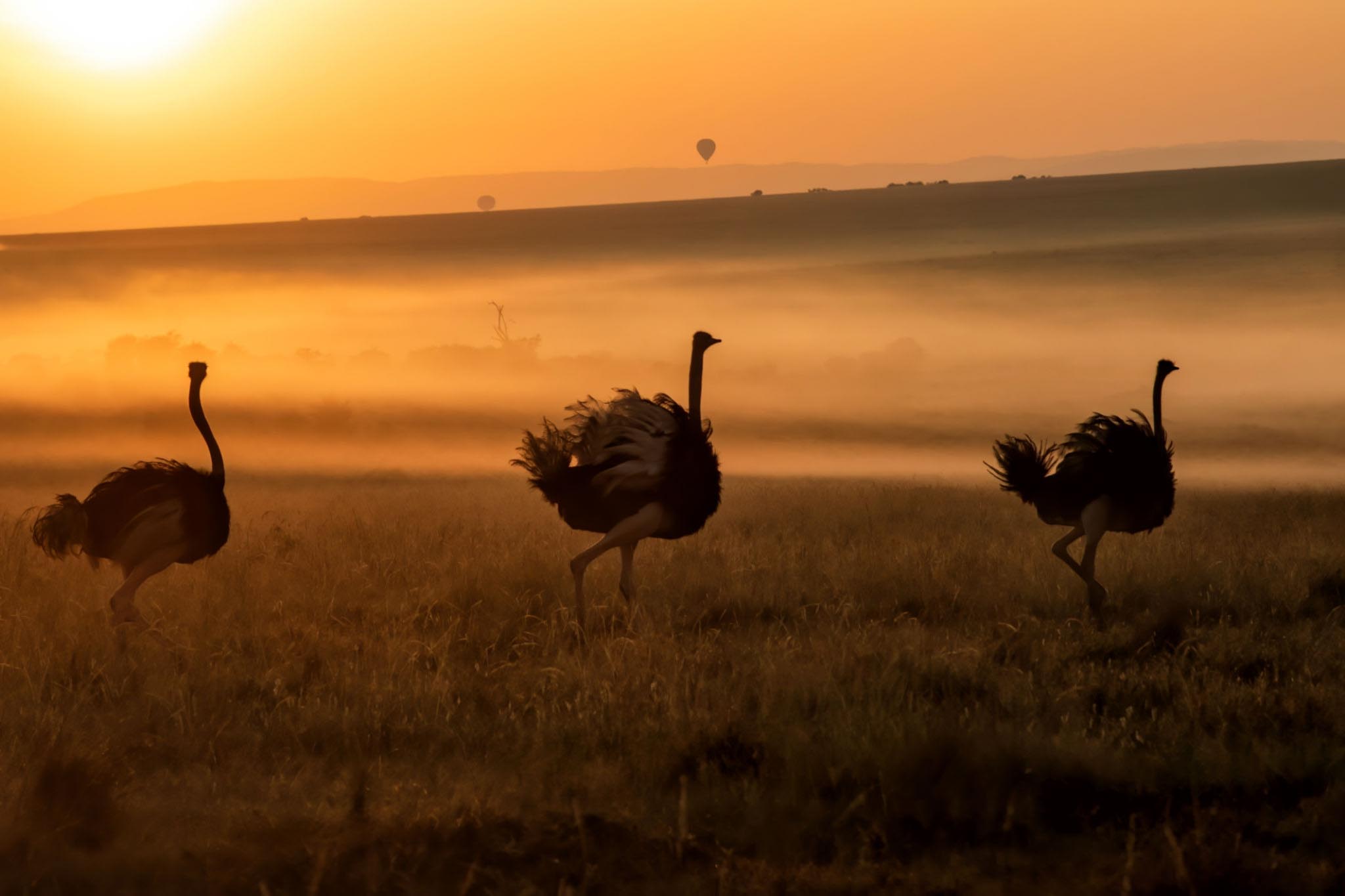
Birdlife is equally impressive, with more than 550 recorded species making Tarangire a paradise for birdwatchers. Visitors can expect to see colorful species such as the yellow collared lovebird, kori bustard, and numerous raptors soaring above the open plains.
The Iconic Baobab Landscape
One of the defining features that sets Tarangire apart from other Tanzania safari destinations is its striking landscape dominated by ancient baobab trees. These massive, centuries old trees rise dramatically from the golden grasslands, creating an unmistakable and photogenic backdrop found nowhere else in the northern safari circuit.
Some baobabs within the park are estimated to be hundreds of years old, standing as living monuments to the passage of time. Their thick, swollen trunks store water during the rainy season, sustaining both the trees and the wildlife that depend on them throughout the dry months. This unique combination of towering elephants and ancient baobabs creates some of the most iconic safari imagery associated with Tanzania.
A Rewarding Dry Season Destination
While many Tanzania parks offer year round wildlife viewing, Tarangire truly comes alive during the dry season. As water sources outside the park diminish, animals migrate toward the Tarangire River in large numbers, resulting in exceptional game viewing between June and October. This period offers travelers a rare opportunity to witness dense concentrations of wildlife without the heavy crowds found in more popular parks during the same season.
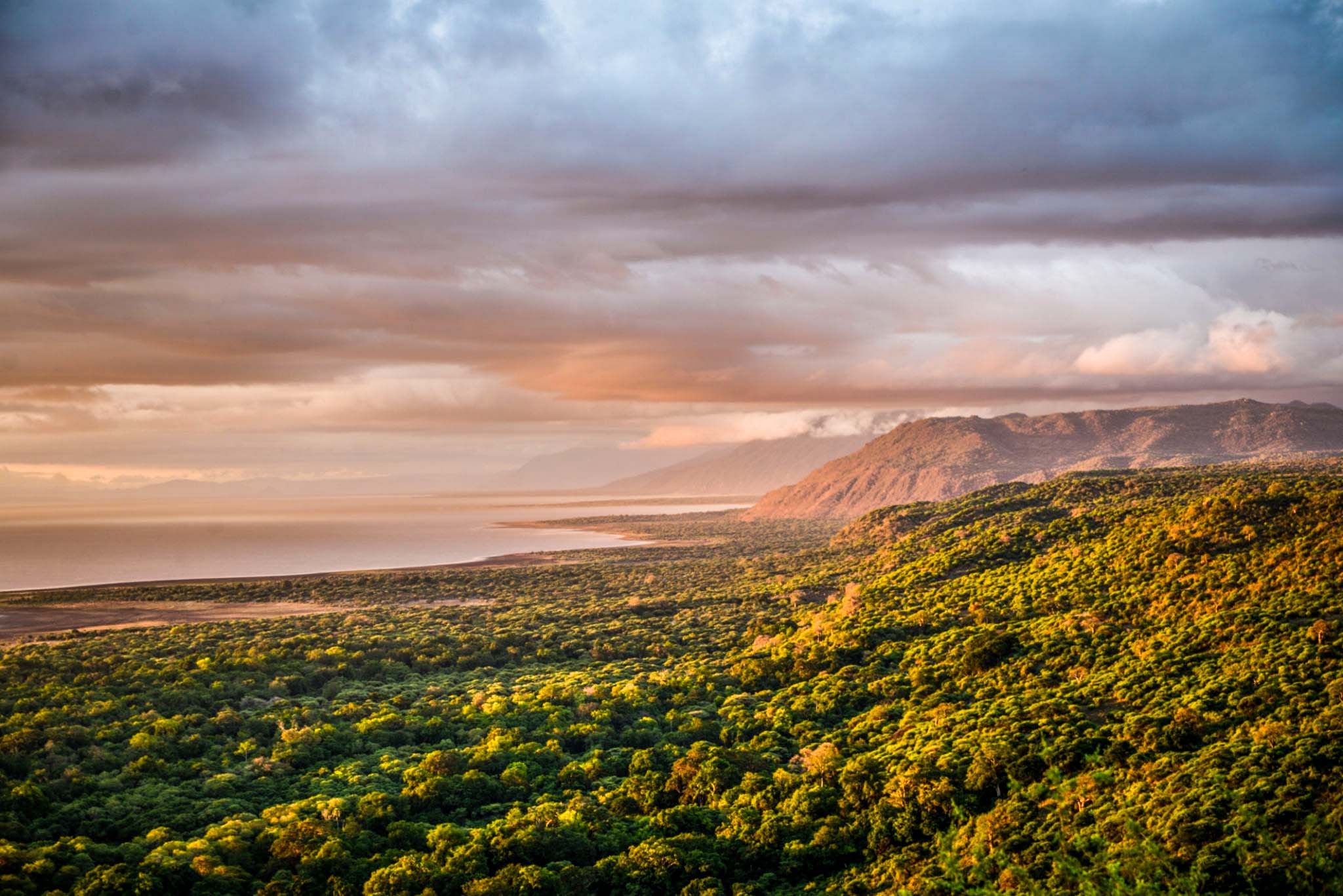
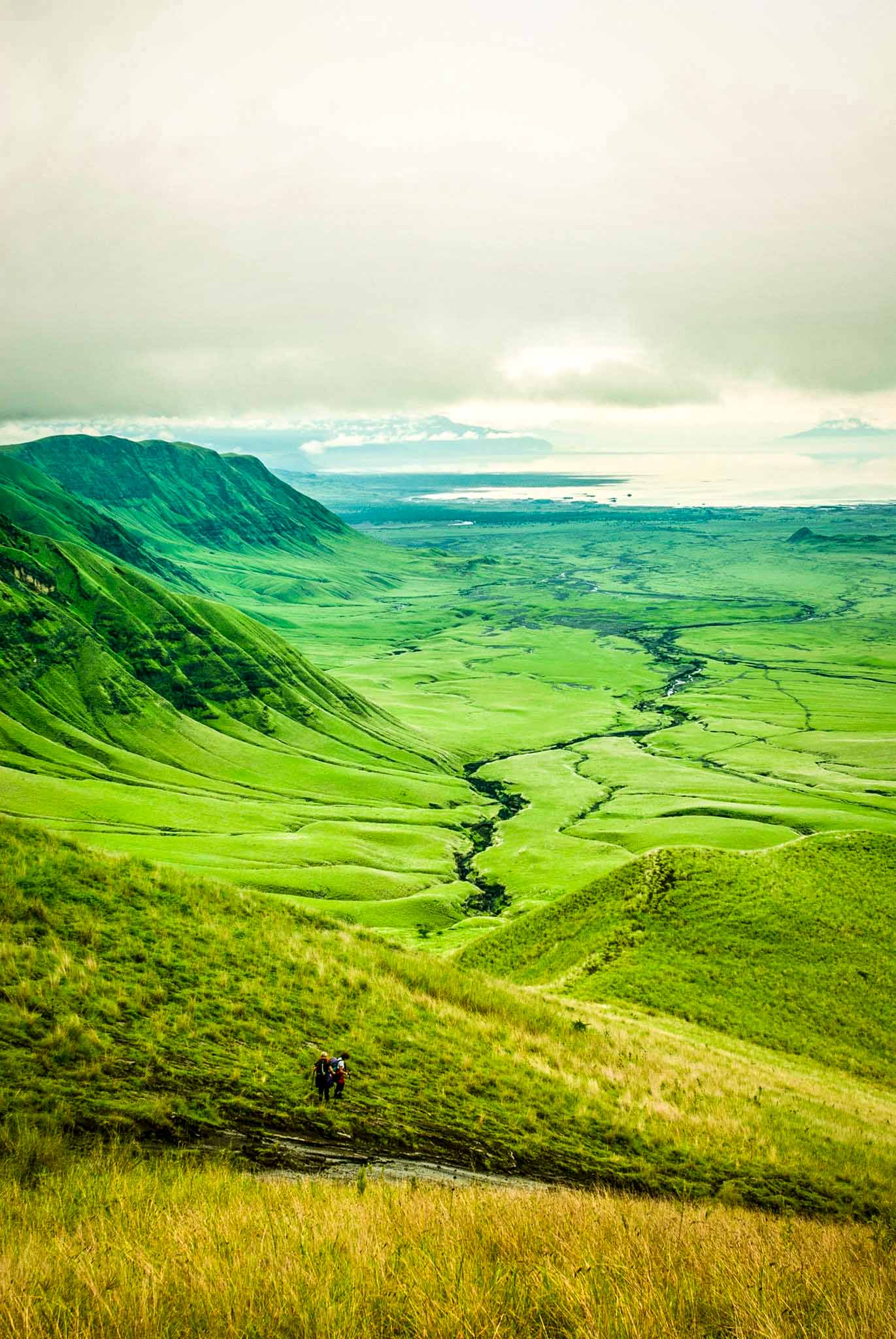
During the green season, from November to May, Tarangire transforms into a lush, vibrant landscape, attracting migratory birds and offering excellent opportunities to see newborn animals. Though wildlife may be more dispersed during this period, the scenery and birdwatching opportunities make it a rewarding time to visit for travelers seeking a quieter, more intimate safari experience.
Where to Stay in Tarangire National Park
Accommodation options in and around Tarangire range from luxury lodges to comfortable tented camps, many of which are strategically positioned along the river or overlooking the surrounding plains. Staying within or near the park allows for extended game drives during the cooler hours of early morning and late afternoon, when wildlife activity tends to peak.
Several camps also offer night game drives and guided walking safaris, activities not commonly permitted in Tanzania’s more restricted parks, giving Tarangire a distinct advantage for travelers seeking varied and immersive safari experiences.
Getting to Tarangire National Park
Tarangire National Park is easily accessible by road from Arusha, with the journey typically taking around two hours, making it an ideal addition to a broader northern circuit safari itinerary alongside Ngorongoro Crater, Serengeti National Park, and Lake Manyara. Its convenient location makes it a popular starting or ending point for many multi day safari packages.
Why Tarangire Deserves a Place on Your Safari Itinerary
Tarangire National Park offers a compelling combination of massive elephant herds, ancient baobab studded landscapes, and a level of tranquility increasingly hard to find in East African safari travel. Whether you are drawn by the promise of witnessing elephant families along the riverbanks or simply want to explore a lesser traveled corner of Tanzania’s wilderness, Tarangire delivers an experience rich in both beauty and authenticity
For travelers seeking a well rounded Tanzania safari, Tarangire National Park stands out as an essential destination, offering unforgettable wildlife encounters framed by some of the most striking scenery found anywhere on the continent.