
Shira Route: Kilimanjaro’s Dramatic Plateau Crossing
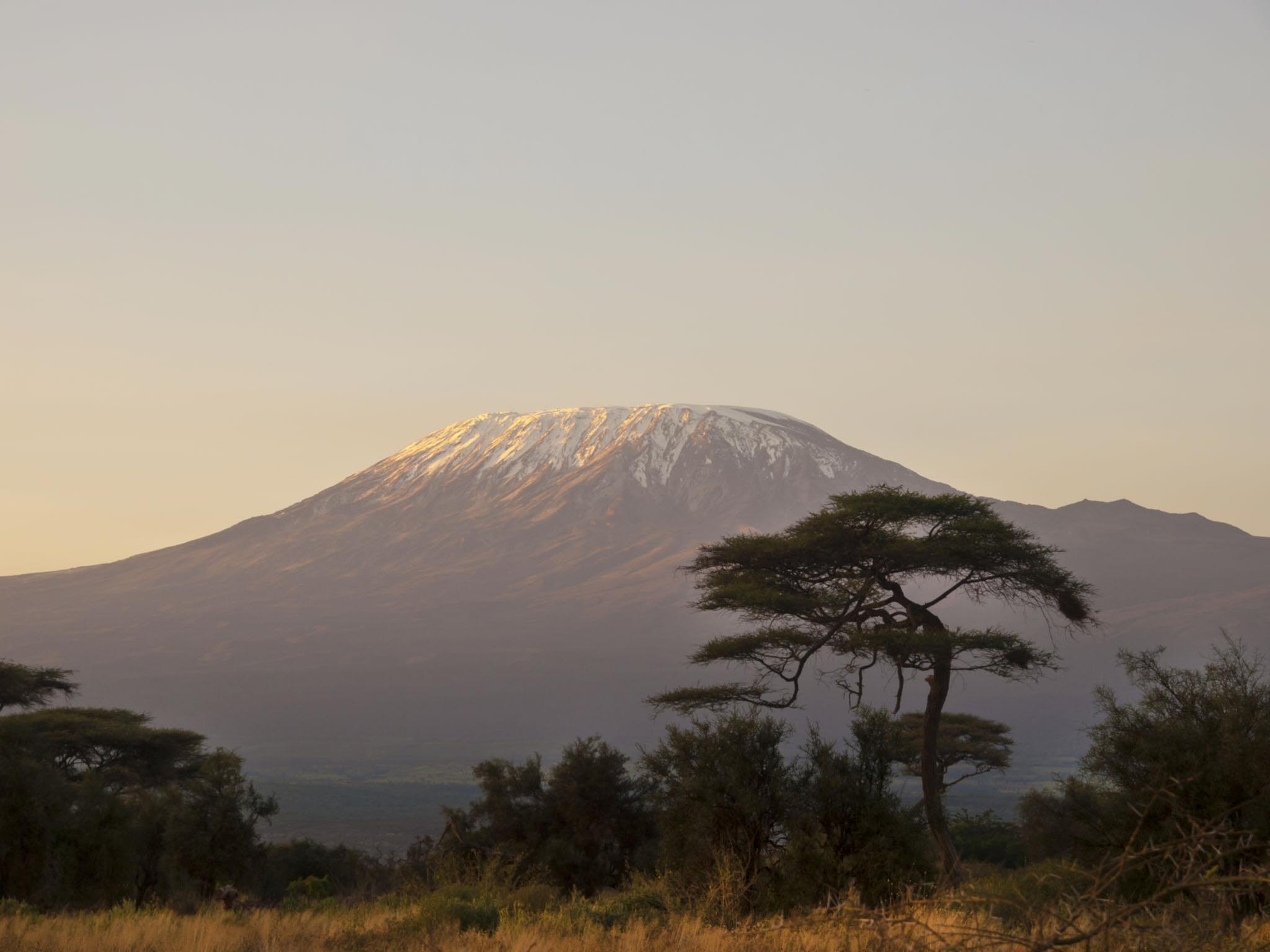
Approaching Mount Kilimanjaro from the west, the Shira Route offers trekkers a scenic and distinctive path to the summit, best known for its dramatic crossing of the vast Shira Plateau, one of the mountain’s three ancient volcanic cones. Closely related to the more popular Lemosho Route, Shira shares much of the same upper terrain but differs significantly in how the journey begins, offering a unique starting experience that sets it apart from every other established path on the mountain.
Though less frequently chosen compared to routes like Machame or Lemosho, the Shira Route continues to attract trekkers seeking a shorter overall itinerary combined with genuinely striking scenery, particularly for those who are already well acclimatized to higher altitudes before beginning their climb.
A High Altitude Starting Point
What truly distinguishes the Shira Route from nearly every other Kilimanjaro path is its starting point. Rather than beginning within dense lower rainforest, trekkers are typically driven directly to the Shira Gate, situated at a significantly higher elevation than the starting points of routes like Machame or Lemosho. This means climbers essentially skip much of the lower rainforest trekking experience, arriving instead near the edge of the dramatic Shira Plateau on their very first day.
While this higher starting altitude allows for a shorter overall trekking distance, it also presents a notable acclimatization challenge, as climbers gain significant elevation extremely quickly before their bodies have had adequate time to adjust. For this reason, the Shira Route is generally recommended primarily for trekkers who are already acclimatized to high altitude conditions, rather than those attempting their first significant high elevation trek.
Crossing the Iconic Shira Plateau
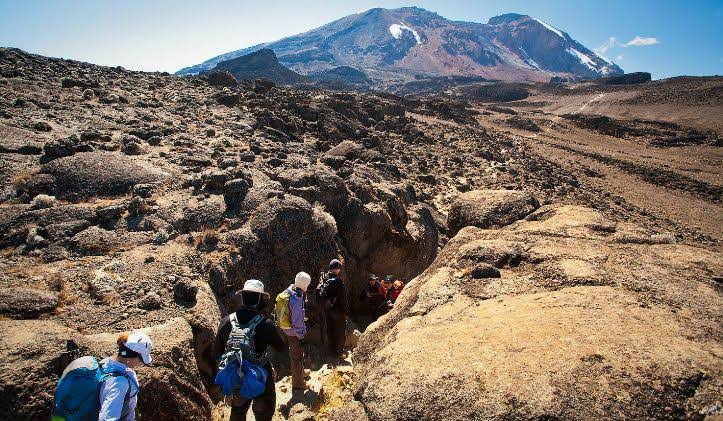
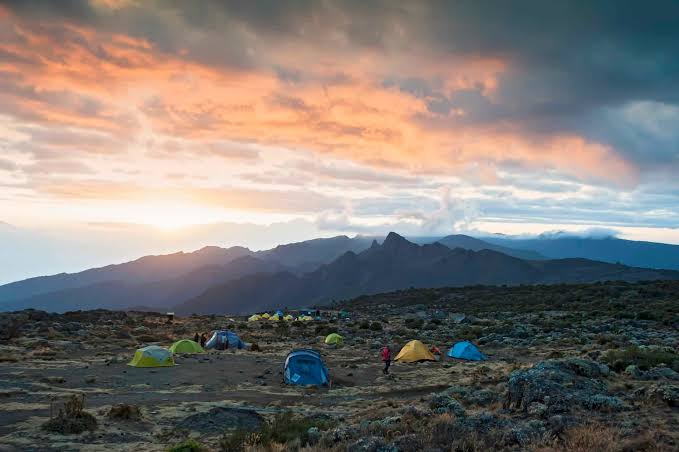
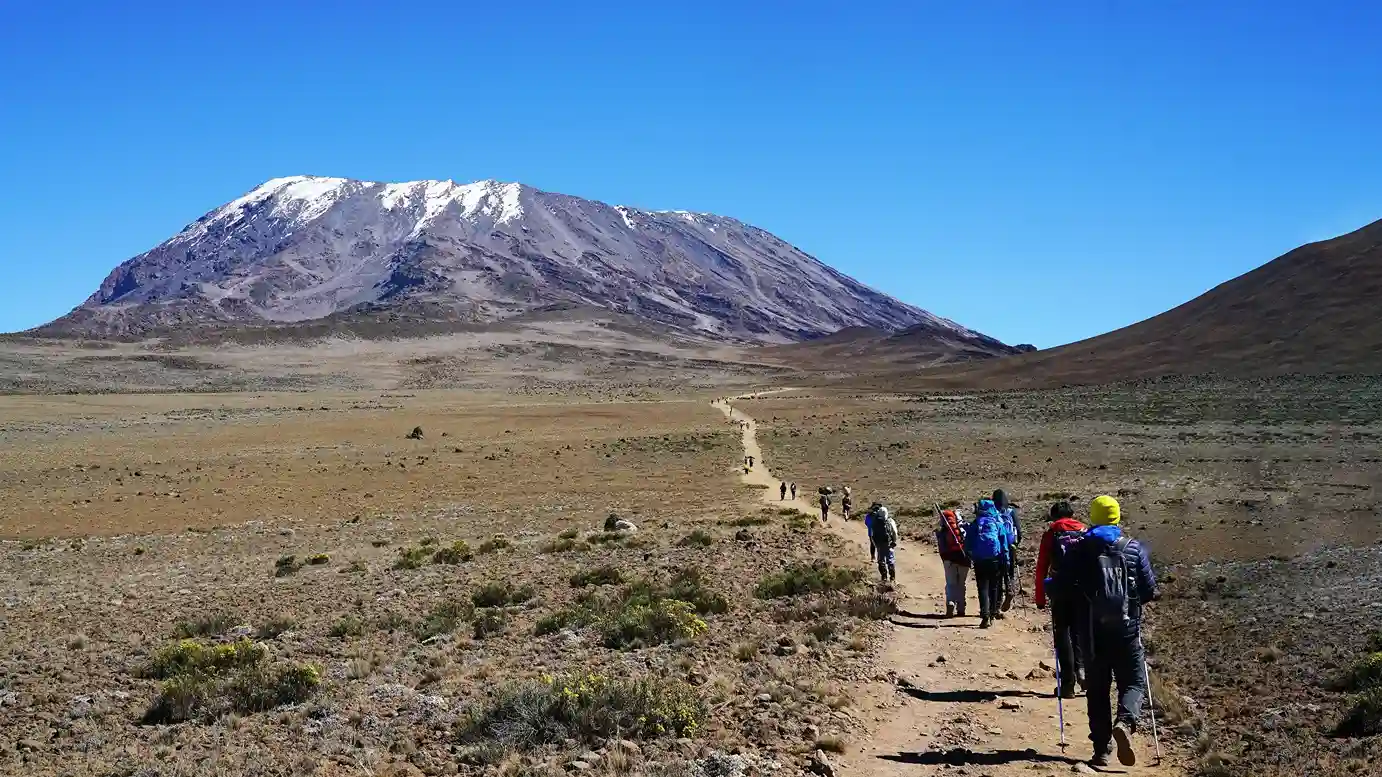
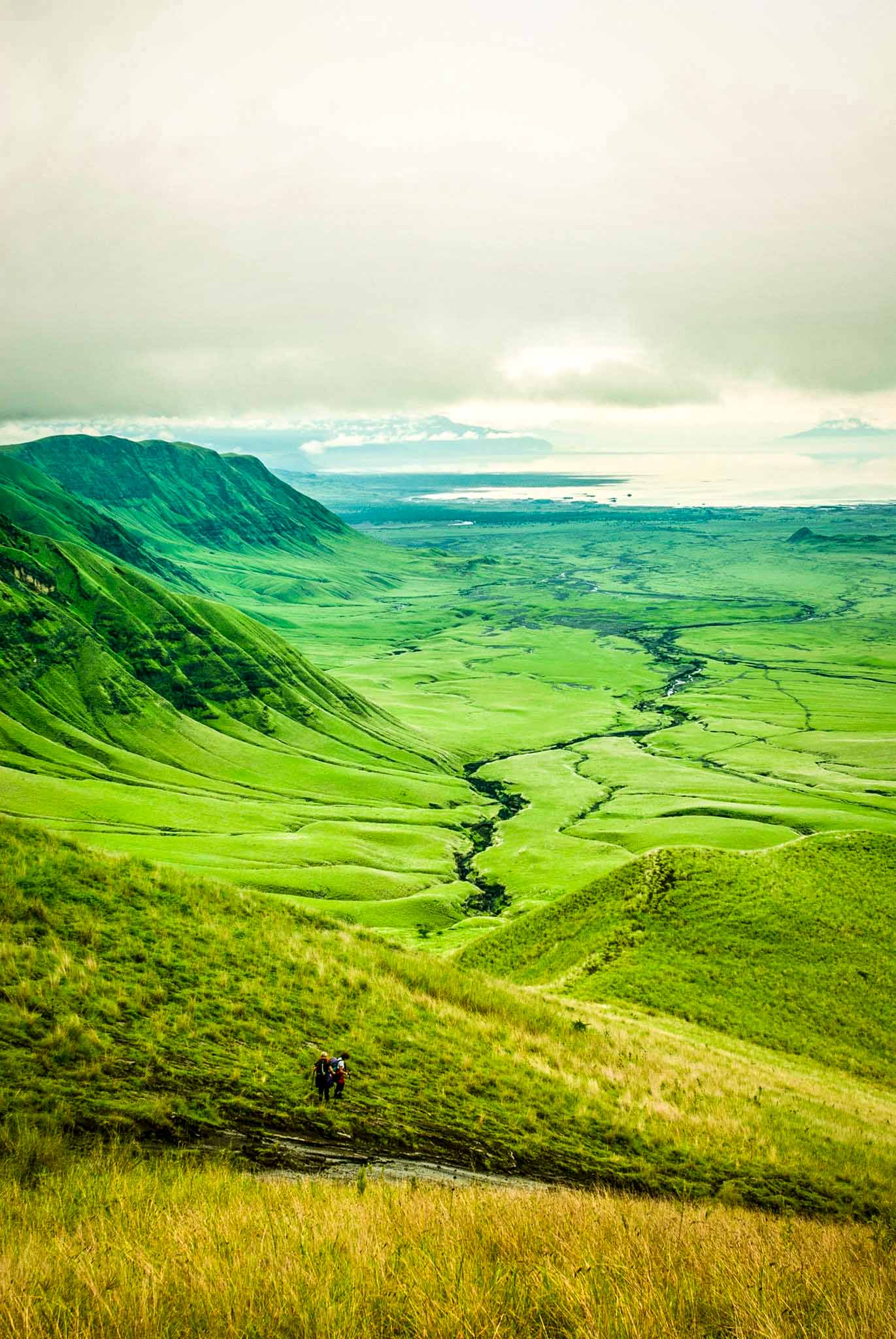
Once on the mountain, trekkers are treated to sweeping views across the vast Shira Plateau, a dramatic, relatively flat volcanic caldera formed by one of Kilimanjaro’s three original peaks. This unique landscape offers a striking contrast to the steeper terrain found elsewhere on the mountain, providing trekkers with expansive panoramic views and a fascinating glimpse into Kilimanjaro’s ancient volcanic history.
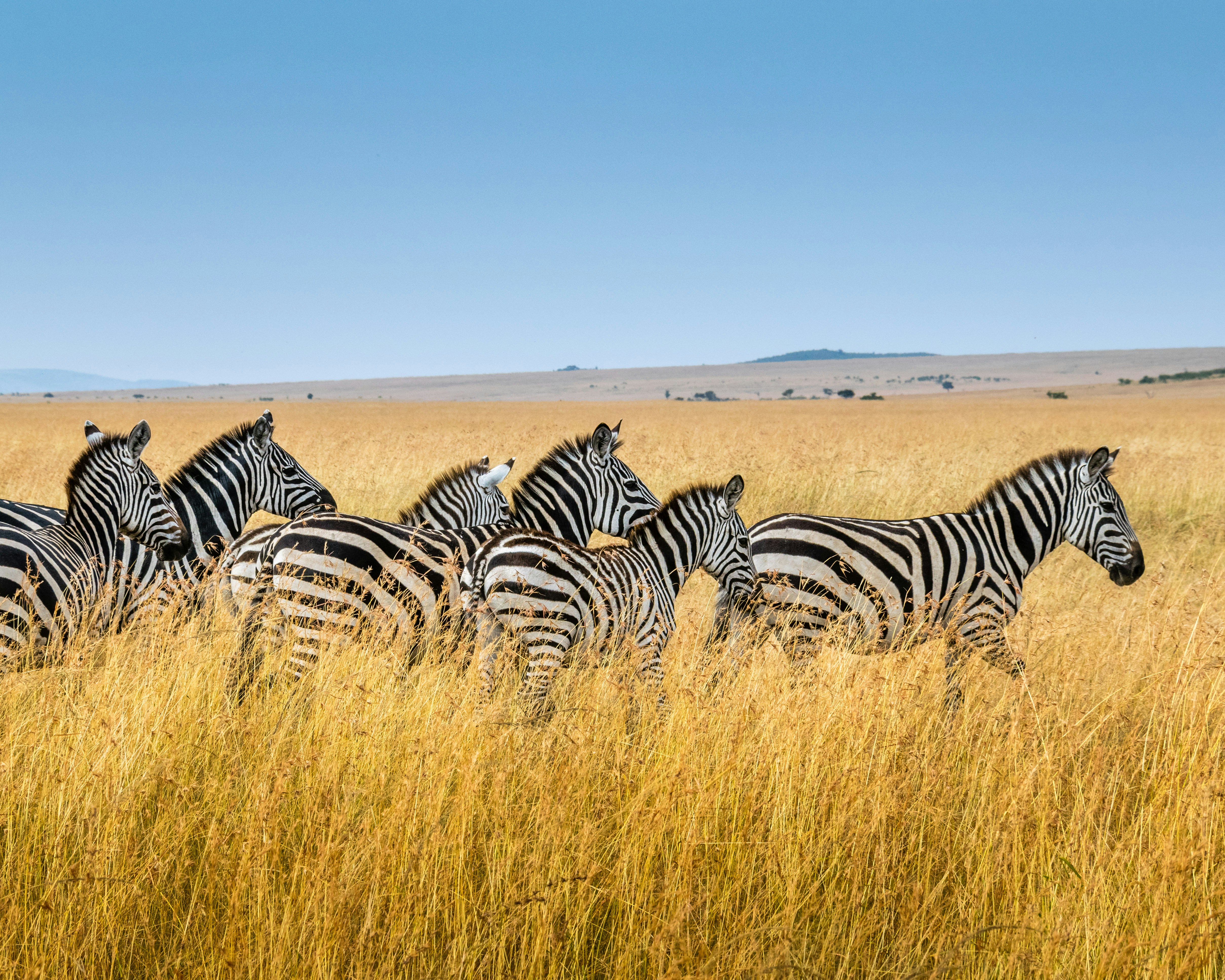
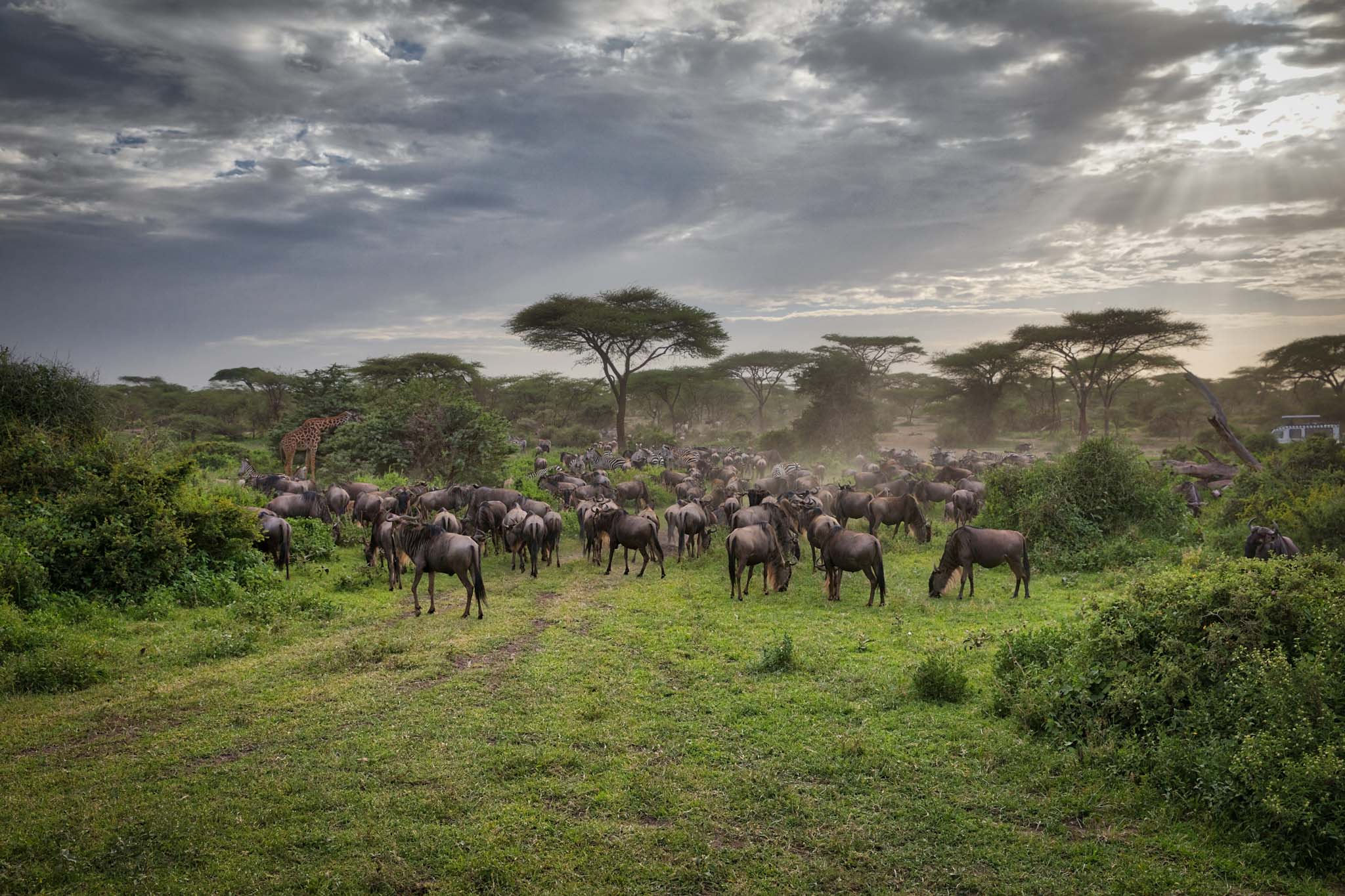
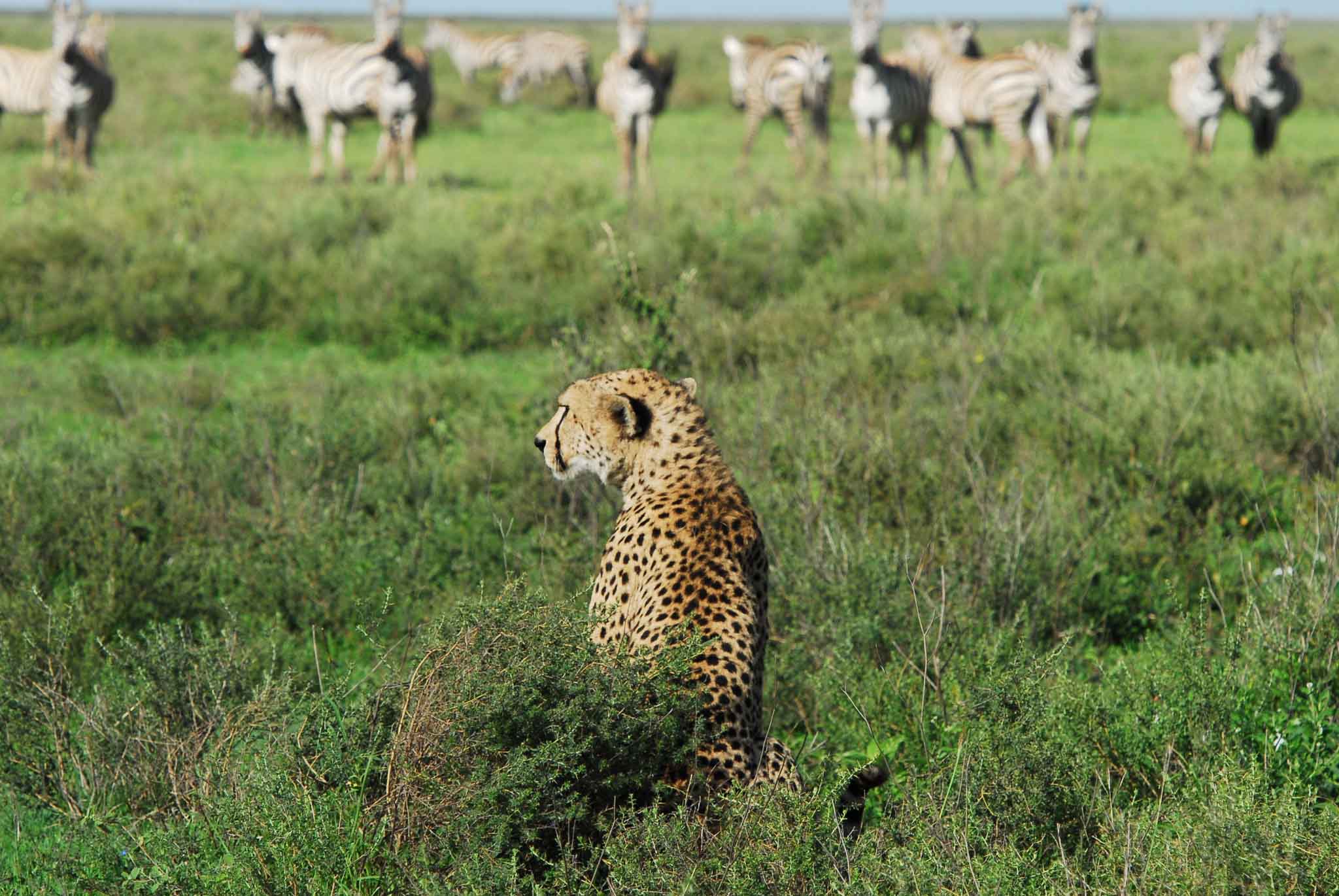
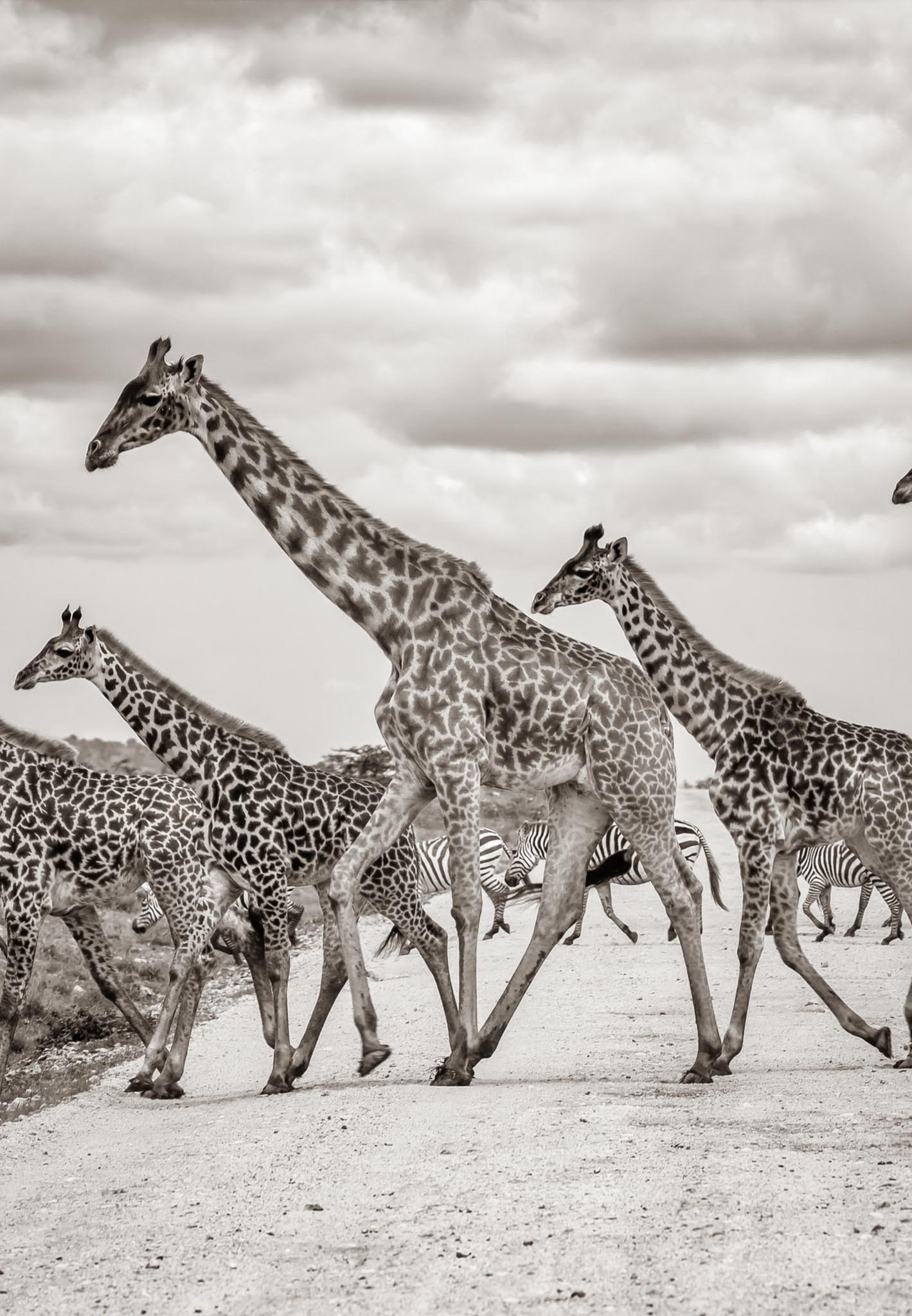
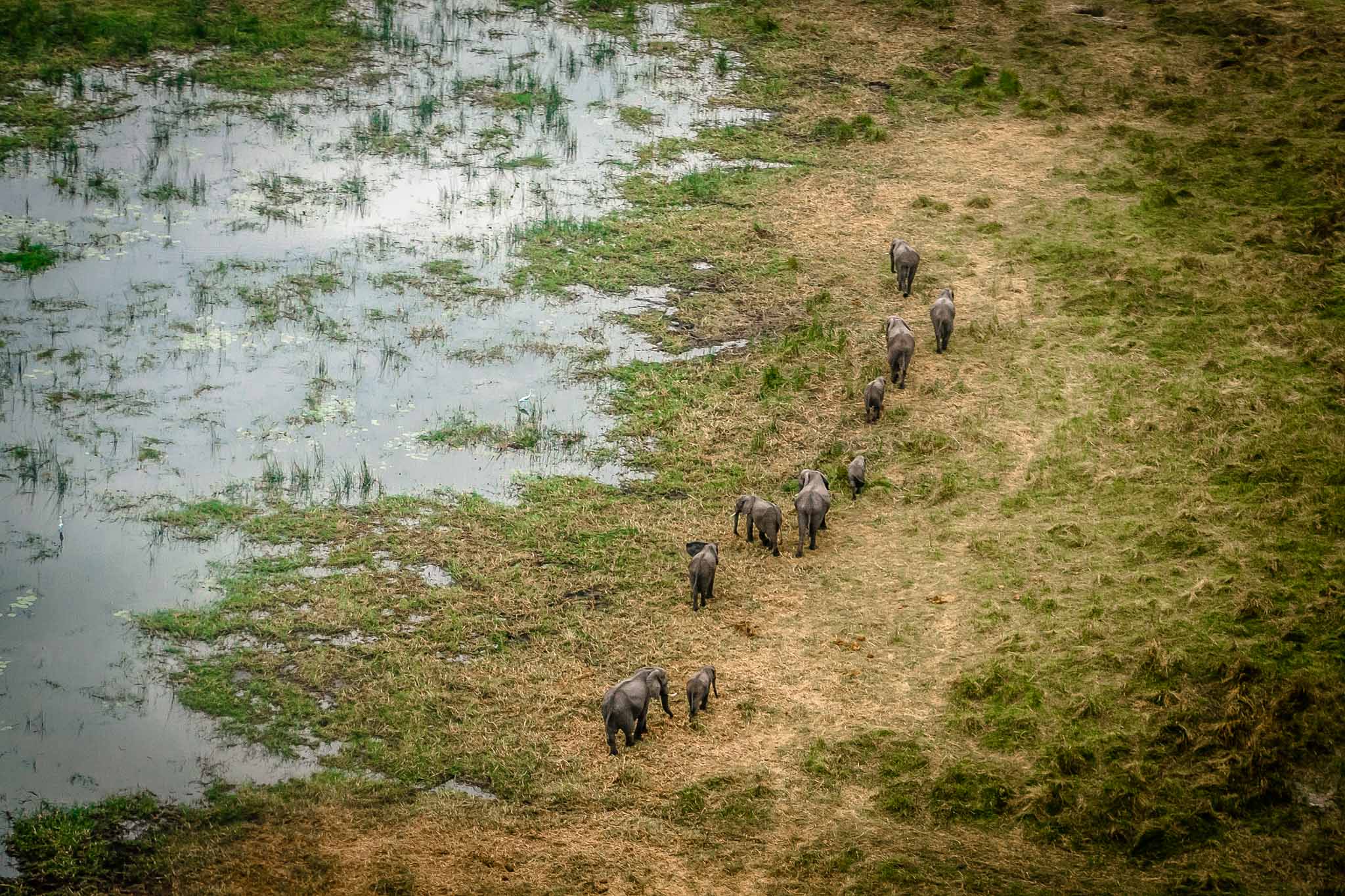
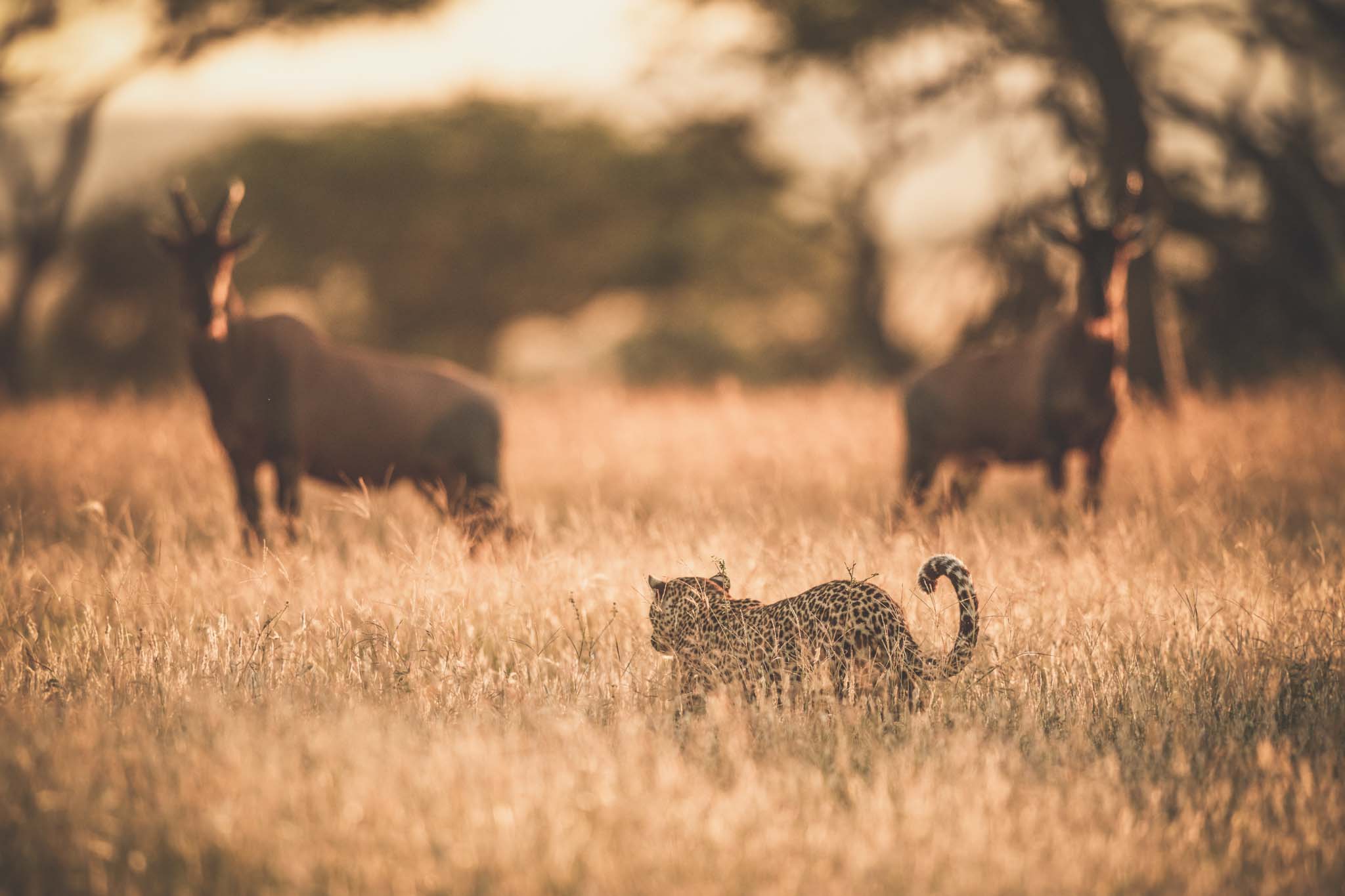
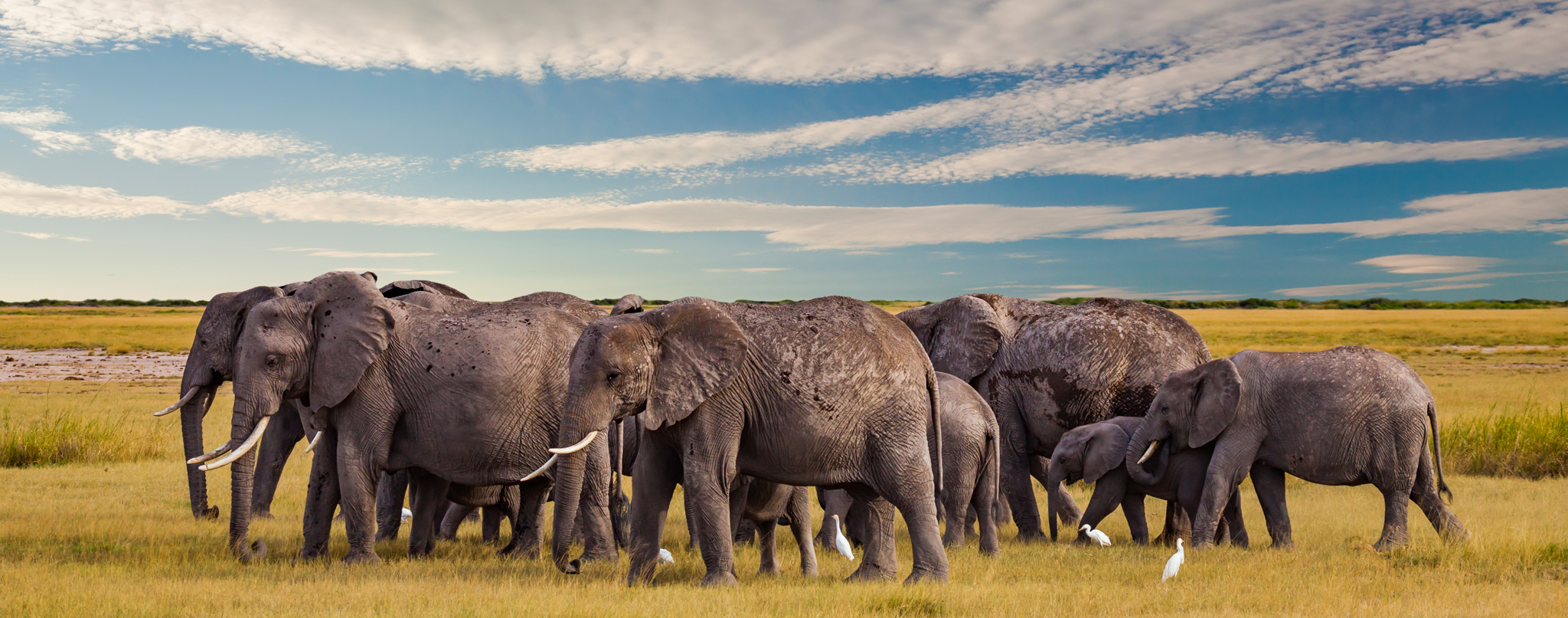
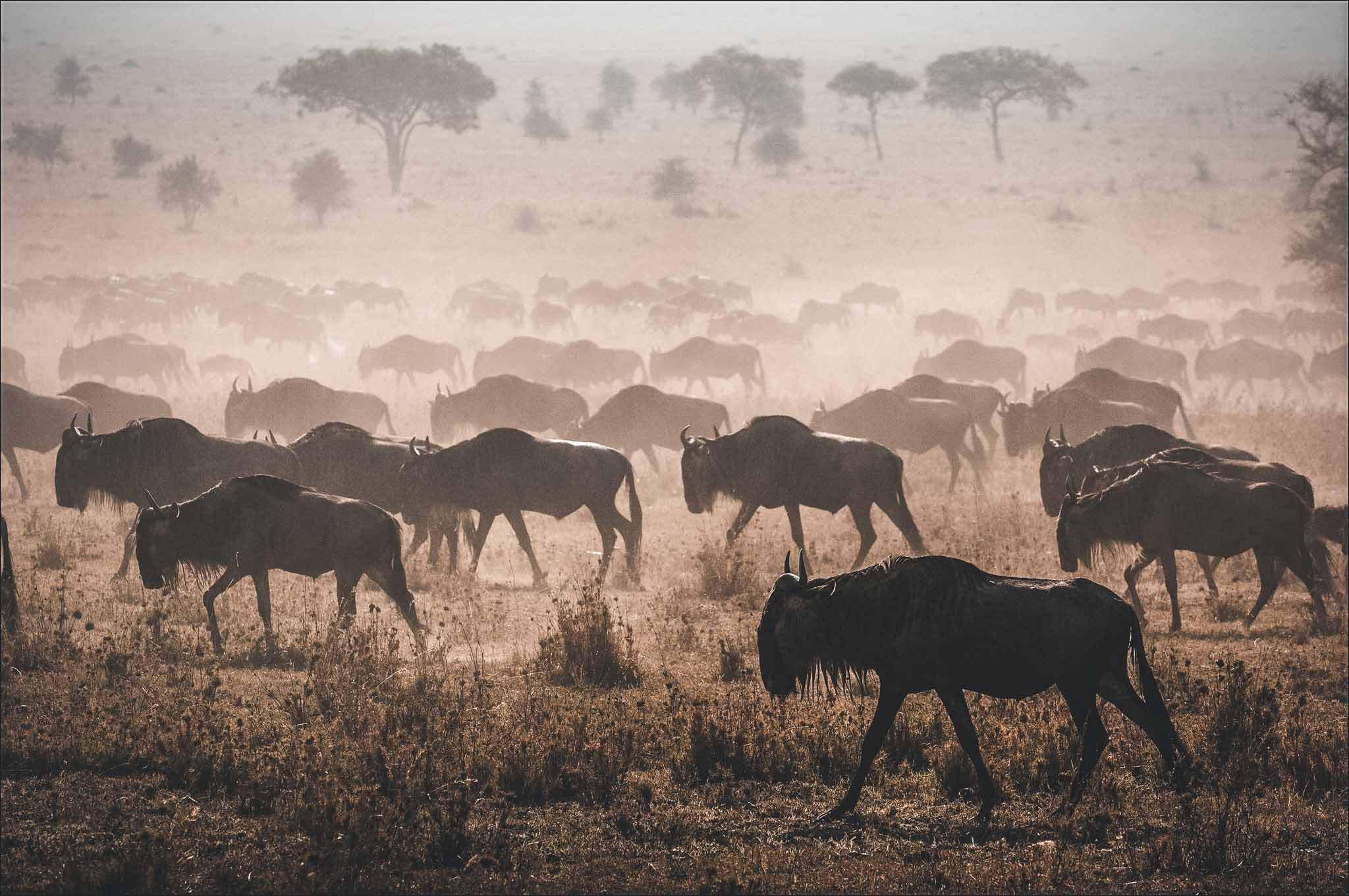
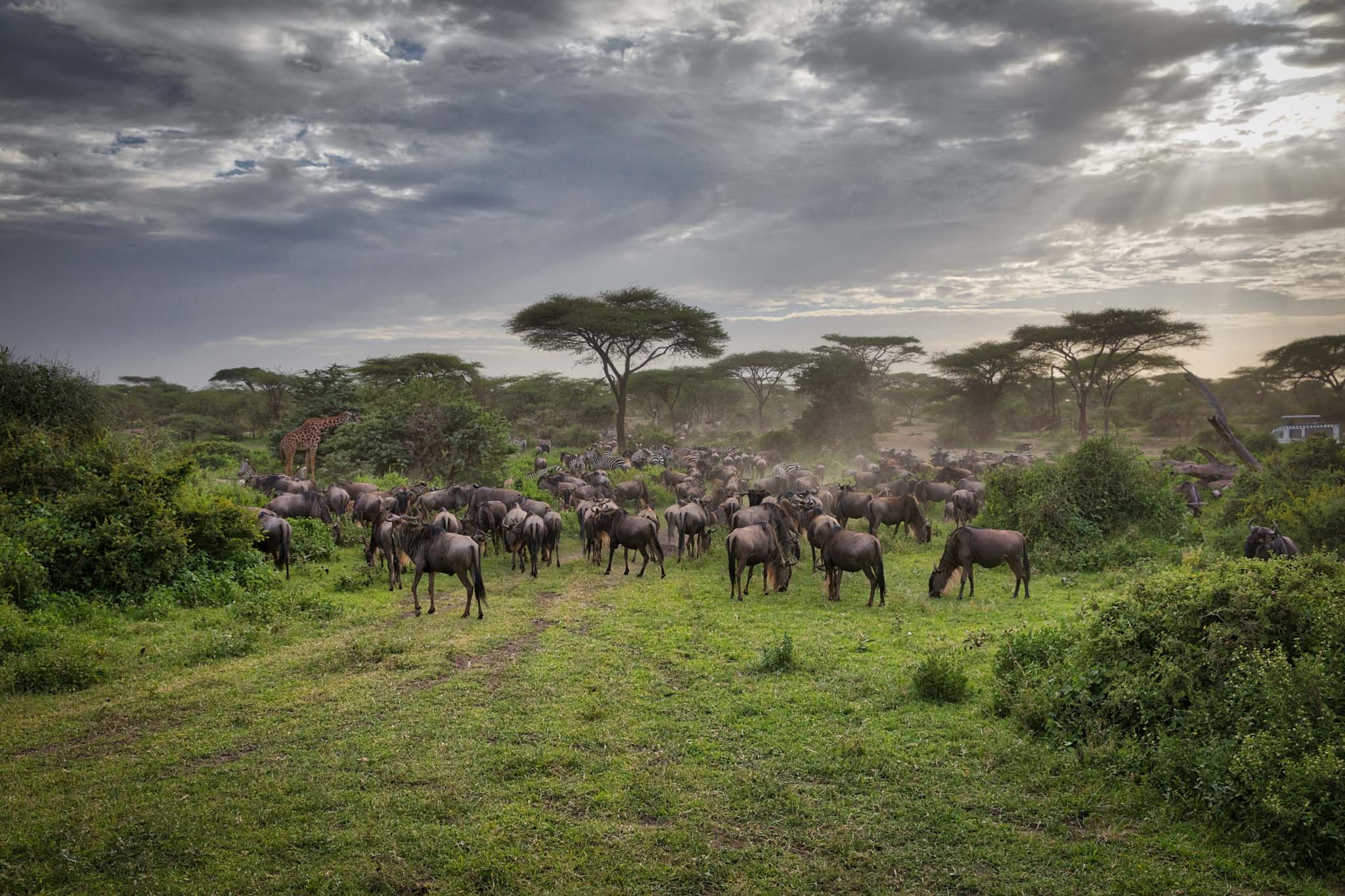
The plateau crossing also offers excellent opportunities for wildlife spotting, with occasional sightings of buffalo, eland, and various bird species adding an unexpected natural element to this otherwise dramatic and remote alpine landscape.
Merging With the Southern Circuit
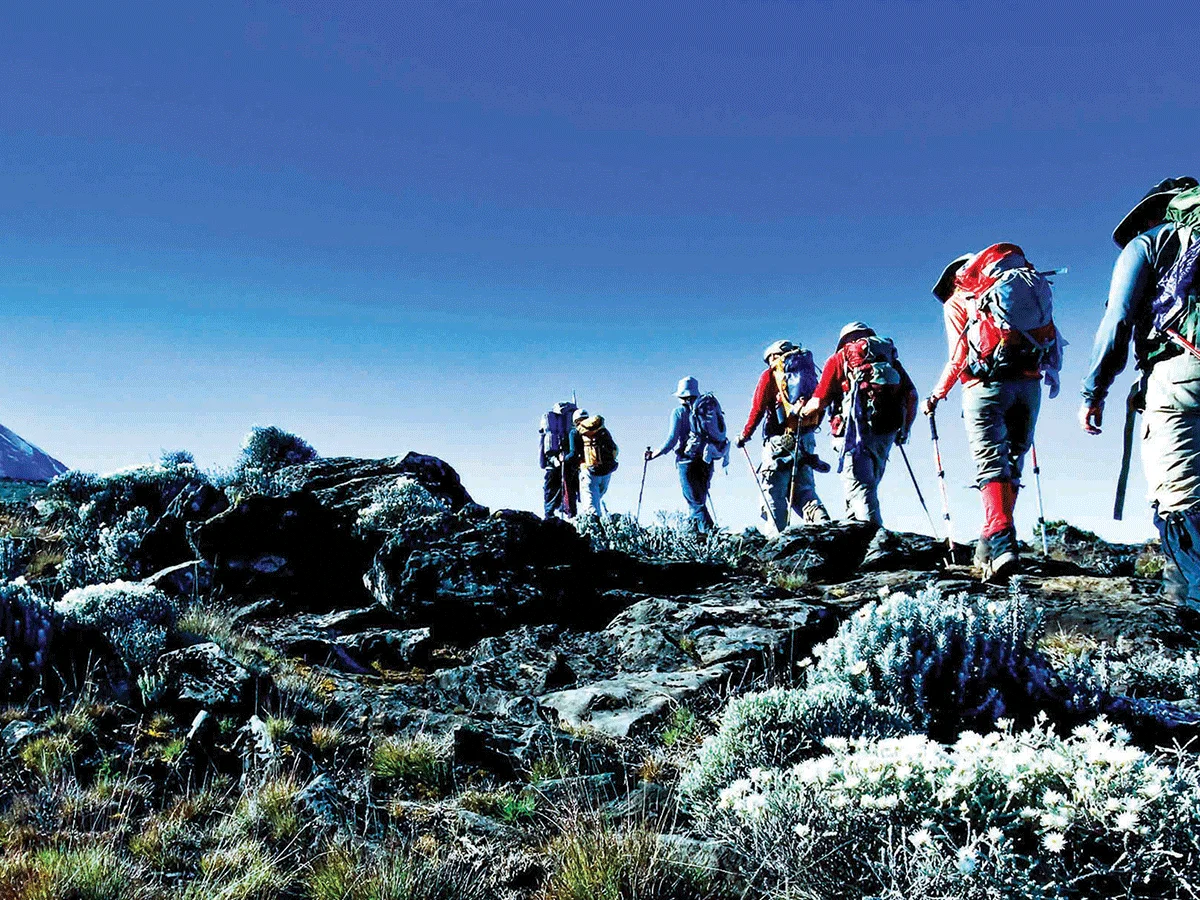
After crossing the Shira Plateau, the route eventually merges with the same southern circuit path shared by Machame and Lemosho, passing beneath the striking Lava Tower rock formation before descending into the scenic Barranco Valley. From this point onward, Shira Route trekkers experience many of the same dramatic highlights found on these more popular routes, including the exciting scramble up the Barranco Wall, before continuing toward Barafu Camp in preparation for the final summit push.
Duration and Acclimatization Considerations
The Shira Route is typically completed over six or seven days, offering a moderate overall duration compared to other established Kilimanjaro paths. However, given its notably high starting altitude, careful attention to acclimatization remains essential throughout the early stages of the trek, even with an otherwise reasonably paced itinerary.
Many experienced trekking operators recommend that climbers spend at least one or two nights at moderate altitude prior to beginning the Shira Route, helping to reduce the risk of altitude related discomfort during those critical first days on the mountain.
The Final Summit Push
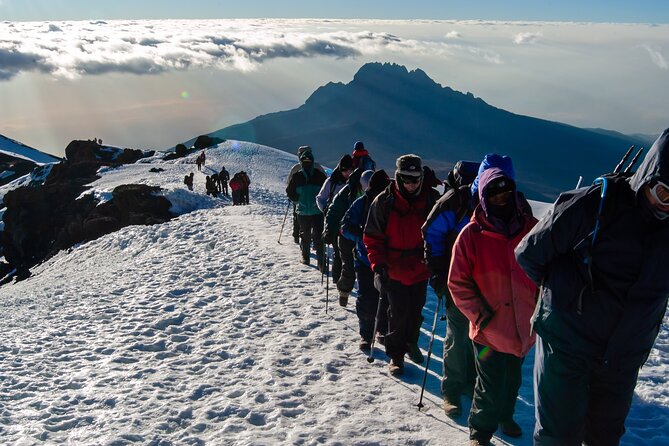
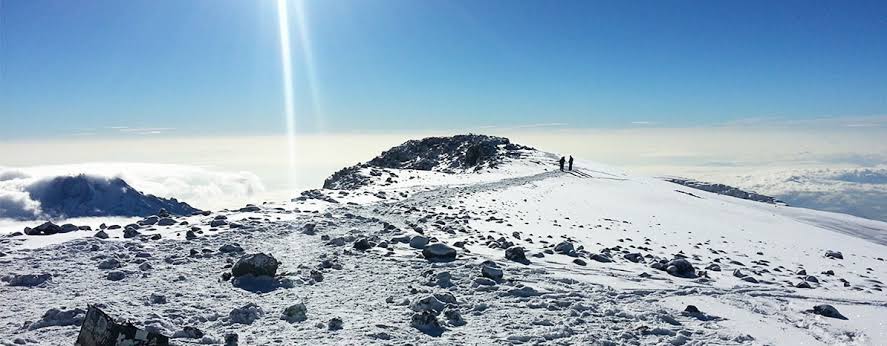
As with other southern circuit routes, the final ascent to Uhuru Peak typically begins from Barafu Camp in the early hours of the morning, aiming to reach the summit around sunrise. This demanding overnight push crosses steep volcanic scree in freezing temperatures, requiring significant physical endurance and determination as climbers approach the mountain’s highest point.
Who Should Choose the Shira Route
The Shira Route appeals primarily to trekkers who are already well acclimatized to high altitude conditions, or those with previous high elevation trekking experience seeking a shorter overall itinerary without sacrificing the scenic highlights found along Kilimanjaro’s southern circuit. Given its high starting elevation, first time high altitude trekkers may want to consider alternative routes such as Machame or Lemosho, which offer more gradual acclimatization from the very beginning of the journey.
Best Time to Climb the Shira Route
Like all Kilimanjaro routes, the Shira Route is best attempted during the dry seasons, from June to October and again from December to February, offering more stable weather conditions and improved visibility throughout the trek.
Why Choose the Shira Route
The Shira Route offers a distinctive and scenic approach to Kilimanjaro, combining a shorter overall trekking distance with dramatic plateau views and a genuine sense of adventure. For well acclimatized trekkers seeking an efficient yet visually rewarding path to the summit, Shira delivers a unique perspective on Africa’s highest peak.