
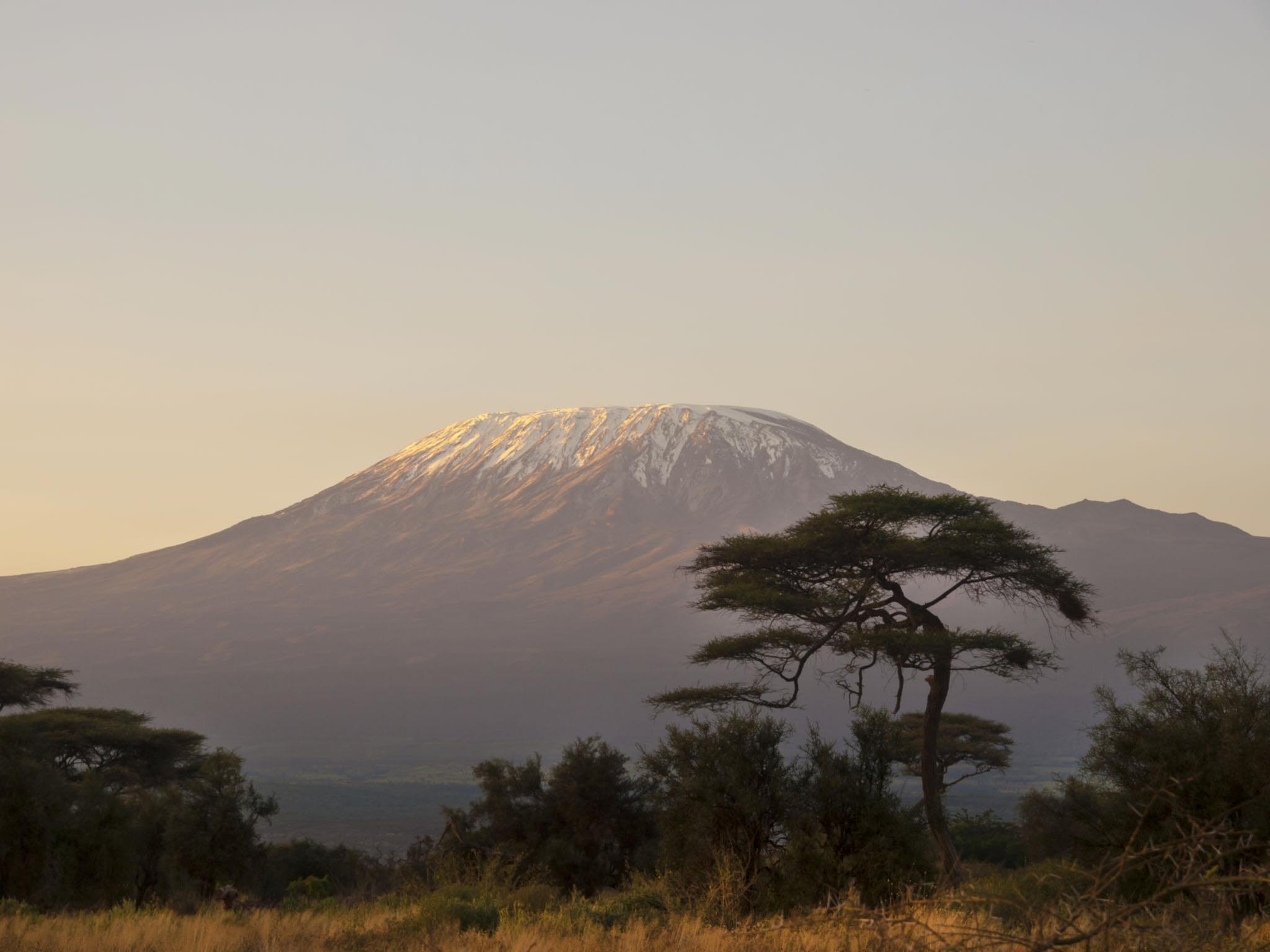

Rongai Route: Kilimanjaro’s Quiet Path From the North
Unlike the majority of established Kilimanjaro routes, which approach the mountain from the south or west, the Rongai Route offers a distinctly different experience by climbing from the northern side, near the Kenyan border. This unique approach not only provides a quieter, less crowded trekking experience but also offers noticeably drier conditions throughout much of the route, making it a particularly appealing option during Kilimanjaro’s wetter seasons.
Though less frequently chosen compared to popular southern circuit routes like Machame or Lemosho, the Rongai Route has earned a loyal following among trekkers seeking a more remote, peaceful path to the summit, without sacrificing the dramatic scenery and rewarding challenge that defines any Kilimanjaro climb.
A Drier, More Remote Beginning
The Rongai Route begins on Kilimanjaro’s northern slopes, an area that receives significantly less rainfall compared to the more heavily trafficked southern and western approaches. This drier climate makes Rongai an excellent choice during the shoulder seasons, when other routes may experience increased rainfall and more challenging trekking conditions.
The early stages of the trek pass through pine forest rather than the dense rainforest typically found on southern routes, offering a noticeably different landscape and atmosphere from the very beginning of the climb. This forest section tends to be quieter and less frequently visited, providing trekkers with a genuine sense of solitude rarely found on Kilimanjaro’s more popular paths.
Sweeping Views Across the Kenyan Plains
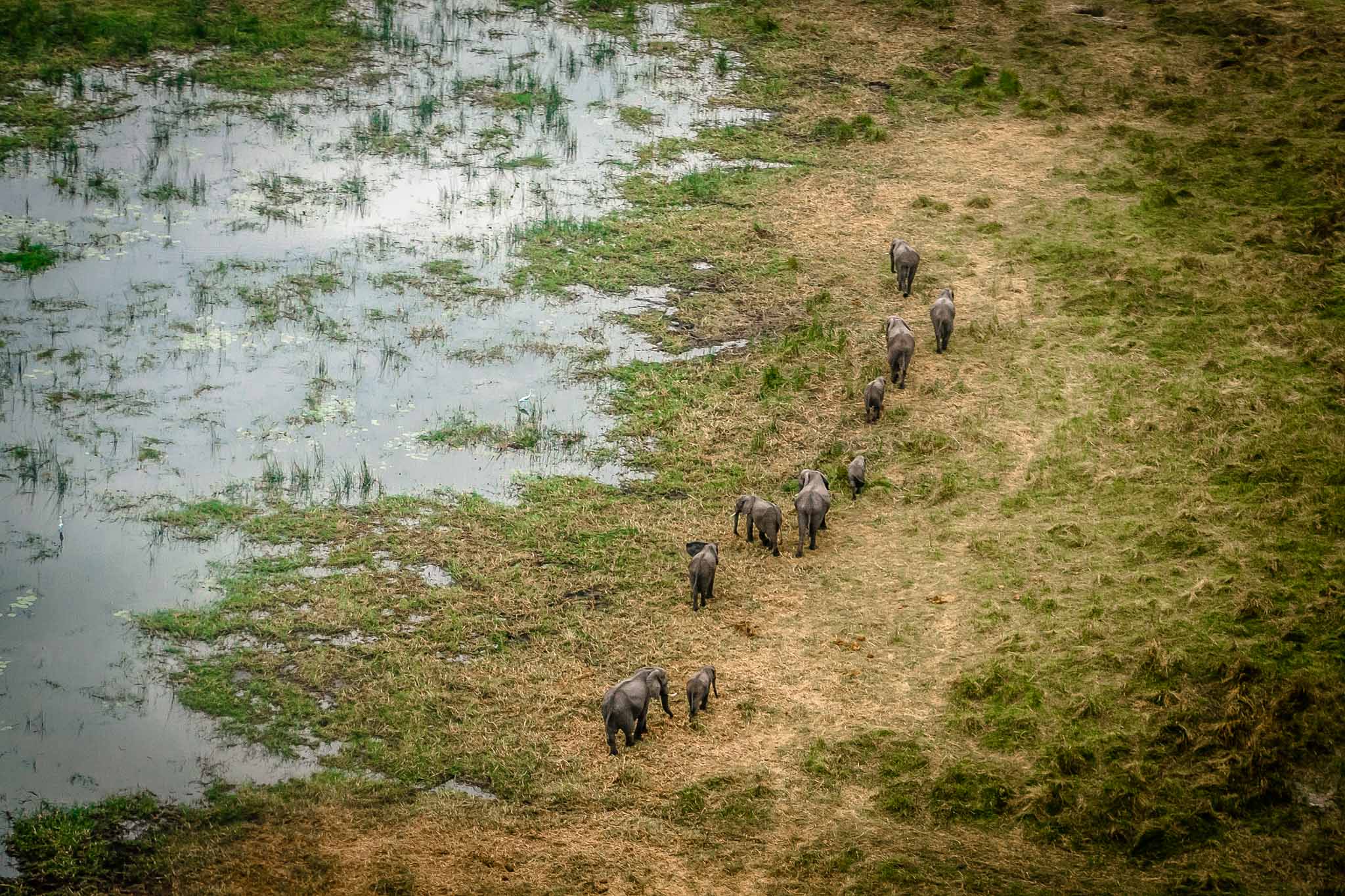
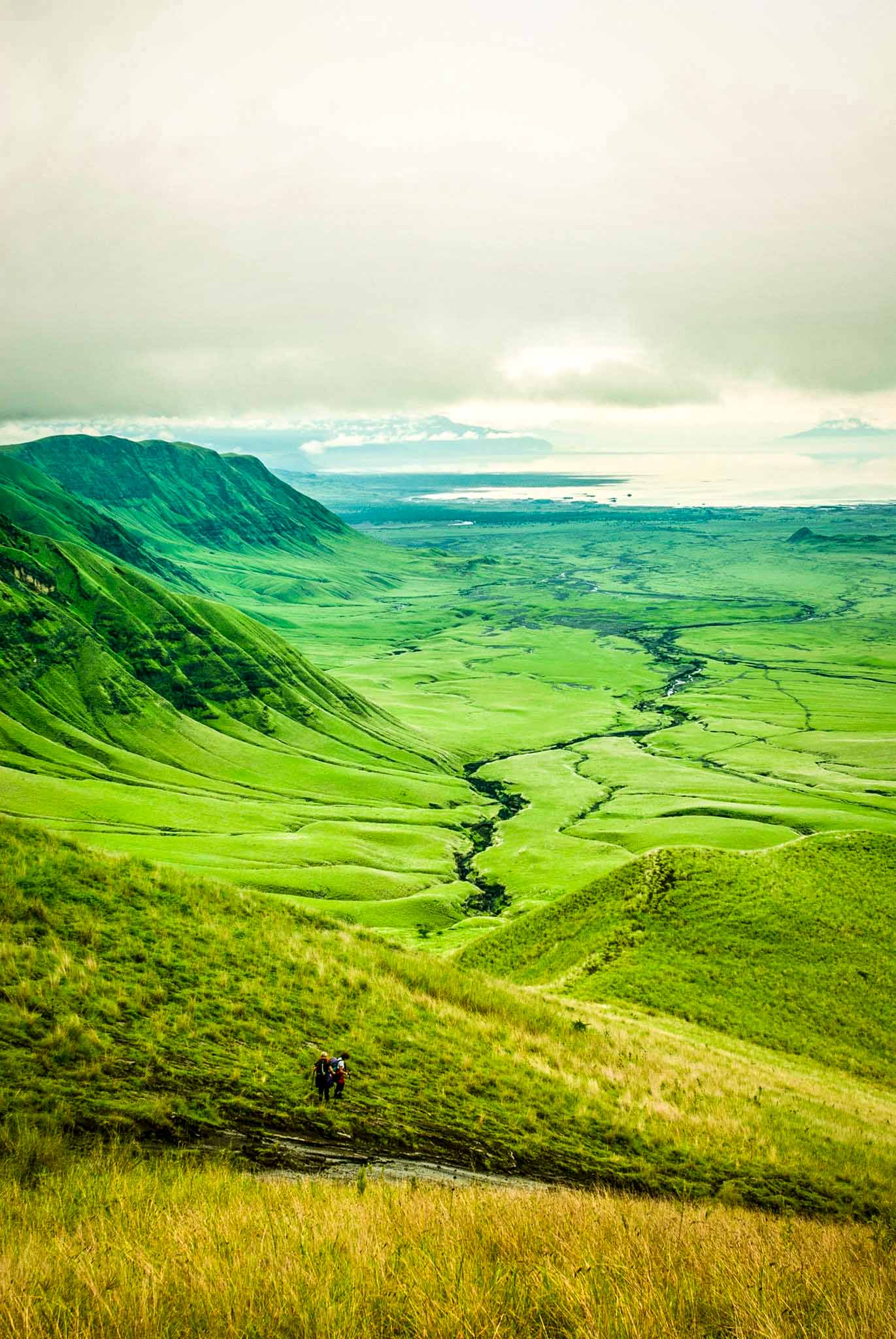
As the Rongai Route continues beyond the forest zone, trekkers are treated to sweeping views across the Kenyan plains to the north, offering a genuinely unique perspective rarely experienced on other Kilimanjaro routes. This distinctive vantage point, combined with the route’s overall quieter atmosphere, creates a trekking experience that feels notably different from the more established southern circuit paths.
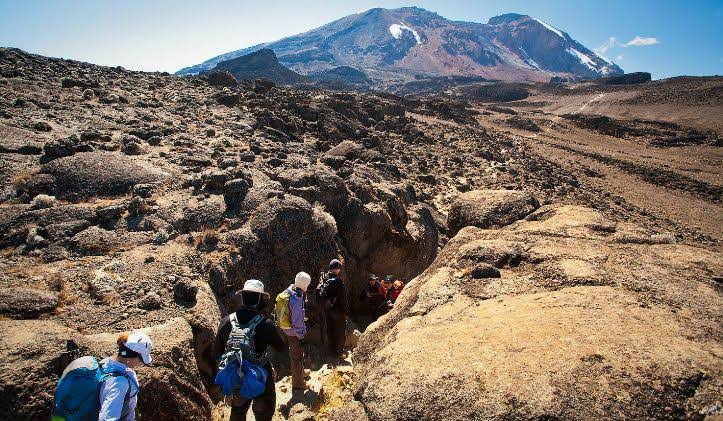
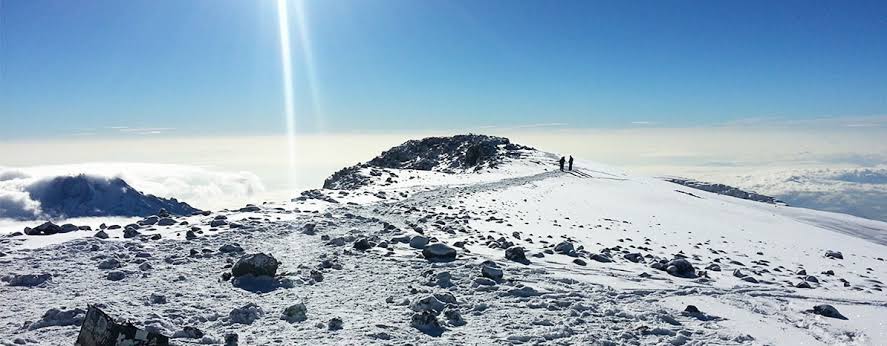
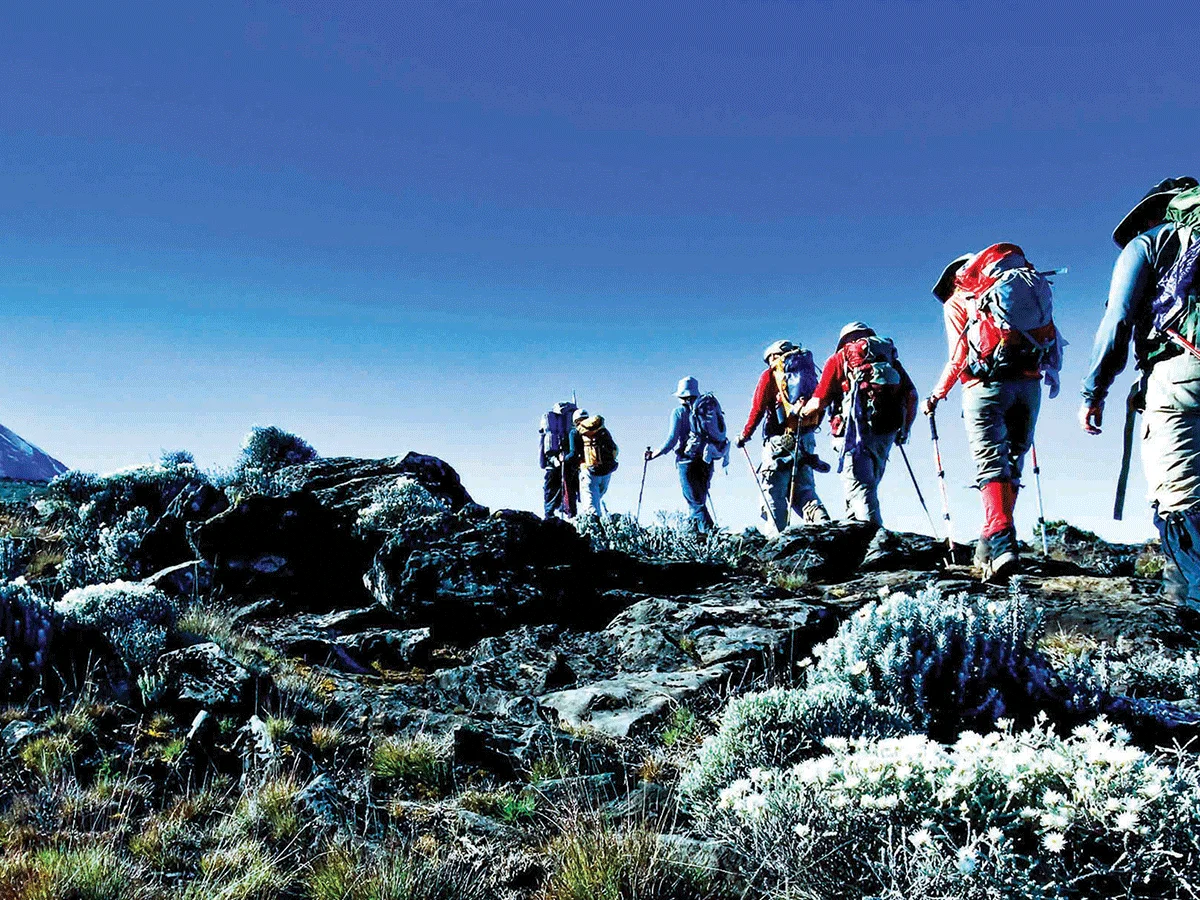
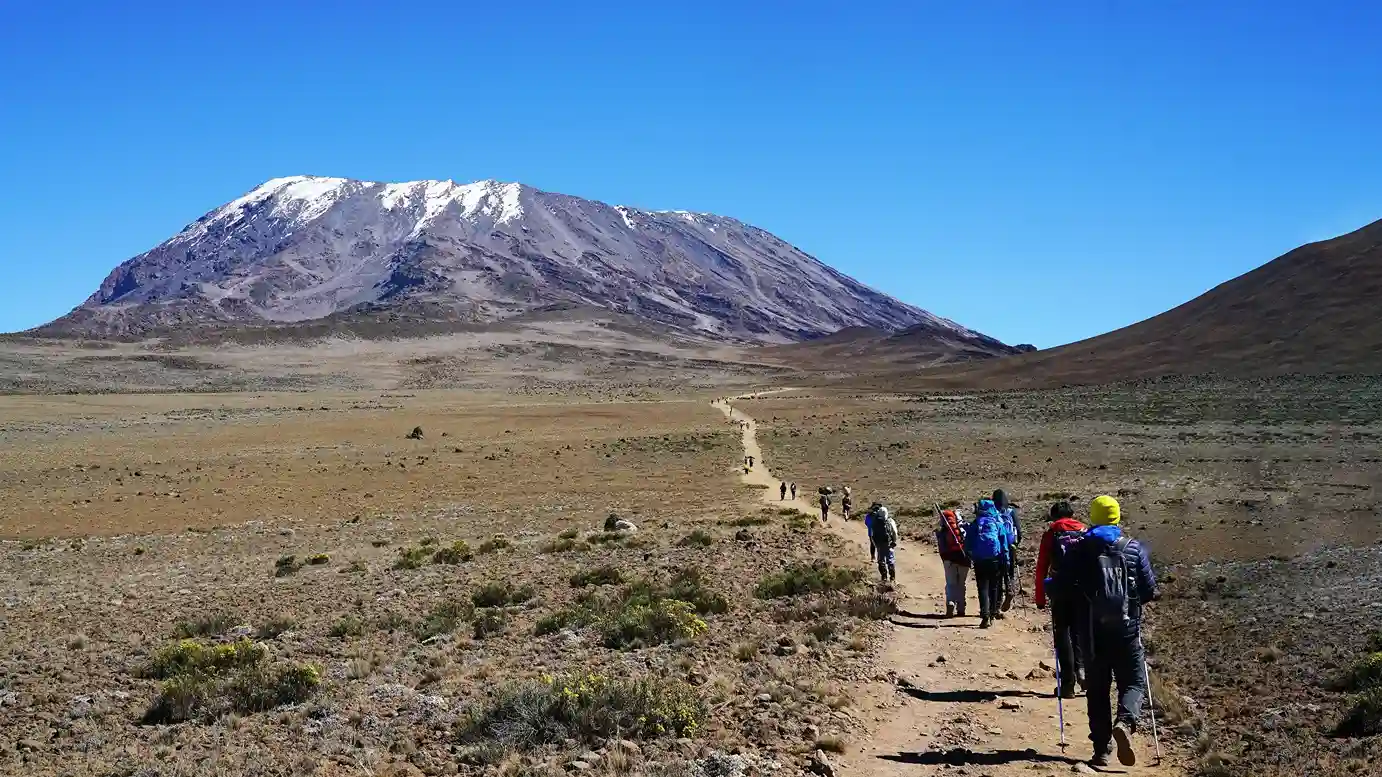
The landscape gradually transitions into moorland and alpine desert as elevation increases, eventually merging with sections of the Marangu Route as trekkers approach the higher reaches of the mountain near Kibo Hut.
A Gradual and Steady Ascent Profile
Typically completed over six or seven days, the Rongai Route offers a gradual, steady ascent profile that supports solid acclimatization throughout the journey. While slightly less dramatic in elevation gain compared to routes like Lemosho, this measured pacing still allows climbers sufficient time to adjust to increasing altitude, contributing to a respectable summit success rate among trekkers who choose this quieter path.
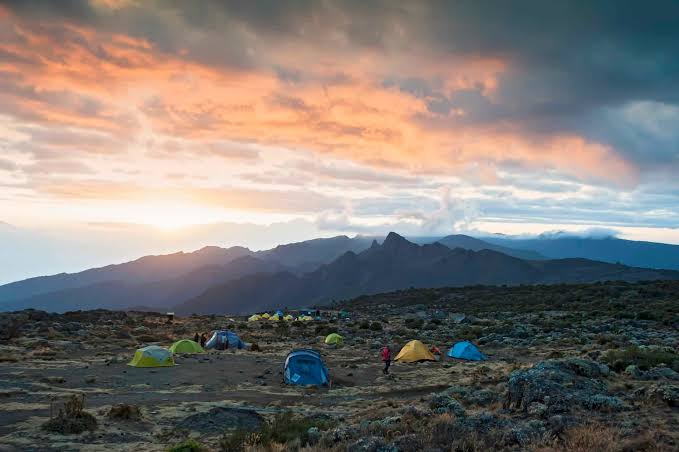
Camping remains the standard accommodation style throughout the Rongai Route, with campsites offering peaceful surroundings and, on clear days, striking views across the northern plains and distant landscapes stretching toward Kenya.
Wildlife and Scenery Along the Way
The lower forested sections of the Rongai Route offer excellent opportunities to spot wildlife, including colobus monkeys and a variety of forest birds, adding a rewarding natural element to the earlier stages of the climb. As the route ascends into moorland and alpine desert, the scenery shifts dramatically, revealing dramatic rock formations and increasingly expansive views as climbers approach the mountain’s higher elevations.
This blend of forest wildlife, sweeping plains views, and dramatic alpine scenery creates a genuinely varied and visually rewarding trekking experience throughout the Rongai Route’s journey toward the summit.
Joining the Marangu Route for the Final Ascent
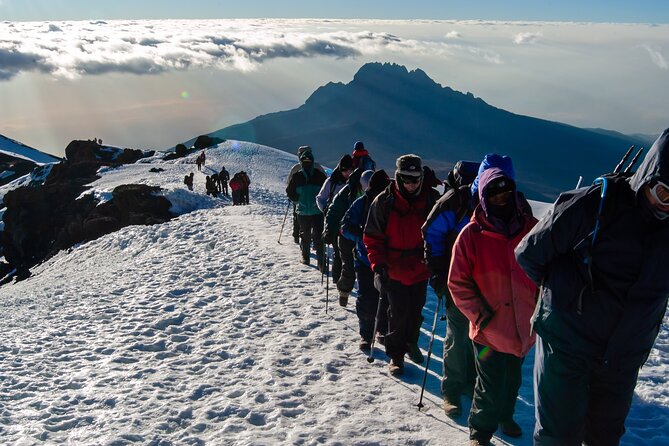
As the Rongai Route approaches its final stages, it merges with the well established Marangu Route near Kibo Hut, meaning the final summit push follows a similar path to that used by Marangu climbers. This shared final stretch means Rongai trekkers experience the same demanding overnight ascent, crossing steep volcanic scree in freezing temperatures before reaching Gilman’s Point and eventually Uhuru Peak around sunrise.While the descent typically follows the Marangu Route rather than retracing Rongai’s northern path, this shared final and return route allows for efficient logistics while still preserving the unique, remote character that defines the majority of the Rongai trekking experience.
Who Should Choose the Rongai Route
The Rongai Route appeals strongly to trekkers seeking a quieter, less crowded Kilimanjaro experience, particularly those climbing during Kilimanjaro’s wetter seasons when drier northern conditions offer a distinct advantage. Its moderate difficulty and steady acclimatization profile also make it a solid choice for climbers seeking a less demanding alternative to steeper southern routes, without sacrificing overall summit success potential.
Travelers specifically seeking the dramatic scenery found along the southern circuit, including the Barranco Wall, may find routes like Machame or Lemosho better suited to their preferences.
Best Time to Climb the Rongai Route
While the Rongai Route can be climbed during Kilimanjaro’s standard dry seasons, its drier northern conditions make it a particularly appealing choice during the shorter rainy periods in November and the longer rains between March and May, when other routes may experience more challenging weather conditions.
Why Choose the Rongai Route
The Rongai Route offers a refreshingly quiet and remote alternative to Kilimanjaro’s more popular southern paths, combining drier conditions, sweeping views across the Kenyan plains, and a genuine sense of solitude throughout much of the journey. For trekkers seeking a peaceful, less crowded approach to conquering Africa’s highest peak, Rongai delivers a rewarding and distinctly different Kilimanjaro experience.