
Lemosho Route: Kilimanjaro’s Remote and Rewarding Wilderness Path
Among the various paths leading to the summit of Mount Kilimanjaro, the Lemosho Route stands out for its exceptional scenery, remote wilderness feel, and consistently high summit success rate. Approaching the mountain from the west, Lemosho offers trekkers a longer, more gradual ascent profile, allowing for excellent acclimatization while passing through some of the most pristine and less frequently visited terrain found anywhere on Kilimanjaro.
Increasingly favored by experienced trekking operators, the Lemosho Route has grown in popularity for travelers seeking a genuinely immersive and less crowded alternative to more heavily trafficked paths like Machame, without compromising on scenic beauty or overall trekking experience.
A Remote and Pristine Beginning
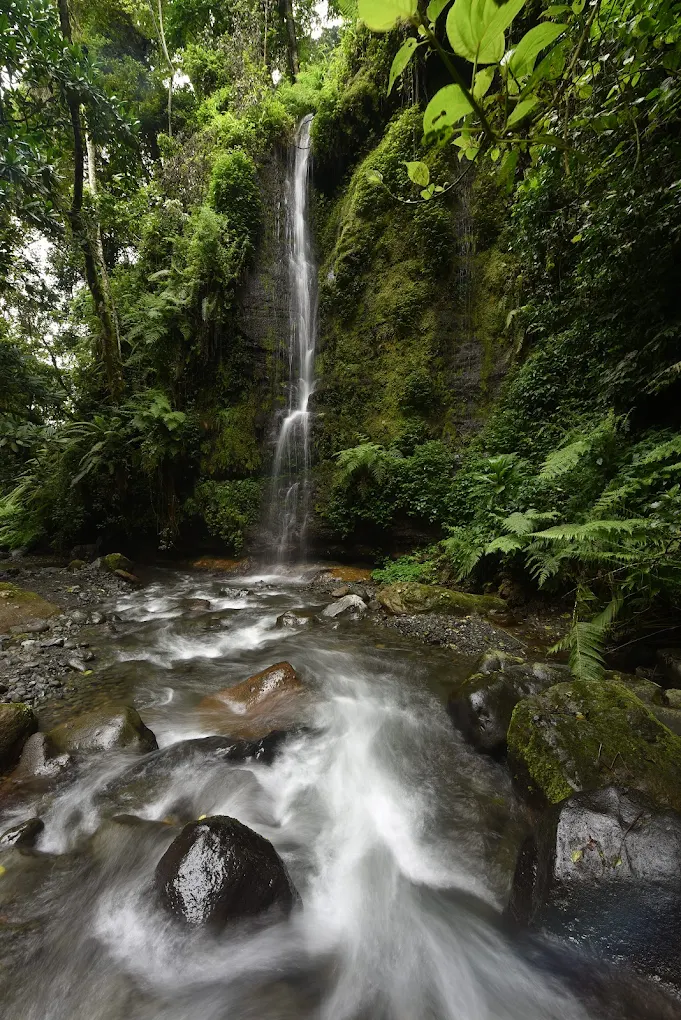
The Lemosho Route begins in a remote section of rainforest on Kilimanjaro’s western slopes, offering trekkers a genuine sense of wilderness from the very first steps of the journey. This lower elevation forest section is significantly less crowded than the starting points of more popular routes, creating a peaceful and immersive introduction to the climb.
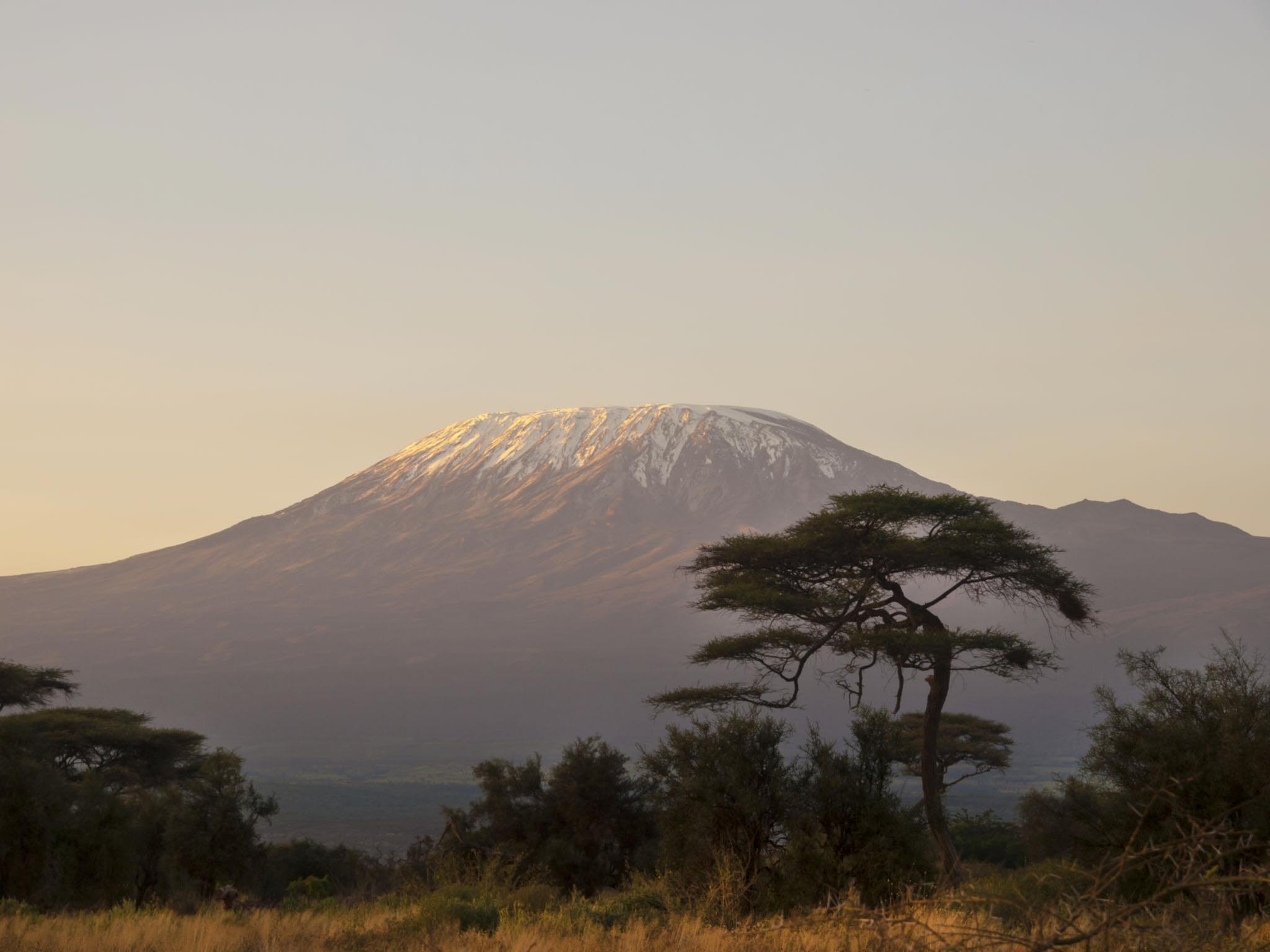
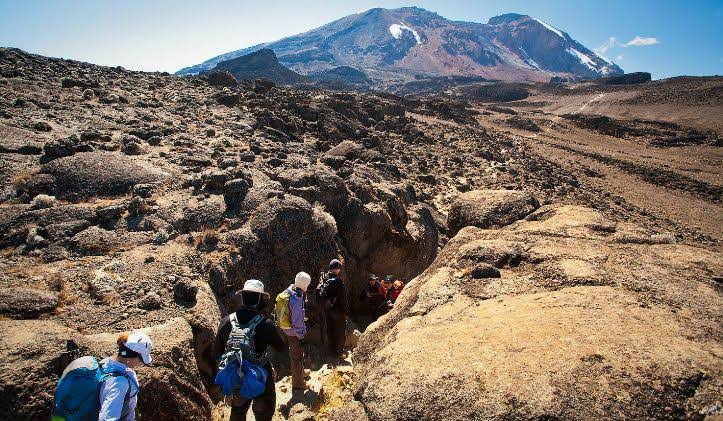
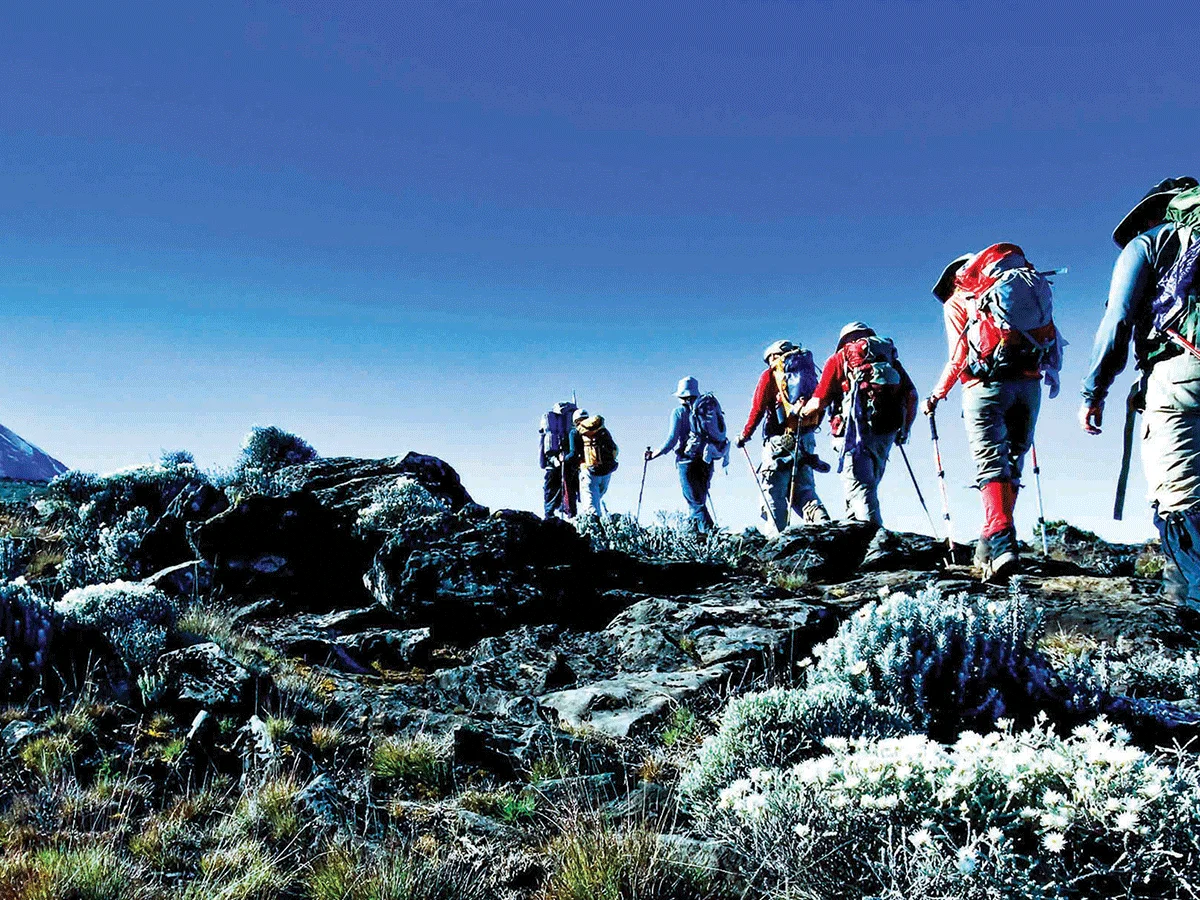
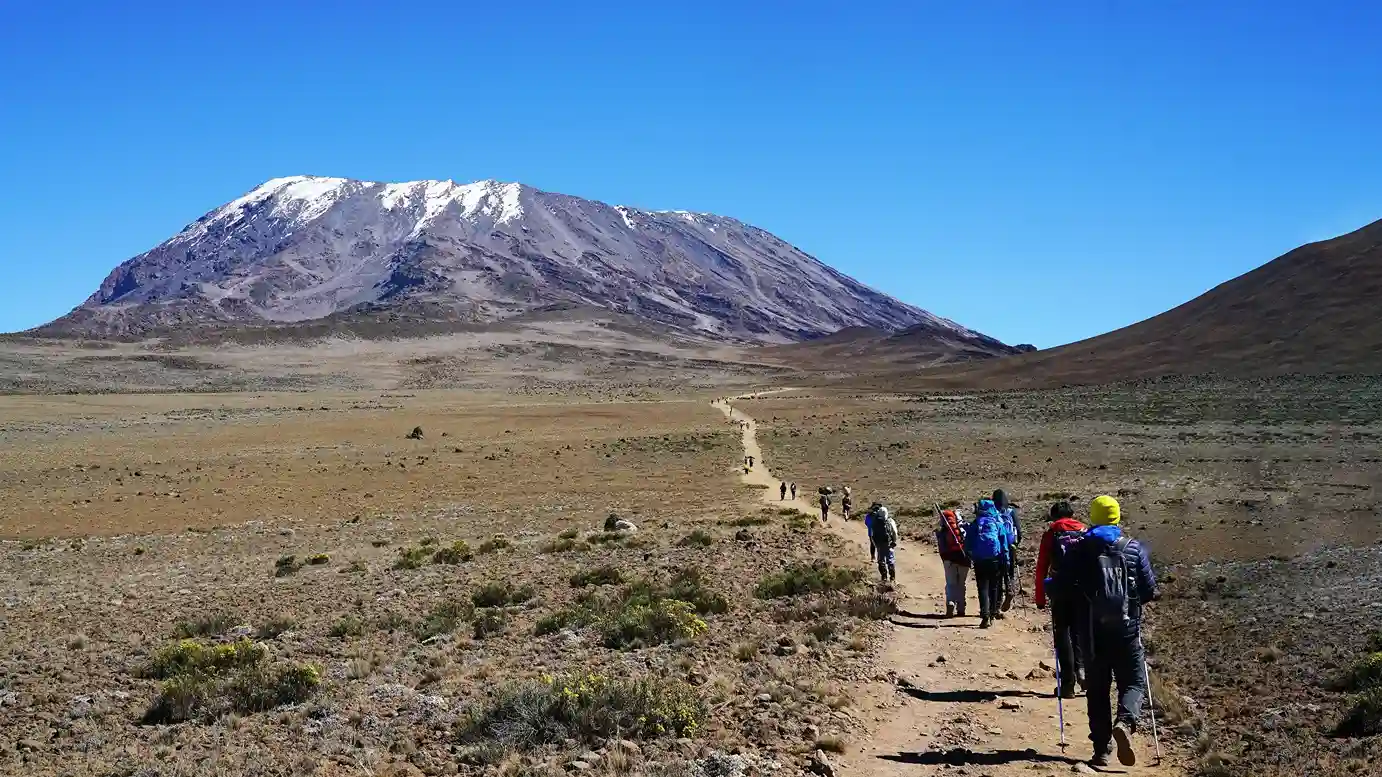
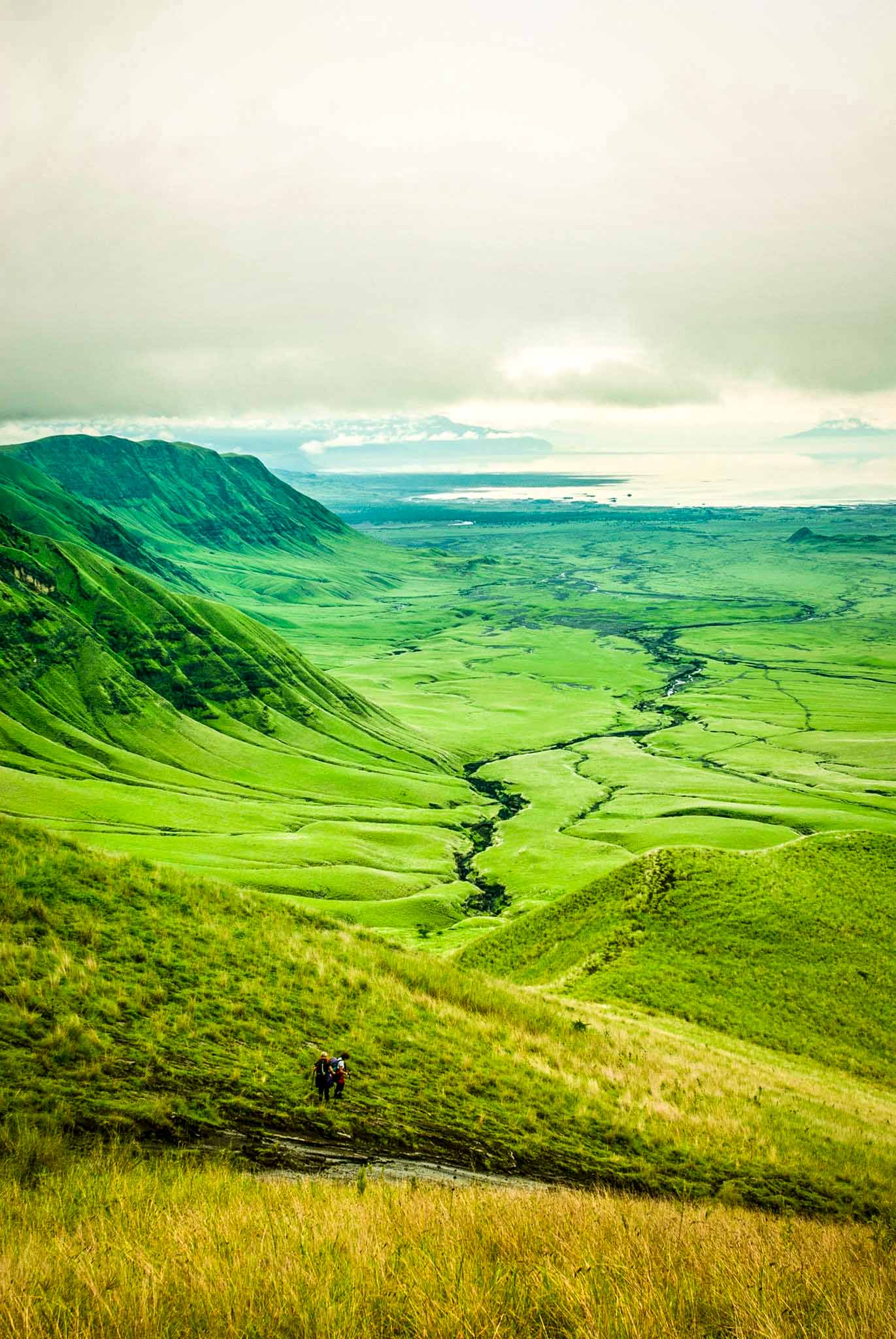
As the trail continues, trekkers pass through diverse vegetation zones, gradually transitioning from dense rainforest into open moorland, offering increasingly expansive views across the surrounding landscape and, on clear days, distant glimpses of the summit itself.
Exceptional Acclimatization and Summit Success
One of the primary reasons trekkers choose the Lemosho Route is its excellent acclimatization profile, typically completed over seven or eight days, among the longer standard itineraries available on Kilimanjaro. This extended duration allows for a more gradual altitude gain, significantly improving the body’s ability to adjust to decreasing oxygen levels throughout the journey.
As a direct result of this thoughtful pacing, the Lemosho Route consistently reports some of the highest summit success rates among all Kilimanjaro paths, making it a particularly appealing choice for trekkers without extensive prior high altitude experience who still hope to maximize their chances of reaching Uhuru Peak.
Crossing the Shira Plateau
A defining highlight of the Lemosho Route is its crossing of the Shira Plateau, a vast, ancient volcanic caldera offering dramatic, sweeping views across Kilimanjaro’s western flank. This unique landscape, formed by one of Kilimanjaro’s three volcanic cones, provides a striking and relatively flat section of trekking, allowing climbers to appreciate the mountain’s geological history while enjoying a brief respite from steeper terrain found elsewhere along the route.
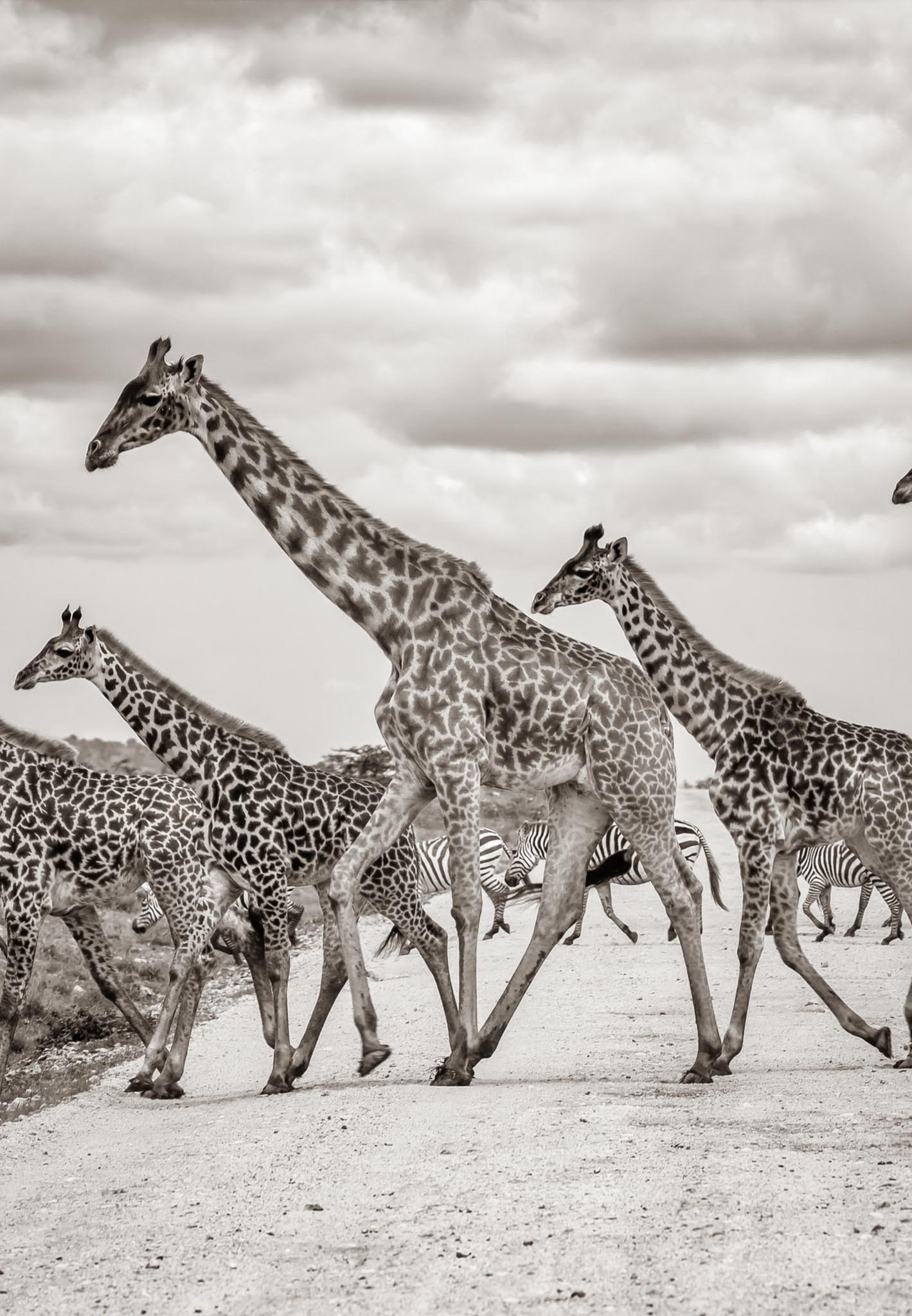
The Shira Plateau also offers excellent opportunities for wildlife spotting, with occasional sightings of buffalo, eland, and various bird species adding an unexpected wildlife element to this otherwise dramatic and remote alpine landscape.Joining the Southern Circuit
After crossing the Shira Plateau, the Lemosho Route eventually merges with the southern circuit path shared by the Machame Route, passing beneath the striking Lava Tower rock formation before descending into the scenic Barranco Valley. From this point onward, Lemosho trekkers experience many of the same dramatic highlights found on Machame, including the exciting scramble up the Barranco Wall, without the more heavily crowded conditions found during the route’s earlier stages.
This combination allows Lemosho climbers to enjoy the best of both worlds, a remote, peaceful beginning followed by the well established, scenic highlights found along the mountain’s popular southern circuit.
Camping Experience Along the Route
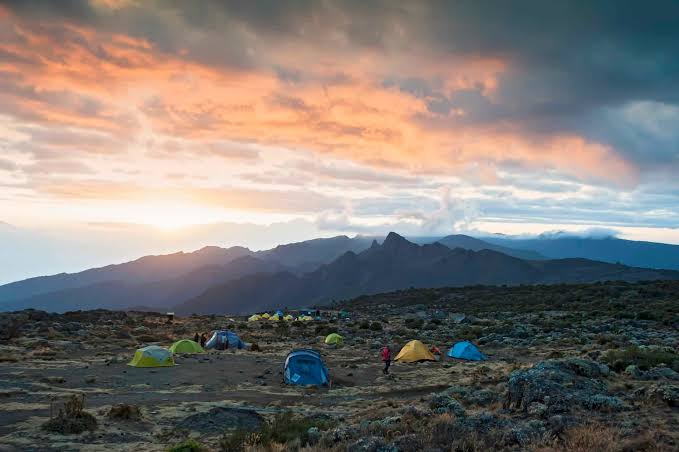
As with most Kilimanjaro routes aside from Marangu, the Lemosho Route relies entirely on tented camping throughout the journey. Campsites including Mti Mkubwa, Shira Camp, Barranco Camp, and Barafu Camp offer consistently impressive views, often overlooking dramatic valleys, distant plains, or striking glimpses of the summit itself, enhancing the overall sense of wilderness immersion that defines this particular route.
The Final Summit Push
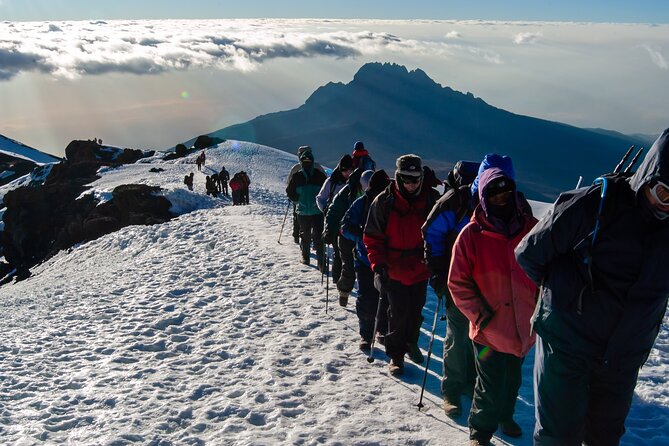
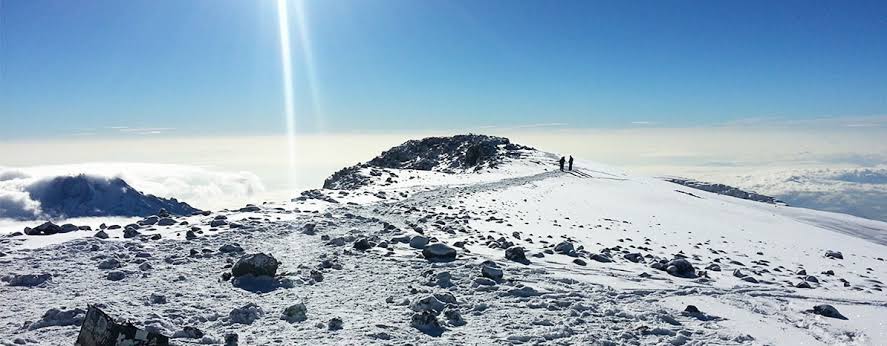
Like other southern circuit routes, the final ascent to Uhuru Peak typically begins from Barafu Camp in the early hours of the morning, aiming to reach the summit around sunrise. This demanding overnight push crosses steep volcanic scree in freezing temperatures, requiring significant physical endurance and mental determination as climbers approach the mountain’s highest point.
Standing atop Uhuru Peak as the sun rises, having spent days traversing some of Kilimanjaro’s most remote and scenic terrain, delivers an especially profound sense of accomplishment for Lemosho trekkers.
Who Should Choose the Lemosho Route
The Lemosho Route appeals strongly to trekkers seeking a longer, more gradual ascent combined with exceptional scenery and reduced crowding, particularly during the earlier stages of the climb. Its excellent acclimatization profile makes it a particularly strong choice for climbers without extensive prior high altitude experience who are hoping to maximize their overall summit success potential.
Travelers with limited time or those seeking a shorter overall itinerary may prefer alternative routes such as Machame or Marangu, given Lemosho’s longer standard duration.
Best Time to Climb the Lemosho Route
As with other Kilimanjaro paths, the Lemosho Route is best attempted during the dry seasons, from June to October and again from December to February, offering more stable weather conditions and improved visibility throughout the trek.
Why Choose the Lemosho Route
The Lemosho Route offers an exceptional combination of remote wilderness scenery, excellent acclimatization, and consistently high summit success rates, making it one of the finest choices available for trekkers seeking a genuinely immersive Kilimanjaro experience. For climbers hoping to combine natural beauty with a strong likelihood of reaching Uhuru Peak, Lemosho stands out as one of the most rewarding paths to the roof of Africa.