

Marangu Route: The Classic Path to Kilimanjaro’s Summit
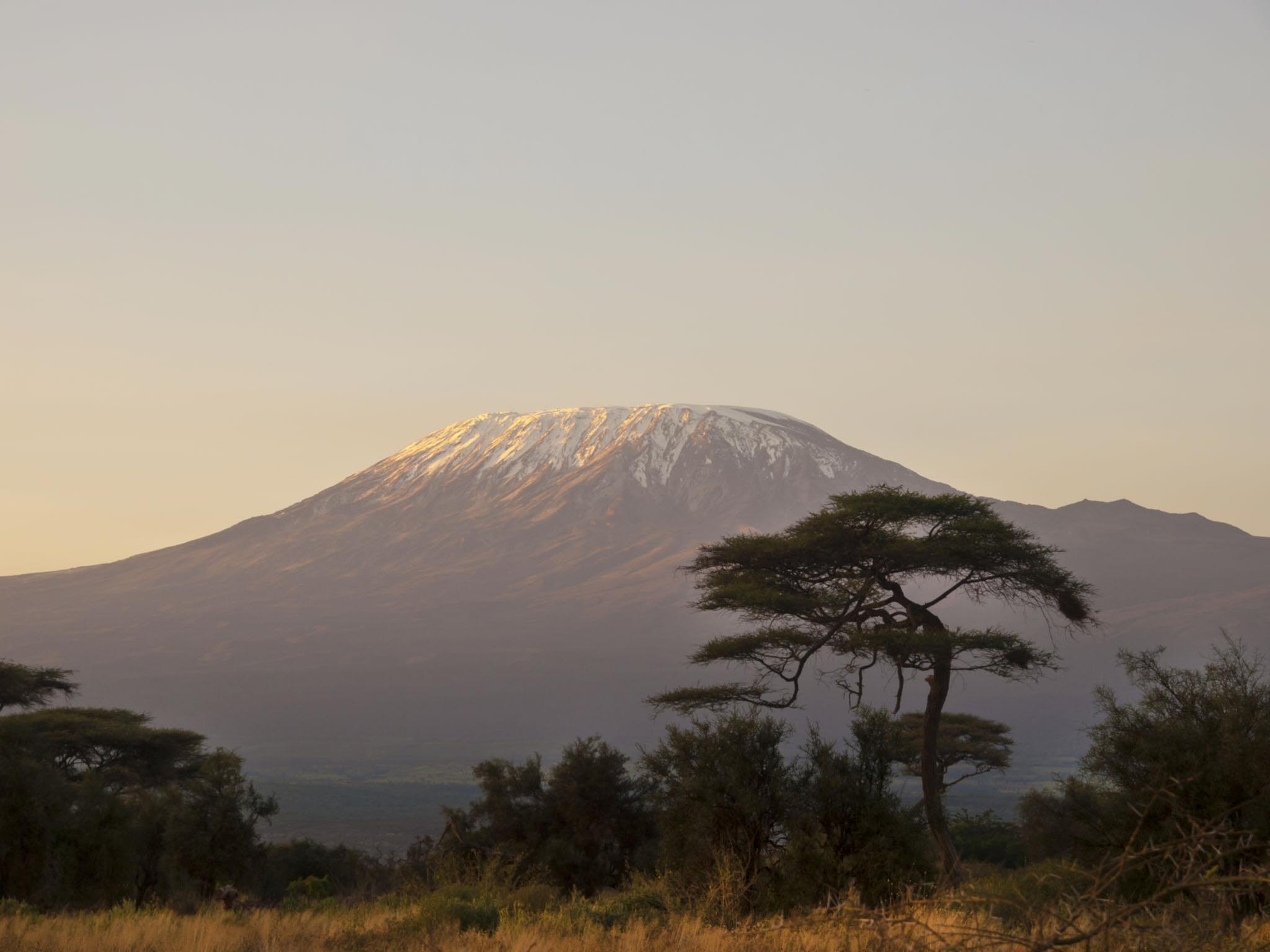
The Marangu Route holds a special place in Kilimanjaro’s climbing history as the oldest established path to the summit and the only route offering hut style accommodation rather than tented camping. Often nicknamed the Coca Cola Route, a reference to the availability of basic refreshments along the way in earlier years, Marangu has long been considered the most accessible option for trekkers seeking a slightly more comfortable approach to conquering Africa’s highest peak.
Approaching the mountain from the southeast, the Marangu Route offers a gradual and relatively gentle ascent profile, at least in its early stages, making it an appealing choice for climbers who prefer sleeping in simple wooden huts rather than tents exposed to the elements. Each night’s accommodation includes basic bunk beds, dining halls, and shared bathroom facilities, providing a welcome layer of comfort after a long day of trekking through changing mountain terrain.
A Gradual Journey Through Diverse Landscapes
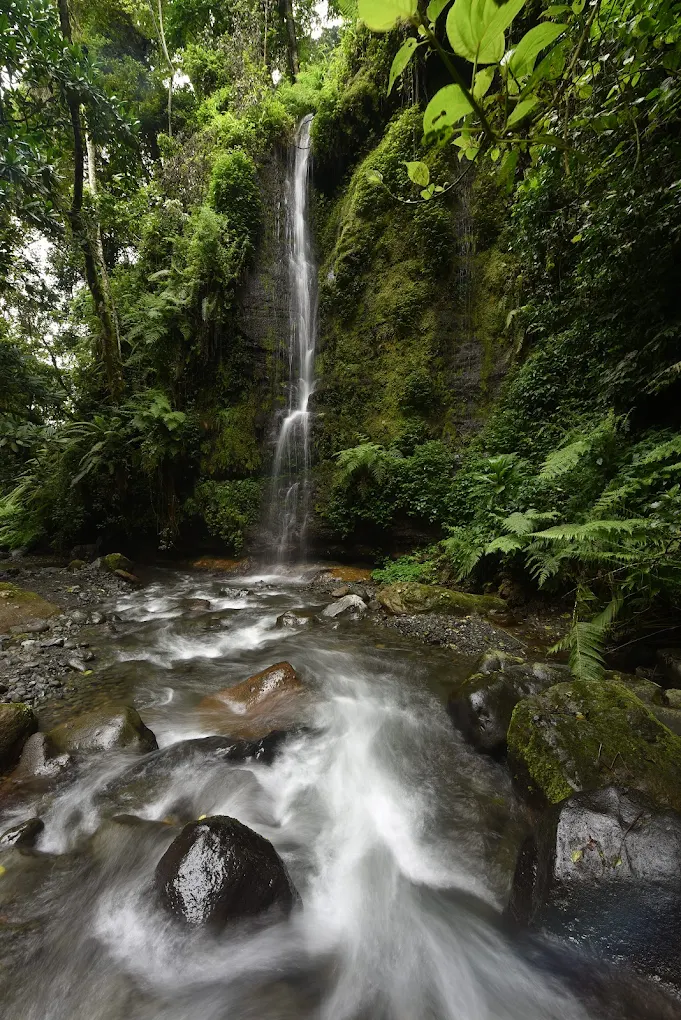
The Marangu Route begins at the Marangu Gate, winding through lush montane rainforest during the first day of trekking. This dense, vibrant forest is home to colobus monkeys, colorful turacos, and towering ancient trees, offering a refreshing and shaded start to the climb before the terrain gradually opens into moorland vegetation.
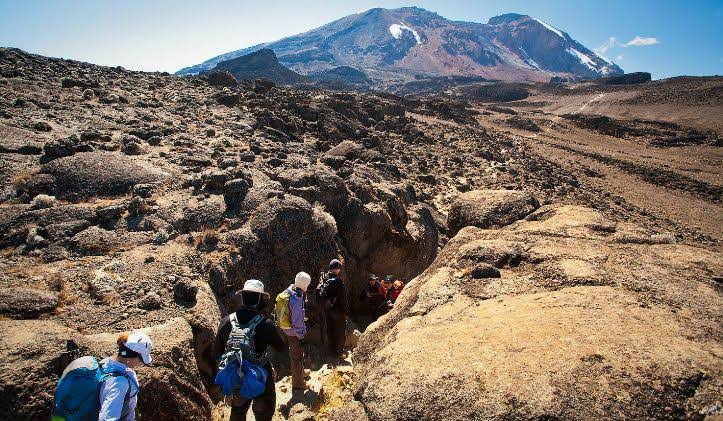
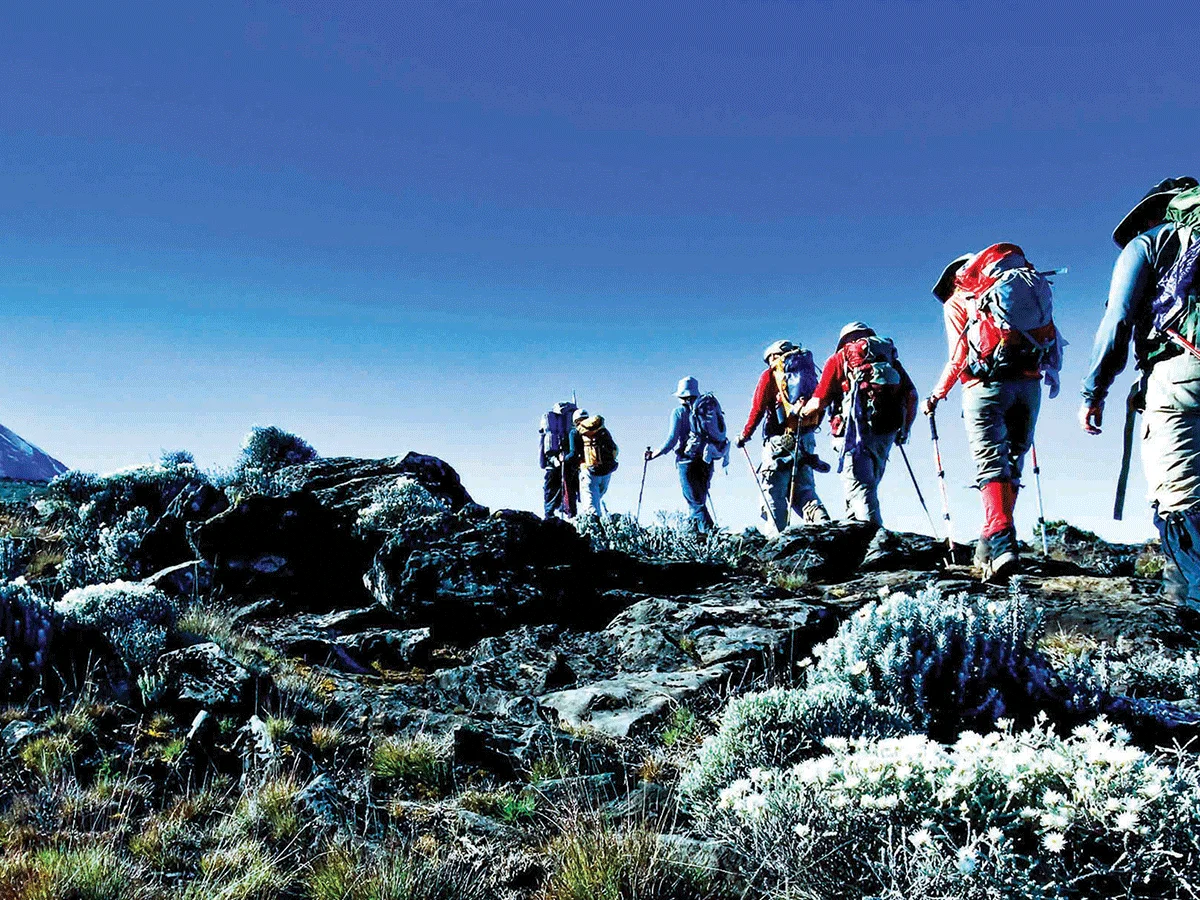
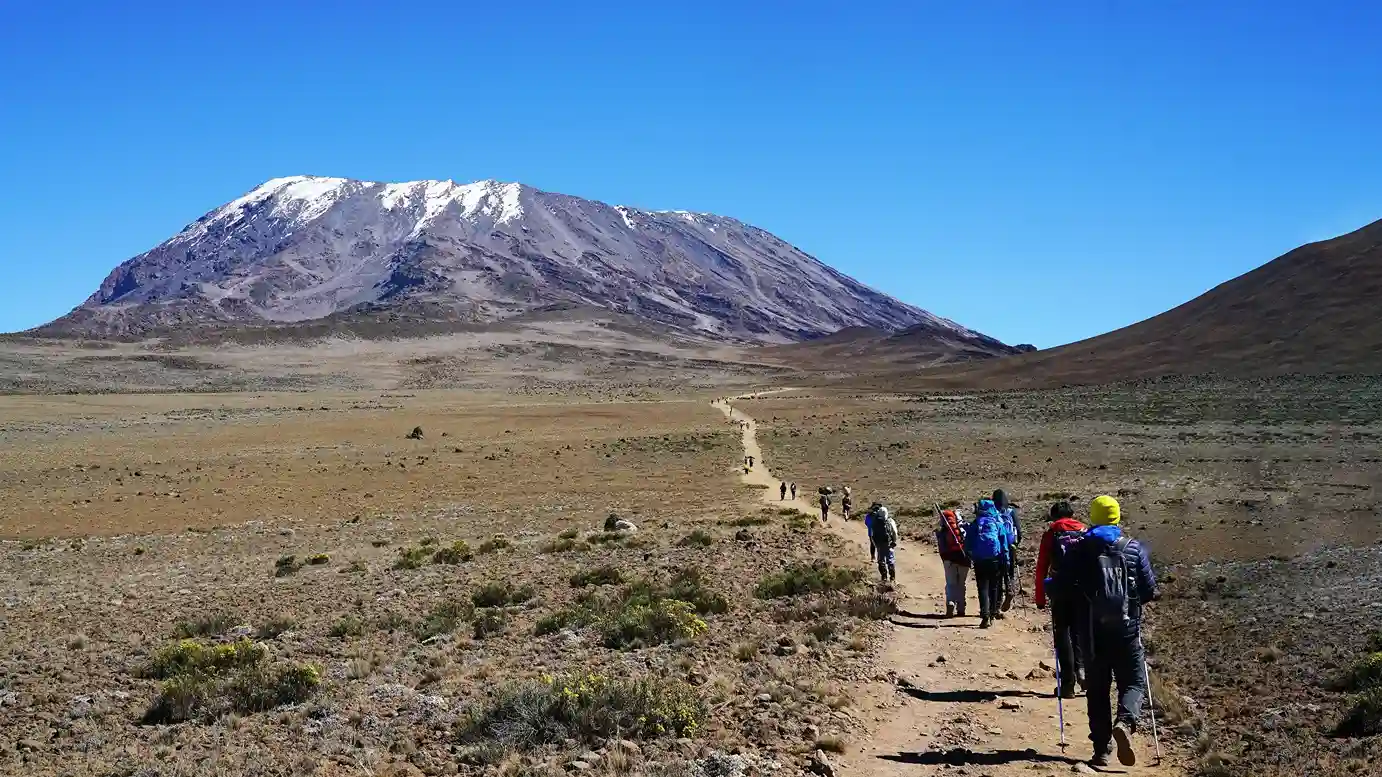
As trekkers ascend beyond the forest zone, the landscape transitions into heath and moorland, characterized by giant lobelias, unusual heather like plants, and increasingly expansive views across the surrounding plains. Continuing upward, the terrain shifts once again into alpine desert, a stark, rocky landscape that sets the stage for the final demanding push toward the summit through arctic conditions near the crater rim.
Duration and Acclimatization Considerations
The Marangu Route is typically completed in five or six days, making it one of the shorter standard routes available on Kilimanjaro. While this shorter duration can be appealing to travelers with limited time, it also means less time for proper altitude acclimatization compared to longer routes such as Lemosho or the Northern Circuit.
This reduced acclimatization window is widely considered a contributing factor to Marangu’s comparatively lower summit success rate relative to longer alternatives. Many experienced trekking operators strongly recommend adding an extra acclimatization day to the standard five day itinerary, significantly improving the body’s ability to adjust to decreasing oxygen levels and ultimately increasing the likelihood of a successful summit attempt.
Hut Accommodation Along the Way
One of the most distinctive features of the Marangu Route is its use of permanent hut accommodation at each overnight stop, including Mandara Hut, Horombo Hut, and Kibo Hut. These simple wooden structures offer a level of shelter and comfort not found on any other Kilimanjaro route, protecting climbers from wind and rain while providing a communal dining area where trekkers can rest and refuel after each day’s trek.
While these huts do not offer luxury accommodations, their basic bunk beds and shared facilities provide a welcome sense of security and warmth, particularly appealing to first time trekkers or those who prefer a more structured, predictable overnight experience compared to traditional camping.
The Final Summit Push
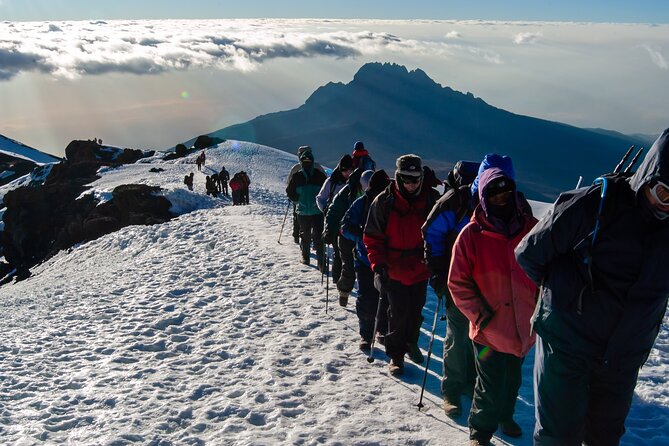
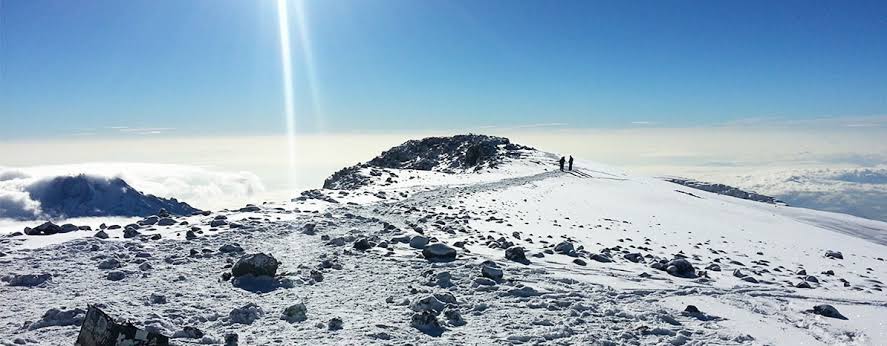
As with most Kilimanjaro routes, the final ascent to Uhuru Peak begins in the middle of the night, typically departing from Kibo Hut around midnight in order to reach the summit around sunrise. This steep, demanding stretch crosses loose volcanic scree in the cold darkness, testing both physical endurance and mental determination as climbers push through the thinning air toward Gilman’s Point on the crater rim.
From Gilman’s Point, trekkers continue along the crater’s edge toward Uhuru Peak itself, passing dramatic views of Kilimanjaro’s remaining glaciers along the way. Reaching the summit as the sun rises over the African plains below remains one of the most emotionally powerful moments in adventure travel, rewarding days of sustained effort with an unforgettable sense of achievement.
Who Should Choose the Marangu Route
The Marangu Route tends to appeal most to trekkers seeking a shorter itinerary combined with the comfort of hut accommodation rather than tented camping. It is often considered a solid option for climbers with previous high altitude trekking experience or those confident in their ability to acclimatize efficiently within a shorter timeframe.
However, travelers without prior high altitude experience may want to carefully consider extending their itinerary by an additional day, as the standard five day version of this route carries a higher risk of altitude related discomfort due to its more compressed acclimatization schedule.
Scenery and Wildlife Along the Route
While Marangu’s descending path retraces much of the same terrain used during the ascent, this repetition does offer certain advantages, including a strong sense of familiarity and predictability throughout the journey. The lower rainforest sections in particular offer excellent opportunities to spot wildlife, including colobus monkeys and a variety of forest birds, adding a rewarding natural element to the earlier stages of the trek.
Best Time to Climb the Marangu Route
Like other Kilimanjaro routes, the Marangu Route is best attempted during the dry seasons, from June to October and again from December to February, when weather conditions remain more stable and visibility is significantly improved for those spectacular summit views.
Why Choose the Marangu Route
The Marangu Route offers a unique blend of historical significance, relative comfort, and a shorter overall duration, making it an appealing choice for trekkers seeking a more structured Kilimanjaro experience. While its compressed schedule requires careful consideration regarding acclimatization, the availability of hut accommodation and its status as the mountain’s original established path continue to make Marangu one of the most recognized and frequently chosen routes to the roof of Africa.