
Mount Kilimanjaro: Conquering Africa’s Rooftop
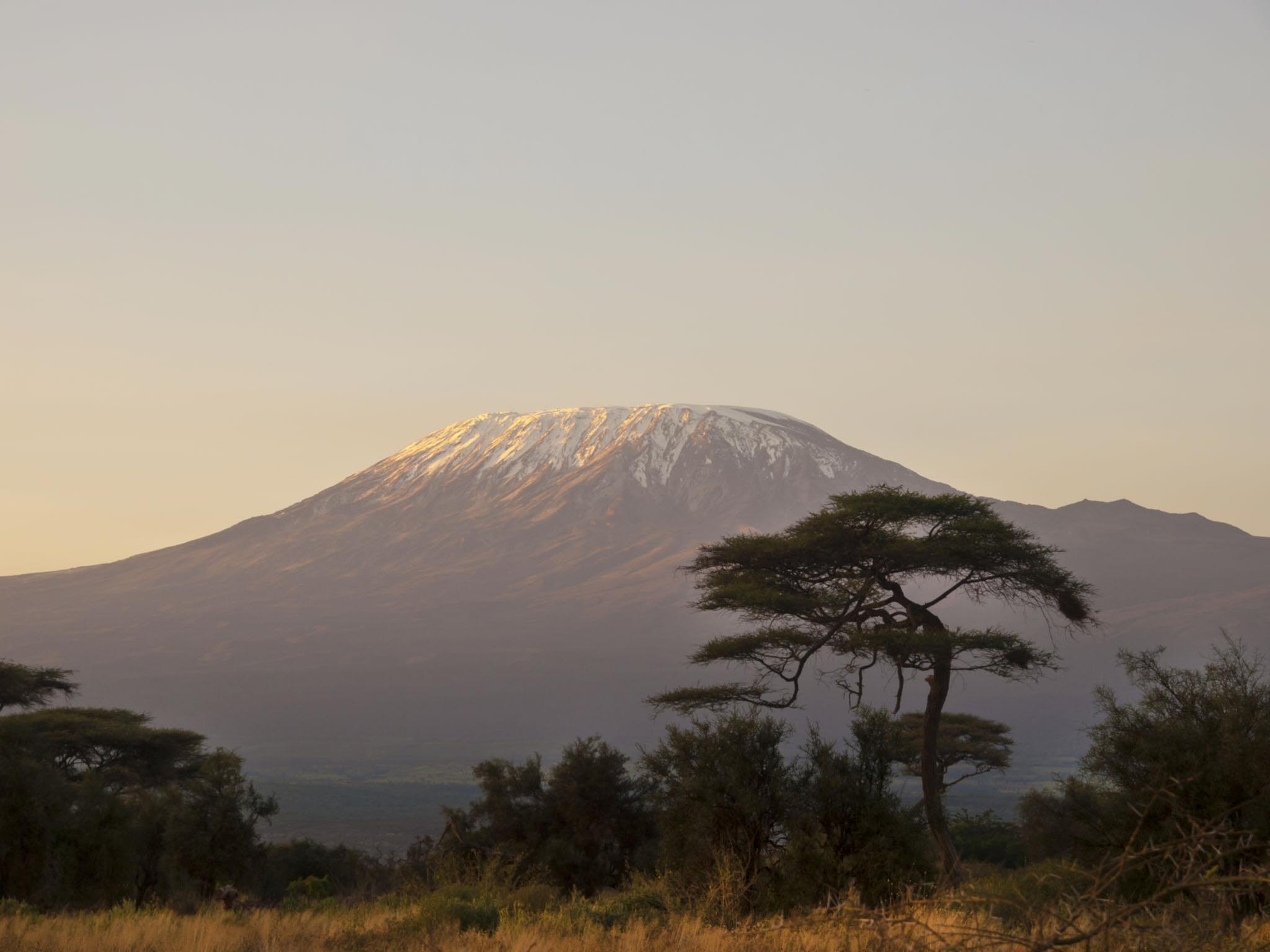
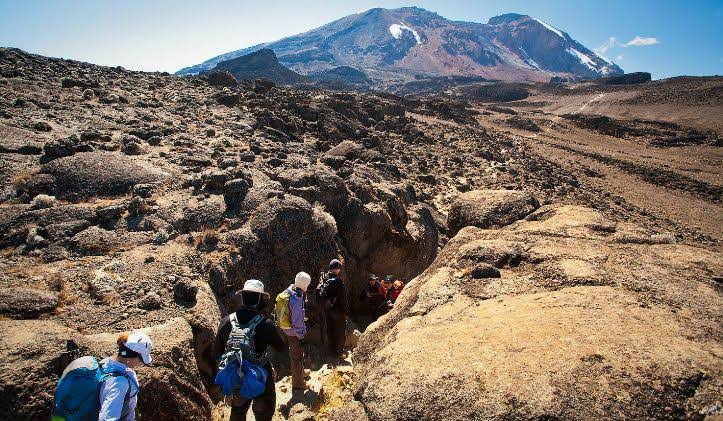
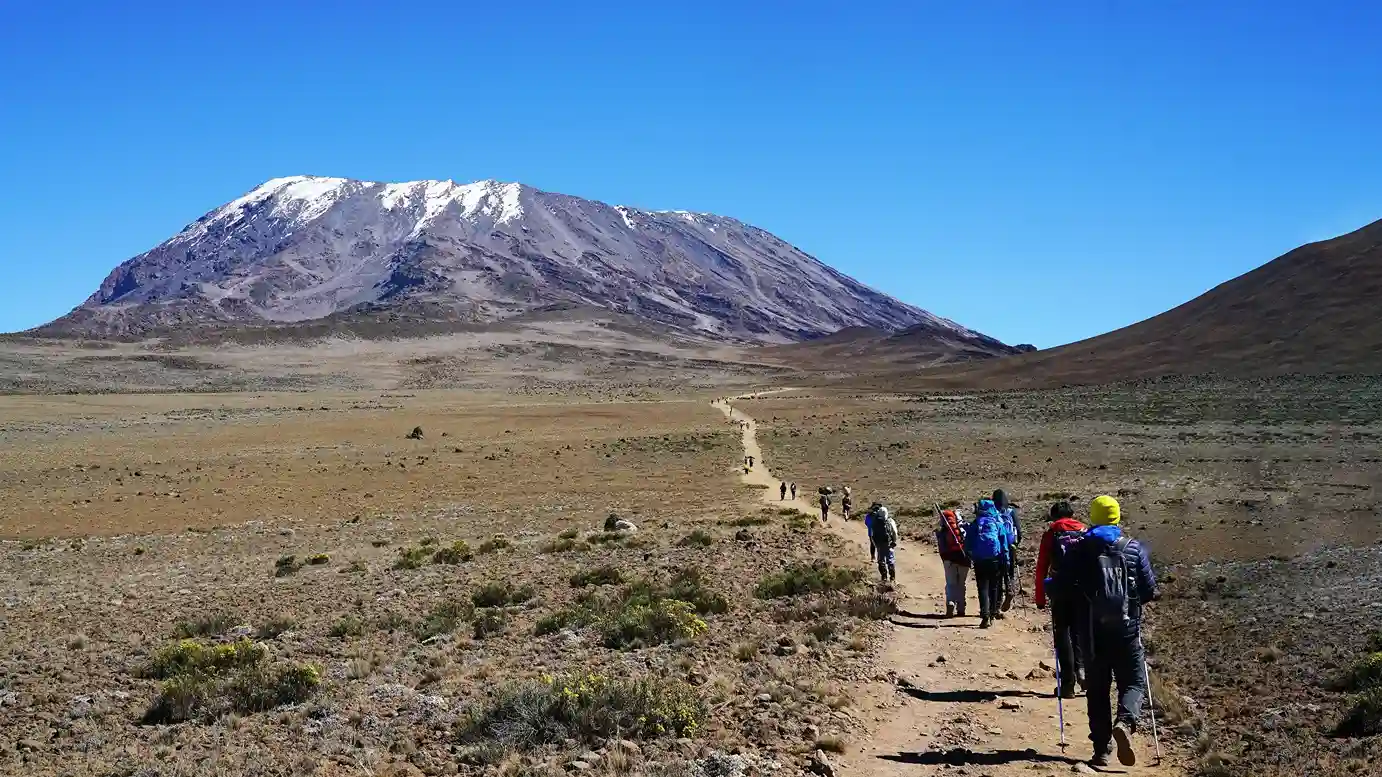
Rising majestically from the plains of northern Tanzania, Mount Kilimanjaro stands as Africa’s highest peak and one of the most iconic natural landmarks on Earth. At 5,895 meters above sea level, Kilimanjaro holds the distinction of being the tallest free standing mountain in the world, meaning it rises independently from the surrounding terrain rather than forming part of a larger mountain range. For adventurers, trekkers, and travelers seeking a truly transformative experience, climbing Kilimanjaro remains one of the greatest challenges and rewards found anywhere in the world of travel.
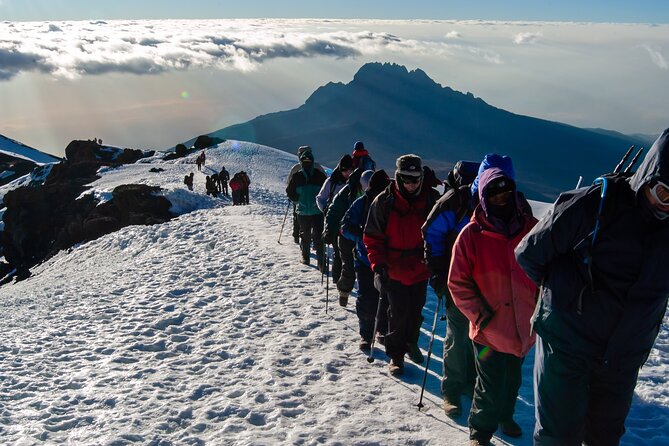
Unlike many of the world’s tallest peaks, Kilimanjaro requires no technical climbing skills or mountaineering experience, making its summit achievable for physically prepared trekkers of varying backgrounds. This unique accessibility, combined with its record breaking height, has made Kilimanjaro a bucket list destination for adventure travelers from every corner of the globe.
A Mountain of Five Distinct Ecosystems
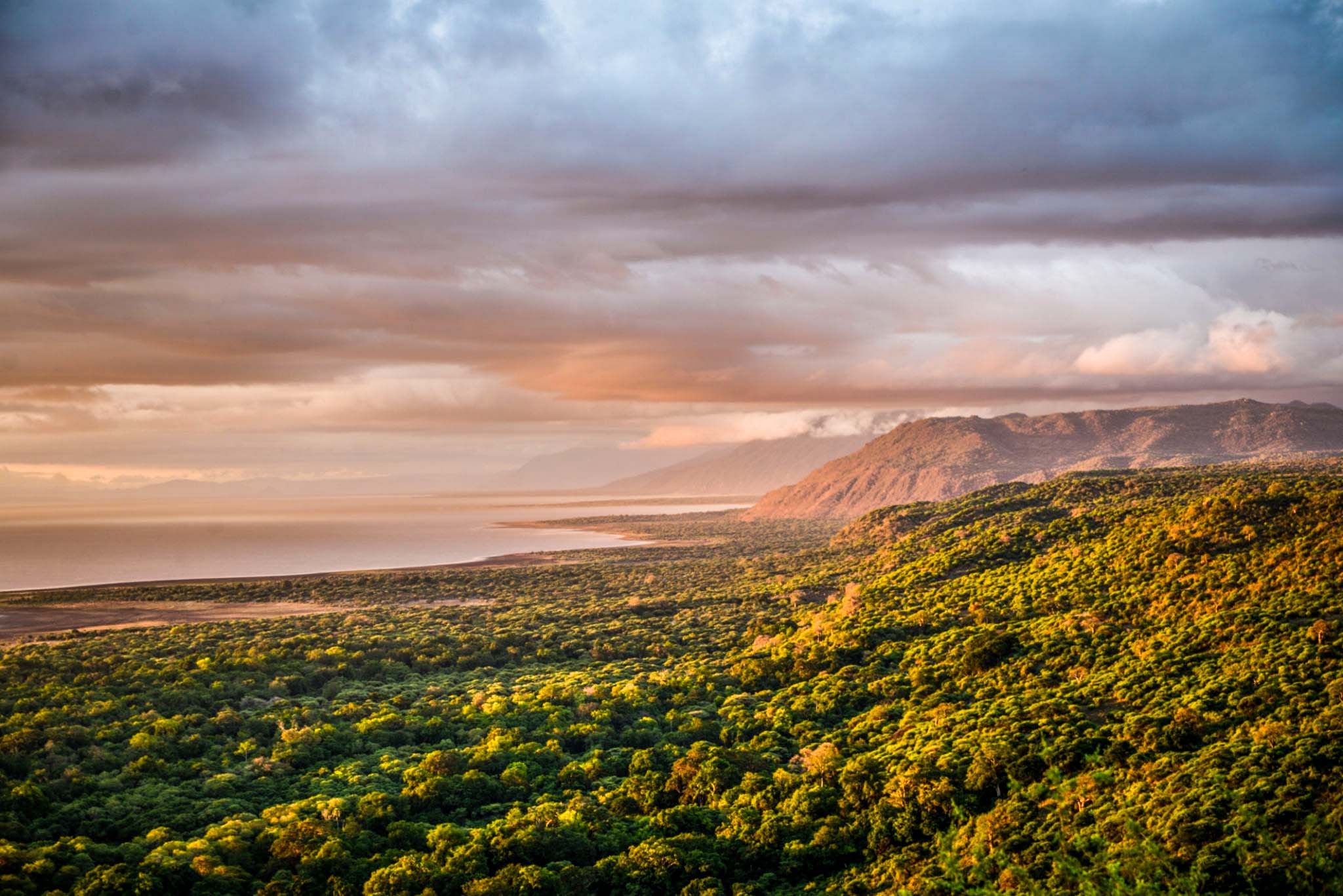
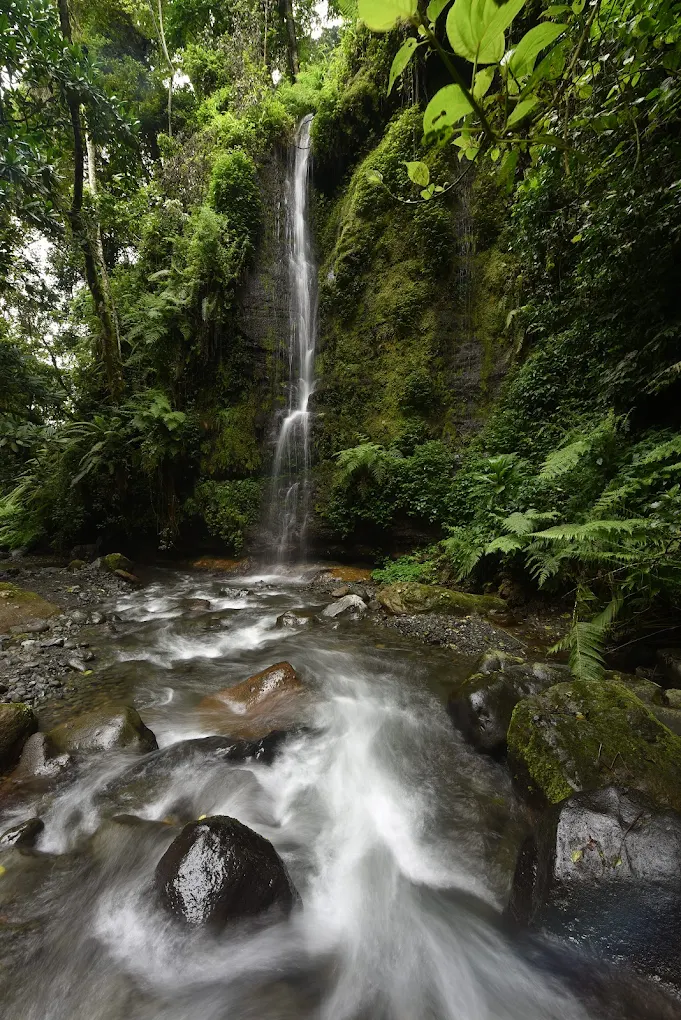
One of the most remarkable aspects of climbing Mount Kilimanjaro is the opportunity to pass through five distinct climate zones within a single trek, effectively experiencing conditions ranging from tropical rainforest to arctic summit within just a matter of days. This journey begins in lush montane rainforest, home to colobus monkeys, turacos, and dense vegetation, before transitioning into heath and moorland, characterized by giant lobelias and unusual heather like plants found nowhere else on Earth.
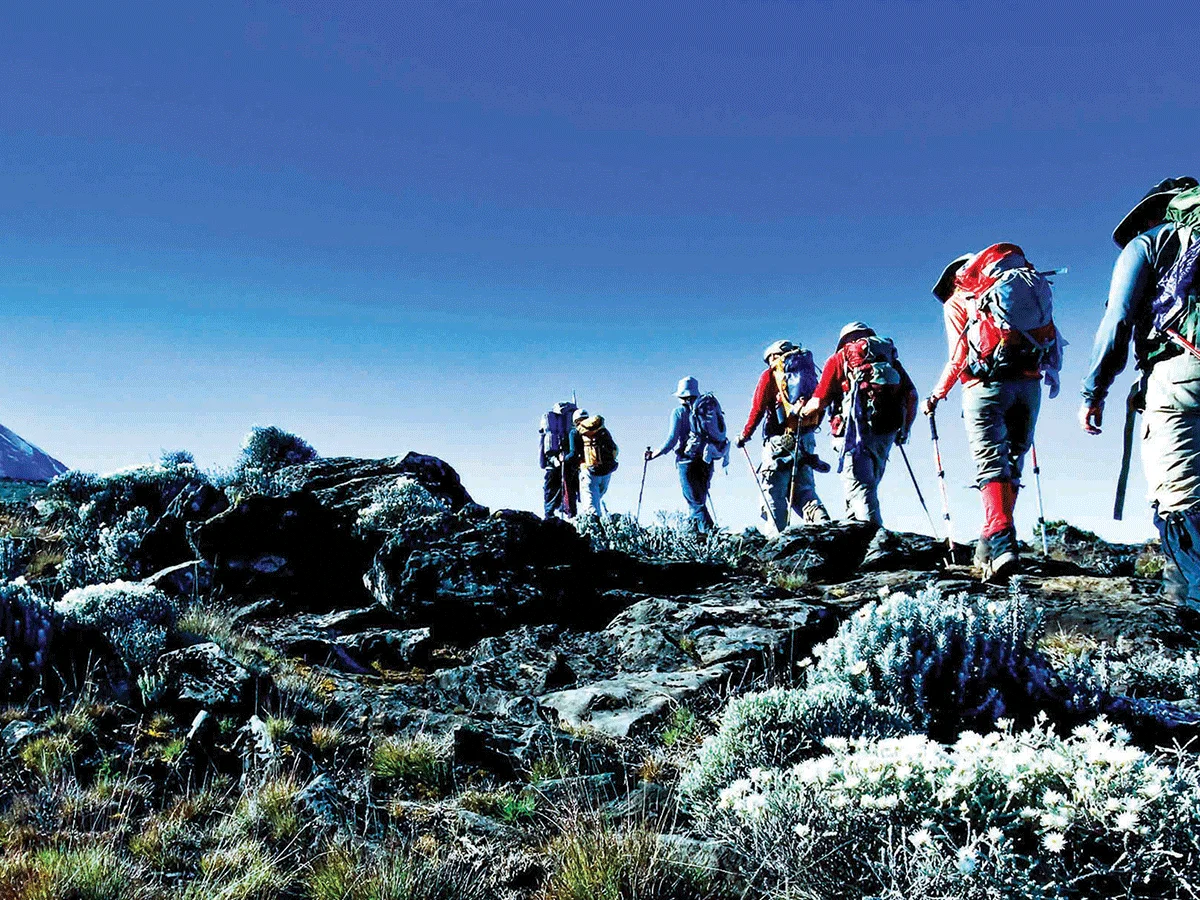
As trekkers ascend further, the landscape shifts into alpine desert, a stark and dramatic terrain of volcanic rock and sparse vegetation, before finally reaching the arctic summit zone, where ancient glaciers and snow capped ridges create an otherworldly landscape at the roof of Africa. This progression through such varied ecosystems is a defining feature that sets Kilimanjaro apart from virtually every other trekking destination on the planet.
Choosing the Right Kilimanjaro Route
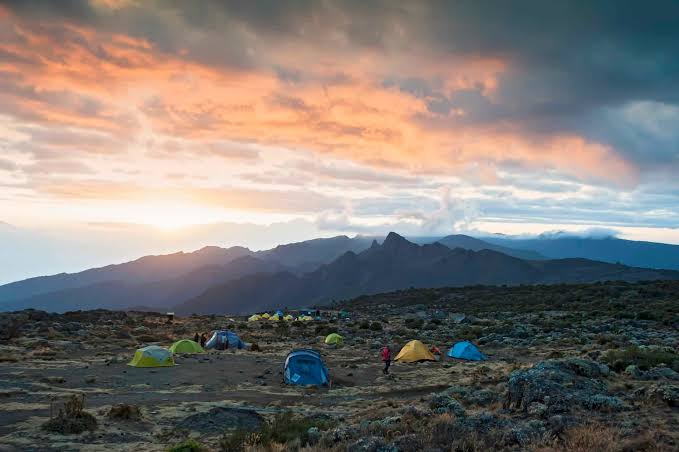
Several established routes lead to the summit of Mount Kilimanjaro, each offering a distinct experience in terms of scenery, difficulty, duration, and crowd levels. The Marangu Route, often called the Coca Cola Route, is the oldest established path and the only one offering hut accommodation rather than tented camping, making it a popular choice for trekkers seeking additional comfort, though its shorter duration can affect acclimatization.
The Machame Route, frequently referred to as the Whiskey Route, is widely considered one of the most scenic and popular paths, offering stunning views and excellent acclimatization profiles despite its more challenging terrain. The Lemosho Route, known for its remote and pristine wilderness, offers one of the highest summit success rates due to its longer duration and gradual altitude gain, making it a favorite among experienced trekking operators.
For those seeking a quieter, more remote experience, the Rongai Route approaches from the northern side of the mountain, offering drier conditions and significantly fewer trekkers along the path. Meanwhile, the Northern Circuit stands as the longest and most gradual route available, providing exceptional acclimatization and panoramic views that circle almost entirely around the mountain.
Reaching Uhuru Peak
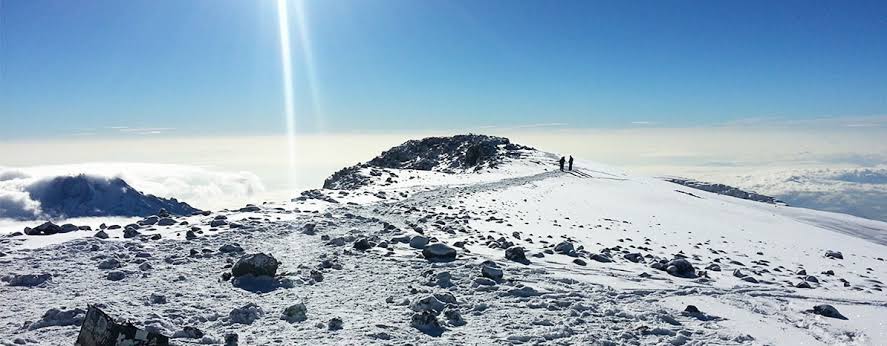
The ultimate goal for every Kilimanjaro trekker is reaching Uhuru Peak, the mountain’s true summit and the highest point on the entire African continent. Most climbers make their final ascent during the middle of the night, timing their arrival at the summit to coincide with sunrise, an experience widely regarded as one of the most emotionally powerful moments in adventure travel.
Standing atop Uhuru Peak, surrounded by ancient glaciers and watching the sun rise over the curvature of the Earth below, represents the culmination of days of physical and mental determination, making the achievement all the more meaningful for those who reach it.
Physical Preparation and Altitude Considerations
While Kilimanjaro does not require technical climbing skills, successfully reaching the summit demands genuine physical preparation and a realistic understanding of the challenges posed by high altitude. Altitude sickness remains the primary obstacle for most trekkers, making route selection and proper acclimatization schedules critically important factors in overall summit success.
Choosing a longer route with a gradual ascent profile significantly improves the body’s ability to adjust to decreasing oxygen levels, and experienced trekking operators typically build in acclimatization days specifically designed to maximize a climber’s chances of reaching the summit safely and comfortably.
Best Time to Climb Mount Kilimanjaro
Mount Kilimanjaro can technically be climbed throughout the year, though certain periods offer significantly more favorable conditions. The dry seasons, from June to October and again from December to February, are widely considered the best times to attempt the climb, offering clearer skies, more stable weather, and improved visibility for those spectacular summit views.
The rainy seasons, occurring from March to May and briefly in November, bring more challenging trekking conditions, including slippery trails and reduced visibility, though some experienced trekkers appreciate the quieter paths and lush, dramatic scenery found during these months.
Where to Stay Before and After Your Climb
Most Kilimanjaro expeditions begin and end in Moshi or Arusha, both offering a wide range of accommodation options to suit every budget and travel style. Comfortable lodges and hotels in these towns provide an ideal place to rest before beginning the trek and to recover afterward, often featuring hot showers, quality meals, and spa services that feel particularly rewarding following days of demanding physical exertion on the mountain.
Getting to Mount Kilimanjaro
Most international travelers arrive via Kilimanjaro International Airport, conveniently located between the towns of Arusha and Moshi, both of which serve as primary starting points for organizing a Kilimanjaro trek. From either town, transportation to the specific trailhead corresponding to a climber’s chosen route is typically arranged directly by the trekking operator, ensuring a smooth and well coordinated start to the expedition.
Why Mount Kilimanjaro Deserves a Place on Your Tanzania Itinerary
Mount Kilimanjaro offers an unparalleled combination of natural beauty, physical challenge, and personal achievement, making it one of the most rewarding adventure travel experiences found anywhere on Earth. Whether trekkers are drawn by the opportunity to stand atop Africa’s highest point, the chance to pass through five distinct climate zones in a single journey, or simply the profound sense of accomplishment that comes with reaching Uhuru Peak, Kilimanjaro delivers an experience that remains unforgettable long after the descent.
For adventure seekers planning a Tanzania journey, Mount Kilimanjaro stands as the ultimate test of endurance and determination, offering a bucket list achievement that few other destinations in the world can match.