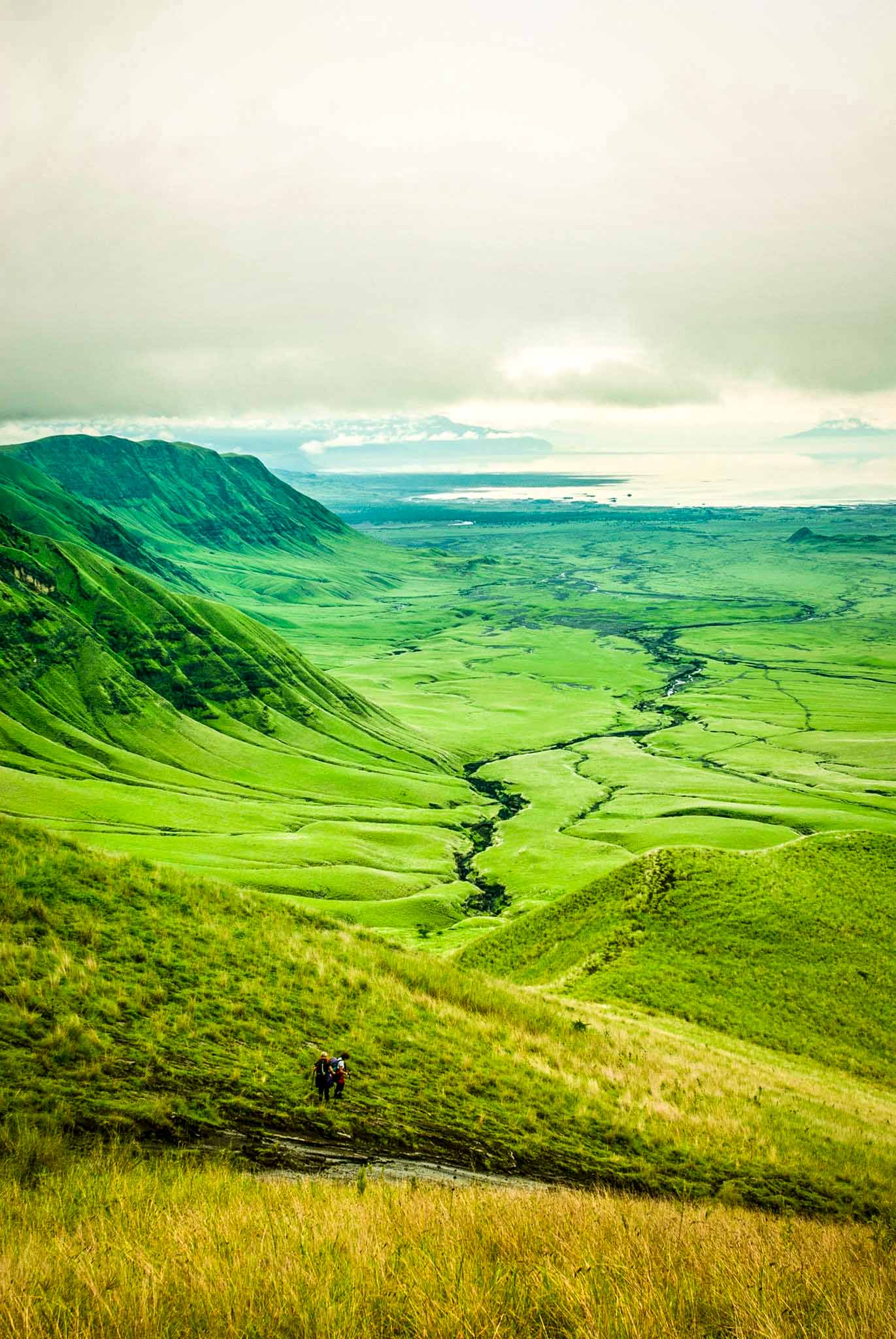

Ruaha National Park: Tanzania’s Vast and Untamed Wilderness
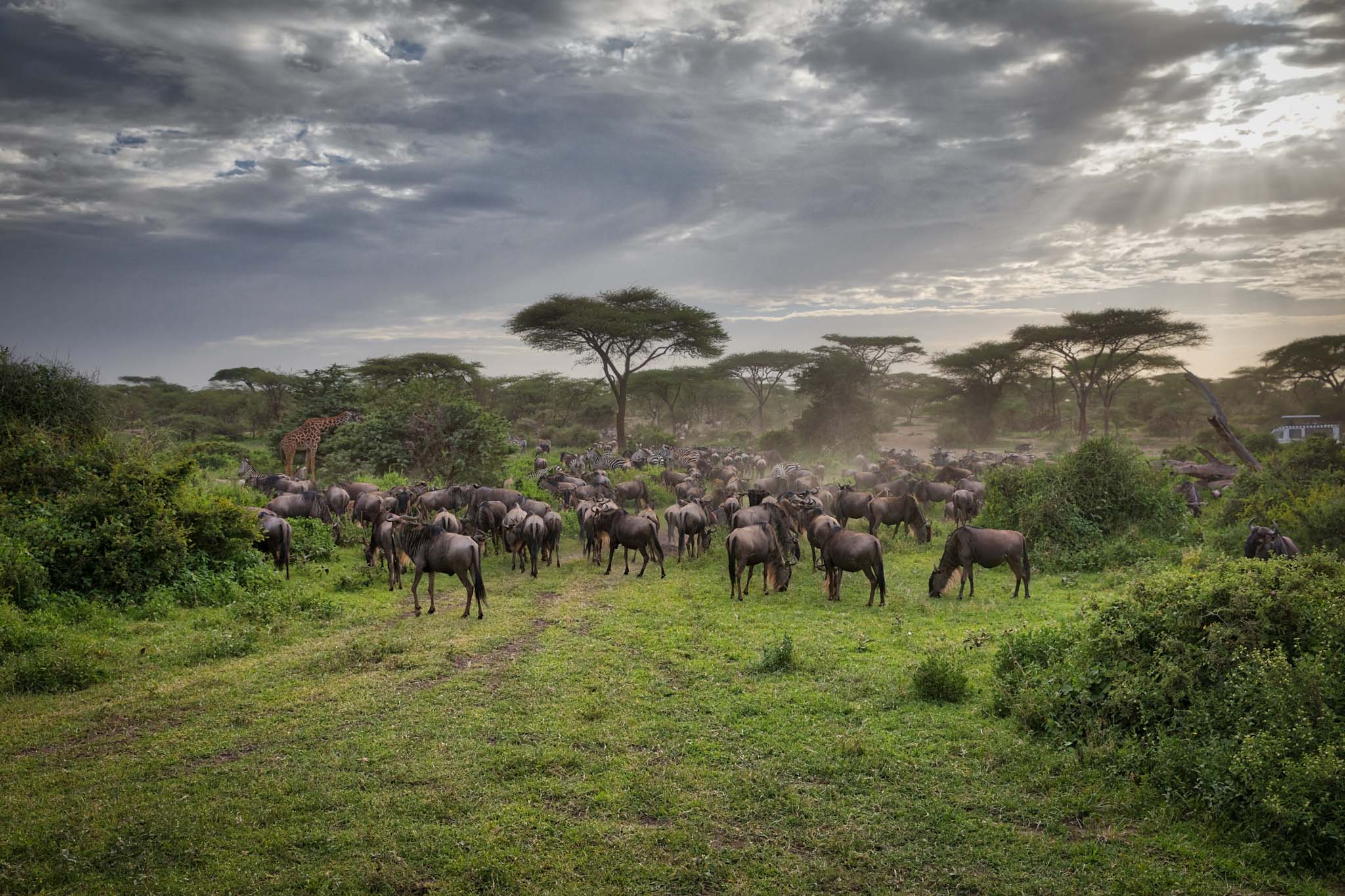
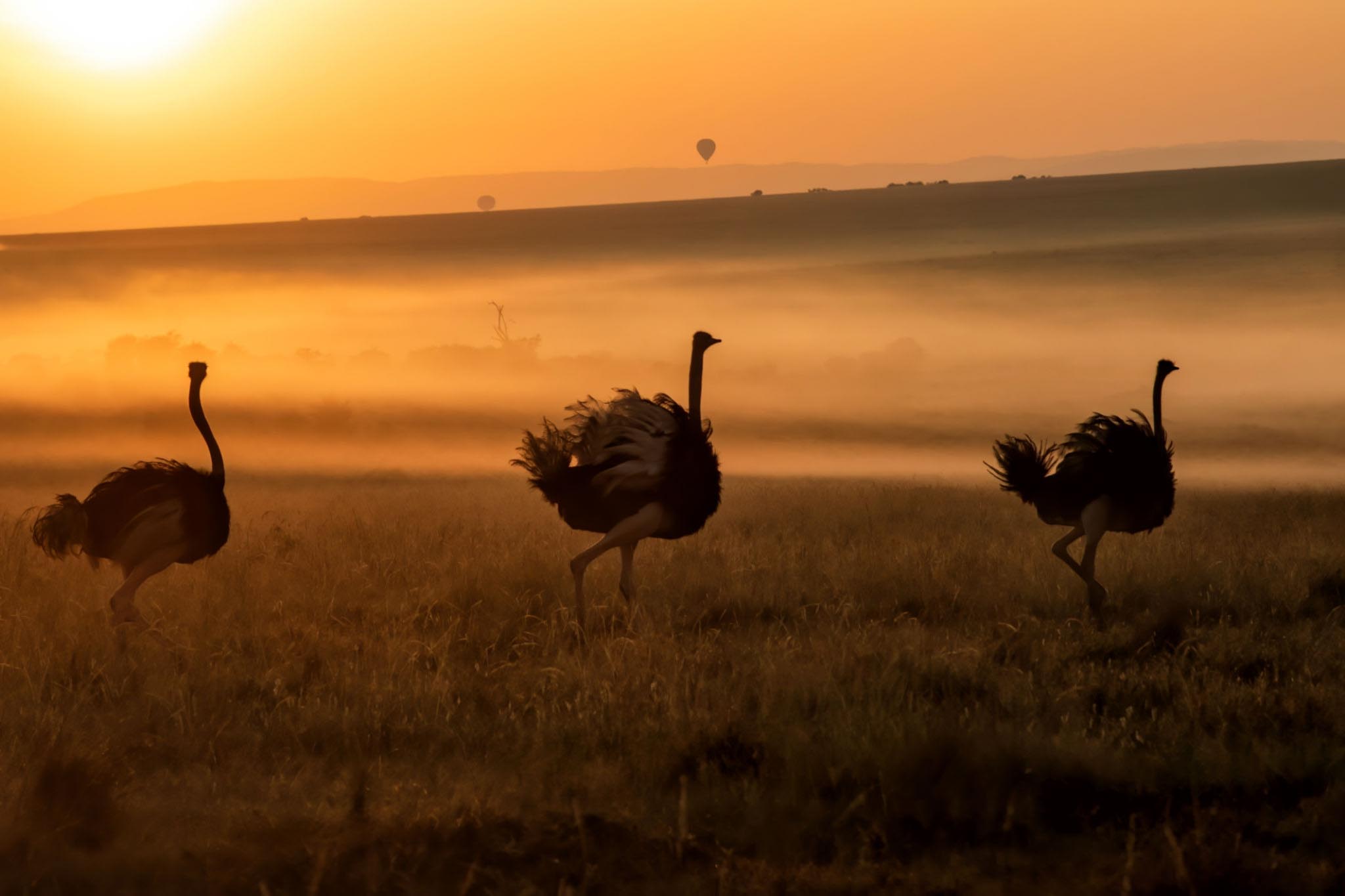
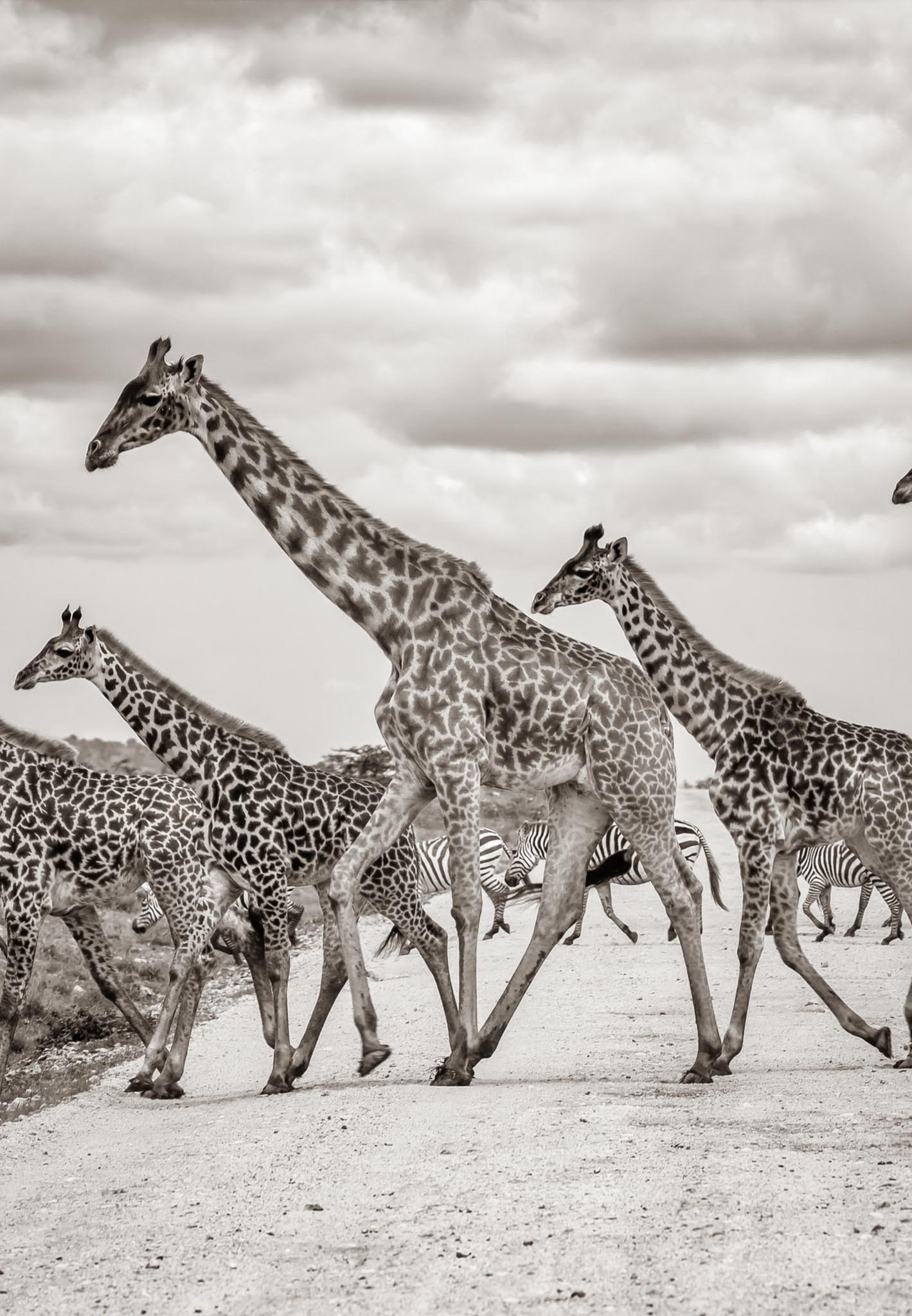
Deep in the heart of southern Tanzania lies Ruaha National Park, the country’s largest national park and one of the most rewarding yet least visited safari destinations in East Africa. Covering an astonishing 20,226 square kilometers, Ruaha offers a true wilderness experience, characterized by vast open landscapes, dramatic baobab studded terrain, and remarkably high concentrations of wildlife, all without the crowds commonly found on the northern safari circuit.
Named after the Great Ruaha River, which forms the lifeblood of the park and draws wildlife from across the surrounding ecosystem, Ruaha represents the raw, untouched side of Tanzania safari travel, appealing to seasoned travelers and adventurous first timers alike who are seeking authenticity over convenience.
A Stronghold for Elephants and Big Cat
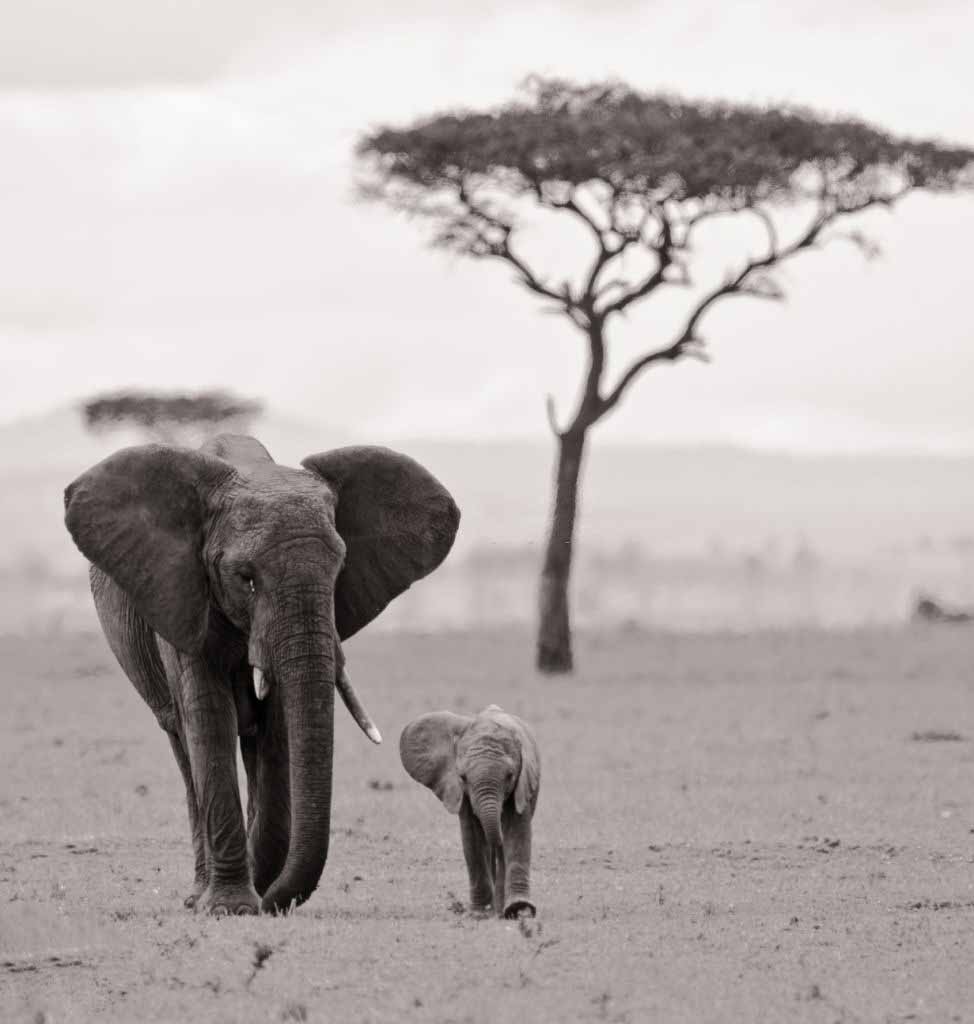
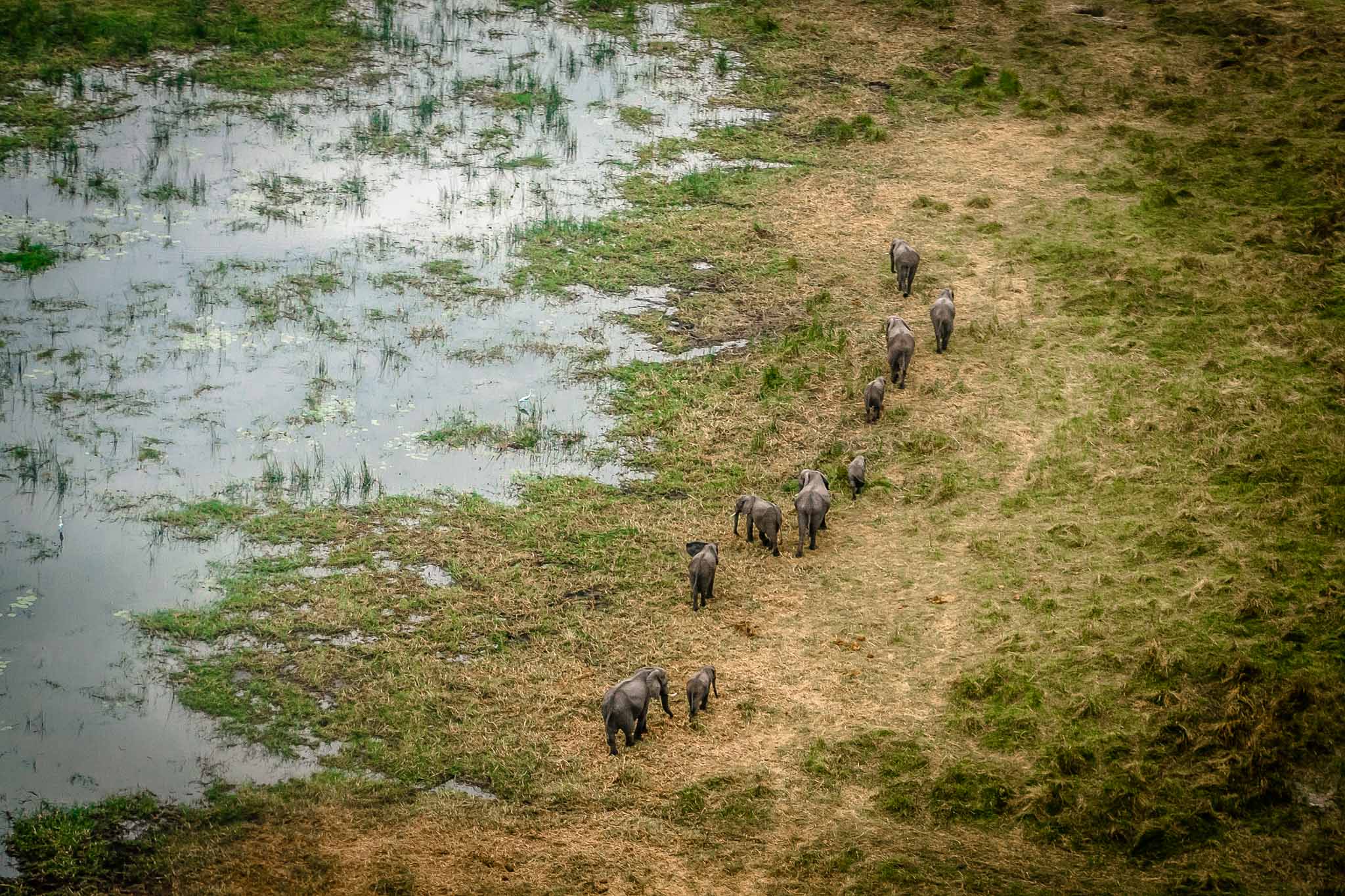
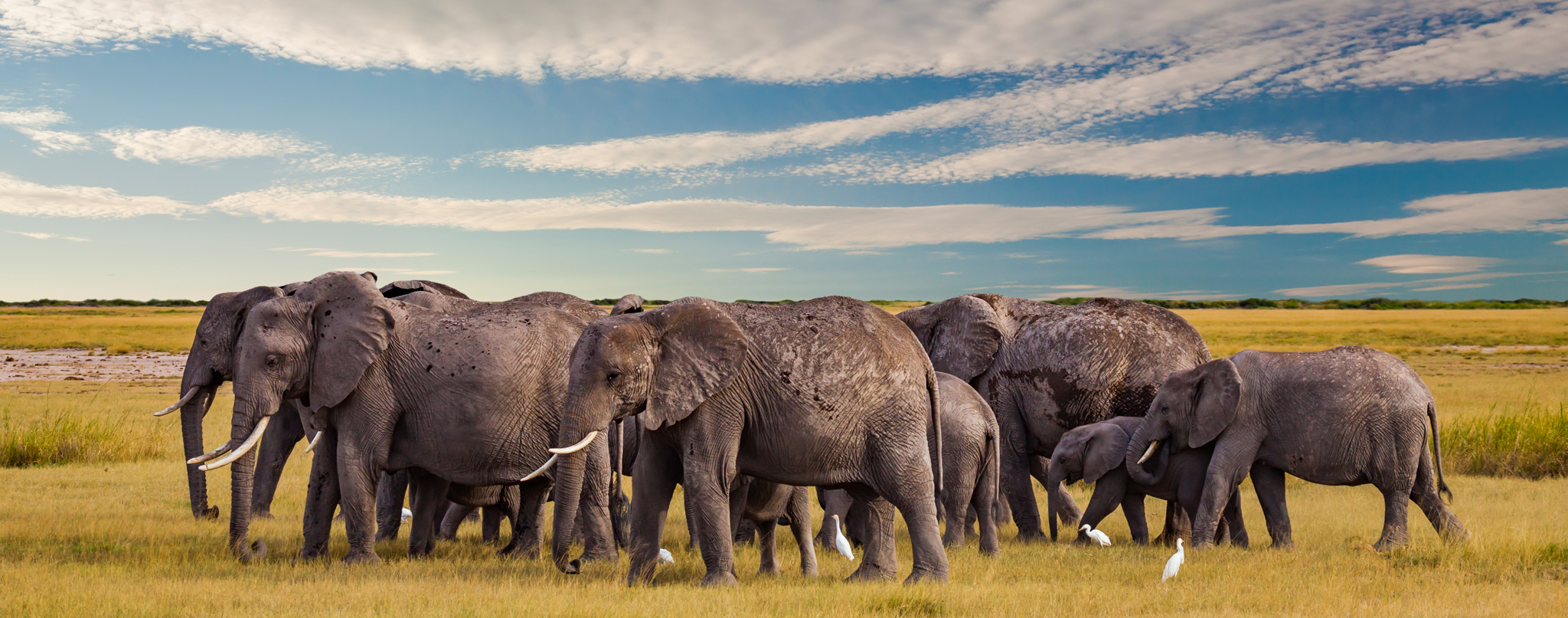
Ruaha National Park is home to one of the largest elephant populations of any park in East Africa, with herds often numbering in the hundreds during the dry season as animals gather along the Great Ruaha River in search of water. This makes Ruaha one of the finest destinations on the continent for observing elephant behavior up close, from playful youngsters to protective matriarchs guiding their families across the plains.
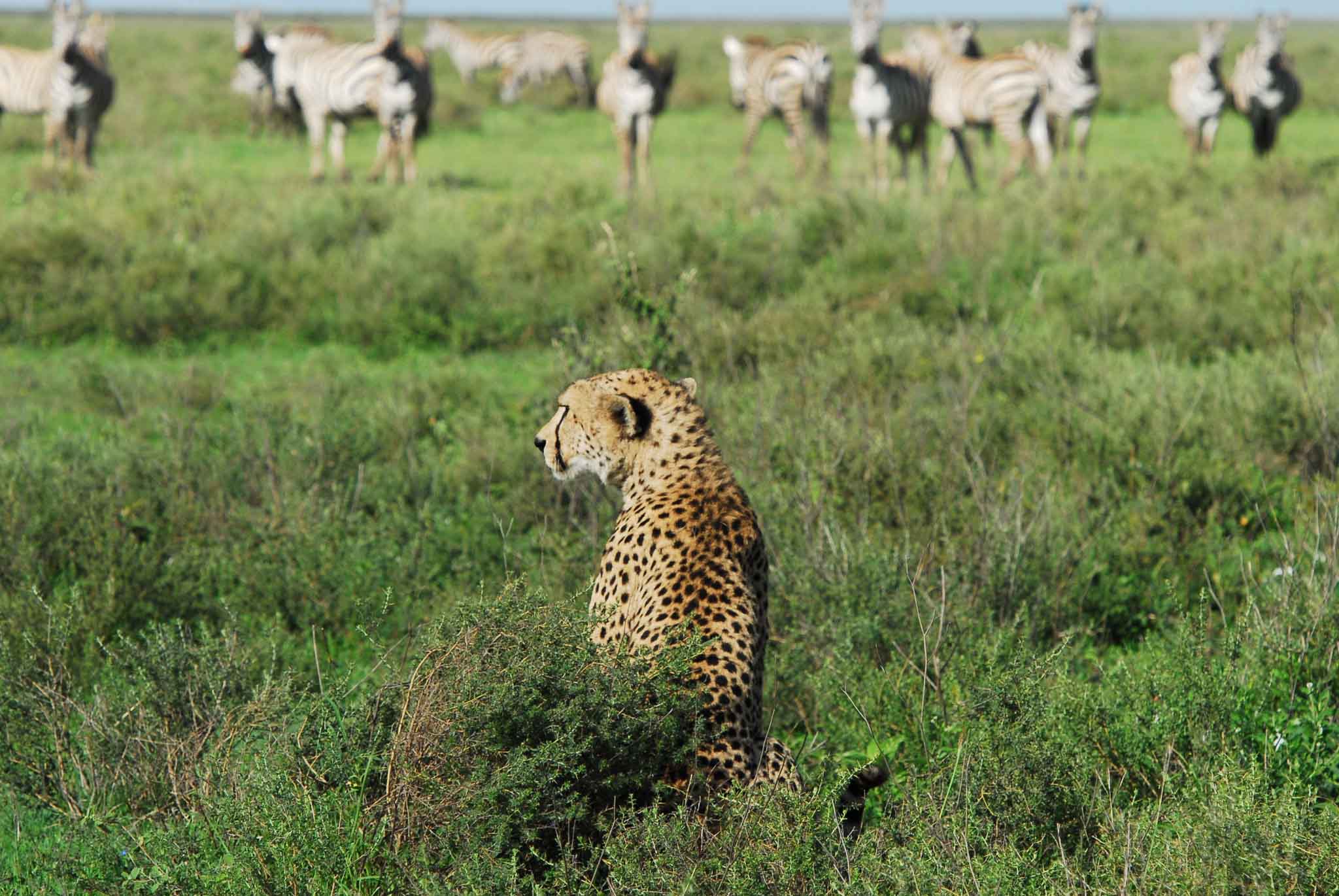
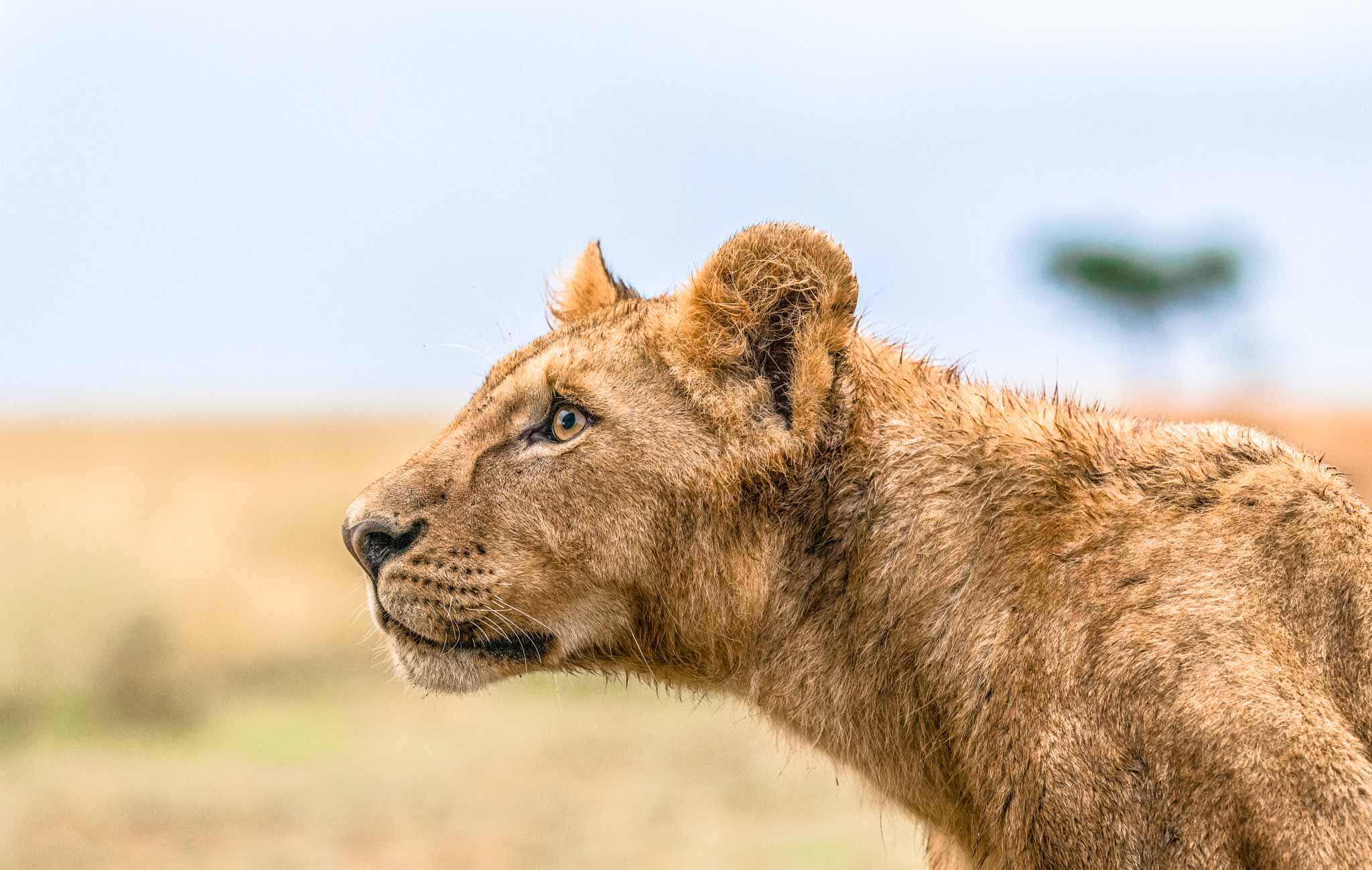
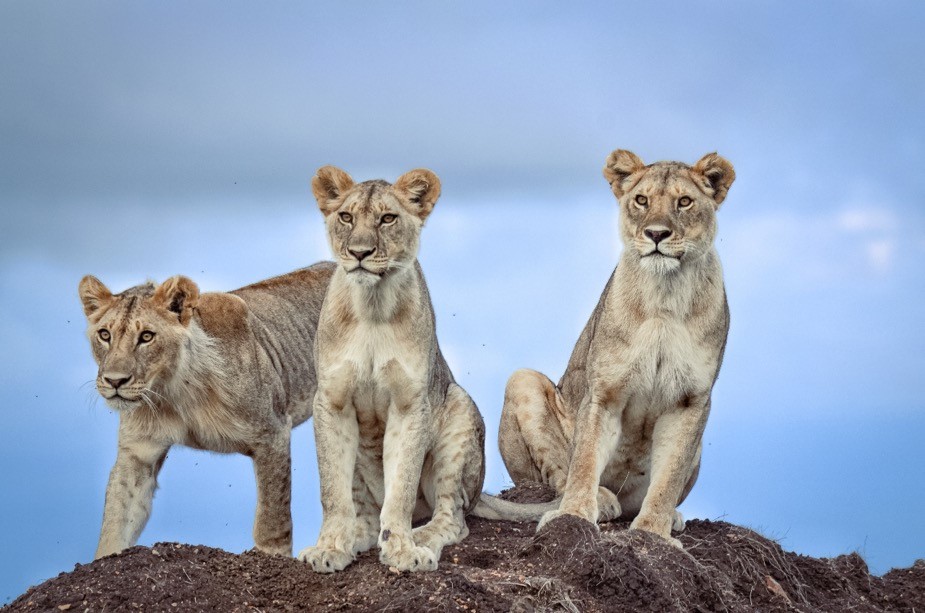
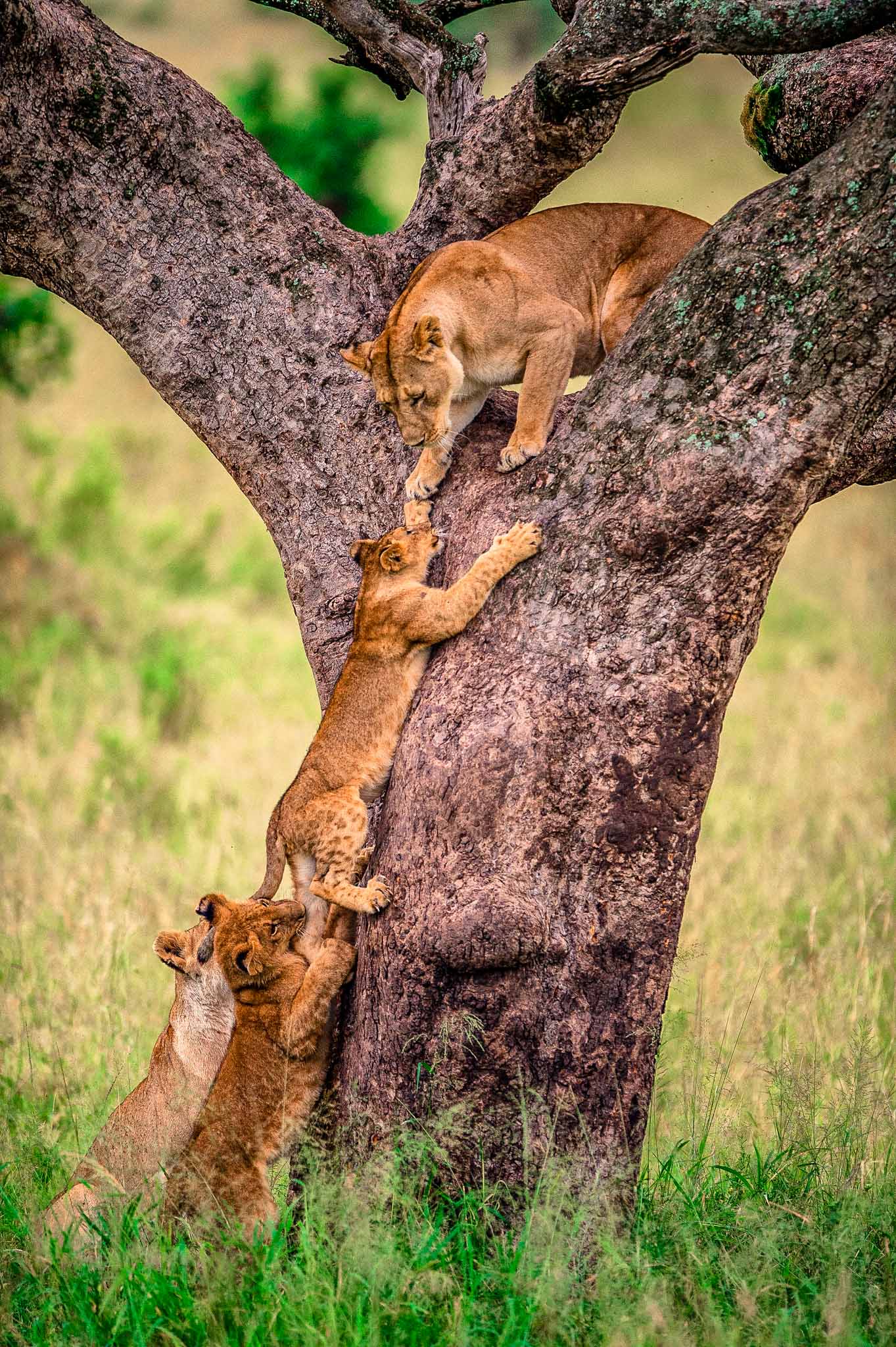
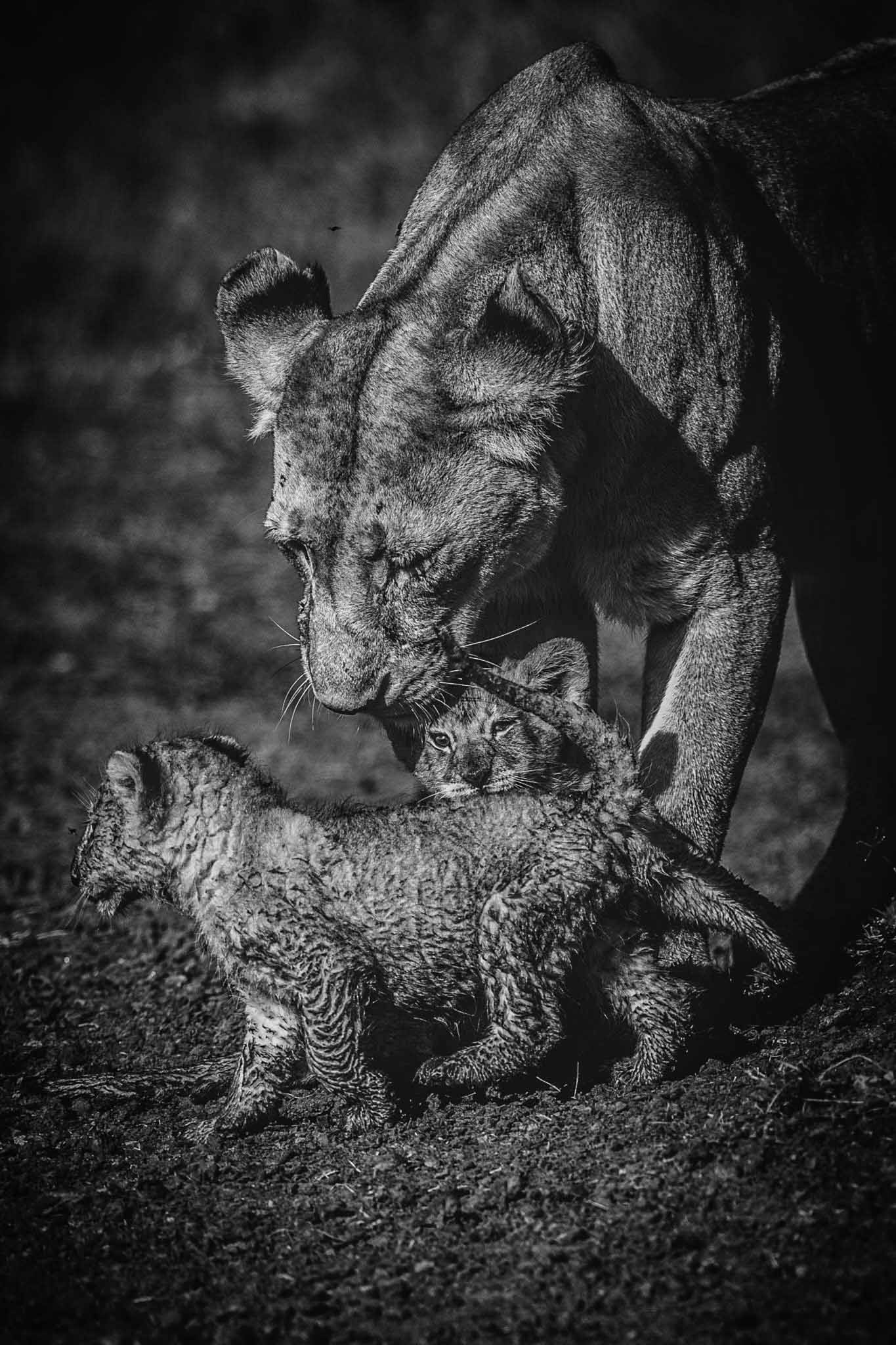
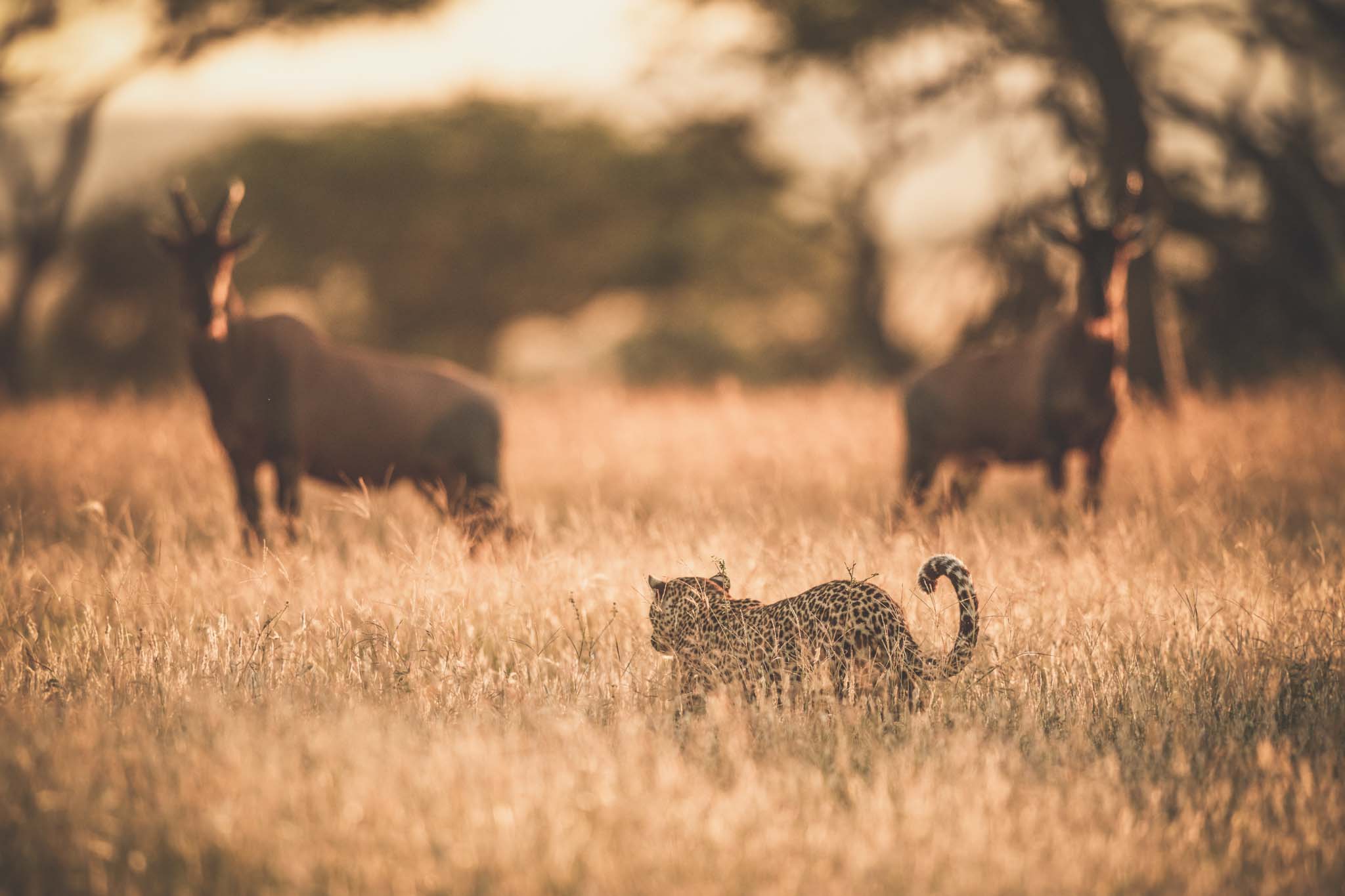
The park is equally celebrated for its impressive predator population. Ruaha hosts one of the largest lion populations in Africa, along with healthy numbers of leopards, cheetahs, and the elusive African wild dog, one of the continent’s most endangered carnivores. This combination of predator diversity makes Ruaha a standout destination for wildlife enthusiasts hoping to witness dramatic hunting behavior and rare carnivore sightings rarely seen elsewhere.
A Unique Convergence of Ecosystems
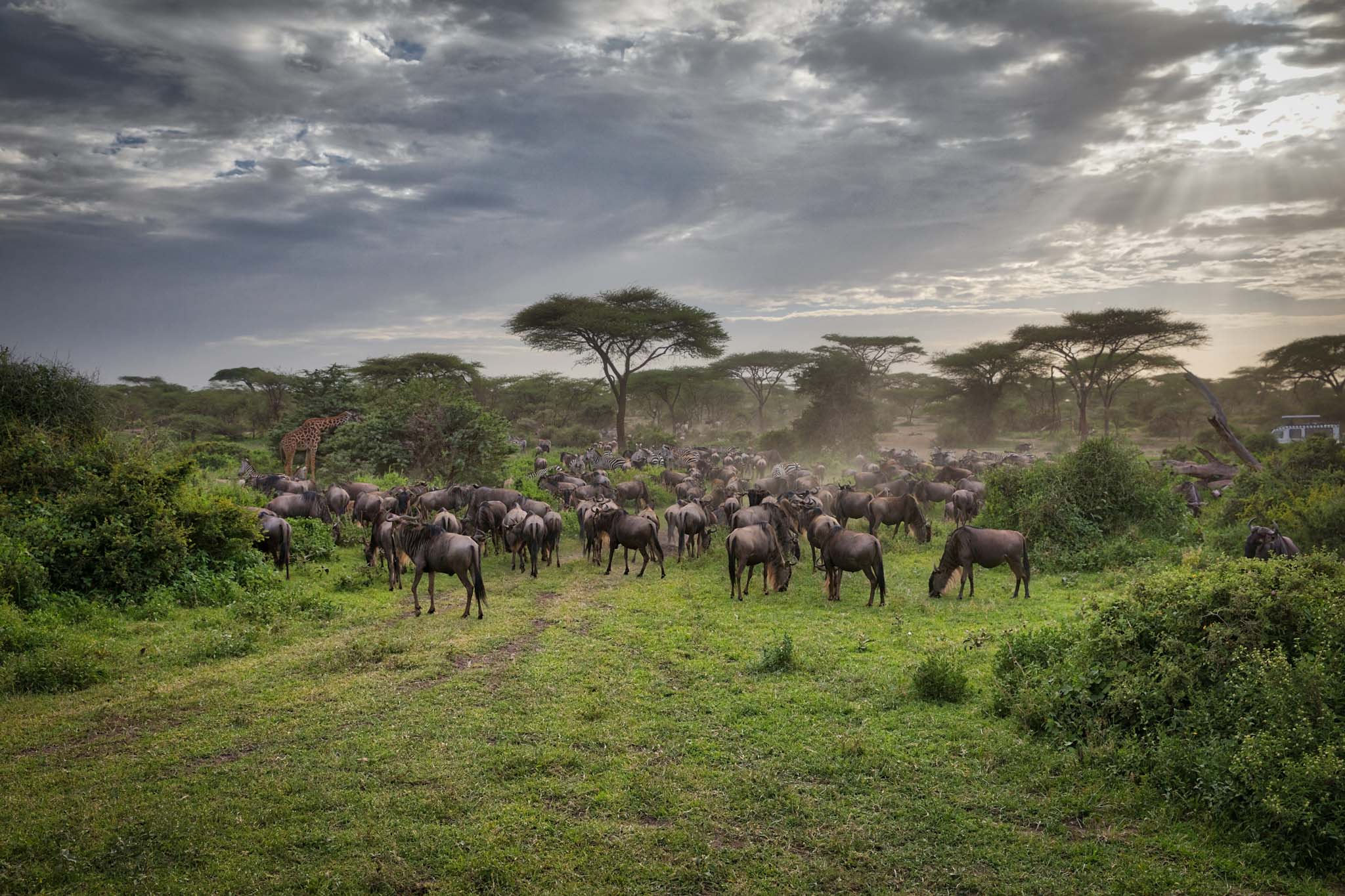
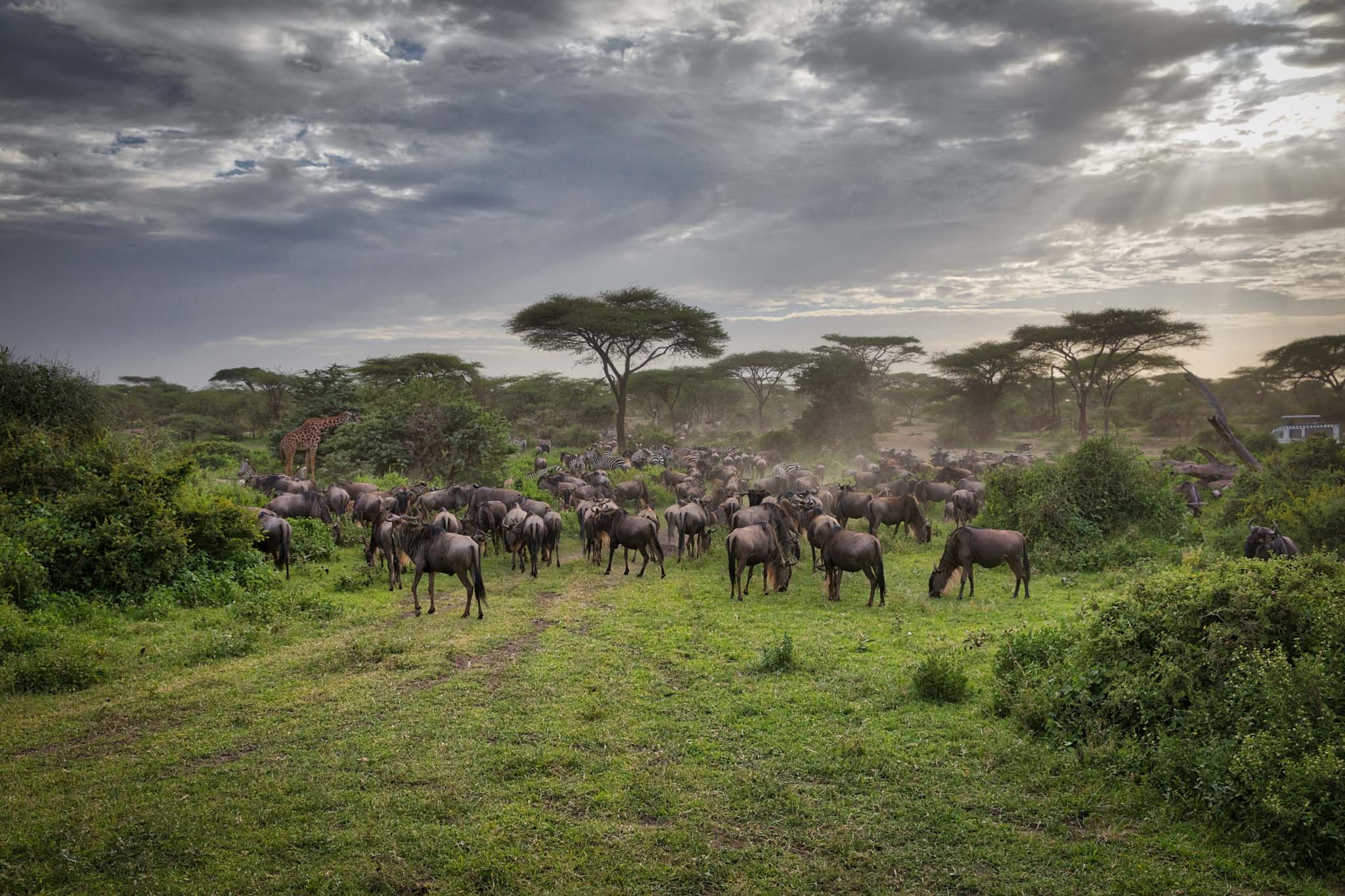
One of the most fascinating aspects of Ruaha National Park is its position at the convergence of eastern and southern African ecosystems, resulting in a truly unique mix of wildlife species rarely found together in a single location. Visitors may encounter both greater and lesser kudu, sable and roan antelope, along with striped hyenas, species more commonly associated with either East or Southern Africa, but rarely both.
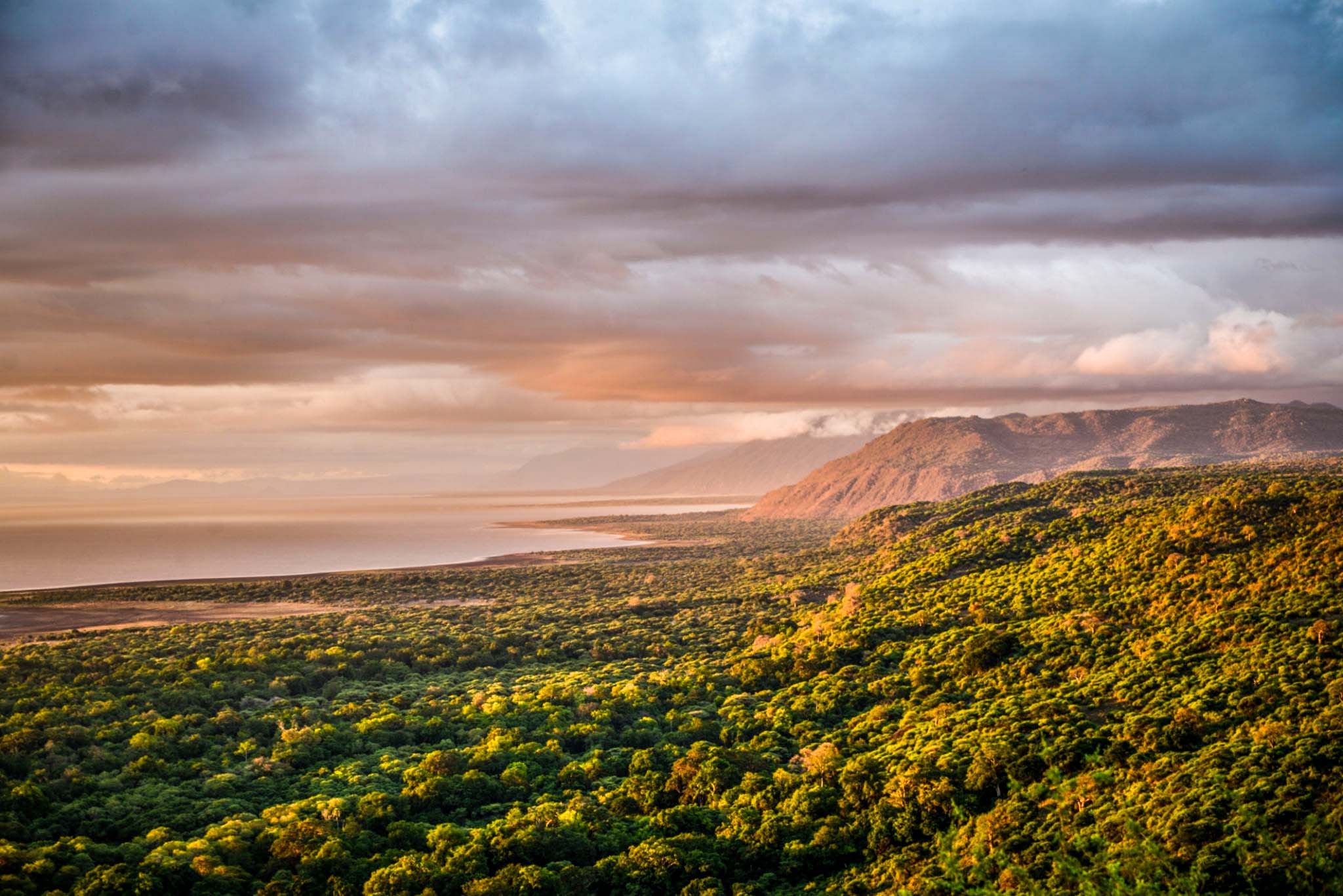
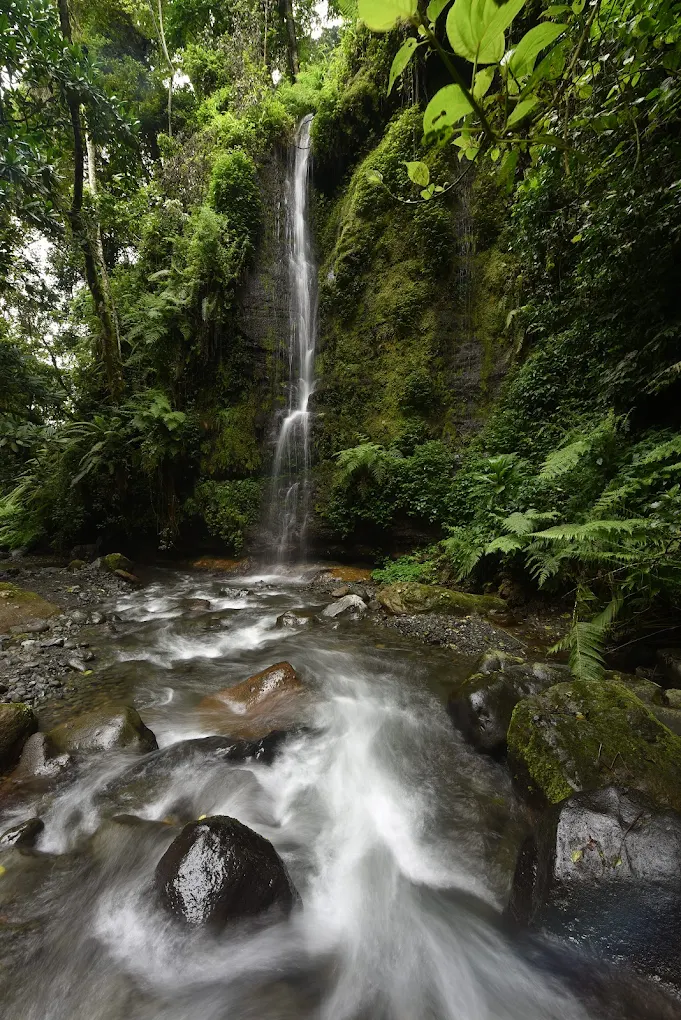
This ecological crossover, combined with dramatic landscapes ranging from riverine forest to rocky outcrops and endless miombo woodland, creates a safari experience unlike anything found in Tanzania’s more famous northern parks.
Dramatic and Diverse Landscapes
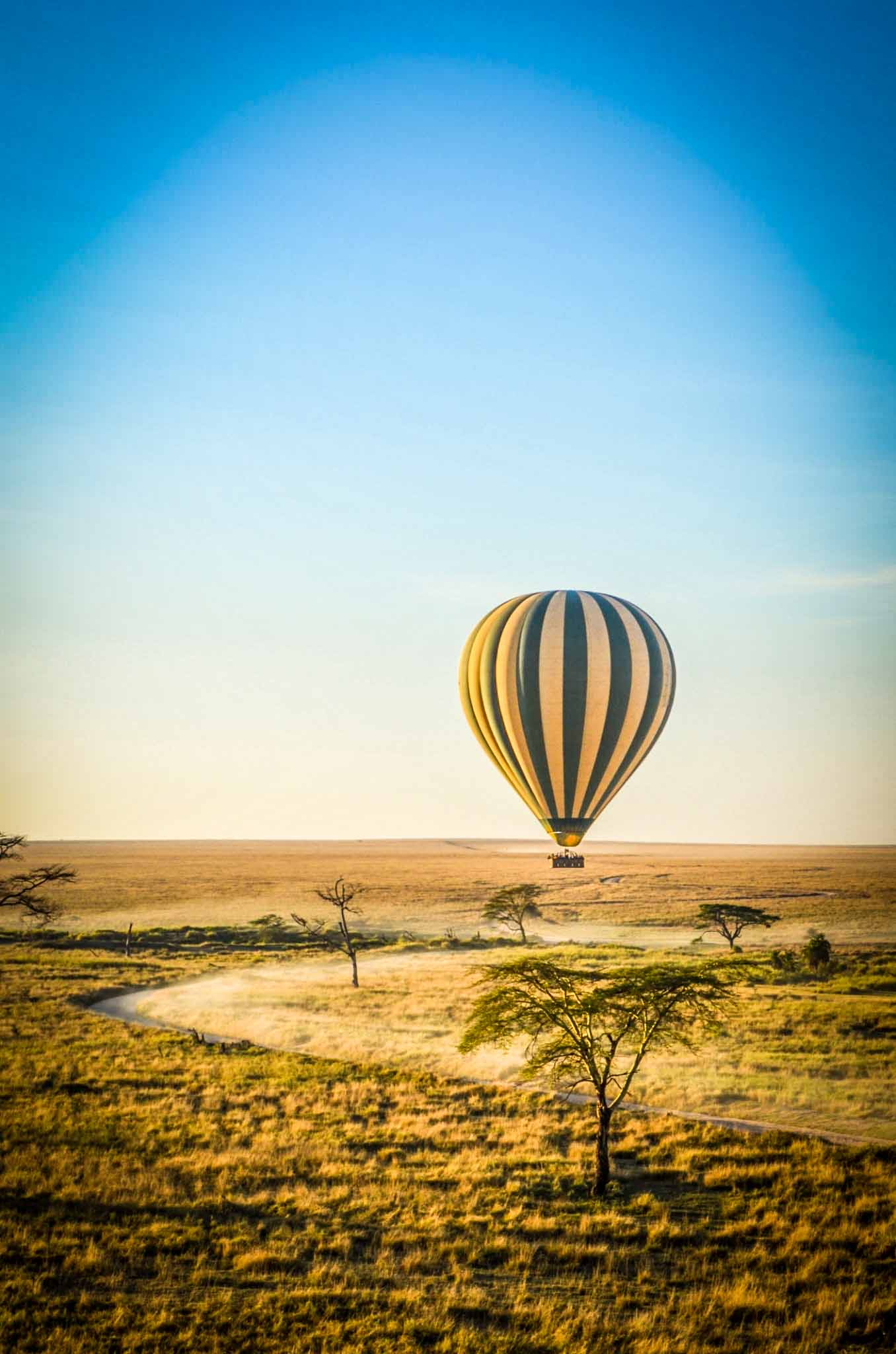
Ruaha’s scenery is defined by its striking contrasts, from the wide, sandy channels of the Great Ruaha River, lined with towering baobab trees, to expansive plains stretching toward distant mountain ranges. During the dry season, the riverbed itself becomes a critical lifeline, with much of the park’s wildlife converging along its banks, offering exceptional game viewing opportunities within a relatively concentrated area.
The park’s remoteness and vast size also mean that even during peak season, it remains possible to enjoy extended periods of complete solitude, with no other vehicles in sight, a rare and increasingly valuable experience in modern African safari travel.
Best Time to Visit Ruaha National Park
The dry season, from June to November, is widely considered the best time to visit Ruaha National Park, as diminishing water sources concentrate wildlife along the Great Ruaha River, resulting in outstanding game viewing opportunities and excellent predator sightings.
The green season, from December to April, transforms the park into a lush, vibrant landscape, ideal for birdwatching and photography, though wildlife may be more dispersed across the wider ecosystem during this period.
Where to Stay in Ruaha National Park
Accommodation within Ruaha remains intentionally limited, reflecting the park’s commitment to low impact, exclusive tourism. Options range from luxury tented camps overlooking the river to more rustic bush camps offering an authentic, back to nature experience. This limited capacity ensures a genuinely intimate and uncrowded safari, a rarity in more heavily visited parks.
Getting to Ruaha National Park
Due to its remote location, Ruaha National Park is typically accessed by domestic flight from Dar es Salaam or Arusha, landing at a small airstrip within or near the park. This journey reinforces the sense of remoteness that defines a visit to Ruaha, rewarding travelers with a genuinely wild and uncrowded safari experience upon arrival.
Why Ruaha Deserves a Place on Your Safari Itinerary
Ruaha National Park offers one of Africa’s last great wilderness experiences, combining massive elephant herds, thriving predator populations, and dramatic, ever changing landscapes, all within a setting largely untouched by mass tourism. For travelers seeking an authentic, off the beaten path Tanzania safari, Ruaha delivers an unforgettable journey into one of the continent’s wildest and most rewarding corners.