FAQs
Before Your Travel
Good to Know
Safety and Health
Absolutely! Tanzania is one of Africa's safest safari destinations and tourists are well-protected here. You'll be in national parks with excellent security, staying at lodges that take your safety seriously, and traveling with licensed operators who know these areas inside out. Just stick with your guide's advice, stay in tourist areas, and you'll have a worry-free adventure. Violent crime against tourists is extremely rare.
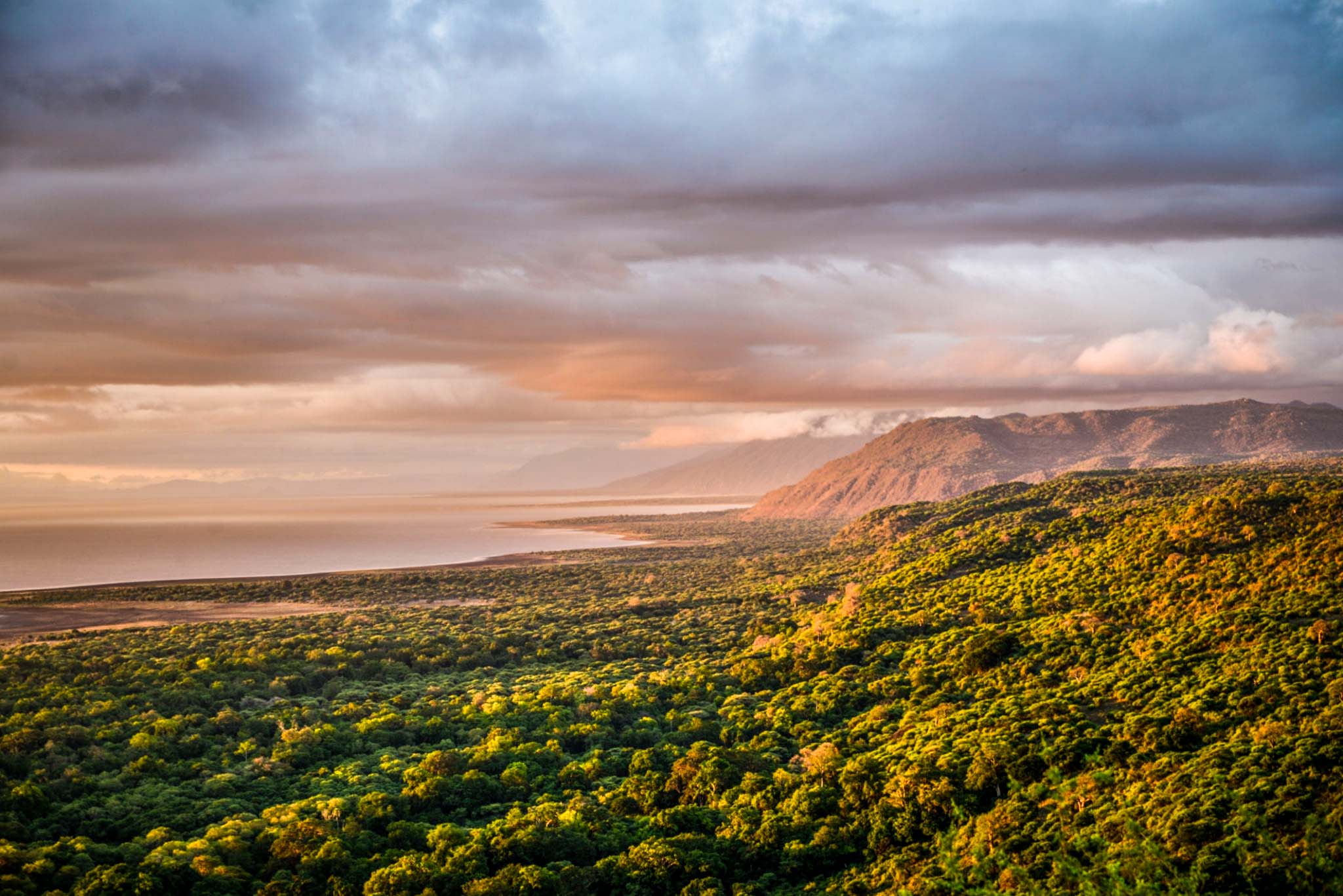
Yes, you'll want to take malaria prophylaxis for the safari parks. Tarangire, Serengeti, and Lake Manyara are all in malaria zones, so it's important to protect yourself. The good news? Ngorongoro Crater sits at high altitude, so there's very little malaria risk there. We always advise our guests to chat with their doctor about 4-6 weeks before their trip to get the right medication started.
If you're flying in from a yellow fever country, you'll need that vaccination certificate—they'll check it at the airport. Beyond that, we strongly recommend getting Hepatitis A, Typhoid, and making sure your Tetanus is up to date. These are the ones that really matter for Tanzania. Check that your routine vaccinations are current too, and you'll be all set!
Stick to bottled or filtered water throughout your trip. All our lodges provide plenty of safe drinking water, so you won't go thirsty. We even recommend brushing your teeth with bottled water just to be safe. And that tempting ice in your drink at local bars? Skip it unless you're at a quality lodge or restaurant.
Don't worry, we've got you covered! All reputable safari operators carry first aid kits and guides are trained in basic emergency response. Serious cases? We'll evacuate you to Arusha, which has good hospitals, or arrange a flying doctor service if you're deep in the Serengeti. This is exactly why we always insist our guests get comprehensive travel insurance that includes emergency evacuation. It's rare, but being prepared gives everyone peace of mind.
Yes, and that's the exciting part! You're in the wild, so elephants, hippos, buffalo, and occasionally lions do wander through lodge grounds at night. That's why lodges provide armed guards or Maasai watchmen to escort you between your room and the restaurant after dark. Never walk alone at night—always call for an escort. Guests who ignore this have had close encounters they definitely didn't want. Respect the wildlife and you'll be perfectly safe.
Logistics & Planning
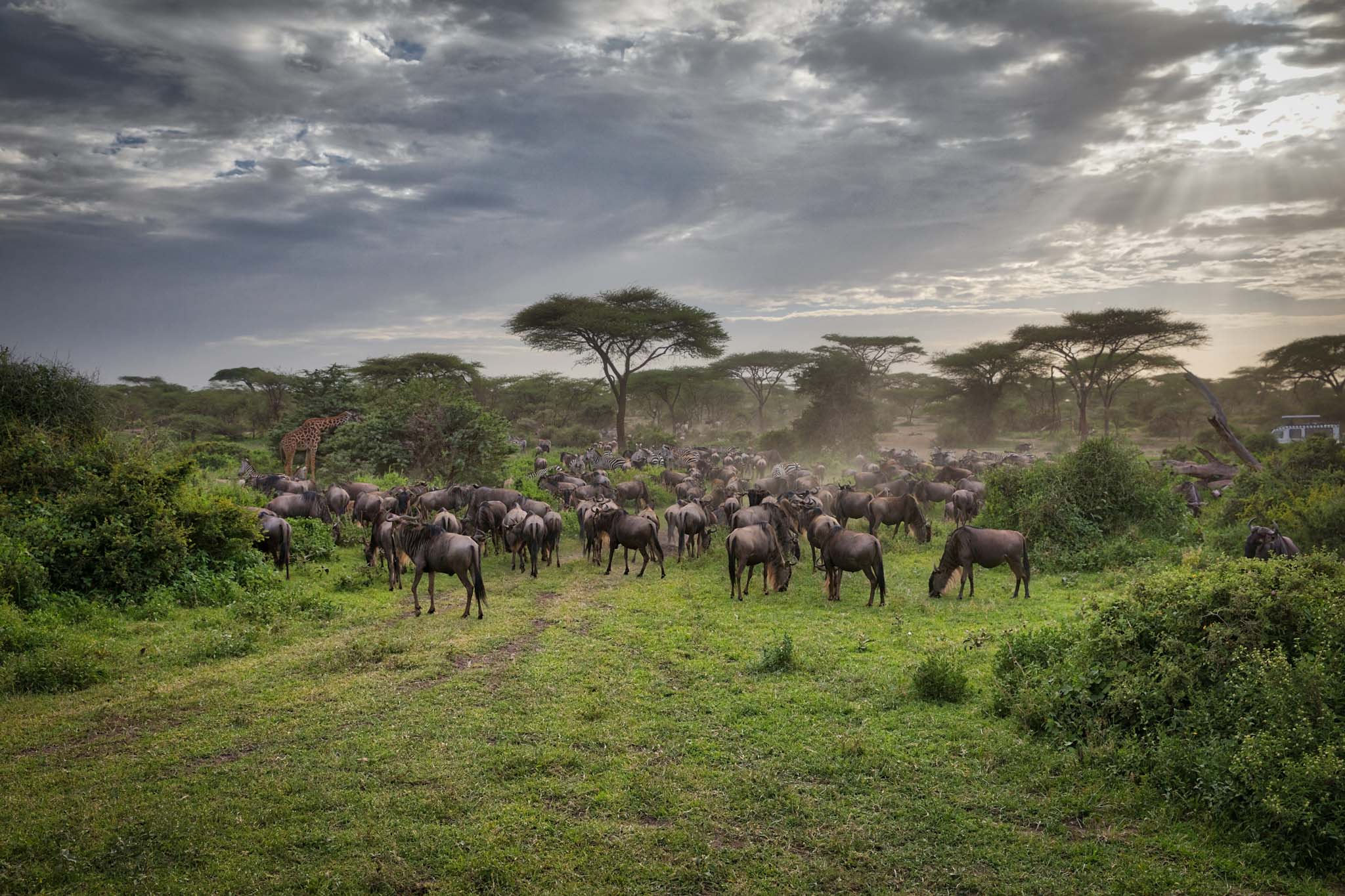
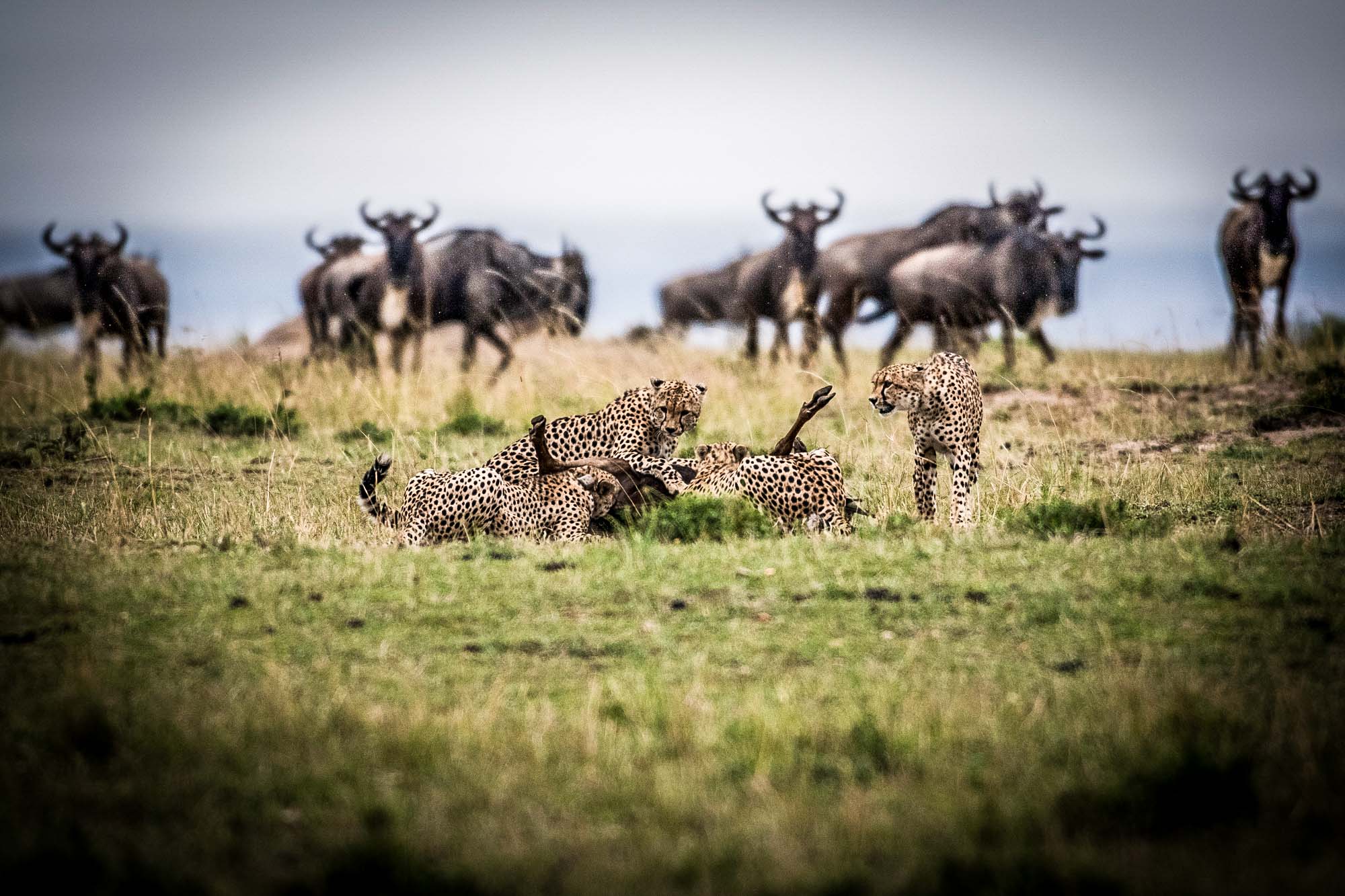
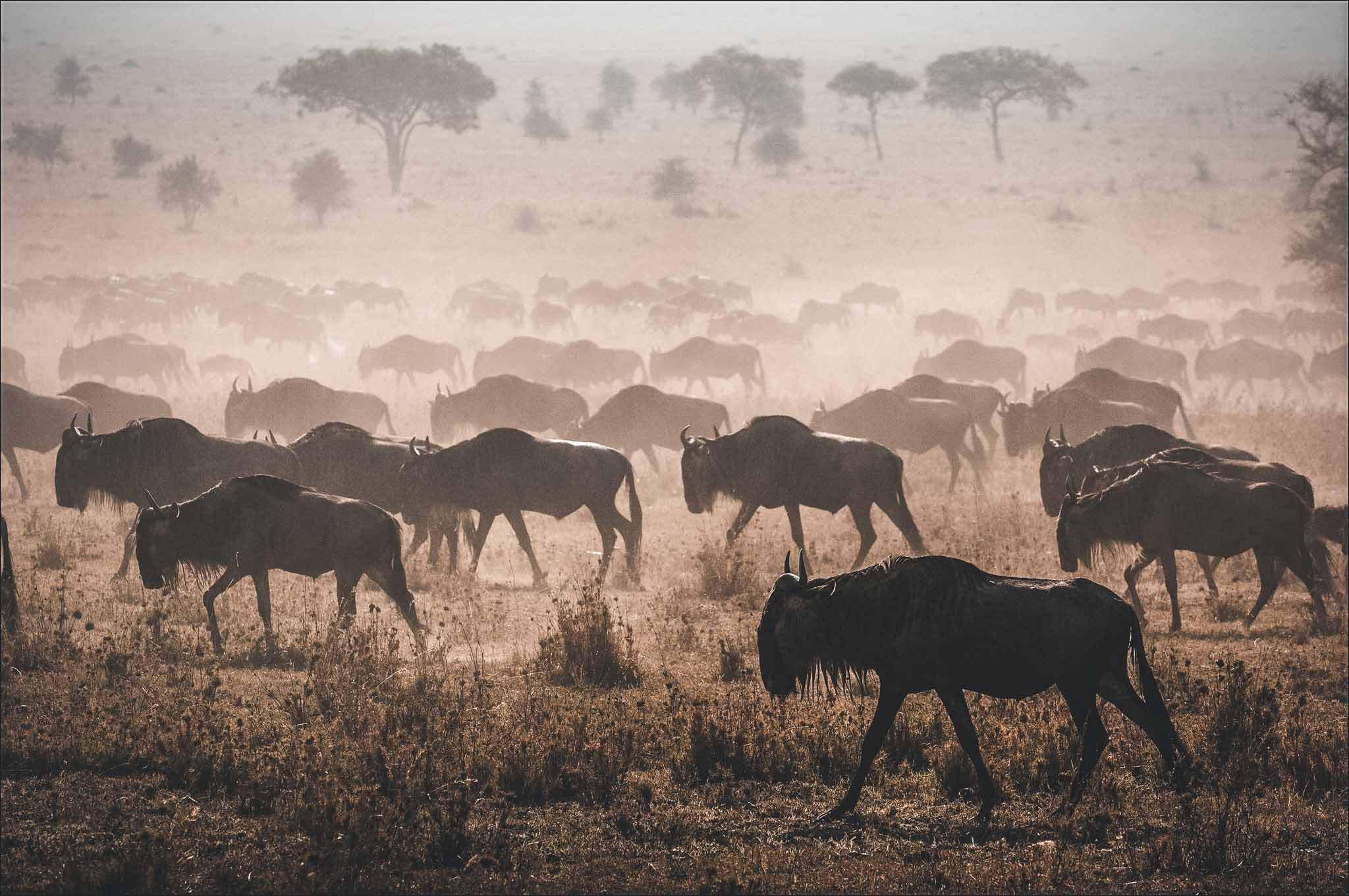
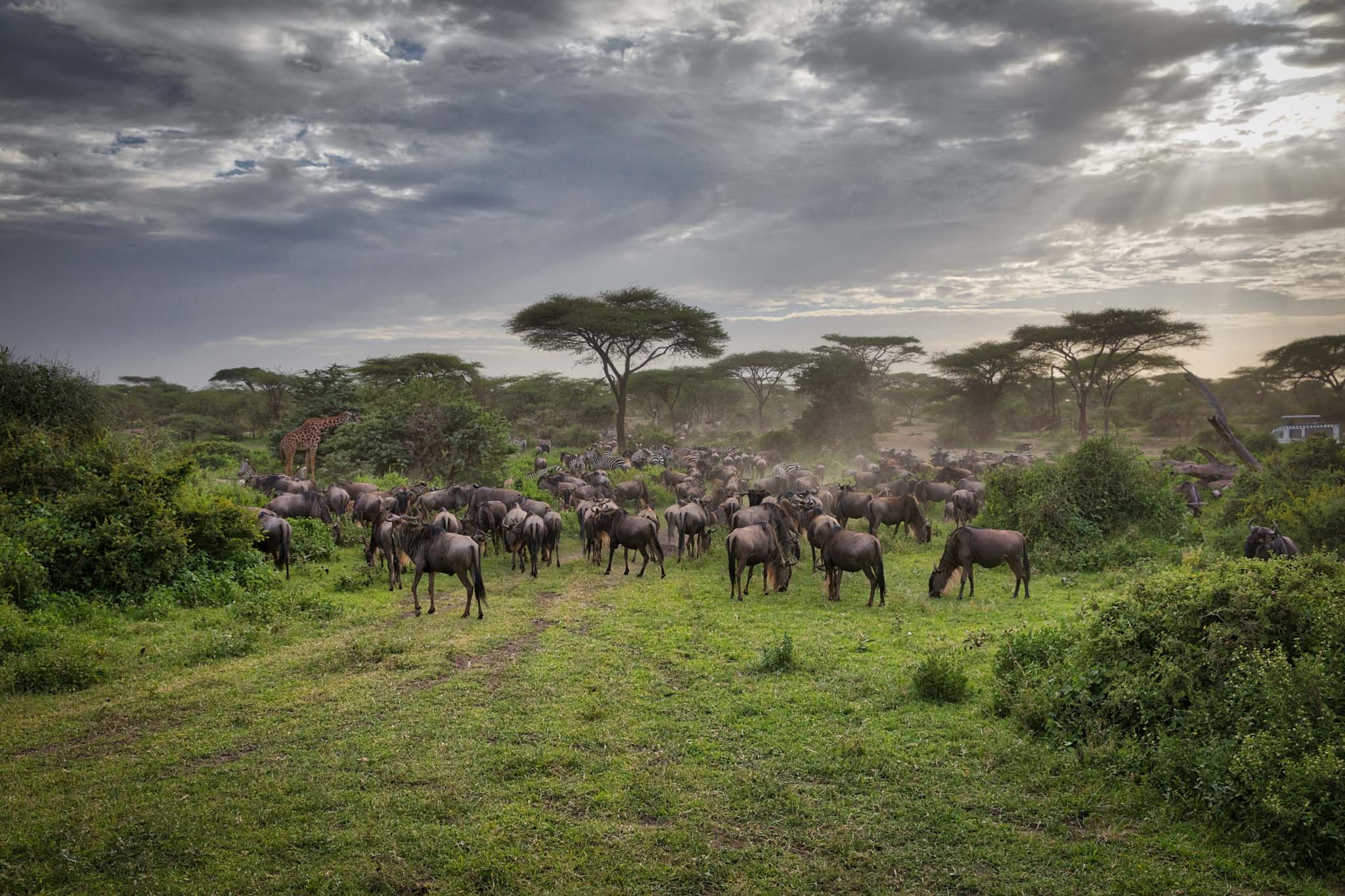
This is our favorite question! The Migration offers something special year-round. January to March is calving season in the Southern Serengeti around Ndutu—imagine thousands of baby wildebeest and incredible predator action. June to July brings the Grumeti River crossings, while August to October is when you'll see those dramatic Mara River crossings everyone dreams about. Each season has its own magic!
We recommend at least 5-7 days if you want the full experience including the Serengeti. You can do a solid 3-day safari covering Tarangire and Ngorongoro Crater, which is fantastic for first-timers. Anything less than 3 days means you'll spend more time driving than actually watching wildlife, and that's not what you came here for! If you only have 2 days, focus on Ngorongoro Crater alone.
You'll want to fly into Kilimanjaro International Airport (JRO)—it's only 50km from Arusha, which is our safari basecamp. From there, we can easily reach all the Northern Circuit parks. There's also Arusha Airport for domestic flights straight to the Serengeti. Here's a tip: don't make the mistake of flying into Dar es Salaam for Northern parks—that's a brutal 650km drive you don't want!
Definitely! We do this all the time. You'll fly from Zanzibar to Arusha (just 1.5 hours), then we'll drive to the parks. Or even better, you can fly directly to Serengeti airstrips and land right in the action. We offer 2-5 day fly-in packages specifically for Zanzibar travelers. Same-day returns are technically possible, but honestly, they're way too rushed to enjoy properly.
Technically yes, but we strongly advise against it unless you're very experienced. Tanzania's park roads are rough, unmarked, and easy to get lost on. You'll miss 90% of the wildlife without a trained guide who knows animal behavior and tracking. Self-driving also means handling your own breakdowns in remote areas. Save yourself the stress and headaches—hire a guide and actually enjoy the experience!
Here's the reality: Arusha to Tarangire is 2 hours, Tarangire to Ngorongoro is 2-3 hours, and Ngorongoro to Serengeti is another 3-4 hours depending on which part you're visiting. These are long drives on bumpy roads, but we break them up with comfort stops and often spot wildlife along the way. Fly-in options cut drive time dramatically if you've got the budget.
Costs & Value
We get this question a lot, and here's the honest answer: Tanzania's park fees alone are $60-83 per person, per day. Then you've got the 4x4 vehicles (these parks are massive!), fuel costs, experienced guides, quality accommodation, and all your meals. We're talking about operating in remote wilderness areas here. Budget safaris start around $200/day, luxury runs $600+. Tanzania focuses on smaller numbers of visitors paying more, it's better for conservation and your experience.
Great question! Your safari price typically covers park fees, all transport in a 4x4, your guide, accommodation, and lunch plus game drives. What it won't include are your international flights, visa fees, guide tips, drinks (especially alcohol), travel insurance, and personal shopping. Always double-check with your operator before booking, you don't want surprises!
Yes, tipping is part of safari culture and really appreciated! For budget and mid-range safaris, $20-30 per day per guide is standard. On luxury safaris, think $30-50. But here's the thing—if your guide goes above and beyond (and the great ones do!), feel free to tip more. Give it directly to your guide on the final day, in cash—US dollars or Tanzanian Shillings work perfectly.
If you can swing it, absolutely! With a private safari, you control everything—want to stay watching that lion pride for an extra hour? Done. Prefer early starts and afternoon lodge time? No problem. On shared safaris, you're working around everyone else's preferences and stuck to fixed schedules. The price difference is usually 40-60% more, but the flexibility and personalized experience? Priceless for many travelers.
You might find some deals, but here's our honest take: it's risky! The cheap operators in Arusha often cut corners on safety, use old vehicles, hire inexperienced guides, or pack too many people in one car. The legitimate last-minute deals do exist during low season (April-May), but peak season? You'll struggle to find quality options. Book ahead with reputable operators—your safari is a once-in-a-lifetime trip, not the time to gamble.
Beyond the obvious cost difference, it's about comfort and atmosphere. Lodge safaris give you proper beds, hot showers, electricity, and restaurant meals. Camping means sleeping in tents (comfortable ones with real beds, not backpacking tents), bucket showers, and eating around the campfire. But here's what camping gives you that lodges can't: you'll hear lions roaring at night, fall asleep to hyena calls, and wake up to elephants nearby. It's raw, authentic Africa. Lodges are luxurious but insulated from that wild experience.
Wildlife & Experience
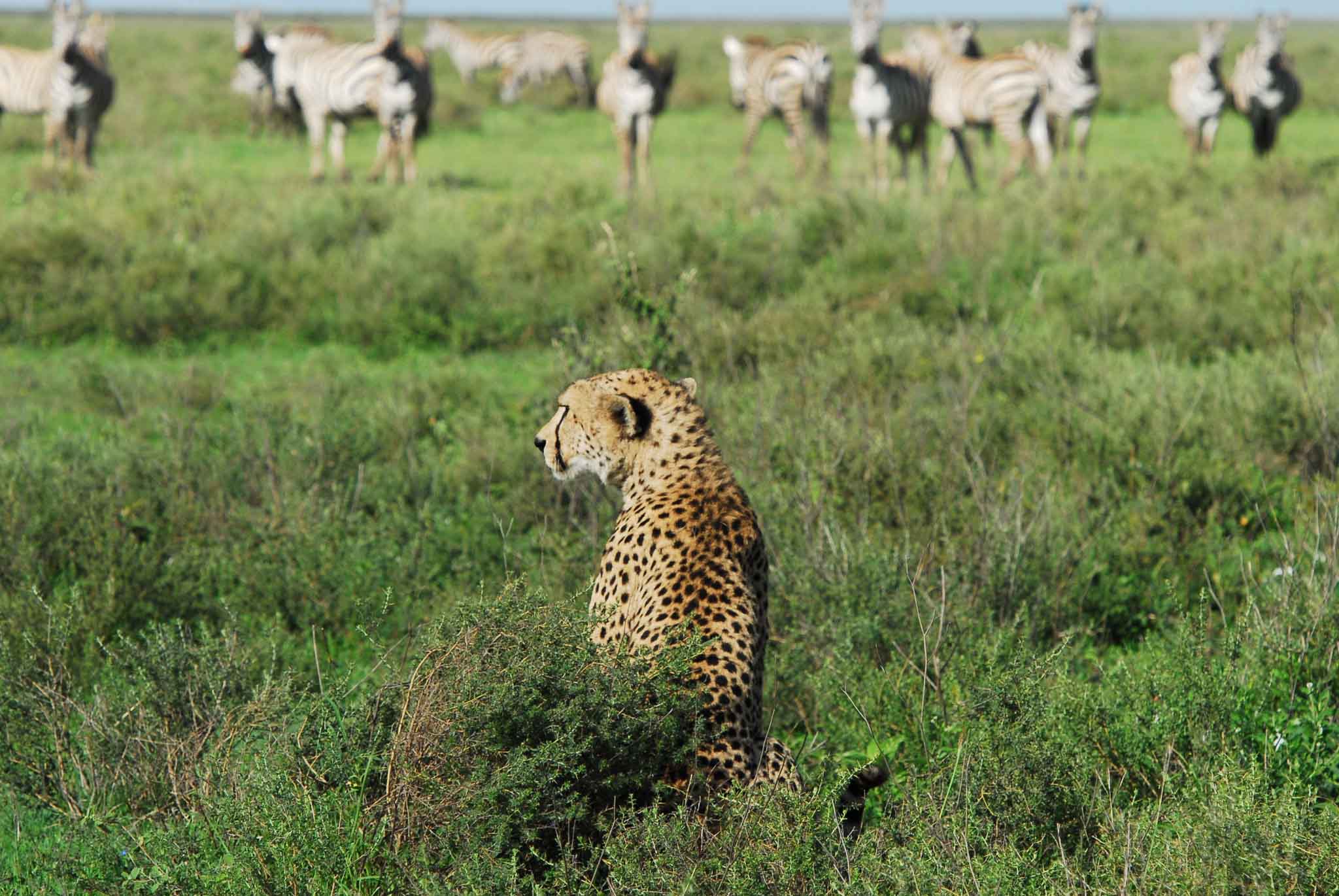
Lions, leopards, elephants, and buffalo? You'll almost certainly see them in Serengeti, Tarangire, and Ngorongoro. The tricky one is the black rhino—but Ngorongoro Crater is your best bet with about 25-30 individuals living there. We won't promise you'll see all five (wildlife is wild, after all!), but on a 3+ day safari, you'll typically see at least four of them.
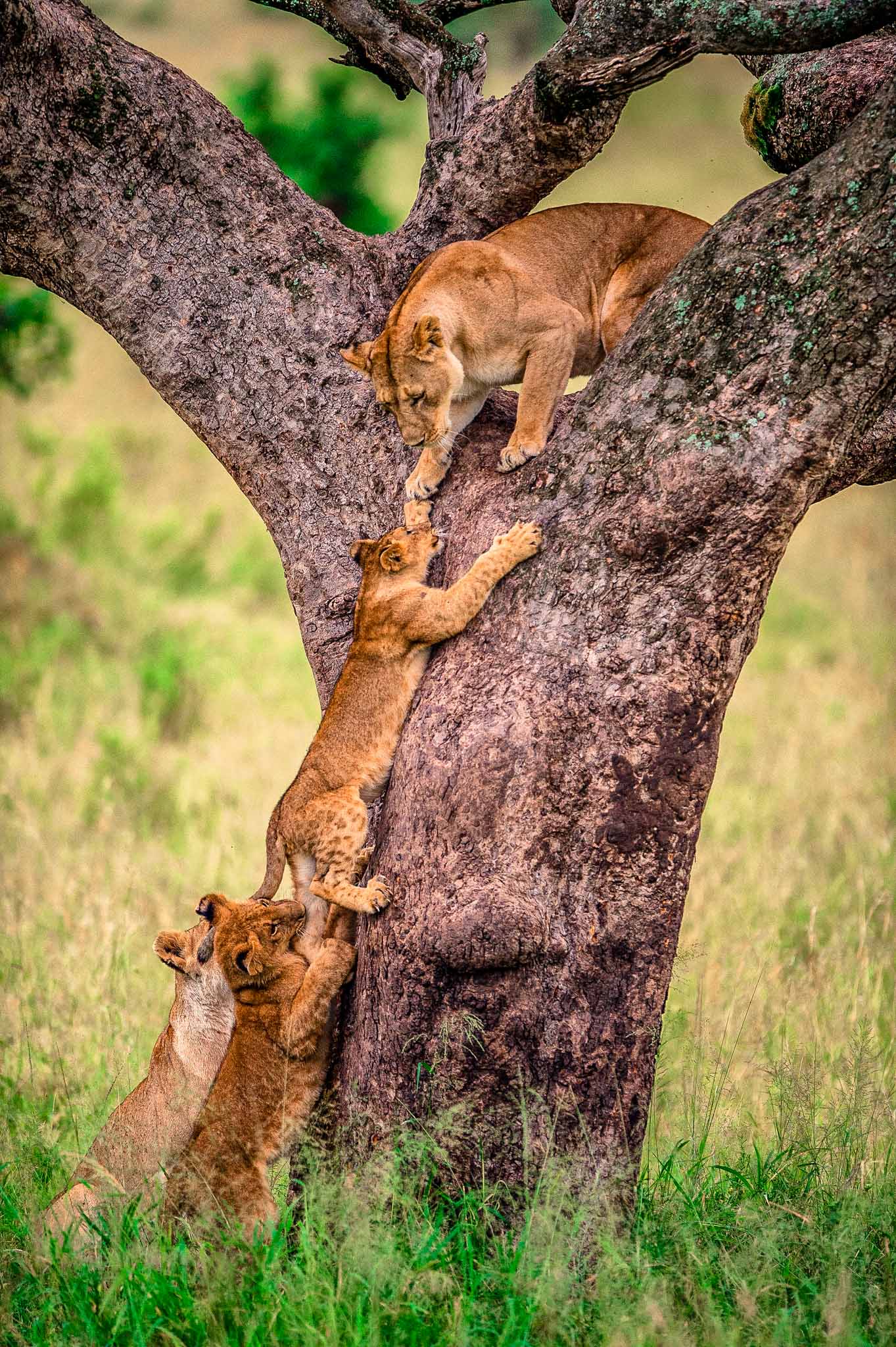
Each park has its own personality! Serengeti is where you'll find the Great Migration, big cats galore, and all the Big Five. Ngorongoro Crater has the densest concentration of wildlife—around 30,000 animals including those precious rhinos. Tarangire is elephant heaven with over 3,000 of them, plus gorgeous baobabs. Lake Manyara gives you flamingos, those famous tree-climbing lions, and hippos. We can help you choose based on what excites you most!
Kids are welcome, though it depends on their age and temperament. Most lodges accept children from 6 years old, while budget camping often requires them to be 12+. The real question is whether your child can handle 4-8 hour game drives sitting in a vehicle. Private safaris give you more flexibility for bathroom breaks and stretching legs. We've seen 8-year-olds absolutely enchanted and teenagers bored—it really depends on the kid!
Practical Concerns
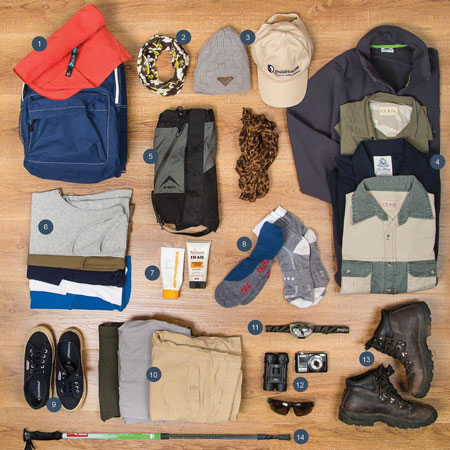
Think neutral and practical! Khaki, beige, olive, and brown blend in perfectly. Avoid bright colors (you'll stand out) and definitely skip black or navy—they attract tsetse flies, which you do not want! Bring a good hat, sunglasses, layers for changing temperatures, closed shoes, and a warm jacket. Those early morning drives in Ngorongoro can be seriously cold—we're talking 5-10°C!
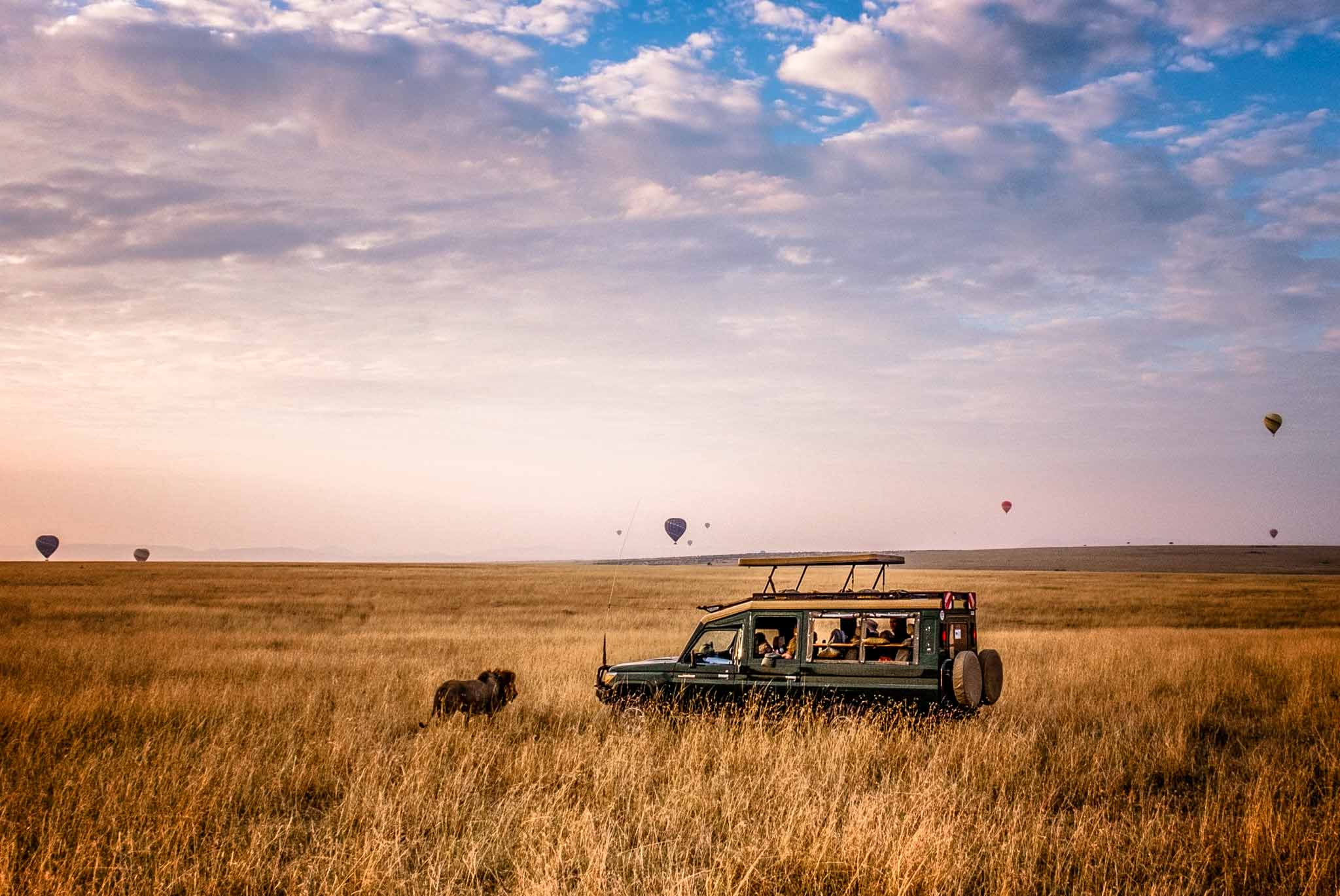
You'll be riding in extended Land Cruisers with pop-up roofs so you can stand up for photography and better views. Every passenger gets a guaranteed window seat—no fighting over the middle! These seat 4-7 people and have charging ports for all your cameras and phones. These are proper safari vehicles for the best experience.
Closer than you'd imagine! We typically get within 5-20 meters depending on the animal and what they're comfortable with. You'll stay in the vehicle except at designated picnic spots—that's non-negotiable for safety. Sometimes the animals come to us. We've had elephants walk right up and touch the vehicle! Don't worry, we'll always keep safe distances while getting you amazing views.
Yes, you'll need one! Most visitors can apply online for $50 USD (US citizens pay $100). We recommend doing it online 5-10 business days before your trip—much easier than the on-arrival line at the airport. Make sure your passport is valid for at least 6 months from your arrival date and has 2 blank pages. Get this sorted early and you'll breeze through immigration!
Here's the reality check: most lodges have WiFi in common areas, but it's slow and often unreliable. Budget camps? Forget about it. The Serengeti has almost no cell coverage. Our advice? Grab a local SIM card from Vodacom or Airtel in Arusha for basic connectivity, but plan to truly disconnect. Honestly, that's part of the magic—being present in the wilderness without distractions.
Most safari vehicles have charging ports (bring the right adapters!), and lodges have electricity—though budget camps might only run generators for a few hours evening and morning. Tanzania uses UK-style three-pin plugs (Type D and G), so bring a universal adapter. Here's a pro tip: bring a power bank! Charge it overnight and use it during long game drives when you're snapping hundreds of photos.