

Is It Worth Visiting Tarangire National Park?
- Mar 8
- 5 min read
Elephant Numbers, Quiet Strengths, and the Best Time to Go
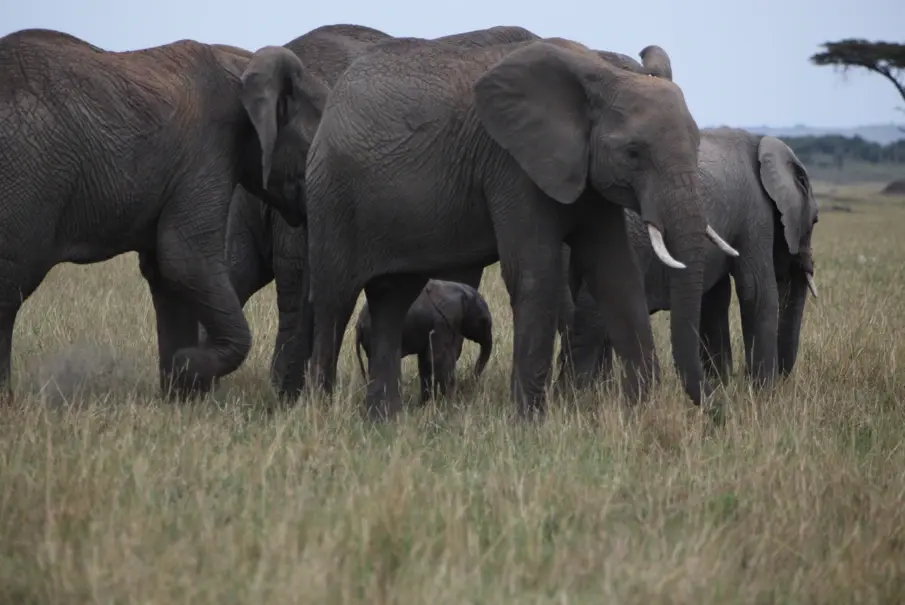
Many first-time travelers to Tanzania ask one careful question:Is Tarangire National Park really worth visiting?
As someone who has taught visitors, guides, and local students about wildlife in North Tanzania for many years, my answer is clear: Yes, Tarangire is worth visiting—but not for the reasons most people expect.
Tarangire does not try to impress you quickly. It teaches you slowly. And if you understand elephants, seasons, and land, Tarangire becomes one of the most rewarding parks in East Africa.
This article explains:
Why Tarangire matters for elephant lovers
How its elephant population compares with Etosha
What makes Tarangire special in quiet, non-obvious ways
When to visit, and why timing matters more here than in many parks
This guide is written for travelers planning their first safari in Tanzania, especially those starting in Arusha and North Tanzania.
Where Tarangire National Park Really Fits
Tarangire National Park sits south of Lake Manyara and east of the Rift Valley. Many visitors pass it quickly on the way to other parks. That is a mistake.
Tarangire is not a park of quick highlights. It is a park of patterns.
The land here changes strongly with the seasons. Water moves. Animals move. Trees store memory. If you watch carefully, you begin to see how wildlife survives in dry land.
This is why Tarangire is often loved more by guides and researchers than by rushed tourists.
The Elephant Question: Why Tarangire Matters
Let us speak clearly about elephants.
Tarangire holds one of the largest elephant populations in Tanzania. During the dry season, the park and its nearby ecosystem can hold over 3,000 elephants, sometimes more.
But numbers alone are not the full lesson.
How Tarangire Elephants Live
Elephants in Tarangire are:
Highly mobile
Deeply connected to water sources
Calm but alert
Often seen in large, natural family groups
They do not stay in one small area. They move with memory. Old matriarchs lead families back to river bends and dry sand wells that have worked for many years.
This teaches visitors something important:Tarangire elephants are not just many—they are experienced.
Tarangire vs Etosha: A Clear, Honest Comparison
Many travelers compare Tarangire with Etosha National Park in Namibia, especially when choosing where to see elephants.
Let us compare them carefully, without praise or criticism.
Elephant Numbers
Etosha: Very large elephant population, easy to see at waterholes
Tarangire: Large elephant population, spread across a wider ecosystem
Etosha often shows elephants standing still at waterholes. Tarangire often shows elephants walking, feeding, digging, teaching young ones.
Movement and Space
Etosha elephants gather tightly around fixed water points
Tarangire elephants move through river systems, woodlands, and open plains
In Tarangire, you see how elephants use land, not just how they drink water.
Teaching Moment for First-Time Travelers
If you want easy counting, Etosha is simple.If you want to understand elephants, Tarangire gives more lessons.
The Tarangire River: The Park’s Quiet Teacher
The Tarangire River is not loud. It is not wide. But it is powerful.
During the dry season, it becomes the only long-lasting water source in the area. Animals must learn how to use it.
Elephants dig for water under dry sand. They remember places where water stays longer. They protect calves while crossing narrow river bends.
Watching this teaches something rare:Survival is not about strength alone. It is about memory.
Few parks allow visitors to see this lesson so clearly.
Trees That Matter: Baobabs as Living Archives
Tarangire has some of the largest baobab trees in East Africa.
These are not decorations. They are part of the ecosystem.
Elephants feed on baobab bark during hard seasons
Birds nest inside old tree hollows
Fruit feeds animals when grass is gone
Baobabs here show scars, scratches, and age. They tell stories of droughts and recovery.
Most visitors drive past them. A patient visitor learns from them.
Non-Obvious Wildlife Advantages in Tarangire
Many people think Tarangire is only about elephants. That is not correct.
Dry-Land Specialists
Tarangire is strong in animals that survive without much water:
Fringe-eared oryx
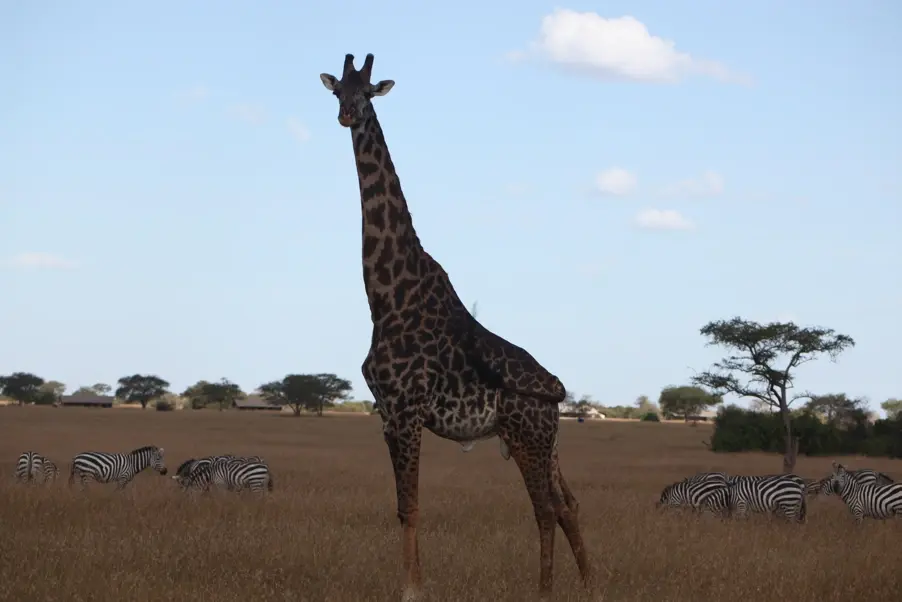
Long-legged giraffes adapted to dry browse
Large termite-feeding birds
Old buffalo bulls that prefer dry ground
These animals are often missed in greener parks.
Predator Behavior Is Different
Because prey gathers near water in dry months:
Lions hunt closer to rivers
Leopards use baobabs and sausage trees
Cheetahs patrol open, dusty plains
The behavior here is shaped by scarcity, not abundance.
Why First-Time Travelers Learn Faster in Tarangire
As a teacher, I see this clearly.
Tarangire helps first-time safari visitors:
Understand seasons
See cause and effect
Learn why animals move
Read the land
In greener parks, animals spread out. In Tarangire, choices are visible.
This builds real safari understanding early in your journey.
When Is the Best Time to Visit Tarangire?
Timing is more important in Tarangire than in many parks.
Dry Season (June to October): The Best Learning Time
This is the strongest season for Tarangire.
Elephants gather in large numbers
Wildlife concentrates near the river
Vegetation is thin, making sightings clear
Animal movement follows logic you can see
For first-time travelers, this season explains Africa well.
Early Dry Season (June–July)
Grass is still present
Elephants begin arriving
Light is soft, good for photography
Peak Dry Season (August–October)
Highest elephant numbers
Strong predator action
Dusty landscapes show animal paths clearly
This is Tarangire at its most honest.
Green Season (November to March): For Curious Minds
This season is quieter and misunderstood.
Elephants spread out
Calves are born
Birds arrive in large numbers
Landscapes turn fresh and open
This season is not about big crowds. It is about life cycles.
For travelers who enjoy learning rather than ticking lists, this season can be deeply rewarding.
Why Tarangire Works Well in a North Tanzania Safari
For first-time travelers arriving in Arusha, Tarangire is a strong starting point.
It prepares you for:
Understanding animal movement
Appreciating dry ecosystems
Slowing your expectations
Observing, not chasing
After Tarangire, other parks make more sense.
This is why many experienced guides prefer to start a safari here, not end it.
Is Tarangire Worth Visiting? A Teacher’s Final Answer
Yes—but only if you visit it with the right eyes.
Tarangire does not shout. It explains.
It does not decorate wildlife.It shows relationships.
If you want:
Real elephant behavior, not staged scenes
A park that teaches survival
A place where seasons matter
A calm, thoughtful start to Tanzania
Then Tarangire National Park is not just worth visiting.It is worth understanding.
For first-time travelers in North Tanzania, Tarangire quietly gives one of the best introductions to African wildlife that exists.
And that lesson stays with you long after the dust leaves your shoes.


Comments