

Is It Worth Visiting Ndutu? Why the Wildebeest Give Birth at Ndutu and When It Happens
- Jan 27
- 7 min read
An Easy-to-Read Guide for First-Time Travelers to Tanzania

Welcome to Ndutu — A Special Place in Tanzania
Ndutu is a quiet, wild place in Tanzania, East Africa. It is part of a big area called the Serengeti–Ngorongoro ecosystem. But Ndutu is not like the busy parts of the Serengeti most people talk about. It is quieter, less visited, and full of natural surprises.
If you are thinking, “Is it worth visiting Ndutu?”, this guide will help you understand why many people say yes — and why Ndutu is so special.
Where Is Ndutu?
Ndutu is on the southern edge of the Serengeti and the northern part of the Ngorongoro Conservation Area. It sits near swamps and grasslands that change with the seasons.
This land is not flat all the time. Some parts flood in the rainy season. Other parts dry out in the dry season. This change makes Ndutu a place where animals move in large numbers.
Why Visit Ndutu? — The Simple Answer
YES — visiting Ndutu is worth it.
You may ask:
Why is it worth it?
What is so special about the animals and the land?
When should I go?
We will answer all of these in very simple language.
A Unique Safari Experience — Not Like the Usual Spots
Most people know places like the north Serengeti or Tarangire. But Ndutu holds a hidden magic that few travel writers speak about.
Let’s explore the unique reasons why Ndutu should be on your list.
Ndutu Has a Story That Changes Every Day
In Ndutu, the land and animals change with the seasons.
In some months, the grass is very tall and green. In other months, the grass is brown and short. Water comes and goes. Animals follow the water and grass.
This means:
You never know exactly what you will see.
Each visit feels like a new adventure.
Every day can surprise you.
Most people think all safaris are the same. But Ndutu changes in real time.
This is why photographers, bird lovers, and nature writers fall in love with it.
The Big Draw: Wildebeest Calving Season
One of the biggest reasons travelers visit Ndutu is the wildebeest calving season.
Wildebeest are big animals that look a bit like cattle. Every year, hundreds of thousands of them give birth in Ndutu.
But this is not the only animal story.
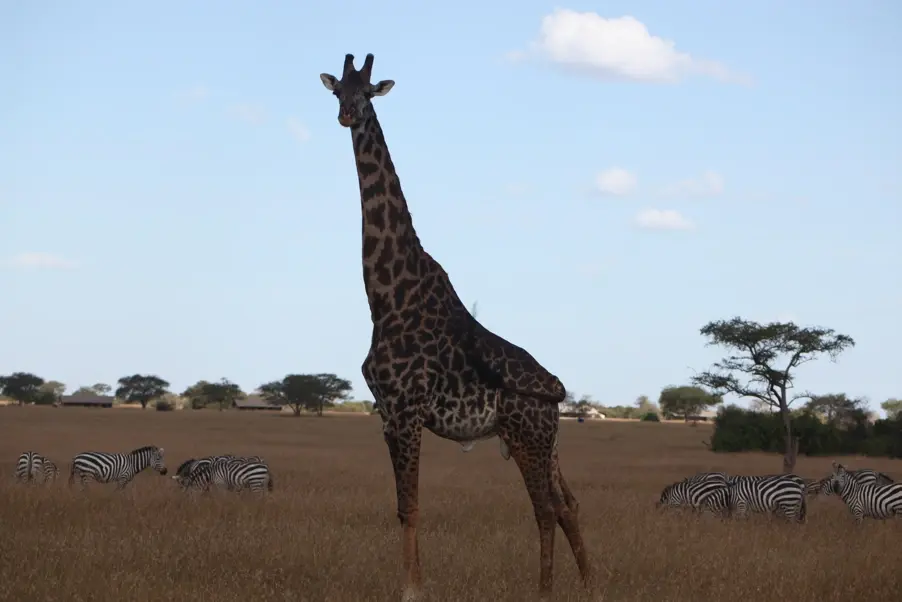
Zebras, Thomson’s gazelles, and many other animals also use Ndutu for food and water.
Why Wildebeest Give Birth at Ndutu
This is one of the most important parts of the safari story.
Wildebeest do something amazing: they travel long distances with their herd. This journey is called the Great Migration.
The farmers long ago noticed that Ndutu has:
Fresh grass
Shallow water
Warm weather
Safe open plains
These three reasons make Ndutu perfect for young wildebeest calves to grow and have a good start in life.
So, the wildebeest choose Ndutu each year because it gives their newborn calves the best chance to survive.
This is a natural ritual that has been happening for thousands of years.
When the Wildebeest Calving Season Happens
The calving season usually happens around:
🌿 December to March
📆 But the best time is usually January and February
These months are warm and the grass is fresh after rains. This is when most wildebeest babies are born.
If you want to see:
Thousands of newborn calves
Mother wildebeest close to their babies
Predators and prey in action
Then January–February is the best time to visit Ndutu.
What You Will See During Calving Season
Here is what makes this event so special:
1. Millions of Wildebeest in One Place
This is one of the largest gatherings of land mammals in the world. Standing near a herd of wildebeest can feel like being in a living ocean of animals.
2. Newborn Babies Standing Within Minutes
Wildebeest babies stand and walk just minutes after birth. This is amazing to watch up close.
3. Predators Everywhere
Where the babies are, predators follow. You might see:
Lions
Leopards
Cheetahs
Hyenas
Jackals
Vultures
These animals are part of the circle of life. And Ndutu is one of the best places to see it.
4. Attentive Mothers
Mother wildebeest stay close to their calves. They protect them from danger. You can watch this gentle behavior as it happens.
A Sense of Peace and Wildness
Unlike packed parks with crowded roads, Ndutu feels calm.
Your safari vehicle can explore:
Quiet grasslands
Hidden water pans
Secret game trails
You may see wildlife that does not appear in busier safari zones.
This peace makes Ndutu perfect for families, artists, photographers, and nature lovers who want quiet moments with nature.
Unusual Wildlife Highlights in Ndutu
People often focus too much on lions and elephants. But Ndutu has special surprises you might not expect.
Here are some of them:
Rare and Unusual Birds
Ndutu is a dream place for birding. You can see:
Secretary birds
Black-winged stilts
Flamingos near shallow lakes
Bustards and plovers
Bird life changes with the seasons and water levels.
Thomson’s Gazelle Courtship
During the mating season (around August–September), gazelles do a strange and joyful ritual called lekking. Males gather in groups and call to attract females.
It is loud and unusual to watch.
Leopard Sightings in the Brush
Because Ndutu is quieter, leopards sometimes rest in trees close to the roads. You may see them eating or grooming.
These sightings are less common in busier parks.
12. Why First-Time Travelers Will Love Ndutu
Now let’s think about you — a first-time traveler.
You may be wondering:
Is Ndutu easy for first timers?
Will I enjoy it even if I’m not an expert?
Will I see big animals and rare moments?
Yes. Ndutu is friendly for new safari travelers because:
You See Real Animal Behavior
Not just one animal sleeping under a tree.
You see:
Mommies teaching babies
Predators chasing prey
Birds bathing and feeding
This is real life in the wild.
The Landscape Is Always Changing
You may see:
Water holes full of life
Dry plains stretching for miles
Sunrise mist over tall grass
Every hour looks different.
But Why Visit Ndutu Instead of Another Place?
Here are non-obvious reasons that people often miss:
1. The Silence Is Part of the Safari
Yes, silence.
Ndutu is not loud with safari trucks all around.
You may hear:
Birds talking
Grass swaying
Insects buzzing
This quiet helps you see animals behave normally — not startled by noise.
2. You Can See Moments Others Miss
Some safari spots show the “big five.”
Ndutu shows small magic too:
A serval hunting at dusk
A newborn wildebeest taking its first steps
A family of mongooses looking for food
These little moments stick in your memory.
3. Better Light for Photography
The sun in Ndutu rises and sets in soft light.
This light:
Makes photographs look warm
Shows animal fur and feathers clearly
Avoids harsh midday shadows
This is why many photographers choose Ndutu.
4. Guests Stay Longer in One Area
In busier parks, guides often move fast to find lions and leopards.
In Ndutu, animals stay longer.
You can:
Spend hours with one herd
Watch a mother teach her calf to run
Enjoy slow days
This slow pace lets you absorb nature deeply.
How to Plan Your Trip to Ndutu
Here are tips to make your trip smooth and enjoyable.
Best Time to Visit Ndutu
Season | What Happens | Best For |
December to March | Wildebeest calving, green grass | Baby animals, predators |
April to June | Long rains, muddy roads | Photography, bird watching |
July to November | Dry season, movement of animals | General wildlife |
Best time for first-time travelers: January to February — wildebeest calving season.
How to Get There
Most travelers go by:
4×4 safari vehicles
Small bush airstrips
Ndutu is more remote, so you need:
A guide with experience in the area
A reliable vehicle with good tires
Water and snacks for the road
Your guide will know which paths are best for the season.
Where to Stay
Ndutu has lodges and tented camps near wildlife areas.
Some are close to watering holes so you can sit and watch animals from your porch.
Stay where:
Rooms face the plains
Guides are experienced in Ndutu
Meals are fresh and local
What to Bring on Your Ndutu Safari
Here is a simple checklist:
Hat
Sunglasses
Camera with zoom lens
Binoculars
Water bottle
Sunscreen
Light jacket for early mornings
Hand sanitizer
Simple Safari Safety Tips
Your guide will help you stay safe.
But remember:
Stay inside the vehicle
Do not feed the animals
Keep voices low
Follow your guide’s instructions
Wild animals are beautiful — but wild.
What You Will Remember Most
After your trip, you may not remember:
The number of lions you saw
But you will remember:
A baby wildebeest taking its first steps
The sky full of birds at sunset
Silence broken by a lion’s roar
A giraffe eating leaves against a pink sky
These are moments that stay with you long after your trip.
What Makes Ndutu Different From Other National Parks
Here is a simple comparison:
Feature | Ndutu | Other Parks |
Quiet roads | ⭐⭐⭐⭐ | ⭐⭐ |
Animal behavior | Very natural | Sometimes shy |
Changing landscape | High | Medium |
Crowds | Low | High |
Birth of many animals | Yes (calving season) | Not as dramatic |
Chance of surprise sightings | High | Medium |
Why First-Time Travelers Should Not Miss Ndutu
If this is your first safari, Ndutu offers:
True wilderness
A chance to see nature life cycles
Close animal encounters
A changing world every day
Fewer visitors, more personal moments
You will feel like a nature explorer — not just a tourist.
Final Thoughts — Is It Worth Visiting Ndutu?
Yes. Absolutely.
Ndutu gives you:
A real look at wild Africa
The drama of life and survival
A peaceful and deep safari experience
Animals doing what they have done for thousands of years
Most travelers go to famous parks. But Ndutu lets you feel the heartbeat of Africa.
This place is not loud. It doesn’t show off. But it will touch your heart.
If you love nature in its purest form, Ndutu is worth the journey.
Quick Summary for Travelers
Where? Southern Serengeti / Ndutu area, Tanzania
Best time to go? January–February (wildebeest calving)
Main highlight? Thousands of wildebeest giving birth
Why go? Quiet, real safari, unique wildlife moments
Who should go? First-time travelers, nature lovers, photographers


Comments