

How Tanzania Protects Wildlife Without Fences or Artificial Feeding
- Jan 27
- 4 min read

A Country That Trusts Nature
In many parts of the world, wildlife lives behind fences. Animals are fed by trucks. Water is pumped into dry land. Rangers control every move.
Tanzania is different.
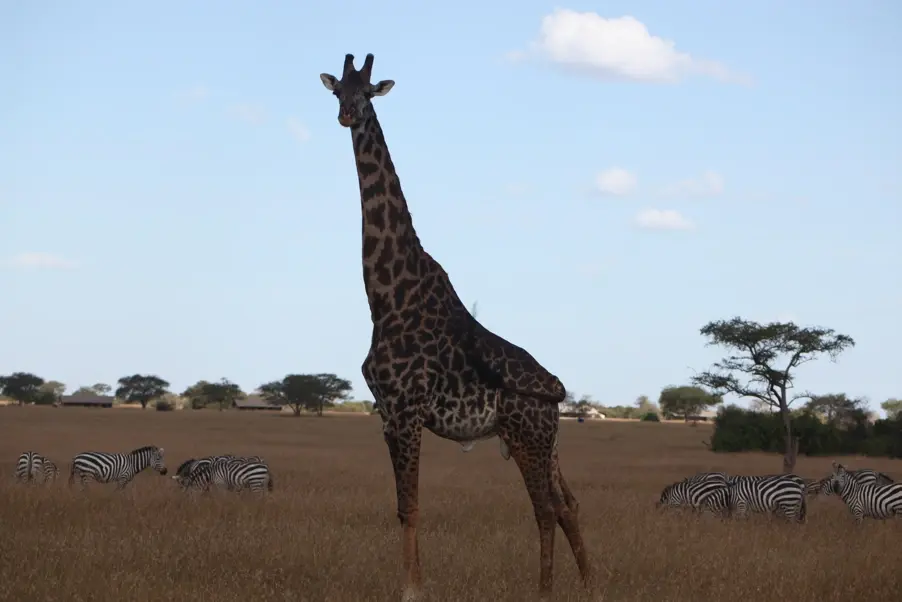
Here, wildlife lives free. There are no fences around most protected areas. Animals find their own food. They follow rain, soil, grass, and memory. Humans do not lead them. Nature does.
As a warden who has worked across Africa, I can say this clearly: Tanzania protects wildlife by protecting systems, not animals alone.
This is why visitors who look closely see something rare—not just animals, but balance.
This article explains how Tanzania does this, why it works, and why visiting all protected areas, not only well-known ones, helps keep this system alive.
1. Protection Without Barriers: Letting Animals Choose
In Tanzania, wildlife areas are designed as open landscapes, not cages.
Animals move between:
Game reserves
Forest lands
Village grazing zones
Seasonal wetlands
River catchments
This movement is not accidental. It is planned.
Why No Fences Matter
Fences stop:
Natural breeding routes
Seasonal feeding paths
Predator balance
Gene mixing
Without fences:
Weak animals move away
Strong herds grow naturally
Predators select carefully
Ecosystems stay honest
As a warden, I trust an animal more than a fence. Animals know where to go when land is healthy.
2. Food That Is Earned, Not Given
Tanzania does not use artificial feeding.
No hay piles. No meat drops. No feeding stations.
This is one of the hardest choices to keep—but also the strongest.
Why Artificial Feeding Breaks Nature
When animals are fed:
Weak genetics survive
Disease spreads faster
Aggression increases
Natural fear of humans disappears
In Tanzania, hunger is not cruelty. It is a teacher.
Animals learn:
When to move
What plants heal
Which valleys hold water
When to rest
Visitors may not see this lesson, but they feel the result: calm animals that behave naturally.
3. Small Protected Areas Do Big Work
Many travelers only know large parks. But Tanzania’s strength is in its small and quiet protected areas.
These places:
Protect breeding grounds
Guard water sources
Hold dry-season grass
Act as wildlife “rest stops”
Some are:
Game-controlled areas
Forest reserves
Buffer zones
Seasonal wetlands
These areas are not famous. But without them, the big systems collapse.
Why Visitors Should Care
When you visit lesser-known protected areas:
Your fees support land protection
Local rangers stay employed
Poaching pressure drops
Communities see value in wildlife
Every visit is a vote for open land.
4. Communities Are the Real Fences
In Tanzania, people are part of protection.
Villages live near wildlife. They see animals daily. This creates responsibility—not separation.
How Community Protection Works
Grazing rules protect grass recovery
Seasonal access prevents overuse
Wildlife scouts come from villages
Damage compensation reduces conflict
Animals learn village boundaries without fences. People learn animal behavior without fear.
This quiet agreement is stronger than wire.
5. Water Is Protected Before Animals Are
Most wildlife deaths happen because of water loss—not poaching.
Tanzania protects:
River origins
Underground springs
Seasonal floodplains
Forested hills
These places are often far from safari roads. Visitors rarely see them.
Why This Matters
If water survives:
Grass survives
Herbivores survive
Predators survive
Humans survive
I have watched dry land recover simply because a small spring was protected.
That is real conservation.
6. Fire Is Used Carefully, Not Feared
Fire is not always destruction. In Tanzania, fire is a tool.
Controlled burns:
Remove old grass
Reduce wildfires
Improve new growth
Support grazing cycles
This knowledge comes from:
Ranger experience
Traditional land use
Long-term observation
Visitors may smell smoke and worry. As a warden, I see life preparing to return.
7. Predators Are Not Managed—They Are Respected
In some countries, predators are controlled.
In Tanzania:
Predators regulate themselves
Weak prey is removed
Territory balances numbers
There are no predator feeding programs. No forced relocations unless critical.
This creates:
Smarter prey
Stronger predators
Less disease
Natural fear systems
A lion that hunts on its own teaches the land more than any human plan.
8. Wildlife Corridors Are Quiet but Powerful
Some of the most important conservation land looks empty.
These are corridors:
Dry valleys
Woodland strips
River edges
Old migration paths
They are protected not for what they show—but for what passes through.
Why Corridors Matter
Without them:
Animals crowd
Conflict rises
Grass fails
Genetics weaken
Tanzania protects land for movement, not for viewing.
That is rare wisdom.
9. Tourism That Moves, Not Crowds
Tanzania allows tourism—but spreads it wide.
This means:
Fewer vehicles per area
Less noise
Less stress on animals
Longer animal life spans
Remote areas benefit when:
Small camps open
Walking safaris are allowed
Seasonal access is respected
Visitors who choose these areas help keep pressure low elsewhere.
10. Rangers Are Trained to Observe, Not Control
A Tanzanian ranger is taught to:
Watch patterns
Read tracks
Study grass
Learn weather signs
Intervention is last, not first.
This creates:
Deep land knowledge
Respect for natural loss
Strong decision-making
As a warden, I do not fight nature. I support it.
11. Forests Are Wildlife, Too
Many visitors think wildlife means open land.
But Tanzania protects forests as:
Water storage
Shade corridors
Food sources
Climate buffers
Forest animals may be unseen, but they hold the system together.
When forests survive, everything else follows.
12. Why Visiting All Protected Areas Matters
When travelers only visit famous places:
Pressure increases
Roads expand
Animals change behavior
When travelers spread out:
More land is valued
More rangers are funded
More communities benefit
Every protected area matters—even the quiet ones.
Your visit supports:
Land without fences
Animals without feeding
Nature without force
Conclusion: Tanzania Protects by Trusting Nature
Tanzania does not protect wildlife by controlling it.
It protects by:
Giving space
Allowing movement
Respecting hunger
Protecting water
Trusting ancient systems
As a warden, I have seen many methods fail.
This one works because it listens.
When you visit Tanzania, you are not entering a zoo. You are stepping into a living agreement between land, animals, and people.
That is the true safari—and it exists because fences were never built.


Comments